Photo credit: Zigzag Mountain Art/Shutterstock.com
Some foods look like they’ll last forever on the shelf—but don’t be fooled. Just because something is dry, canned, or vacuum-sealed doesn’t mean it’s ready for long-haul storage. Preppers who’ve been at it for a while know that certain items have a sneaky way of turning stale, rancid, or just plain inedible much sooner than you’d expect. If you’re stocking up for the long term, these are the foods you might want to double-check—or skip altogether unless you’re rotating them often.
Brown Rice
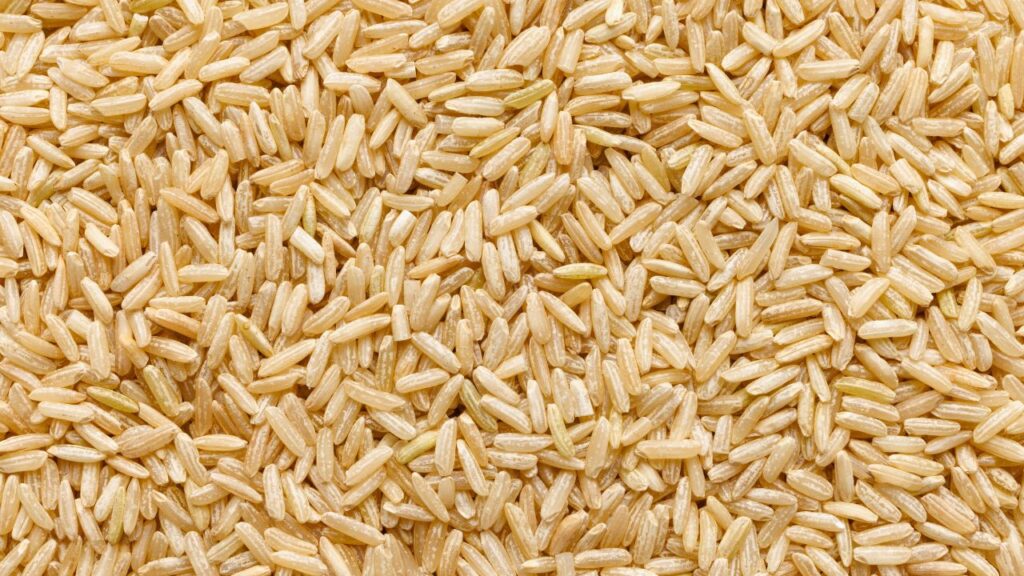
Brown rice seems like a healthy staple, but it doesn’t store nearly as long as white rice. The oils in the bran layer go rancid within months if it’s not kept very cool.
Unless it’s sealed in an oxygen-free container and frozen, you’re better off using it regularly and rotating it out. It’s great for everyday meals, but not your best bet for deep storage.
Granola Bars
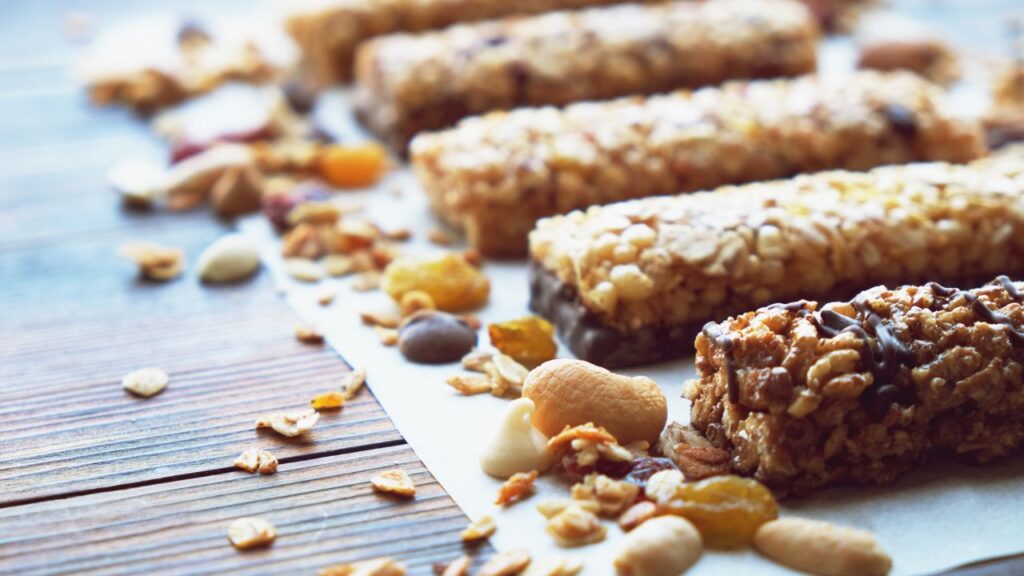
They’re dry, individually wrapped, and full of calories—sounds like the perfect prepper snack, right? Not so fast. The nuts and oils in most bars turn rancid quicker than you’d think.
Many start going stale or changing flavor within six months, even if the date says longer. They’re fine for short-term use, but not something to forget in a bug-out bag.
Vacuum-Sealed Snack Packs
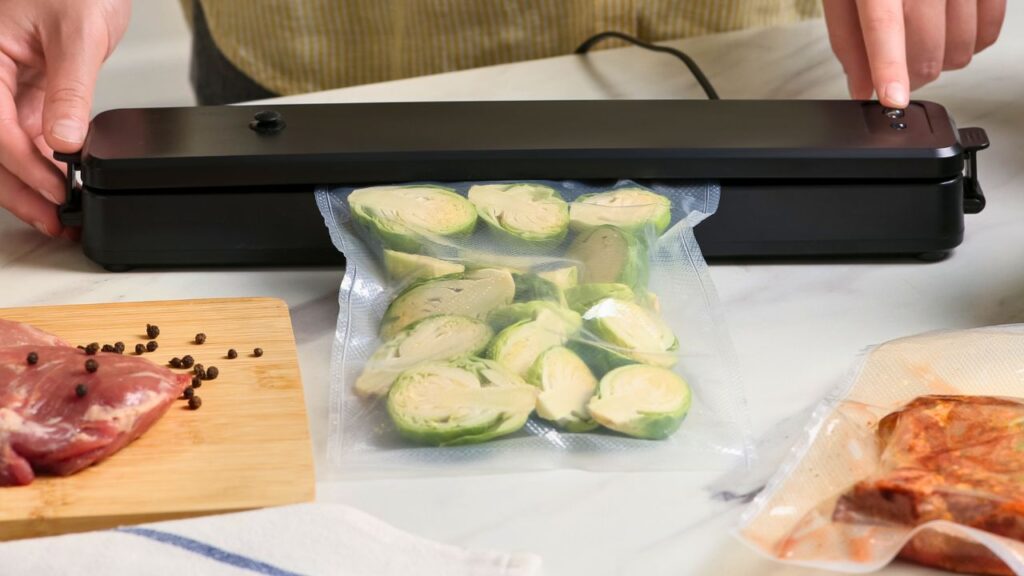
Vacuum-sealed doesn’t mean invincible. Things like trail mix, jerky, or cheese sticks can still go bad due to moisture, temperature swings, or oil breakdown.
They’re convenient and space-saving, but most only last about 6 to 12 months before the quality starts to slide. Use them, enjoy them, but don’t treat them like long-term pantry items.
Peanut Butter
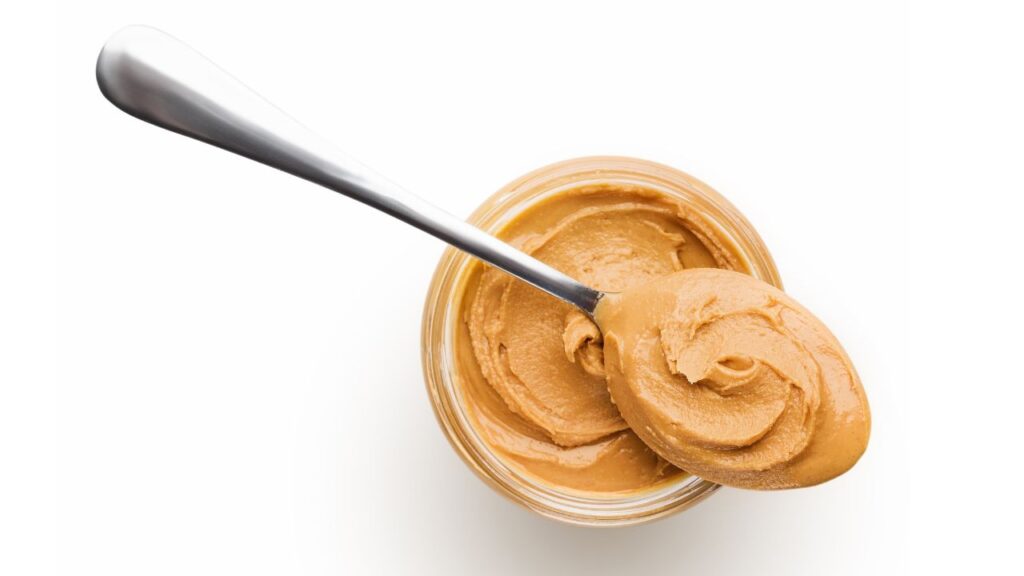
Peanut butter feels like it should last forever—but the oils start breaking down and turning rancid over time. Most jars are good for a year or two, but that’s it.
Once opened, the shelf life drops even more. Powdered peanut butter is a better option for deep storage. Keep the regular stuff for everyday use and rotate often.
Breakfast Cereals
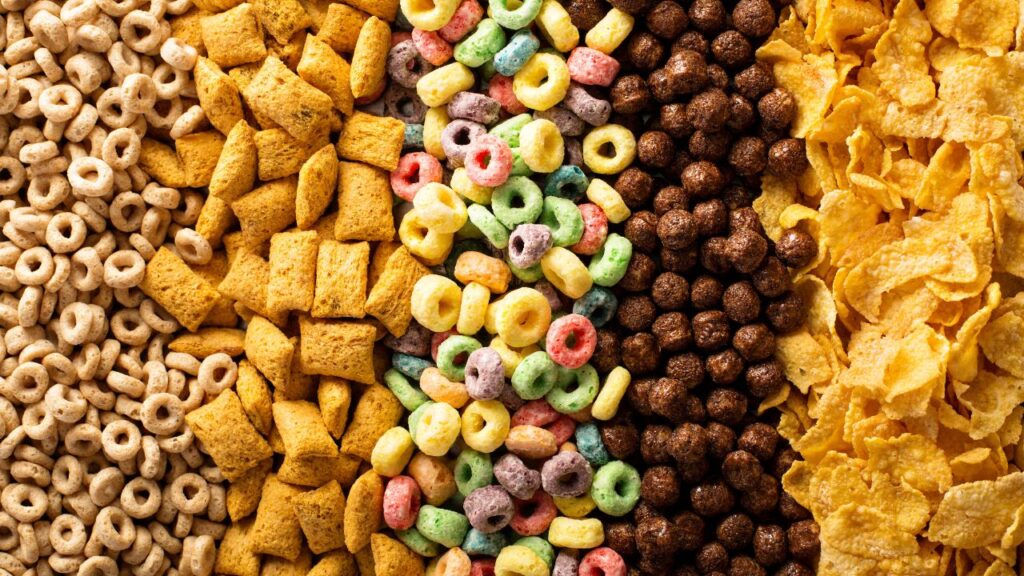
Cereal boxes look neat on a shelf, but most are packed with ingredients that don’t handle time well. Oils, artificial flavors, and even the packaging itself can turn on you.
Even unopened, cereals lose crispness and develop stale flavors. After about a year, most are a shadow of their former selves. Store what you’ll eat soon, not what you’re saving for years.
Canned Fruit
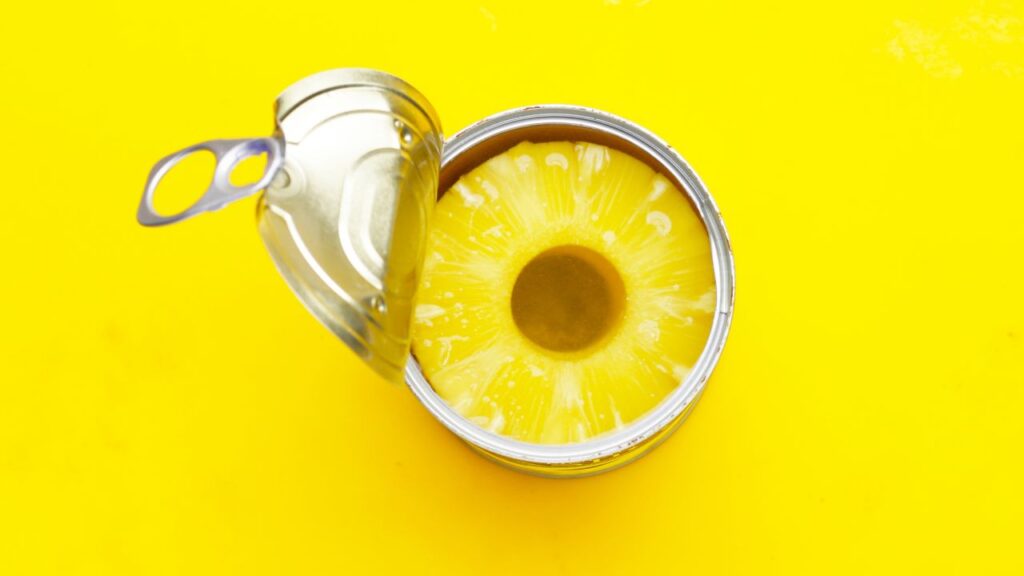
Canned fruit might seem like a pantry MVP, but the high moisture content and acidity wear down the can from the inside out. That shortens shelf life more than you’d expect.
You’ll often see bulging or rust after just a couple of years. It’s tasty and easy to store—but rotate it regularly or expect to toss some out.
Whole-Wheat Flour
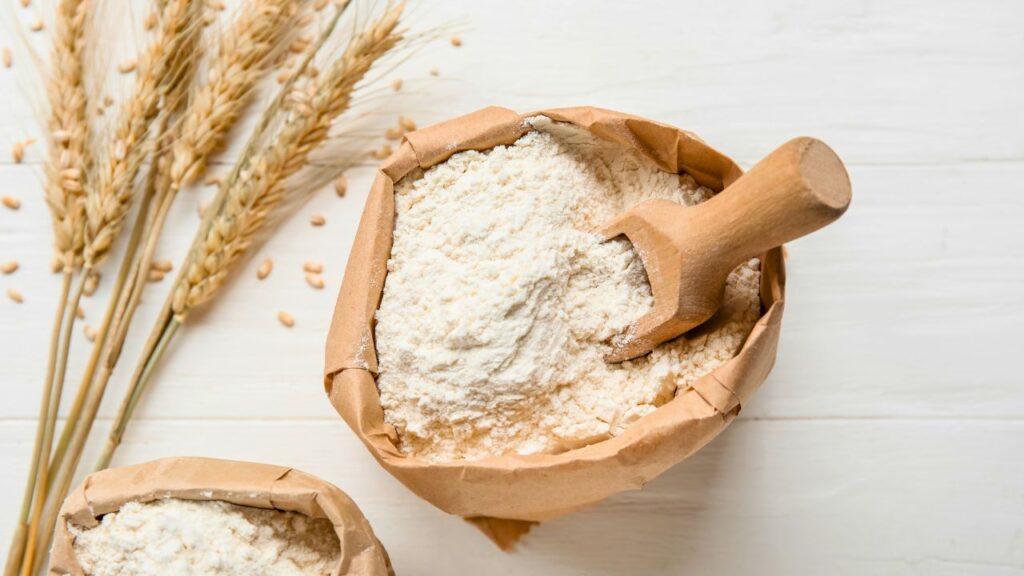
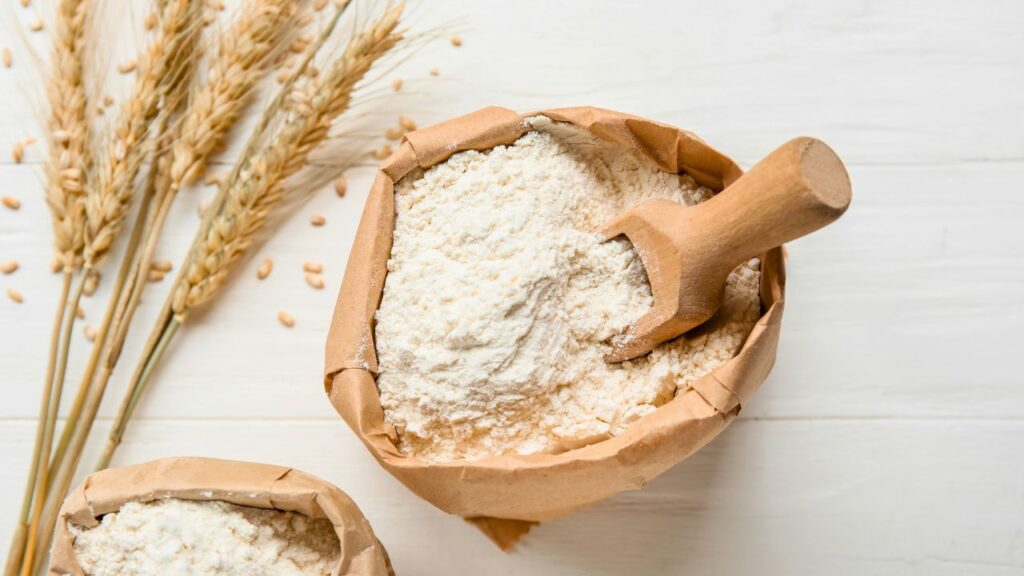
Wheat flour with the bran still in it goes bad surprisingly fast. The oils in whole-wheat spoil quicker than white flour—especially in warm storage areas.
Unless you vacuum seal and freeze it, don’t count on whole-wheat flour lasting more than 6 to 12 months. Great for daily baking, not so great for your prepper pantry.
Shelf-Stable Milk Boxes
Those little boxes of milk feel like they’d last for years, but many only have a 6-month to 1-year shelf life—and they taste off well before that.
Even in cool, dry storage, the flavor and texture degrade quickly. They’re convenient for travel or short-term needs, but you’ll want to rotate them often or stick with powdered milk for prepping.
Bottled Water in Thin Plastic
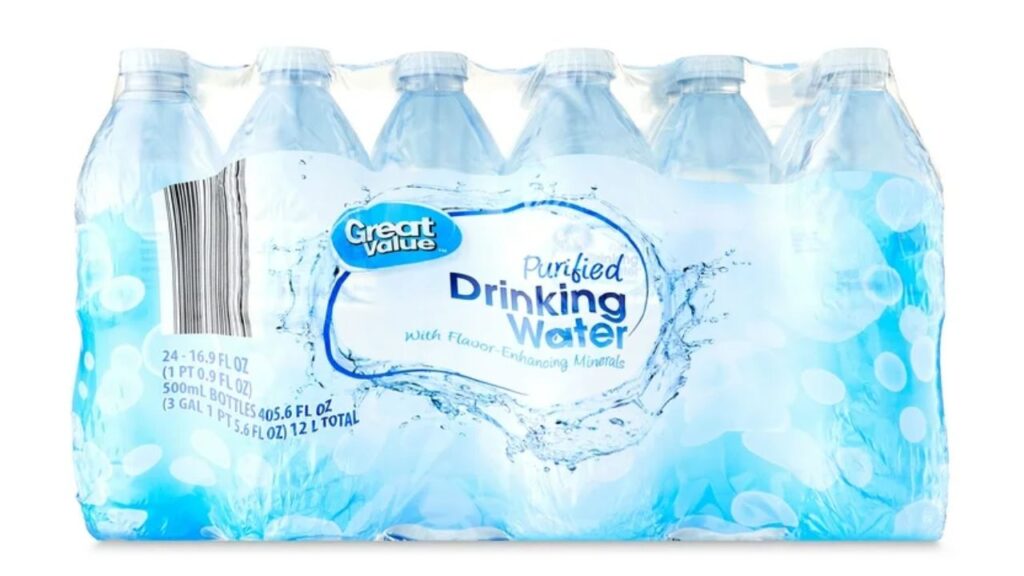
It’s just water, so what could go wrong? Thin plastic bottles break down over time, especially in heat or sunlight. That leaching affects taste—and sometimes safety.
Water doesn’t spoil, but the container does. Store water in thick, food-grade containers and rotate the cheap bottled stuff out every 6 to 12 months to stay on the safe side.
*This article was developed with AI-powered tools and has been carefully reviewed by our editors.