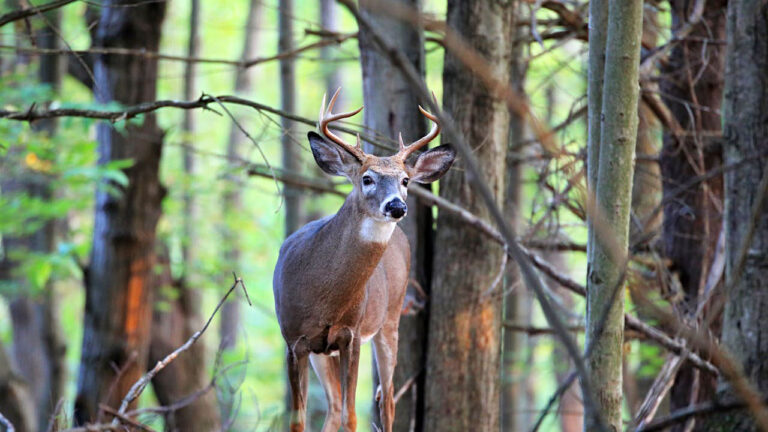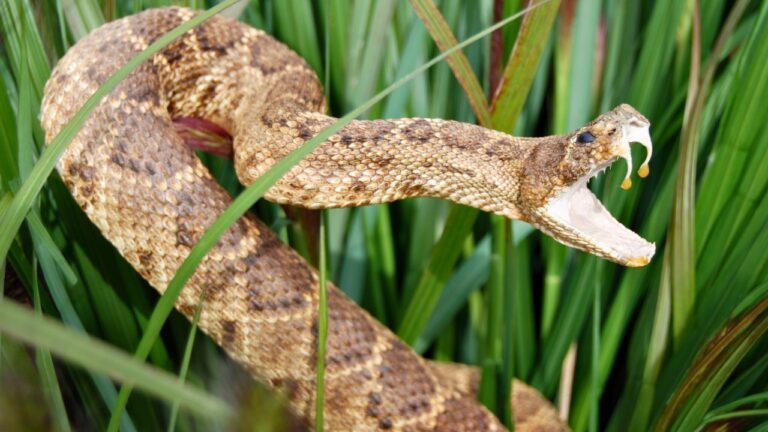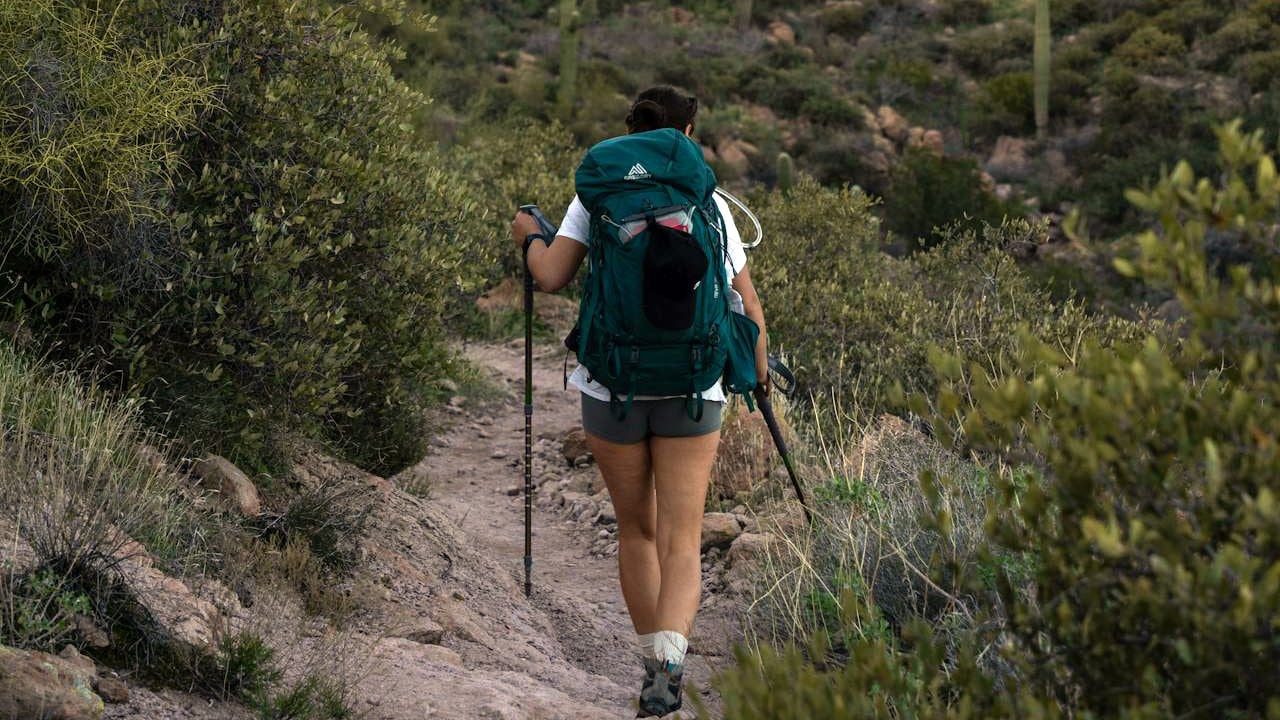
Photo credit: Alex Moliski/Pexels.com
Most wildlife encounters don’t start with a “bad animal.” They start with a bad setup. People surprise animals, get too close, act weird, or create a food situation that teaches wildlife humans equal calories. Then the animal gets blamed for doing what animals do. The goal isn’t to be paranoid. It’s to be smart. If you hike a lot—especially at dawn, dusk, or in thick country—you’ll eventually share space with predators, big game, or something defensive like a moose. The mistakes below are the ones that turn a normal encounter into a bad one, and most of them are fixable with habits and awareness instead of hero talk.
Getting too close for photos
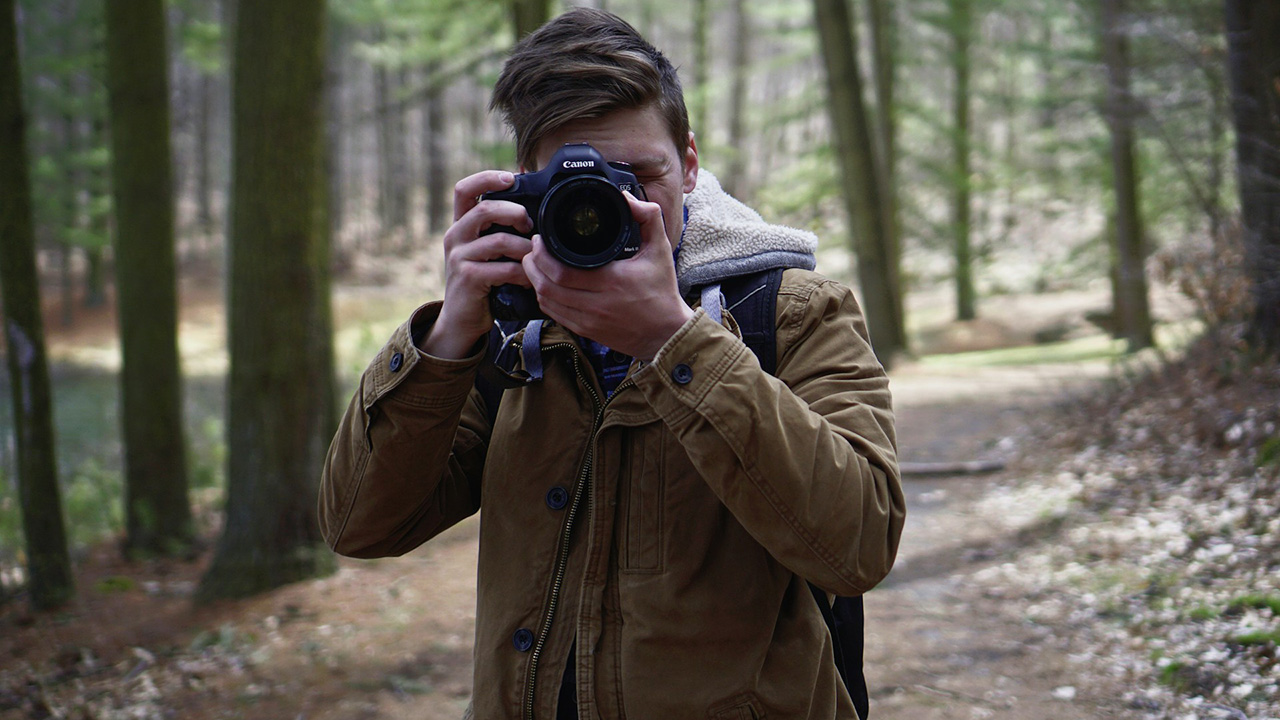
This one causes more problems than people want to admit because phones make everyone think they’re a wildlife documentarian. The issue isn’t just predators. It’s moose, elk, bison, bear, even smaller animals that feel cornered. When you close distance for a photo, you steal the animal’s comfort zone. Now it has to decide: move, posture, or fight. People also forget that the closer you get, the more likely you are to trigger a defensive charge or a sudden bolt that can injure you or someone else. The fix is simple: zoom with your camera, not your feet. If the animal changes behavior because you’re there—stops feeding, stares hard, starts walking away fast—you’re too close. Back up, give it room, and stop trying to “win” a photo.
Hiking with earbuds blasting
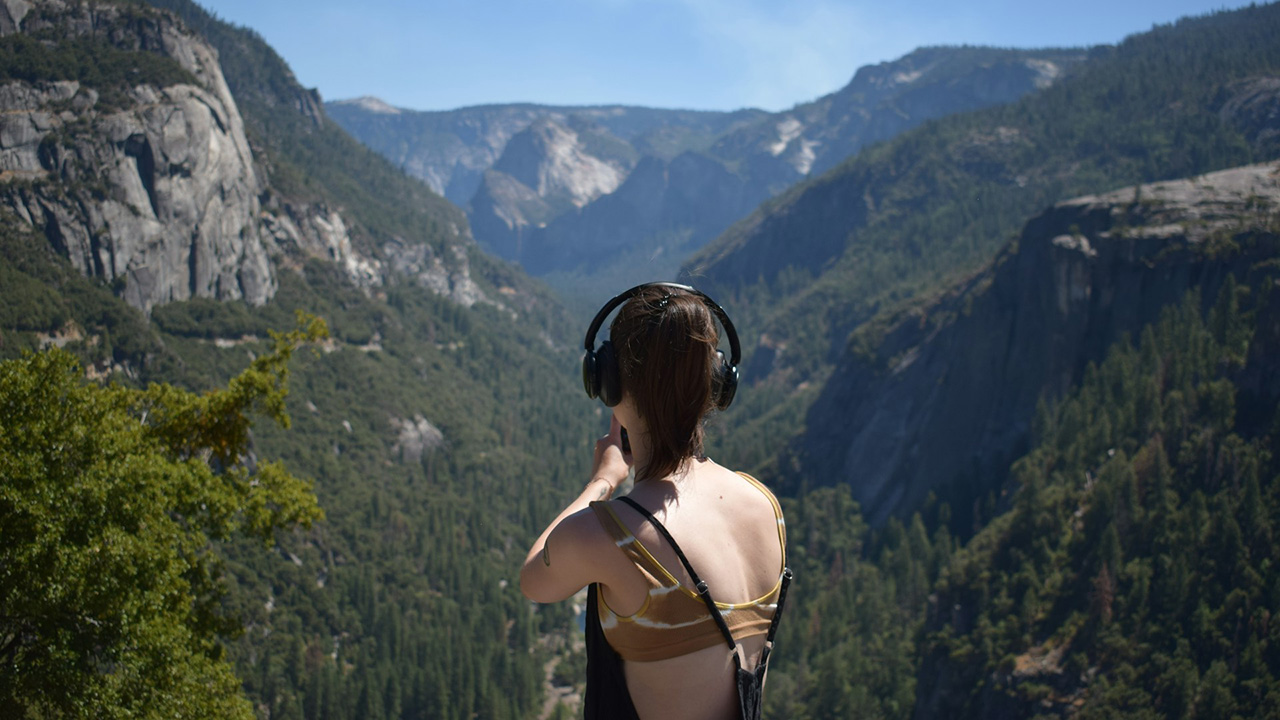
Earbuds don’t just block sound; they block awareness. You miss warning sounds, you miss other hikers calling out, you miss branches cracking, and you miss the subtle cues that an animal is near. In bear country, not hearing movement or huffing can put you right on top of an animal before either of you realizes it. Even with moose and elk, sound matters because you’ll often hear them before you see them. Earbuds also make people hike faster and less aware, which increases surprise encounters. If you want music, keep it low or use one ear, but the better play is hiking with your senses turned on. Wildlife encounters get ugly when people blunder into an animal’s space with zero awareness and then panic when it reacts.
Moving silently through thick cover
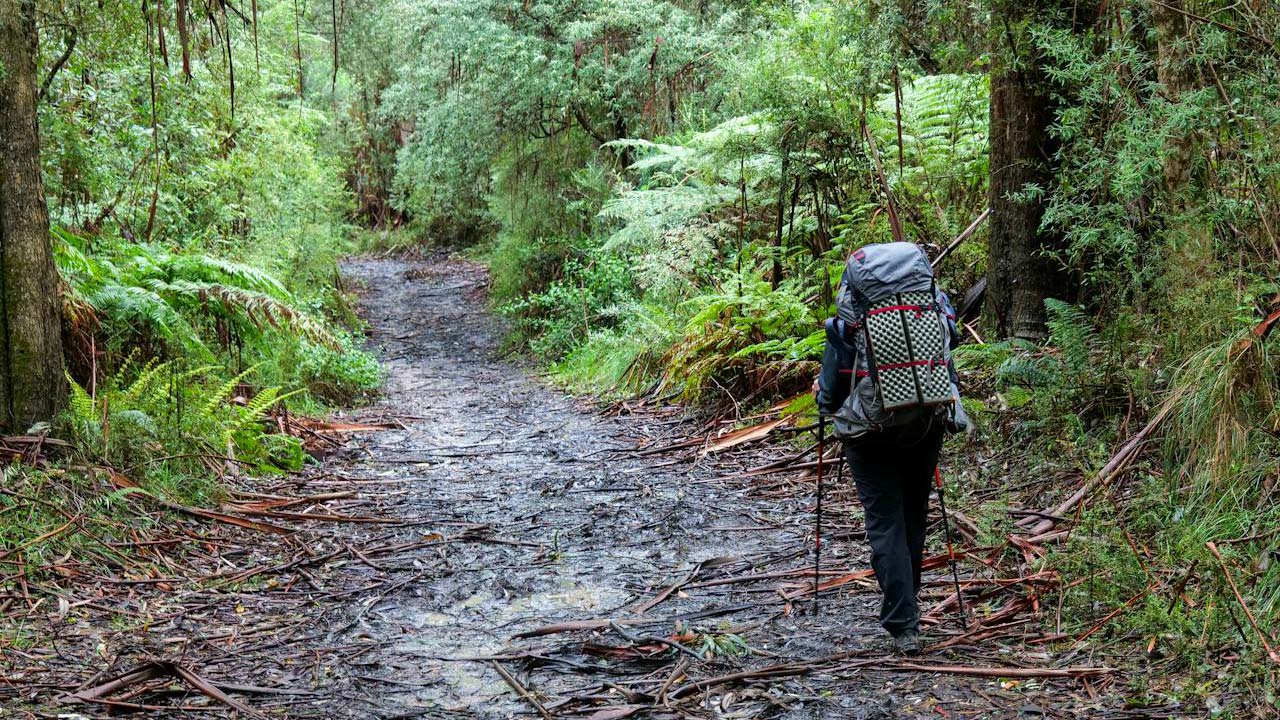
A lot of hikers think being quiet is respectful. In wildlife country, silent can be dangerous. Bears, moose, and even deer can get defensive when surprised at close range. Thick cover, tight corners, creek bottoms, and brushy draws are classic “surprise zones” where visibility is bad and sound doesn’t travel far. The smartest move is making calm human noise—talking, occasional claps, calling out on blind corners—so animals know you’re coming and can move away. You’re not trying to scare everything. You’re trying to avoid a close-range surprise. Most animals want to avoid you, but you have to give them a chance to do it. Silent hiking is how people accidentally walk into the wrong pocket and create a problem.
Letting dogs roam off-leash
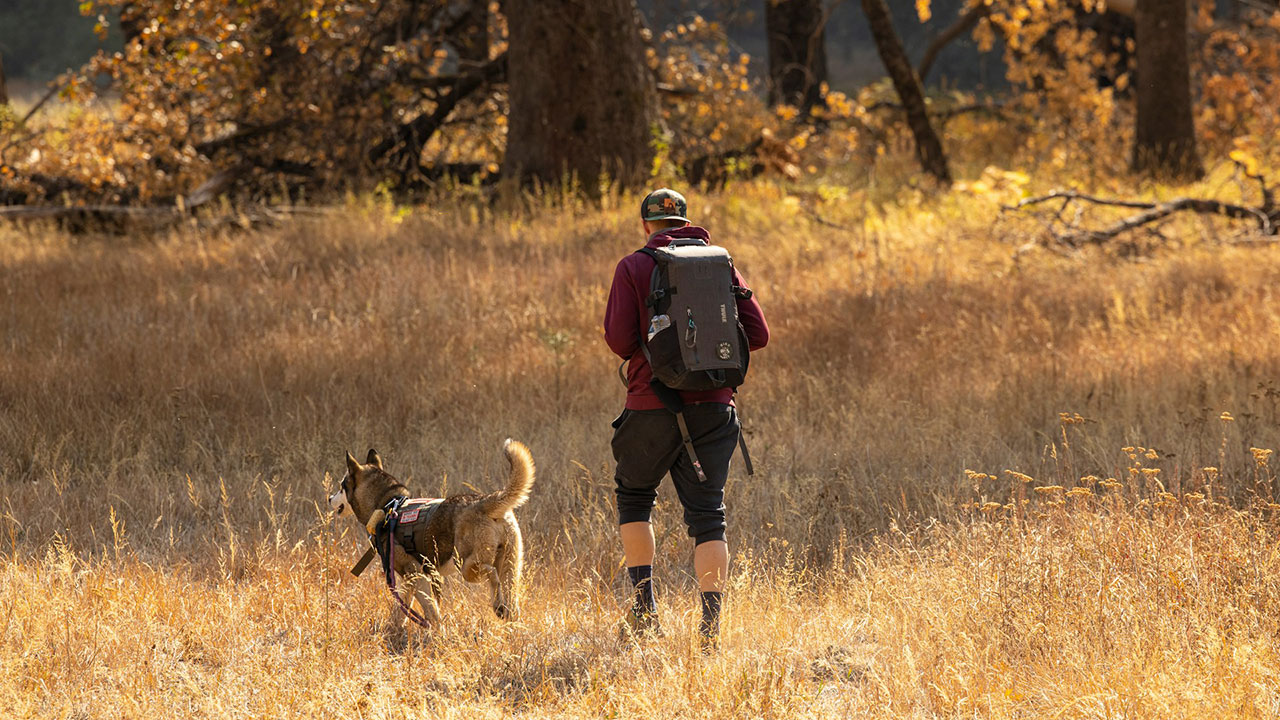
Off-leash dogs are one of the fastest ways to turn a calm animal into a defensive animal. Your dog runs ahead, finds something, barks or charges, then comes sprinting back to you with the animal behind it. That can be a bear, a moose, a cow elk, even a protective doe. Now you’re in the middle of it without warning. Dogs also pull predators in because they look like prey or competition. Even if your dog is “friendly,” wildlife doesn’t care. The fix is simple: leash the dog in wildlife-heavy areas, especially near water, brush, and low-visibility terrain. If you want off-leash time, pick a controlled environment with clear sight lines and low wildlife risk. It’s not about being anti-dog. It’s about not letting your dog start an incident for you.
Running when you get spooked
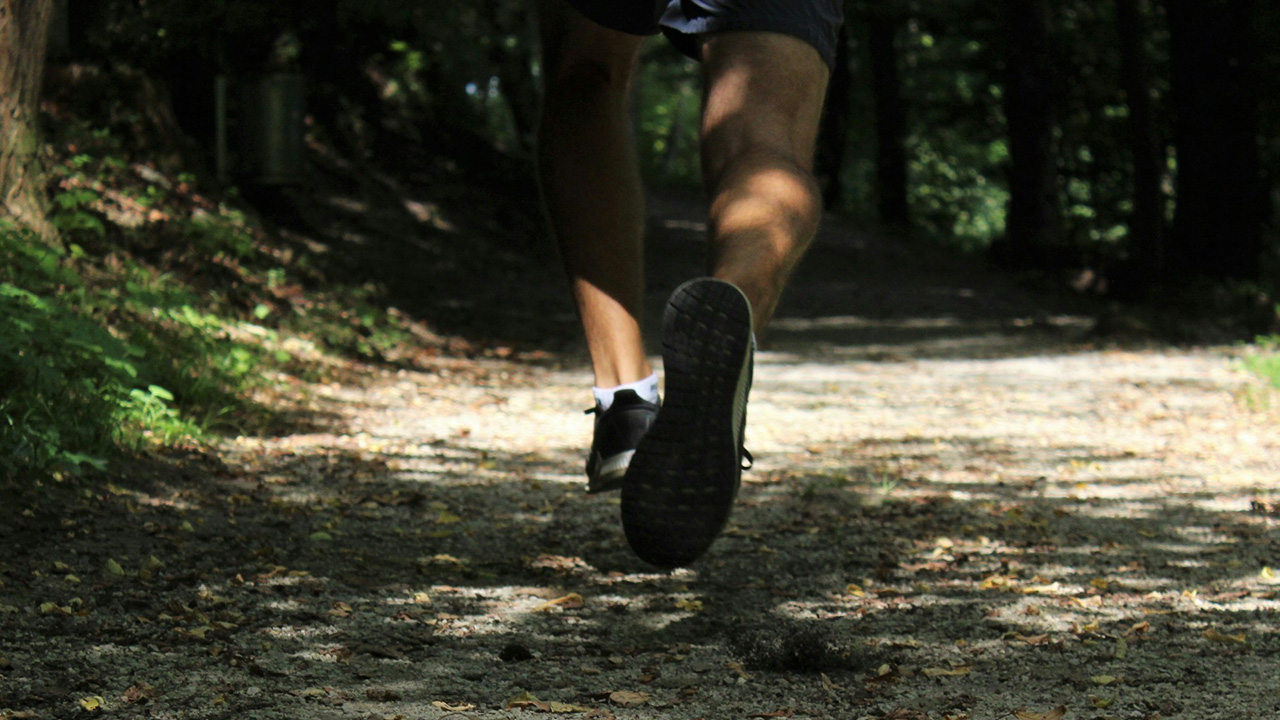
Running triggers chase instincts in a lot of animals, and it also turns a manageable situation into chaos. With bears, running can escalate things quickly because you look like prey. With mountain lions, a sprint can flip a switch that wasn’t flipped before. Even with moose, running can cause pursuit behavior if the animal feels threatened or if you’re moving toward cover that traps you. The better move is controlled retreat: back away, face the animal, keep space, and don’t act frantic. Most animals aren’t looking to hunt a human. They’re looking for space and safety. Running tells them you’re either prey or a threat trying to flee after doing something wrong. It rarely helps and it often makes things worse.
Getting between a mother and young
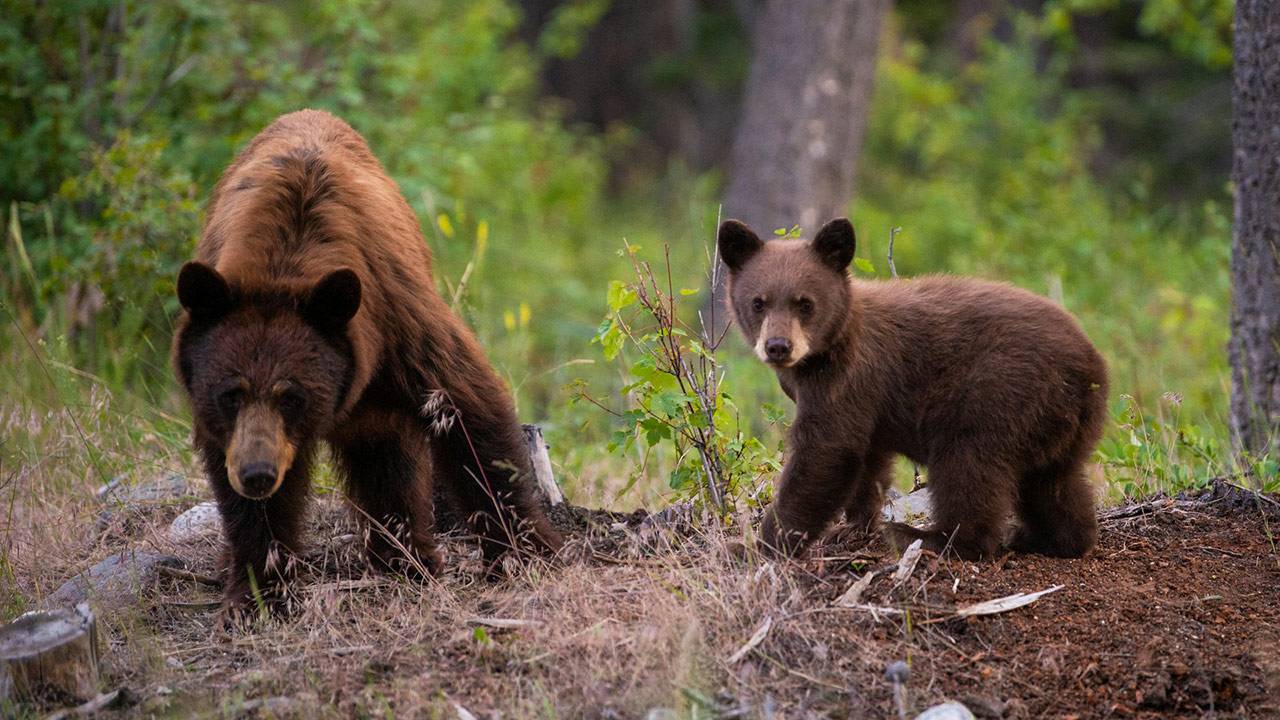
This is a classic mistake because baby animals are quiet and hard to spot. You see a calf elk, a bear cub, a fawn, or young moose, and you don’t realize you’re already in a high-risk situation. Mothers don’t need to be “aggressive” to hurt you—they just need to be protective and close enough. The smart move is to assume mom is nearby, even if you don’t see her. Back out the way you came, don’t linger, and don’t try to look around for “the rest of the family.” This is also where dogs get people in trouble, because dogs fixate on young animals. The goal is space. Young animals are a sign to leave, not a reason to stay.
Following animal trails like they’re hiking trails
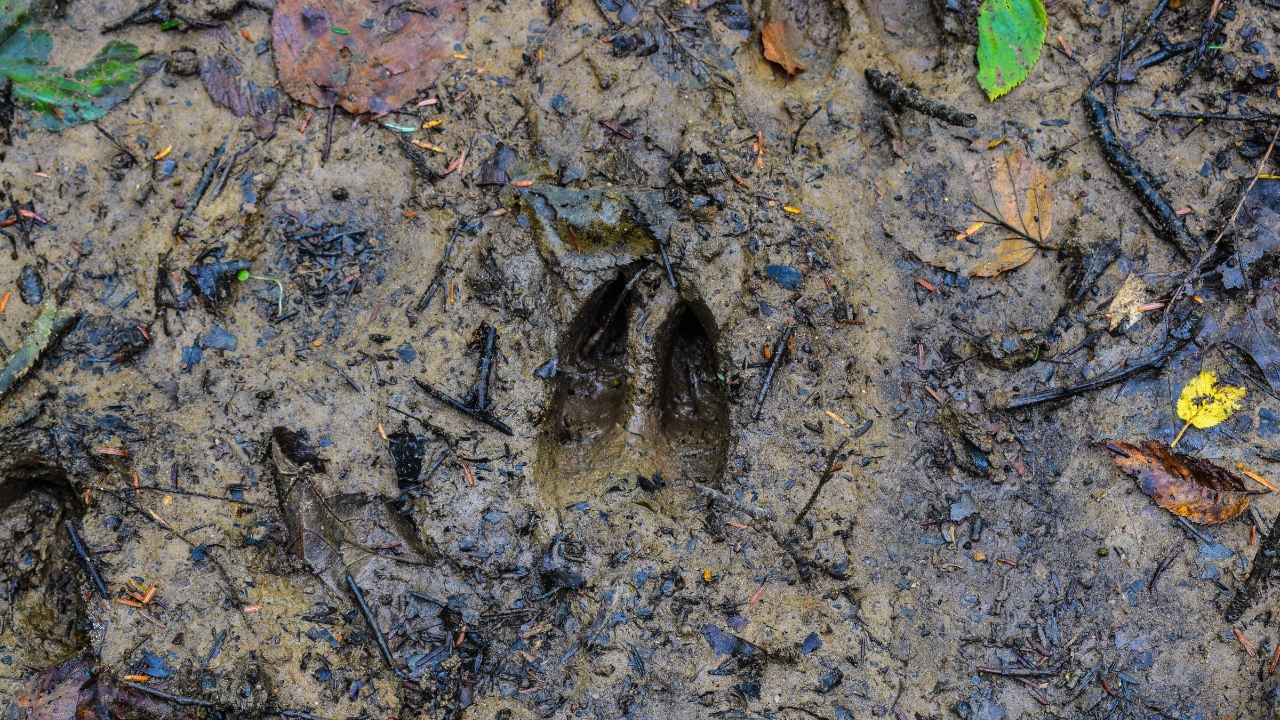
Animal trails can be efficient, but they also lead to bedding areas, feeding pockets, and travel corridors where you’re more likely to bump wildlife at close range. That’s especially true in thick country where the “best path” is the same path deer and predators use. When you follow those trails, you’re basically walking into the places animals feel safe. That raises the odds of surprising something or stumbling into a defensive animal. If you’re on a marked trail, stay on it. If you’re route-finding off trail, try to choose paths with visibility and avoid pushing into thick bedding cover during low light. The more you act like prey moving through animal habitat, the more you’ll create encounters that feel “sudden” and scary.
Not carrying bear spray where it makes sense
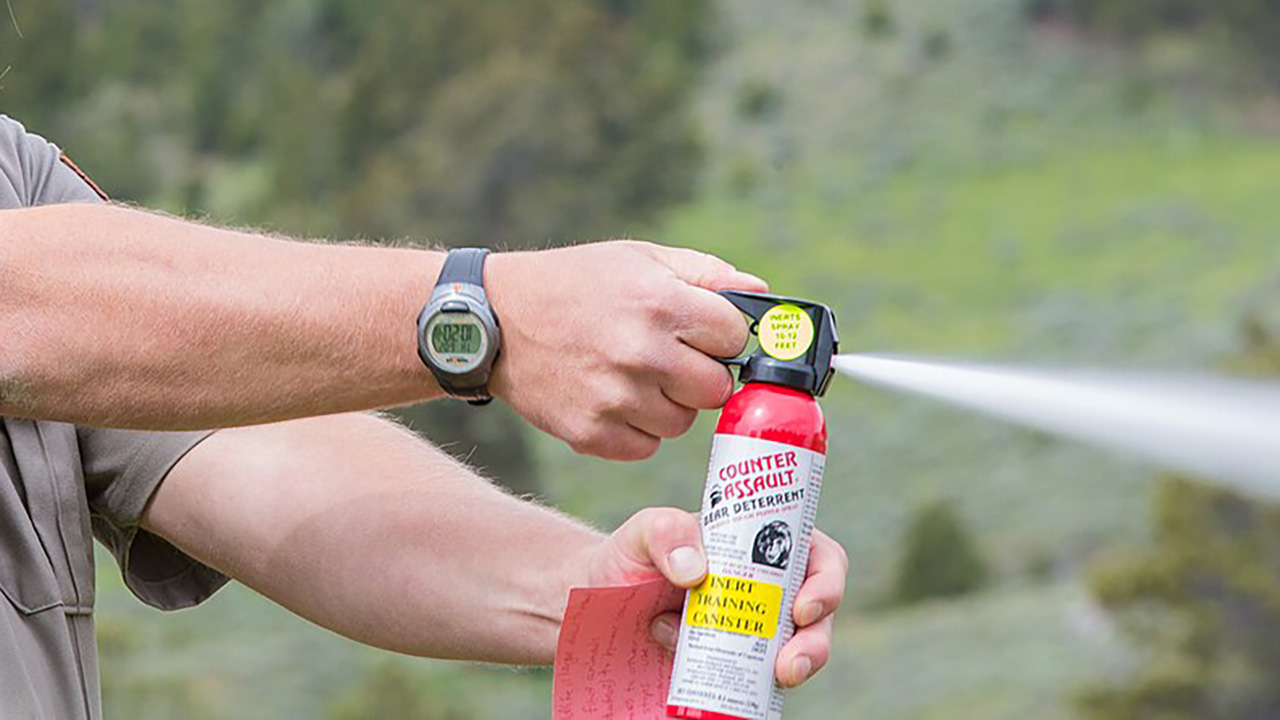
Bear spray isn’t a macho thing. It’s a practical tool that can stop a bad situation without killing anything and without needing perfect shot placement under stress. People skip it because they assume they won’t need it, or they assume a gun alone covers everything. Reality is that in a fast, close encounter, spray can be faster and simpler, especially for hikers who don’t train regularly with a handgun under pressure. The mistake isn’t “not carrying a gun.” The mistake is carrying nothing and hoping you never need it. If you’re in bear country, carry bear spray and keep it accessible—not buried in a pack. The best tool is the one you can actually deploy in a real moment.
Leaving food smells on you and your gear
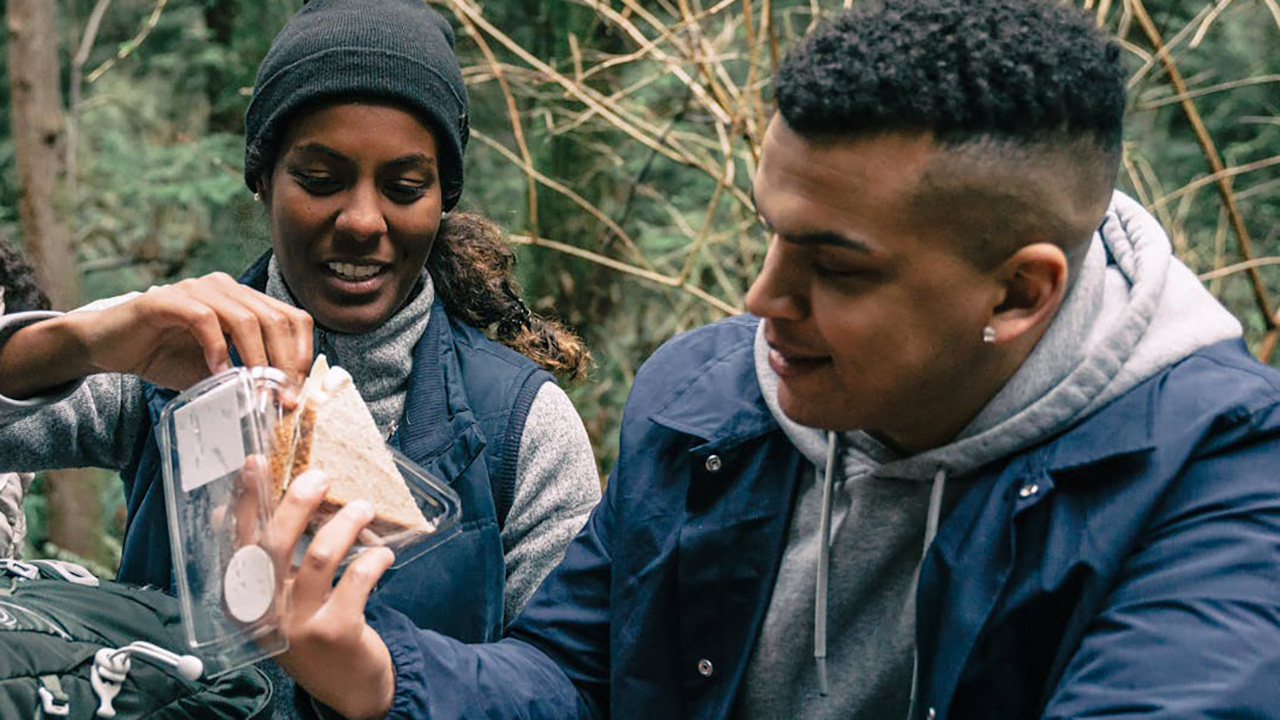
This isn’t just about dropping trash. It’s about wrappers in pockets, snacks spilled in packs, greasy hands wiped on pants, or a lunch bag left in an outer pocket. Predators and scavengers don’t need a full meal to get curious. They need a scent trail that teaches them hikers equal food. Once animals learn that, encounters get more frequent and more bold. The fix is keeping food sealed, packing out trash, and being disciplined about how you eat and store snacks. At camp, it’s even more important—store food properly and keep a clean site. A “food-conditioned” animal is where bad encounters start trending, and hikers play a role in creating that problem more than they want to admit.
Approaching wildlife to “shoo it off”
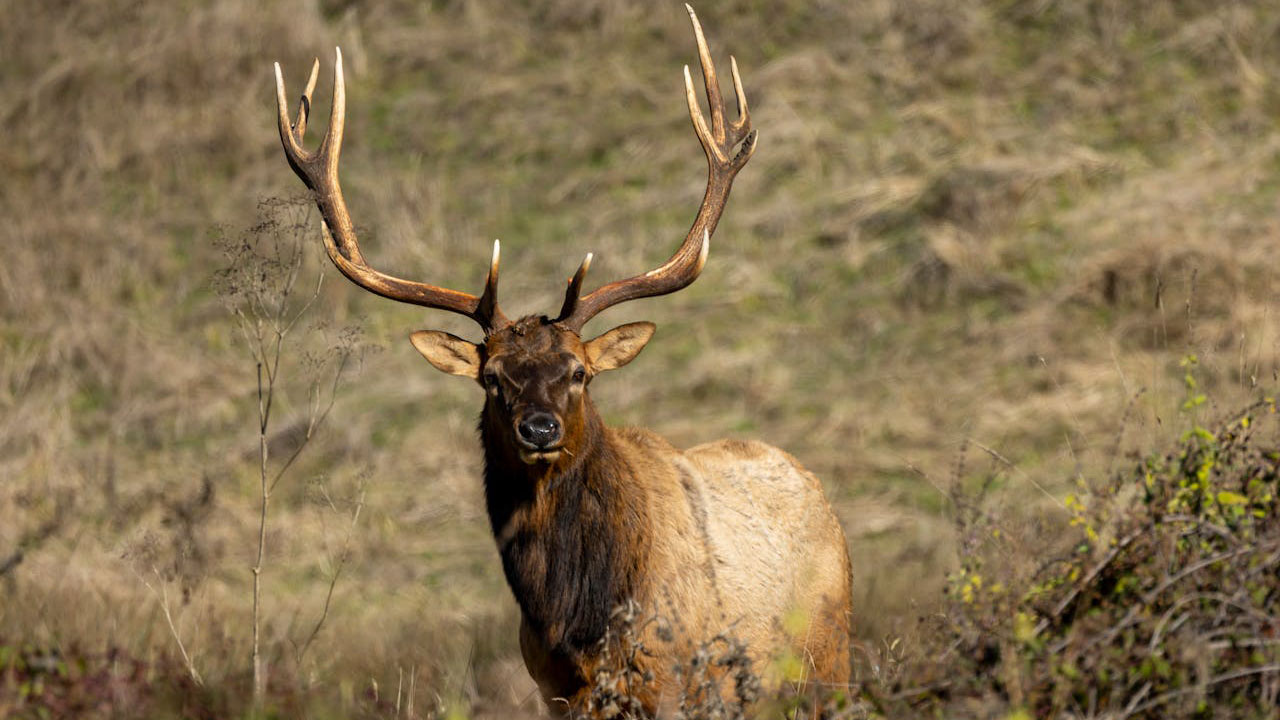
A lot of people think they’re doing the right thing by trying to chase an animal away from the trail. The problem is you don’t know what that animal is doing. It could be feeding, protecting young, injured, or cornered. When you walk toward it, you’re forcing a decision. Some animals will bolt, sure. Some will stand their ground and escalate. Moose are notorious for this. So are bison and elk in certain situations. The better move is giving it a wide berth, changing your route if needed, and letting the animal have space. Your job as a hiker isn’t wildlife management. It’s not creating a situation where the animal feels like it has to fight you to keep its ground.
Hiking at dawn/dusk in high-risk zones without adjusting behavior
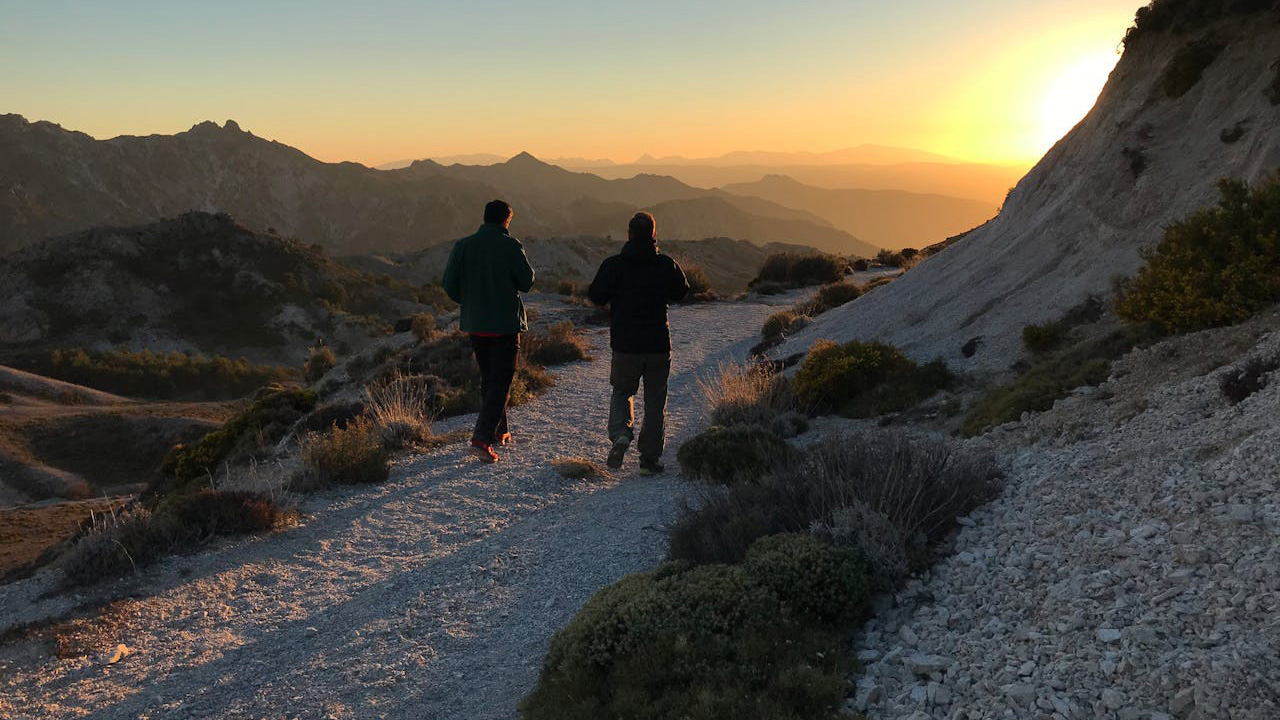
Low light is when animals move, and it’s also when you see them the least. If you hike creek bottoms, thick timber edges, berry patches, or deer-rich draws at dawn and dusk, your encounter odds go up. That doesn’t mean don’t hike. It means change how you hike. Slow down on blind corners, make noise, keep your head up, and don’t zone out. Dawn/dusk is also when predators are more active, and a quiet, distracted hiker can stumble into the wrong spot. If you’re alone, this matters even more. The mistake isn’t hiking in low light. The mistake is hiking like it’s midday on a paved park loop when you’re in real wildlife habitat.
Ignoring signs and warnings because “it’ll be fine”
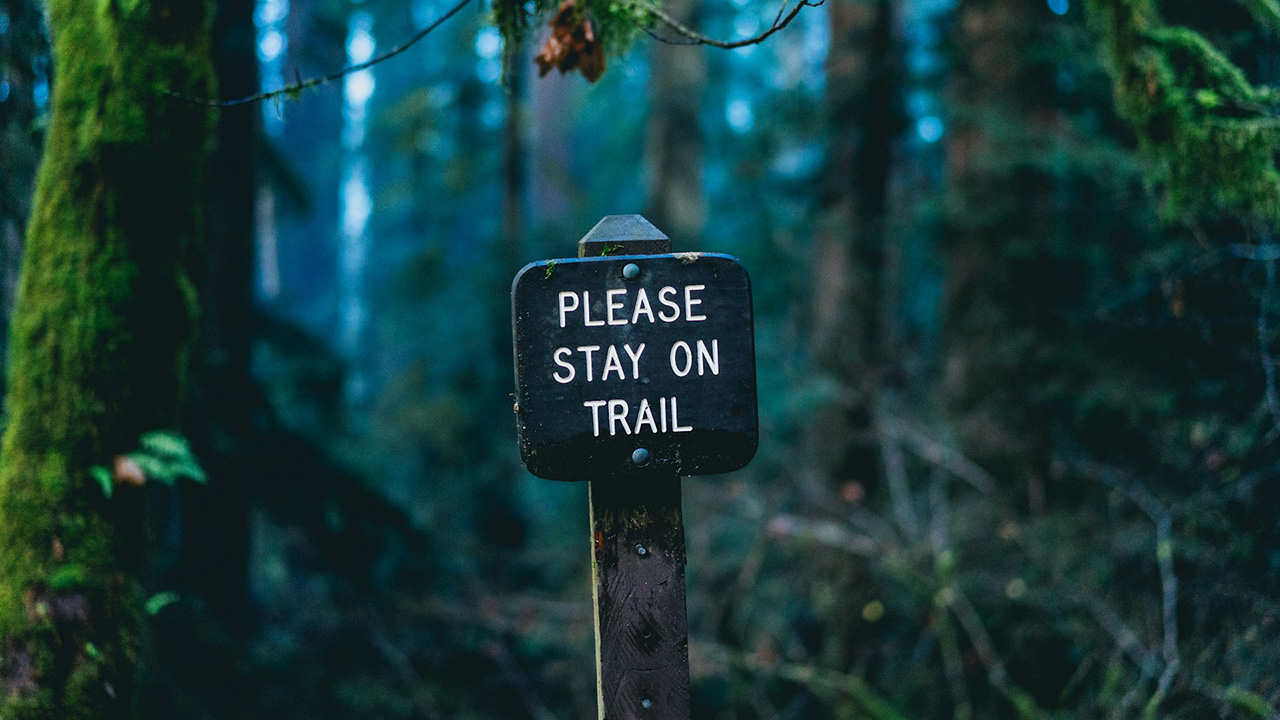
Posted closures, fresh scat on the trail, recent sightings, carcasses nearby, or other hikers turning around are all signals. People ignore them because they don’t want to change plans. That’s how problems happen. A carcass in particular is a big deal because predators defend food sources, and scavengers get bold around them. If you smell something dead or see ravens going crazy in one pocket of timber, don’t wander in like it’s nothing. Use your brain. Wildlife doesn’t operate on your schedule. If the sign says “avoid this area,” or the trail is temporarily closed, or the sign on the ground is screaming “predator activity,” take the hint and adjust.
Trying to “stand your ground” without a plan

People love tough talk online, but in a real encounter you need a plan, not a quote. Standing your ground can be the right move with some animals in some situations, but it can also trap you if you don’t have space, an exit route, or a deterrent ready. The mistake is committing to one idea—run, freeze, yell, approach—without reading the animal’s behavior and the terrain. The better approach is distance and control: keep space, avoid cornering, move to open ground if possible, keep deterrent accessible, and back away calmly. Standing still and “being tough” while you’re ten yards from a defensive moose is not a plan. It’s a mistake dressed up as confidence.
Turning your back to predators to film or walk away casually
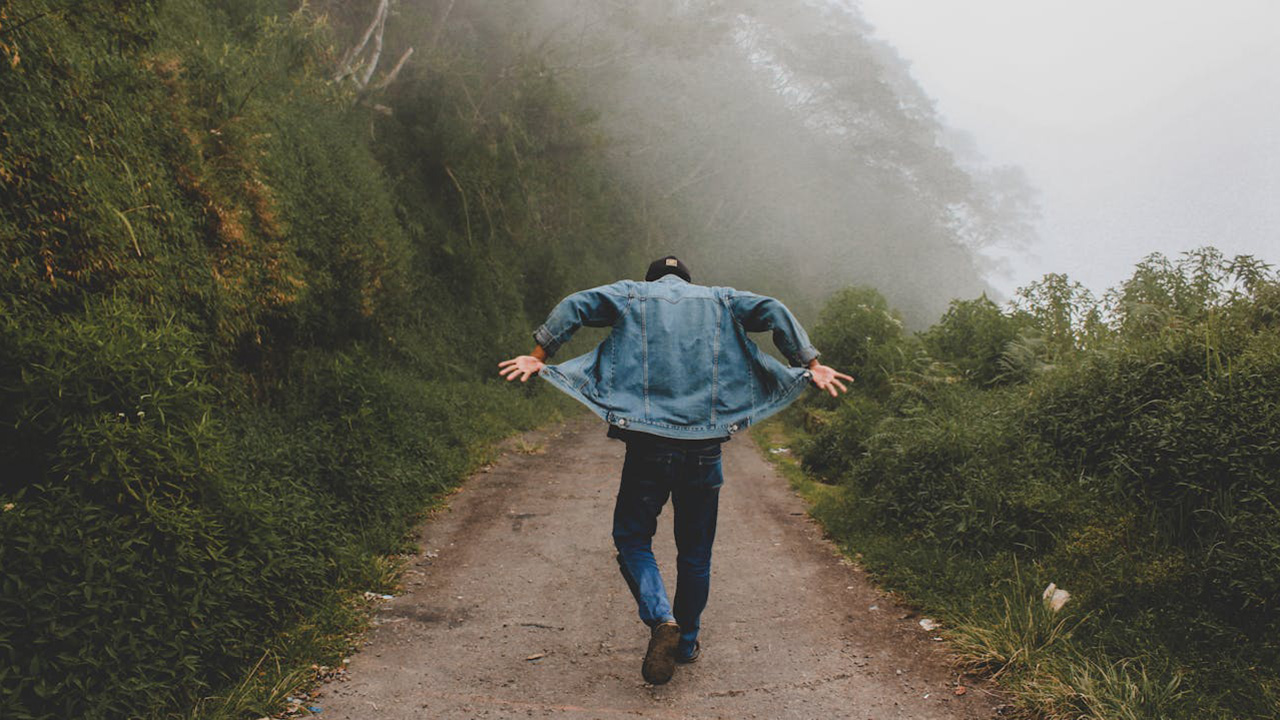
Turning your back removes your ability to read behavior and react fast. With animals like mountain lions, that’s not smart. With bears, it can also be a bad idea if the animal is already focused on you. People do it because they want to act casual or they want a cool video. The better move is keeping eyes on the animal while you create distance, staying calm, and not doing sudden movements. You don’t have to stare like you’re picking a fight, but you do need to monitor. The moment you stop paying attention is when a situation can shift. Filming is not worth losing awareness. If you want a story to tell later, make sure you’re around to tell it.
Camping or resting in the worst possible spot
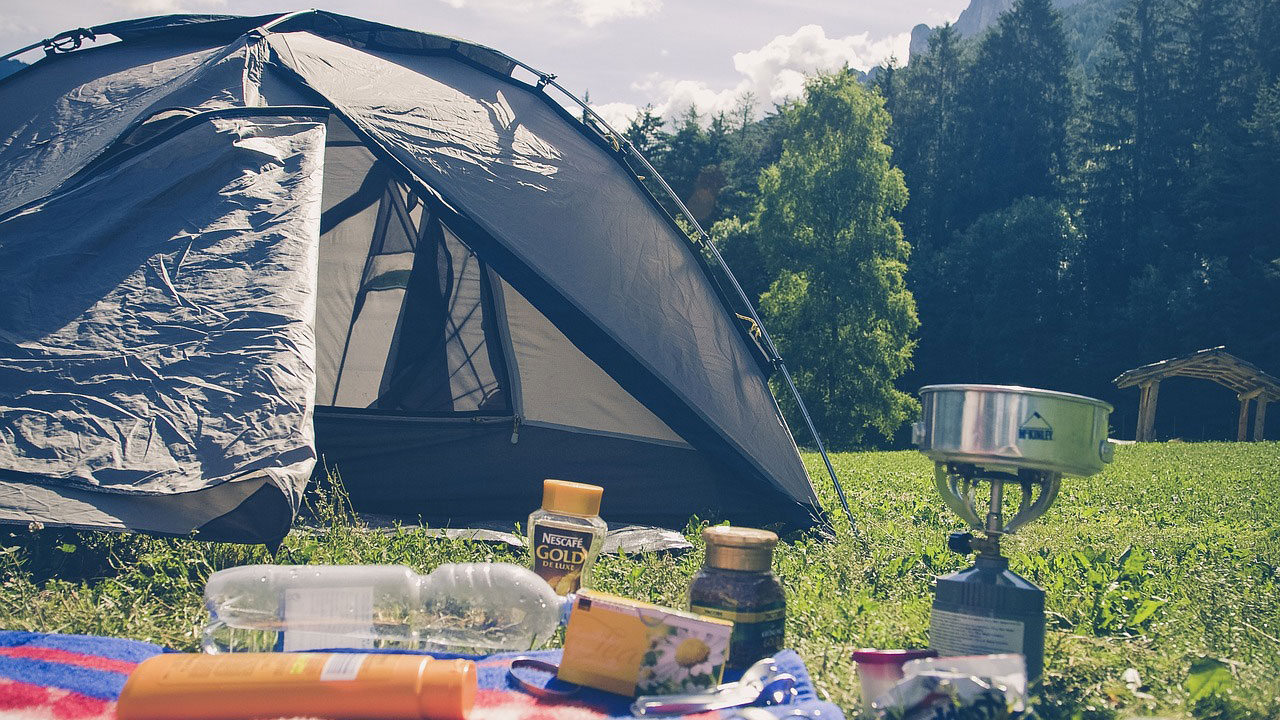
Some “great” resting spots are terrible wildlife spots—near berry patches, along game trails, near water sources, or right next to thick cover where animals bed. People plop down because it’s scenic, then they’re shocked when wildlife shows up. You basically parked yourself in the animal’s living room. Same with camping: cooking where you sleep, leaving food smells around, or setting up right on a travel corridor increases your odds of a late-night visit. The fix is choosing sites with visibility, avoiding obvious game funnels, keeping food and cooking areas managed, and thinking like a predator for a second. If you were an animal, would you walk through this spot? If the answer is yes, don’t set up your nap there.
Like The Avid Outdoorsman’s content? Subscribe to our newsletter so you never miss an article.
Here’s more from us: