Photo credit: Mrgunsngear Channel/YouTube
A lot of “overrated” pistols aren’t bad pistols. They’re bad buys for what most people actually do with a handgun. You pay for a name, a niche feature, or a certain look, then you realize the gun doesn’t make you shoot better, carry easier, or train more often. If anything, the price tag makes you baby it, and now you own a pistol you don’t run hard.
The smartest way to think about value is simple: what does this pistol do for you that a cheaper, proven gun won’t? If the answer is “not much,” you’re buying emotion, not performance. These are popular pistols that can absolutely work, but they’re easy to overspend on—and easy to regret—because the benefits don’t match the money for most shooters.
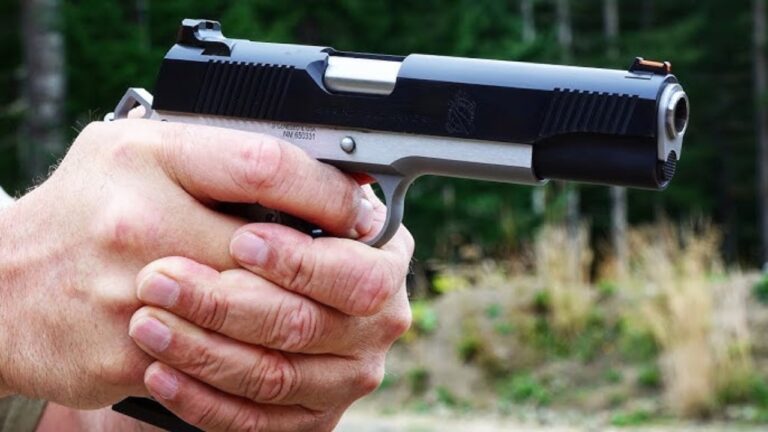
Staccato P

You buy a Staccato P because you want the fast, smooth feel and the reputation that comes with a 2011-style gun. And yes, when everything is set up right, it shoots beautifully. The problem is you’re paying a lot for a performance ceiling most people never reach, especially if you’re not training hard or shooting competition.
For carry and regular range work, the cost-to-benefit can get ugly fast. You’re also buying into a system that rewards maintenance, good magazines, and a little more attention than the average striker gun. If you’re not the type to stay on top of that, you’re paying premium money for a gun you’ll treat like a safe queen. That’s a terrible return.
Wilson Combat EDC X9

The EDC X9 is a genuinely high-end pistol, and it often feels like it. Fit, finish, trigger—everything is dialed. The issue is that you can buy two or three serious-duty pistols for the same money and still have cash left to train, buy ammo, and set up a real carry belt and holster.
If you’re honest, most shooters won’t see a practical difference on target that matches the price jump. What you’re really paying for is refinement and exclusivity. If you’re wealthy and you want a luxury carry gun, fine. If you’re trying to buy “better performance,” you’re likely to be disappointed. Skill still moves the needle more than boutique machining ever will.
Heckler & Koch Mark 23

The Mark 23 is iconic, and it’s built to a standard that’s hard to argue with. It’s also a giant pistol with a price tag that makes zero sense for most humans. You don’t buy it because it’s practical. You buy it because it’s a legend, and you want to own the legend.
The problem is that legends don’t carry well, don’t conceal well, and don’t fit normal training routines. You’ll shoot it a few times, grin, then realize it lives in a case because it’s too large and too specialized for your real life. That’s the definition of wasted money for most shooters—an expensive pistol that turns into a conversation piece instead of a tool you actually use.
SIG Sauer P226 Legion
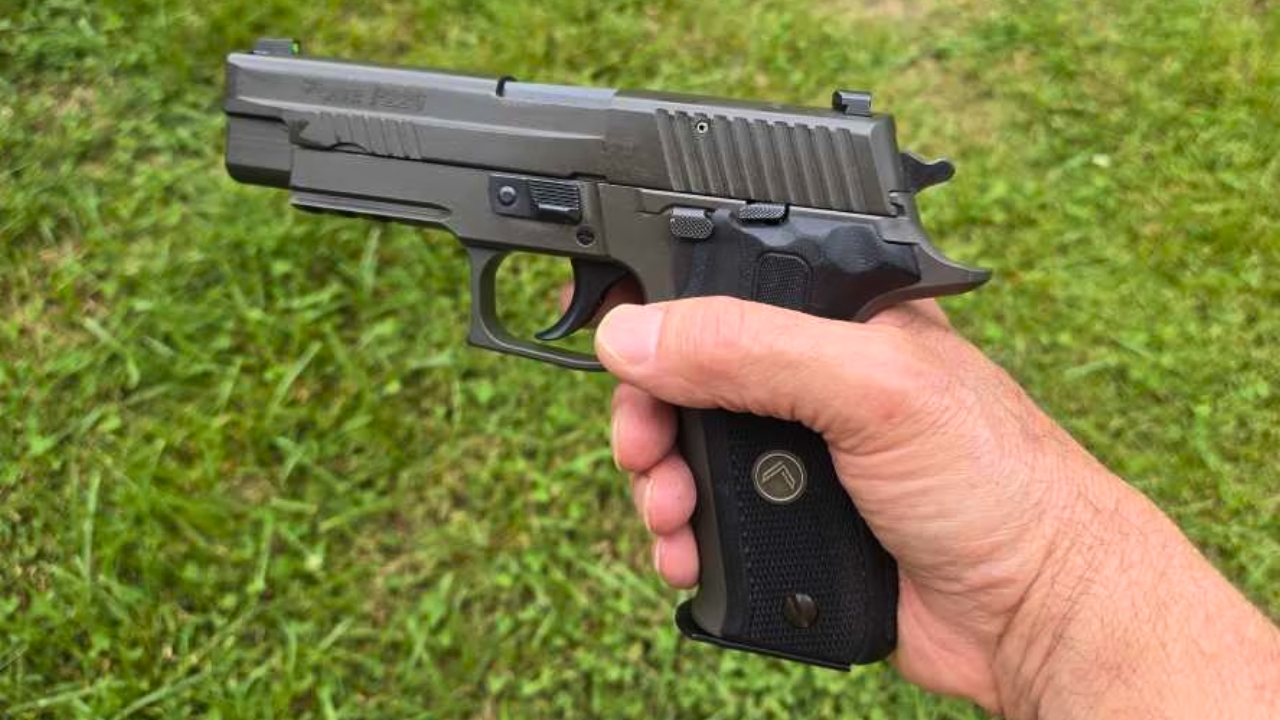
The P226 Legion is a great shooter, and it has real advantages: weight, smooth cycling, and a feel that’s hard to replicate with cheaper guns. But you can also spend a lot less and get the same practical outcome for defensive use—reliable function, good accuracy, and predictable handling.
Where the “waste of money” part creeps in is when you buy it to solve a skill problem. The Legion won’t fix poor grip, sloppy trigger control, or lack of reps. You’re also carrying a heavier gun, which some people end up leaving at home. If you love it and you’ll actually carry it, great. If you’re buying it because you think it will magically make you shoot like a pro, you’re paying for hope.
SIG Sauer P210 Target

The P210 Target has a reputation for accuracy and craftsmanship, and it earns that reputation. The mistake is buying it as a “best pistol” instead of what it really is: a precision-oriented handgun that shines in slow-fire and careful shooting. For defensive training or carry, the value drops fast.
You’re paying for mechanical accuracy you may never exploit, with capacity and handling that don’t match modern needs. The gun can also make you fall into a trap where you chase tiny groups instead of learning to shoot fast, clean, and consistent. If you want a refined range pistol and you understand what it is, it’s cool. If you want an all-around work pistol, it’s an expensive detour.
Beretta 92X Performance

The 92X Performance is heavy, smooth, and fun. It also costs a lot for what it gives most shooters, especially if you’re not competing. You get a pistol that tracks nicely and feels stable, but you also get a big gun that’s not a natural fit for daily carry.
The other issue is that you can get a standard Beretta 92 variant that runs and shoots well for far less money. The Performance model buys you extra weight and refinement, but those gains don’t automatically translate into better real-world shooting unless your fundamentals are solid. If you want a range toy that feels great, you’ll enjoy it. If you’re chasing a practical defensive pistol, the price is hard to defend.
Walther Q5 Match Steel Frame

The Q5 Match Steel Frame is built to shoot fast and stay flat, and it does. The problem is you’re buying a competition-leaning pistol when most people shoot a few boxes a month, maybe carry occasionally, and rarely run structured drills. That’s a mismatch.
Steel-frame performance pistols can make you feel skilled because they’re forgiving. Then you pick up a normal carry gun and realize you didn’t actually build control—you rented it. For the money, you could buy a more ordinary pistol and spend the difference on ammo and instruction, which would make you better across every handgun you touch. The Q5 SF is a great piece of gear. It’s also an easy way to overspend if you’re not living that match lifestyle.
SIG Sauer P320 XFive Legion

The XFive Legion can be a soft-shooting, fast pistol. The problem is that people buy it to shortcut the work. The weight and long slide help, but they don’t replace disciplined grip and trigger management. If you don’t train, you’re paying extra for a feature set you don’t exploit.
It’s also a large pistol that doesn’t fit every role well. As a dedicated range or competition gun, it makes sense. As a do-everything handgun, it’s often too big to carry comfortably and too specialized to justify the cost. Most shooters would be better served by a reliable mid-priced duty pistol and a pile of ammo. If you want an XFive because you truly shoot it hard, that’s different. Most people don’t.
FN 509 Tactical

The 509 Tactical looks like it’s ready for anything—threaded barrel, optic-ready setup, tall sights. The issue is that a lot of shooters buy the “tactical” package and never use the features. They don’t suppress it, they don’t run a dot well, and they don’t shoot enough to justify paying extra for the configuration.
What you end up with is a big, expensive pistol that doesn’t make you more capable by itself. Optics and suppressor readiness are useful, but only if you actually build the skill around them. Otherwise, you paid for hardware you don’t use, and you still shoot like you did before. If you want a working pistol, the standard model plus real training often makes more sense than paying extra for accessories you won’t fully leverage.
Shadow Systems MR920 Elite

The MR920 Elite is aimed at people who want an upgraded “Glock-like” pistol without doing the upgrades themselves. The problem is the math. You pay a premium for features that don’t necessarily improve reliability or your performance enough to justify the price, especially if you haven’t outgrown a stock duty pistol.
For many shooters, the smarter buy is a proven baseline pistol and a pile of ammo. Fancy slide cuts, upgraded sights, and a nicer trigger feel good, but they’re not the same thing as shooting better under pressure. If you’re an experienced shooter who knows exactly why you want that package, fine. If you’re buying it because you think it’s a shortcut to being more skilled, it’s an expensive way to learn the wrong lesson.
Kimber Ultra Carry II

Ultra-compact 1911s are famous for being charming and frustrating in equal measure, and the Ultra Carry II sits right in that reality. The smaller you make a 1911, the less forgiving the system tends to be. Timing gets tighter, springs matter more, and the gun can become pickier about magazines and ammo.
A lot of people buy one because they want the 1911 feel in a smaller carry package, then they discover the tradeoff. You might get a pistol that runs great, or you might get a pistol that needs tuning, careful maintenance, and a lot of trial-and-error to stay happy. If you want a small carry gun that runs with minimal fuss, there are better places to spend your money than a tiny 1911.
Kimber Raptor II

The Raptor II sells a look and a vibe, and it’s undeniably attractive. The problem is that cosmetics don’t shoot, and they don’t guarantee reliability. When you pay extra for styling and branding, you’re often paying for things that don’t improve the pistol’s performance where it matters.
If you’re buying a 1911 for serious use, you want boring: proven magazines, consistent function, and parts that don’t require babysitting. A flashy 1911 can still be a good pistol, but it’s easy to overpay for appearance while ignoring the practical realities of running a 1911 hard. If you want it as a nice range piece and you accept that role, fine. If you want it to be your hard-use carry gun, the value proposition gets questionable fast.
Springfield Armory Prodigy (5″)
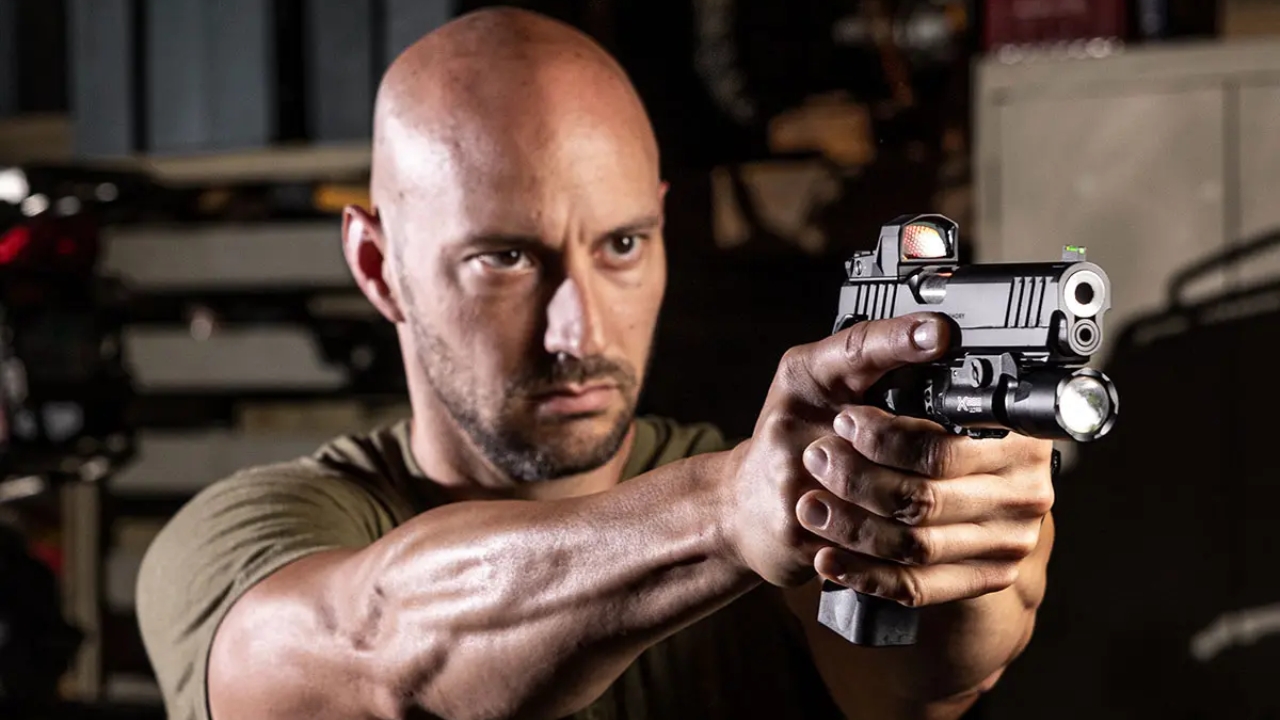
The Prodigy is attractive because it promises 2011-style shooting without the premium 2011 price. The trap is that you’re still stepping into a platform that can be more sensitive to magazines, maintenance, and setup than a basic striker pistol. If you buy it expecting “cheap 2011 perfection,” you can end up disappointed.
Even when a Prodigy runs well, the question is whether it’s the best use of your money. A lot of shooters would be better off with a dependable duty pistol and more training time. The Prodigy can be a great shooter’s gun, but it’s not always a great first choice for someone who wants simple reliability. If you don’t want to think about your pistol, a 2011-style gun is often the wrong direction.
Desert Eagle Mark XIX

The Desert Eagle is an experience. It’s loud, heavy, and it makes everyone at the range look over. It’s also wildly impractical for almost everything people claim they want a handgun for. As a defensive tool, it’s a poor fit. As a training pistol, it’s expensive to feed and punishing to shoot for most folks.
You’re paying for novelty and spectacle, and that can be worth it if you’re honest about what you’re buying. The “waste of money” part happens when you pretend it’s something else—like a serious outdoors sidearm or a practical powerhouse you’ll actually carry. Most people shoot it a couple times, grin, and then it sits. If you want a fun range cannon, own that. If you want a useful pistol, this isn’t it.
Magnum Research 1911 (Desert Eagle 1911 models)

Magnum Research 1911s often look great, and some shoot well. The problem is that people buy them because they like the Magnum Research name, then expect that name to translate into a better 1911 experience. A 1911’s value lives in consistent function, good magazines, and a setup that suits your hands—not the roll mark on the slide.
In the same price neighborhood, you can often find 1911s with stronger support, more common parts pathways, and a broader track record in hard use. If you’re buying a 1911 to shoot a lot, you want the pistol to be easy to service and easy to keep running. A branded 1911 that costs more because it looks cool can be a bad deal if the long-term ownership experience isn’t as smooth as the marketing suggests.
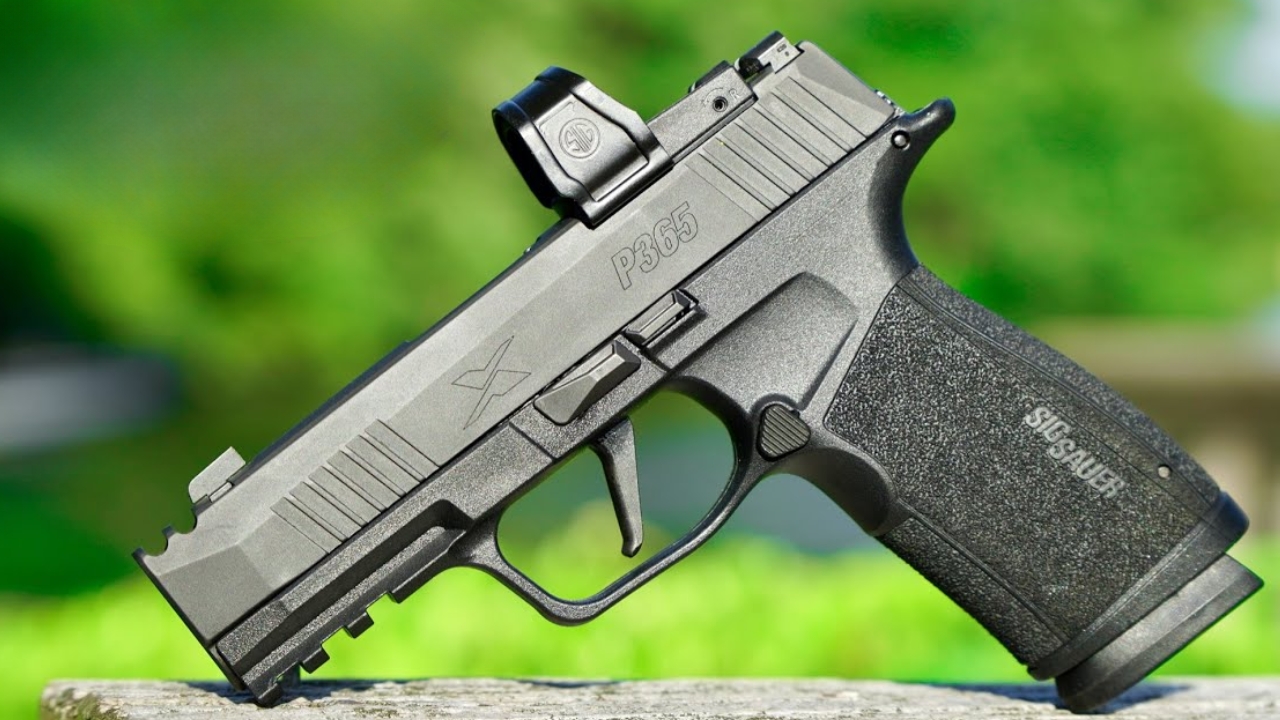
SIG Sauer P365 XMacro Comp

The P365 XMacro Comp is a smart concept: more capacity, more grip, and a comp to tame muzzle rise. The mistake is thinking the comp will turn a small, light pistol into a soft full-size shooter. It helps, but it doesn’t rewrite physics. You’re still running a lighter gun with a shorter sighting plane than a true service pistol.
You also pay extra for the “do-it-all” promise, then realize you could have bought a simpler pistol and gotten the same practical results. If you carry every day and you truly want that form factor, it can be a great choice. If you’re buying it as a shortcut to easy shooting, you’re going to work harder than you think. A compact full-size pistol often gives you more control for less money.
HK VP9 Match

The VP9 Match is a capable pistol, but it’s easy to overspend on if your goal is real-world performance and not match-style shooting. You’re paying for a longer setup that’s easier to run fast, but most of the advantage comes from grip, trigger control, and reps—things you can build with a less expensive pistol.
If you’re not shooting matches or structured drills, the “Match” features can become expensive decoration. The gun is larger, which may push it out of your carry routine, and now it becomes a range-only pistol you shoot occasionally. That’s a common pattern with “match” versions of duty pistols: people buy the idea, not the lifestyle. If you truly shoot hard and want that configuration, it can make sense. Otherwise, you’re paying extra for a role you don’t live.
Like The Avid Outdoorsman’s content? Subscribe to our newsletter so you never miss an article.
Here’s more from us: