Photo credit: Yonder Oak/YouTube
KelTec PF-9

The PF-9 is slim, affordable, and easy to carry—but it wasn’t built for a long lifespan. The frame rails and pins tend to loosen up after a few hundred rounds.
It’s fine for light carry use, but if you shoot it regularly, expect parts to wear out fast. Long-term range duty isn’t what it was made for.
SIG Mosquito

On paper, the Mosquito sounded like a fun .22 trainer, but in practice, it had issues. The slide finish wore quickly, and internal parts didn’t hold up to regular use.
Add in how picky it was with ammo, and you’ve got a pistol that aged faster than most. It’s one of those guns you spend more time tuning than shooting.
Taurus PT709 Slim

This little 9mm was easy to conceal but often struggled with longevity. Springs, triggers, and small internal parts had a habit of giving out earlier than they should.
If you only shot it occasionally, it held up fine. But if you tried to run a couple thousand rounds through it? Things started getting loose.
Remington R51 (Gen 1)
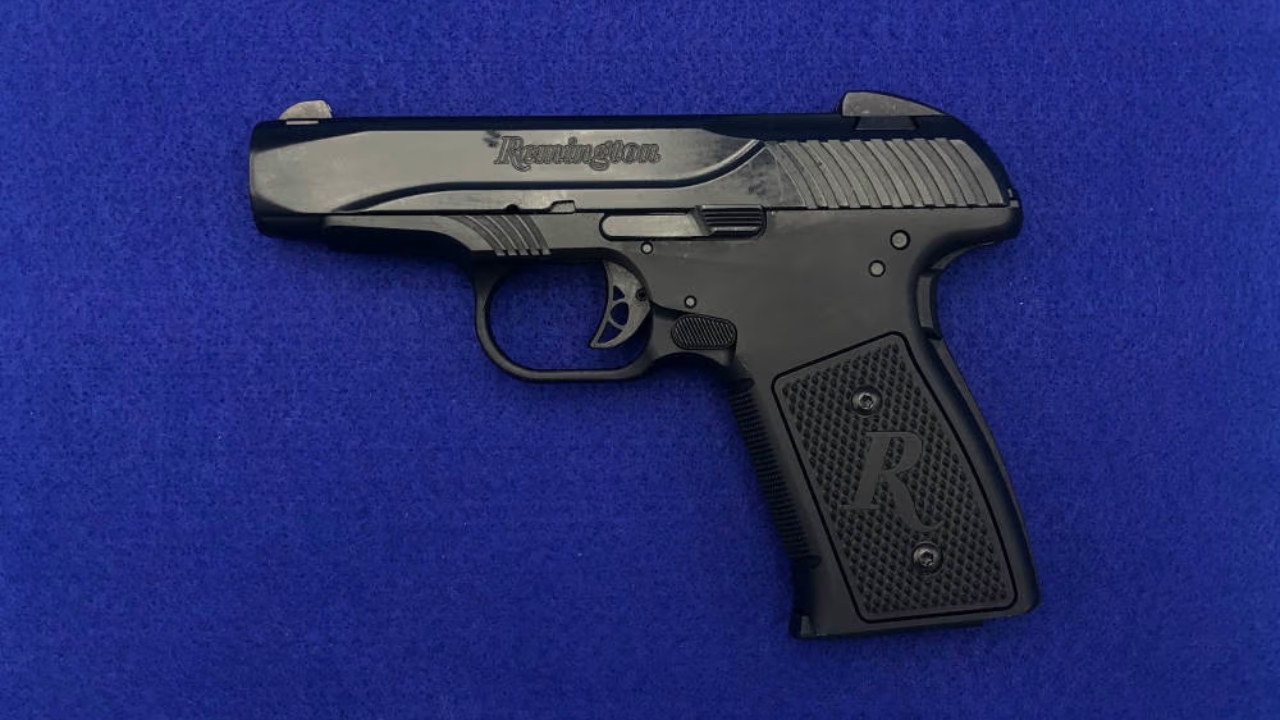
When the R51 first came out, it was plagued with issues. Many early models suffered from excessive wear on the slide, feed ramp problems, and loose parts.
Even after the recall, some shooters found it didn’t take much use before malfunctions started showing up again. It was a short-lived experiment for good reason.
S&W Sigma Series

The Sigma series offered a Glock-style frame and budget-friendly price tag—but durability wasn’t its strong point. Trigger components and internal rails tended to wear faster than expected.
They could work fine as backup guns, but heavy range use would take a toll pretty quickly. You got what you paid for, and not much more.
Beretta U22 Neos
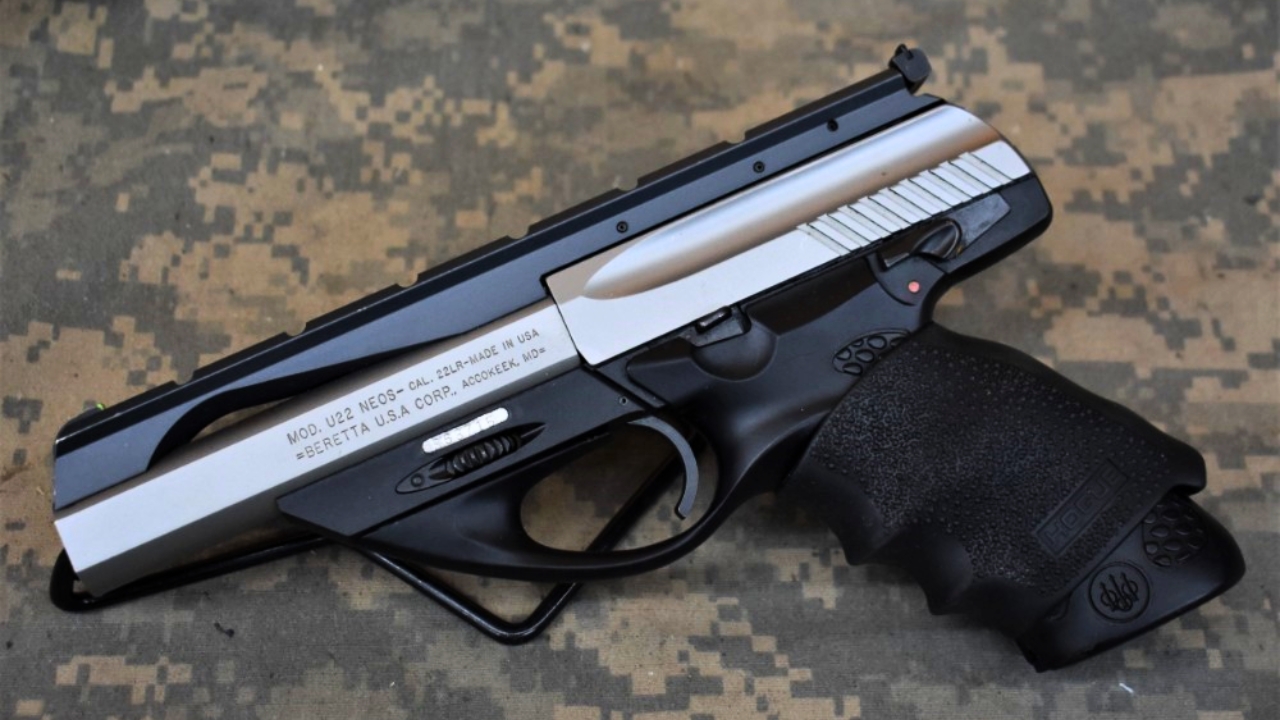
The Neos is fun and accurate, but not exactly built like a tank. Frequent shooters often report issues with the plastic grip module loosening or cracking over time.
The internals can also be finicky with a lot of use. It’s a great plinker—just not one that likes a high round count.
Walther P22
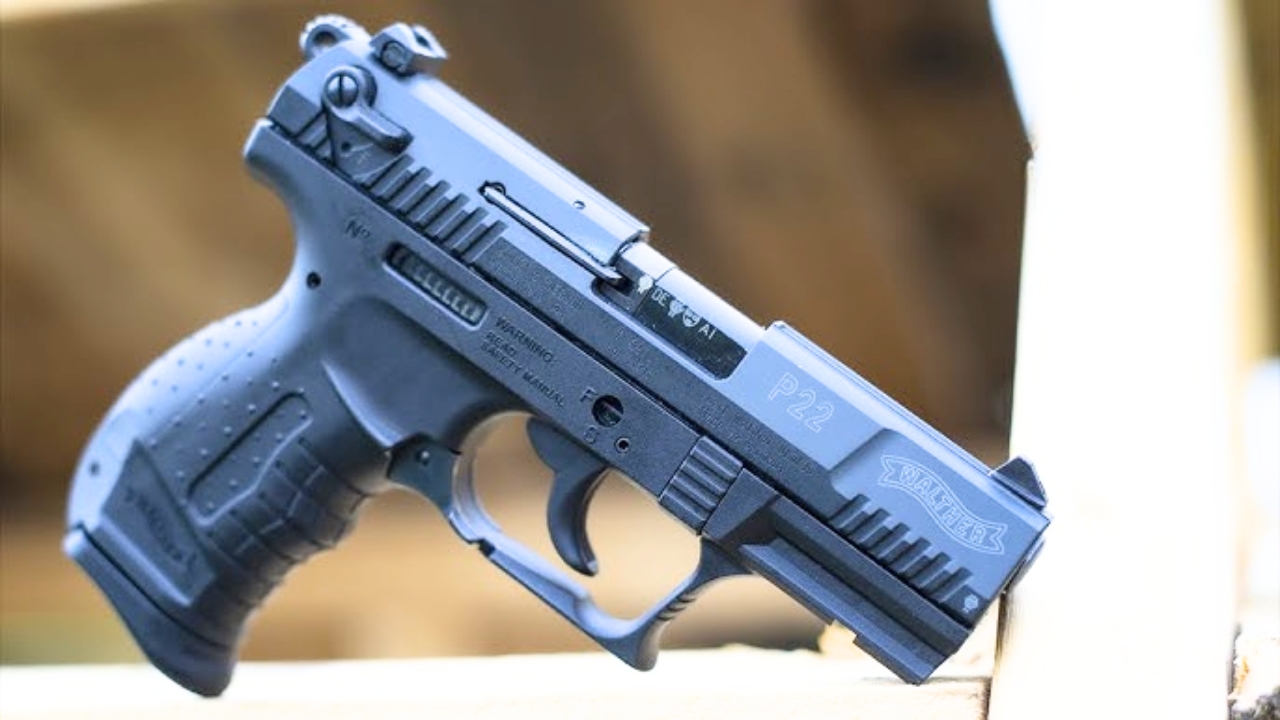
A lot of people buy the P22 as a training pistol, but it doesn’t always stand up to regular range use. Slide wear, spring issues, and occasional frame cracking have been noted by long-term owners.
It runs fine for a while, but start feeding it bulk .22 by the brick and you’ll see signs of wear before long.
Ruger LCP (Gen 1)

The original LCP was lightweight and easy to carry, but the small frame and long trigger pull weren’t made for high-volume shooting. Parts like the trigger bar and pins would show wear early.
It wasn’t unsafe, just clearly not meant to be anyone’s range workhorse. Later versions improved things, but the first-gen showed its limits fast.
Hi-Point C9
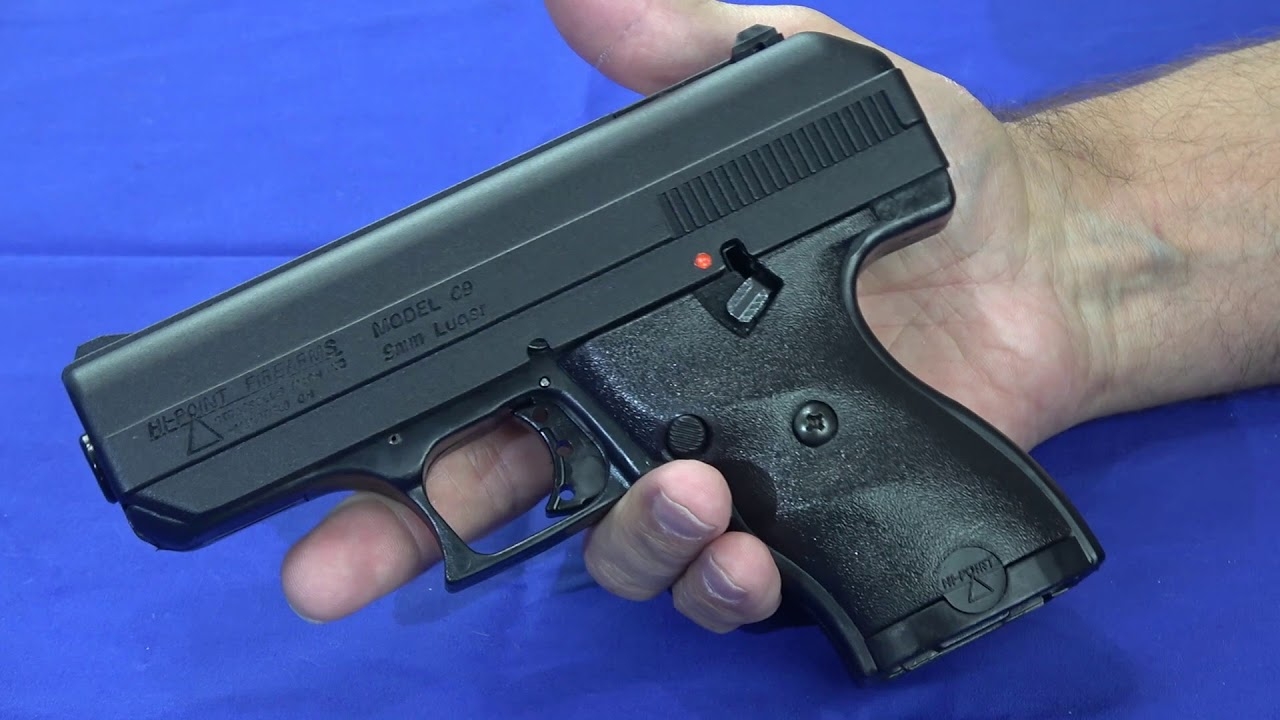
Hi-Point makes no apologies about being budget-friendly—but that affordability comes with a trade-off. The C9 is bulky, and parts like the slide stop and firing pin tend to wear with heavy use.
It’ll usually still function, but accuracy and feel degrade over time. It’s fine in small doses, but it won’t hold up like a higher-end pistol.
Glock 42

Glocks are known for durability, but the 42 has had more wear-related complaints than most other models. Some shooters noticed early peening on slide rails and extractor wear after a few hundred rounds.
Not every gun has this issue, but it shows up enough to mention. Light frame and tight tolerances can sometimes work against long-term reliability.
Desert Eagle .50 AE

Big and powerful—but not built for high round counts. The sheer force of the .50 AE round takes a toll on springs, gas systems, and even the frame over time.
Parts wear down fast if you shoot it often, and finding replacements isn’t always easy or cheap. It’s more of a showpiece than a long-haul shooter.
SCCY CPX-2

SCCY pistols are affordable and carry-friendly, but their internals don’t always go the distance. Springs can wear out early, and triggers have been known to get spongy fast.
It’s good for light use, but if you’re shooting weekly, you’ll see signs of fatigue well before hitting the 1,000-round mark.
Rock Island 1911 (GI Models)

Rock Island makes solid budget 1911s, but the GI versions can show their wear early—especially with hotter loads. The slide-to-frame fit loosens, and extractors may need tuning after a few hundred rounds.
They’re great starters, but not built to endure the same abuse as higher-end 1911s. With a little maintenance, they’ll keep going—but don’t expect a lifetime of trouble-free shooting.
Bersa Thunder .380

The Bersa Thunder is comfortable and accurate, but long-term range abuse can wear it down. Slide stop and recoil springs are common weak points, and feeding issues can crop up over time.
It’s still a good value, but it’s not a gun that loves being shot weekly. Keep it clean and well-fed, and it’ll treat you better.
Charter Arms Undercover .38

Lightweight and simple, but the trade-off is durability. Frequent shooters sometimes see timing issues, cylinder wear, and trigger slop creep in quicker than expected.
It’s not a bad revolver for occasional carry, but it’s not built for years of high-volume shooting. Use it sparingly, and it’ll last longer.
Taurus 738 TCP
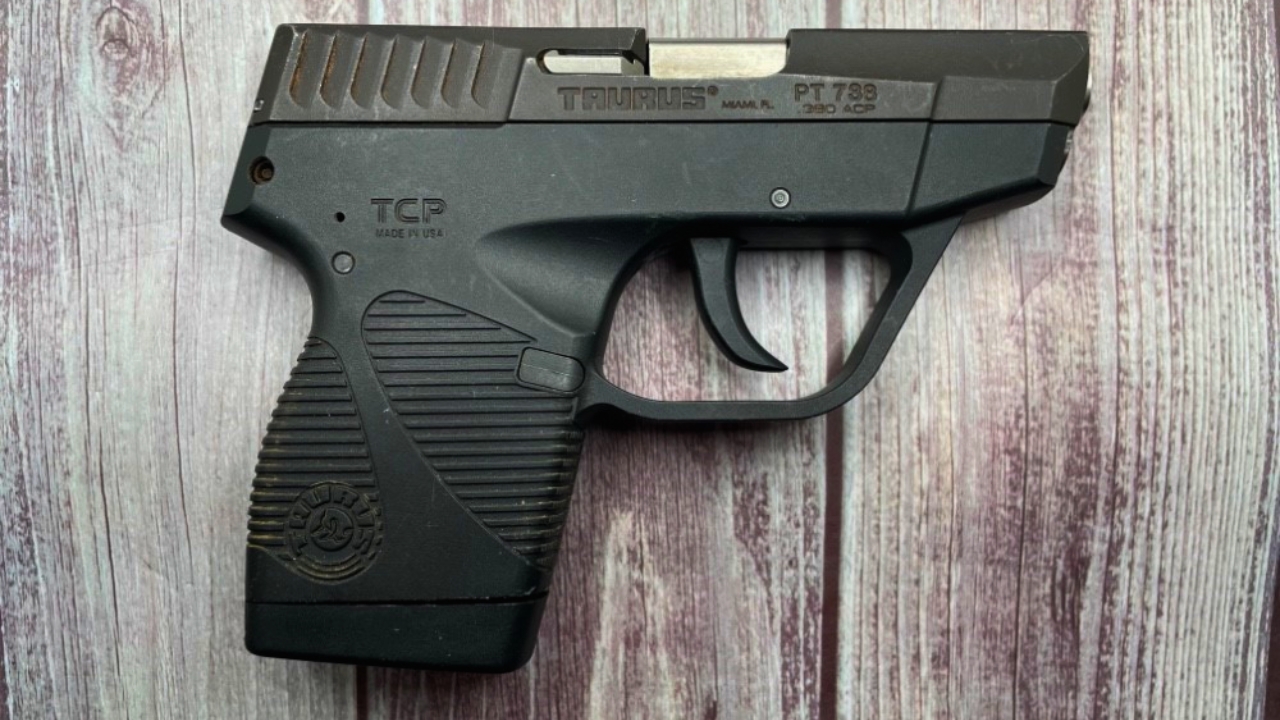
The 738 is lightweight and comfortable for pocket carry, but it doesn’t hold up well to frequent range trips. Feed issues and broken springs tend to show up after a few hundred rounds.
It was designed for occasional carry use, not high-volume training. If you’re running it often, expect to start seeing some reliability drop-off sooner than you’d like.
Remington RP9

Remington’s attempt at a polymer striker-fired 9mm came with a lot of hype, but real-world use showed durability issues. The trigger mechanism and internal components had a habit of loosening up fast.
Accuracy and reliability degrade over time, and many users reported broken parts with moderate round counts. It just wasn’t built to last.
EAA Windicator

The Windicator is a budget .357 revolver that works fine for light use, but it’s not built like a Smith or Ruger. Timing issues and loose lock-up tend to show up after regular firing with magnum loads.
It’s okay for someone who wants an affordable revolver, but it’ll start showing its limits once you start feeding it full-power rounds regularly.
AMT Backup

The AMT Backup is compact and rugged-looking, but the internals are crude and tend to wear out fast. Trigger components, safeties, and ejectors are common failure points.
Parts availability is a whole other issue. If something breaks, you might be out of luck. For occasional carry it might hold up, but it’s far from a long-term shooter.
Kahr CW9

The CW9 is a decent carry option, but long-term use can highlight some weak spots. The polymer frame rails can start showing wear, and the trigger linkage has been known to soften or shift over time.
It’s great for carry, just not built for high-volume shooting. If you’re burning through boxes at the range weekly, you may want something beefier.
*This article was developed with AI-powered tools and has been carefully reviewed by our editors.