Photo credit: Rick/YouTube
If you own a GiantMouse GM12 or GMP12, you are now part of a formal safety recall that focuses on a defect in the button lock, not on how you use the knife. The issue is serious enough that regulators describe a laceration hazard, and you are being asked to stop carrying the affected models and work through a structured return or repair process. Before you clip that folder back into your pocket, you need to confirm exactly which version you have, how the lock behaves, and what GiantMouse is offering to make you whole.
What the GiantMouse recall actually covers
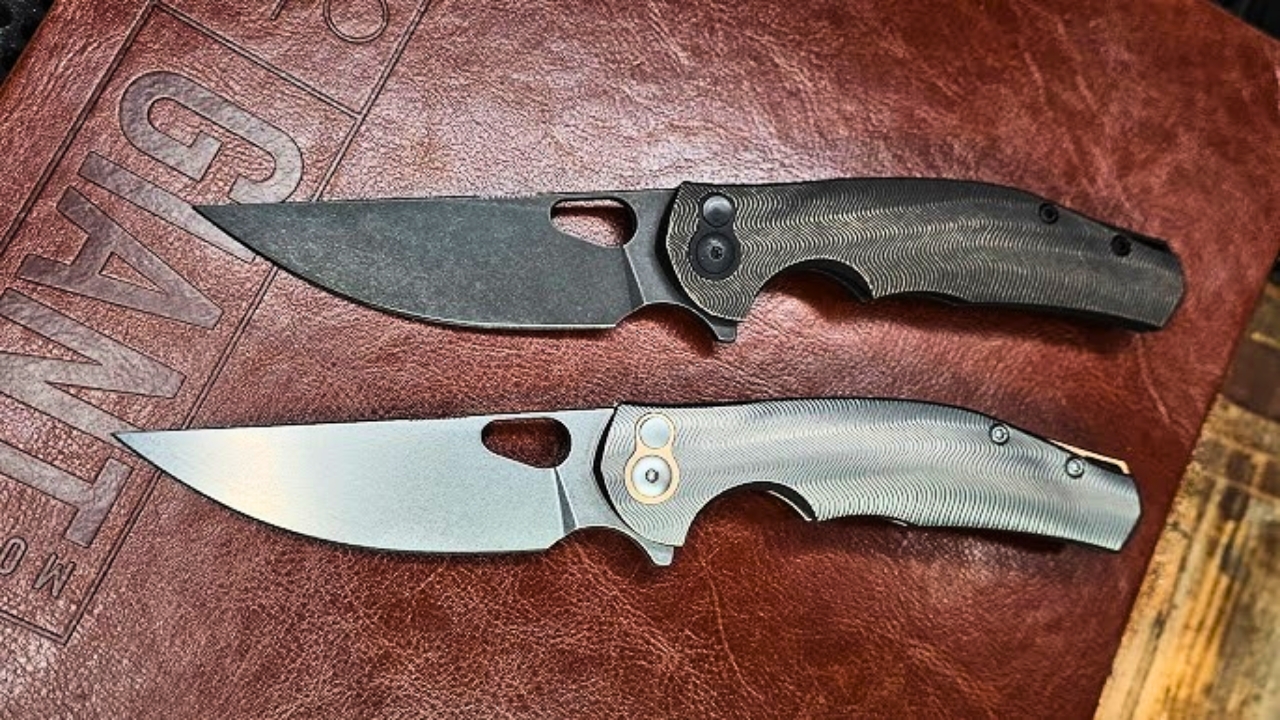
The recall is narrowly focused on the GiantMouse GM12 and GMP12, both part of a limited collection of button lock folding knives built as premium everyday carry pieces. Regulators describe the problem in plain terms, noting that the locking mechanism on these folding knives can fail and that this defect poses a laceration hazard to the user when the blade does not stay securely open under pressure, which is why the recall is framed as a safety issue rather than a cosmetic one in the official Hazard description. The affected knives are described as button lock folders with premium materials, and the recall language makes clear that the concern is the lock itself, not the blade steel or scales.
Regulators and the company both stress that this is a limited run, not a blanket recall of the entire GiantMouse catalog, and that the GM12 and GMP12 are the only models included in the current action. The official Recall Details describe these as GM12 and GMP12 button lock folding knives and note that a defined number have already been returned to the firm, which underscores that the recall is active and progressing. For you as an owner, that means the first step is to confirm whether your specific knife falls inside that limited collection rather than assuming that all GiantMouse folders are affected.
How to tell if your knife is one of the recalled models
Your next move is to identify your knife precisely, because the recall does not extend to other GiantMouse designs that may look similar in photos or in your pocket. The company’s own guidance answers the question of how you can tell if your knife is affected, explaining that the recall involves the limited collection of GiantMouse GM12 and GMP12 button lock folding knives and that only those models are eligible for a repair or a refund, which is spelled out in the recall How section. That means you should look for the GM12 or GMP12 designation on your box, order confirmation, or any paperwork that came with the knife, and compare the design details to the official product images.
If you bought your knife on the secondary market or no longer have packaging, you still have options to verify what you own. The recall FAQ makes clear that you Can identify your knife by its model name and design features and that Yes, You are still covered even if you do not have a receipt, which is why the company has centralized information on a dedicated recall FAQ page. Cross checking your knife against those details, including the button lock layout and scale materials, is essential before you decide whether to keep carrying it or to start the return process.
Why the lock defect matters for everyday carry
The GM12 and GMP12 were marketed as serious everyday carry tools, with both models using a button lock mechanism and carrying 3.3-inch MagnaCut blades that are meant to handle real cutting tasks rather than light desk duty. Reporting on the recall notes that Both knives share that 3.3-inch specification and that the defect is tied to the same style of button lock, which is why the issue is treated as a systemic design or production problem rather than a one off failure, as outlined in coverage of the Folding Knife Recall. When a lock that is supposed to keep a blade open under load can fail, the risk is not theoretical, because any slip during a cut can send the edge into your fingers or palm.
Regulators describe the issue in direct language, stating that the locking mechanism on the folding knives can fail and that this poses a laceration hazard to the user, which is why the recall is framed as a safety measure rather than a customer service gesture in the official Description of the knives. For you, that means the usual trust you place in a button lock to keep the blade fixed during a push cut, rope slice, or box breakdown is compromised, and the only responsible approach is to treat the knife as unsafe until it has been inspected, repaired, or refunded through the recall program.
Immediate safety steps you are being asked to take
The recall instructions are explicit about what you should do right now, and they start with a simple but important directive. In the official Recall Notice, Step 1 tells you to Please immediately stop using the GM12 and GMP12 and put it in a safe place, which is the baseline action regulators expect from anyone who owns a potentially defective product, as laid out in the company’s Recall Notice. That means taking the knife out of your pocket, bag, or vehicle and storing it where it cannot be used accidentally by you or anyone else in your household.
Once the knife is secured, the same Recall Notice directs you to Step 2, which uses the word Cont to signal that you should contact the company through its recall channels rather than through a general customer service inbox. You are asked to follow a structured process that includes specific steps and information, and the company notes that the recall covers knives sold from April 2024 to November 15th, 2024, which gives you a clear window to consider if your purchase falls inside the affected period. Treat those instructions as non negotiable, because continuing to carry a knife that has been formally identified as a laceration risk is exactly what the recall is trying to prevent.
How to start a claim and what information you will need
Once you have set the knife aside, your next task is to open a claim, and the company has laid out a multi step process to keep that experience predictable. The recall FAQ explains that Step 2 is to Contact the company and that you can Fill out an online return form, email, or call to initiate the process, which is spelled out in the detailed Step instructions. You are not being asked to troubleshoot the lock yourself, only to provide enough information so the company can verify that your knife is part of the recall and decide whether it will be repaired or refunded.
After you make contact, the Recall Notice outlines Step 3 and uses the word Please to emphasize that you should provide your name, full address (including post code and country), email address, phone number, and proof of purchase if you have it, which is required for the repair option and helps the company track each knife through the process, as described in the recall Step 3 guidance. The FAQ also notes that Can you still return the product without a receipt and answers that with a clear Yes, You can, while explaining that the company will work with you to verify your ownership and that you will receive either a repair or a refund, which is detailed in the Can and Yes sections of the FAQ. That structure is designed so you do not get stuck simply because you tossed the original receipt or bought the knife from a third party.
What GiantMouse and regulators are offering in return
From a consumer perspective, the most important question is what you get in exchange for sending in a knife that may have cost several hundred dollars. The company’s Voluntary Recall Information explains that you can choose between a repair of your GM12 or GMP12 or a refund to the original payment method, which is laid out in the official Voluntary Recall Information. That means you are not being forced into a single outcome, and you can decide whether you want your knife brought up to standard or prefer to take your money back and move on to a different model or brand.
Regulators note that GiantMouse LLC is contacting all known purchasers and that the recall is being conducted in cooperation with the U.S. Consumer Product Safety Commission, which is highlighted in both the federal LLC notice and the company’s own Consumer Product Safety Commission language. That coordination matters because it gives you a clear regulatory backstop if anything goes wrong with your claim and signals that the recall terms, including repair standards and refund options, have been vetted by a federal safety agency rather than being improvised on the fly.
How the company is fixing the defect and what the GMP12-S tells you
GiantMouse has already used the recall as a pivot point for a revised design, which gives you a window into how the defect is being addressed. The product page for the GMP12-S explains that After identifying a potential issue with the lock mechanism in the original GMP12 batch, the company issued a voluntary recall and that the design will be discontinued, which is spelled out in the After section of that page. The GMP12-S is presented as a successor that reflects lessons learned from the recall, which suggests that the company is not simply patching the old design but moving to a new configuration that avoids the same lock geometry.
The same GMP12-S description notes that Each affected knife was thoroughly inspected, repaired, and re-certified to meet the company’s highest standards and that the updated model is Designed by Vox/Ansø and built to strict quality standards in Maniago, Italy, which is detailed in the Each section. For you, that is a signal that any repaired GM12 or GMP12 should go through a similar inspection and recertification process, and that the company is willing to retire a design rather than keep selling a configuration that has been tied to a safety recall.
Where the recall fits in the broader knife market
The GM12 and GMP12 recall is not happening in a vacuum, and it is being watched closely by knife enthusiasts who see GiantMouse as a premium brand with a strong design pedigree. The company’s main site presents a catalog of folders and fixed blades that are marketed as high quality tools, and the recall is now part of that story, which you can see by how prominently the recall information is linked from the GiantMouse homepage. Coverage of the recall in enthusiast media notes that Only 200 GMP12 and 400 GM12 knives were part of the affected batch and that the knives retailed for up to $425, which underscores that this is a small but high value slice of the market, as detailed in reporting on the Knife Recall. That combination of limited numbers and high price tags is exactly why the recall has drawn so much attention from collectors and everyday carriers alike.
Trade coverage describes the recall as involving Pocket Folding Knives and notes that the GM12 and GMP12 were offered with titanium or bronze milled scales, which positions them squarely in the enthusiast segment rather than as budget hardware store tools, as highlighted in a Pocket Folding Knives report. Another trade piece points out that GiantMouse, in cooperation with the U.S. Consumer Product Safety Commiss, has been using a Recall Notice banner and direct outreach to get the word out, which shows how seriously the brand is taking the communication side of the recall, as described in the Consumer Product Safety Commiss coverage. For you, that context matters because it suggests that the recall is not a sign of a brand collapsing, but rather a test of how a premium maker handles a high profile defect.
Legal angles and why documentation still matters
Any recall that involves a laceration hazard and a premium product is going to attract legal attention, and the GM12 and GMP12 situation is no exception. A legal analysis aimed at attorneys notes that Jan is when the Knife Recall Lawsuit discussion began to coalesce and frames the situation as GiantMouse Knife Recall Lawsuit 2025: What Owners Need to Know About Legal Rights and Compensation, which is a reminder that you should keep records of your interactions with the company in case you later need to document your experience, as outlined in the Knife Recall Lawsuit guidance. That same analysis notes that GiantMouse issued a safety recall after identifying a defect in the button lock that could allow the blade to close unexpectedly into the handle, which is consistent with the laceration hazard language used by regulators.
The legal overview also explains that the GiantMouse recall specifically targets GM12 and GMP12 knives with a button lock mechanism integrated into the handle scale’s interior and that the defect is tied to how the lock interfaces with the blade tang and the back spacer, which is described in detail in the section on What Owners Need to Know About Legal Rights and Compensation in the What Owners Need analysis. For you, the practical takeaway is straightforward: follow the recall process, document every step, and recognize that while the company is offering repair or refund options, there is also a parallel conversation about legal rights that may matter if you or someone else was injured before the recall was announced.
Where to find official updates and how to track your claim
Because recall information can change as more knives are returned and inspected, you should rely on official channels rather than social media threads or forum speculation. The company maintains a dedicated recall FAQ that centralizes answers to questions about eligibility, shipping, and outcomes, and that page is the best place to check for updated instructions or clarifications, as you can see in the consolidated recall FAQ. The main recall notice page is also updated as needed, and it is linked prominently from the company’s homepage so you do not have to dig through old blog posts or announcements to find it.
Regulators also maintain their own recall listings, and the GM12 and GMP12 action appears in the knives section of the federal recall database, which is where you can confirm that the recall is active and see how many units have been returned, as documented in the Recall Details for knives. Trade and regional outlets have echoed that information, with one report headlined around Recalls of Folding Knives Due to Laceration Hazard and another local piece describing how GiantMouse Recalls GM12 and GMP12 Folding Knives Due to Laceration Hazard, which reinforces the core safety message in both national and local coverage, as seen in the Folding Knives Due and Laceration Hazard reports. If you bought your knife through a major online retailer, you may also see recall notices attached to the original product listing, which is why it is worth checking the product page where you first saw the GM12 or GMP12 advertised.
Like The Avid Outdoorsman’s content? Be sure to follow us.
Here’s more from us: