Photo credit: JJdoes.everything/YouTube
A good optic can make a decent rifle shoot great—but it can’t fix bad fundamentals. Still, some rifles practically demand high-end glass to compensate for what they lack. Loose tolerances, poor triggers, or inconsistent barrels often lead shooters to chase accuracy through optics, not hardware. You mount a $1,200 scope thinking it’ll tighten groups, only to realize you’re polishing a problem that started at the receiver. These are rifles that make you second-guess your marksmanship until you finally realize the glass isn’t the issue—it’s the gun beneath it.
Remington 770
The Remington 770 promised affordability and accuracy out of the box but delivered neither. It came with a cheap scope already mounted, which should’ve been the first red flag. The factory glass was junk, and even swapping it for something quality didn’t save the rifle’s reputation.
The rough bolt, spongy trigger, and inconsistent accuracy made it frustrating to shoot. You could throw a $1,000 optic on it, but the best you’d get is a clearer view of your scattered groups. The 770 is one of those rifles that teaches new hunters a hard lesson: optics can’t fix poor craftsmanship or rough machining.
Mossberg ATR 100

The ATR 100 entered the market with big talk about affordability and accuracy. It was lightweight, decent-looking, and came in popular hunting calibers—but it couldn’t back up the hype. The inconsistent barrels and sloppy bolt fit left shooters chasing zero more than chasing deer.
Many owners tried to save it with better optics, but even top-shelf glass couldn’t make it group consistently. The rifle’s poor bedding and stiff trigger ensured accuracy stayed hit-or-miss. It’s a prime example of how throwing money at glass won’t fix what’s wrong at the receiver level.
Savage Axis (First Generation)
Savage’s Axis rifles have improved over time, but the first-generation models left plenty to be desired. They were light, cheap, and accurate enough for close-range deer hunting—but far from consistent. The trigger felt gritty, the stock flexed under pressure, and the factory scope combo often disappointed.
Swapping in a higher-end optic helped with target visibility but did nothing for the rifle’s tendency to drift groups after a few shots. You’d get the occasional tight cluster followed by flyers that made no sense. The Axis taught many budget hunters that good glass doesn’t turn a shaky foundation into a precision rifle.
Ruger American Predator (Early Runs)

The Ruger American Predator has since earned a better reputation, but early runs were hit-or-miss—literally. Some rifles grouped great, while others sprayed patterns that made you question your shooting skills. Many owners assumed the factory optic or mounts were to blame, but even after upgrading, problems lingered.
The issue often came down to inconsistent barrels and sloppy bedding in the polymer stock. You could mount a Nightforce or Leupold and still get random flyers. Later generations fixed a lot of these quirks, but those early models reminded shooters that no optic, no matter how clear, can hide poor barrel harmonics.
Remington 710
Before the 770, there was the 710—and it set the stage for everything wrong with the series. It shipped with a mounted Bushnell scope that couldn’t hold zero, but the real problem was the rifle itself. The plastic receiver insert, rough chamber, and weak bolt lockup made for a gun that struggled to stay consistent.
Many shooters swapped the factory scope for something high-end, hoping to salvage it, but the results rarely improved. The barrel quality and sloppy tolerances simply couldn’t deliver. The 710 became one of those rifles that taught a generation of hunters that “package deals” often come at a hidden cost.
Winchester XPR (Early Models)

The Winchester XPR was designed to be a budget-friendly alternative to the Model 70, but early models didn’t live up to the name. While the action was smooth, the stock-to-barrel fit and trigger feel left a lot to be desired. Accuracy was unpredictable, even after mounting high-end glass.
Shooters often blamed their optics until they realized the rifle’s inconsistencies were mechanical, not visual. The later XPRs have improved, but those first runs left owners frustrated, staring through $800 scopes at 3-inch groups. It’s a rifle that looks great on paper until you put it on the bench.
Thompson/Center Venture
The Venture was supposed to compete with mid-priced hunting rifles but fell short in execution. Accuracy claims of “MOA out of the box” didn’t always hold up, especially as barrel fouling built up. Triggers were hit-or-miss, and some models suffered from bedding inconsistencies that ruined group potential.
Even with top-tier optics, the Venture could be unpredictable beyond 100 yards. It’s not a bad rifle, but it’s one that needs tuning to shine. Too many shooters tried to solve its quirks with expensive glass when a gunsmith would’ve been the smarter investment.
Weatherby Vanguard Synthetic

The Weatherby Vanguard Synthetic was built to be affordable, but it lacked the refinement of its pricier siblings. It’s accurate enough for hunting, but only after plenty of tweaking. The factory trigger often needed adjustment, and the lightweight synthetic stock didn’t do much for consistency.
You could mount the best glass money could buy, but it wouldn’t fix a stock that flexed under bipod pressure or a heavy, inconsistent trigger pull. The rifle’s bones are solid, but it takes more than optics to make it shine. It’s one of those rifles that teases potential but demands effort to unlock it.
Marlin X7
The Marlin X7 was a decent rifle on a tight budget, but its potential was often overstated. It had a good trigger design but suffered from average barrel quality and flimsy stocks. Some shooters could get it to group well, while others found it impossible no matter how nice the glass.
It’s the kind of rifle where you could spend more on your optic than the gun itself—and still end up frustrated. It’s not that the X7 couldn’t perform; it’s that it took more tuning, handloads, and patience than most buyers expected. High-end scopes only made its flaws easier to spot.
Remington 783
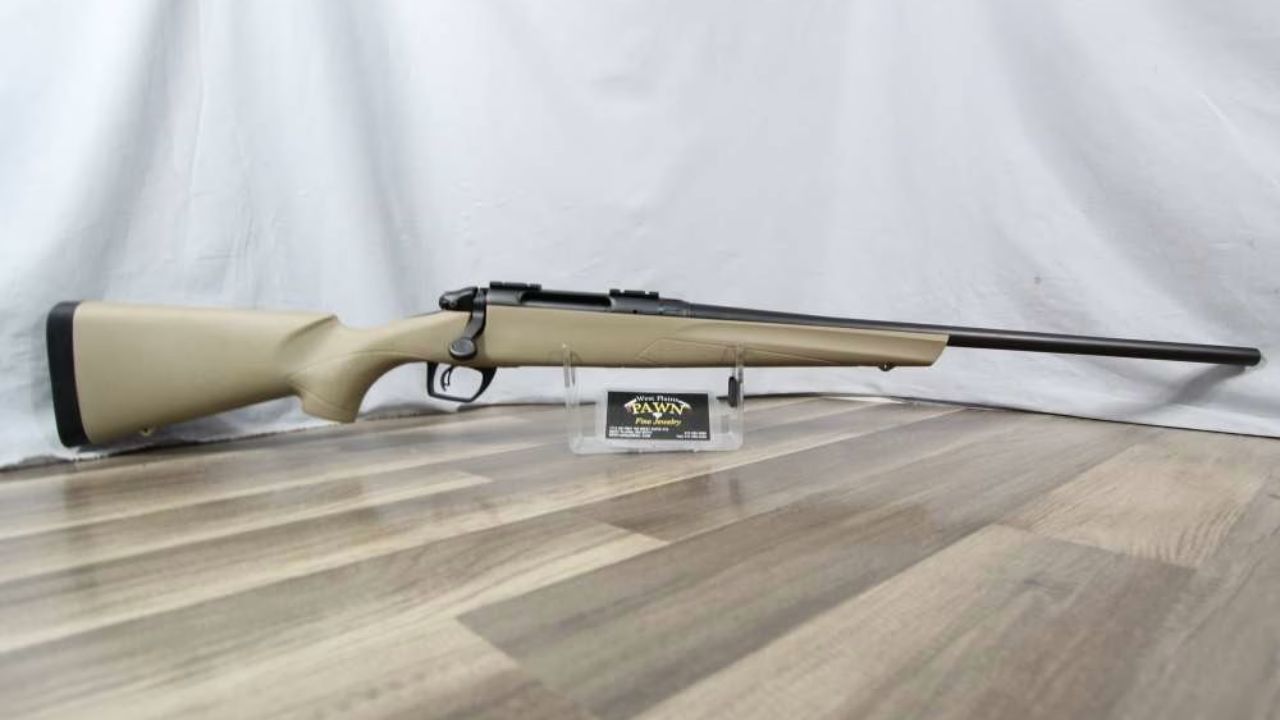
The Remington 783 was meant to replace the 770’s bad reputation, and while it was an improvement, it still struggled with consistency. Some models grouped fine, but many shot like they were allergic to accuracy. The stock flexed, the bolt felt gritty, and the factory scope package didn’t help.
Even after upgrading to quality optics, you were still fighting the rifle’s limitations. The 783 could be a serviceable deer gun, but it wasn’t a precision tool. It’s a rifle that proves optics don’t fix design flaws—they just make them easier to see in high definition.
Like The Avid Outdoorsman’s content? Be sure to follow us.
Here’s more from us:
The worst deer rifles money can buy
Sidearms That Belong in the Safe — Not Your Belt
*This article was developed with AI-powered tools and has been carefully reviewed by our editors.