Photo credit: The Avid Outdoorsman
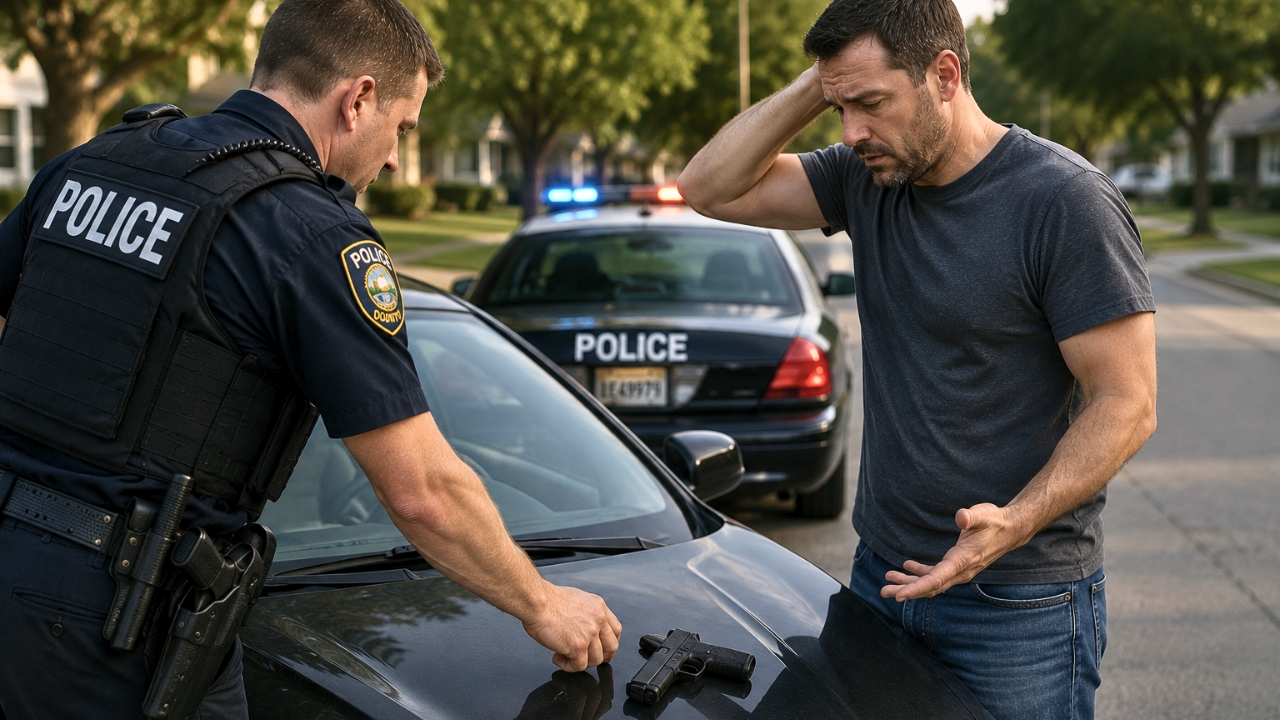
A Reddit thread in r/CCW about forgotten firearms in bathrooms took a turn into a different kind of carelessness when one commenter shared a story he said involved a federal law-enforcement officer. According to the comment, the officer had stepped out of his vehicle, put his SIG down on the hood for a moment, then drove off and left it there. By the time he realized what he had done and went back, the pistol was gone. The story was short, but it landed because it captured the same ugly pattern that runs through so many of these posts: the gun leaves the body for “just a second,” routine takes over, and then the carrier is suddenly trying to rewind a mistake that has already happened. The original Reddit thread is here: https://www.reddit.com/r/CCW/comments/105v487/somebody_left_their_ccw_in_my_work_public/
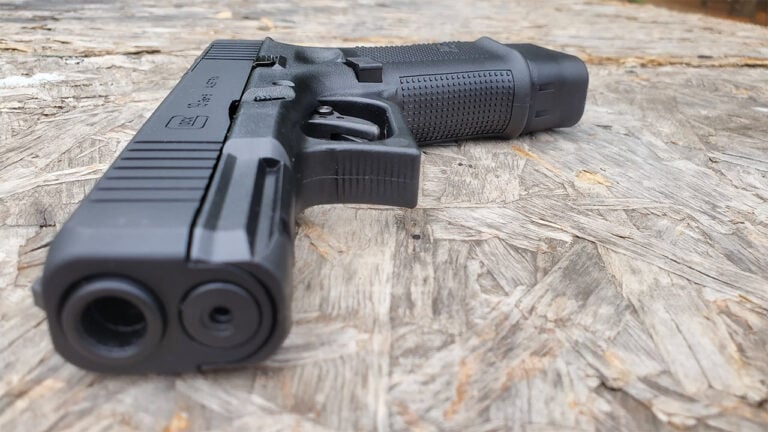
What makes that story feel worse than a lot of ordinary forgetfulness is how exposed the whole setup was from the beginning. A pistol on the hood of a car is not tucked into a jacket pocket, balanced on a toilet-paper holder, or hidden in some messy personal moment where people at least understand how the distraction happened. It is just out there, sitting in the open, depending completely on the person who put it there to remember it before the car moves. Once the officer drove off, the problem was no longer under his control. The gun was either going to stay put by sheer luck, slide off into the roadway, or be found by somebody else before he got back. In the version told on Reddit, it was the last outcome that happened.
The fact that the commenter described the man as a federal law-enforcement officer gave the anecdote a sharper edge. These kinds of stories always hit differently when the person mishandling the firearm is someone the public is supposed to assume is especially trained and disciplined. It does not just sound like one absent-minded civilian having a bad day. It sounds like the kind of mistake people want to believe professionals are above making. That is probably why the anecdote stuck so strongly inside a thread that was already full of anger about a loaded Glock being left in a public restroom. The message was not subtle: even people whose jobs revolve around firearms can still make embarrassingly basic mistakes once they get casual with where the gun is resting.
There is something especially believable about how it happens, too. Putting an item on the hood for a second is one of those things people do all the time with keys, drinks, phones, clipboards, or bags. The mistake is not exotic. That is the problem. The action feels so temporary and so ordinary that the brain files it under “I’ll grab that in a second” and then the rest of life takes over. Door closes. Engine starts. Thoughts jump to the next task. The vehicle moves. The problem with a handgun is that the cost of that everyday lapse is much higher than it is with a coffee cup or a set of keys. Once the officer drove away, the gun stopped being a carry tool and became a loose, lost firearm in public.
Inside the broader thread, the story fit into a running theme that made the whole discussion darker than a normal “embarrassing carry mistakes” conversation. People were not just laughing at awkward moments. They were angry at the way small, careless decisions turn firearms into somebody else’s problem. A gun left in a bathroom stall can be found by a child. A pistol forgotten in a restaurant jacket can be discovered by staff. A SIG left on the hood of a car and driven off can wind up in the hands of whoever gets to it first. That is the pattern the commenters kept circling. The original owner’s embarrassment matters a lot less than the fact that, for a window of time, the firearm is out in the world without the owner controlling what happens next.
The surrounding comments in the thread were already full of similar stories, which is part of what made the SIG-on-the-hood anecdote feel less like a wild one-off and more like one more entry in a long, ugly category. One commenter talked about a newer LAPD officer who left a Glock behind on a range counter and had to call back in a panic minutes later. Another said he had seen a police chief leave a firearm in a restaurant bathroom. Someone else described officers at lunch realizing one of them had left a pistol behind at breakfast and treating it like a joke. Those examples did not soften the reaction. They made it worse, because the common thread was obvious: people who should know better still make the same stupid mistake once the gun leaves the body and gets treated like just another object for a minute.
The more serious replies kept coming back to the same basic point. If the gun stays holstered and physically attached to you, forgetting it gets much harder. Once you start resting it on counters, tank lids, toilet-paper holders, jacket chairs, or the hood of a car, memory becomes part of the retention system. And memory is exactly the thing that fails people when routine and distraction take over. That was really the lesson hovering over the officer’s lost SIG. The gun did not vanish because of some complicated tactical problem. It vanished because someone set it down in the open, trusted himself to remember it a second later, and then drove away.
That is where the story lands. A federal officer allegedly set his SIG on the hood of a car, forgot it, drove off, and returned to find it gone. It is a short anecdote, but it says enough. The danger was never only the second he forgot it. The danger was the moment the gun stopped being attached to him and became something the rest of the world could reach before he did.
Like The Avid Outdoorsman’s content? Subscribe to our newsletter so you never miss an article.
Here’s more from us: