Photo credit: rangehot.com/Youtube
A lot of new hunting rifles are built to look good in a product photo. They’re light, threaded, dipped, fluted, adjustable, and covered in enough feature language to make a simple deer rifle sound like lab equipment. Some of them are excellent. Some feel like shortcuts dressed up as progress.
Then you pick up an older working rifle and remember what honest feels like. Solid stock. Clean action. Good balance. No nonsense. No pretending. These rifles feel like they were built for hunters first and marketing departments second.
Remington Model 700 Mountain Rifle

The Remington Model 700 Mountain Rifle had a simple purpose: give hunters a lighter rifle that still felt like a real rifle. It wasn’t trying to be the cheapest thing on the rack, and it wasn’t overloaded with features nobody asked for. It had a slim barrel, good lines, and the familiar Model 700 action in a package that carried well.
That honest feel is what makes it stand out now. A lot of lightweight modern rifles feel hollow or whippy. The Mountain Rifle kept enough traditional stock shape and balance to feel steady in the hands. It was light enough to carry in rough country without feeling like a toy when it was time to shoot. Hunters who owned one usually understood the point right away.
Winchester Model 70 Classic Sporter
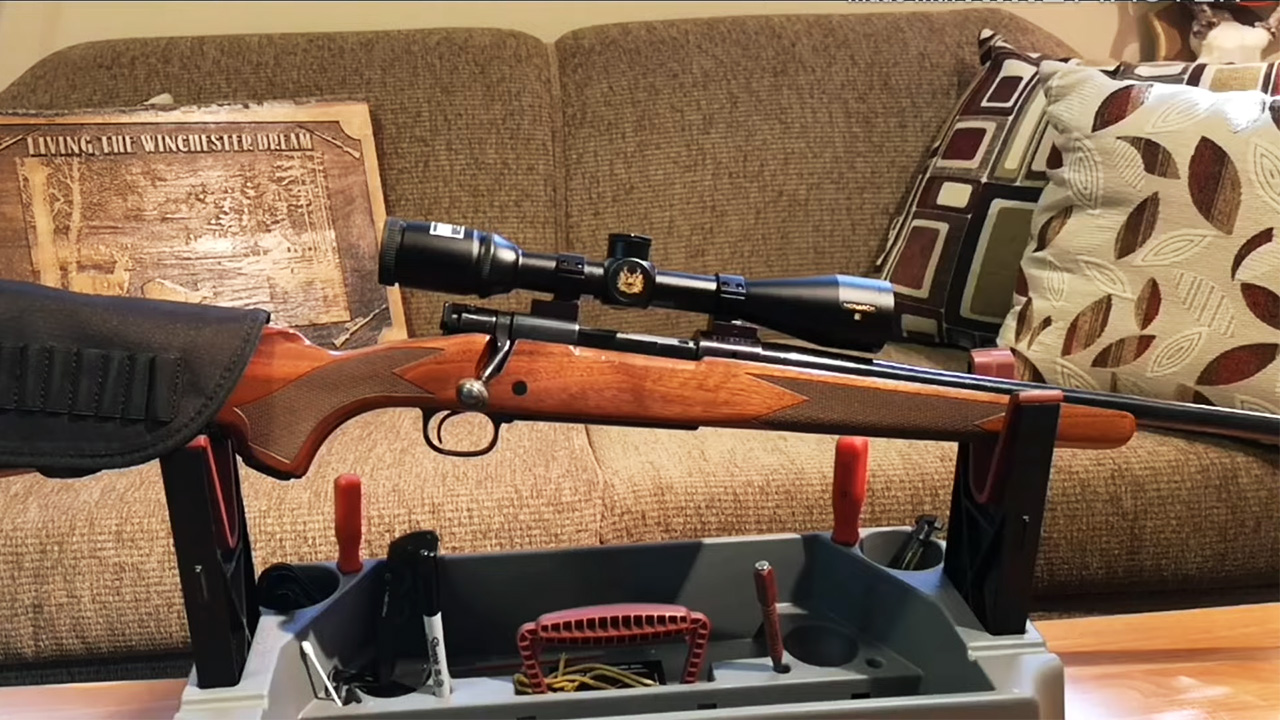
The Winchester Model 70 Classic Sporter feels like a hunting rifle built by people who knew what a hunting rifle should be. Controlled-round feed, a strong claw extractor, a three-position safety, and classic stock lines all give it a serious field personality. It doesn’t need wild styling to tell you what it is.
Compared with many newer rifles, the Classic Sporter feels more deliberate. It has weight, balance, and a bolt action that inspires confidence when conditions get rough. It may not be as light as the newest mountain rifles or as weatherproof as a full synthetic setup, but it feels trustworthy. For a hunter who values function over flash, that kind of honesty still matters.
Ruger M77 Tang Safety

The older tang-safety Ruger M77 has a feel that plenty of hunters still miss. It came from a time when a standard hunting rifle had blue steel, walnut, and enough heft to settle down on target. The tang safety was simple and natural, especially for hunters used to shotguns.
These rifles were not always known for perfect triggers or benchrest precision, but they felt like working rifles. They carried well, handled rough use, and looked right in a deer blind or elk camp. Modern rifles may shoot tighter groups on average, but not all of them feel as solid. The old M77 reminds you that a hunting rifle can be practical, durable, and plainspoken without feeling cheap.
Browning Safari Grade
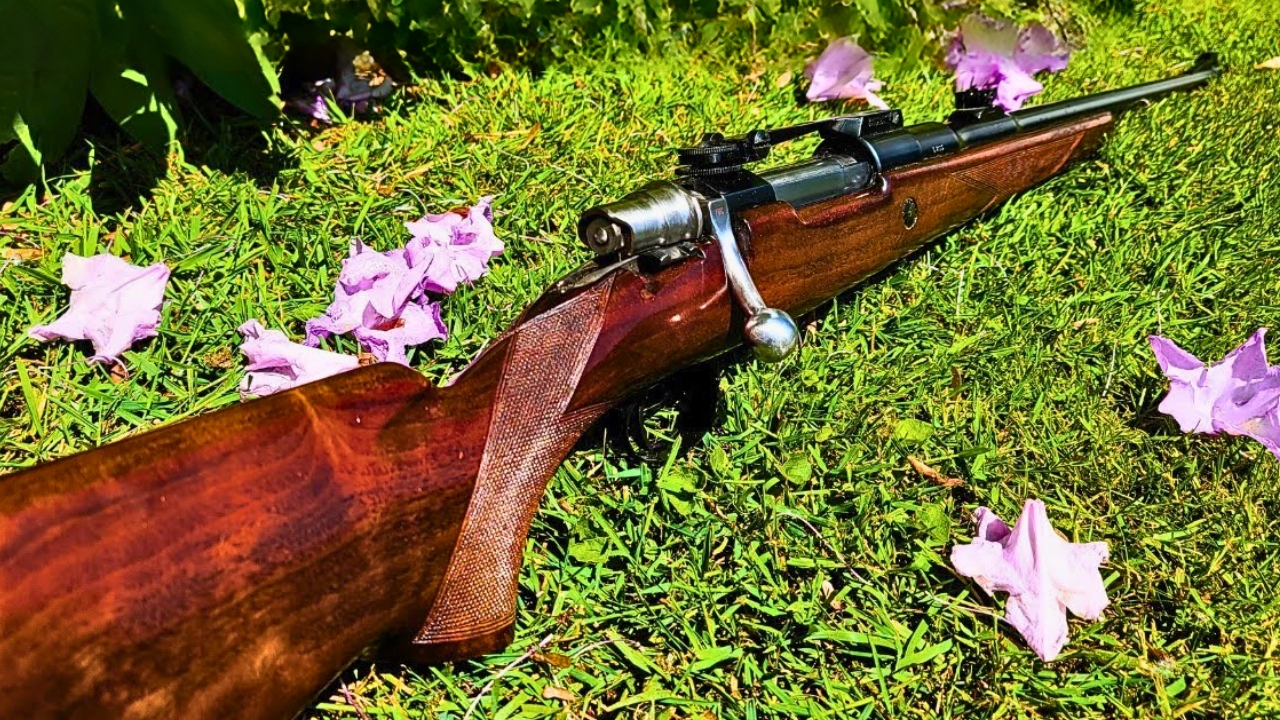
The Browning Safari Grade rifles built on FN Mauser actions have the kind of honest quality that jumps out as soon as you handle one. They were made during an era when fit, finish, and action smoothness mattered. These weren’t throwaway hunting rifles built around cost-cutting. They were serious rifles for serious hunters.
A Safari Grade has weight, polish, and confidence. It may feel heavier than today’s synthetic-stocked rifles, but that weight often makes it steadier from field positions. The Mauser action gives it real strength and reliability, and the classic styling still holds up. It feels like a rifle meant to last through decades of hunting, not just survive a sales cycle.
Savage 99C
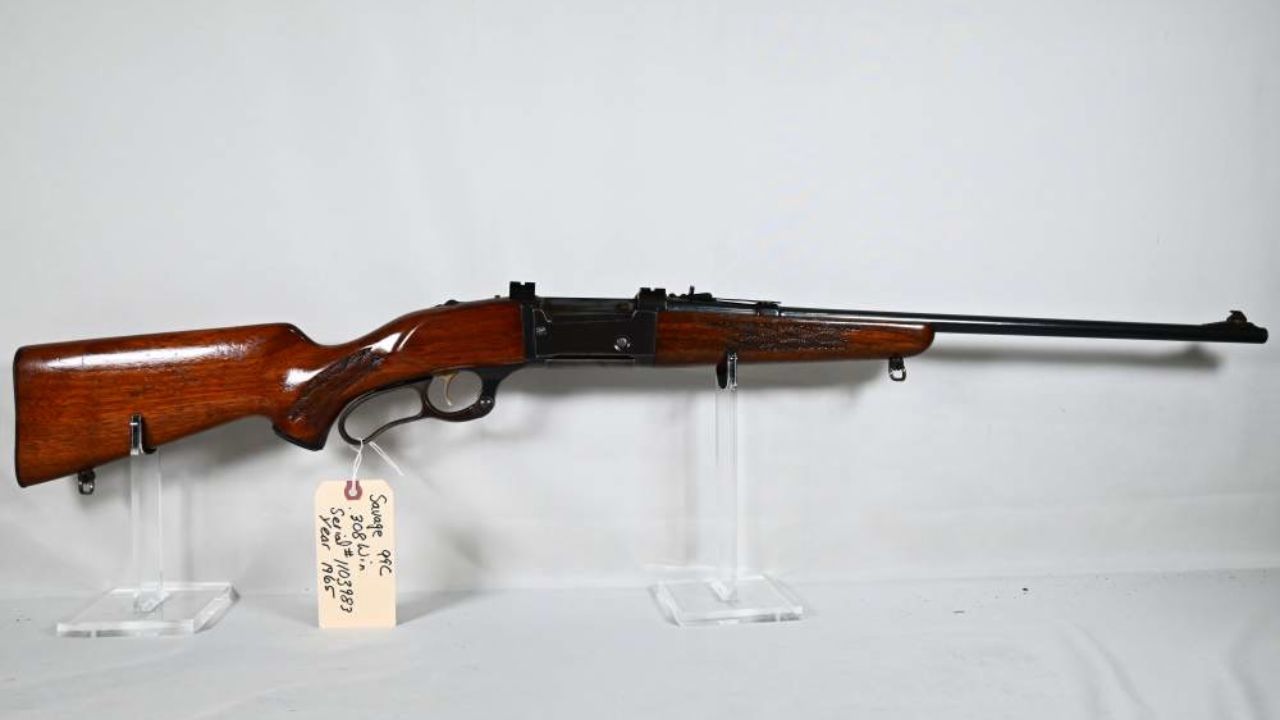
The Savage 99C brought detachable-magazine convenience to a lever-action platform that was already ahead of its time. It doesn’t feel like a cowboy rifle, and it doesn’t feel like a modern bolt gun. It sits in its own lane, and that’s part of why hunters still respect it.
What makes the 99C feel honest is how practical it is. It carries fast, shoulders naturally, and handles cartridges that give it more reach than traditional tube-fed lever guns. It has a mechanical personality that modern rifles rarely offer. You can feel the design working. It may not be as slick as a new bolt-action, but it feels like a rifle built around actual hunting problems instead of fashion.
Marlin 444
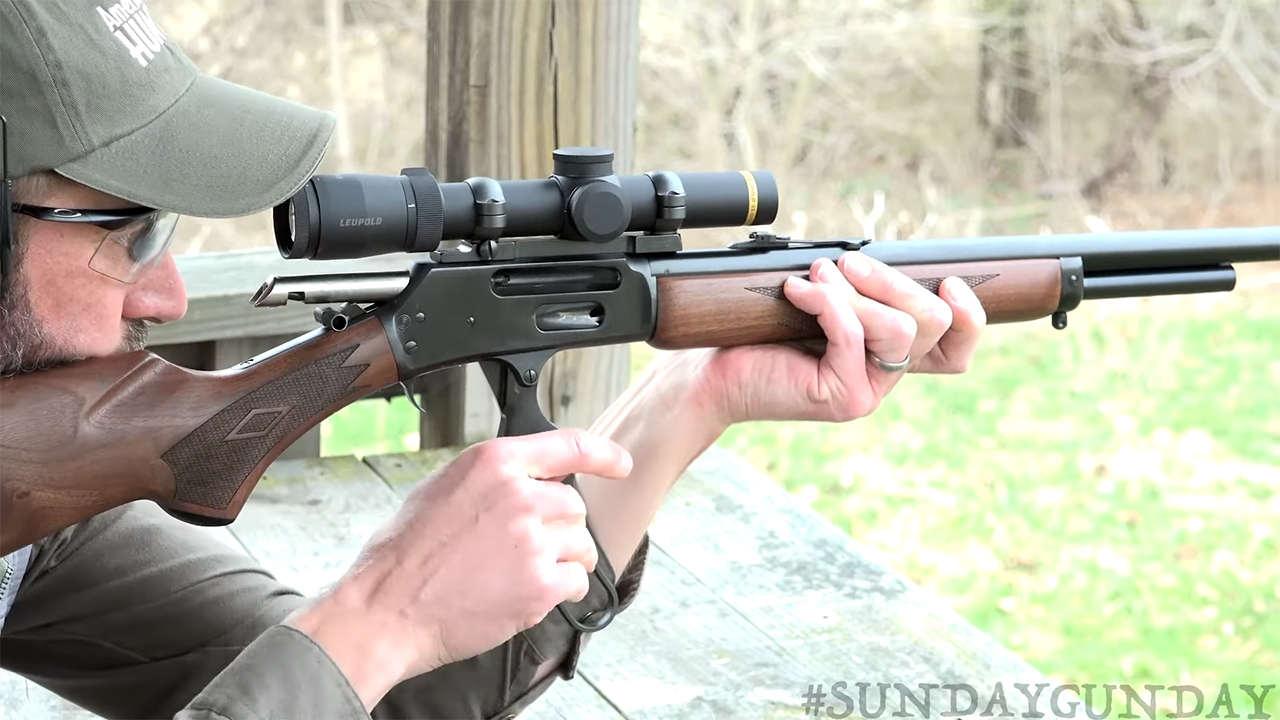
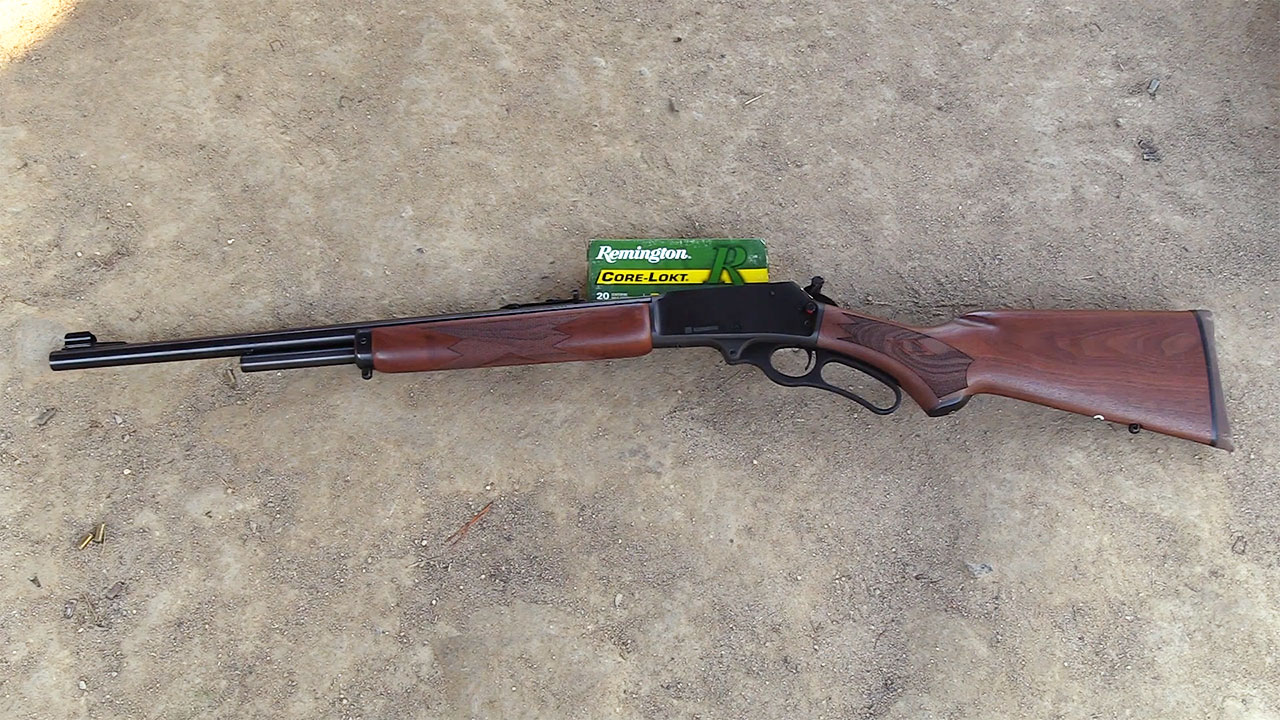
The Marlin 444 is not subtle, and it doesn’t pretend to be. It’s a big-bore lever gun built to hit hard in the woods. In an age where hunting rifles are often sold around long-range buzzwords, the 444 feels refreshingly direct. It’s for hunters who know their country, know their distances, and want a rifle that hits with authority.
It carries better than its power level might suggest, especially in brush or timber. The .444 Marlin cartridge gives it a lot more punch than a standard .30-30, and the lever-action platform keeps it quick. It’s not built for stretching across canyons. It’s built for close to moderate shots where a heavy bullet makes sense. That kind of clear purpose feels honest.
Sako L579 Forester
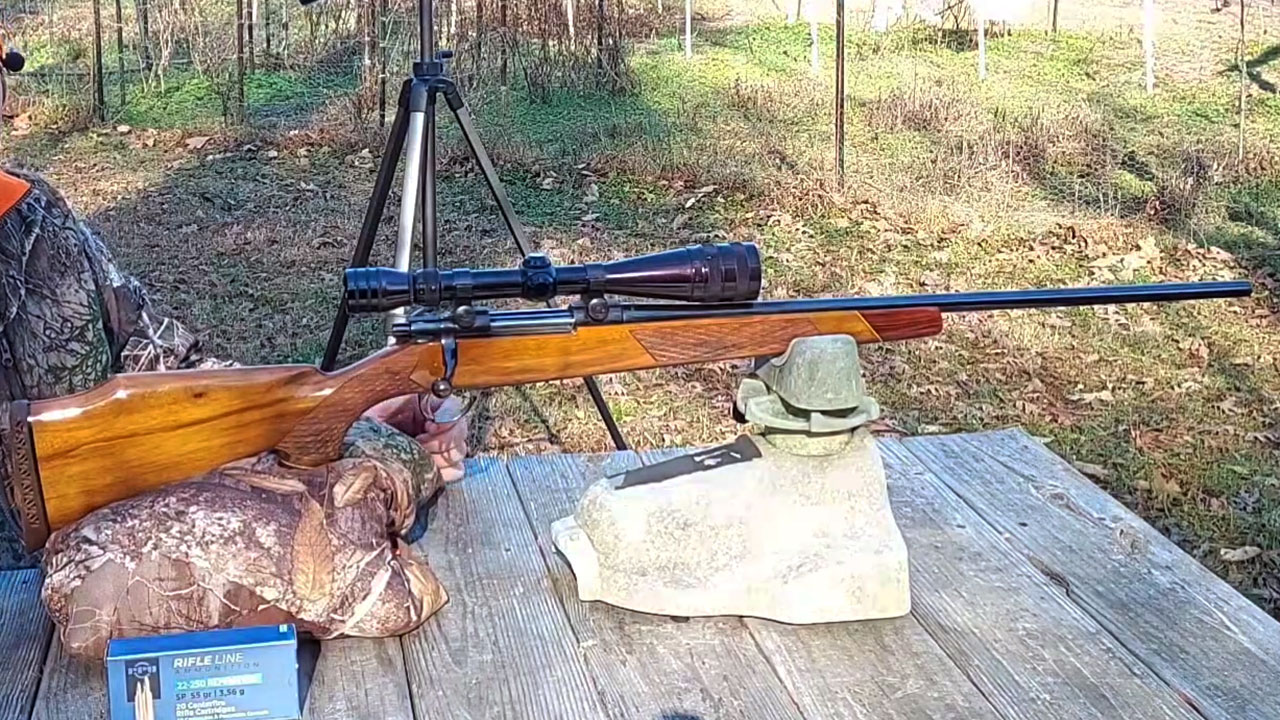
The Sako L579 Forester is one of those rifles that makes modern mid-priced guns feel a little rough. It was built with smoothness, accuracy, and balance in mind. Chambered for short-action hunting cartridges, it gave hunters a rifle that felt refined without being delicate.
The action is the kind of thing you notice immediately. It feels clean, precise, and confident. The stock dimensions and overall handling make it obvious that this rifle was designed for field use by people who took rifles seriously. Newer rifles may offer more modularity and weather resistance, but the Forester has a level of old-school quality that does not need dressing up. It feels honest because the craftsmanship is right there in your hands.
Husqvarna 1640

The Husqvarna 1640 is not as commonly discussed as some American classics, but hunters who know these rifles tend to respect them. They’re light, handy, and built around a strong Mauser-inspired action. Many were chambered in practical hunting rounds and carried by people who valued a simple rifle that worked.
The 1640 has a plain, purposeful feel. It doesn’t come across as overbuilt in a clumsy way or stripped down in a cheap way. It feels like a European hunting rifle meant to be carried in real country. The action, balance, and slim profile all make sense. Compared with modern rifles that sometimes feel like plastic shells around decent barrels, the Husqvarna feels like one complete tool.
Remington Model 660

The Remington Model 660 carried forward the compact idea of the Model 600, but with a slightly less unusual look. It was short, handy, and chambered in serious hunting rounds. That made it a useful rifle for hunters who wanted something quick in timber, blinds, and rough country.
Today, the Model 660 feels more honest than many new compact rifles because it wasn’t pretending to be a long-range do-everything platform. It was a short hunting rifle for real hunting distances. It came up fast, carried easily, and gave hunters enough power without the length and bulk of a standard rifle. It has quirks, but it also has purpose. That’s more than you can say for some new rifles trying to be everything at once.
Mannlicher-Schoenauer Model 1952
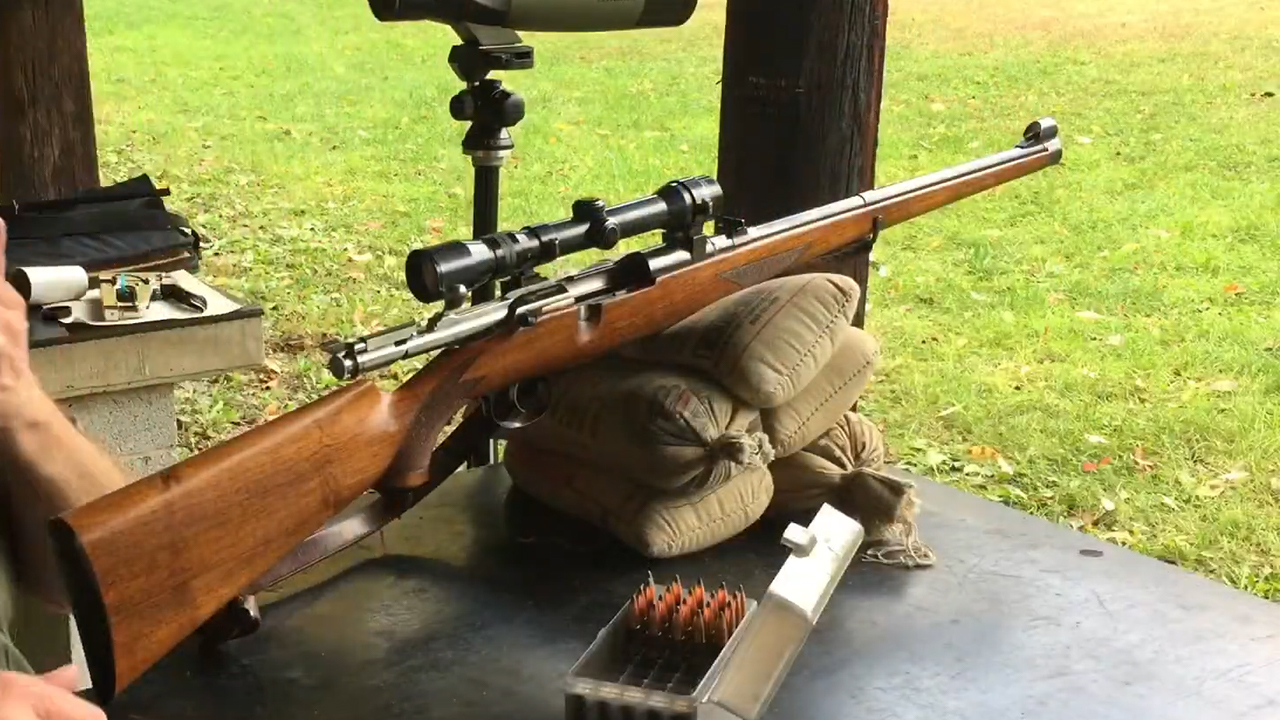
The Mannlicher-Schoenauer Model 1952 feels like it came from a different world of rifle making. The rotary magazine, slick action, full-stock versions, and careful fit give it a quality that modern production rifles rarely match. It’s the kind of rifle that makes you slow down and pay attention.
As a hunting rifle, it feels refined but still useful. It wasn’t built to be a disposable tool. It was built to carry well, feed smoothly, and shoot with confidence. Modern hunters may prefer lighter synthetic rifles for rough weather, and that makes sense. But the Mannlicher-Schoenauer has an honesty in its craftsmanship that is hard to ignore. Every part feels like it was given thought.
Parker-Hale 1200
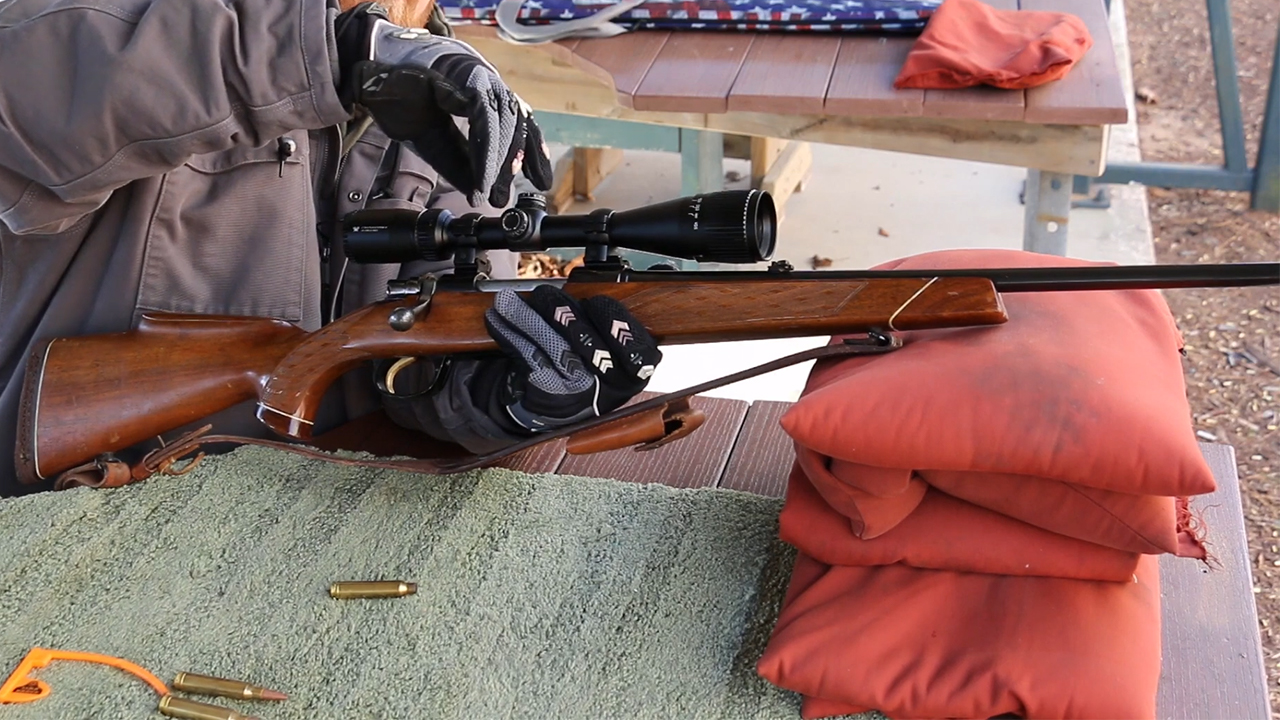
The Parker-Hale 1200 gave hunters a Mauser-based sporting rifle with classic British styling and practical field manners. It never had the same name recognition in America as Winchester or Remington, but those who owned them often found they had a solid, accurate, well-made rifle.
The honest appeal comes from the fact that the rifle feels like it was built for hunting first. The action is strong, the stocks are traditional, and the rifles often shoot well with the right ammunition. They don’t have a lot of modern noise around them. They’re simply good bolt-action hunting rifles. In a market full of lightweight rifles that sometimes feel cheaper than their price tags, a clean Parker-Hale can feel surprisingly refreshing.
Interarms Mark X
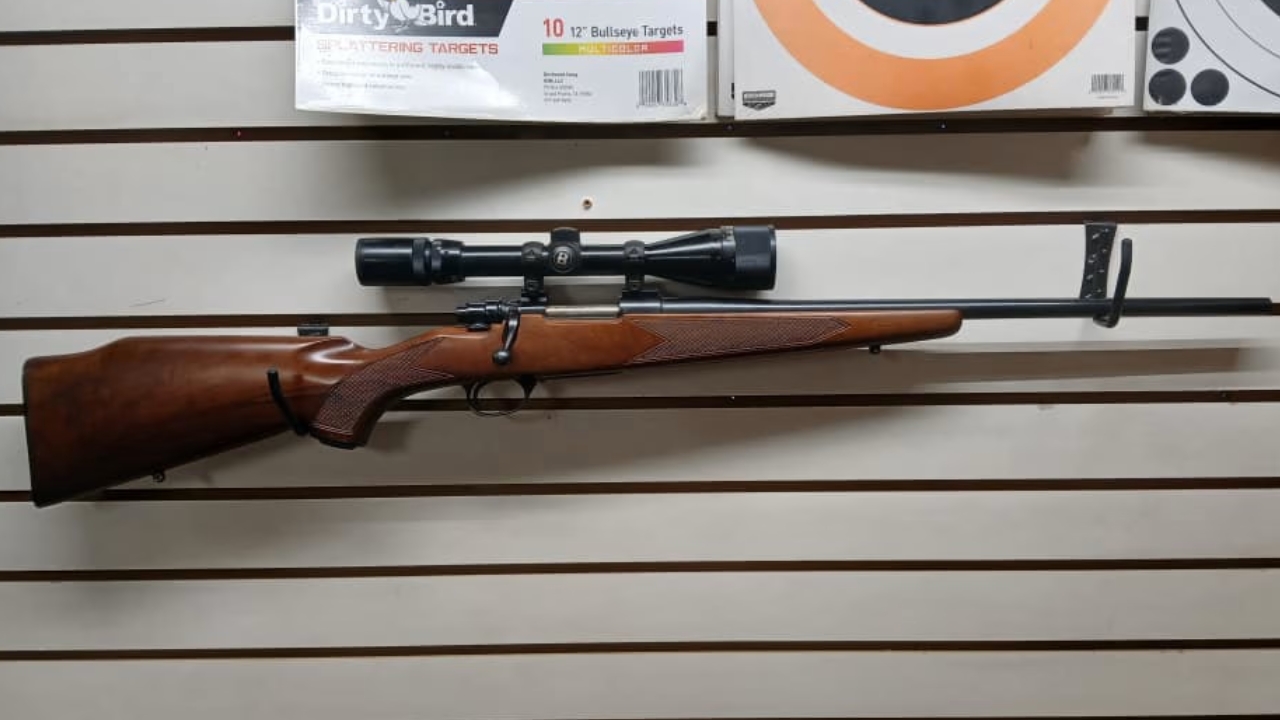
The Interarms Mark X is another rifle that earned quiet respect by giving hunters a commercial Mauser action at a reasonable price. It was not the fanciest rifle out there, but it had strong bones. Plenty of custom rifles were built on Mark X actions because people knew the action was worth working with.
As a hunting rifle, the Mark X feels plain in the best way. It feeds with authority, has a solid receiver, and gives the shooter that controlled-round-feed confidence many hunters still prefer. Some examples are finished better than others, and individual rifles vary. But the basic design feels honest. It’s a rifle built around a proven action, not around whatever trend was loudest at the moment.
Kimber 84M Classic
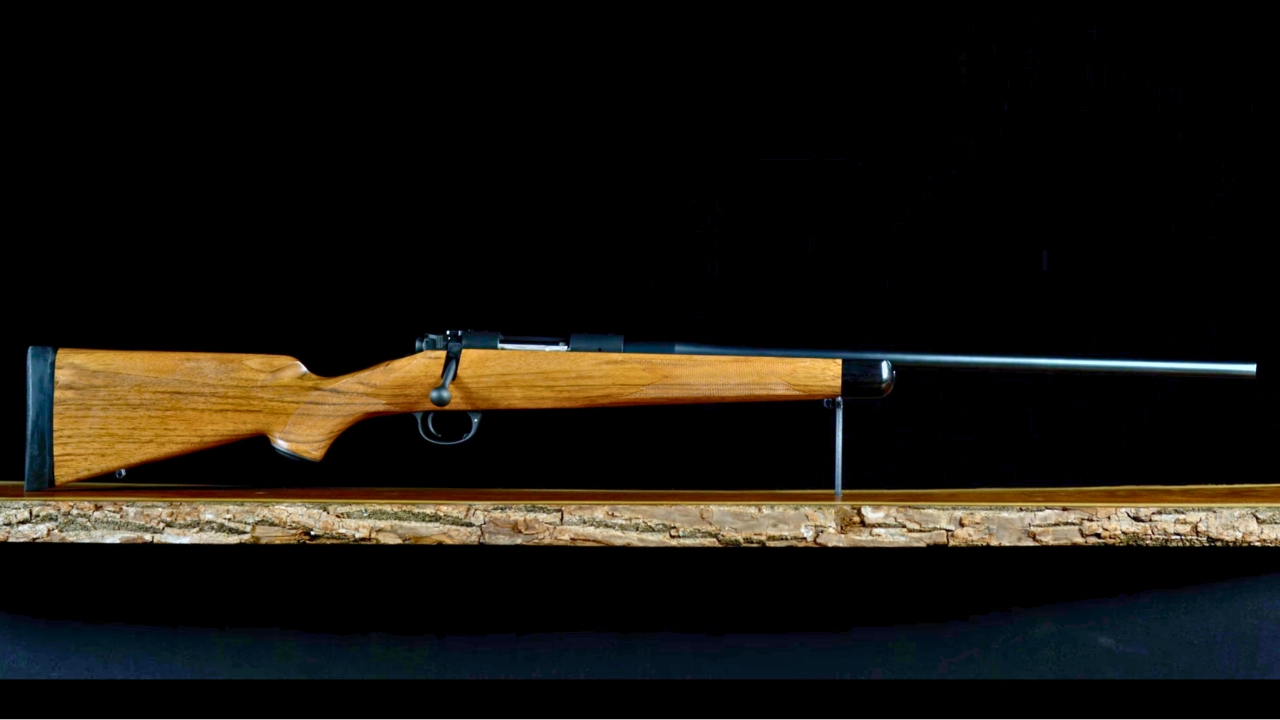
The Kimber 84M Classic has a clean, traditional feel that stands apart from a lot of newer hunting rifles. It’s light without feeling like a plastic bargain gun, and the controlled-round-feed action gives it a serious rifleman’s personality. It was built for hunters who wanted a trim rifle with real character.
The 84M Classic feels honest because it doesn’t try to hide what it is. It is a light hunting rifle, not a bench gun. It rewards good shooting and carries beautifully. The wood-stocked versions have a warmth that modern synthetic rifles often lack, but they still belong in the field. For hunters who want a rifle that feels personal without being overly fancy, the Kimber makes a strong case.
Winchester Model 100

The Winchester Model 100 was a semi-auto hunting rifle from a time when companies were still trying different answers to the deer-rifle question. It wasn’t perfect, and anyone looking at one today needs to be aware of safety updates and condition. But as a design, it has a kind of honest hunting character that many modern rifles lack.
It carries like a sporting rifle, not a tactical semi-auto. It was meant for hunters who wanted faster follow-up shots in a package that still looked and felt at home in the deer woods. The Model 100 has limitations, and it’s not the easy modern answer for everyone. But it represents a practical idea from an era when hunting rifles were built with a clear field purpose instead of trying to look like everything else.
Dakota Model 76
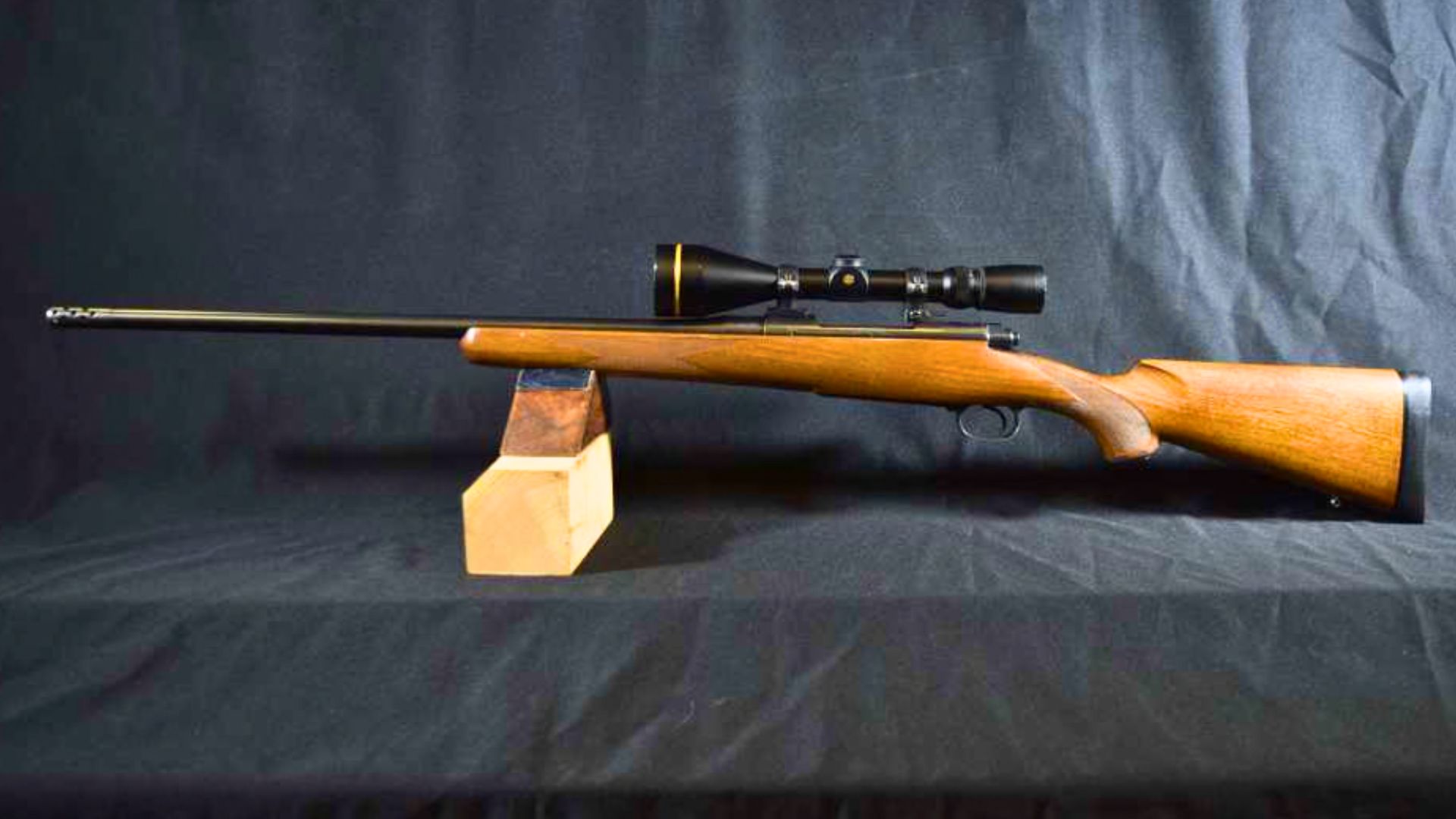
The Dakota Model 76 is not a bargain rifle, but it belongs here because it feels honest in a way many expensive modern hunting rifles don’t. It was built around controlled-round feed, classic styling, and serious craftsmanship. It feels like a rifle made for hunters who understood why old Model 70s and Mausers mattered.
The Model 76 has weight, balance, and refinement without feeling like a gimmick. It’s the kind of rifle someone buys because they appreciate clean metalwork, proper stock lines, and dependable function. Modern premium rifles sometimes chase carbon fiber, extreme lightness, and tactical styling. The Dakota went the other direction. It trusted classic rifle values, and for many hunters, that still feels more honest than anything new on the rack.
Like The Avid Outdoorsman’s content? Subscribe to our newsletter so you never miss an article.
Here’s more from us: