Photo credit: KatMoys/Shutterstock.com
A Reddit seller in r/guns described a private-sale conversation that turned sour the second the buyer asked for something he had never been asked for before. According to the post, the two had already set a day and time to meet about a rifle sale when the buyer suddenly asked him to send over his driver’s license so he could “check my record” before buying. The seller’s response was immediate: no chance. He wrote that he told the buyer the FFL would see both of their IDs anyway, so there was no reason to hand personal information to a stranger ahead of time.
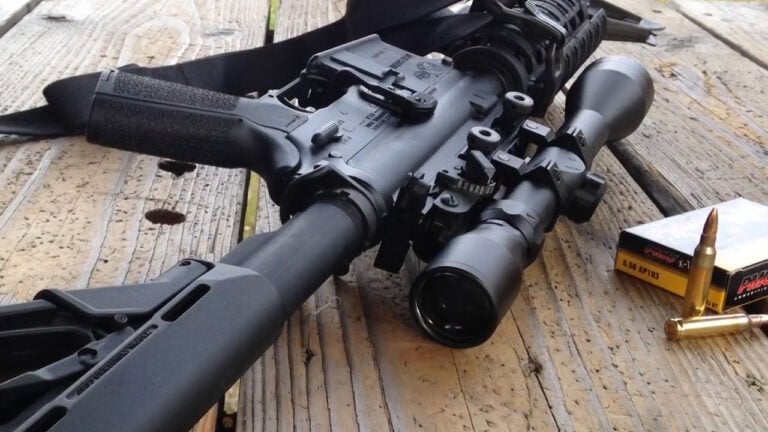
That is the detail that made the whole thing feel wrong fast. A lot of gun owners are cautious during private sales, and for good reason. People worry about legality, identity, and whether the other person is actually who they say they are. But the request in this case sounded strange enough that the seller instantly treated it like a red flag instead of routine caution. In the post, he said he was not comfortable doing it, and by the end of the thread he added that he guessed he would not be selling his SCAR 16S that day after all.
The replies came back hard and mostly in one direction. One commenter answered with, “That’s a no from me,” while another flatly called it “100% scam.” Others said they would block the buyer and move on. The overall tone was not cautious curiosity. It was the kind of reaction you get when a gun crowd thinks somebody is probing for information they should never need in the first place.
A few comments made the fear behind that reaction more specific. One person warned that scammers sometimes use other people’s IDs to build fake GunBroker accounts or to scam other buyers by sending the ID around as supposed proof they are legitimate. Another commenter said he had gotten the same kind of request while selling on Armslist and refused to send his ID, after which the supposed buyer disappeared. The original poster replied that his own buyer had used a local-looking area-code number, set up a date and time, and only then asked for the license photo. That part made it feel even more deliberate. It did not look like some nervous buyer asking a clumsy question up front. It looked more like someone trying to move the deal far enough along that the request might feel harder to refuse.
That is what gives the story its edge. Most private-sale problems do not begin with some huge obvious threat. They begin with a small request that instantly makes the hair on the back of your neck stand up. In this case, it was not even the buyer asking to see the rifle again or requesting a bill of sale. It was the idea that the seller should hand over a government ID with a home address on it so a stranger could do some vague “check” that nobody in the thread seemed to recognize as normal. One commenter put the practical concern in the simplest terms possible: he would not send anything with his home address on it.
The thread did have a little nuance buried inside all the suspicion. One user said he had asked for a seller’s ID before when buying under a Curio and Relics license so he could log information in his book, though another commenter immediately replied that even that was not required. A few others mentioned having asked for limited ID information with details blurred out in some private transactions. But those comments never really changed the tone of the discussion, because that was not what the original story sounded like. This was not a narrow paperwork issue between two people handling a specialized transaction. It was a stranger in a private sale asking for a full driver’s license to “check” the seller. Most readers heard that and went straight to the same place: absolutely not.
What makes a story like this click is how fast it turns a routine sale into something uneasy. Up until that moment, it sounded normal enough. A buyer texts. A meeting gets set. A gun is ready to change hands. Then one weird request lands, and suddenly the whole deal smells different. That is the part experienced sellers recognize right away. Once the other person starts asking for information that could expose your identity, your address, or your records in ways that make no sense for the sale itself, the gun almost stops mattering. The real question becomes whether you are about to ignore the one red flag you are going to regret later.
And that is really why the Reddit thread hit. It was not only about whether showing ID is ever reasonable. It was about the moment a seller realized the buyer’s request was so far outside normal boundaries that the smartest move was to kill the deal before it had any chance to get worse.