Photo credit: Gun Talk Media/YouTube
Some pistols get bought because of what they do. Others get bought because of what the rollmark says. That difference matters more than people like to admit. A strong brand can make buyers feel like they already made the smart choice before the first magazine is ever loaded. Once that happens, every flaw gets softer language. Recoil becomes “character.” Price becomes “investment.” Middling performance becomes “you just have to understand the platform.”
That is where these pistols live. This is not about saying every gun here is worthless. Some are interesting. Some are enjoyable. A few can still make sense for the right buyer. But they also attract owners who lean on the name harder than the actual shooting experience. These are the pistols people buy for the badge on the slide and then spend a lot of time explaining away afterward.
Kimber Ultra Carry II

The Ultra Carry II gets bought because “Kimber 1911” still means something to a certain kind of buyer. It sounds upscale, looks upscale, and gives the owner the feeling that he stepped above the polymer crowd into something more refined. That is a powerful selling point, especially for people who want a carry gun that also says they have taste.
Then the excuses start. Small 1911s are already demanding little pistols, and when the ownership experience gets less graceful than the sales pitch, owners often start talking about break-in periods, ammo sensitivity, magazine preferences, and the idea that the gun simply needs more patience than “ordinary” pistols. That is usually what happens when the name closed the sale faster than the performance could.
Colt Mustang

The Colt Mustang gets bought because it says Colt and because it lets the buyer feel like he found a more stylish answer than the usual little carry pistols. The appeal is obvious. It is compact, familiar, and tied to one of the strongest names in the whole handgun world. That makes people very willing to believe they bought something more substantial than its size might suggest.
Then reality shows up in the form of tiny-gun tradeoffs. Limited capacity, less forgiving handling, and the usual little-pistol headaches start becoming harder to ignore once real range time begins. But because the gun says Colt, buyers often shift into defense mode quickly. They are not only protecting the pistol. They are protecting the feeling that they made a more tasteful choice than everyone else.
Walther PPK
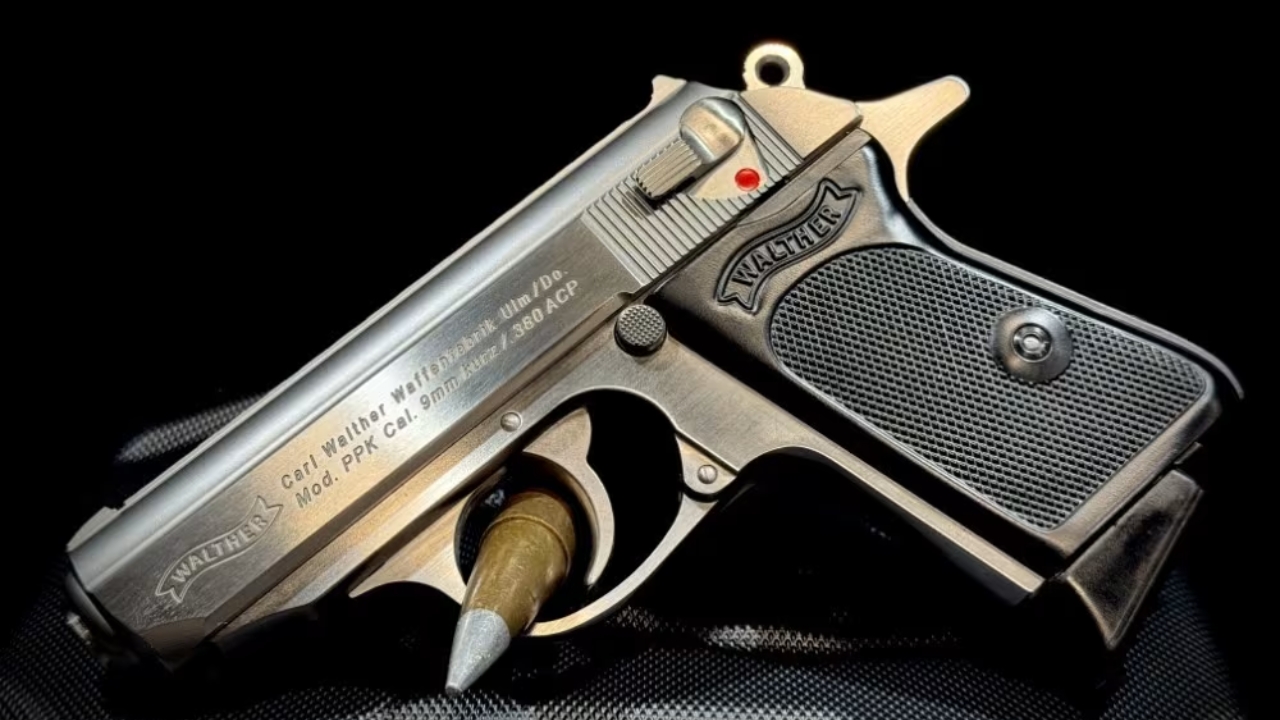
The PPK may be the king of this category. People buy it for the image first, the name second, and the practical use case somewhere far behind both. It is elegant, famous, and loaded with the kind of cultural baggage that makes buyers feel like they are not merely buying a handgun. They are buying a piece of identity.
That is exactly why so many owners defend it so hard. Once the sharp recoil, compact discomfort, and very ordinary real-world shooting experience start showing up, the excuses follow right behind. Suddenly the awkwardness is “old-school charm,” and the limitations are “part of the classic feel.” That is usually how you can tell the name did most of the heavy lifting.
Colt Python
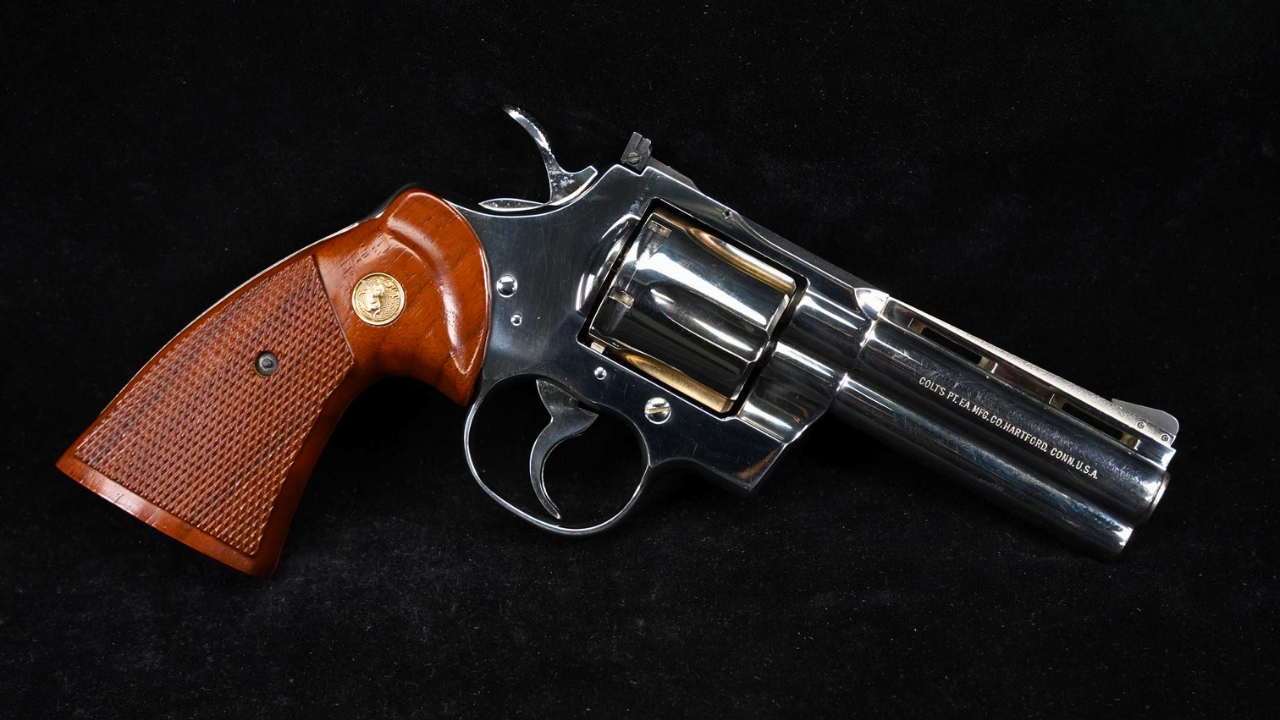
The Python gets bought because the name already sounds like quality before the trigger is ever touched. Buyers hear “Python” and stop thinking like shoppers. They start thinking like people acquiring significance. The revolver becomes a symbol of discernment, prestige, and old-school gun culture approval, which means the purchase gets emotionally protected from the start.
Then the rationalizing begins. Every flaw, every premium, every less-than-magical part of the ownership experience gets wrapped in the language of legend. Some of that respect is deserved. A lot of it is cover for the fact that the buyer wanted the name and now needs the experience to feel as special as the rollmark promised. The louder the prestige, the harder the excuse-making usually works.
Browning Hi-Power

The Hi-Power gets bought by a lot of people who love what it says about them. It tells the room they appreciate history, military sidearms, old-world steel, and the kind of pistol taste that sounds more educated than merely buying another modern service gun. That self-image is a huge part of the appeal.
Because of that, the pistol often gets defended beyond reason. Weight, old design compromises, and plain old “this is not automatically the smartest buy at this price” conversations get brushed aside because the owner is not only defending a handgun. He is defending the idea that he appreciates the right handguns. The name and reputation do a lot more work than many buyers want to admit.
HK P7 PSP
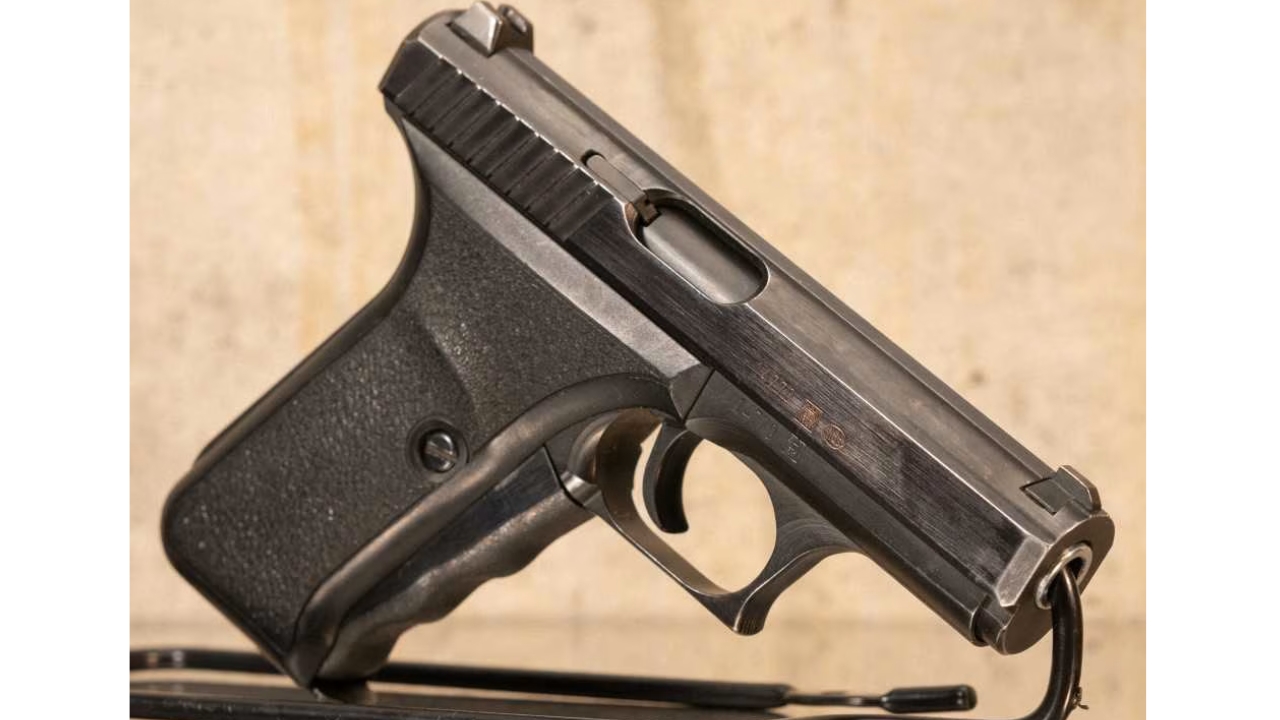
The P7 gets bought because it lets the owner feel like he knows something other people do not. The squeeze-cocker, the German engineering, the cult aura, all of it signals discernment. Buyers love that. They love the feeling that they bought the pistol for people with deeper taste and a little more intellectual credibility than the ordinary crowd.
Then come the excuses. Heat, expense, limited support, odd handling quirks, all of it gets reframed as proof of genius rather than inconvenience. That is what happens when the name and the mystique do the courting. The owner starts explaining why the pistol’s difficulties are actually part of its brilliance. The more that happens, the clearer it gets that the name closed the emotional sale long before the range got a vote.
SIG Sauer P210

The P210 gets bought because it sounds like owning one means you graduated into the upper tier of pistol appreciation. It has reputation, pedigree, and the sort of target-grade prestige that makes buyers feel like they are not buying a normal handgun anymore. They are buying correctness, history, and cultivated taste in one steel package.
That kind of purchase creates a lot of defensive energy. Once the owner starts realizing that ultra-refined old-world prestige does not automatically turn into broad practical value for how he actually shoots, he usually does not say that out loud. He starts talking more about craftsmanship, heritage, and how “you don’t buy a P210 for the same reasons you buy other pistols.” Exactly. He bought the name and now needs the reasons to sound deeper than the ownership reality.
Kimber Micro 9

The Micro 9 gets bought because it gives buyers a small carry gun with just enough polish to make them feel like they chose refinement over the generic options. Kimber knows exactly how to sell that feeling. It is a tiny pistol, but it carries the visual language of something more expensive and more tasteful than the usual little carry guns.
Then, just like with many very small pistols, actual shooting begins revealing the tradeoffs fast. Sharp handling, abbreviated grip, and the usual downsides of downsized guns become much more obvious after a few boxes of ammo. That is where buyers start leaning harder on the brand story. They defend the gun because “it’s a Kimber,” not because the shooting experience made the case that cleanly on its own.
Colt Gold Cup Trophy

The Gold Cup Trophy gets bought because buyers want to feel like they stepped into the serious 1911 world through the front door. The Colt name matters a lot, but pairing it with Gold Cup language makes the whole purchase feel even more elevated. It tells the buyer he did not simply buy a .45. He bought the version people with standards are supposed to recognize.
Then real ownership begins and the badge starts carrying more of the emotional load than the gun itself. When the practical experience fails to feel dramatically above other good 1911s, the defense usually shifts to heritage, target lineage, and Colt prestige. Those things all sound good because they help the buyer justify paying for the name-first version of a platform already crowded with alternatives.
SIG Sauer P938

The P938 gets bought because it feels like the premium little 9mm. Buyers love the idea that they did not settle for one of the plain micro guns. They bought the classy one, the metal one, the one with the SIG name attached. That makes the pistol easy to desire before anyone has spent enough time thinking about what a tiny 9mm actually asks of the shooter.
Then range time starts stripping the glamour off. Small grip, small sights, sharp handling, and all the usual tiny-gun truths come out quickly. That is when the owner starts explaining the gun instead of simply enjoying it. He bought the name and the identity that came with it, so now the pistol’s inconveniences have to be reframed as quirks worth tolerating rather than evidence that maybe the brand sold the fantasy a little harder than the function.
Beretta 84 Cheetah

The 84 Cheetah gets bought because the Beretta name and the metal-frame Italian feel make buyers feel like they chose a more sophisticated compact pistol than the ordinary market offers. It has style, quality, and enough old-world charm that owners often fall in love with what it suggests before they really decide what role it is supposed to fill.
That is why the justifications come so easily. The gun becomes “classic,” “refined,” or “for people who appreciate quality,” which is often another way of saying the owner wants the emotional reward of the name to count for more than the practical questions. It is a likable pistol. But a lot of buyers are clearly paying for Beretta first and then defending the rest of the experience around that decision.
Colt Detective Special

The Detective Special gets bought because it lets the owner feel connected to one of the strongest old-school handgun identities in the market. Colt name, detective-gun aura, old snub charm, it all lands exactly where it is supposed to. Buyers are not only purchasing a revolver. They are buying a mood that says they understand the classic answer.
That mood usually survives a lot of rationalizing. The revolver’s limitations do not vanish just because the sideplate says Colt, but a lot of owners talk as if they do. Slow reloads, small sights, and ordinary old-snub realities all get softened because the name gives the buyer a reason to defend the gun as something more than practical. He bought the atmosphere and now has to keep protecting it.
SIG Sauer P232

The P232 gets bought because it feels like the elegant alternative. It has the right name, the right lines, and the right kind of “I chose quality” energy to pull in buyers who do not want to feel like they bought an ordinary compact pistol. That kind of sales appeal is powerful, especially when the buyer wants a carry gun that doubles as a statement about taste.
Then the limitations become harder to ignore, and the owner starts leaning on the name even more. The pistol remains “beautiful,” “refined,” or “better than the plastic stuff,” which may all be true in a narrow sense. But those lines usually start getting repeated the loudest when the practical case is thinner than the emotional one. That is a sure sign the name drove the purchase.
Dan Wesson Valor

The Valor gets bought because it sounds like the kind of 1911 serious people are supposed to praise. Dan Wesson carries a strong reputation in enthusiast circles, and buyers often arrive at the purchase already wanting to believe they are stepping into the wiser tier of 1911 ownership. That kind of preloaded confidence can turn into brand-first buying very quickly.
Then comes the familiar cycle. If the ownership experience feels less transcendent than the expectation did, the owner does not usually back off. He digs in. He starts defending the gun through reputation language, through brand status, and through the idea that the buyer pool “gets it” even if everyone else does not. That is what happens when a strong name becomes part of the self-image attached to the gun.
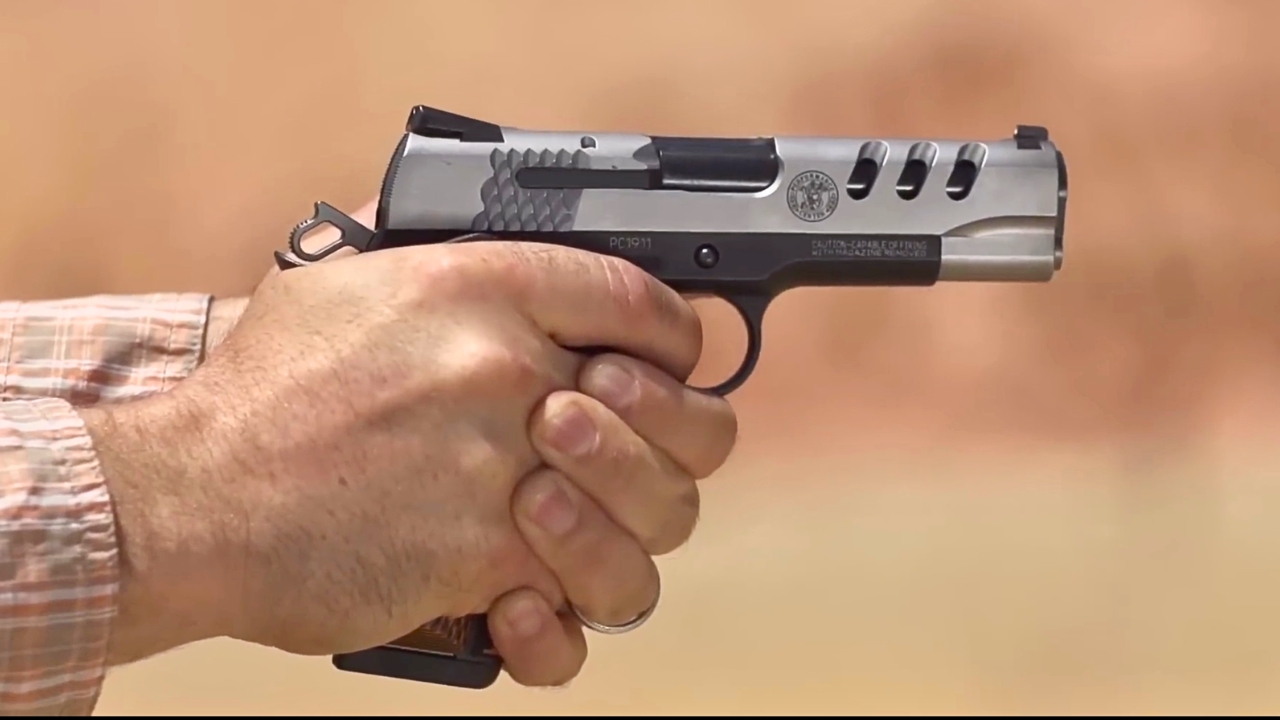
Smith & Wesson Performance Center 1911s
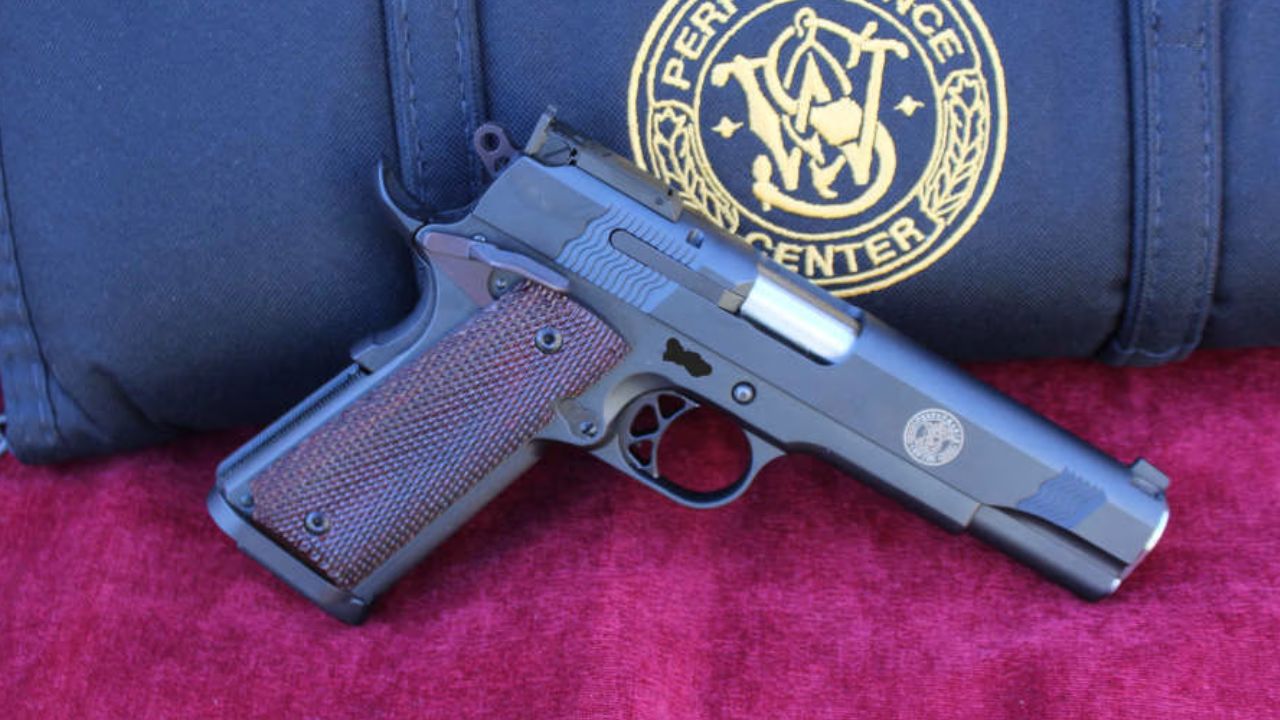
Performance Center on the slide does a lot of emotional selling before the first shot is fired. Buyers see the Smith & Wesson name, add the Performance Center label, and immediately feel like they bought a version of the platform that exists above ordinary comparison. That is exactly why these pistols attract a certain kind of buyer who wants the branding to validate the purchase from the start.
Once that happens, excuses get easier. If the pistol does not feel dramatically more compelling in actual use, the owner still has a strong brand story to retreat into. Now the defense becomes about custom-shop aura, factory hand-fitting, or “you have to understand what it is.” That is usually how name-driven purchases protect themselves once the shooting stops being magical enough to do all the talking.
Like The Avid Outdoorsman’s content? Subscribe to our newsletter so you never miss an article.
Here’s more from us: