Photo credit: The Avid Outdoorsman
A homeowner said he woke up to the kind of sound nobody wants to hear before sunrise.
According to the Reddit post, it was early in the morning when the homeowner heard someone tapping on his window. He looked outside and saw people on his property. From his point of view, they were trespassers, and he did not know what they wanted.
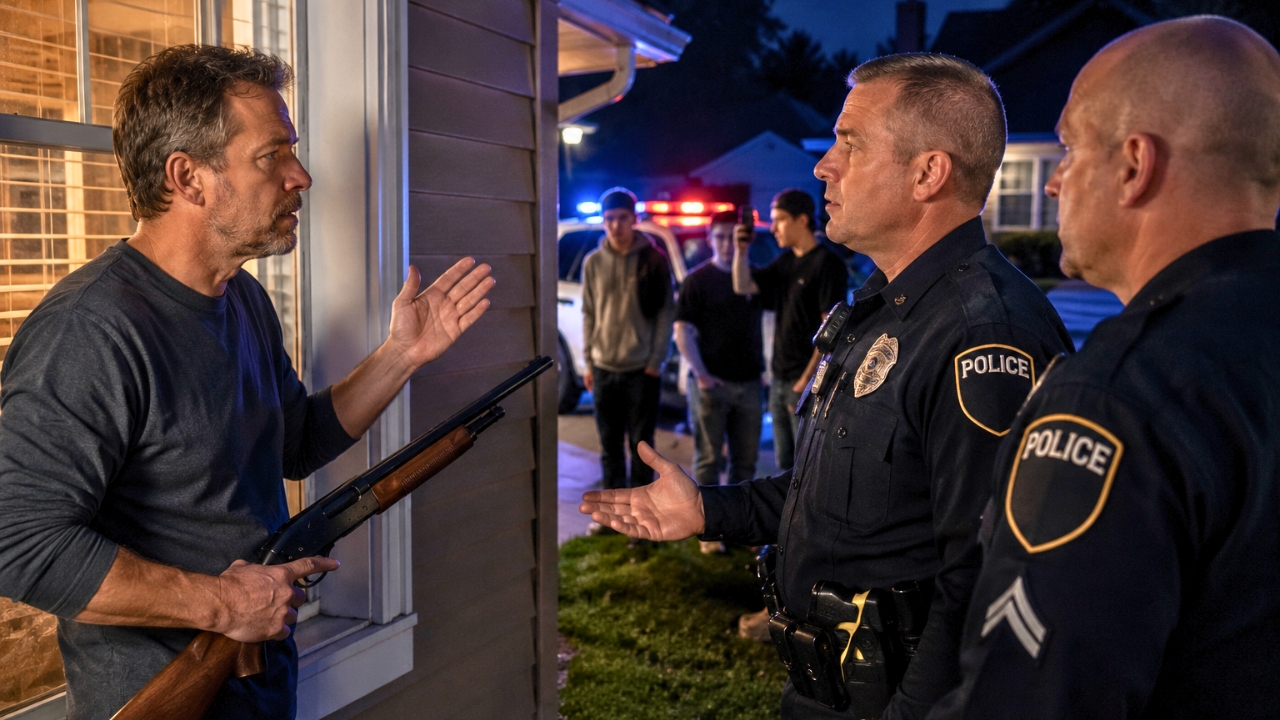
He said he grabbed a shotgun and showed it, then the situation flipped in a way that left him asking Reddit whether he was the one in trouble.
The trespassers allegedly called police and accused him of brandishing.
The homeowner explained the situation in a Reddit thread and asked what his legal risk was after showing a shotgun to people he believed were trespassing: https://www.reddit.com/r/legaladvice/comments/cwiy36/trespassers_called_police_on_me_for_brandishing_a/
The timing mattered
A trespasser on your property in the middle of the afternoon is one thing.
A trespasser tapping on your window before dawn feels very different. It is dark. People are usually asleep. There is less time to figure out whether the person outside is confused, drunk, lost, or trying to get inside.
That was the homeowner’s view of the situation. He was not describing someone accidentally cutting across a field. He said people were close enough to the house to tap on a window.
That detail made commenters more sympathetic than they might have been in a simple yard dispute.
The shotgun became the legal problem
The homeowner said he showed a shotgun.
That may have felt like the safest way to make the trespassers leave, but it also created the question at the center of the thread.
When does showing a firearm become brandishing? Does it matter that the people were trespassing? Does it matter that they were at the window? Does it matter whether the gun was pointed or merely visible?
Those details are exactly why commenters were careful.
A homeowner may have the right to defend himself if he reasonably believes he is in danger. But using a firearm to scare someone away can become legally risky if the threat is not clear.
The whole discussion turned on whether the homeowner’s fear was reasonable and whether his response looked defensive or threatening.
Commenters said he should not talk too much
A lot of commenters gave one immediate warning: do not explain everything to police without understanding the risk.
That advice was not about hiding the truth. It was about not accidentally making the situation worse.
When a gun is involved and the other side has called police, every word matters. A homeowner might say something like, “I just wanted to scare them,” thinking it helps. But that can sound like an admission that the gun was used as intimidation.
Commenters told the poster to be careful, answer basic identifying questions if required, and consider talking to a lawyer if police were treating it seriously.
The point was simple: once a brandishing accusation exists, the homeowner is no longer just the person who called out trespassers.
The trespassers were not automatically right
Several commenters pointed out that the people outside had their own problem.
They were allegedly on someone else’s property before dawn, close enough to tap on a window. That is not normal behavior, and it is not the kind of thing most homeowners would ignore.
If the trespassers truly had no permission to be there, the homeowner had reason to be alarmed.
That does not automatically make every response legal, but it does matter. The context is different from a person showing a gun during a daytime argument at the property line.
A pre-dawn window tap creates fear. Commenters generally understood that.
The homeowner needed to document the trespass
Commenters told the homeowner to focus on evidence.
If there were cameras, footage needed to be saved. If there were footprints, damage, messages, prior incidents, or witnesses, those details mattered too.
The homeowner needed to show why he believed the people were trespassing and why he felt threatened.
That is especially important when the other side has already called police first. Whoever frames the story early can shape how officers see it. Evidence helps push the focus back to the facts instead of just competing accusations.
A report about trespassing, harassment, or suspicious activity would be stronger if the homeowner could show a pattern.
Cameras would help if they came back
Several commenters suggested security cameras or trail cameras.
A camera facing the window, driveway, gate, or common approach path could help if the same people returned. Video would show when they came onto the property, where they went, and what they did near the house.
That matters because a homeowner should not have to rely on his word against theirs after the fact.
It would also help avoid another gun-centered confrontation. If the homeowner could document the trespass and call police with video evidence, he would be in a better position than if he had to step outside with a firearm again.
The difference between carrying and threatening mattered
One issue in the thread was the difference between being armed and brandishing.
A homeowner may be able to possess a firearm in his own home or on his own property. But the way the gun is displayed can change everything.
Was it pointed? Was it raised? Was anything said? Was the homeowner inside the house or outside confronting them? Were the trespassers trying to enter, or were they walking away?
Those facts matter because they can decide whether the homeowner looked like someone defending his home or someone using a gun to settle a dispute.
Commenters did not have every fact, so the advice stayed cautious.
Calling police first would have been cleaner
In hindsight, several commenters said the cleaner move would have been to call police immediately.
That is easy to say after the fact. In the moment, a homeowner hearing a window tap before dawn may react fast. Still, calling police first creates a better record and lowers the chance that the homeowner becomes the focus.
If someone is outside the window and the homeowner is inside with a firearm for protection, that is one thing. Going outside or showing the gun to force a confrontation can be more complicated.
The safer approach is usually to stay inside, call 911, describe the trespassers, and avoid contact unless there is a clear threat.
The thread showed how fast a homeowner can lose control of the story
The strangest part of the story was that the trespassers reportedly called police on the homeowner.
That can happen more easily than people think. A person who is doing something wrong may still try to make the gun owner look like the dangerous one.
Once police arrive, they may not know who is telling the truth. They see a firearm complaint and have to sort out the facts.
That is why documentation, cameras, and careful wording matter so much. The homeowner needed to make clear that the people were at his window before dawn and that he believed he was protecting himself, not trying to threaten someone over a minor property issue.
The fear was understandable, but the legal risk was real
Most people would be frightened by someone tapping on their window before dawn.
That part is not hard to understand. The homeowner had a reason to be alarmed, especially if the people had no right to be on the property.
But the Reddit thread showed the uncomfortable reality of firearm-related property disputes. Even when a homeowner believes he is reacting to trespassers, displaying a gun can bring its own legal risk.
The practical lesson was not that homeowners should ignore suspicious people outside their windows. It was that they need to think carefully about how they respond.
Stay inside if possible. Call police. Document the trespass. Use cameras. Avoid unnecessary confrontation. And if the other side turns around and accuses you of brandishing, treat it like a serious legal problem, not just a ridiculous complaint.
Check out more from The Avid Outdoorsman here.