Photo credit: Budimir Jevtic/Shutterstock.com
Hogs can soak up poor hits and keep moving, especially big boars with a heavy shield and thick shoulders. When you pick a caliber that’s short on penetration, bullet weight, or consistent performance through bone and gristle, you end up doing everything “right” and still getting ugly results—long tracks, lost pigs, or a follow-up that turns into a mess in thick cover.
You can kill hogs with a lot of cartridges. The calibers below are the ones that routinely give you too little margin when angles aren’t perfect, pigs are bigger than expected, or the shot happens fast.
.22 LR

.22 LR can kill a hog, but it does it with a tight set of conditions: close range, calm target, and placement that has to be exact. Penetration is limited, and hogs are dense animals with heavy bone up front. If the shot drifts into the shoulder, the shield, or even thick neck muscle, the cartridge can run out of steam before it reaches what matters.
The other problem is what happens after impact. A hog that doesn’t drop immediately can be gone in seconds, and a small wound doesn’t leave much sign to track. That turns a clean plan into a long, frustrating night. For hogs, .22 LR is a gamble that doesn’t give you room for real-world angles.
.22 WMR

.22 WMR feels like a step up, and it is, but it still lives in rimfire territory where bullet weight and penetration are limited. On smaller pigs with perfect broadside angles, it can look fine. The moment you hit gristle, shoulder, or a quartering angle, performance can fall off fast. Hogs don’t always react the way a lighter animal does, and .22 WMR doesn’t always reach deep enough to make the hit decisive.
The biggest trap is false confidence. Because the cartridge shoots flat and hits harder than .22 LR, you start treating it like a small centerfire. Then you meet a big boar and realize the shield is doing its job. For consistent hog results, .22 WMR is thin.
.17 HMR

.17 HMR is accurate and flat, which makes it tempting for anything that walks. The problem is that many common loads are built to expand quickly on small game. That fast upset can mean shallow penetration on a hog, especially if the bullet hits heavy tissue, bone, or shield. Even a well-placed shot can turn into a pig that runs hard because the wound didn’t reach deep enough.
It also punishes small mistakes. In the field, pigs move, you shoot fast, and angles change mid-shot. A cartridge that demands perfect conditions is not your friend on hogs. When .17 HMR works, it looks clean. When it doesn’t, it looks like you missed—even though you didn’t. That’s the wrong kind of surprise on a tough animal.
.17 WSM

.17 WSM brings more speed than .17 HMR, but it’s still pushing very light bullets. Speed helps with flat trajectory, not with punching deep through a boar’s front end. Hogs are thick where it counts, and the shield can turn small, fast projectiles into shallow wounds, especially if the bullet expands early or loses integrity on impact.
This caliber can fool you because the hit can look dramatic—sharp impact, lots of reaction—without the depth that ends the problem. Then you’re tracking a pig that should’ve been anchored. Rimfire limitations still apply, and the .17 WSM doesn’t change that reality. If your goal is reliable penetration on imperfect angles, .17 WSM is fighting physics. For hogs, it’s better left to the role it was built for.
.22 Hornet

.22 Hornet is mild, accurate, and pleasant to shoot, which is exactly why it can get people into trouble on hogs. Bullet weights are light and velocities are modest compared to modern hog cartridges. That combination can limit penetration through the shield and shoulders, especially when the shot isn’t a clean broadside through ribs. You can place it well and still get a result that feels underwhelming.
The Hornet’s real weakness shows up when the hunt gets messy. Hogs rarely stand perfectly, and they rarely offer the same angle twice. If you have to take a quartering shot, thread through brush, or stop a pig that’s already moving, the Hornet doesn’t give you much cushion. It can kill hogs under controlled conditions, but hog hunting isn’t controlled. That mismatch is the problem.
.204 Ruger
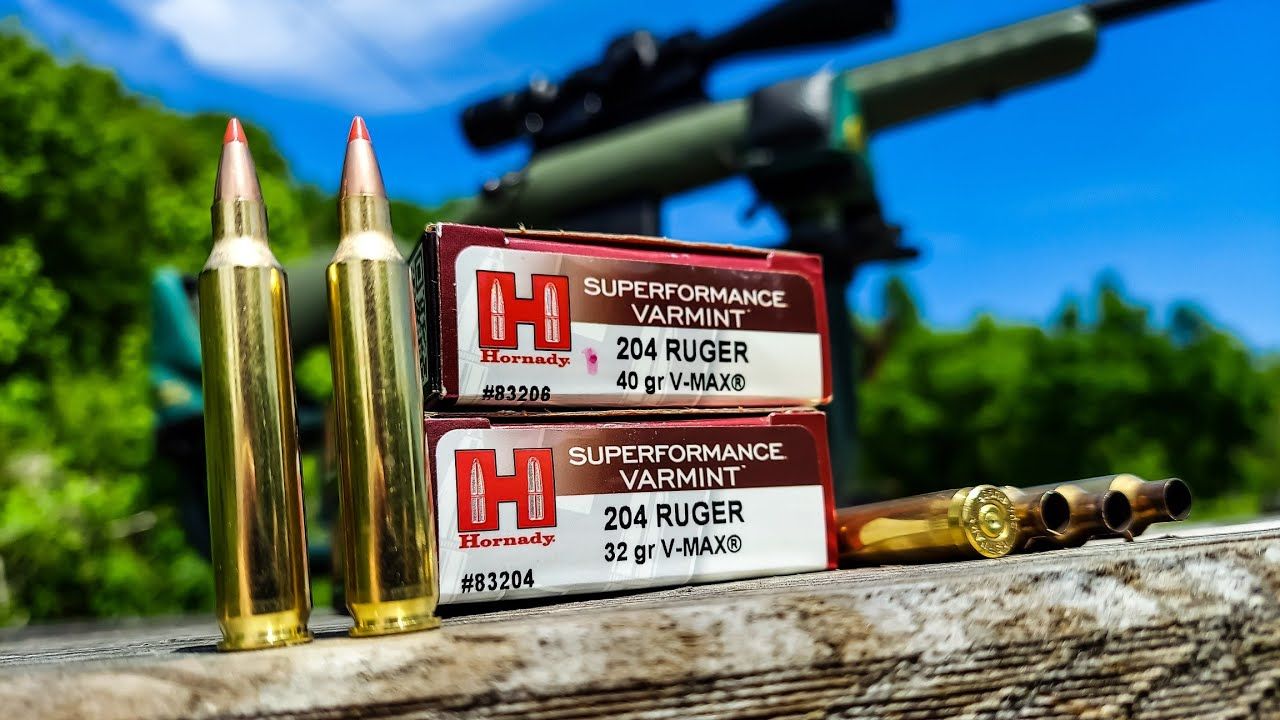
.204 Ruger is built around speed and flat shooting, and many common loads are designed for quick expansion on varmints. That’s a bad recipe for hogs, where you need a bullet to stay together and drive deep. When a fast, light projectile hits thick muscle, gristle, or bone, it can shed energy early and fail to reach the vitals with the consistency you want on bigger pigs.
It’s also easy to overestimate it because it shoots so well. You’ll see tiny groups on paper and assume it’ll translate to animals. Then a boar turns slightly, you hit forward, and the results look disappointing. Hogs punish light-bullet choices, even when they’re fast. If you’re serious about clean kills and shorter tracks, .204 Ruger isn’t the lane. It’s a great caliber for other work.
.223 Remington
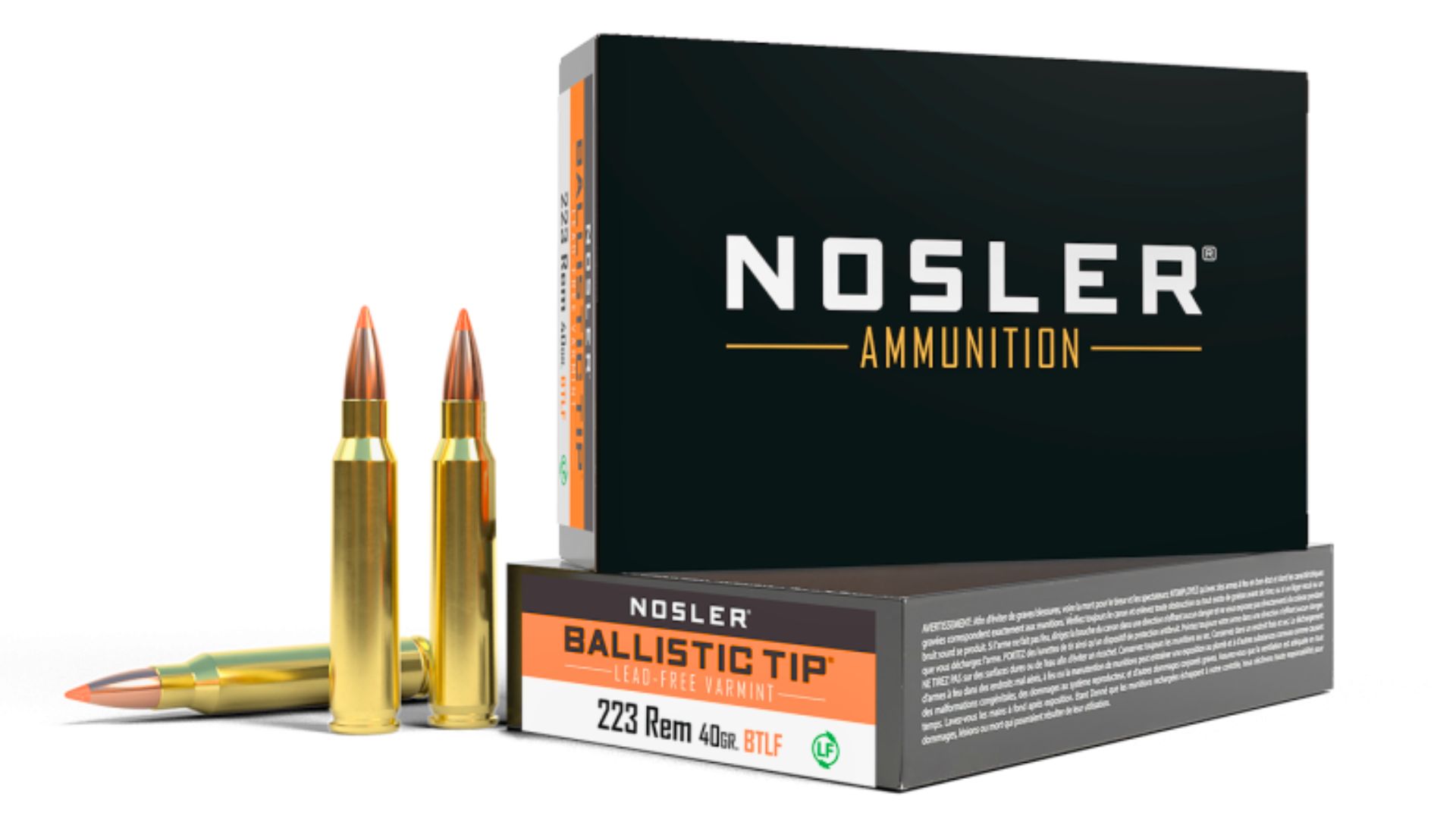
.223 Remington can kill hogs, but it’s easy to pick it for the wrong reasons and then wonder why pigs keep running. With lighter, fast-expanding bullets, penetration can be inconsistent on shoulder hits or quartering shots, especially on mature boars. The cartridge doesn’t bring much mass, so bullet construction matters a lot, and real hunts rarely give you perfect angles every time.
The second issue is tempo. .223 is soft-shooting, so it tempts you into taking shots faster than you should, and hogs are famous for moving at the worst moment. A marginal hit with .223 can turn into a long sprint into cover. If you keep your shots tight to the ribs and run a tough bullet, it can work. If you want a caliber that forgives field chaos, .223 isn’t that.
5.7×28mm
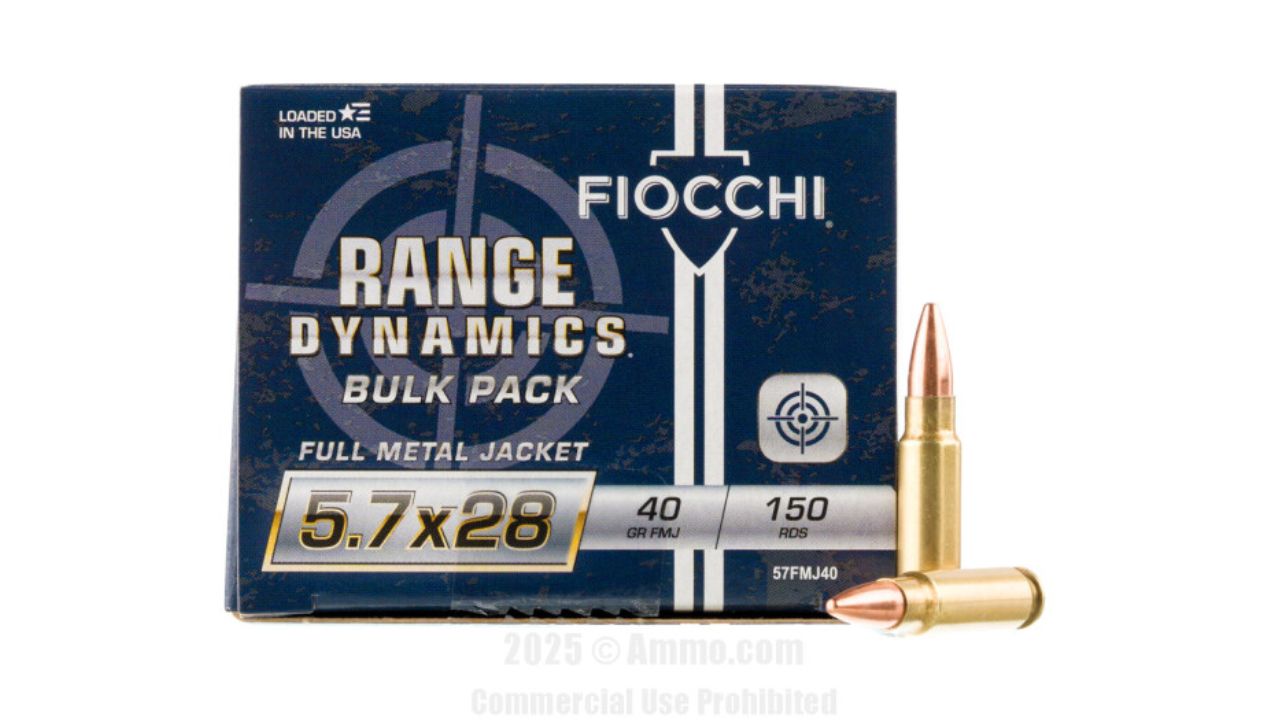
5.7×28mm is fast and easy to shoot, but it relies on light bullets that don’t always deliver the deep, straight penetration hogs often require. On a tough animal with a shield and heavy shoulders, that can mean inconsistent results, especially if the shot is angled or you have to punch through hard tissue. The cartridge can look impressive in numbers and still fail to give you the kind of “drive” you want on hog anatomy.
Another issue is expectations. Because it’s a high-velocity round, people treat it like a small rifle cartridge. In practice, it often behaves more like a niche defensive round with limited mass behind it. On hogs, mass and penetration matter. If you want clean outcomes when the pig isn’t standing perfectly broadside, 5.7×28mm is a hard choice to defend.
.30 Carbine

.30 Carbine has history and it can work on hogs at close range, but it’s not a great choice when you want consistent penetration on bigger boars. Bullet weights are modest and velocities are not in the same class as modern hog cartridges. When you hit the shield or shoulder, you can get performance that feels more like “maybe” than “done,” and that’s the last thing you want when the pig is headed for thick cover.
It also invites overconfidence because the recoil is light and follow-up shots are quick. That doesn’t replace penetration. A cartridge that struggles with angle and bone can turn a good hit into a long track, especially at night or in brush. .30 Carbine can be serviceable in limited scenarios, but hog hunting is full of imperfect moments. This caliber doesn’t give you enough margin for those moments.
.32-20 Winchester

.32-20 Winchester is a classic cartridge with real charm, but hogs are not where it shines. It’s mild, typically loaded with light bullets, and it doesn’t bring much energy or penetration compared to modern hog rounds. On smaller pigs with careful angles, it can work. On mature boars with a shield and thick shoulders, it puts you in a position where you must be picky about shot placement and distance.
That’s the problem: hogs don’t always offer polite shots. They move, they turn, they bunch up, and they disappear into cover fast. A cartridge that demands perfect conditions is a liability when the window is measured in seconds. If you hit slightly forward, you may not get the depth you need. For hogs, .32-20 is more nostalgia than practical advantage, and it can turn clean hunts into messy ones.
.380 ACP
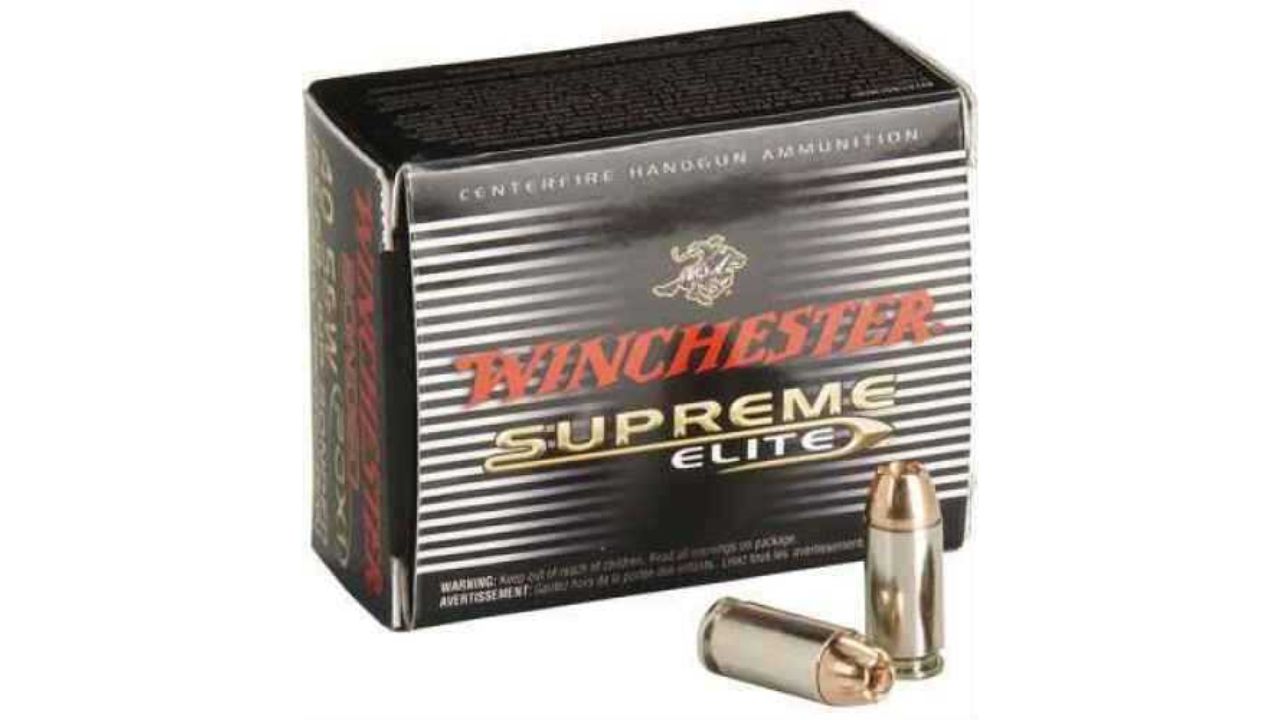
.380 ACP is a legitimate defensive round, but it’s not a hunting caliber for hogs if you care about consistent results. Penetration is limited compared to stronger options, and hogs are built to expose that weakness with thick muscle, heavy bone, and a shield that can stop shallow wounds. You can place it well and still end up with a pig that runs hard, especially if the shot angle isn’t perfect.
The other issue is what it encourages. Because .380 is often carried in small pistols, shot placement gets harder under stress. Tiny grips, short barrels, and snappy recoil in light guns all work against precise hits when a hog is moving or closing distance. As a last-ditch tool, it’s better than nothing. As a planned hog caliber, it gives you too little margin and too many ways to lose the fight.
.38 Special

.38 Special can kill hogs, but it often does it slowly and with too little forgiveness when conditions aren’t ideal. With typical loads, you’re working with modest velocity and modest bullet weight. That can limit penetration on a boar’s front end, especially if you hit shoulder or have to drive through the shield. Hogs are tough enough that “almost enough” isn’t a comfortable place to be.
This caliber also invites the wrong kind of confidence because it’s controllable and familiar. You shoot it well on paper, then you put it on a dense animal and the outcome doesn’t match the range experience. A broadside rib hit may work, but hogs don’t always give you broadside. When angles get steep or the pig is already moving, .38 Special can leave you with runners and poor blood. That’s a bad trade.
9×19mm

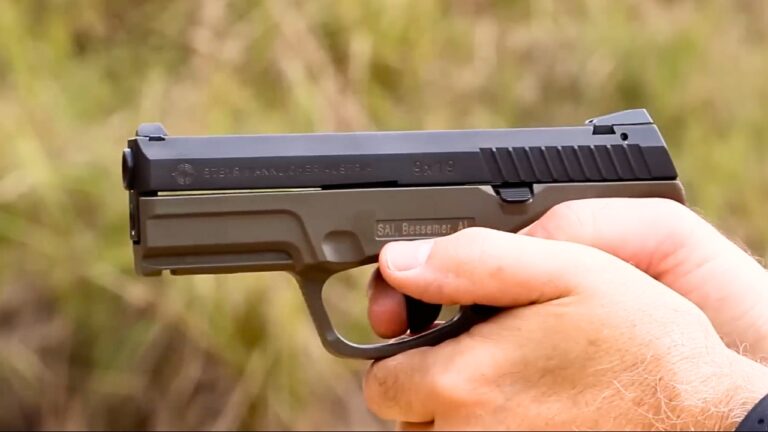
9mm can work on hogs, but it’s a risky primary choice because it doesn’t reliably deliver the penetration and tissue disruption you want on bigger boars and imperfect angles. Hogs have heavy shoulders, dense muscle, and that shield up front that can make handgun rounds underperform. A clean lung hit can still lead to a long run, and a slightly forward hit can turn into a tracking job you won’t enjoy.
The other issue is how quickly situations change. Hogs move fast, and shot angles shift mid-step. With 9mm, you don’t have much margin when placement is off by a couple inches or the pig turns at the trigger break. You can make it work with careful shot selection and tough bullets, but “careful” and “hog hunting” don’t always line up. If you want fewer surprises, move up.
.40 S&W

.40 S&W looks like it should solve what 9mm can’t, and sometimes it does, but it still lives in the same reality: handgun velocities and limited angle tolerance on tough animals. On hogs, especially mature boars, you need penetration that stays straight through gristle and bone. With many common loads, .40 can expand early and lose the depth you were counting on, turning a solid hit into a pig that keeps moving.
It can also mislead you because recoil and muzzle flip can make follow-up placement harder than with 9mm, especially under stress. That’s not a dealbreaker, but it’s part of why people end up with messy outcomes. .40 S&W can work in close, controlled conditions. The problem is that hogs rarely offer controlled conditions. If you’re choosing a caliber on purpose for hogs, you can pick better.
.45 ACP

.45 ACP has a strong reputation, but on hogs it can disappoint because it’s relatively slow and often dependent on expansion that doesn’t always behave well on thick, tough targets. When a bullet expands early or encounters shield and bone, penetration can fall short of what you need. A big hole near the surface isn’t the same as reaching deep vital structures, and hogs can run a long way with shallow damage.
This caliber can also make you overconfident because it feels authoritative. You hear the thump, you see the reaction, and you expect the pig to fold. Sometimes it doesn’t, and then you’re dealing with a hard track in thick cover. .45 ACP can work with careful shot placement and the right bullets, but it doesn’t give you the margin a true hog cartridge does. For consistent results, it’s not the pick.
Like The Avid Outdoorsman’s content? Subscribe to our newsletter so you never miss an article.
Here’s more from us: