Photo credit: Bulletproof Tactical/YouTube
Every few years, you start to notice certain guns quietly slipping off “recommended” lists. No big announcement. No dramatic warning. They just stop getting mentioned by the folks who usually stand behind their picks. When that happens, it’s usually for a reason. Maybe reliability started trending the wrong direction, or long-term durability didn’t match early reviews.
Experts see the patterns first. They shoot more rounds, deal with more failures, and collect more feedback than the average weekend shooter. When their trust fades, the model fades too. These are the guns that once showed promise, but slowly got pushed to the back of the line.
Remington RP9

The RP9 had a strong launch on paper—high capacity, good ergonomics, and a price that grabbed attention. Early reviews were mixed, but the more shooters put rounds through the pistol, the more inconsistencies showed up. It wasn’t unusual to see feeding issues, spotty ejection, or tolerances that wandered from one gun to the next.
Experts who tried to keep the RP9 in their rotation eventually stepped away. It wasn’t a catastrophic failure, but the platform never built the reliability needed to stay on recommended lists. Over time, the RP9 slipped out of the spotlight and stayed there.
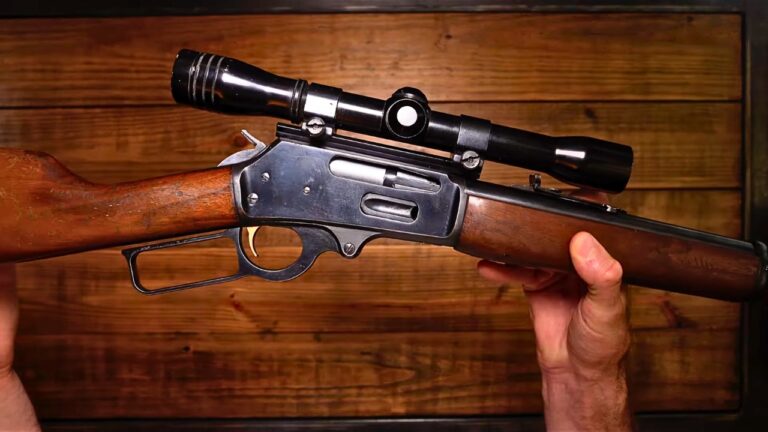
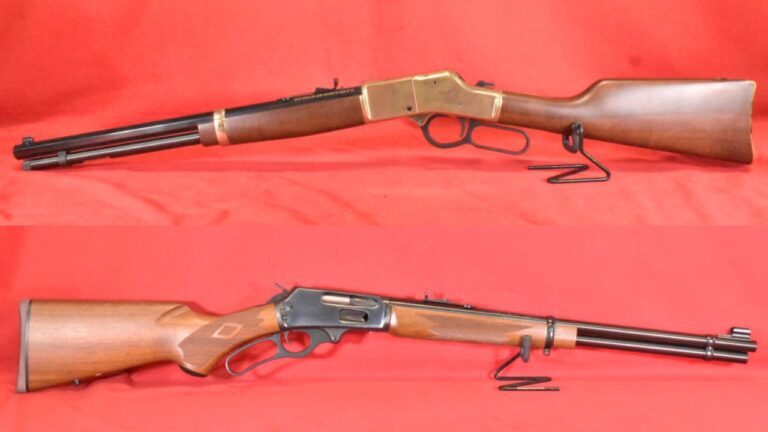
Mossberg 464 Lever-Action

The Mossberg 464 started with honest intentions—a budget lever gun for deer hunters and casual shooters. But experts slowly backed away after seeing recurring issues across multiple rifles. Stiff actions, inconsistent accuracy, and cycling problems with certain loads made the rifle harder to recommend.
Lever guns rely heavily on smooth, dependable operation, and when that isn’t there, confidence fades fast. Mossberg fans wanted the 464 to succeed, but it never matched the long-term reliability of the Winchester-pattern rifles it was competing with. Before long, it slipped off “best budget lever gun” lists and rarely returned.
Sig Sauer Mosquito
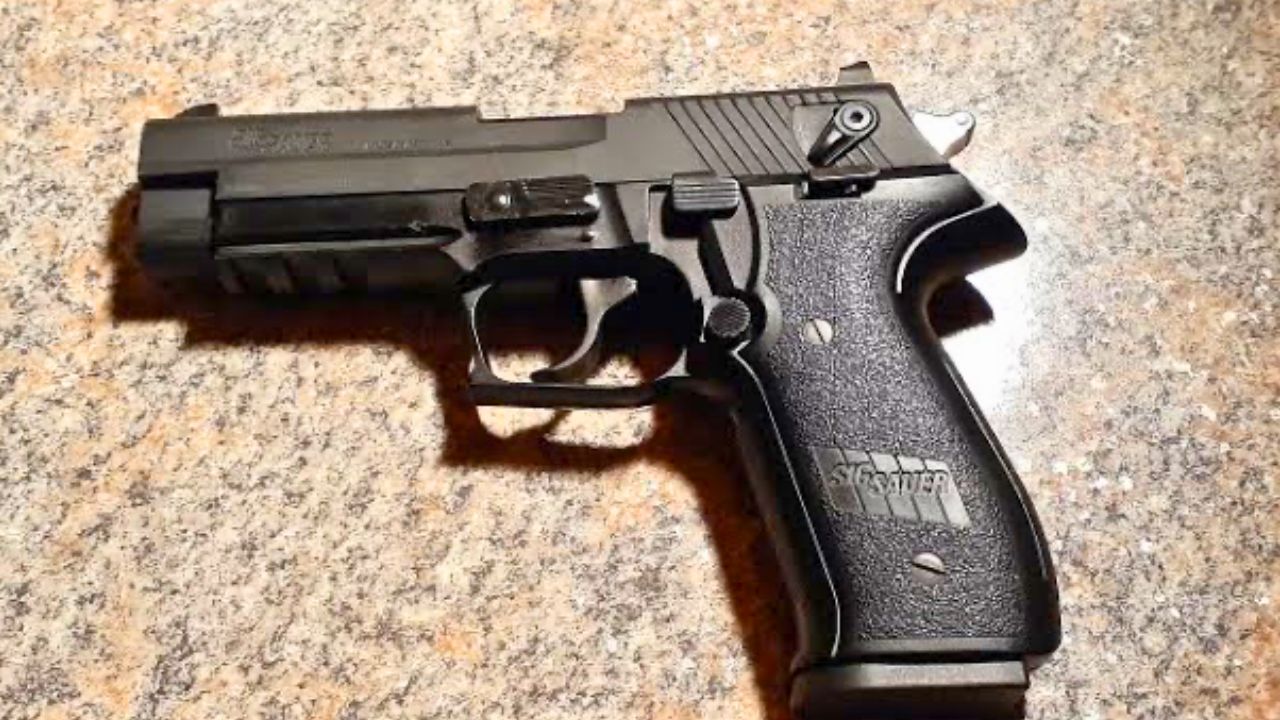
The Sig Mosquito once showed up everywhere as a fun .22 trainer, but experts had to stop recommending it after enough shooters reported the same problems. The gun was notoriously ammo-sensitive, often refusing to cycle bulk .22 LR unless you found just the right load.
Light strikes, stovepipes, and sluggish slides became common complaints. For a rimfire meant to be an easy entry point into the Sig ecosystem, it demanded too much babysitting. Experts eventually shifted toward more reliable trainers, leaving the Mosquito behind despite its looks and branding.
Ruger American Ranch (Early .450 Bushmaster Models)

Ruger’s American line is generally dependable, but the early .450 Bushmaster Ranch rifles had accuracy and feeding quirks that raised eyebrows. Some rifles grouped well, while others struggled to deliver repeatable performance. Handling heavy recoil also exposed issues with bedding and magazine fit.
Experts kept the Ranch rifles on lists for a while, hoping consistency would improve. But the pattern of variance made it hard to recommend them with confidence. Later versions improved, but those early .450 models quietly disappeared from serious recommendation roundups.
Winchester Wildcat
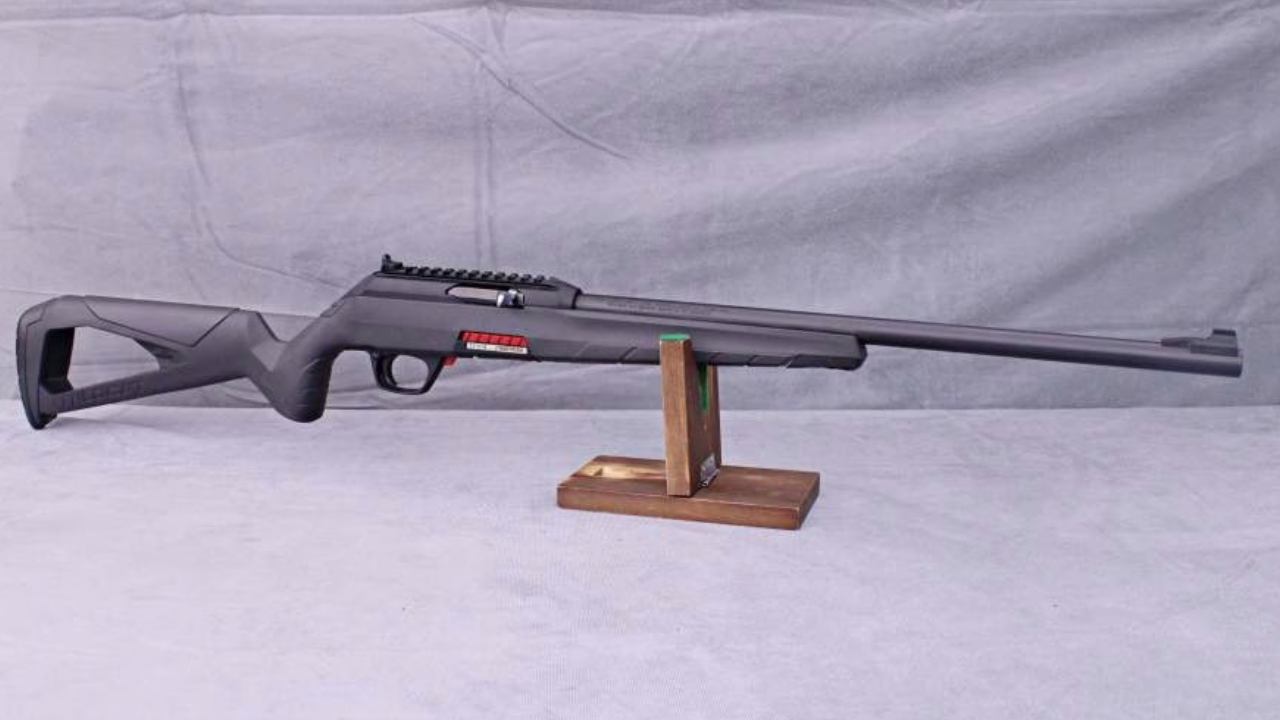
The Winchester Wildcat hit the market with excitement, offering a lightweight, modular .22 LR with modern features. But experts noticed reliability issues across different ammo types, along with occasional extraction hiccups that took the shine off the rifle.
A rimfire needs to run on a wide range of ammo, and when it doesn’t, word spreads quickly. Shooters who bought them early gave it a fair try, but long-term performance didn’t stack up against established competitors. Before long, the Wildcat stopped appearing on “best rimfires” lists from reviewers who originally praised it.
Marlin Model 989 M2
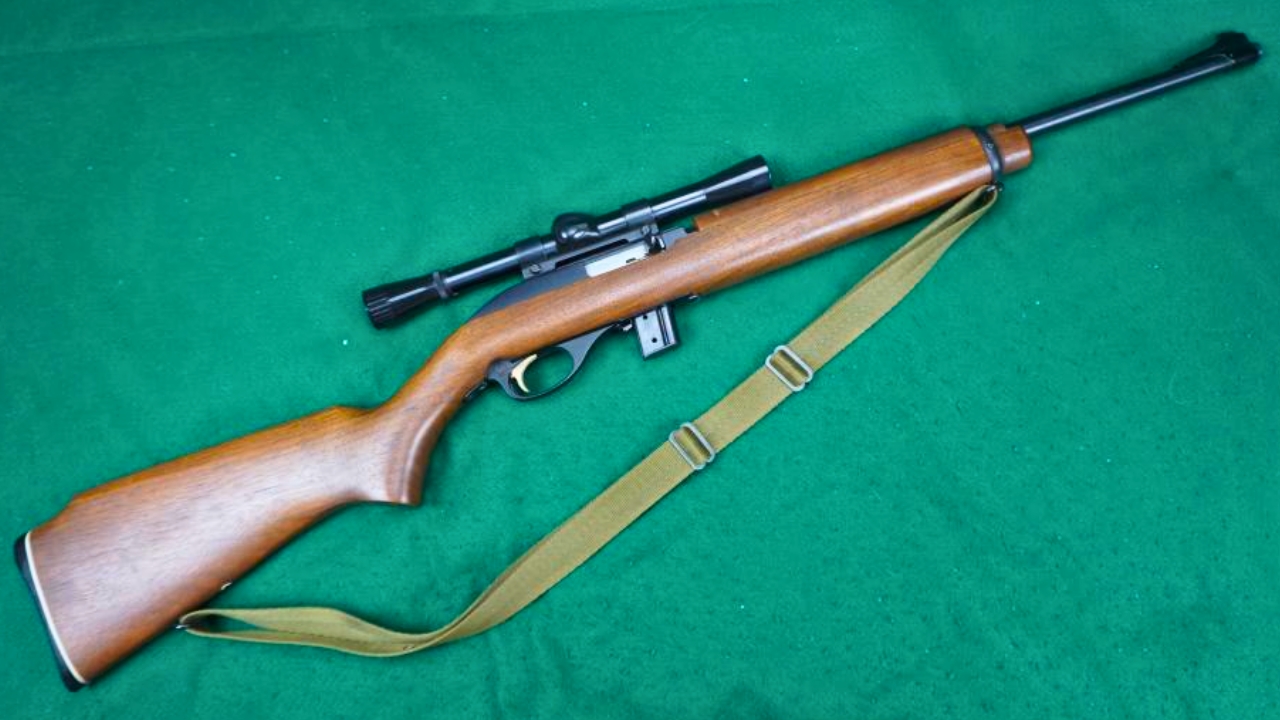
The 989 M2 had a great reputation decades ago, but late-era production models—especially during Remington’s ownership—showed a noticeable dip in quality. Inconsistent machining, loose tolerances, and feeding issues piled up, making the rifle tough to recommend even to nostalgia-driven shooters.
Experts who loved the classic Marlin rimfires eventually removed the 989 from their modern lists. The model simply didn’t represent the accuracy and reliability Marlin fans were used to. It became one of those rifles people talked about fondly but didn’t suggest buying anymore.
Kimber Solo

The Kimber Solo had a flashy start as a high-end micro 9mm, but experts removed it from their lists once reliability problems became unavoidable. The pistol demanded specific, high-pressure ammo to run properly, and even then, many shooters experienced malfunctions.
For a carry pistol, that kind of pickiness is unacceptable. Kimber loyalists wanted to defend it, but long-term testing didn’t support it. Over time, experts stopped recommending the Solo altogether, advising shooters to look at more dependable micro 9mm options instead.
DPMS Oracle
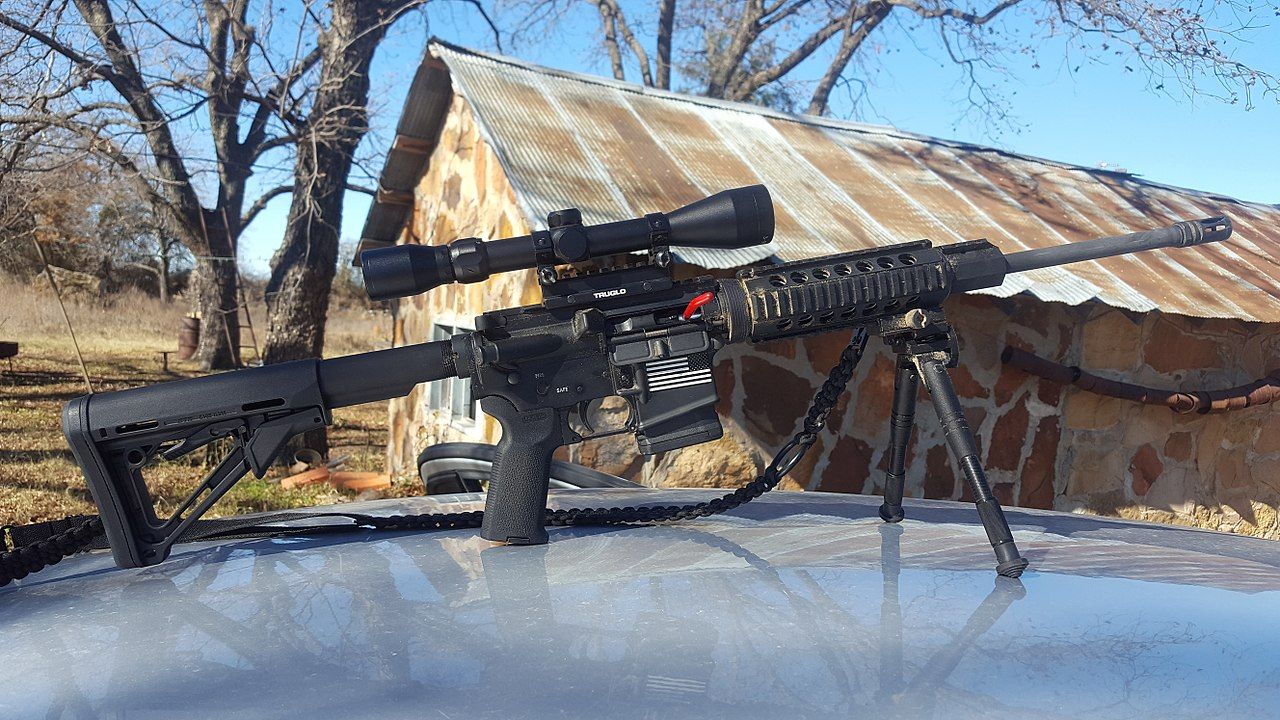
The DPMS Oracle was once a go-to budget AR-15, but after years of use, experts started shifting it off their lists. The rifle works for casual shooting, but inconsistent QC, soft parts, and long-term wear were reported too often to ignore.
As the AR market expanded and better entry-level rifles appeared, the Oracle simply couldn’t keep up. Experts who once recommended it moved on to rifles that offered stronger accuracy, tighter tolerances, and better durability at similar prices. The Oracle faded from lists without much fanfare.
Benjamin Trail NP (Air Rifle)
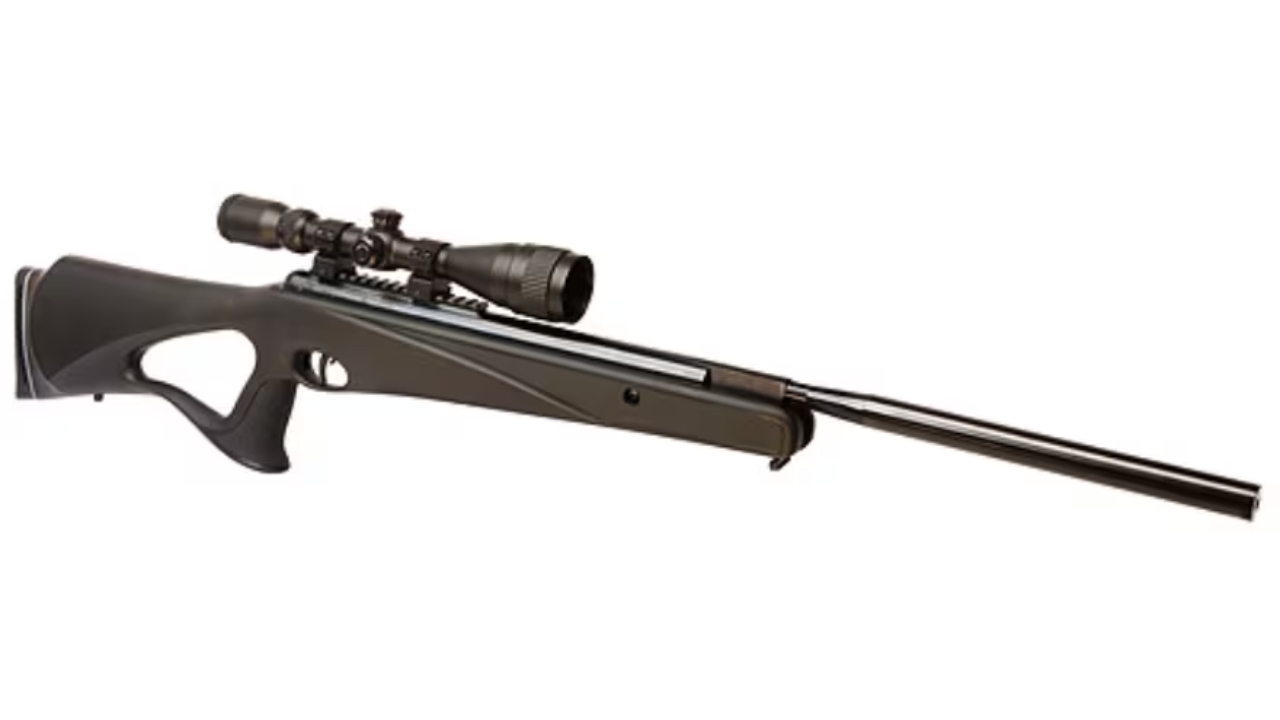
Air rifle experts had high hopes for the Benjamin Trail NP when it launched. The gas-piston design promised smoother shooting, but the platform developed a reputation for harsh recoil pulses, wandering accuracy, and tricky scopes getting battered apart.
For a hunting air rifle, consistency is everything. Once enough users reported unpredictable groupings, experts quietly stopped recommending it. The Trail NP still has fans, but it no longer shows up in serious “top picks” from long-term testers.
Savage 212 Slug Gun (Early Accuracy Issues)
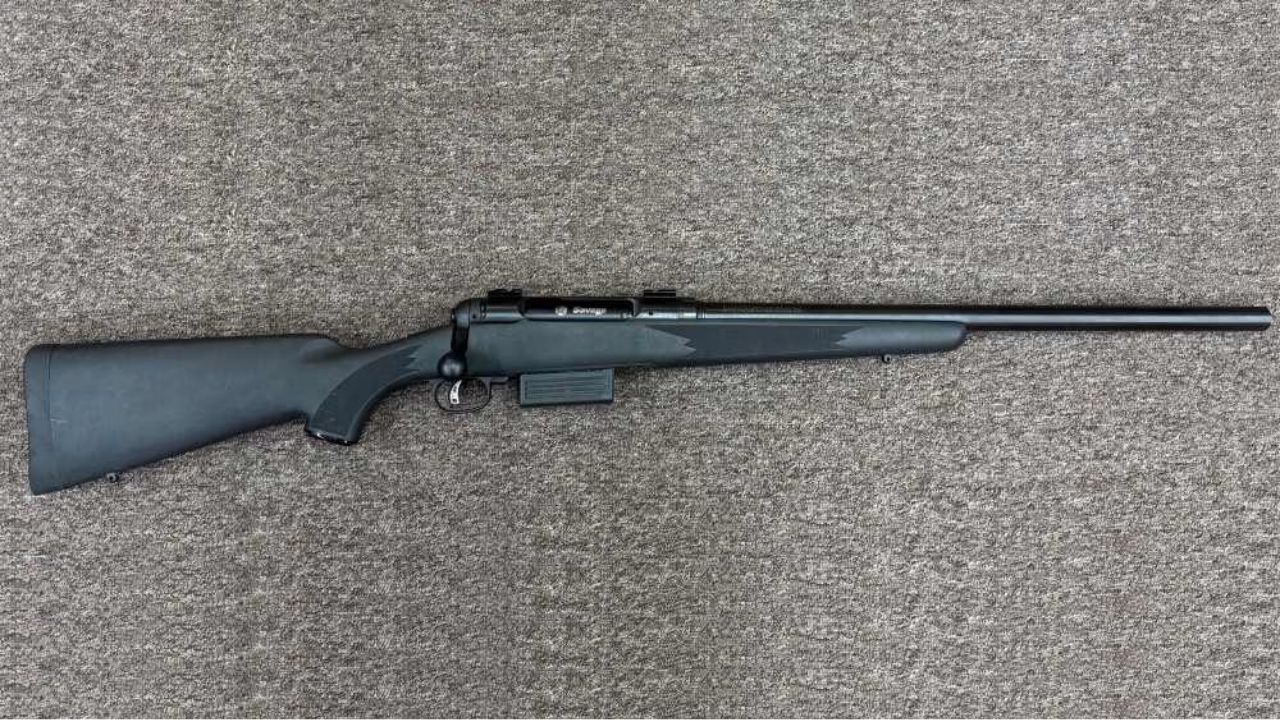
The Savage 212 is a unique bolt-action slug gun, and early versions showed promise. But experts took it off recommendation lists after seeing accuracy that swung wildly depending on load choice and even individual barrels.
Slug guns already require careful ammo pairing, but the 212 magnified that sensitivity. Some grouped beautifully, others refused to settle in. Rather than giving inconsistent advice, experts phased the gun out of their top recommendations until the platform became more predictable.
Taurus PT140 Millennium

The PT140 once showed up often as a budget carry recommendation, but mounting reliability reports slowly pushed it off expert lists. Trigger issues, feeding problems, and safety recall concerns made it too unpredictable for serious carry use.
Taurus has improved significantly in recent years, but older Millennium-series pistols like the PT140 lost the trust of many reviewers. Once confidence faded, the pistol disappeared from “best budget carry gun” recommendations almost overnight.
KelTec PF-9

The PF-9 was popular for its size and price, but long-term users found it harsh to shoot and prone to durability concerns. Cracked frames, broken extractors, and feeding hiccups showed up often enough that experts started pulling it from their lists.
It still works as a lightweight deep-carry option, but compared to modern micro 9mms, the PF-9 just can’t keep up. Reviewers who once praised it eventually admitted that newer designs made it outdated and harder to recommend.
Browning A-Bolt III

The A-Bolt III looked like a natural successor in Browning’s bolt-gun lineup, but experts started distancing themselves from it after seeing inconsistent triggers, weak-feeling polymer components, and accuracy that didn’t match the rest of the Browning family.
It wasn’t unreliable, but it didn’t offer the same confidence or refinement hunters expect from Browning rifles. As more modern budget bolt guns improved, the AB3 fell off many recommendation lists without much discussion.
Springfield XD Subcompact (.40 S&W)

The XD Subcompact in .40 S&W was once a common carry recommendation, but experts gradually phased it out. The sharp recoil, bulky feel, and snappy slide slowed follow-up shots for many shooters.
As 9mm ammo improved and compact 9mm pistols became more controllable, the .40 XD Subcompact faded from lists. It still works, but it’s rarely suggested anymore when newer options offer better ergonomics and easier shooting.
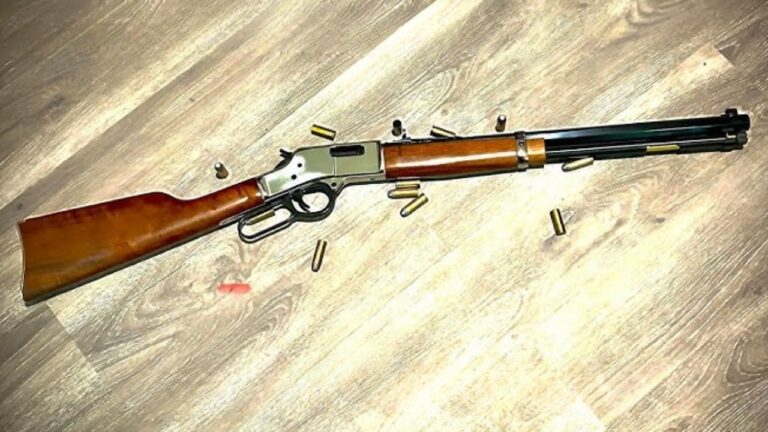
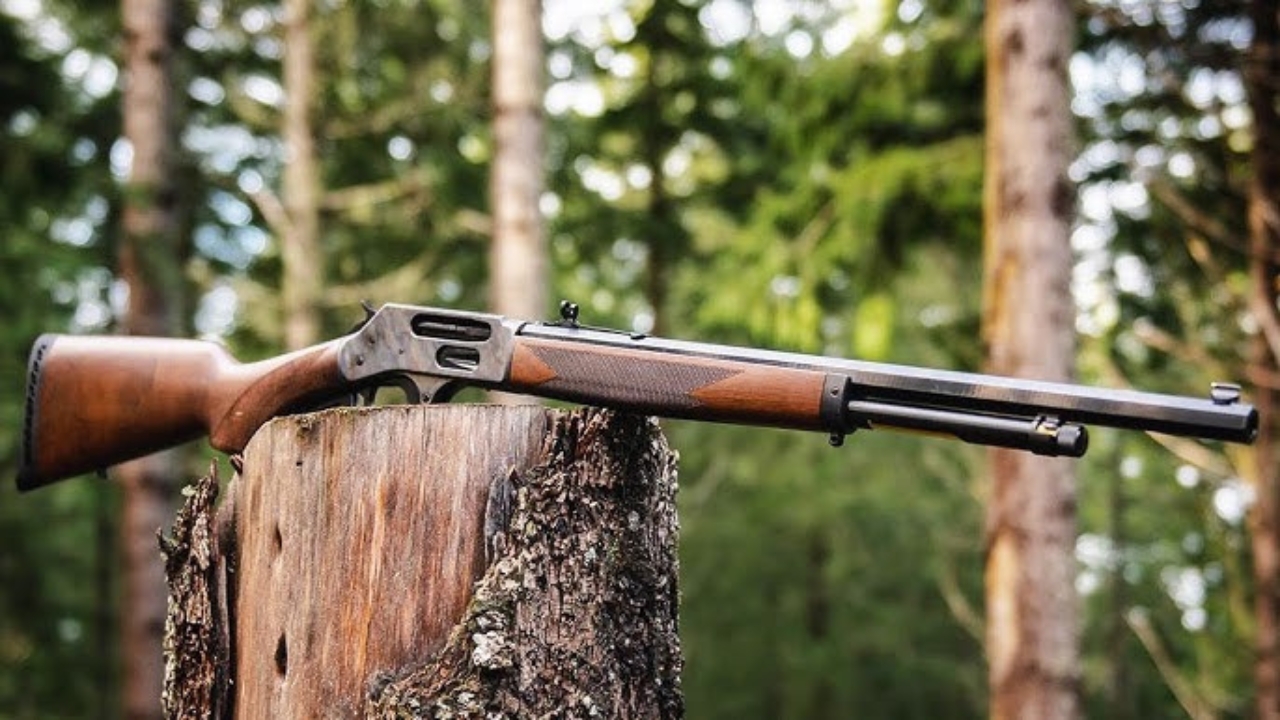
Henry Long Ranger
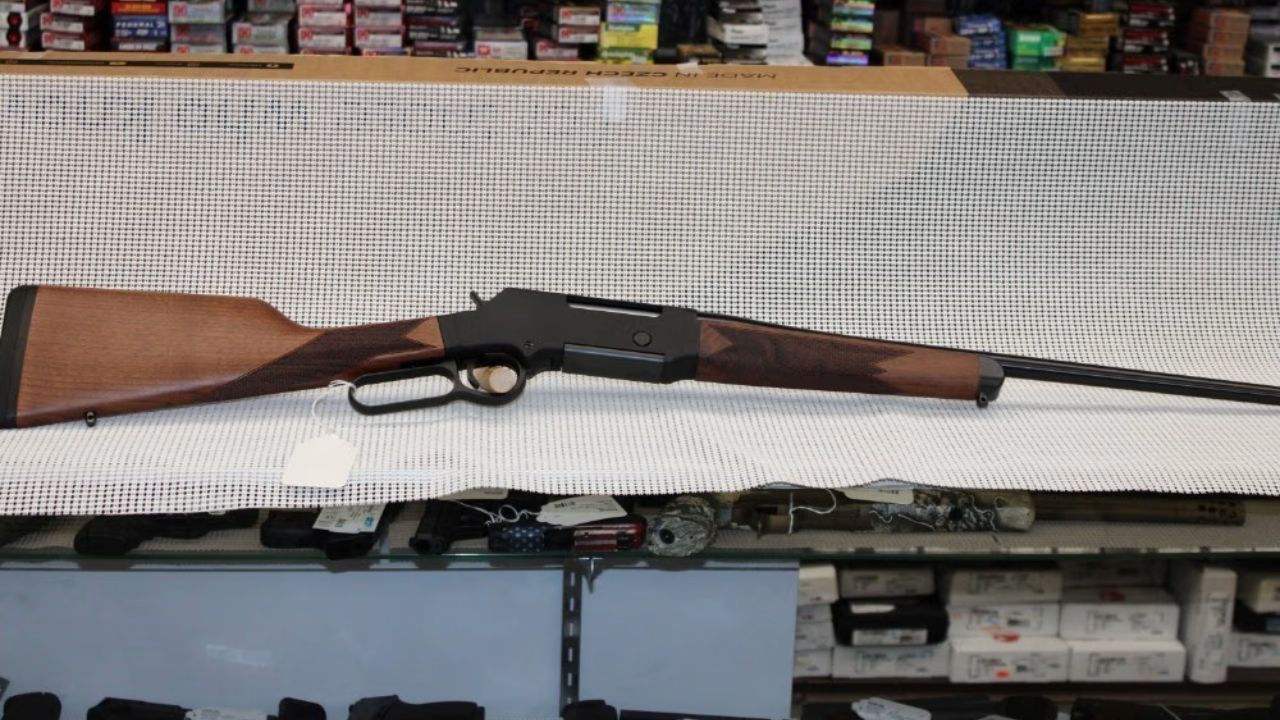
The Long Ranger had a strong start, offering a lever gun capable of running modern cartridges. But early production rifles saw feeding issues and magazine alignment complaints that made experts back off their enthusiasm.
Most shooters expected flawless operation from a Henry rifle, so these issues hit harder than they would with other brands. Once the reports stacked up, reviewers slowly removed the Long Ranger from their recommended picks until later production smoothed out.
Like The Avid Outdoorsman’s content? Be sure to follow us.
Here’s more from us: