Photo credit: Opie In The Smokies/YouTube
A pistol keeps its reputation the hard way when it survives more than release-week excitement. It has to keep working after the praise cools off, after the early adopters move on, and after shooters put enough rounds through it to find out what is real and what was only good marketing. That is why the handguns that last are rarely the ones built around novelty. They are the guns that stayed useful long enough for shooters to trust them under boring, repeatable conditions. The current market still reflects that. Glock still keeps the G17 and G19 front and center, SIG still keeps the P226 in the catalog, Beretta still sells the 92FS, HK still offers the USP, and long-running standouts like the GP100, 686 Plus, Mark IV, and 1911-style pistols are still right there in active lineups.
That matters because reputation is cheap online and expensive in real life. A pistol earns lasting respect when it keeps doing the same job without turning into a project. It feeds, shoots, and handles the way it should, and it keeps doing it long after the internet has picked a newer favorite. The pistols below still carry weight because they got there through repetition, not fashion.
Glock 17

The Glock 17 keeps its reputation because it stayed useful while newer pistols came and went. Glock still lists the G17 Gen6 as a standard full-size 9×19 pistol in its current commercial lineup, which tells you the company still treats it as a core answer, not a leftover. That is exactly the kind of thing you see with a pistol that earned trust over time instead of riding a short trend.
What made the G17 stick is that it does the basic work cleanly. It is large enough to shoot well, familiar enough that parts and support are everywhere, and plain enough that it never needed to become complicated to stay relevant. Plenty of newer guns try to replace it. Very few make it feel obsolete.
Glock 19

The Glock 19 earned its place the hard way by becoming the size a lot of shooters eventually settle into after trying everything else. Glock still categorizes it as a compact 9×19 in the same active lineup as the larger and smaller models, which is a good sign the platform still carries real weight in the market.
Its reputation holds because it balances carry and shootability better than a lot of handguns that look more exciting on launch day. The G19 is small enough to live with and big enough to train with, which sounds basic until you spend enough time with pistols that fail one side of that equation. It kept its name by staying useful, not by staying flashy.
SIG Sauer P226
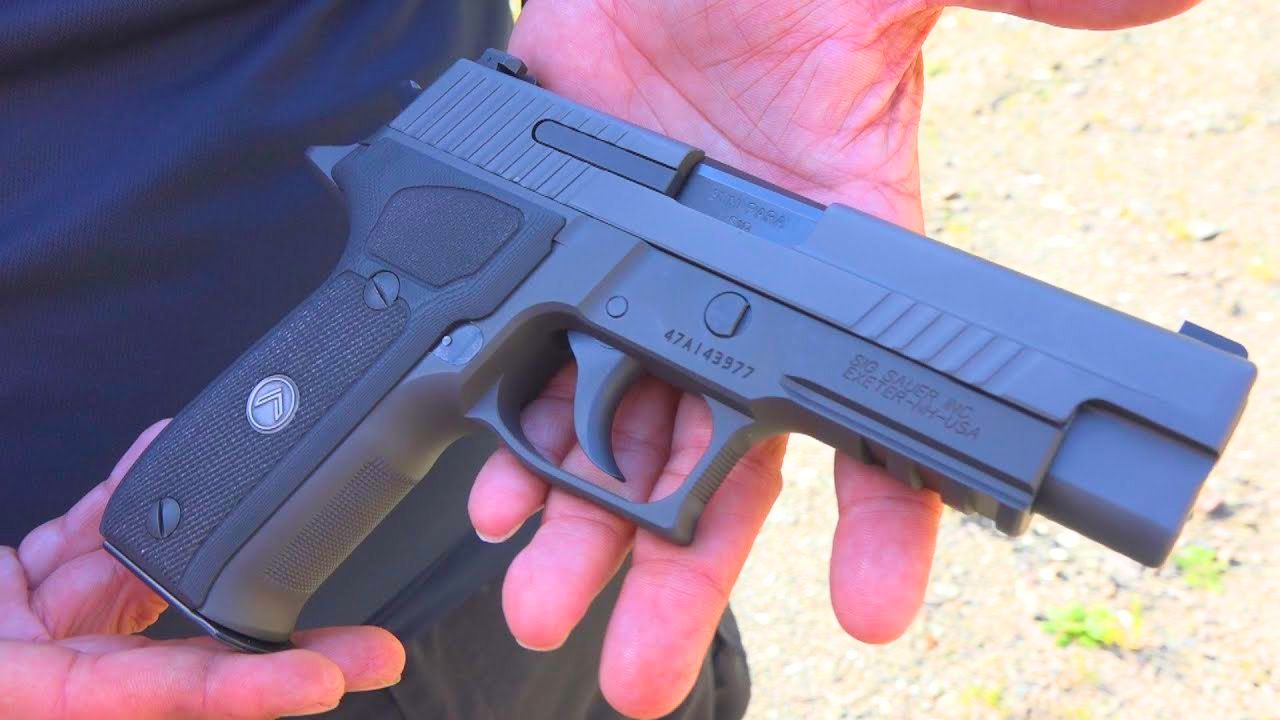
The P226 still matters because SIG has never treated it like a museum piece. It remains a current pistol family in SIG’s lineup, sitting alongside newer series instead of being buried as a retired favorite. That alone tells you the platform still carries real demand and real respect.
The reason is easy enough to understand once you shoot one. The P226 feels like a mature service pistol built around steadiness and repeatability. It has enough size, enough weight, and enough track record that it still feels serious when lighter, trendier pistols start showing their limits. It earned its reputation by staying dependable for a long time, not by being the loudest thing in the room.
Beretta 92FS

The 92FS kept its reputation because the design never needed the internet to validate it. Beretta still sells the 92FS as a live product, and the company still leans on the open-slide, delayed locking-block system as part of the pistol’s identity. That system has been part of the gun’s reputation for years because it helped define how the pistol behaves.
What kept the 92FS respected is that it stayed calm and predictable while a lot of pistols chased smaller frames and sharper handling. It is a big handgun, but that size helps it. The long sighting plane, steady recoil behavior, and proven operating feel all add up to a pistol that still makes sense once you stop confusing slimness with quality.
CZ 75 B

The CZ 75 B has kept its name alive because the design was right in ways that outlast fashion. CZ still sells it as a current all-steel DA/SA pistol and still highlights the platform’s ergonomics and long influence on later handgun designs. A pistol does not stay that relevant by accident.
It earned that standing by being easy to trust in the hand. The grip shape, steel frame, and low-running feel give the gun a steady personality that still lands with experienced shooters. When lighter guns start feeling jumpy or disposable, the CZ 75 B keeps reminding people why balanced steel service pistols never really disappear.
HK USP

The USP kept its reputation the hard way because HK built it around durability, then let time prove the point. HK still sells it as a current model and still describes it as accurate and ultra-reliable, while also pointing to its internal recoil buffering system as part of what keeps the gun shooting well over long use. That is not a small claim.
What makes the USP stick is that it feels overbuilt in a useful way. It is not trying to be the slimmest or the trendiest pistol in the case. It is trying to keep going when other guns start getting touchy. That kind of reputation does not come from internet talk. It comes from a lot of shooters learning the same lesson the slow way.
Ruger GP100

The GP100 earned its place by being the kind of revolver people trust once they are done pretending every answer has to be a semi-auto. Ruger still keeps the GP100 in active production and still highlights the triple-locking cylinder system and easy takedown as core parts of the platform. That is a very working-gun set of priorities.
Its reputation holds because the GP100 was built to be used hard, not admired from a distance. It is strong, straightforward, and heavy enough to make magnum shooting feel more controlled than lighter revolvers do. When magazines, springs, and ammo preferences start becoming part of the conversation, the GP100 keeps reminding shooters why simple mechanical confidence still matters.
Smith & Wesson 686 Plus

The 686 Plus kept its reputation because Smith & Wesson never stopped treating the L-frame as a serious answer. The company still maintains a dedicated 686 Plus family page, which tells you the platform remains relevant enough to stand on its own in the lineup. That is not something a company does for a revolver nobody respects anymore.
It earned that standing by offering a practical mix of shootability and strength. A seven-shot .357 with enough weight to stay manageable and enough frame to handle steady use is still a very sensible revolver. The 686 Plus is not exciting in a trendy way. It is respected because it stays competent in the ways that actually matter when the round count gets real.
Colt 1911 Government Model
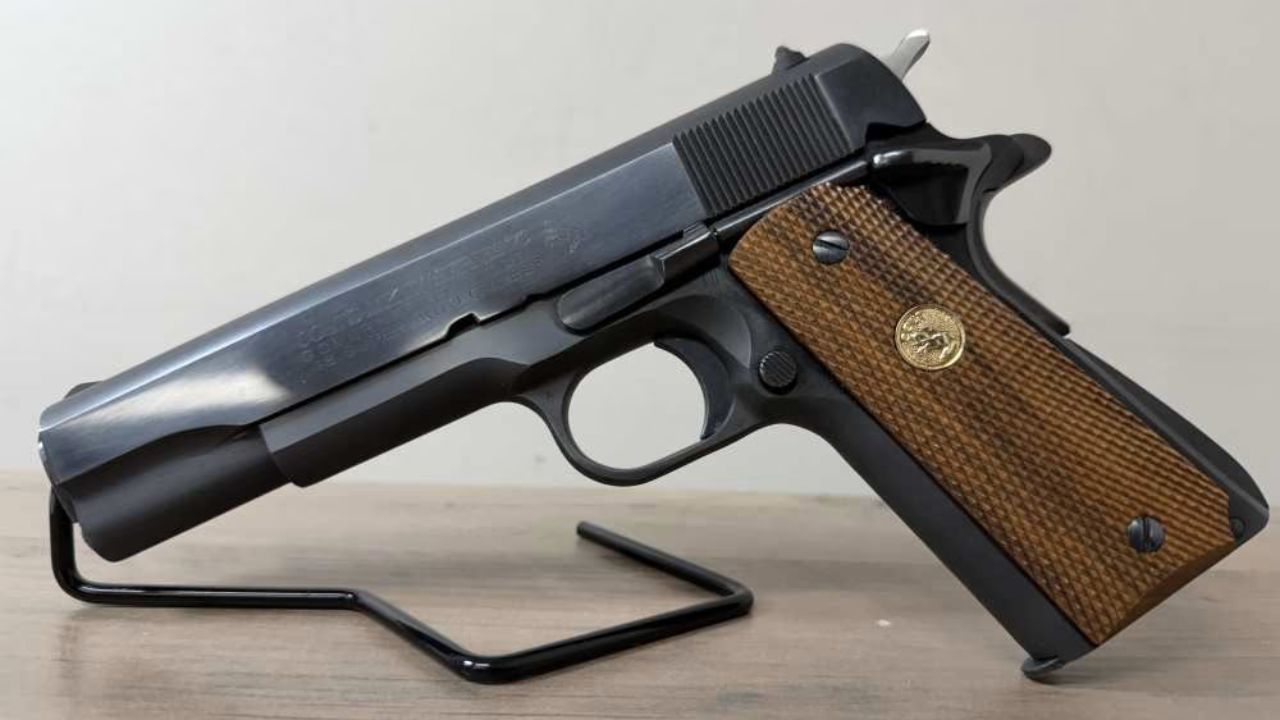
The Government Model 1911 kept its reputation because the platform survived every cycle that should have replaced it. Colt still keeps a current 1911 Classics family in production, which says a lot by itself. A design does not stay alive at this level unless enough shooters still believe it offers something they cannot quite replace with newer options.
What it earned the hard way is respect for feel. A good Government Model still gives you a trigger, grip angle, and overall shooting rhythm that many shooters never really stop appreciating. Modern pistols can beat it in capacity and ease, but the 1911 keeps its name because it still rewards skilled hands in a way that remains difficult to copy cleanly.
Browning Hi-Power

The Hi-Power kept its reputation because even Browning still describes it with open respect. Browning notes that it remains one of the most revered pistols of all time and says it is reliable, accurate, and easy to shoot, despite the model being out of production. That kind of language matters, especially coming from the maker.
It earned that praise by being one of the handguns that simply feels right when you pick it up and start shooting. The slim grip, all-steel construction, and natural pointability gave it a lasting identity that newer service pistols never fully erased. The internet may move faster than old reputations, but the Hi-Power keeps its place because the platform still makes sense once you stop looking only at what is current.
Ruger Mark IV

The Mark IV kept its reputation by doing something a lot of pistols fail at: staying genuinely useful year after year. Ruger still highlights the one-button takedown system and the cold hammer-forged barrel as key reasons the platform remains easy to maintain and accurate over time. Those are exactly the kinds of things that keep a pistol in steady use.
It earned that respect because a good rimfire pistol is still one of the best training and practice tools you can own. The Mark IV made that category easier to live with by fixing one of the biggest complaints older rimfire pistols carried. It does not need centerfire drama to matter. It keeps its reputation because it stays practical, accurate, and worth shooting long after the novelty of louder guns wears off.
Staccato P
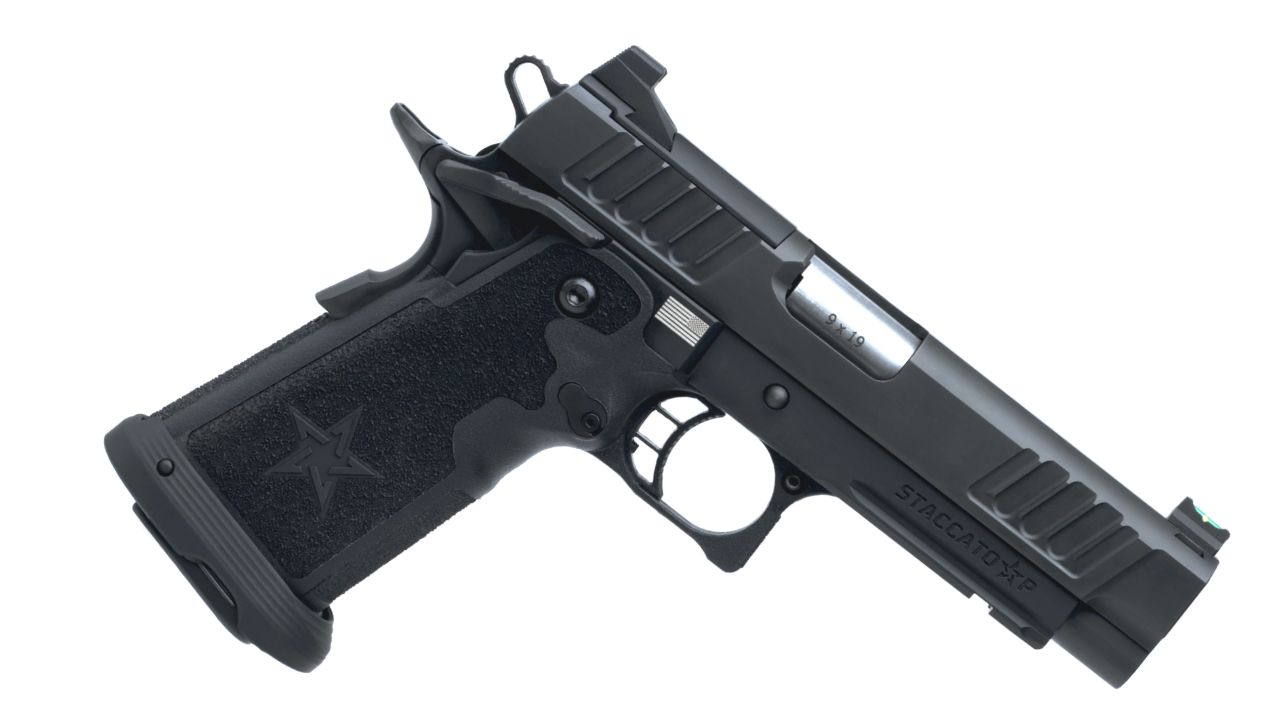
The Staccato P has built its reputation in a shorter time than some of the classics here, but it still earned it the hard way by being treated as a serious working gun. Staccato says the P is approved for duty by more than 1,600 law-enforcement agencies and describes it as chosen for durability, reliability, accuracy, and performance. That is a much different kind of reputation than social-media popularity.
What made the gun stick is that it paired the shootability people expect from the 2011 format with a duty-minded identity. The P feels refined, but it is not relying only on refinement. It is relying on repeatable performance, and that is why it keeps being taken seriously by shooters who care about what happens after the first impressive magazine.
Walther PDP Steel Frame Match

The PDP Steel Frame Match keeps its reputation because Walther built it around something that always holds up in the long run: control. Walther says the steel frame and added weight significantly reduce recoil and deliver exceptionally smooth, accurate shots, while also calling out rapid follow-up shots as a core strength. That is a very specific performance promise.
What gives the gun lasting respect is that the promise lines up with what shooters actually value after enough range time. A full-size steel pistol that tracks well, shoots flat, and keeps the trigger work clean tends to age well in people’s opinions. The internet may overreact to every new striker pistol, but control and repeatability still win out over time, and this pistol was built around both.
Canik SFx Rival-S

The Rival-S keeps its reputation because Canik chose the most honest path to better shooting: more steel, more weight, and a platform already known to work. Canik says the SFx Rival-S takes the proven Rival design and adds the weight needed to manage even more recoil. That is not a vague claim. It is a direct explanation of why the gun exists.
That is exactly why shooters keep respecting it. A lot of modern pistols promise more performance through cuts, coatings, and cosmetic upgrades. The Rival-S earns its place by making the gun calmer and easier to run hard. It keeps its name because the improvement is practical and obvious, not because it depends on a temporary wave of attention.
FN 509 LS Edge

The FN 509 LS Edge kept its reputation because FN positioned it as a long-slide pistol built for serious performance, not as a novelty trim package. FN’s product page calls it the ultimate tactical pistol for environments where split-seconds matter and points to the flat-faced trigger, magwell, and long-slide setup as features that help shooters master control and build marksmanship. That is a very deliberate identity.
What helps it keep that identity is that the long-slide format still matters once the launch buzz fades. A better sight picture, a calmer cycle, and a more deliberate overall feel all age well compared with pistols that sell mostly on looks. The 509 LS Edge keeps its name by remaining a tuned, practical version of a serious platform instead of turning into a gimmick once the first headlines pass.
Smith & Wesson Model 19 Classic
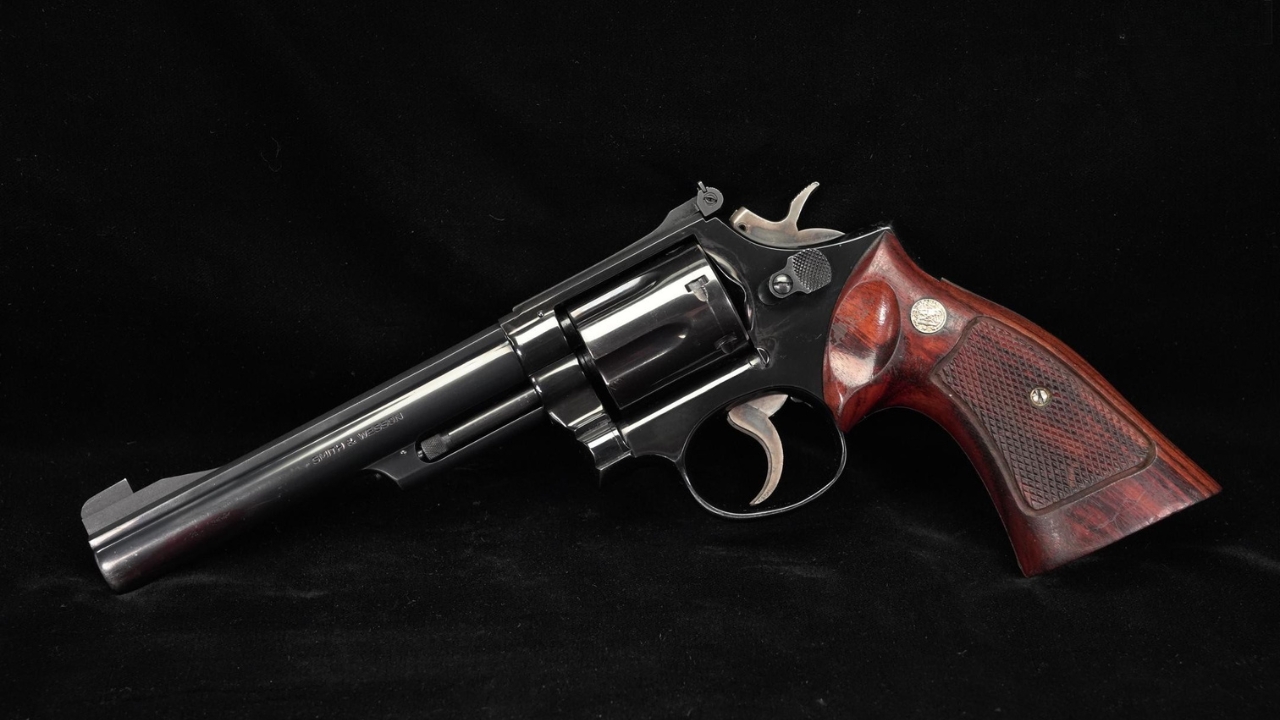
The Model 19 Classic belongs here because the K-frame .357 reputation was earned over decades of real use, and Smith & Wesson still keeps the model in the catalog. Even without flashy modern positioning, the current presence of the Model 19 Classic shows that the company still sees value in this size and format.
The reason is simple: the Model 19 still offers one of the best balances in the revolver world. It is easier to carry than a bigger magnum, easier to shoot well than many smaller ones, and versatile enough to make .38 Special and .357 Magnum both feel at home. Its reputation stuck because it solved practical problems well, and those problems did not disappear when newer handguns arrived.
Like The Avid Outdoorsman’s content? Subscribe to our newsletter so you never miss an article.
Here’s more from us: