Photo credit: boltfiend/YouTube
Every shooter has a brand they trust, and most of the time that loyalty is earned. But every company—big or small—has turned out a firearm that makes even their most dedicated fans shake their heads. You’ve probably run into a few of these at the range or watched someone try to defend one long after the magic wore off.
These are the guns that remind you that reputation only carries a rifle or pistol so far. When performance slips, expectations rise, and the excitement fades fast, even the die-hard loyalists eventually admit the truth.
Remington R51 (Gen 1)

You don’t need to look far to find shooters who wanted to love the R51 because of the Remington name. The design promised soft recoil and smooth cycling, but the early production was plagued with issues. Feeding problems, out-of-battery firing concerns, and inconsistent machining frustrated owners right out of the box.
What really stung was the anticipation. Fans expected a revival of a classic concept, but instead got a pistol that felt unfinished. Even Remington loyalists eventually stepped back and admitted the R51 simply didn’t deliver the reliability needed in a carry gun.
Ruger American Rimfire
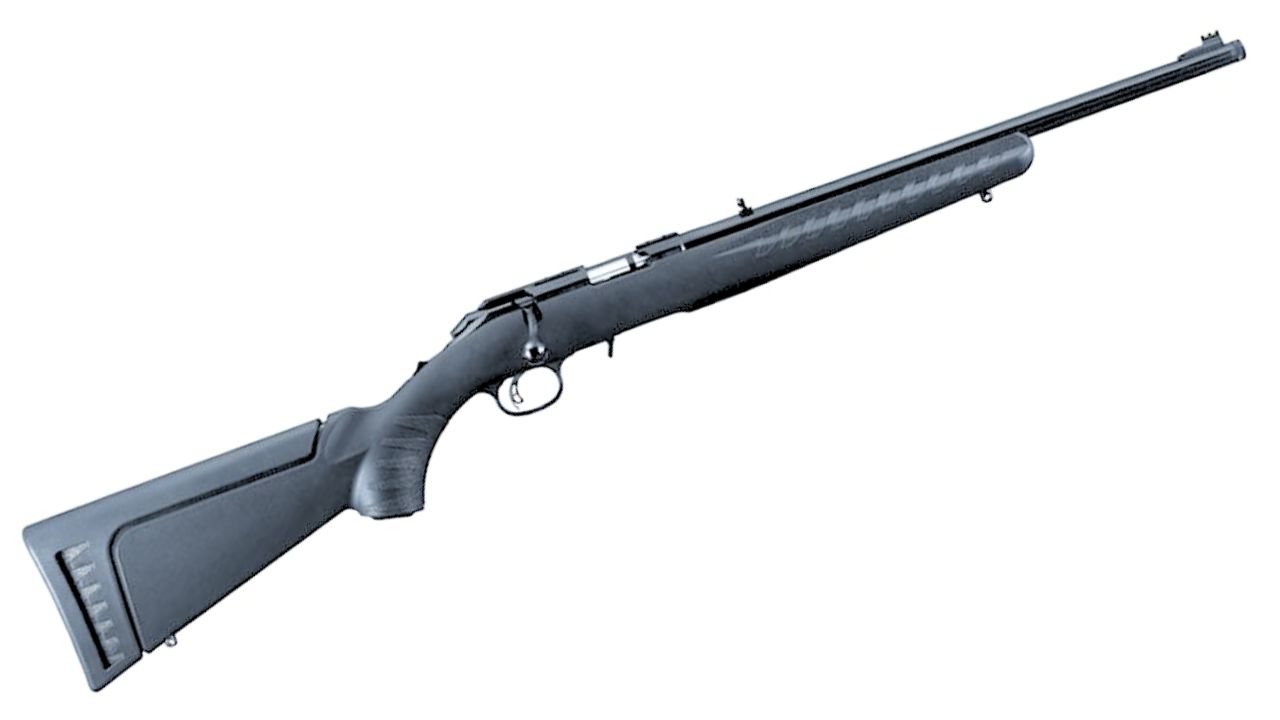
Ruger rarely lets rimfire shooters down, but early batches of the American Rimfire caused disappointment among loyal fans. Inconsistent accuracy, rough triggers, and extraction trouble showed up more often than expected for a brand known for dependable .22 rifles.
Most buyers wanted a modern workhorse rimfire they could trust for small game or casual shooting. Instead, many found themselves chasing fixes or swapping parts immediately. Later production improved things, but those early rifles left a mark among Ruger supporters who expected better from the company’s rimfire lineup.
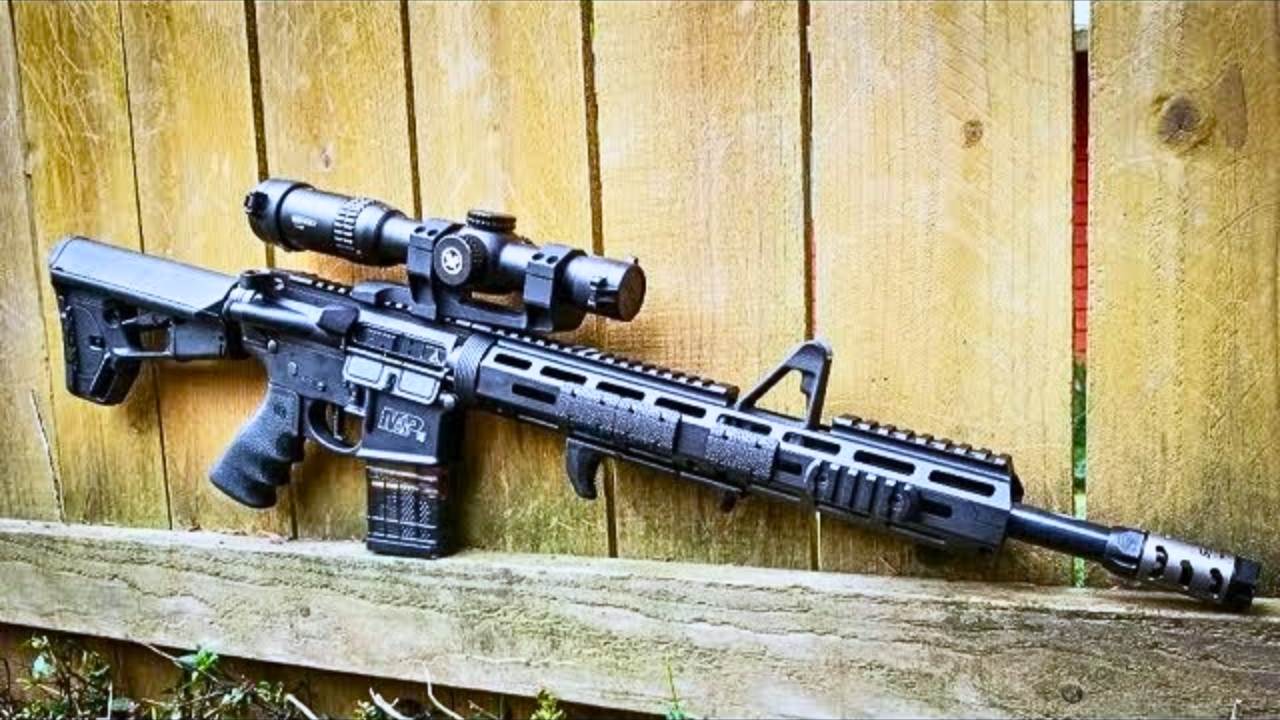
Smith & Wesson M&P15 Sport II

The M&P15 Sport II sells well, but even S&W fans admit its accuracy can vary wildly. Some rifles shoot fine, while others struggle to hold tight groups with basic ammo. The budget-friendly appeal is obvious, yet seasoned S&W supporters found the inconsistency frustrating, especially when competing rifles in the same price range tended to shoot tighter.
It’s not that the Sport II is unreliable—it generally runs. But loyalists who expect a certain standard from the M&P line often end up disappointed when they see how unpredictable the accuracy can be from rifle to rifle.
Browning BAR LongTrac

Browning fans adore the older BAR models, but the LongTrac line has given even loyalists a reason to pause. Many rifles run smoothly, but others suffer from cycling issues, especially with certain ammo weights. When a semi-auto hunting rifle hesitates or fails to lock back, confidence fades quickly.
Browning’s reputation is built on refined, reliable guns, so seeing spotty performance in the LongTrac surprised more than a few hunters. The platform still has its fans, but even the devoted admit that the LongTrac didn’t live up to the dependable legacy of the classic BAR.
CZ 512 (.22 LR Semi-Auto)
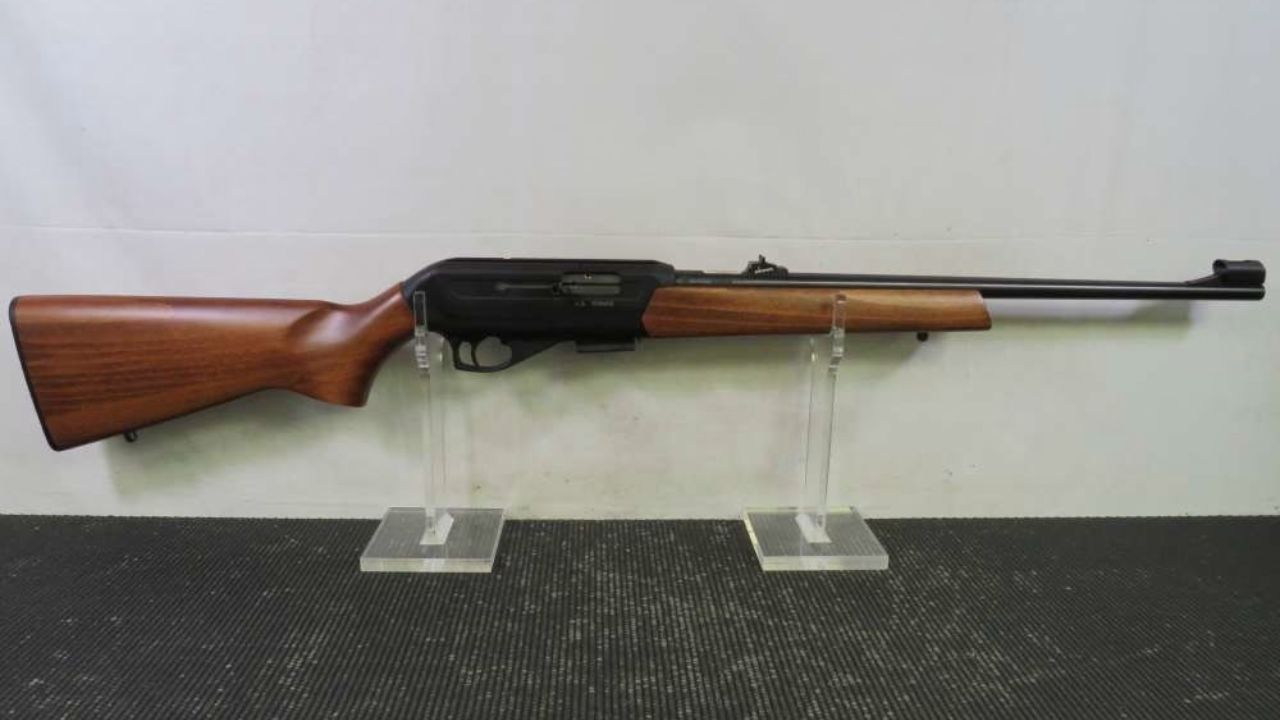
CZ excels at bolt guns, but their 512 semi-auto rimfire hasn’t earned the same praise. Loyal shooters expected CZ-level accuracy and consistency, yet many found the rifle more ammo-sensitive than it should be. Light strikes and extraction issues show up often enough that fans openly acknowledge the shortcomings.
It’s not a bad rifle, but expectations were high. When you trust a brand for rock-solid performance, even minor problems hit harder. The 512 simply never delivered the same confidence CZ owners enjoy from the company’s bolt-action lineup.
Mossberg Patriot

Mossberg fans appreciate practical rifles that work, but the Patriot line let some of them down. While the price is attractive, early models showed inconsistent bedding, flimsy magazines, and accuracy that varied more than loyalists expected.
Hunters wanted a dependable, affordable rifle, but the Patriot sometimes felt rushed. Even Mossberg supporters admitted the quality could swing from “good enough” to “needs work,” depending on the individual rifle. It remains popular, but not without reservations from longtime Mossberg shooters.
Marlin 795
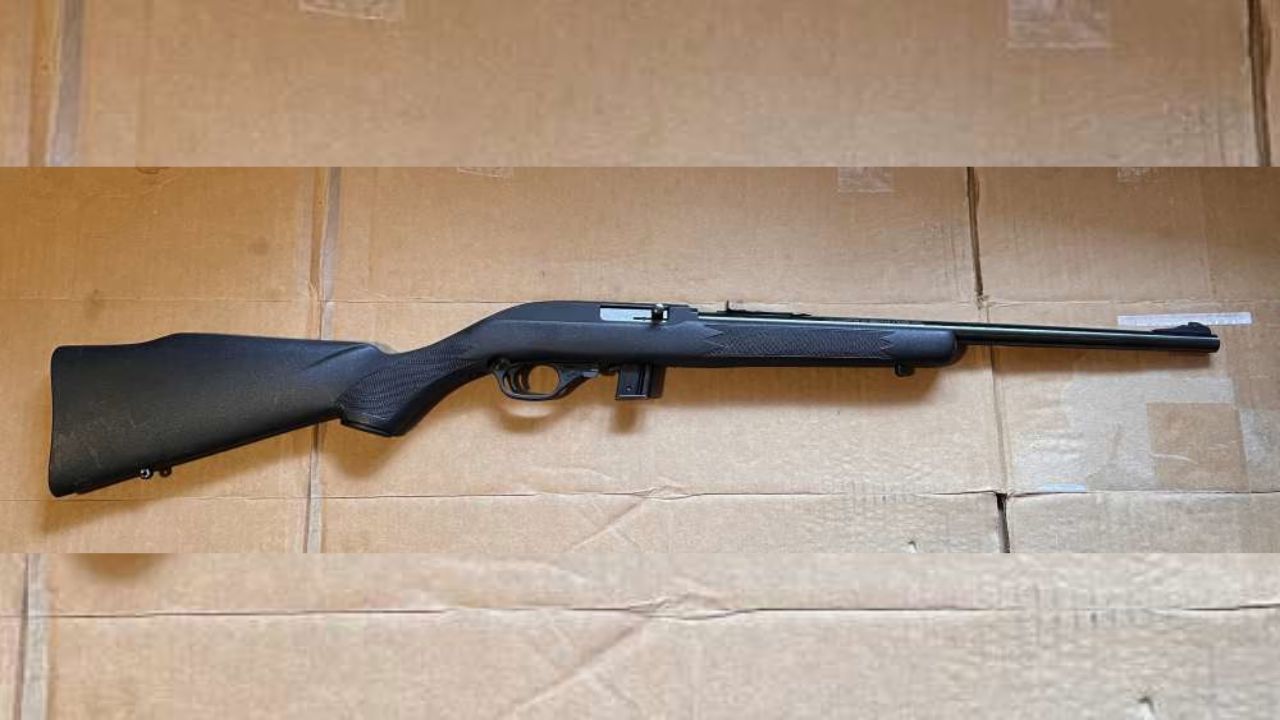
The Marlin 795 was once beloved for being a reliable, accurate budget .22. But late-era production under Remington ownership led to noticeable declines in quality. Loyalists who had owned older Marlins quickly noticed rough machining, sloppy triggers, and feeding issues appearing far more often.
The rifle still has a dedicated following, but many longtime Marlin fans openly acknowledge that the later 795s weren’t built to the standard they were used to. When a brand is known for solid rimfires, even small slips turn into big disappointments.
Winchester SXP
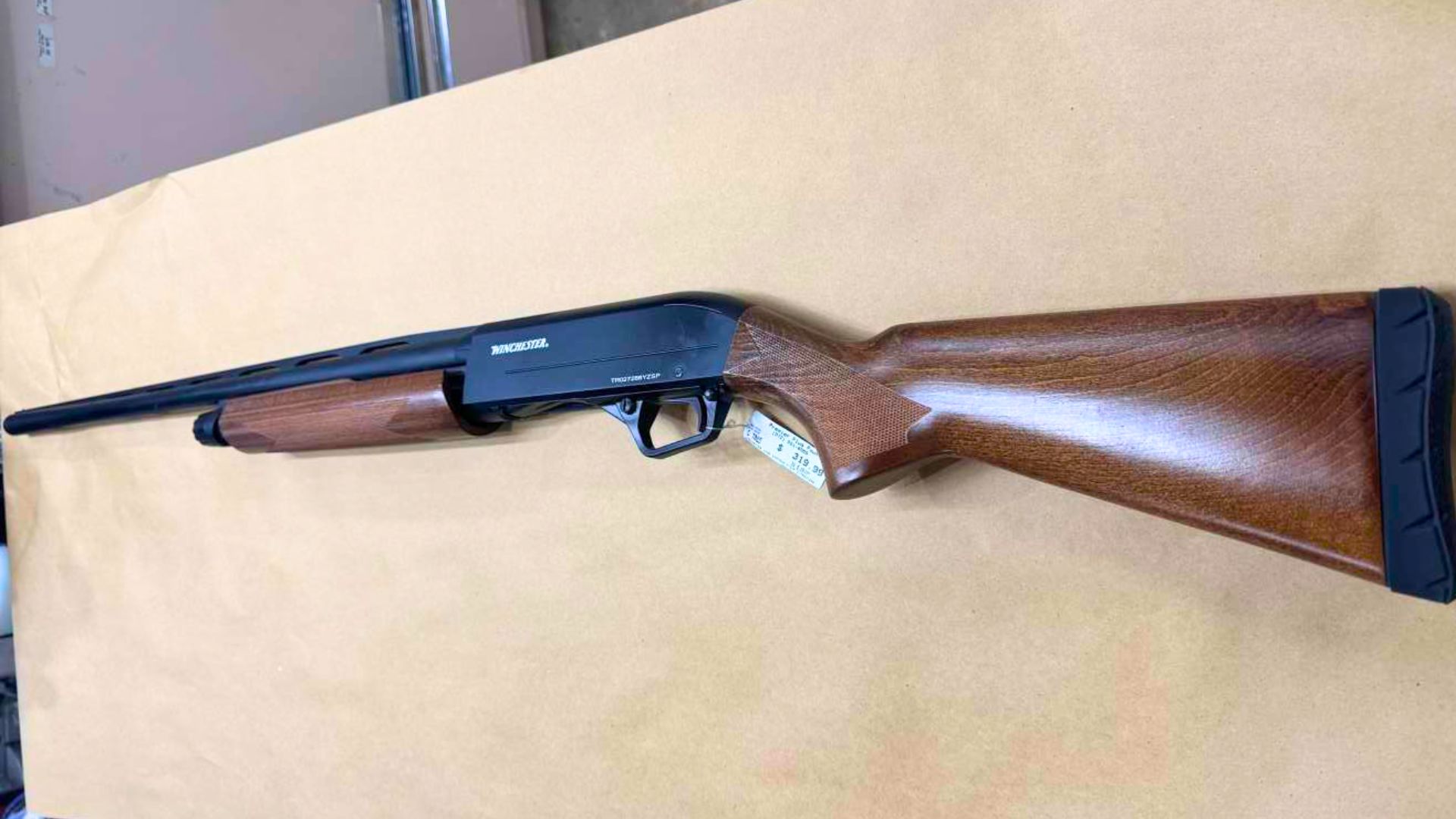
Winchester’s pump guns have a strong following, but the SXP has seen scattered complaints about trigger quality and cycling timing. Some shooters report the action unlocking too early under recoil, which shakes confidence, especially among loyal Winchester fans.
While plenty of SXPs run well, the issues were widespread enough to make even die-hard Winchester owners second-guess the model. Expectations are high for a pump carrying the Winchester name, and when timing or trigger problems show up, loyalists feel it more than casual buyers.
Benelli Vinci
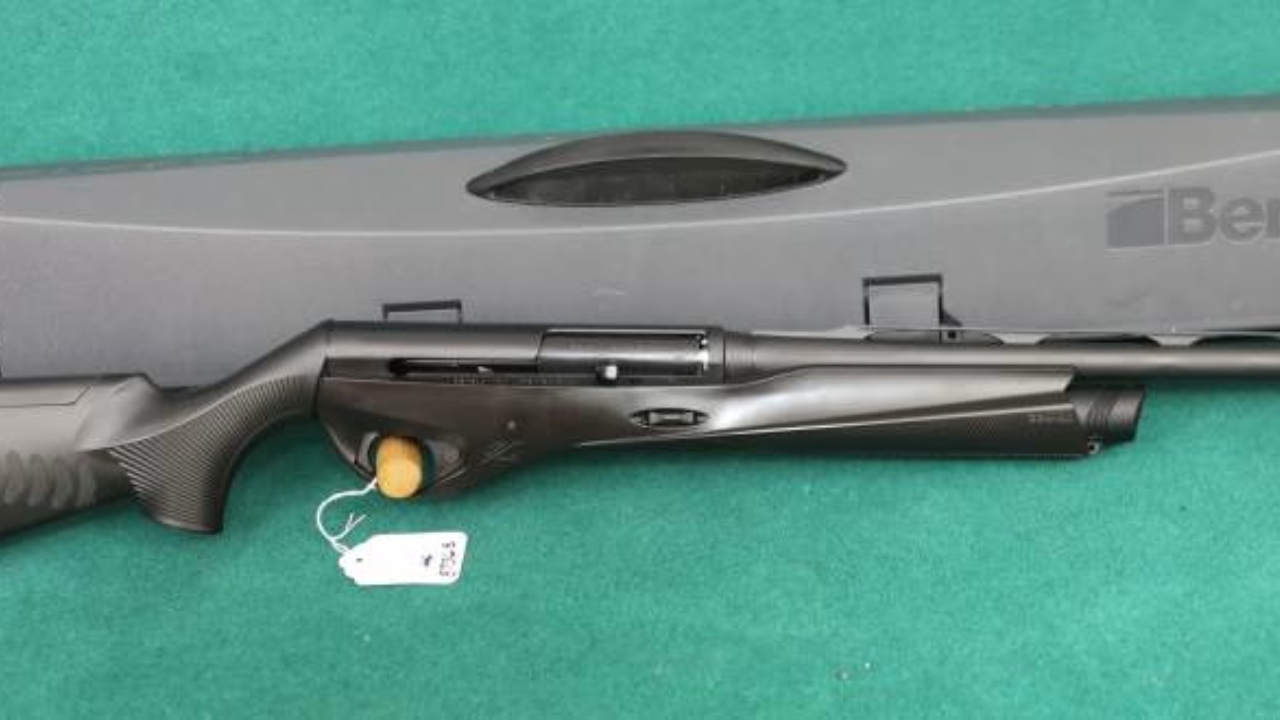
Benelli owners expect flawless operation and refined performance, which is why the Vinci left many scratching their heads. Its modular design was interesting, but some shooters experienced inconsistent cycling with lighter loads and handling that didn’t feel like the rest of the Benelli lineup.
The Vinci wasn’t unreliable, but it never delivered the smooth, confident performance Benelli fans are used to. Many loyalists quietly returned to the M2 or Montefeltro, acknowledging the Vinci as a rare miss from a brand known for near-perfection.
Sig Sauer P250
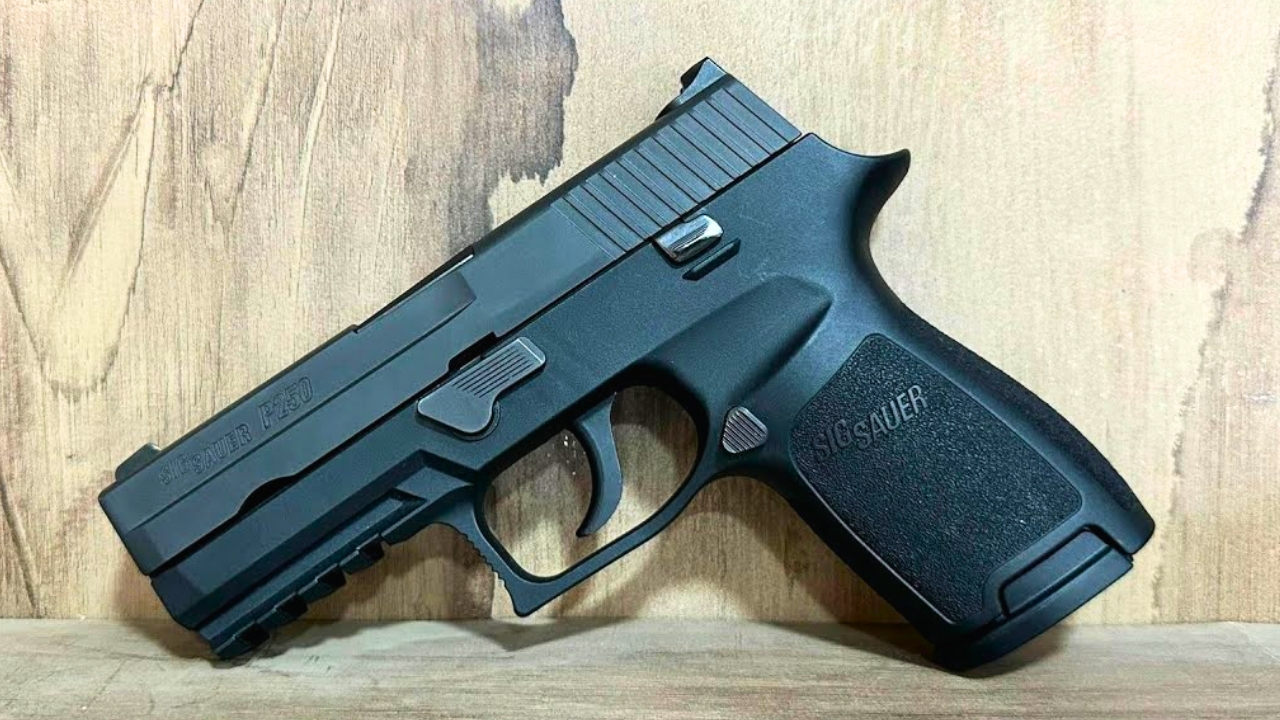
Sig loyalists expected the P250 to shine, especially with its modular design. Instead, many found the double-action-only trigger long and heavy, making accurate shooting difficult. The slow reset didn’t help either, and fans accustomed to the crisp feel of classic Sig pistols were let down.
The platform itself wasn’t unreliable, but it never lived up to the excitement surrounding its release. Many Sig fans still call it the most disappointing pistol in the modern lineup, especially when compared to the P320 that followed.
Walther CCP

Walther typically nails ergonomics and smooth shooting, but the CCP Gen 1 created headaches. Its gas-delayed system added complexity, and disassembly was notoriously frustrating. Some owners also reported reliability problems, especially with defensive ammo.
Walther fans expected a comfortable, reliable carry gun, yet the first CCP struggled to meet those expectations. The Gen 2 improved things, but the initial release remains a point of disappointment among loyal Walther shooters.
FN FNS-9
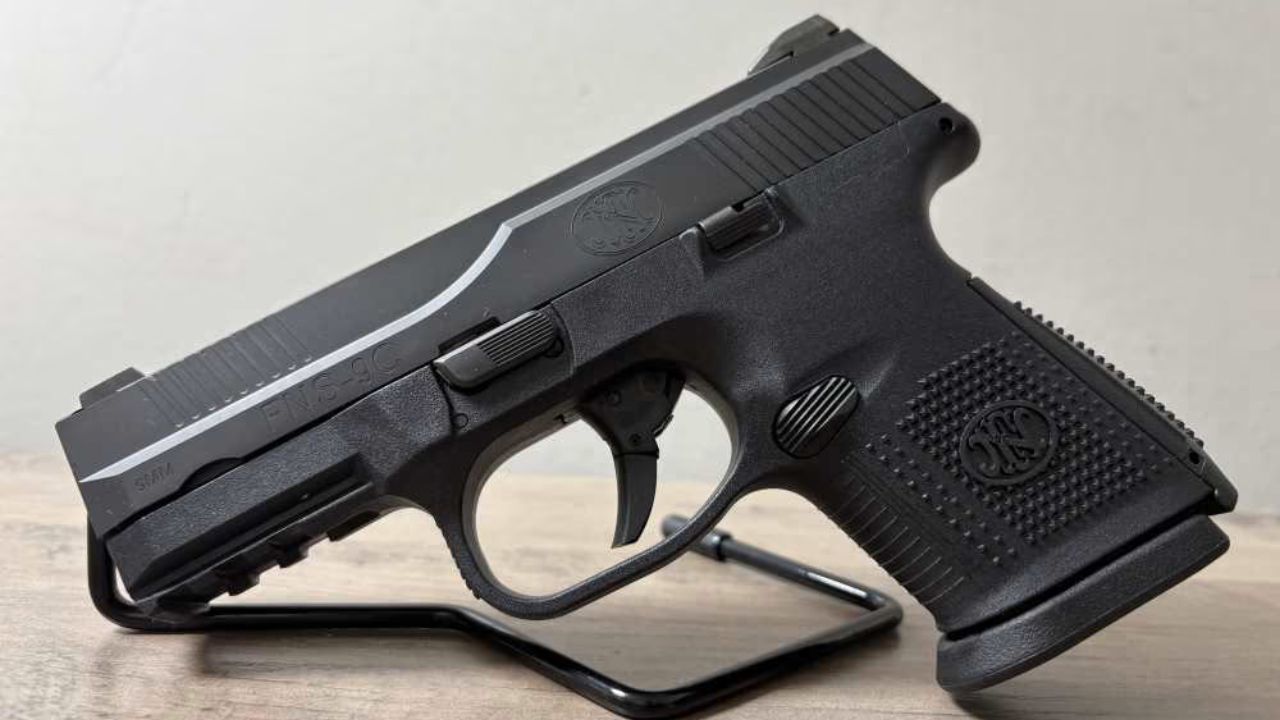
FN has a reputation for battle-tested pistols, which is why the FNS-9 surprised many loyalists. Some models experienced intermittent drop-fire issues and inconsistent trigger quality, leading to recalls and concerns among FN supporters.
While the gun was accurate and handled well, the reliability questions overshadowed its strengths. FN fans, who trust the brand for rugged reliability, found the FNS-9 to be one of the rare models that didn’t meet those expectations.
Taurus Spectrum

Even Taurus fans, who appreciate affordable carry pistols, struggled with the Spectrum. Light strikes, feeding issues, and weak ejection made early production models especially frustrating. The rounded design looked good on paper but didn’t translate into consistent performance.
Taurus has made strong improvements in recent years, but the Spectrum lingers as one of the pistols loyalists openly admit fell short. It’s a reminder that budget pistols still need dependable function above everything else.
Kimber Solo
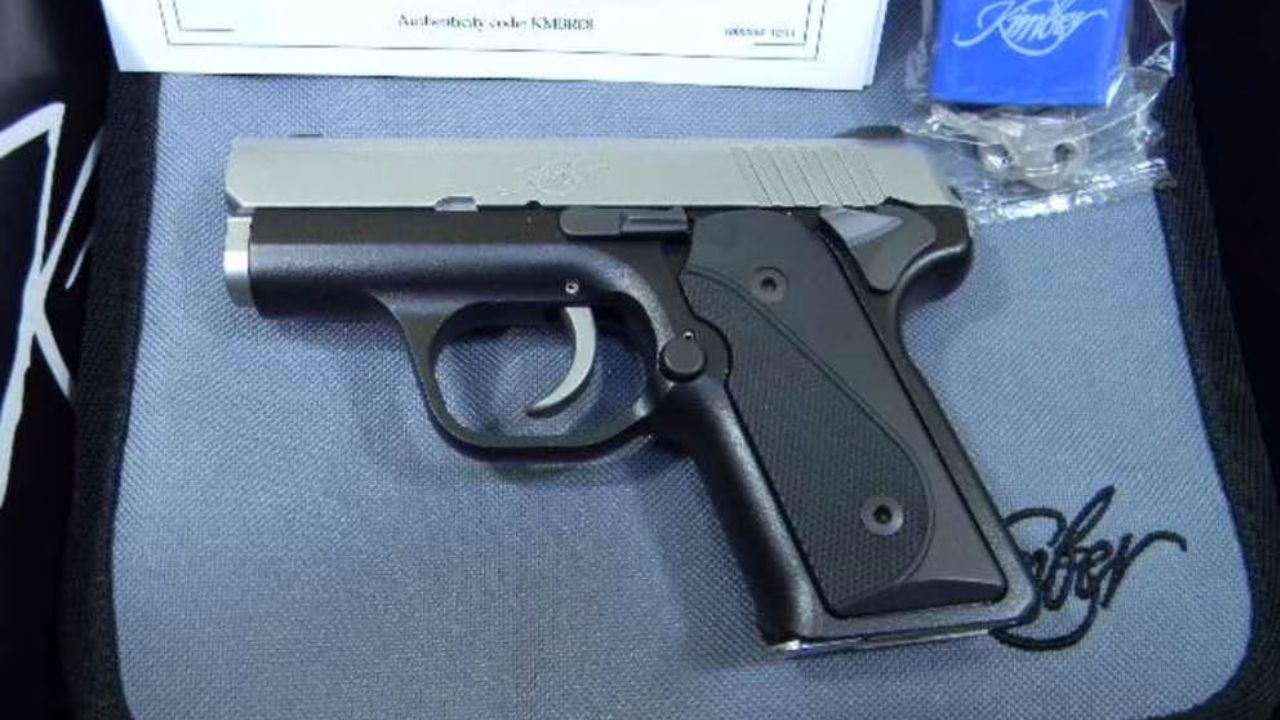
Kimber is known for premium 1911s, but the Solo’s reliability issues turned away even dedicated Kimber owners. The pistol was extremely sensitive to ammunition, often running only with specific loads. For a carry gun, that’s a deal-breaker.
Kimber fans wanted a compact defensive pistol with the company’s usual fit, finish, and shootability. Instead, the Solo became known for inconsistency and frustration. It’s one of the rare Kimber models that even loyalists warn newcomers about.
H&K USC

H&K loyalists expected a civilian carbine that carried the same excitement as the UMP, but the USC didn’t deliver. Its awkward ergonomics, limited magazine compatibility, and strange feature set made it feel watered down. Accuracy was fine, but everything else felt disconnected from what H&K fans love.
Even dedicated H&K supporters admit the USC never lived up to the company’s high standards. It works, but it lacks the character and refinement shooters expect from an H&K carbine.
Like The Avid Outdoorsman’s content? Be sure to follow us.
Here’s more from us: