Photo credit: PuertoRecon/YouTube
A thumb safety is great… until it isn’t. The problem usually isn’t that the gun is “unsafe.” It’s that some safeties are positioned, shaped, or tuned in a way that makes them more likely to get bumped on in real carry—seatbelts, jackets, truck seats, awkward holsters, or your own grip riding the lever.
Beretta 92FS

That slide-mounted safety/decocker is famous for getting bumped—especially with certain holsters and certain manipulations. You can run a 92FS like a pro, but if you’re not disciplined, that lever can end up in “safe” when you didn’t intend it.
On a carry gun, surprises are bad. A lot of guys end up preferring the G-model setup for this reason, but as-is, the 92FS earns its spot on the list because it’s one of the most common “why is my gun on safe?” moments out there.
Beretta 96FS
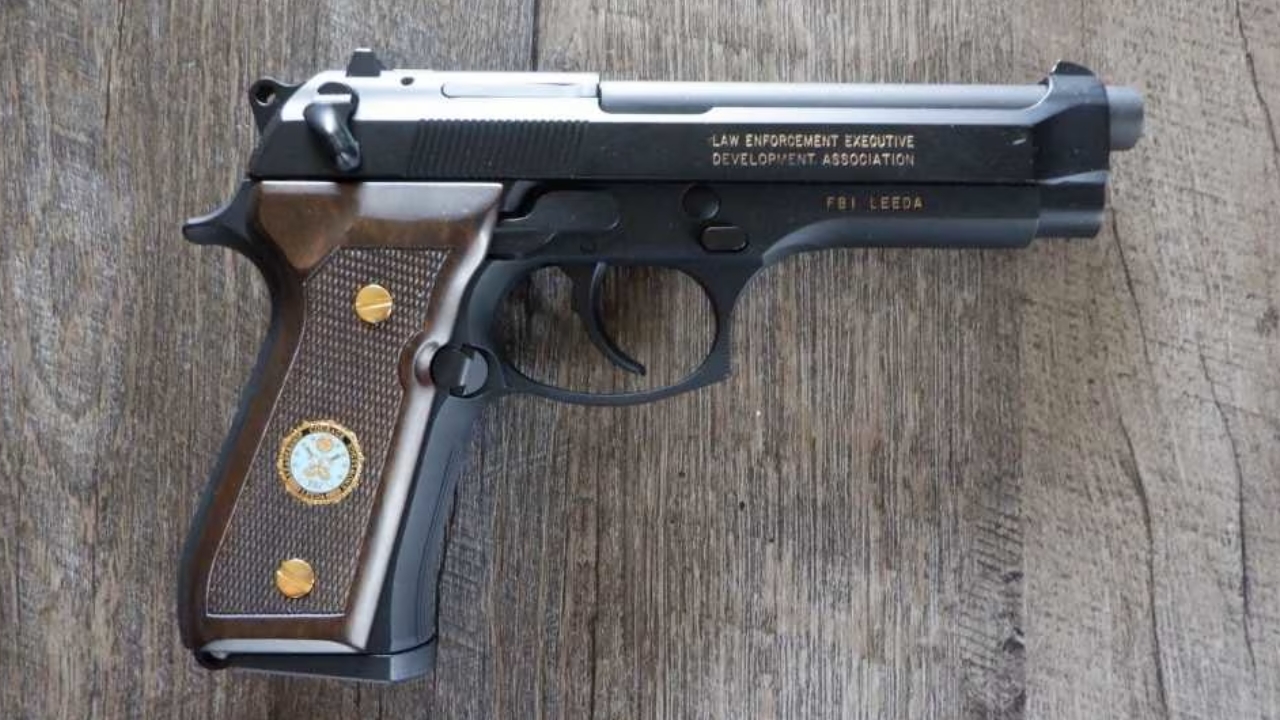
Same controls, same problem, just in .40. The bigger recoil impulse doesn’t help because it often encourages people to grip and manipulate the gun harder during admin handling, which increases the odds of bumping the lever.
If you carry a 96FS, you really want to prove your holster setup and your drawstroke. This isn’t a “bad gun” thing—it’s a control placement thing.
Taurus PT92

Frame-mounted safety is different from a Beretta FS, but the PT92 still gets bumped for some people depending on lever profile and carry position. Some PT92s have safeties that feel easier to swipe on/off than others, and that variability is what makes owners uneasy.
A thumb safety that’s too easy to move can betray you in daily carry. If you’ve ever found it “on” after riding in a truck all day, you know exactly why this made the list.
Browning Hi-Power

Classic gun, classic controls, and a classic issue: the safety lever can be small and easy to nudge depending on the variant and the shooter. Some Hi-Powers lock in nicely, others feel like they can be moved with less effort than you’d like for carry.
If you run one hard and practice the same way every time, it can be a great pistol. But it’s also one of those designs that rewards consistency—and punishes sloppy carry gear.
Springfield SA-35

The SA-35 brings Hi-Power vibes back, and a lot of people carry it exactly like they’d carry a 1911: cocked and locked. That means the safety lever matters. If your safety engagement feels light or your holster brushes it, you can end up with an “on” gun at the wrong moment.
Most folks solve this by proving the setup and using a holster that shields the lever well. But enough new SA-35 owners have had to “figure it out” that it belongs here.
Colt Lightweight Commander (1911)

1911 thumb safeties vary a lot—shape, detent feel, and how they interact with your grip. Some Commanders ride perfectly and stay off. Some will click on when your shirt or jacket rubs the lever during movement.
The worst part is the gun often feels perfect during slow handling. Then real daily carry shows you whether your safety is truly “carry safe,” and that’s where some 1911s start annoying people.
Kimber Ultra Carry II (3-inch 1911)
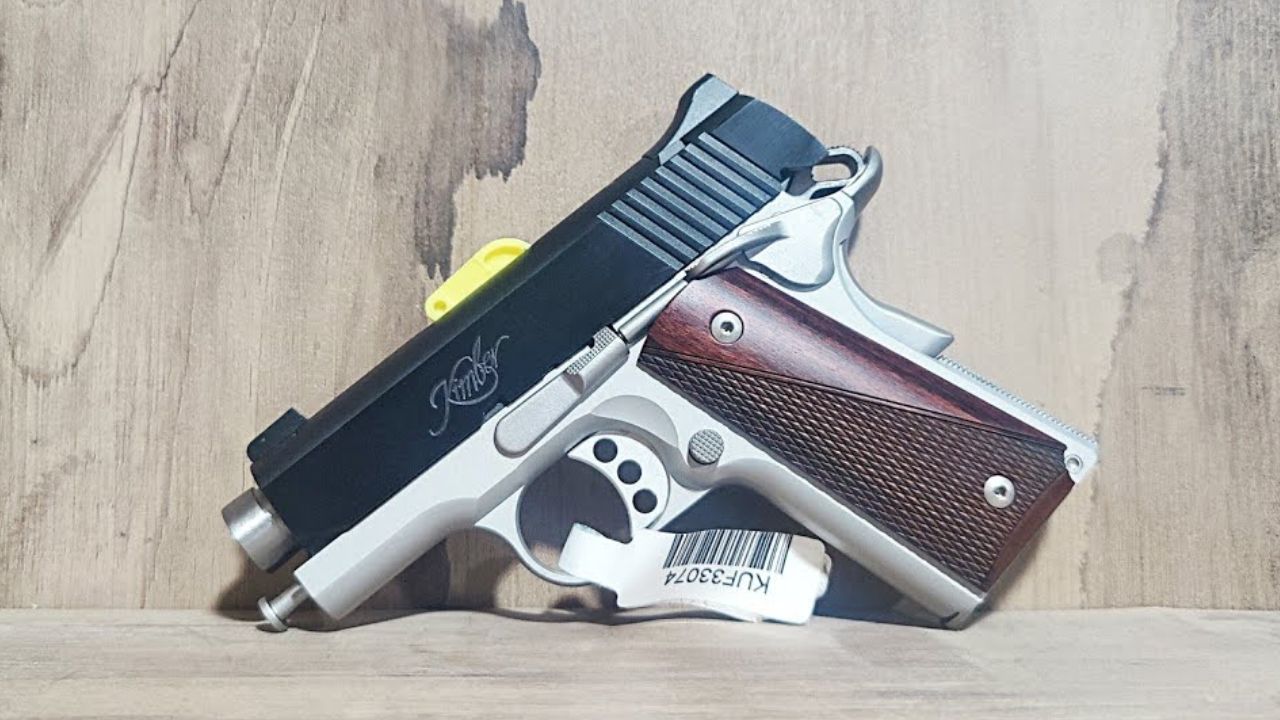
Short 1911s already live in a narrow tolerance window, and many owners handle them more, fuss more, and holster/unholster more while testing. That’s where the thumb safety starts getting a workout. With certain safety shapes, it’s easier to bump them back on.
Kimber’s safety feel can also vary gun to gun. If you’ve got one that’s a little “soft” in engagement, you’ll learn quickly how often gear brushes that lever.
Springfield Armory 1911 Ronin
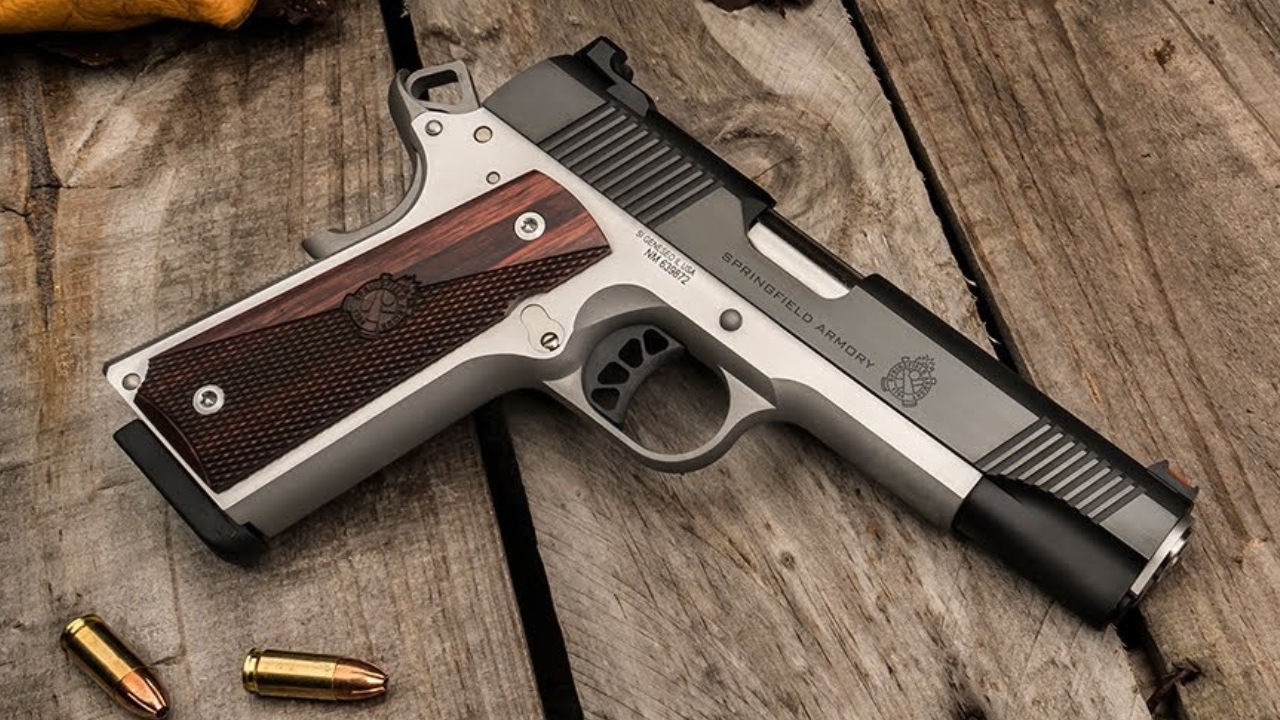
The Ronin is a good-looking, popular carry 1911, and it gets carried in all kinds of holsters. That’s exactly why it shows up in safety complaints. Any 1911 safety with a profile that sticks out a bit can be nudged by clothing or a sloppy holster mouth.
This is one of those pistols where owners either dial the setup and love it… or they eventually decide they don’t want to manage a thumb safety in daily carry at all.
SIG Sauer 1911 Carry
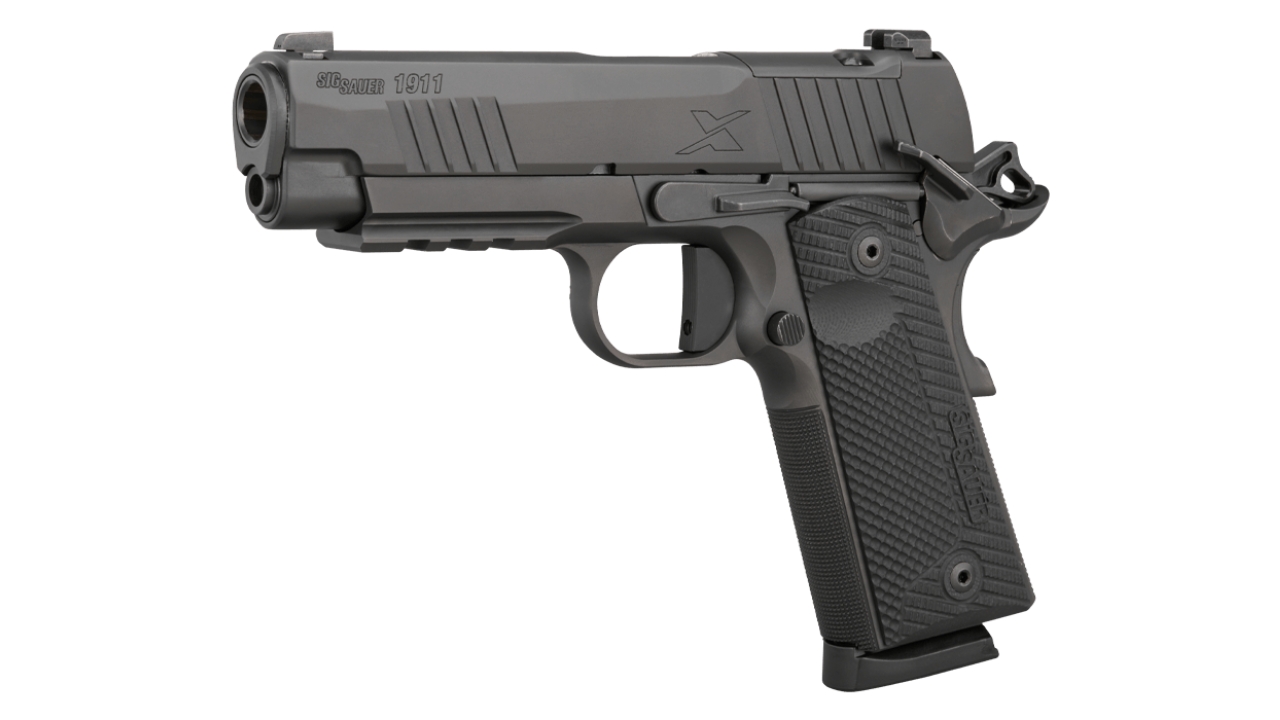
SIG 1911s are solid guns, but they’re still 1911s—which means safety feel and lever shape matter. If you carry it often, you’ll find out fast if the safety is “positive” enough for your lifestyle, or if it’s a little too easy to move.
A carry gun should tolerate normal life. If you find the safety randomly engaged after chores, that’s not acceptable—no matter how accurate the pistol is.
Smith & Wesson SW1911

S&W 1911s can be great shooters, but again: 1911 safeties are a world of their own. Some are crisp and hard to bump. Some feel lighter and more likely to get swept during daily movement.
If you carry a SW1911, the real test is: can you go a full day doing normal stuff—truck, bending, lifting—without finding the safety moved? If not, it’ll eventually get replaced by something simpler.
Staccato C2

The C2 carries well, shoots flat, and the safety is part of the 2011 manual of arms. The issue is that a lot of people carry it in modern holsters with active retention or tight channels, and those can occasionally rub the safety depending on fit.
It’s not that Staccatos are unreliable—far from it. It’s that when you’re carrying a premium 2011, you expect premium consistency. If you ever find that safety engaged when you didn’t mean it, the trust takes a hit.
CZ 75B

A CZ 75B with a manual safety is a great pistol, but the safety can be small and easy to brush depending on grip and holster. Also, some folks ride their thumb along the frame in a way that interacts with the lever more than they realize.
CZ safeties are usually solid, but “usually” isn’t good enough for a defensive pistol. If your setup bumps it, it’ll make you doubt the whole idea.
CZ 75 SP-01 (manual safety models)
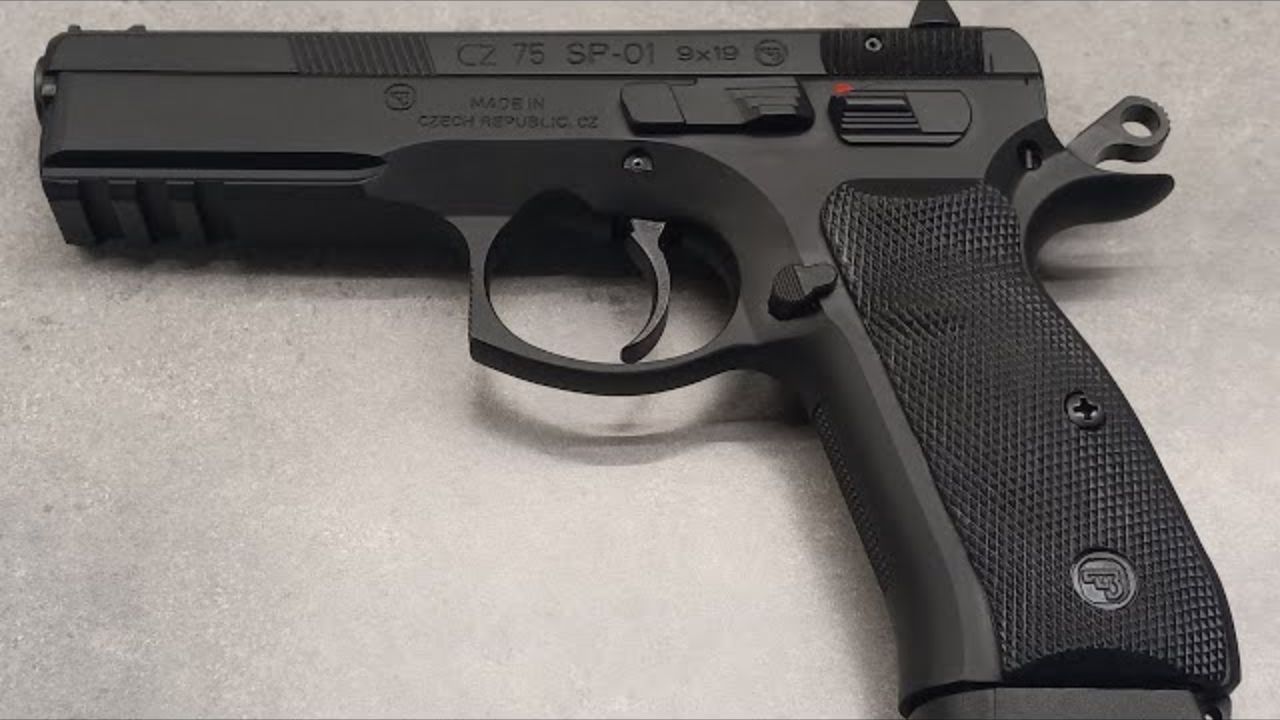
The SP-01 feels like a tank, but it’s still got that manual safety lever sitting where gear can touch it. Holster fit matters a lot here. If your holster doesn’t fully protect the safety, you’re more likely to find it engaged at random times.
A lot of SP-01 owners eventually treat it as a belt gun or a range gun and choose a simpler carry pistol—mostly to avoid that one annoying variable.
HK USP Compact

The USP Compact’s safety/decocker lever is big and usable, which is nice—until it’s too usable. Depending on carry position and gear, that lever can be bumped. It’s not common for everyone, but when it happens, it’s memorable.
HK makes excellent guns. This is purely a “big lever in a real world environment” issue. If your holster doesn’t shield it, you’re rolling the dice.
S&W M&P Shield EZ (thumb safety models)
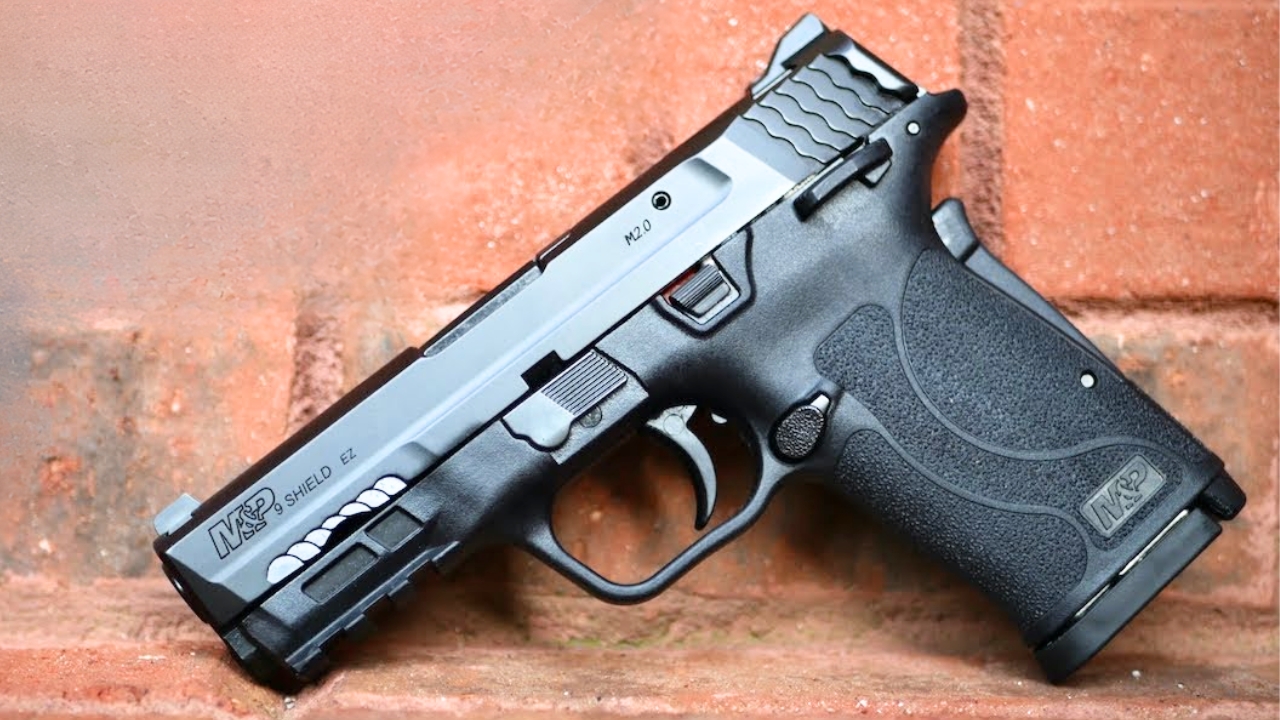
These get bought by a lot of newer shooters because they’re easy to rack and easy to shoot. That also means many owners haven’t built strong habits around safety management. The thumb safety can end up being a surprise when stress hits.
If you carry an EZ, you need reps. A gun that’s meant to be approachable can still betray you if the safety is there and you’re not consistent about checking and training.
Like The Avid Outdoorsman’s content? Subscribe to our newsletter so you never miss an article.
Here’s more from us: