Photo credit: Sophon Nawit/Shutterstock.com
Some cartridges impress you on the bench long before they prove anything in the field. Tight groups can fool you into thinking a round is more capable than it really is, especially when the targets aren’t moving and nothing stands between the bullet and the paper. But once you step into real terrain, deal with bone, brush, wind, and imperfect angles, certain cartridges show they were made for controlled environments—not hunting.
These rounds aren’t useless by any means, but they simply perform best when nothing is required of them except punching neat holes.
5.45×39 FMJ
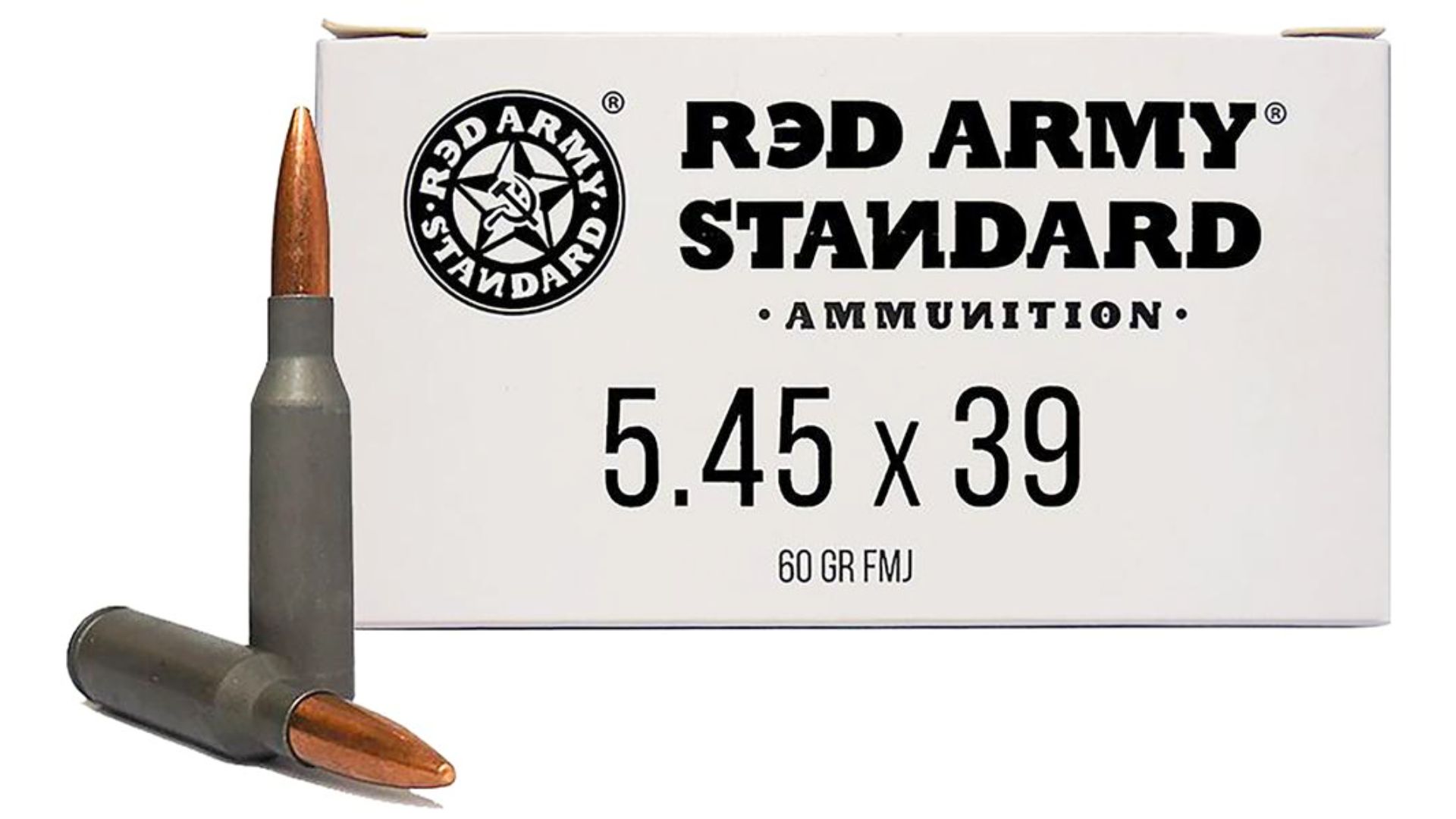
The 5.45×39 FMJ shoots accurately from most AK-74 pattern rifles, which makes it look promising when you’re printing clean paper groups. It’s flat, easy to handle, and inexpensive enough that you can practice with it all day. But the field tells a different story. FMJ bullets in this caliber often fail to expand or break up consistently, and they lack the penetration needed for medium game. When used on living targets, the round can behave unpredictably, leaving narrow wound channels that don’t match the confidence you gained at the range.
.22 TCM
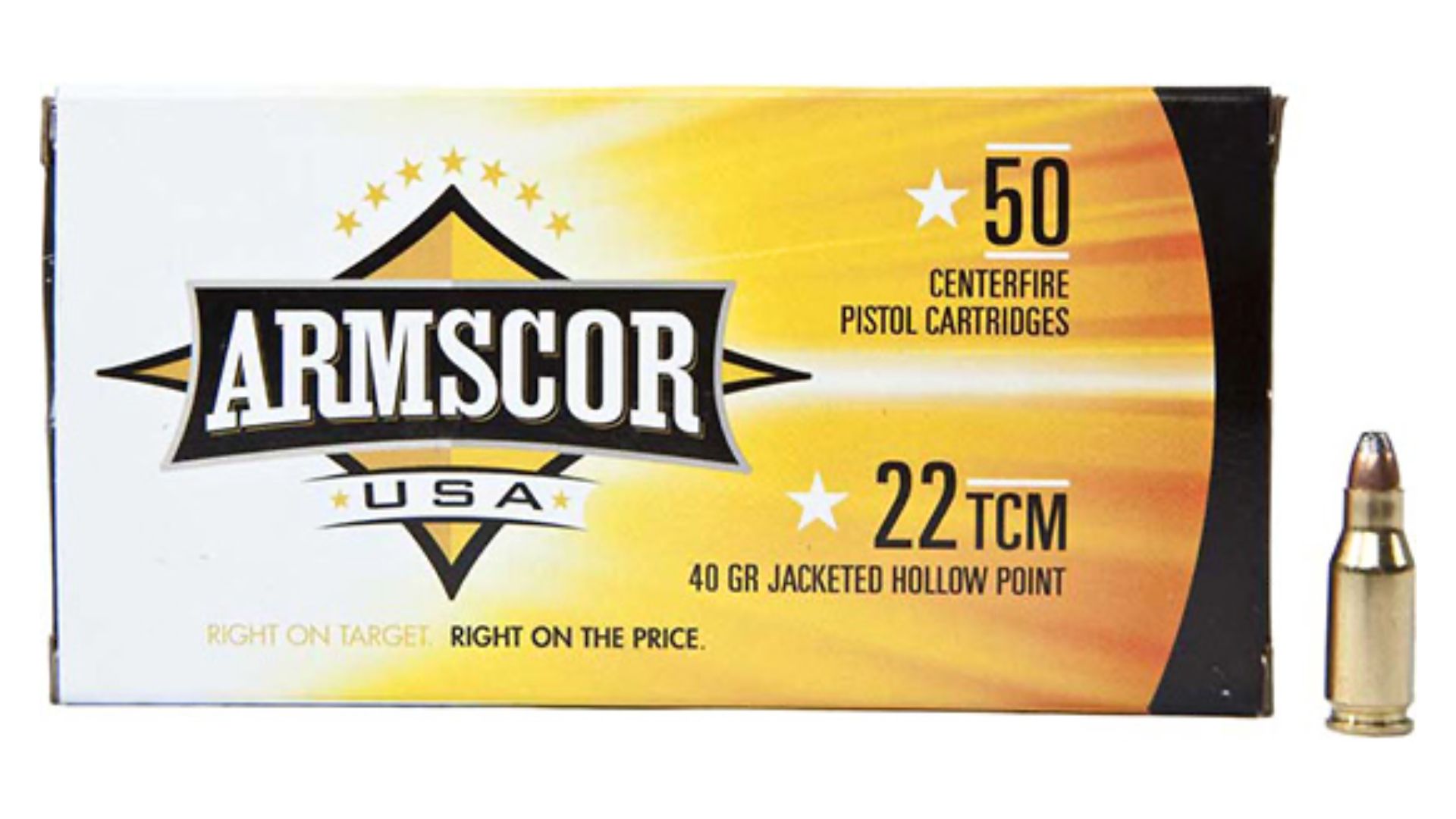
The .22 TCM is a fun, flashy cartridge that produces impressive velocities and great accuracy for its size. On paper, those tight groups and loud muzzle blast convince shooters they’re holding something more capable than it is. But the lightweight bullets don’t translate to meaningful depth or structural disruption on real animals. They fragment early, shed energy fast, and lack the ability to push through heavy hide or bone. It’s a cartridge built for novelty and range entertainment, not consistent field performance or reliable terminal results.
.204 Ruger (Light Varmint Loads)
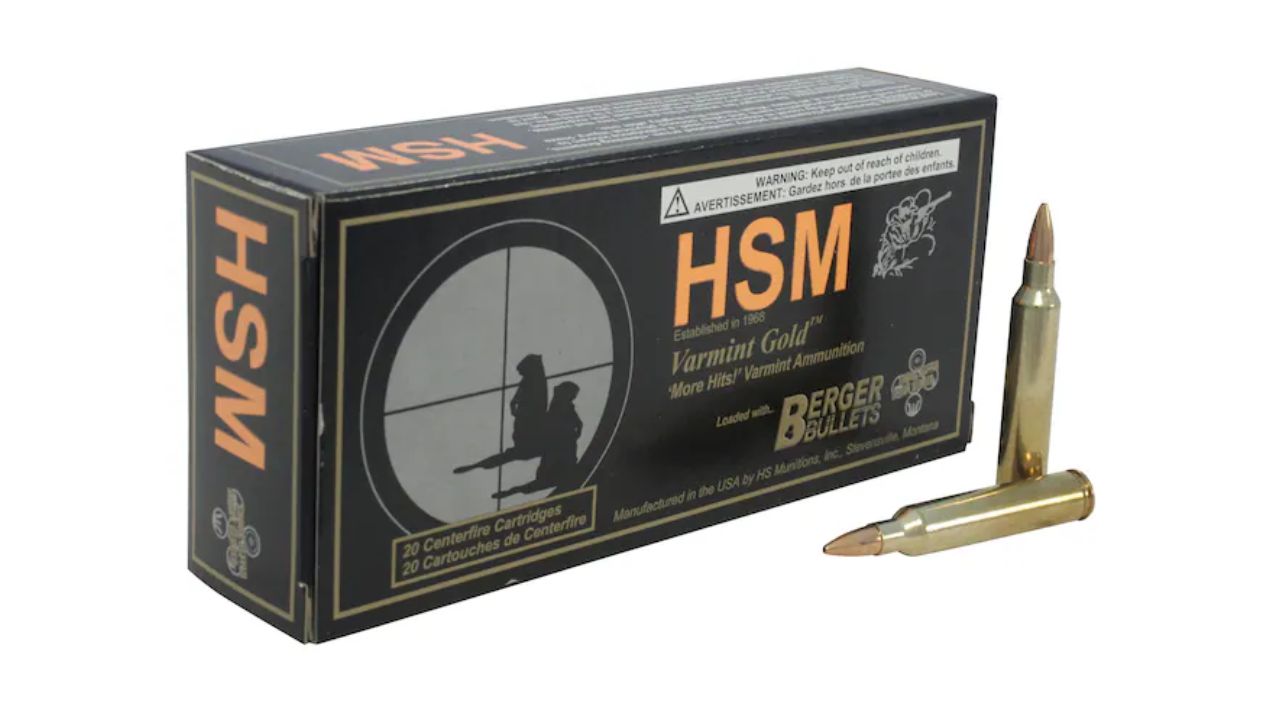
If you shoot the .204 Ruger on a calm day, it’s easy to believe it can handle more than varmints. The accuracy alone is enough to sell you. But the light bullets that make it so flat also limit what it can ethically handle. Those thin jackets come apart quickly on impact, and wind drift becomes a real issue past moderate distances. When you take the cartridge off the bench and into living terrain, its strengths become narrow. It’s superb on prairie dogs, but it doesn’t offer the penetration needed for anything larger.
.221 Fireball
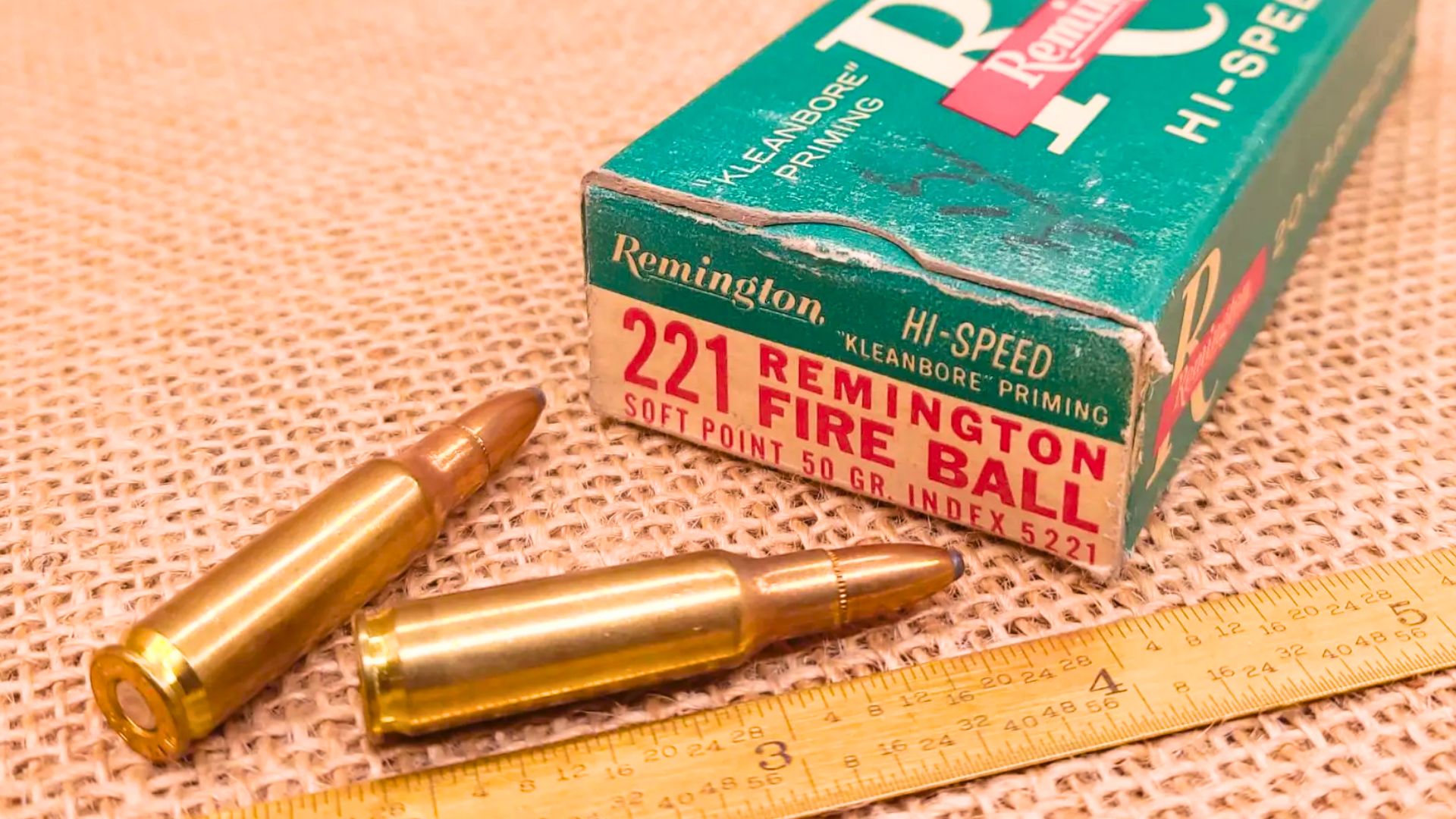
The .221 Fireball produces pleasing accuracy, quiet muzzle blast, and excellent handload potential. On paper targets, it performs like a miniature precision round. But once you expect it to behave like a true centerfire hunting cartridge, its limitations show. Energy drops fast, penetration can be inconsistent, and bullet construction options are limited. It shines in compact rifles and specialty pistols, but those same benefits don’t help you once real tissue, bone, or angles come into play. It’s a bench favorite without broader practical reach.
.30 Luger
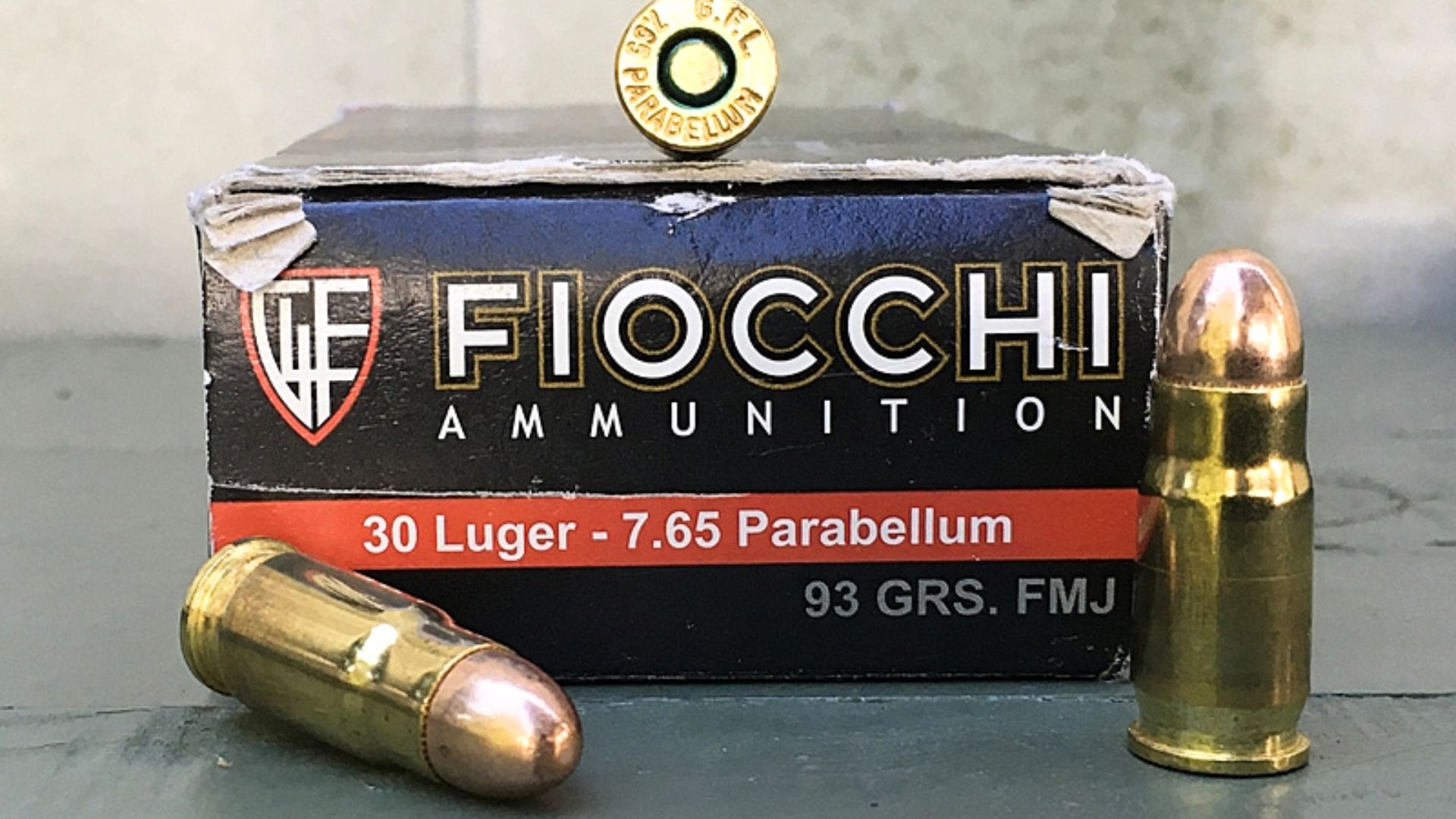
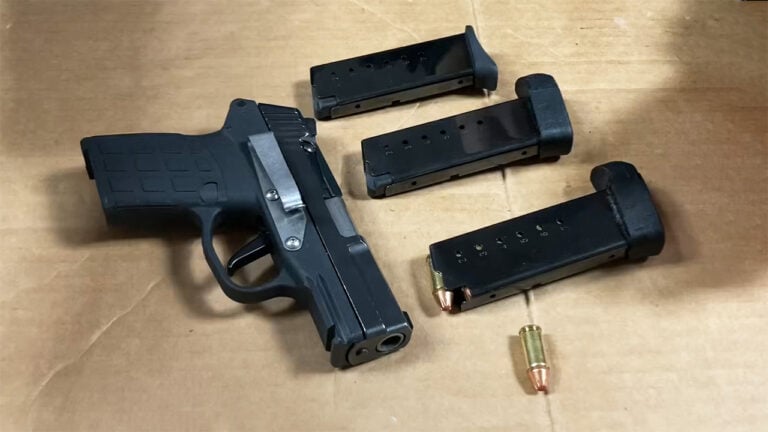
The .30 Luger recoils lightly and shoots surprisingly tight groups from pistols designed around it. On targets, it’s predictable, consistent, and enjoyable for longer practice sessions. But paper hides the truth: the cartridge struggles to deliver meaningful terminal effect. Its narrow, fast-moving bullets lack expansion, and penetration varies dramatically depending on clothing and angle. In real conditions, it produces small, tidy wound channels that don’t translate to stopping power. It’s a fine target caliber but not one that holds up well beyond that role.
.41 Magnum (Cowboy Loads)

When downloaded into cowboy-action levels, the .41 Magnum becomes a soft, accurate, low-recoil round that punches beautiful, clean holes in paper. It tricks shooters into thinking they’re holding serious field power simply because of the caliber designation. But with these mild loads, the real-world performance is far below what the name suggests. Impact velocities drop into ranges that prevent good expansion, and penetration isn’t what you’d expect. It’s excellent for comfortable range time, but you can’t mistake these loads for something suitable outside controlled conditions.
7mm TCU
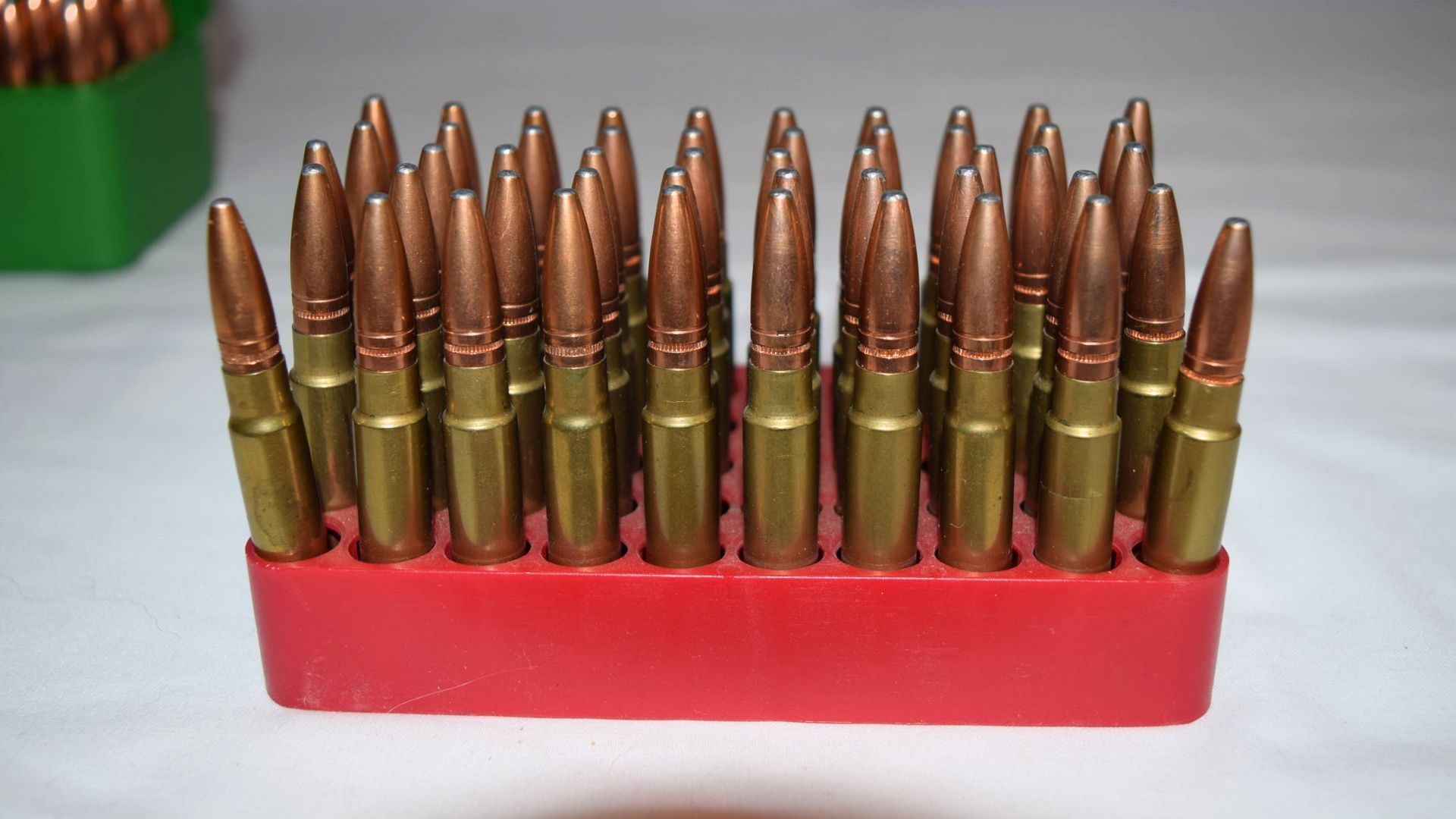
The 7mm TCU is outstanding for metallic silhouette shooting and accurate handloads. In a specialty pistol or compact rifle, it prints neat clusters that feel almost centerfire-rifle precise. But energy levels are low, and bullet selection is limited, especially for deeper-penetrating designs. Once you step off the range and face real hide or even light bone, the cartridge’s lack of weight and velocity becomes clear. It’s tailor-made for competition—not unpredictable hunting scenarios where angles and tissue density demand more horsepower.
.30-30 Accelerator Loads
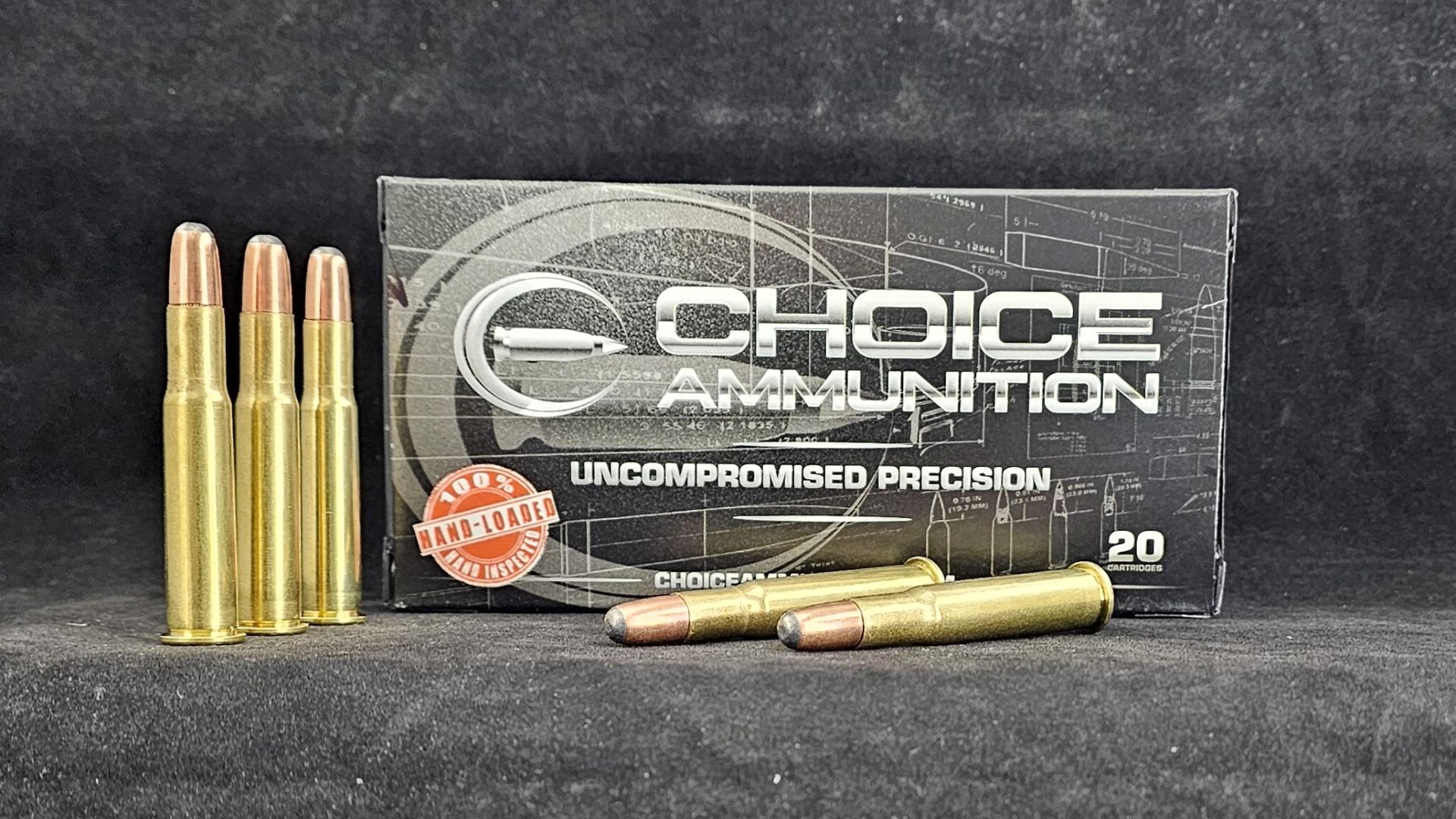
Those accelerator-style saboted rounds for the .30-30 look great on paper. They push small bullets fast and offer surprisingly flat trajectories in rifles never designed for that job. But the terminal performance is disappointing. The lightweight bullets tend to explode on impact instead of driving deep, and they’re extremely sensitive to brush or slight deflection. Hunters often discover that these loads behave perfectly in theory but fall short anywhere outside the bench. For field use, traditional .30-30 bullets outperform them consistently.
.32 H&R Magnum (Light Loads)

With light loads, the .32 H&R Magnum shoots like a dream. Accuracy is excellent, recoil is mild, and the cartridge encourages precision at the firing line. But once you push it into field conditions, it underdelivers. Lightweight bullets can fail to penetrate reliably, and expansion is far from guaranteed at the reduced velocities these loads operate at. It’s a fun and accurate round for plinking or small pests, but as soon as you ask it to perform like a true field cartridge, its shortcomings surface instantly.
.17 WSM

The .17 WSM produces blistering speed and razor-sharp accuracy on targets. But its strengths weaken under real-world variables. Wind drift is significant, impact stability suffers through thick hide, and the tiny bullets lack sectional density. They perform beautifully on small varmints, but anything beyond that introduces reliability issues. The fragmenting nature limits penetration, and angled shots often result in bullets failing to reach vital tissue. It’s a fantastic paper and prairie dog round, but not one you can stretch beyond those uses.
9×18 Makarov (FMJ)
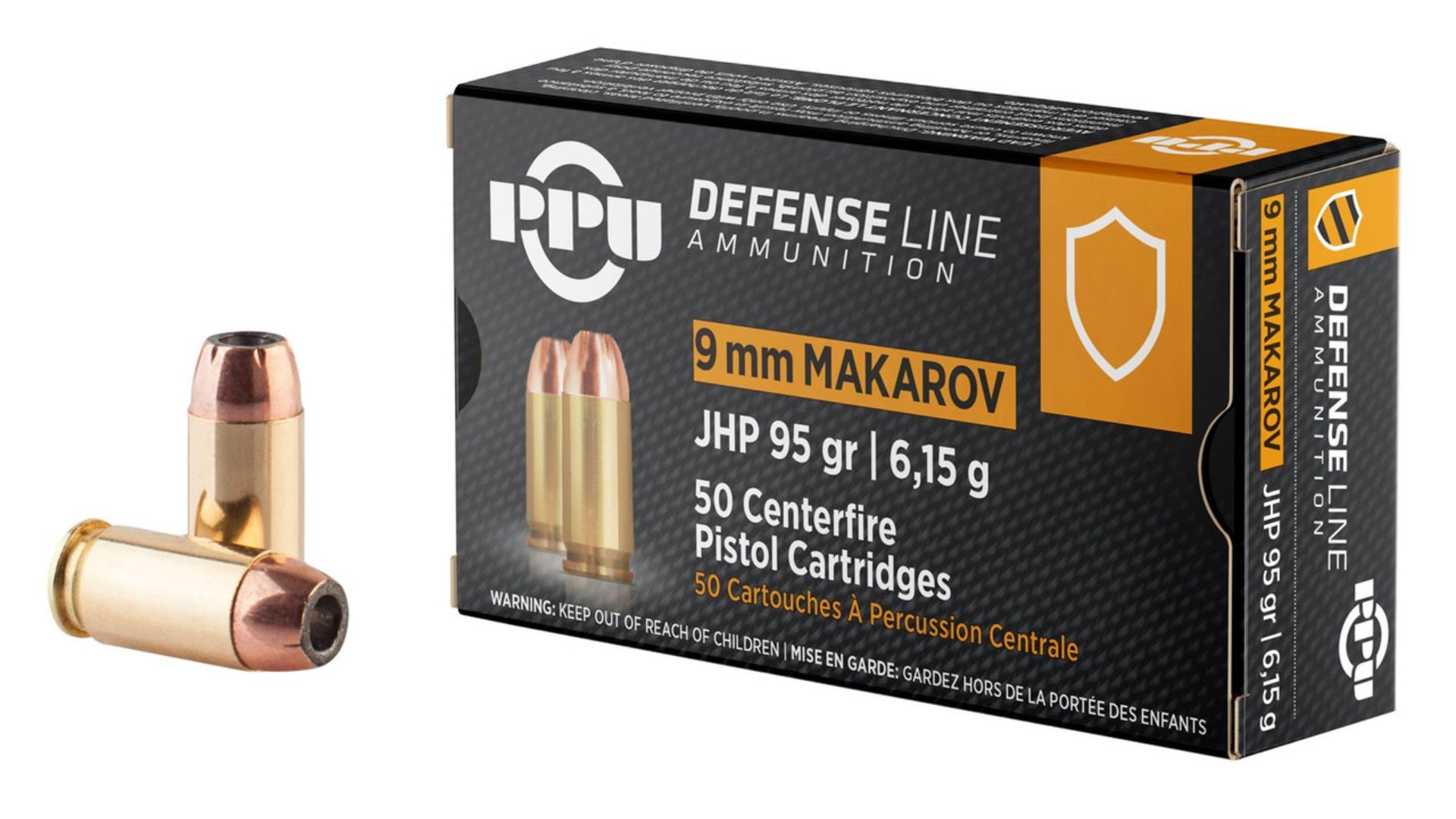
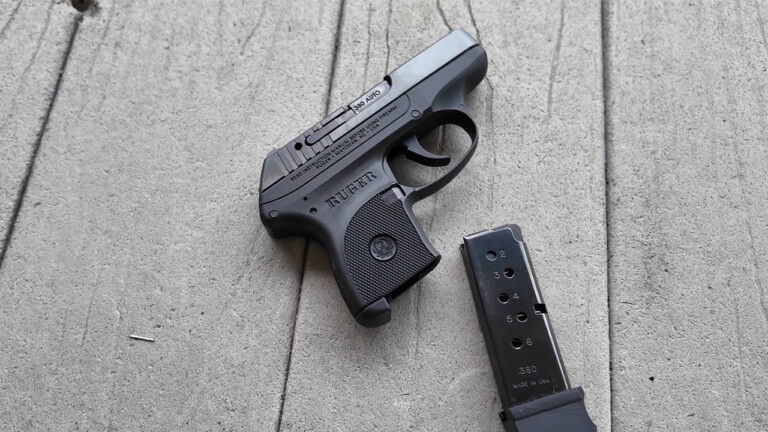
In Mak pistols, FMJ rounds shoot reliably and accurately, and at the range they feel predictable and mild. But in real stopping situations, these FMJs offer minimal disruption. They zip through soft tissue without transferring meaningful energy. Angled shots and thicker clothing can reduce penetration even further. Paper targets don’t reveal how shallow the cartridge’s margin for error is. It’s controllable and fun to shoot, but as soon as real-world variables enter the picture, its limitations become unavoidable.
.45 GAP

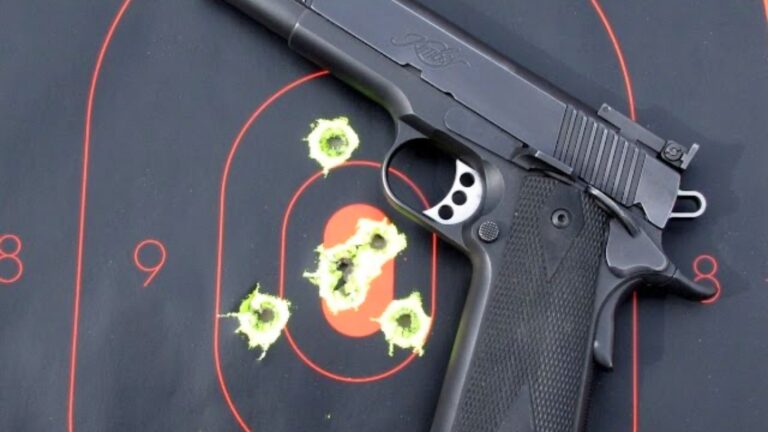
The .45 GAP groups well in pistols designed for it and offers pleasant recoil characteristics for a .45-caliber round. On the bench, it behaves like a refined, compact big-bore option. But real-world performance trails behind modern 9mm and .45 ACP loads. Bullet selection is narrower, and impact energy suffers because the cartridge must work within strict pressure and length limitations. As a result, penetration and expansion don’t keep up with today’s premium offerings. It’s a fine target round, but it falls short outside controlled use.
.38 S&W
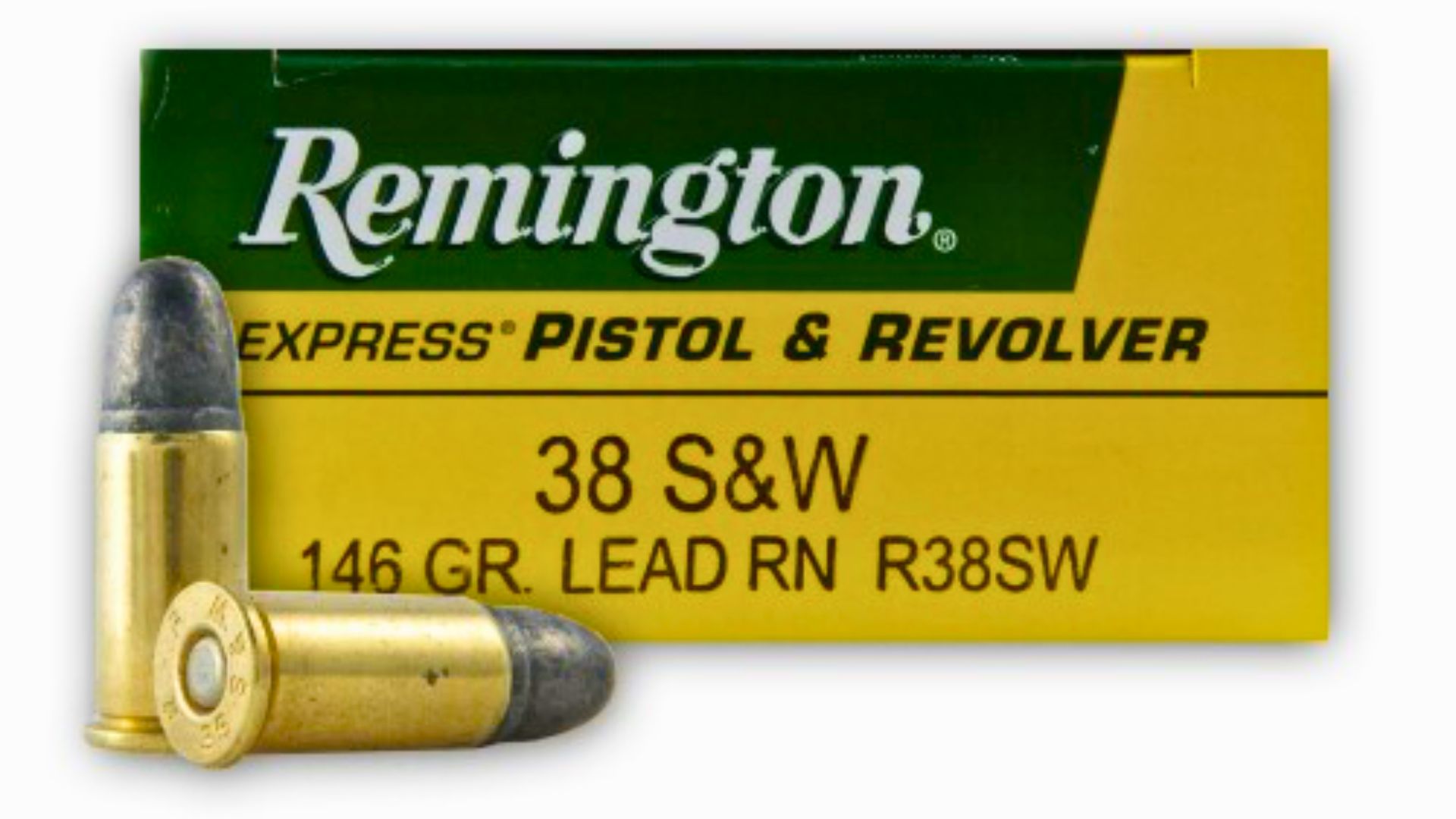
This old-school cartridge still shoots accurately in the revolvers chambered for it. On paper, those slow-moving bullets cut clean circles every time. But the truth is that velocity and energy are extremely limited. Expansion is rare, and penetration on anything tougher than small pests is inconsistent at best. Range performance paints a comforting picture, but real tissue demands depth and disruption that the .38 S&W rarely delivers. It remains a historical and enjoyable round but not a modern field performer.
6mm ARC (Certain Light Match Loads)

With light match bullets, the 6mm ARC produces stellar paper groups. Out to mid-range distances, it behaves like a precision tool and inspires confidence. But those same match bullets aren’t designed for controlled upset inside animals. They fragment erratically or fail to penetrate deep enough, creating inconsistent wound channels. Hunters expecting match-grade accuracy and hunting-grade performance from the same load quickly discover the gap. The cartridge itself is capable, but these specific loads work best strictly on steel or paper.
.410 3-Inch Buckshot
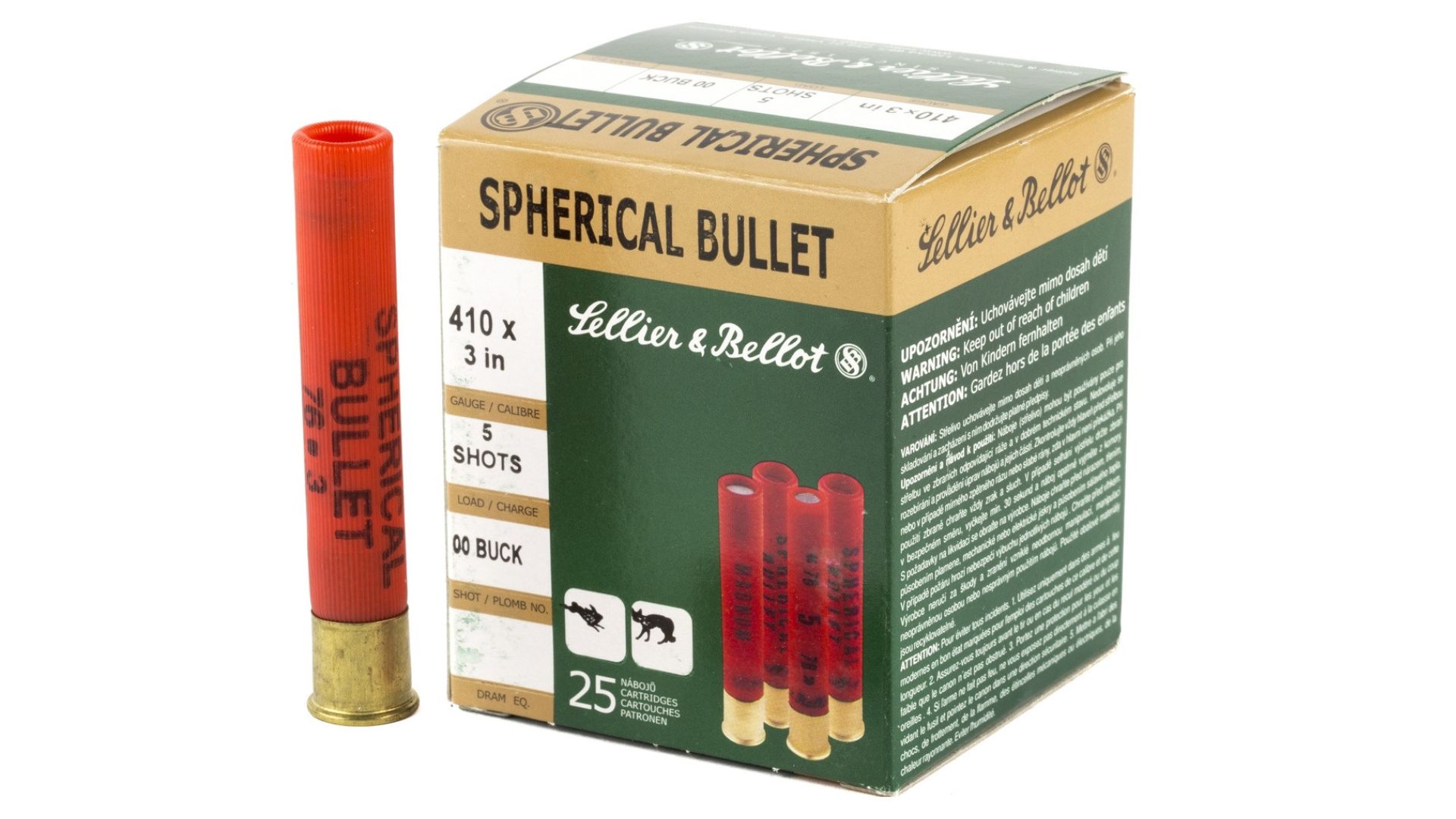
It’s easy to be impressed when .410 buckshot groups well at short distances. On cardboard, it looks tight and efficient. But the pellets are too small and too few to guarantee reliable pattern density on moving game. Penetration on larger animals is spotty, and slight deflection or movement can break the pattern entirely. It’s excellent for farm pests and casual practice but offers little confidence once you take it past the paper target and into unpredictable terrain where consistency matters most.
Like The Avid Outdoorsman’s content? Subscribe to our newsletter so you never miss an article.
Here’s more from us: