Photo credit: FirearmLand/GunBroker
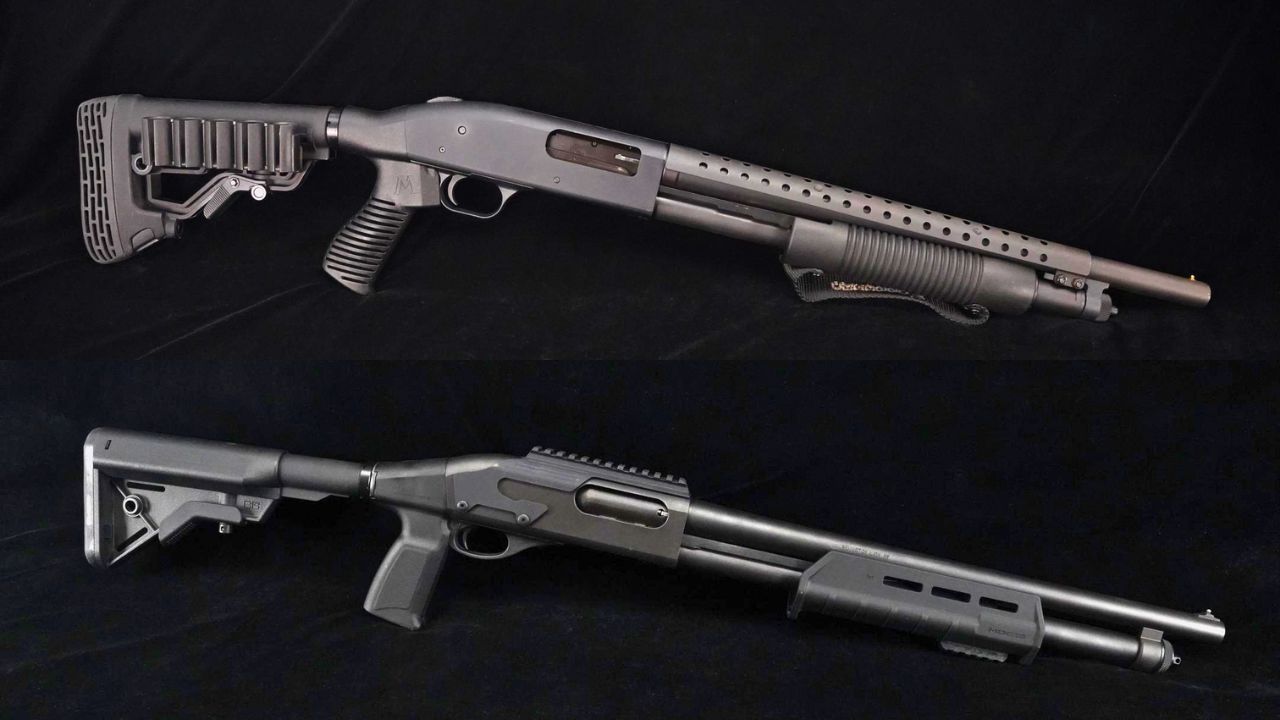
Few debates in the shotgun world have lasted as long as Mossberg 500 versus Remington 870. Both have decades of proven use in hunting blinds, patrol cars, and home-defense setups. Each has a reputation for durability, but they differ in design details, handling, and price. When you compare them head-to-head, you start to see why some shooters swear by one over the other. Here’s what really separates the two pump-action icons.
Action and reliability
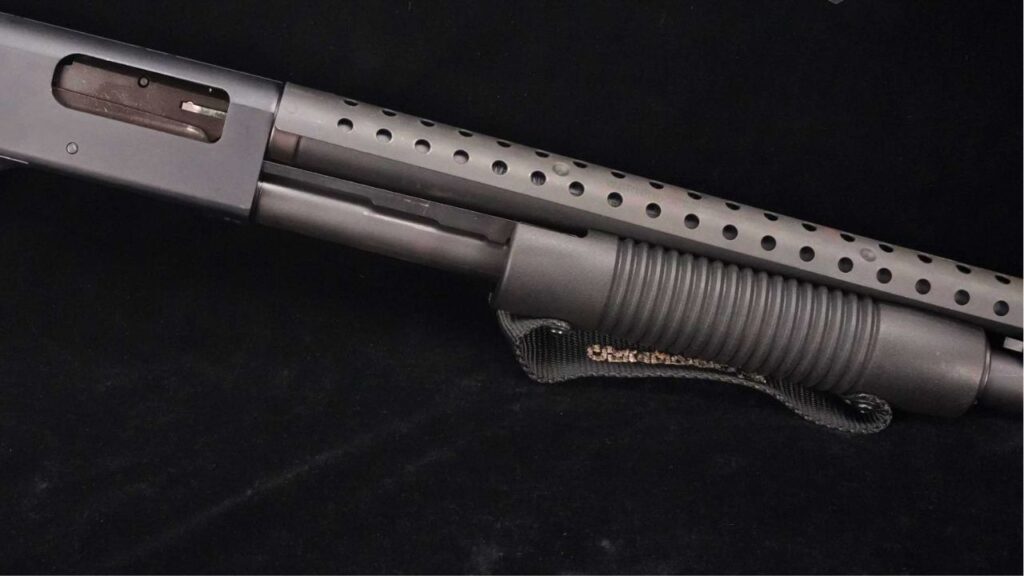
Both shotguns use a pump-action design that’s about as tough as it gets. The 870 has a steel receiver that feels solid and smooth when cycling. The Mossberg 500 uses an aluminum receiver, which keeps weight down but still stands up well to heavy use. Neither is fragile, but the 870’s action often feels tighter out of the box, while the Mossberg’s looser fit can make it less sensitive to dirt and grit.
Safety placement
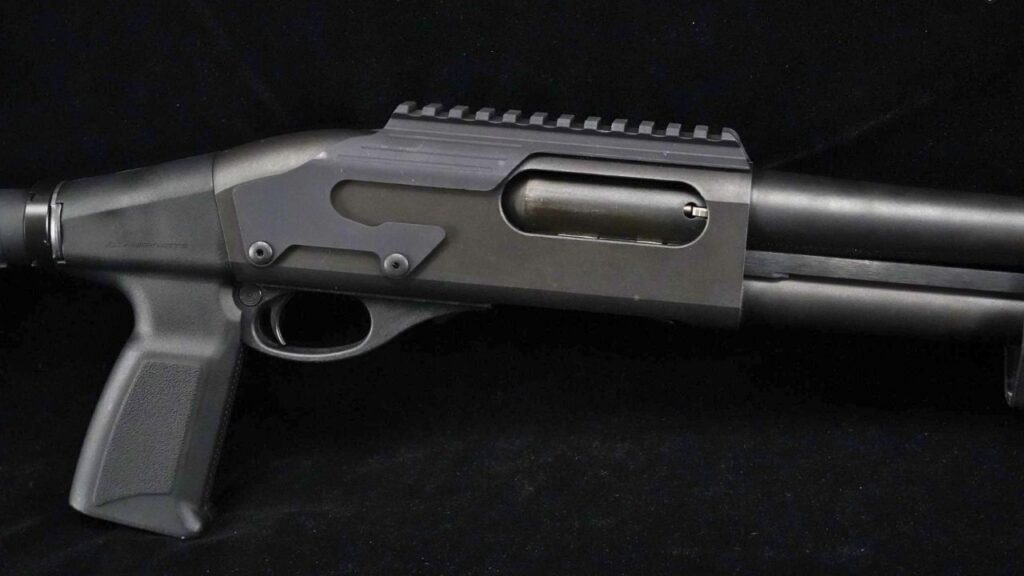
One of the biggest differences is safety location. On the Mossberg 500, you’ll find the safety on top of the tang, making it ambidextrous and easy to hit with your thumb. The Remington 870 uses a cross-bolt safety behind the trigger. If you’re right-handed, that’s fine, but left-handed shooters may find it awkward. This single detail is often a deciding factor for hunters who want a shotgun that’s quick and instinctive to operate.
Trigger feel
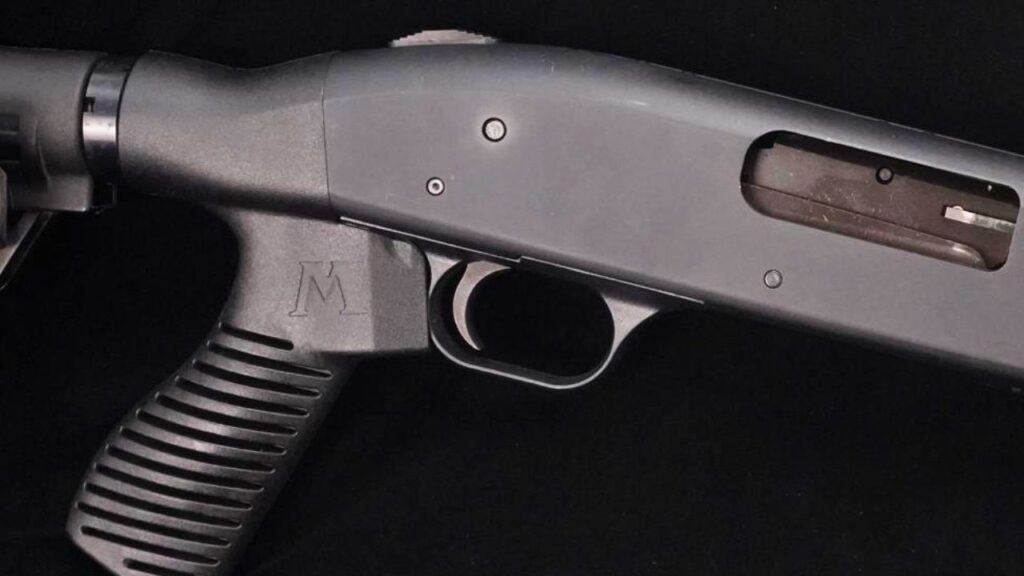
Neither shotgun is built with match-grade triggers, but there’s a difference in how they break. The 870 typically has a heavier, more predictable pull that some shooters prefer for consistency. The Mossberg 500’s trigger feels lighter but less crisp. For hunting or home defense, both get the job done, but if you’re picky about trigger performance, you’ll probably notice the 870’s trigger control is easier to master.
Barrel and choke options
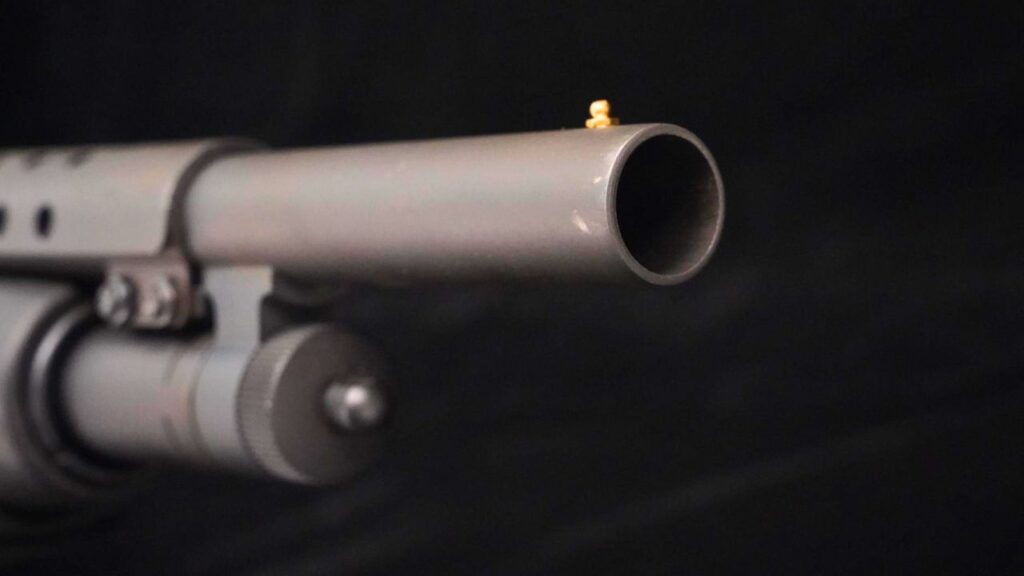
The Mossberg 500 wins points for versatility. You can swap barrels easily, and there’s a wide aftermarket of options for hunting, defense, or tactical use. Remington 870s also have many barrel and choke options, but swapping requires a bit more effort. If you’re someone who likes to adapt one shotgun to different roles, the Mossberg makes that transition smoother. The aftermarket support for both is huge, but Mossberg holds the edge in user-friendly changes.
Weight and balance
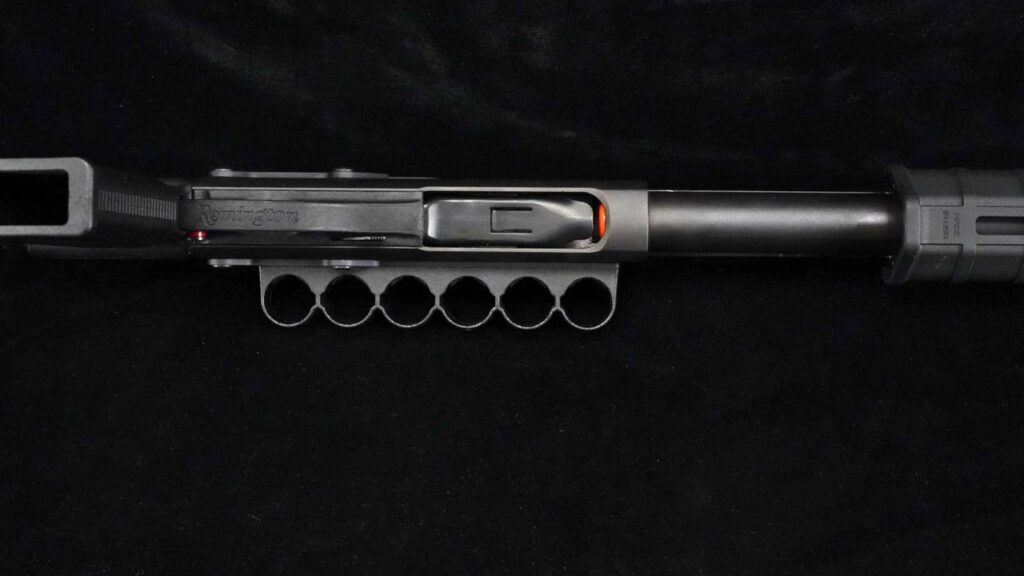
The Mossberg 500 is generally lighter thanks to its aluminum receiver. That makes it easier to carry all day in the field, but it also means more felt recoil. The 870’s extra weight gives it better balance and softer shooting characteristics. If you plan on long hunting hikes, the Mossberg might feel better on your shoulder. If you’re running heavy loads or shooting a lot of shells at the range, the 870 often proves more comfortable.
Price and availability
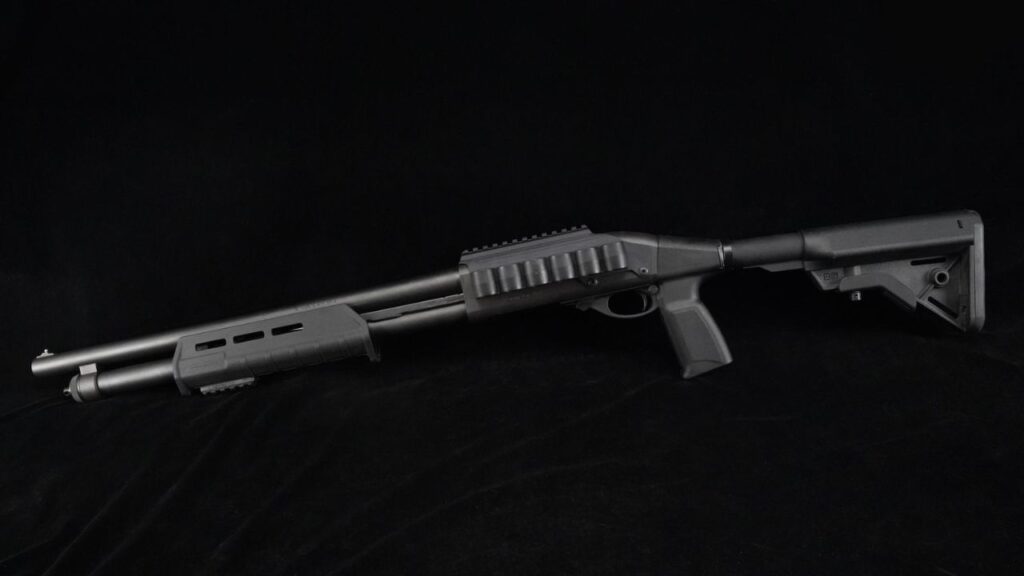
One reason the Mossberg 500 is so popular is affordability. It’s usually priced lower than the Remington 870, while still offering reliable performance. The 870 tends to cost more, especially in higher-grade models, but it also feels like a step up in refinement. For budget-conscious shooters, the Mossberg delivers tremendous value. For those who want extra polish and don’t mind paying a bit more, the 870 is still widely available and worth considering.
Fit and ergonomics
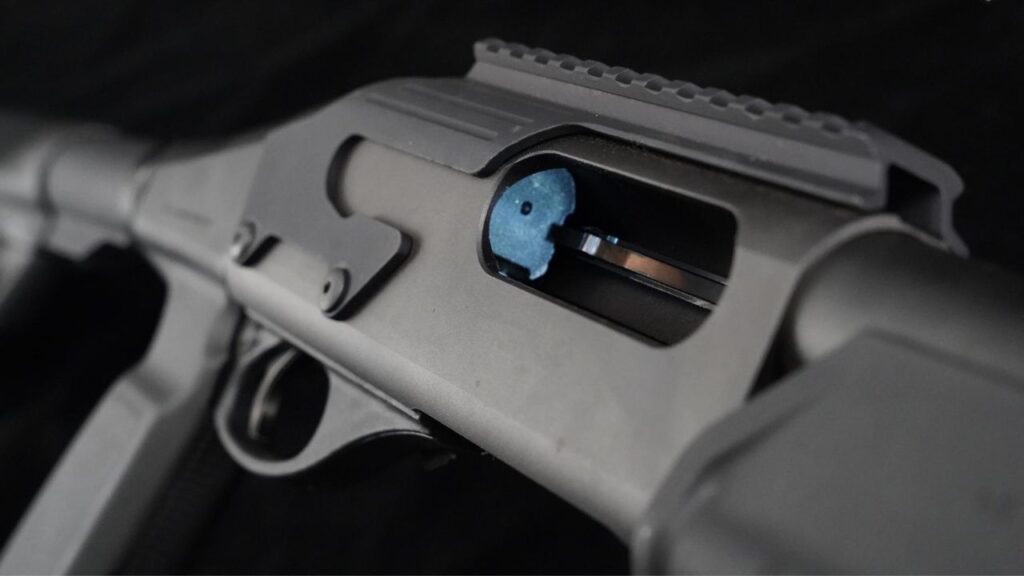
Ergonomics are subjective, but differences are clear. The Mossberg’s forend sits farther forward, which can be a stretch for shorter shooters. Its top-mounted safety is intuitive, especially when wearing gloves. The Remington 870’s stock geometry often feels more natural to many, and its forend sits closer, which makes cycling quicker for some. If you can shoulder both, you’ll know almost immediately which one feels more natural in your hands.
Durability in the field
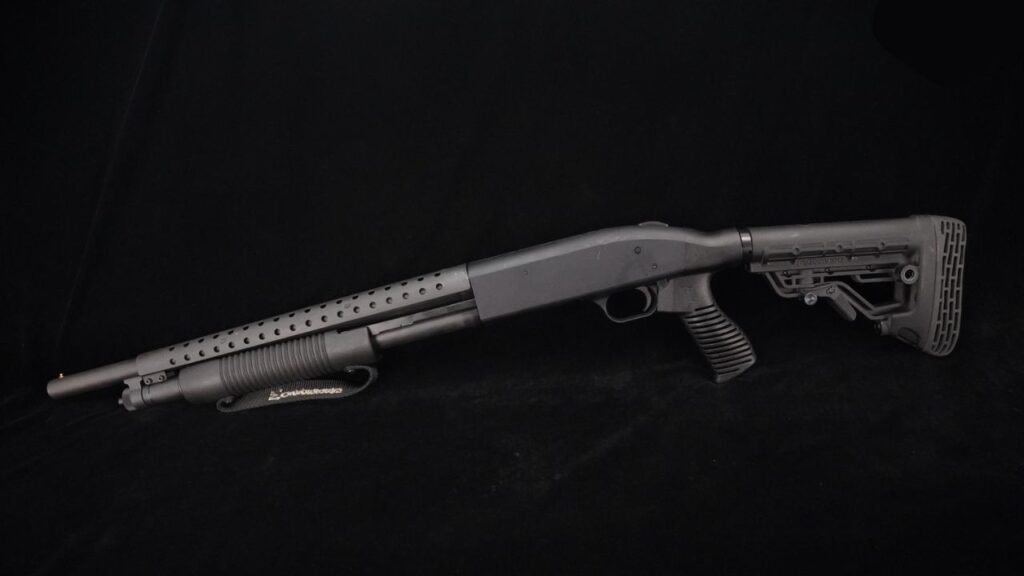
Both guns are known for taking abuse, but in different ways. The 870’s steel receiver and tighter tolerances make it feel more rugged over decades of use. The Mossberg’s looser tolerances mean it can run dirty and still function when some guns would seize up. Neither is fragile, and both have military and police contracts behind them. But in harsh environments, the Mossberg’s ability to shrug off grit often gives it the edge.
*This article was developed with AI-powered tools and has been carefully reviewed by our editors.