Photo credit: The Canadian Gun Vault Inc./YouTube
Some guns get dismissed for the exact reason they later become painful to buy. They looked too odd, too plain, too cheap, too niche, or too tied to the wrong crowd at the wrong time. So people joked about them, passed on them, and acted like they would always be there if anyone ever got serious. That is usually when the market starts setting the trap.
Then something changes. Supply tightens, collectors wake up, shooters start rethinking old assumptions, or the gun simply survives long enough for people to realize it had more going for it than they gave it credit for. Suddenly the same gun people used to laugh off starts bringing real money and real regret. These are guns people laughed at until the market proved otherwise.
Colt All American 2000

The All American 2000 was an easy punchline for years. It had the Colt name, but not the kind of reputation anyone was proud to bring up, and for a long time it felt like one of those pistols people mentioned only to make fun of. That made it very easy for buyers to ignore completely.
That sort of ridicule never lasts forever when the gun is weird enough, rare enough, and tied to a major name. Over time, people started looking at it less like a failed idea and more like a strange Colt chapter that was never going to be repeated. It stopped being just a joke and started becoming one of those pistols collectors wanted precisely because it had once been mocked so casually.
Remington Nylon 76 Trailrider
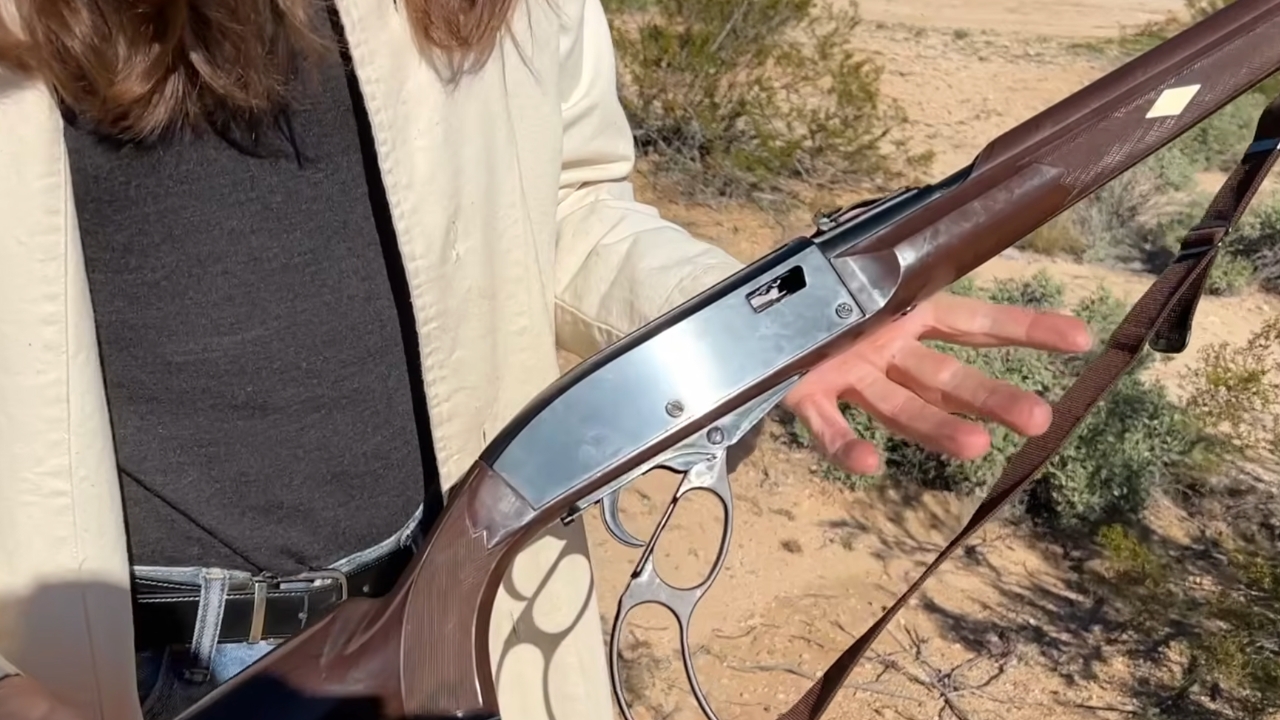
The Trailrider sat in the kind of lane people love to underestimate. It was a polymer-framed rimfire revolver from an older era, which made it sound like a toy to buyers who assumed serious collector interest would always live somewhere else. Plenty of people treated it like a quirky footnote and nothing more.
Then the market started paying harder attention to unusual Remington Nylon-family pieces and guns that stood apart from the usual steel-and-walnut collector script. The Trailrider went from novelty-adjacent to legitimately desirable. A lot of buyers laughed because it looked too odd to matter. The market eventually decided odd was exactly the point.
Winchester 88 in .358 Winchester
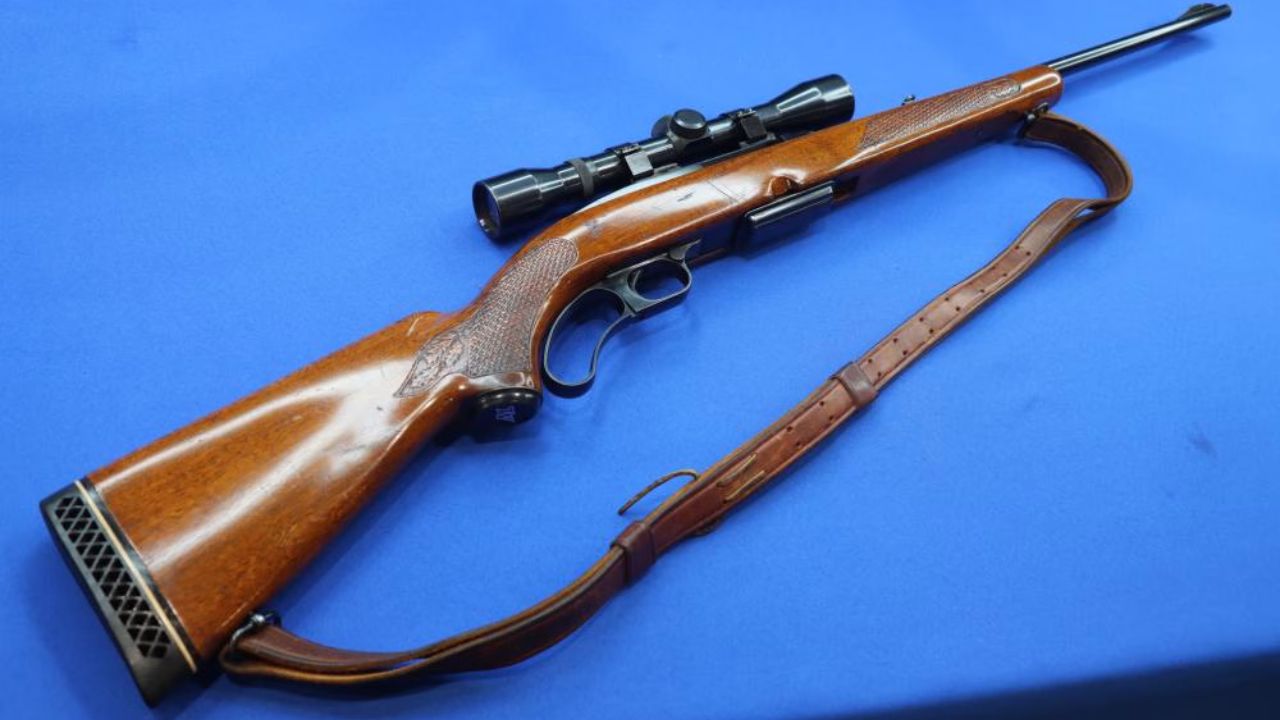
The .358 version of the Winchester 88 used to get brushed aside by buyers who treated it like an overly specific chambering in a rifle that was already different enough to confuse people. That made it easy to leave on the rack while chasing something more familiar and supposedly safer.
Then scarcity and field usefulness started doing their work. Once enough buyers realized what a handy, uncommon, and capable combination it really was, the tone changed fast. People who once laughed at it as a niche deer-camp oddball found out the niche had become expensive and the oddball had become respected.
Smith & Wesson Sigma
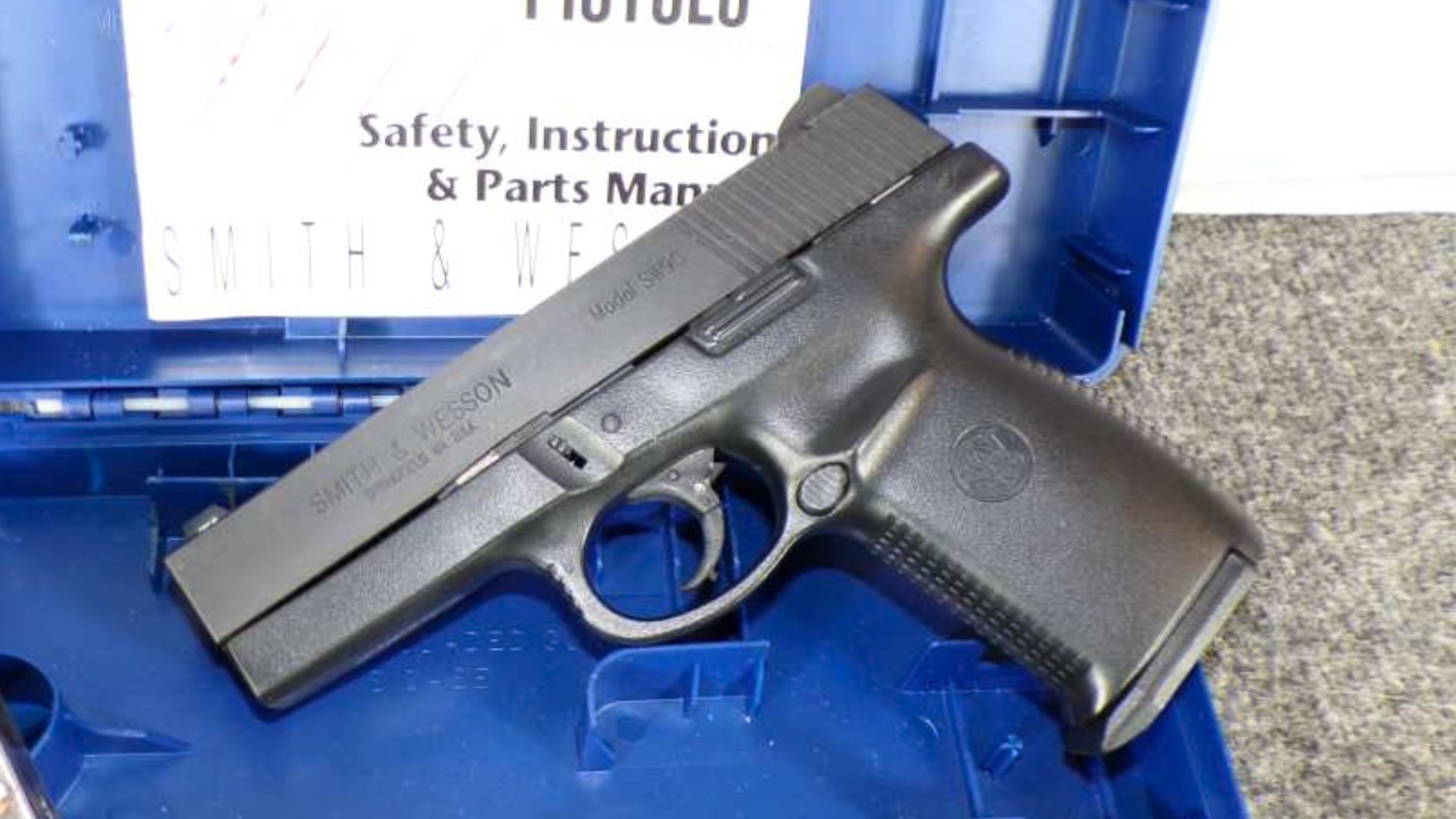
The Sigma spent years as a favorite target for jokes. It got dismissed as a budget answer, a knockoff story, or the pistol people bought only because they could not get what they really wanted. That kind of reputation sticks hard in the gun world, and for a long time it kept people from giving the platform much credit at all.
But markets do not always care about old forum jokes. Plenty of those pistols kept working, kept selling, and kept existing as early examples of something that later became much more mainstream in handgun design. No, it did not turn into a holy grail collector pistol, but it absolutely proved that being laughed at early does not stop a gun from becoming more important and more validated than its critics expected.
Marlin Levermatic 62
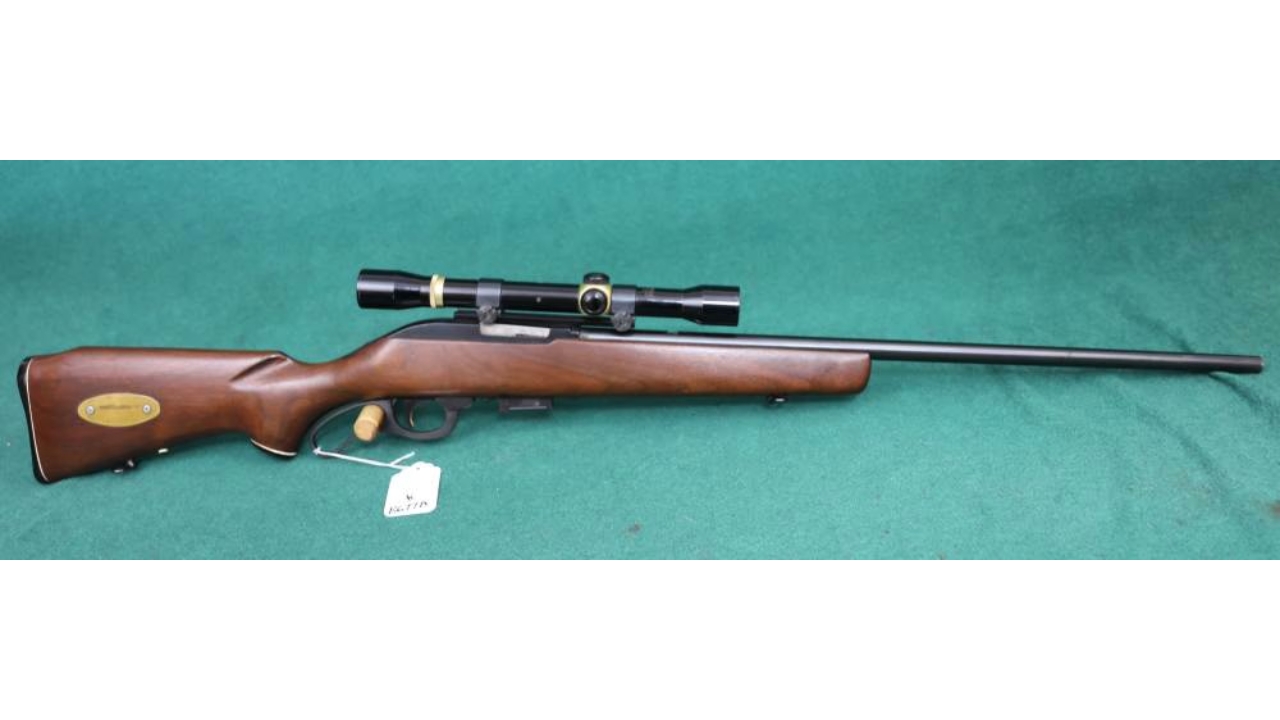
The Levermatic looked weird enough to make traditionalists laugh and modernists shrug. It was not the lever gun people thought they wanted, and it was not modern enough to earn easy praise from buyers who were chasing something cleaner or more conventional. For a while, that made it feel like a clever misfire more than a real opportunity.
Then enough shooters and collectors got past the first impression. The fast action, compact size, and unique feel started turning into real strengths instead of conversation pieces. The same gun people once laughed at for being different became the one they wished they had bought before different turned into desirable.
Heckler & Koch VP70
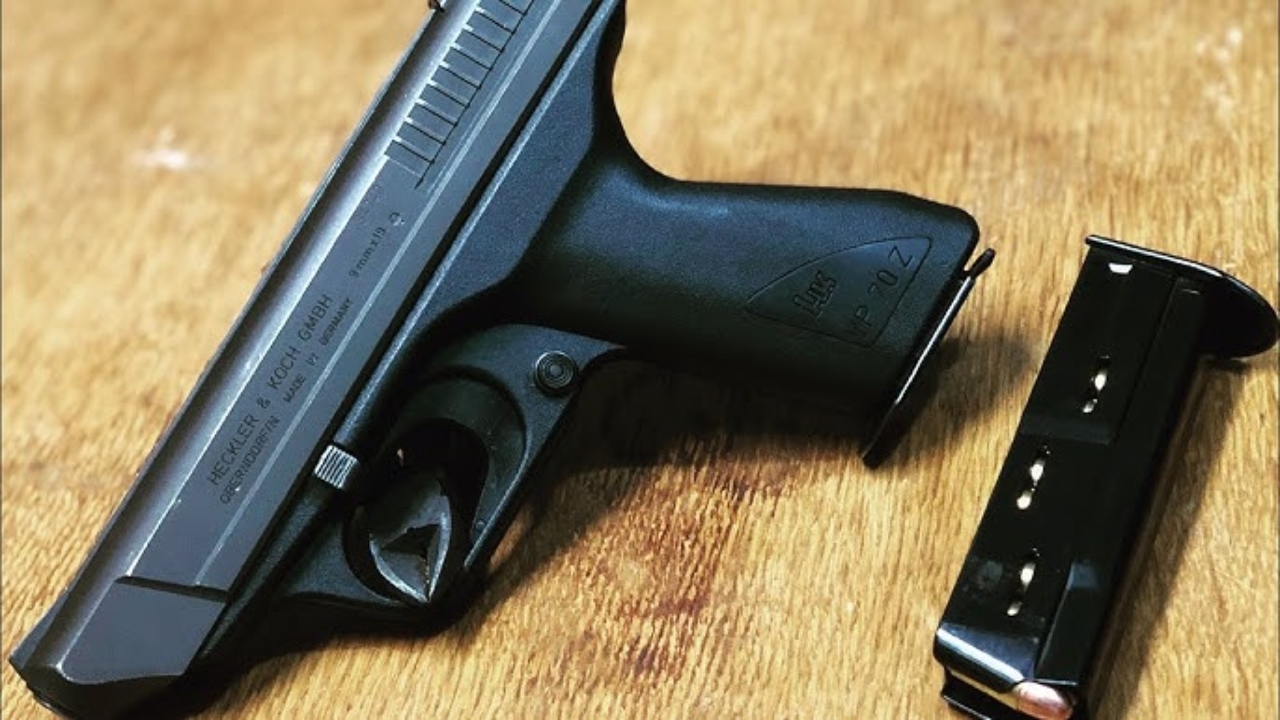
The VP70 had no trouble attracting criticism. The trigger, the looks, the whole odd feel of the pistol made it easy for people to dismiss it as an awkward dead-end design from a company better known for doing other things much better. Buyers laughed because it did not feel polished in the ways they expected.
That did not stop it from getting more serious with time. The VP70 carried too much design significance and too much uniqueness to stay a joke forever. Collectors eventually stopped asking whether it was pleasant and started asking whether they could still get one at anything like yesterday’s price. By then, the laughter had stopped helping.
Savage 99 in .22 Hi-Power

A Savage 99 in .22 Hi-Power was exactly the sort of thing many buyers used to chuckle at. The cartridge sounded odd, the combination felt dated, and a lot of people treated it like one of those old ideas that existed mainly to be politely ignored. It did not fit the usual collector excitement very neatly.
That awkwardness became value later. Once buyers started looking harder at uncommon 99 chamberings and recognizing how much the platform as a whole had matured in collector eyes, the old joke chambering became the smart pickup people wished they had not mocked. It turned out that weird old Savage combinations did not need mass appeal to become expensive.
Colt Double Eagle
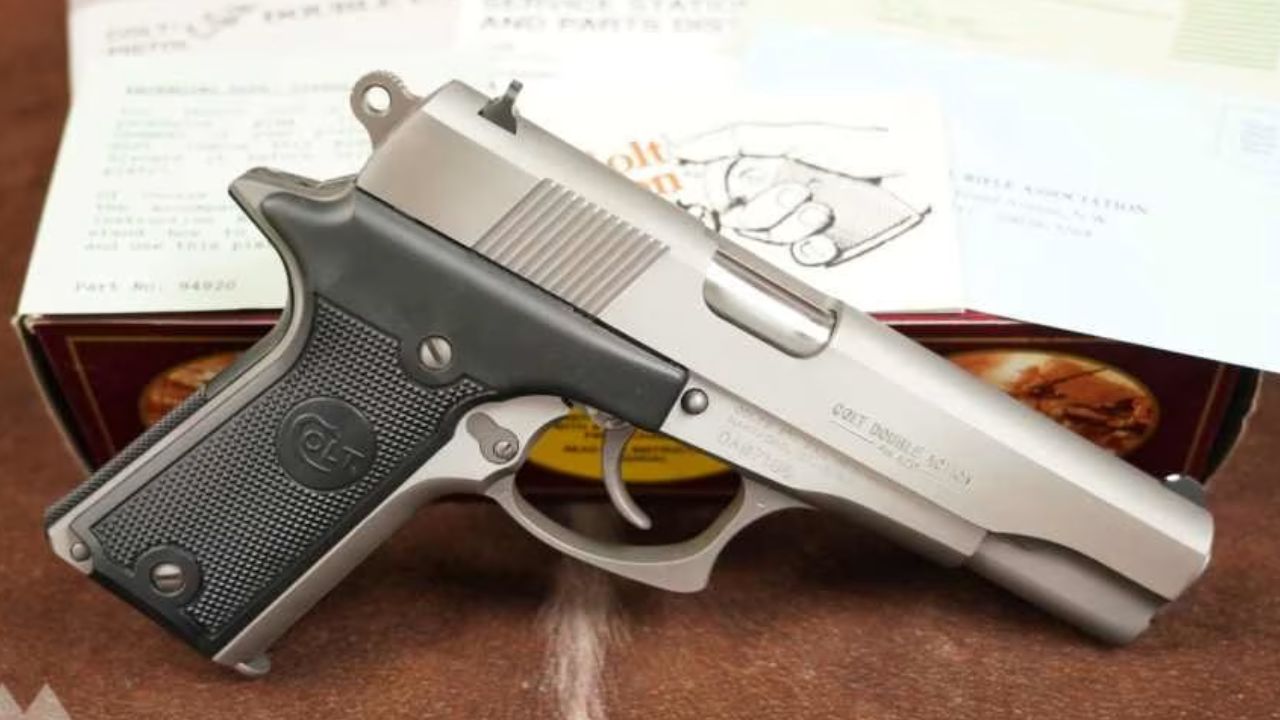
The Double Eagle was mocked for not being the Colt people wanted it to be. That was the whole issue. Buyers laughed because it was a Colt that refused to fit the clean mental category they had built for the brand, and that made it easy to treat as a mistake rather than a meaningful piece of Colt history.
The market eventually got less emotional and more curious. Strange Colts with short, awkward, or unpopular stories rarely stay cheap forever. The Double Eagle began attracting exactly the sort of buyers who once would have ridiculed it, because once the obvious stuff gets expensive, the weird stuff becomes very interesting. That is how the market proved the mockery had been shortsighted.
Browning BPR
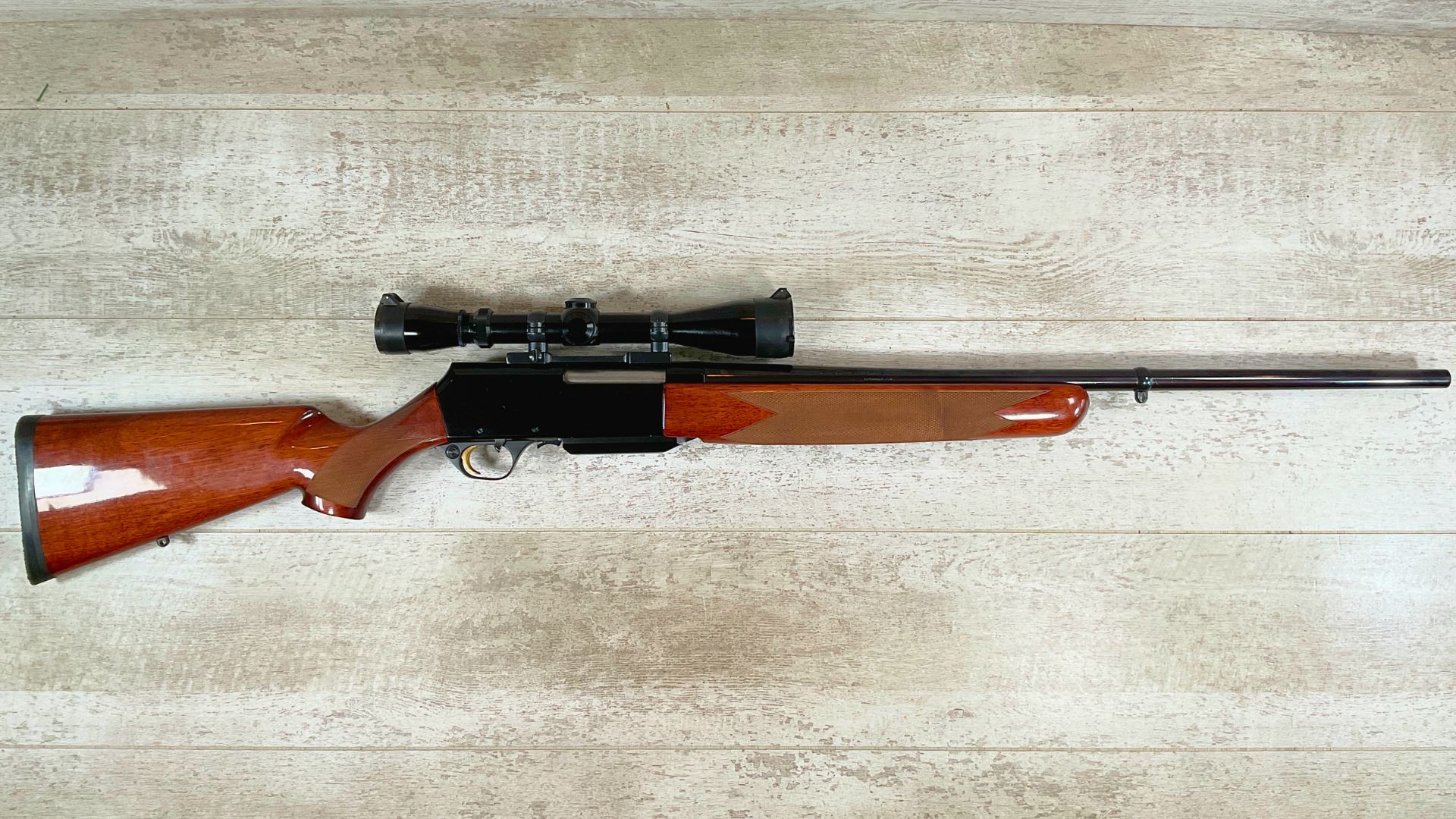
The BPR always had the problem of looking too plain and too pump-action to be taken seriously by buyers who thought the “right” sporting rifle had to be either a bolt or a lever. That made it easy to dismiss as a low-glamour compromise rifle that would never really matter outside a narrow group of practical hunters.
Then time cleaned up the conversation. People began noticing that practical, well-made pump rifles with Browning quality behind them were not actually going to stay in the ignored category forever. The BPR did not suddenly become flashy. It simply became recognized for what it had always been: smarter and scarcer than the jokes suggested.
Star Megastar
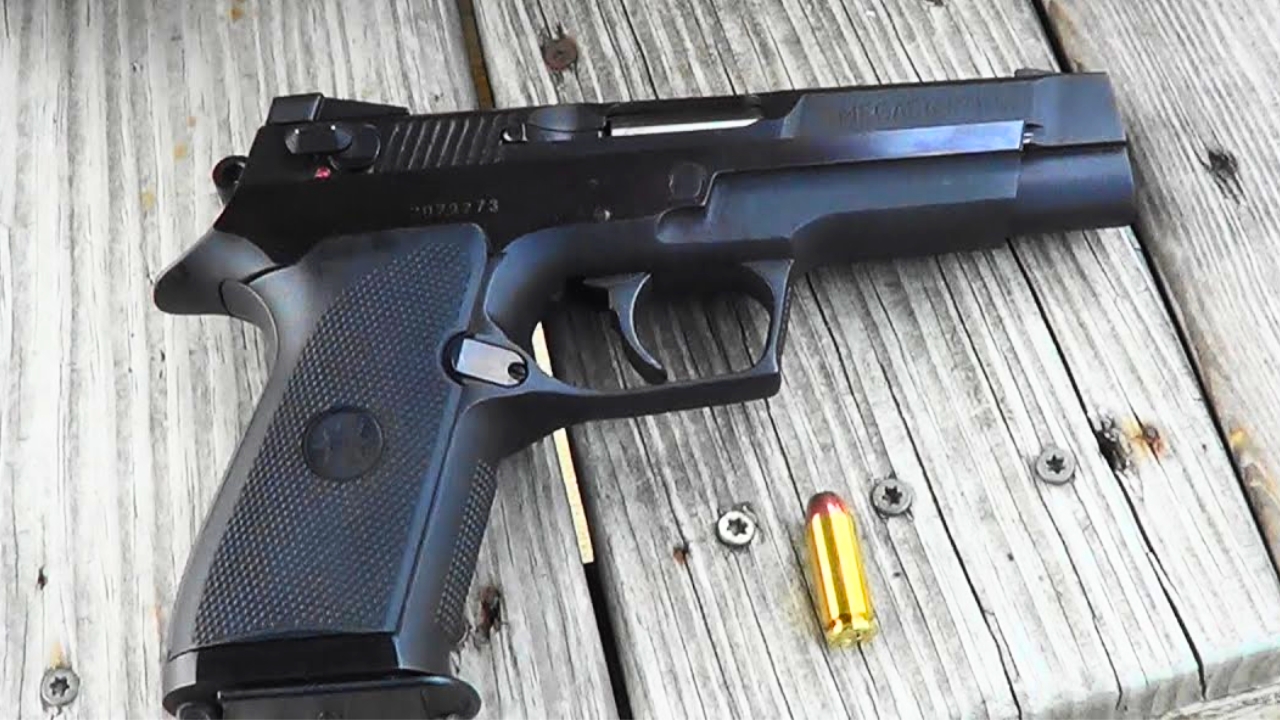
The Megastar looked like too much gun and too much metal for too many buyers. It was bulky, intense, and easy to laugh at in a market that was already moving toward lighter and more streamlined pistols. For years, plenty of shooters treated it like a hulking curiosity from an era of excess.
Then the market matured around it. Big, overbuilt, all-steel pistols in serious chamberings stopped looking silly and started looking distinctive. The Megastar gained respect because it was never timid, never generic, and never likely to be made the same way again. Once buyers figured that out, the old jokes got a lot less funny.
Ruger 96/22
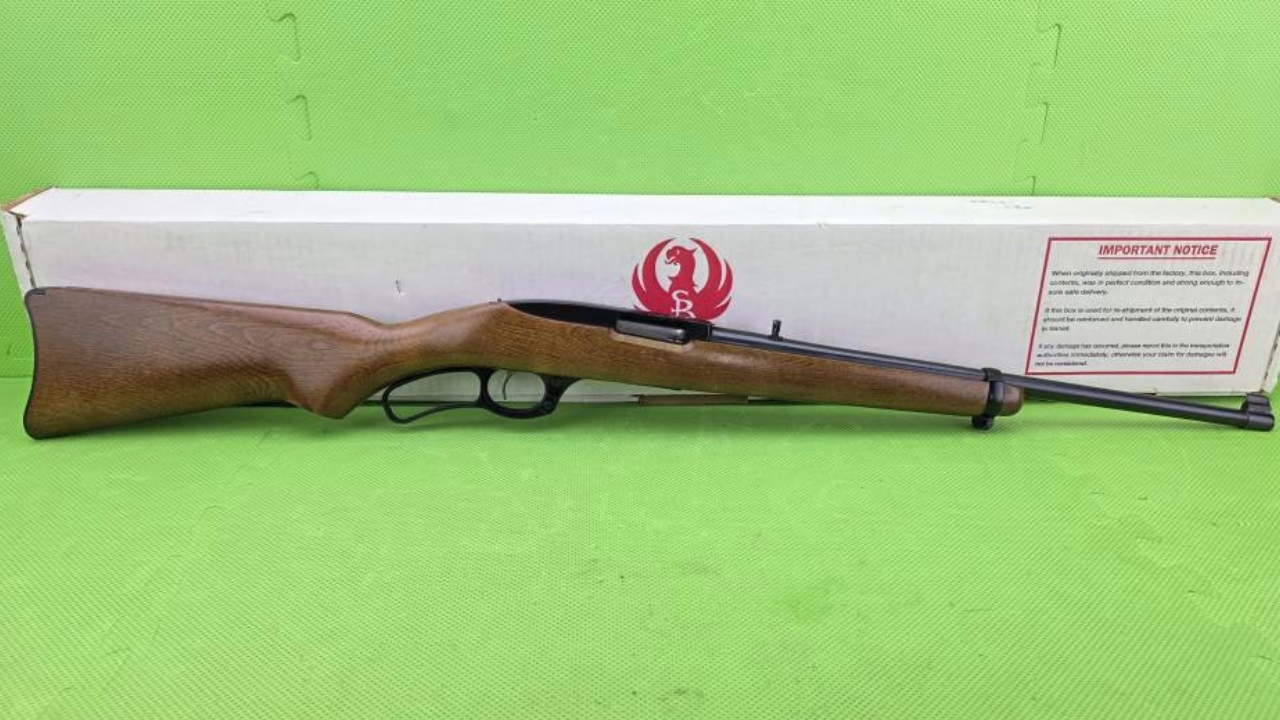
The 96/22 was easy to laugh at because it looked like Ruger had made a lever gun for people who could not quite decide what they wanted. It sat in a strange spot, and a lot of buyers responded to that by treating it like a novelty that would never command much seriousness from anybody.
That was a lazy read. Once the rifle stopped being common, people started appreciating the exact things they had laughed off before: handy size, rotary-magazine practicality, and a distinct place in Ruger history. The market proved that weird, useful, and discontinued is a combination that deserves a lot more respect than the first round of jokes usually allows.
Beretta 21A Bobcat
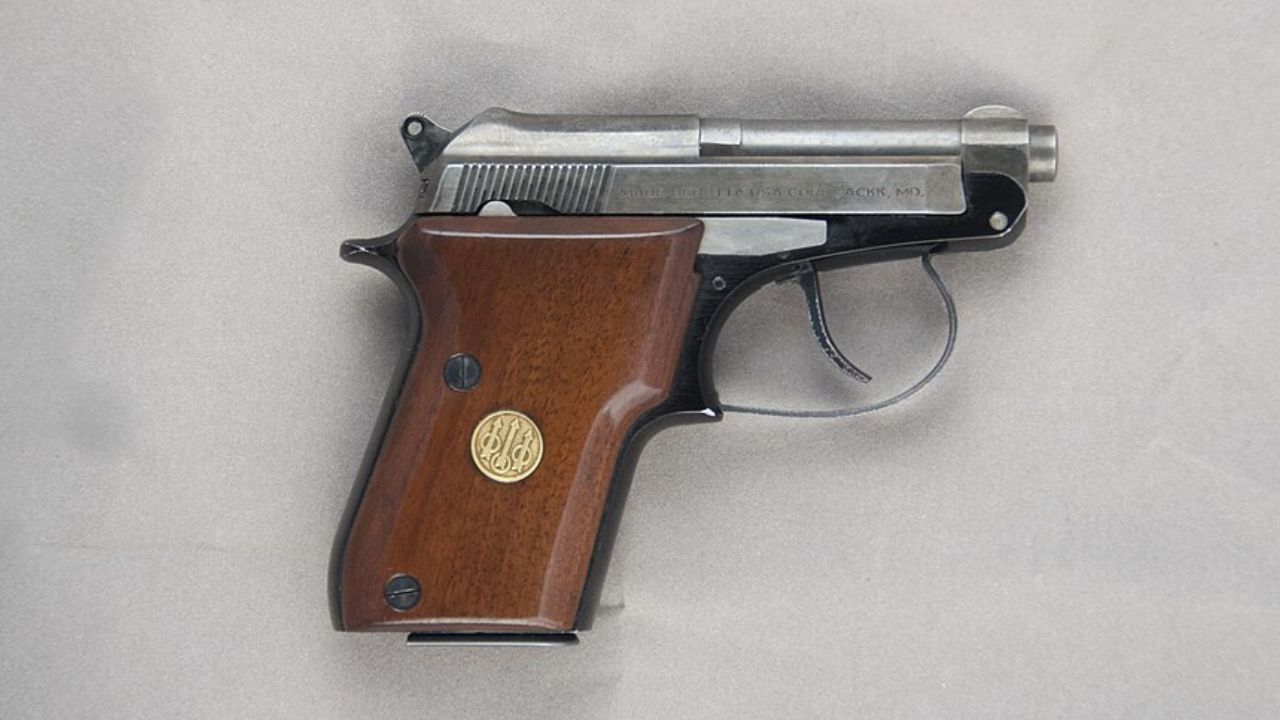
The Bobcat was dismissed for years as a tiny pocket pistol people talked about with more amusement than seriousness. It looked too small, too soft, and too cute to many buyers, which kept it from being treated like anything more than a novelty carry piece or a range toy with style.
That changed as collectors and shooters started valuing little Berettas for exactly what they were. The Bobcat had too much charm, too much distinct identity, and too much place in the company’s compact-pistol story to stay in the joke lane forever. Once enough buyers wanted one for real, the laughter gave way to price checks.
Remington 572 Fieldmaster
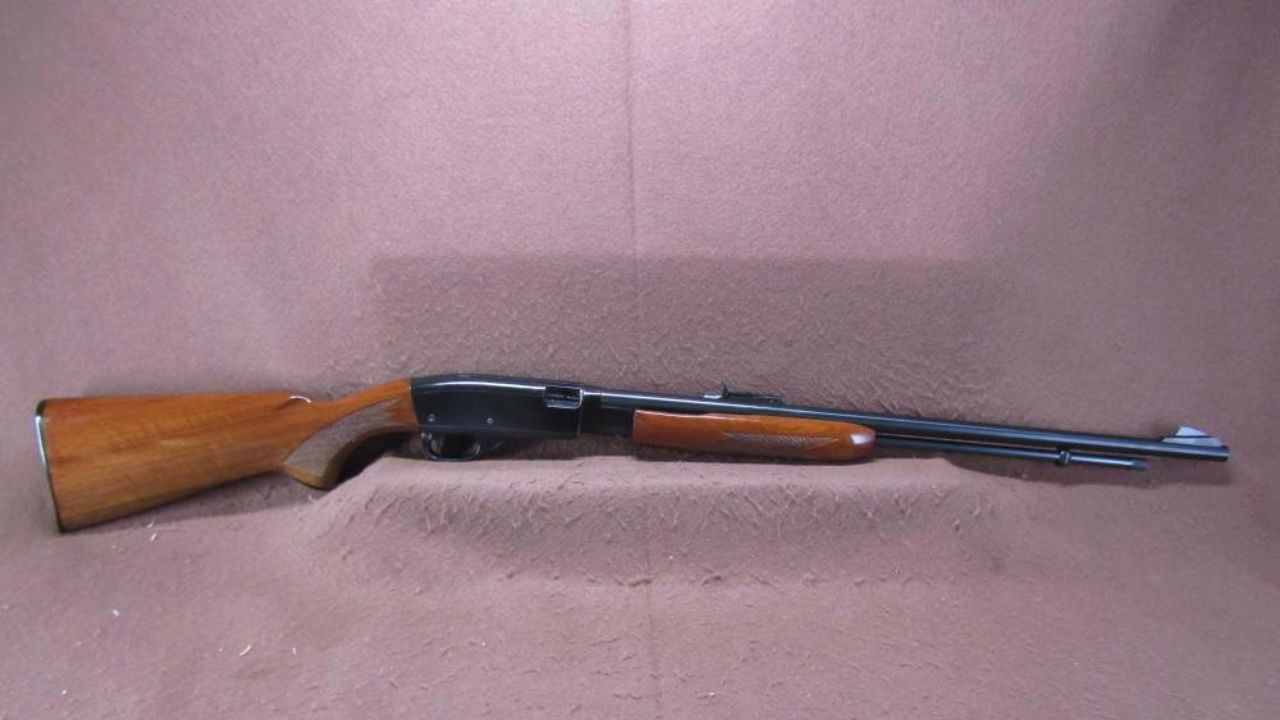
The 572 was not exactly hated, but there was definitely a long stretch where buyers treated pump .22s like the kind of rifles older relatives had because they had always had them, not because they were especially smart or desirable. That meant a lot of people laughed off the idea of caring much about one when semiautos and flashier rimfires were getting more attention.
Then the market got reminded that smooth old pump .22s with real quality were not going to keep sitting around forever at sleepy prices. The 572 went from familiar and easy to overlook to one of those rifles buyers suddenly respected a lot more once the prices stopped being casual. The joke was never really on the rifle.
Walther CCP
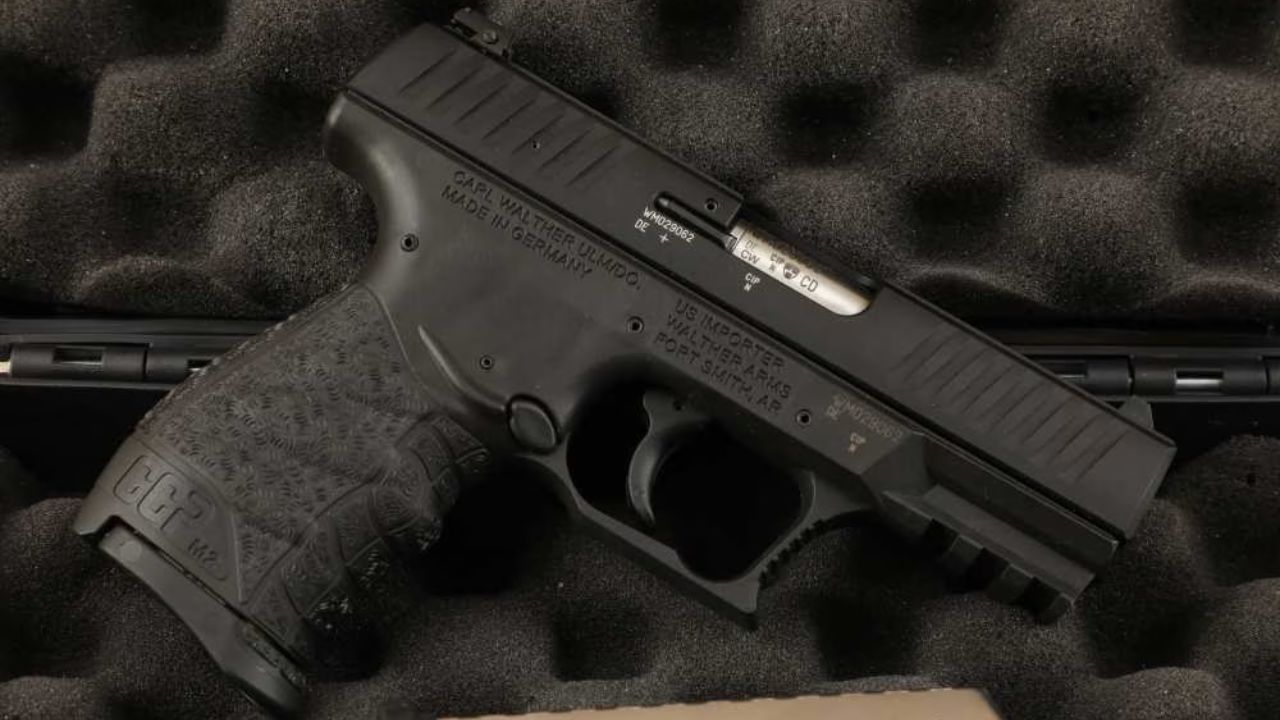
The CCP caught plenty of ridicule when it showed up. Some buyers treated it like a strange overcomplication, others like a soft-handed answer to a problem they did not think needed solving. It was easy to laugh at because it did not fit the standard script of what a carry pistol was supposed to look like or how it was supposed to sell itself.
But the broader point outlived the mockery. The gun found real users, real demand, and real relevance with buyers who valued the softer shooting feel and easier handling. It was not a toy, and it was not a joke forever. The market eventually proved that a pistol does not have to impress the loudest people first to justify its place.
Like The Avid Outdoorsman’s content? Be sure to follow us.
Here’s more from us: