Photo credit: MykolaMoriev/Shutterstock.com
New cartridges show up all the time with cleaner branding, sharper packaging, and a lot of talk about efficiency, velocity, or long-range magic. Some of them are genuinely good. But a lot of the time, the older rounds they were supposed to replace never really stopped doing the job. In many cases, they still solve practical hunting and shooting problems better because they are easier to find, easier to trust, and backed by decades of real-world proof instead of a few years of excitement.
That is what makes these calibers worth talking about. They are not surviving on nostalgia alone. They keep hanging around because they still work in ways that matter. Whether the problem is big game, woods hunting, recoil management, ammo availability, or plain reliability in the field, these are the calibers that keep proving newer options are not always better answers.
.30-06 Springfield

The .30-06 still solves the “one rifle for almost everything” problem better than most newer cartridges. It handles a huge spread of bullet weights, works on deer, elk, black bear, and a lot more, and does it without asking the hunter to buy into some niche trend to feel well equipped. That kind of range is hard to beat once you stop getting distracted by shiny new labels.
It also solves the ammo problem better than a lot of modern alternatives. In the real world, widespread availability matters. A cartridge that can be found almost anywhere and still gives strong performance on real game remains extremely useful. The .30-06 keeps reminding people that a proven answer does not become outdated just because marketing departments get restless.
.308 Winchester

The .308 still solves the practical-rifle problem better than a lot of newer rounds because it balances recoil, accuracy, availability, and real game performance in a way that is hard to improve on without giving something up. Hunters and shooters may wander off chasing flatter or faster cartridges, but the .308 keeps pulling them back when they want something easy to live with.
That is because it still works in multiple lanes. Hunting, target shooting, practical rifles, and general ownership all stay on the table with .308. Newer options may beat it in one category or another, but the .308 keeps winning the overall argument because it solves a broad set of real problems without asking for much drama in return.
.30-30 Winchester
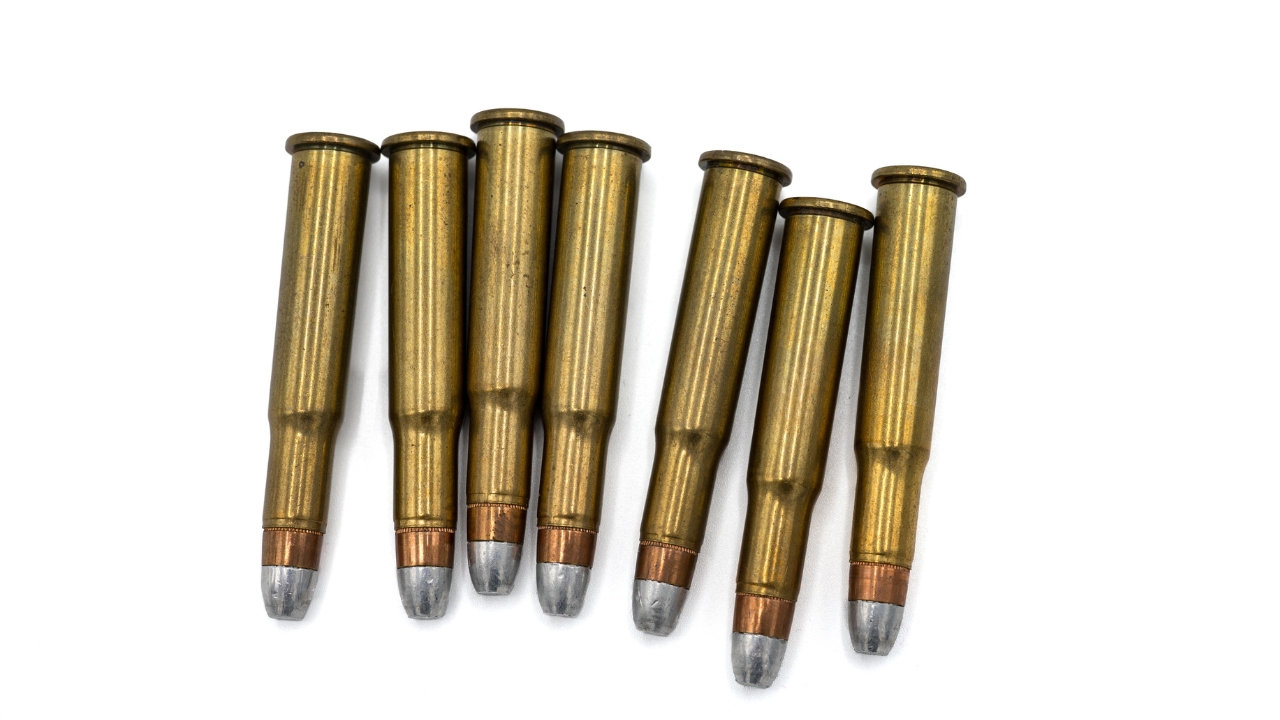
The .30-30 still solves woods-hunting problems better than many newer cartridges that were built for much different kinds of shooting. In thick cover and at normal deer distances, it remains effective, easy to carry, and tied to rifles that are often handier than the long, heavy setups modern buyers keep talking themselves into.
That matters because a lot of hunting still happens in places where long-range obsession is mostly noise. The .30-30 continues to make sense because it was built around actual field conditions many hunters still face. Newer rounds often sound better on paper. The .30-30 often works better in the woods.
.270 Winchester
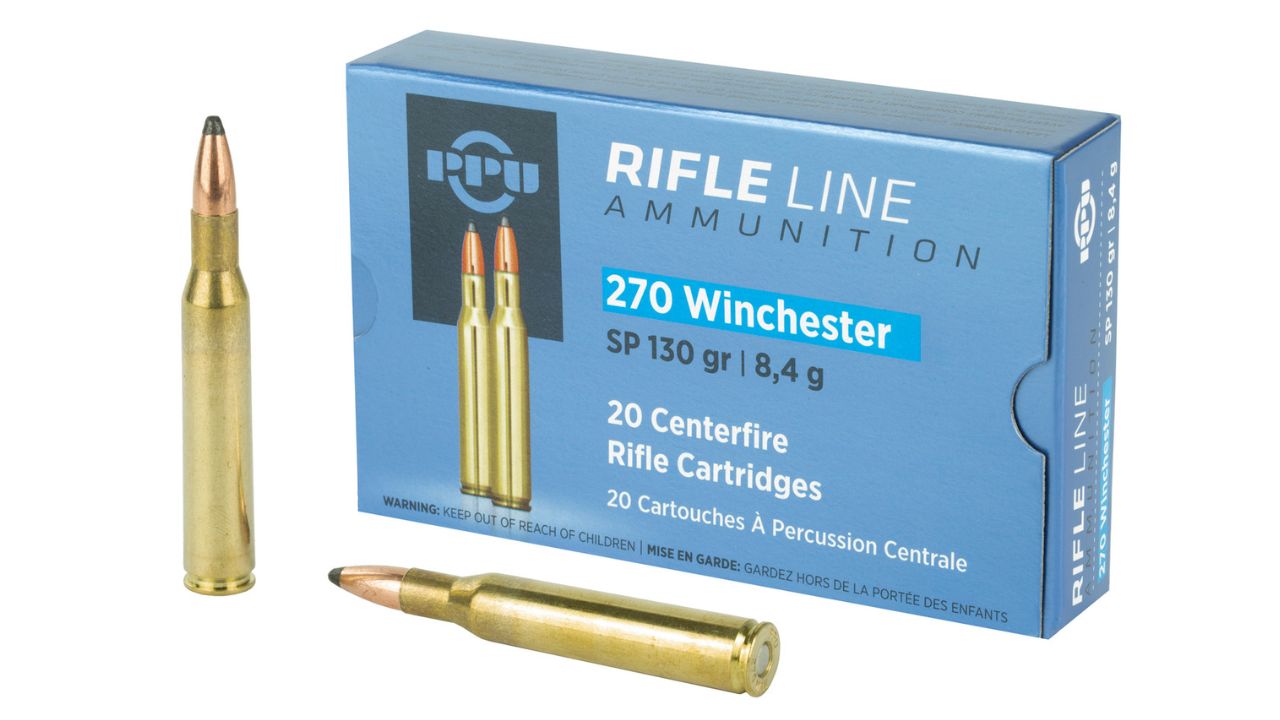
The .270 still solves the open-country hunting problem very well because it offers flat enough performance, manageable recoil, and real game capability without stepping into magnum territory. That keeps it more useful than many newer rounds that are constantly trying to position themselves as the next great do-it-all hunting answer.
Hunters keep coming back to it because it handles deer, antelope, and elk within sane limits without asking them to accept a bunch of downside in return. It is still easy to shoot, still easy to find, and still very effective. That is why it keeps outlasting so many cartridges that were supposed to leave it behind.
.243 Winchester

The .243 still solves the “mild recoil but real usefulness” problem better than many newer cartridges that are sold as smarter answers for young hunters, recoil-sensitive shooters, or anybody wanting a lighter-kicking deer rifle. It remains one of the easiest centerfire rounds to shoot well while still being effective on deer-sized game with the right bullet choice.
That combination is hard to replace. Newer rounds may promise better efficiency or better branding, but the .243 keeps working for real people in the real world. A caliber that builds confidence instead of punishment often ends up solving more practical problems than louder, more fashionable options.
7mm-08 Remington
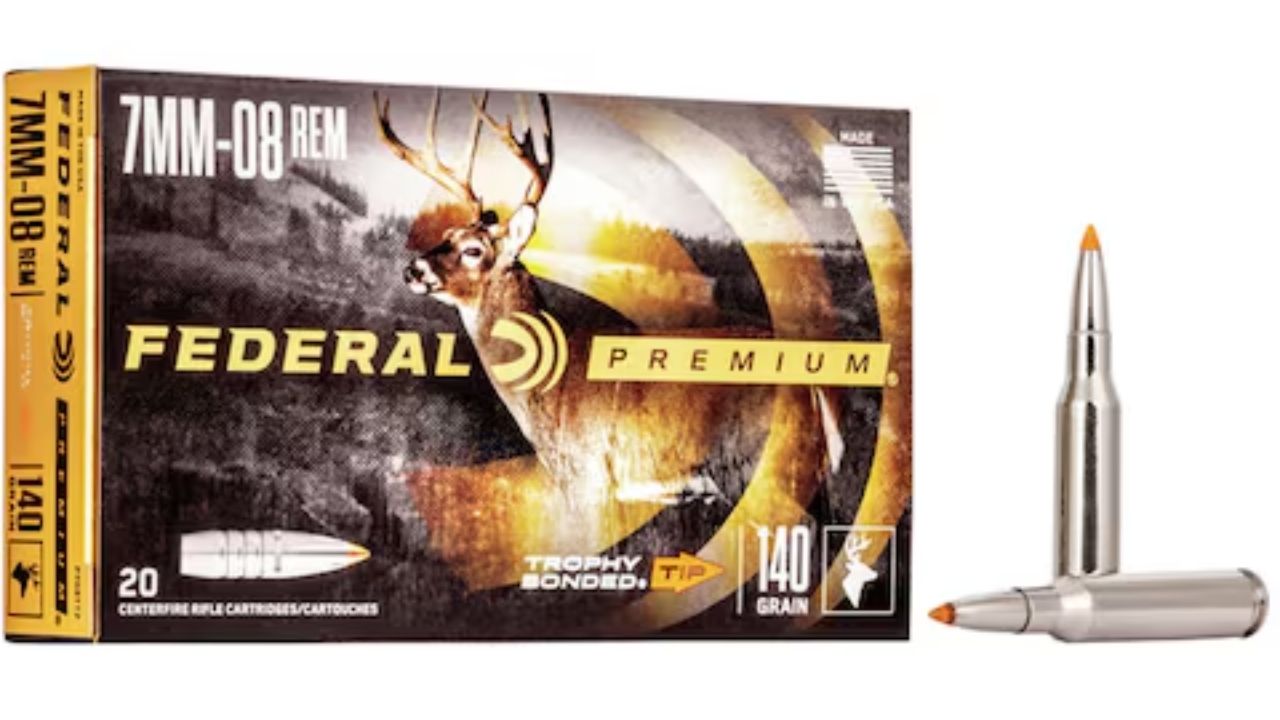
The 7mm-08 still solves the “modern deer and elk round without magnum baggage” problem better than a lot of newer cartridges that try to sound revolutionary. It gives hunters efficient performance, sensible recoil, and enough bullet quality to stay very credible in the field. That makes it a much better real-world answer than many cartridges that simply sound more current.
It also solves the “why am I making this harder than it needs to be?” problem. A lot of hunters eventually realize they do not need a giant cartridge to hunt effectively. The 7mm-08 stays attractive because it keeps delivering practical performance without pushing recoil, rifle weight, or complexity higher than necessary.
.45-70 Government

The .45-70 still solves close-range authority better than many modern cartridges that are built to look more elegant on paper. In thick cover, on larger game, or in situations where heavy bullets at sane distances still matter, it remains one of the clearest answers available. That is why people keep returning to it.
A lot of newer rounds are trying to solve velocity problems. The .45-70 solves impact problems. That is a very different kind of usefulness, and it stays relevant because there are still plenty of situations where outright authority matters more than flat trajectory. In those situations, newer options often look less advanced and more soft.
.35 Whelen

The .35 Whelen still solves the “serious big-game rifle without full magnum punishment” problem very well. It offers heavy bullet performance and real field authority while staying in a package many hunters find easier to shoot and easier to live with than larger magnums. That keeps it useful in a way many newer rounds never quite manage.
It also solves the problem of overcomplication. You do not need a long sales pitch to understand what the .35 Whelen is for. It hits hard, works well on larger game, and gives hunters a practical heavy-hitter without turning the whole rifle into an exercise in recoil tolerance and ego. That is still a smart answer.
.338 Winchester Magnum

The .338 Win. Mag. still solves the “I need real authority on large game” problem better than many newer cartridges that try to market themselves as sleek all-around solutions. When bigger animals and tougher conditions enter the conversation, a lot of the softer modern favorites start looking like compromises. The .338 usually does not.
That is exactly why it remains respected. It is not subtle, and it is not meant to be. Hunters who actually need a serious elk, moose, or bear cartridge still find a lot to like here because the round solves a hard problem honestly. That kind of usefulness outlasts trend cycles very easily.
.44 Magnum

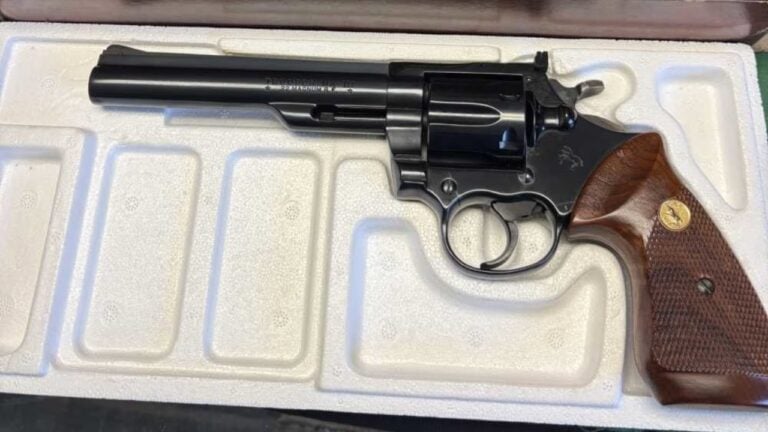
The .44 Magnum still solves handgun hunting and woods-sidearm problems in a way many newer handgun cartridges do not. When people need real revolver authority on game or want a sidearm that still has meaningful power in the field, the .44 Magnum remains a very practical answer. That role did not go away just because newer pistol rounds became fashionable.
It also solves the “I want one revolver that still matters” problem better than many more specialized options. A good .44 Magnum is not always pleasant, but it remains useful, flexible, and real. That kind of staying power says a lot about how well it still solves the problems it was built for.
.357 Magnum
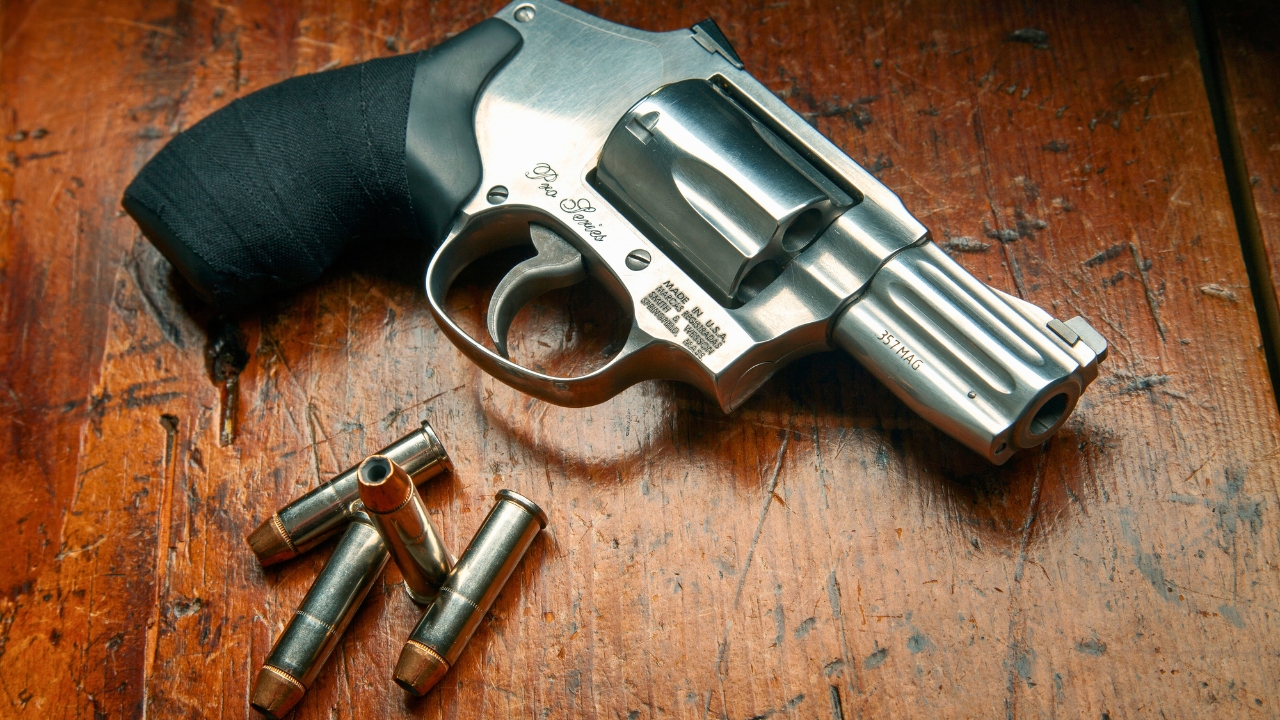
The .357 Magnum still solves more problems than newer handgun rounds often get credit for. It remains useful for defensive revolvers, trail guns, range work, and even light hunting roles, all while giving shooters the option of practicing with .38 Special. That sort of flexibility is hard to replace with a more specialized modern round.
That is a big reason it still matters. A cartridge that can live in compact carry guns, medium-frame revolvers, lever guns, and practice setups all at once remains extremely practical. Newer rounds may claim better niche performance, but the .357 keeps solving a broad range of real problems very efficiently.
.22 Long Rifle

The .22 LR still solves the most common shooting problem of all: how to practice, train, hunt small game, and simply spend time shooting without turning every range trip into a financial decision. Newer rimfire ideas come and go, but none of them have replaced the sheer usefulness of cheap, available, low-recoil shooting that actually gets used.
That kind of utility is almost impossible to overstate. A cartridge that keeps beginners learning, experts training, and hunters filling game bags decade after decade is doing something right. The .22 LR remains one of the strongest examples in the firearms world of an old answer continuing to beat newer options by solving the problem more simply.
.375 H&H Magnum

The .375 H&H still solves the “I need one truly serious dangerous-game or heavy-game cartridge” problem better than a lot of newer rounds that have tried to sound more modern, more efficient, or more specialized. It carries a balance of authority, reliability, and field history that keeps it extremely difficult to replace in the minds of hunters who actually need that level of performance.
It also solves the trust problem. In the kinds of hunts where this cartridge matters, confidence in a proven round is not some sentimental luxury. It is part of the job. The .375 H&H keeps surviving because it still answers that need in a very convincing way.
12-gauge shotshell

The 12-gauge still solves more real-world long-gun problems than most newer shotgun bore trends ever do. Hunting, home defense, clay targets, turkey, waterfowl, upland, there is a reason it remains the default answer for so many shooters. The flexibility is enormous, and the support is everywhere.
That is why newer options so often fail to displace it in a meaningful way. Smaller bores and specialized trends can be useful, but the 12-gauge still solves the “I need one shotgun that can actually do everything I’m likely to ask” problem better than almost anything else. That kind of broad practicality is hard to outgrow.
.223 Remington / 5.56 NATO

The .223/5.56 still solves the “light recoil, easy practice, practical rifle use, and broad availability” problem better than many newer small-caliber options that keep trying to sound smarter. For training, predator work, varmint shooting, and general utility, it remains one of the easiest cartridges in the country to live with.
That is why it keeps sticking around no matter how many alternatives arrive. A cartridge that stays easy to find, easy to shoot, and easy to support usually beats newer options that offer only small gains in narrow lanes. The .223/5.56 remains useful because it solves ordinary rifle problems cleanly, and ordinary rifle problems never really go away.
Like The Avid Outdoorsman’s content? Subscribe to our newsletter so you never miss an article.
Here’s more from us: