Photo credit: The Concealed Carry Channel/YouTube
Most snub-nose revolvers come from the factory with sights that are technically “there,” but barely. A shallow rear notch and a tiny ramp might work at bad-breath distance, but they don’t help you make clean hits when the lighting is ugly, your hands are shaking, or you need to shoot past the end of a hallway. That’s why usable sights matter. Not target sights. Just sights you can actually see and index fast.
A good snub sight setup usually means one of three things: a real front sight with enough height and contrast, a rear notch you can actually find under stress, or a sight system you can replace without sending the gun to a machine shop. The snubs below are the ones that give you a fighting chance—because you can see what you’re doing.
Smith & Wesson 642 Performance Center
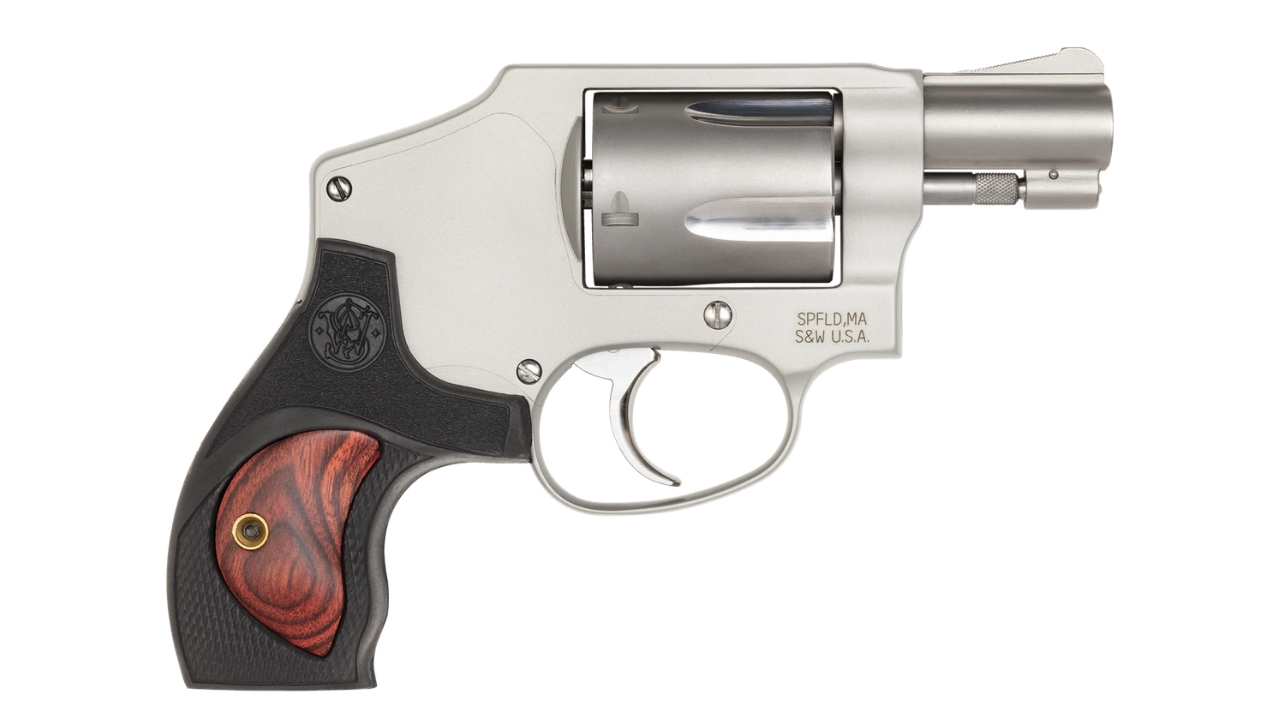
Most 642s wear a basic front ramp and a shallow rear groove, and that’s workable, but not great. The Performance Center versions often give you a more visible front sight setup, which is a big deal on a gun that’s meant to be drawn fast and shot close.
The point isn’t precision bullseyes. It’s being able to pick up the front sight in bad light and align it without guessing. A more usable front sight means faster, more confident hits, especially when your eyes aren’t what they used to be. You still have a small revolver and a long double-action pull, but at least the sight picture isn’t fighting you. If you carry a snub, you want the sights to help instead of forcing you into point shooting every time.
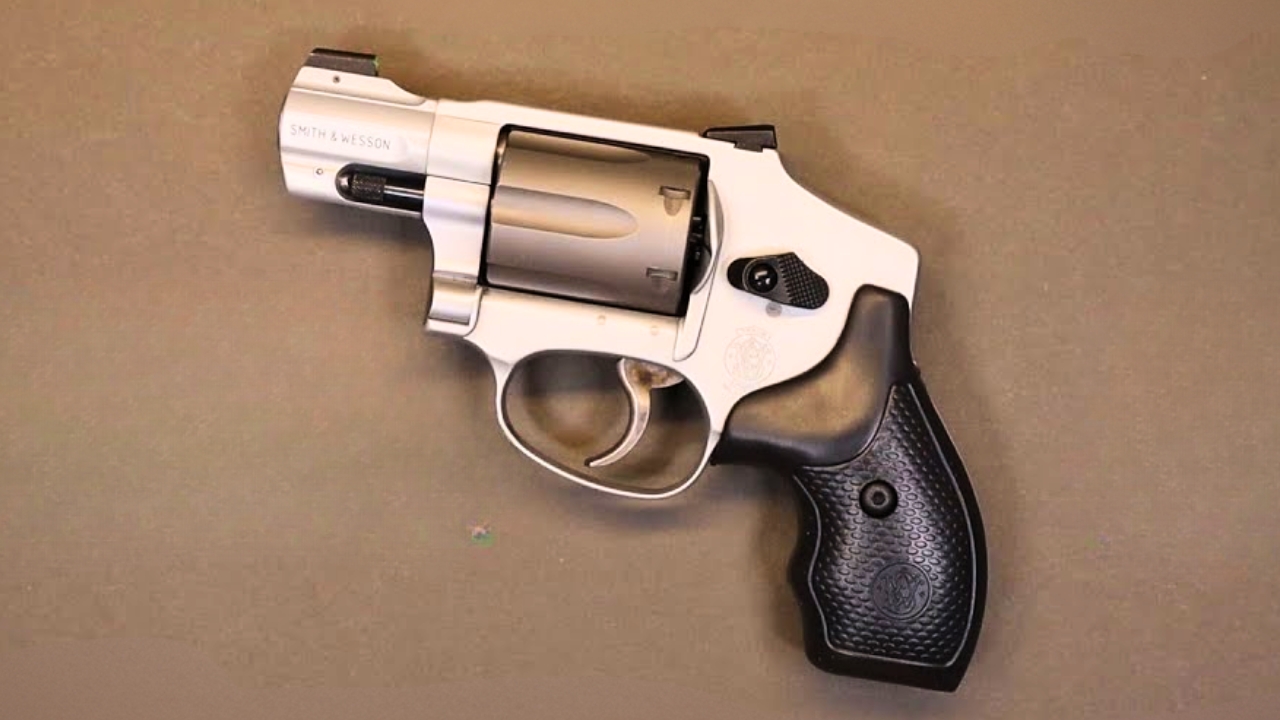
Smith & Wesson 340 M&P

The 340 M&P is built around a simple idea: a snub you can carry anywhere but still see under stress. Many versions come with a high-visibility front sight that stands out far better than the typical tiny ramp. On a revolver this small, that’s a real advantage, not a cosmetic upgrade.
When the front sight is obvious, you stop “guessing” where the gun is pointed and start making honest alignments, even at speed. That matters if you ever have to take a shot that isn’t across a car hood. The 340 is still lightweight and snappy, but at least the sight picture is usable. If you’re going to accept the recoil and the long trigger pull, you might as well carry a version that gives your eyes something to work with.
Smith & Wesson Model 60 (3-inch)

A 3-inch Model 60 is still snub-sized in spirit, but it gives you a better sight picture than most true 2-inch guns. The longer barrel gives you more sight radius, and many examples have sights that are simply easier to pick up and align. That’s what “usable” looks like in the real world.
The Model 60 also benefits from being steel, so you’re not fighting recoil as much while trying to see a tiny front blade. When you’re shooting fast, you can actually track the sight instead of watching it disappear. The gun is small enough to carry, but big enough to shoot well, and sights are a big reason. If you want a snub that doesn’t force you into “close enough” aiming, the 3-inch Model 60 is a smart answer.
Smith & Wesson Model 640 Pro Series

The 640 Pro is one of the more practical snubs S&W has offered because it tends to come with sights you can actually use. A real front sight and a rear notch you can see are a huge improvement over the typical gutter-and-ramp setup on many J-frames.
That sight picture matters under stress, especially if you’re shooting in low light or trying to make hits beyond arm’s length. The 640 is heavier than an airweight, but that weight helps you keep the sights where you can see them. It also carries well for a steel snub because the profile is smooth and snag-resistant. If you want a revolver that carries like a snub but sights like it’s meant to be aimed, the 640 Pro is one of the best factory options.
Smith & Wesson Model 19 Carry Comp
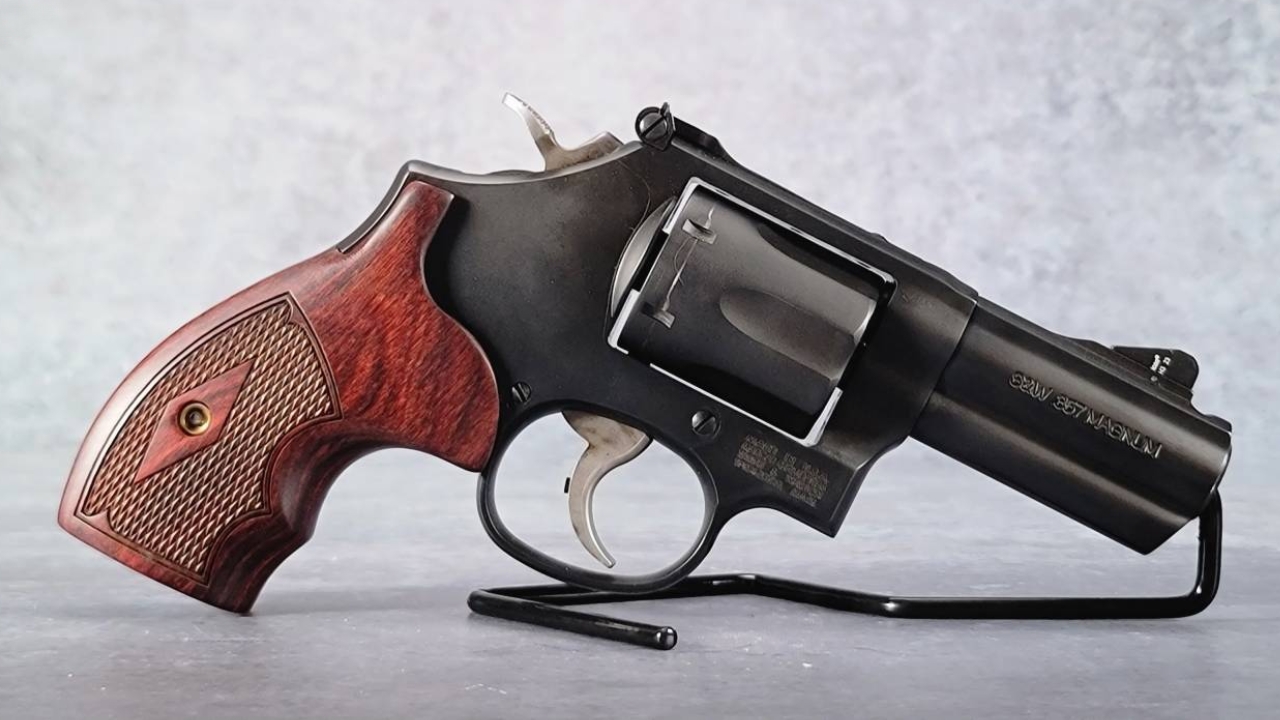
The Model 19 Carry Comp is not a traditional “gutter sight” snub. You get a real sight setup, and that’s part of why the gun is so shootable for its size. The front sight is visible, the rear notch is practical, and your eyes can actually do their job when you’re moving fast.
A usable sight picture also makes practice meaningful. Instead of lobbing rounds in the general direction of the target, you can confirm alignment and see what your trigger press is doing. That makes you better with the revolver, not only more confident carrying it. The Carry Comp is still compact enough to carry, but it feels like it was designed for people who actually shoot. If your snub is meant for serious use, this kind of sight setup is what you want.
Ruger SP101 (3-inch)
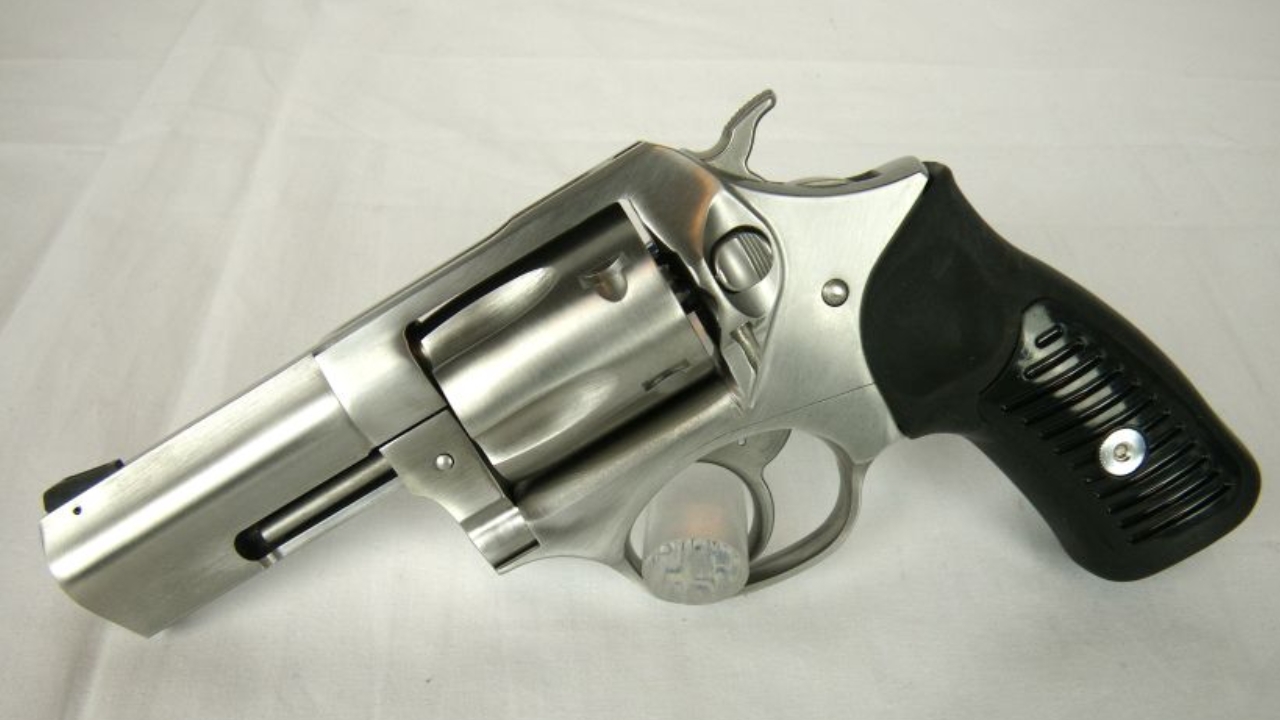
The 3-inch SP101 is a snub that gives you a real front sight and enough sight radius to make it useful. That little bit of extra barrel changes everything. Your eyes find the front sight faster, the notch feels less cramped, and you’re not squinting at a tiny ramp that disappears in shade.
The SP101’s weight also helps you keep the sight picture stable. With a lighter snub, the front sight bounces so hard that it’s tough to track. The SP101 settles better, which makes the sights more than decoration. It’s still compact, still carryable, but it behaves like a gun you can actually aim under stress. If you want a snub that doesn’t force you into point shooting, the 3-inch SP101 is a proven path.
Ruger SP101 Wiley Clapp
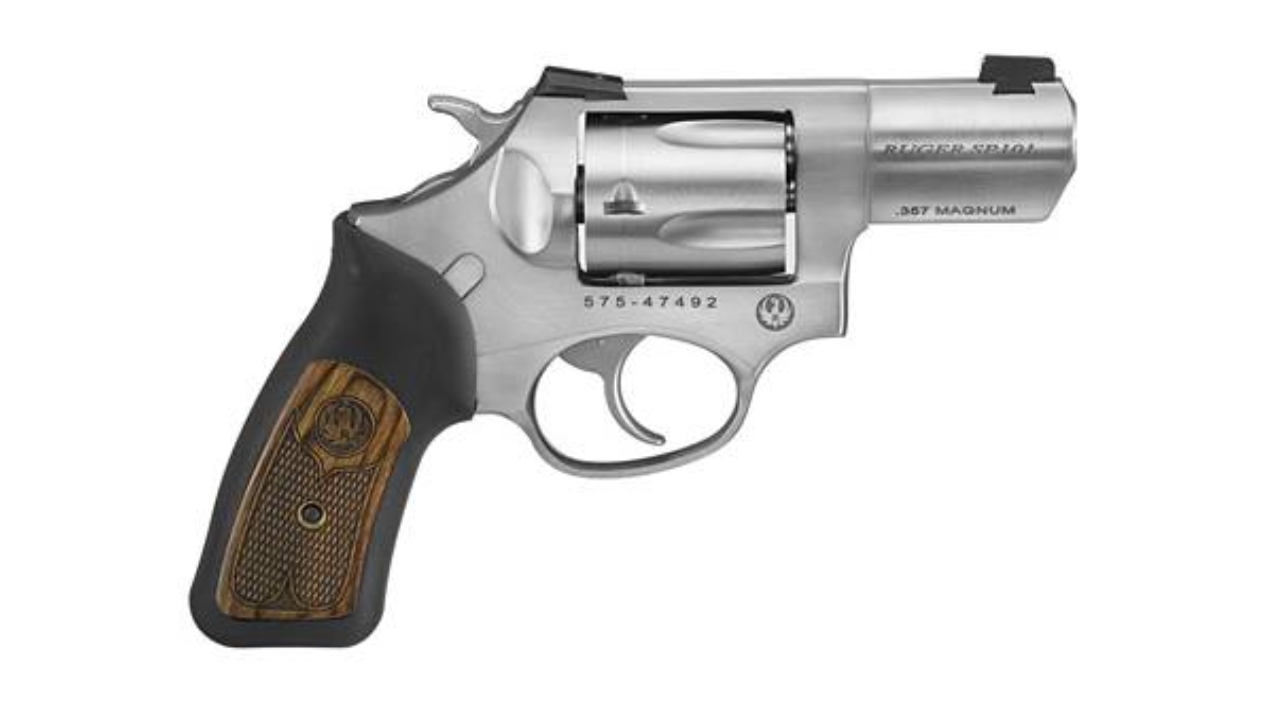
The Wiley Clapp SP101 variants are often praised because the sight setup is more practical than what you see on many small revolvers. The idea is simple: give you a sight picture you can actually pick up quickly and use without feeling like you’re aiming with a pencil tip.
That matters when your eyes are tired or the light is bad. A better front sight and a clearer rear notch make the gun feel more “shootable,” and that usually means you practice more. The SP101 already has the weight and strength to handle real loads, and the Wiley Clapp treatment helps you take advantage of that without fighting the sights. If you’re going to carry a snub, it should be one you can aim, not one that forces you to hope.
Ruger LCRx (3-inch)

The 3-inch LCRx gives you a longer sight radius and a more visible front sight than most true snubs. That combination makes it easier to get a clean sight picture fast, especially when you’re shooting under stress and your eyes are trying to do too many things at once.
The LCR trigger also tends to be smoother than many small revolvers, which helps you keep the front sight where it belongs during the press. When the trigger is predictable and the sights are visible, a snub becomes a real tool instead of a “close enough” gun. The LCRx still carries easily, and the longer barrel doesn’t make it unwieldy. It simply makes the revolver more honest and more usable when you’re trying to shoot for real, not just make noise.
Colt King Cobra (2.25-inch)

The King Cobra snub stands out because you get a more modern, usable sight setup than many classic snubs. The front sight is easier to see, and the rear notch gives your eyes something to work with. That’s a big deal on a short gun where everything happens fast.
This is the kind of sight picture that makes you feel more confident shooting beyond “across the room” distances. It also makes practice more productive, because you can actually confirm what you’re doing instead of guessing. The King Cobra’s weight and balance help too, because a sight you can see is only helpful if the gun isn’t bouncing it out of view. For a compact revolver that still feels like it expects you to aim, the King Cobra is a strong option.
Colt Cobra (2-inch)

The modern Colt Cobra is a snub that doesn’t treat sights like an afterthought. The front sight is visible enough to pick up quickly, and the rear notch is more usable than the tiny grooves you see on many older snubs. That makes the gun feel less like a last-ditch tool and more like a carry revolver you can actually shoot well.
Under stress, visibility matters. If you can’t find the front sight, you’re guessing, and guessing is how you miss. The Cobra’s sight setup helps you get alignment fast, even when your hands are shaking and the light is bad. Pair that with a grip that fits your hand and you’ve got a snub that feels more practical than most. It’s still compact, still quick, but it gives your eyes a fighting chance.
Kimber K6s (2-inch)

The Kimber K6s is popular partly because it often comes with sights that are actually worth having. Many variants have a front sight you can see and a rear notch that doesn’t feel like a shallow scratch. For a snub, that’s a major upgrade from the usual “good luck” sight picture.
Usable sights also help you shoot the gun the way it should be shot. You can track the front sight through recoil, call your shots, and make meaningful adjustments. That matters if you’re serious about carrying a snub for defense. The K6s also gives you six rounds in a compact frame, which is another practical advantage. But none of that matters if you can’t aim it under stress. The K6s sight setup helps keep the revolver honest.
Taurus 856 Defender (3-inch)

The 856 Defender variants are appealing because they offer a more practical sight setup than many basic snubs, especially when you get into the 3-inch models. A longer barrel and a clearer sight picture make it easier to aim quickly and hit consistently.
The added sight radius matters more than most people admit. When the front sight isn’t cramped up against the rear notch, you can align faster and you can see your mistakes sooner. The 856 platform also gives you six rounds of .38 in a carryable size, which is a lot of utility for the money. The biggest advantage, though, is that you’re not forced into point shooting. You can actually aim the thing, and that changes how confident you feel practicing with it.
Charter Arms Professional (2-inch)

The Charter Arms Professional is designed around being a defensive snub, and part of that is giving you sights you can work with. Many small revolvers come with a barely-there front ramp. The Professional lineup is built to be more practical, not just more concealable.
A usable front sight is what makes a snub feel less like a compromise. When you can see the front blade clearly, your trigger press gets more honest and your hits get more consistent. That’s especially important if your defensive revolver might need to solve a problem in dim light or on a moving target. Charter guns are often chosen because they’re straightforward carry tools. The Professional leans into that by making the sight picture more usable than what you’d expect from a typical budget snub.
Smith & Wesson 432 UC
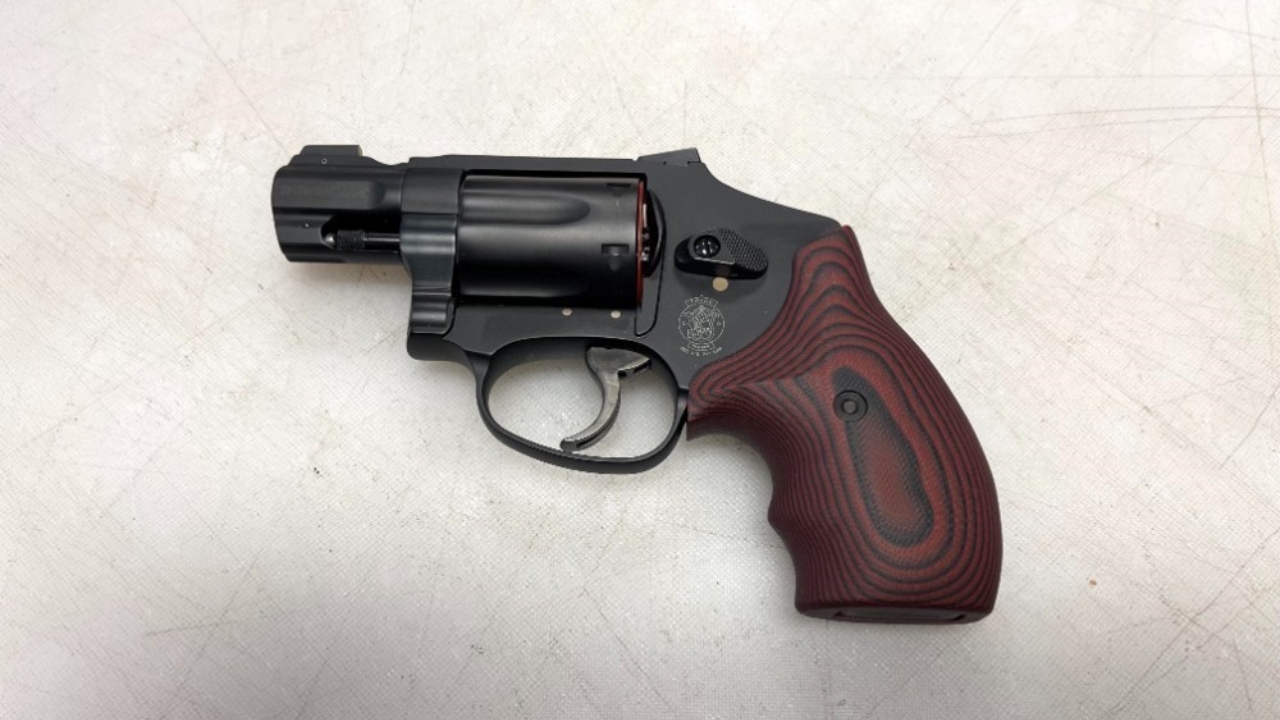
The 432 UC is part of the modern push toward snubs that are actually shootable, not just tiny. One of the biggest improvements is sights you can see. A high-visibility front sight and a usable rear notch turn the revolver into something you can aim quickly instead of guessing with.
The .32 chambering also helps because recoil stays more manageable, which means you can keep the front sight in view during fast strings. A sight is only useful if you can track it. The UC approach is built around practical carry and practical shooting—quick alignment, repeatable sight picture, and enough visibility to work in real lighting. If you’re serious about carrying a snub and you want sights that don’t feel like an afterthought, this is exactly the direction you should be looking.
Smith & Wesson 632 UC

The 632 UC takes the same “usable sights first” mindset and pairs it with a slightly different capability set. The important part for this topic is that the sight system is designed to be seen and used under stress. That alone puts it ahead of many traditional snubs with tiny ramps and shallow grooves.
A revolver like this makes practice feel worthwhile, because you can confirm alignment and track the front sight instead of relying on instinct alone. The .32 platform can also be easier to shoot quickly and accurately, which helps you actually use the sights rather than flinch through recoil. When you can see what the gun is doing, you improve faster. A snub with real sights changes how you carry and how you train, because it stops feeling like a compromise and starts feeling like a real defensive handgun.
Like The Avid Outdoorsman’s content? Subscribe to our newsletter so you never miss an article.
Here’s more from us: