Photo credit: Iraqveteran8888/YouTube
A “budget” gun can feel like a win the day you buy it. The problem is what happens next. If the rifle won’t hold groups, the pistol won’t run with common ammo, or the shotgun beats itself up, you start spending money to “fix” it. That money comes fast: magazines that actually work, better sights, triggers, mounts, recoil pads, bedding, replacement small parts, shipping back to the factory, and the range time you waste chasing problems that were baked in from day one.
Cheap isn’t always bad. Plenty of affordable guns run great. The ones below earn their reputation the hard way: they look like a deal up front, then they keep reaching into your wallet until you realize the real cost was time, ammo, frustration, and upgrades you never planned to buy.
Remington 770

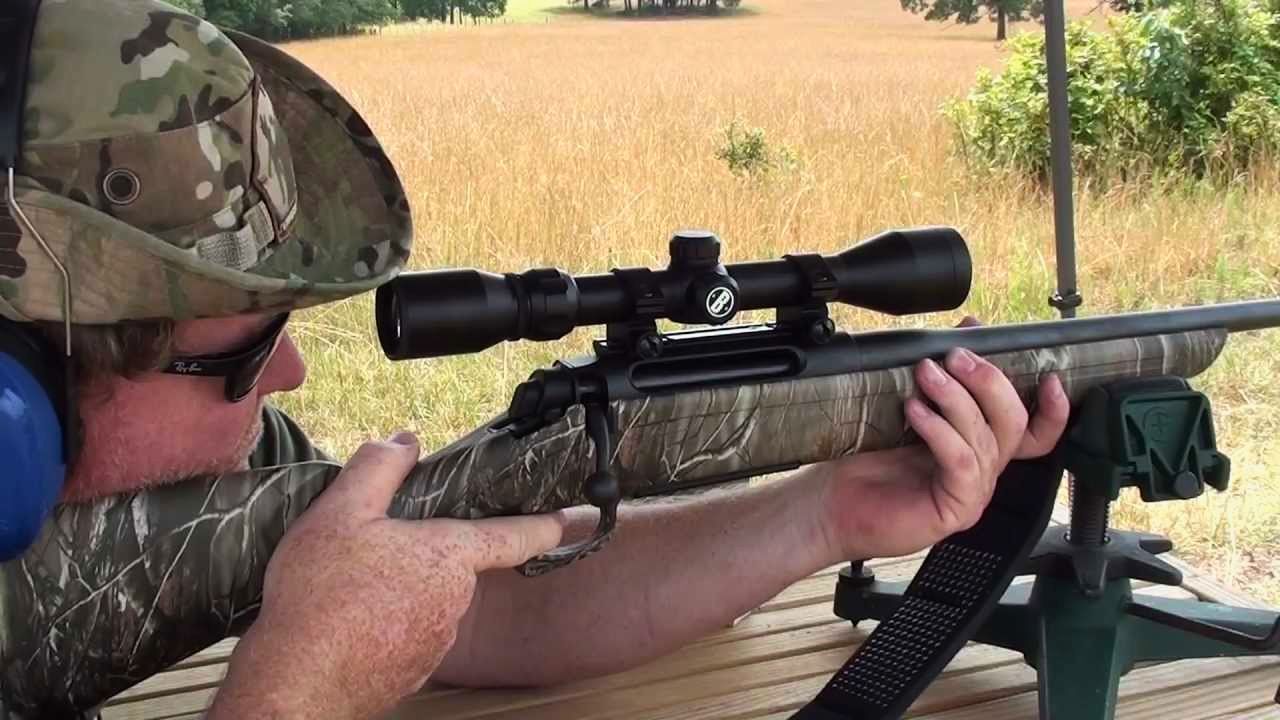
The Remington 770 got popular because it was easy to find as a scoped “ready to hunt” package. You mount it, sight it, and you want to believe you’re done. Then the rifle starts showing you what entry-level shortcuts feel like at the range, especially when you try to shoot more than a couple rounds at a steady pace.
A lot of owners end up spending money trying to make it feel better. You chase a better scope because the included one rarely inspires confidence. You chase better rings and bases. You chase a trigger feel you can live with. If accuracy is inconsistent, you start swapping ammo, burning range time, and paying for work that costs more than the rifle’s original price gap. The deal stops feeling like a deal fast.
Mossberg Patriot

The Mossberg Patriot often hooks people with a good sticker price and a lightweight feel that seems perfect for hunting. On the range, though, many shooters end up fighting a rifle that feels harsher than expected and less consistent than they hoped when they start trying to shoot real groups past 100.
The money creep usually starts with comfort and control. A lot of Patriots push recoil into your shoulder in a sharp way, so you add a better pad. Then you start chasing a better trigger feel, and you start checking action screws and mounts because the rifle can feel “off” if anything loosens. If the factory stock fit doesn’t work for you, you start looking at replacement stocks and bedding work. None of those costs show up on the price tag at the counter.
Savage Axis XP

The Savage Axis XP packages sell because you walk out with a rifle and scope for a price that feels like cheating. They can shoot well, but the “package” part is where people often get burned. The included scope, rings, and overall setup can become the weak link the moment you try to confirm zero and keep it there through real practice.
The expensive part is the domino effect. You start with better rings. Then a better scope. Then you realize the stock flex and ergonomics can make consistency harder in field positions, so you start looking at a stock upgrade. If you actually train, you also end up wanting a better sling setup and better bottom metal options. By the time it feels dialed, you’ve spent the difference between the Axis package and a rifle you would have enjoyed from day one.
Thompson/Center Compass
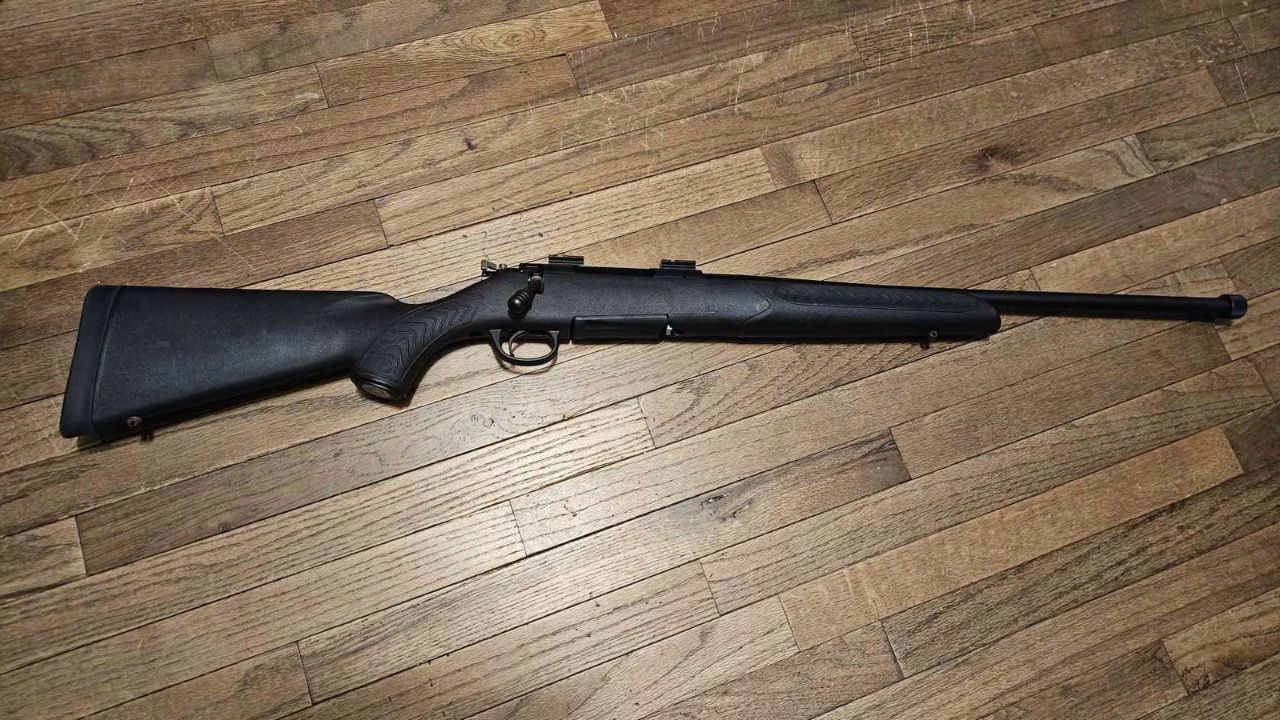
The T/C Compass is often bought by hunters who want a cheap, lightweight bolt gun that can still shoot. Many do. The trouble is how quickly a “cheap rifle” becomes a “project rifle” when you start chasing consistency and comfort instead of accepting it as a basic tool.
A lot of Compass owners end up swapping the scope and mounts early. Then they start addressing feel: recoil pad, cheek weld, length of pull, and stock stability. If accuracy is inconsistent, you burn money in ammo experiments and range sessions trying to find the load it prefers. You can also end up paying for small fixes that shouldn’t be necessary, like getting the action screws torqued correctly and making sure the rifle is sitting in the stock the same way every time. The rifle can work, but it can also turn into a slow drip of extra costs.
ATI Omni Hybrid Maxx

The ATI Omni Hybrid Maxx sells to first-time AR buyers who want a rifle now and upgrades later. The “hybrid” concept can sound smart until you start seeing the limits of polymer-heavy builds under hard use. If you shoot casually, you might never notice. If you train, you tend to notice.
The costs show up in troubleshooting and replacement parts. If the rifle has reliability issues, you start swapping mags, buffers, springs, and gas parts to chase a smoother cycle. If parts wear faster than you expected, you replace pieces you assumed you wouldn’t touch for years. Many owners also end up replacing furniture, charging handles, and controls because the rifle feels cheap in the hands. By the time it’s built into something you trust, you’ve effectively paid twice: once for the “deal,” and again to get it to a level you wanted in the first place.
Radical Firearms RF-15

Radical Firearms RF-15 rifles show up as attractive entry-level ARs with features people like on paper. The problem is that ARs can hide tolerance and assembly issues until you start running volume. When something is off—gas, extraction, carrier speed—you feel it as inconsistent reliability that makes practice sessions turn into troubleshooting sessions.
That’s where the money goes. You start trying different magazines. You start swapping ammo, then swapping springs, then swapping an extractor, then a bolt, then a gas block, then a buffer system. You might pay a gunsmith to diagnose what should have been right from the factory. Even if the rifle gets sorted, you still paid for the time and ammo burned while it was acting up. A “budget” AR that steals range days ends up expensive in a way receipts don’t fully capture.
Bear Creek Arsenal BC-15

Bear Creek Arsenal BC-15 rifles and builds attract buyers who want an AR for the lowest possible entry cost. Sometimes you get a good one. Other times you get a rifle that runs “okay” until you start expecting repeatability—consistent groups, consistent cycling, consistent ejection.
The expenses stack when you try to turn “okay” into dependable. You end up buying better magazines and better ammo to see if it’s you or the gun. Then you start swapping parts to chase issues: extractor components, gas system tweaks, buffer weights, maybe even a different bolt carrier group. If accuracy is disappointing, you start chasing optics, mounts, and then you realize the barrel might be the limiting factor. At that point you’re replacing the most expensive core parts, which defeats the reason you bought a bargain rifle in the first place.
Century Arms C39V2
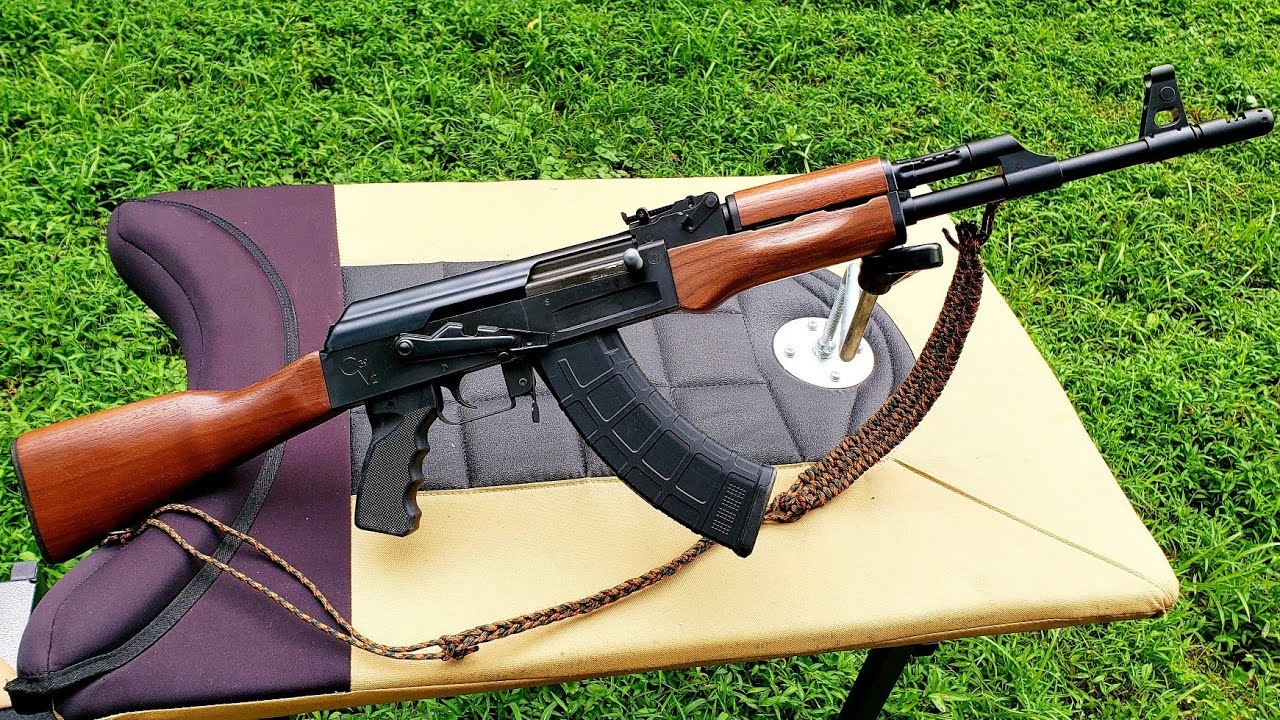
The Century Arms C39V2 got attention because it offered an American-made AK-style rifle at a price people could stomach. The reputation also includes concerns about long-term wear and durability. With AKs, “it runs” isn’t the only standard. You want it to keep running without parts peening or loosening into unsafe territory.
The costs show up when you start inspecting and maintaining it seriously. If you’re watching for abnormal wear, you end up replacing parts preemptively or retiring the rifle earlier than planned. Many owners spend money on upgrades trying to make it feel more like a proven AK pattern, then realize the underlying design choices are still there. Add the cost of magazines, ammo, and range time, and the “cheap AK” can become an expensive lesson. With AKs, buying wrong once can cost more than buying right the first time.
I.O. Inc AKM247
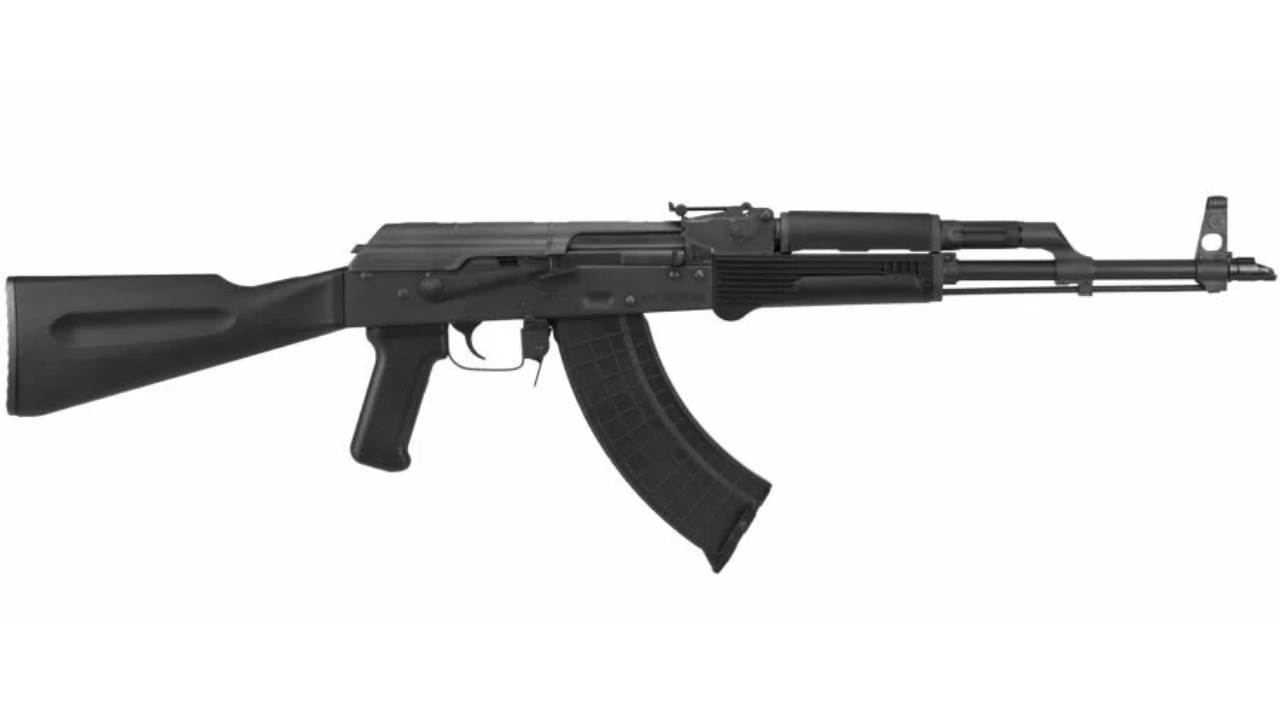
The I.O. Inc AKM247 is another AK-style rifle that often shows up in “budget AK” conversations, and not for flattering reasons. AKs have a wide range of build quality, and the low end can come with problems that don’t reveal themselves in the first hundred rounds. If the rifle is out of spec, you can get issues that turn into safety and reliability concerns over time.
The money drain comes from trying to rescue it. You might replace furniture, optics mounts, and controls first, because those are easy. Then you start chasing the serious stuff: parts fit, wear patterns, and function. If you end up needing major work, you’re paying for gunsmith time that quickly exceeds the rifle’s value. Many owners eventually cut their losses and buy a better AK anyway. That’s the real budget-gun trap: paying for the cheap rifle, then paying again for the rifle you should have bought.
Hi-Point C9
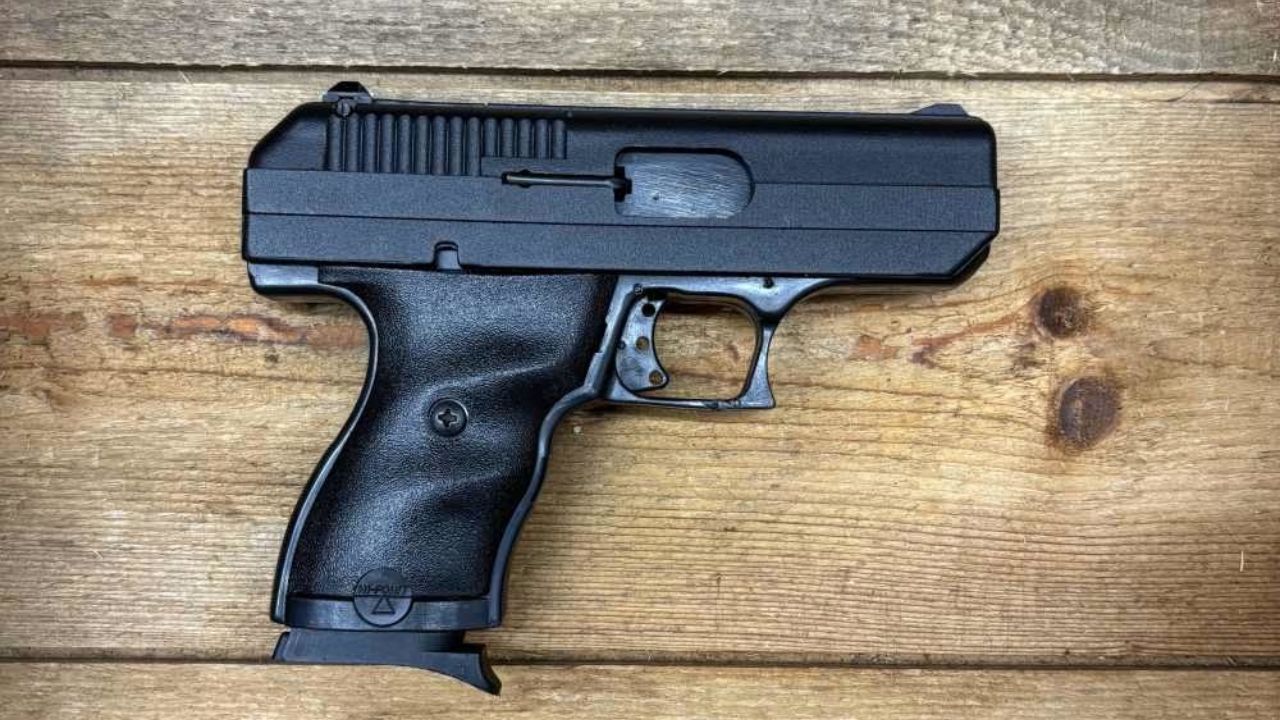
The Hi-Point C9 is often bought because it’s affordable and it can run, especially as a glovebox or nightstand gun for people on a tight budget. The hidden cost is that it tends to be a “workaround gun.” The size, weight, and trigger feel make it harder to shoot well, and that leads to extra spending in the form of ammo and time chasing competence.
It can also become expensive in accessory dead ends. Holster options are limited compared to mainstream pistols, so you pay more for fewer choices. Magazines and small parts become their own ecosystem. Many owners also end up replacing the gun later when they decide they want something they can actually carry comfortably or train with seriously. The C9 can be a functional tool, but it often costs you the most valuable thing you have: time you could have spent building skill with a pistol you truly enjoy.
SCCY CPX-2
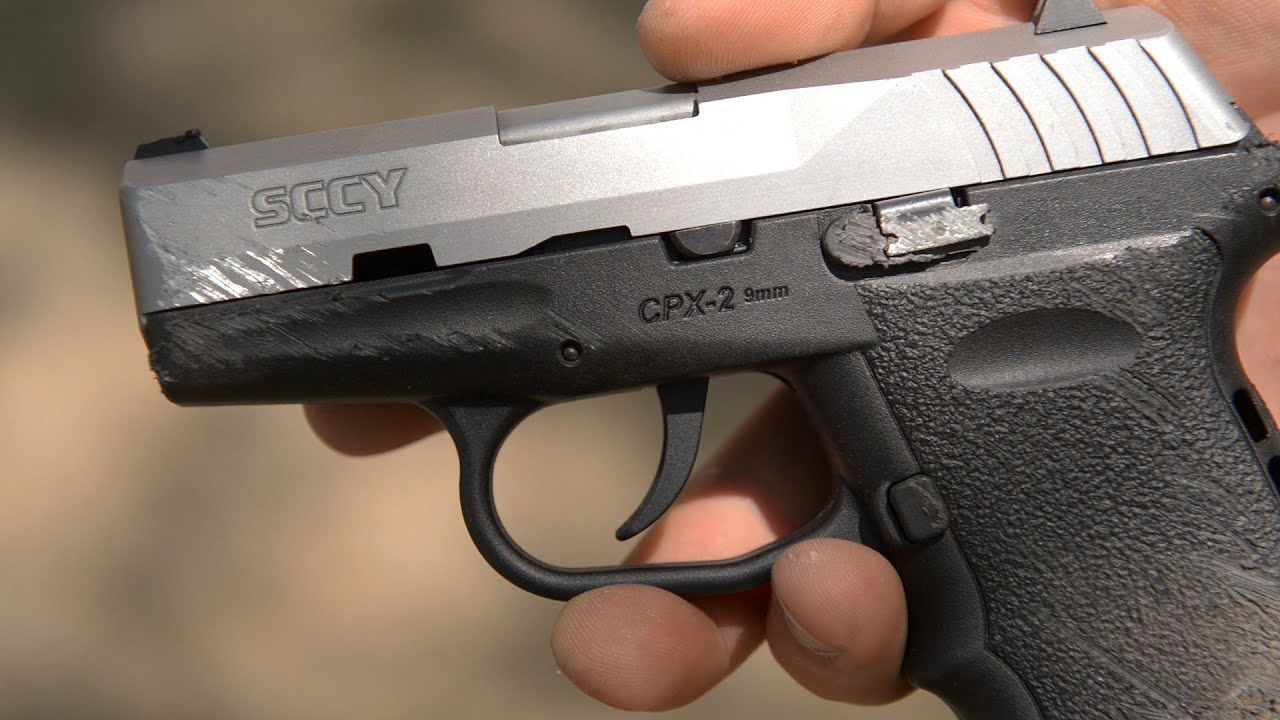
The SCCY CPX-2 sells because it looks like a practical carry pistol at a price that feels friendly. The reality is that some examples can be finicky, and a finicky carry gun costs money fast. You start “testing” more than training, because you never feel like you’re past the proving phase.
The spending tends to go into trial-and-error. You buy different magazines and different ammo, trying to find what it likes. You run extra rounds to confirm reliability, and that’s not cheap anymore. You might send it back for service, which costs time and sometimes shipping or downtime you didn’t plan for. If you carry it, you also spend money trying to find a holster that truly works with your body and your draw. When confidence is shaky, you keep paying for reassurance instead of building skill.
Diamondback DB9

The Diamondback DB9 pulls people in because it offers a very small 9mm at a price that looks manageable. Micro 9mms are already demanding, and when you combine that with a budget build, you can end up with a gun that is far less forgiving than you expected. If it’s picky about ammo, grip, or maintenance, you feel it immediately.
The hidden cost is how much “extra” you end up doing. You shoot more rounds trying to confirm reliability. You try multiple defensive loads. You chase different magazines. You might replace springs more often than you planned because small guns run hard. If the gun isn’t confidence-inspiring, you eventually replace it, and the DB9 becomes the gun you paid for and then paid to move past. A small 9mm that you cannot fully trust will always be expensive, even if the receipt was low.
Kel-Tec PF-9
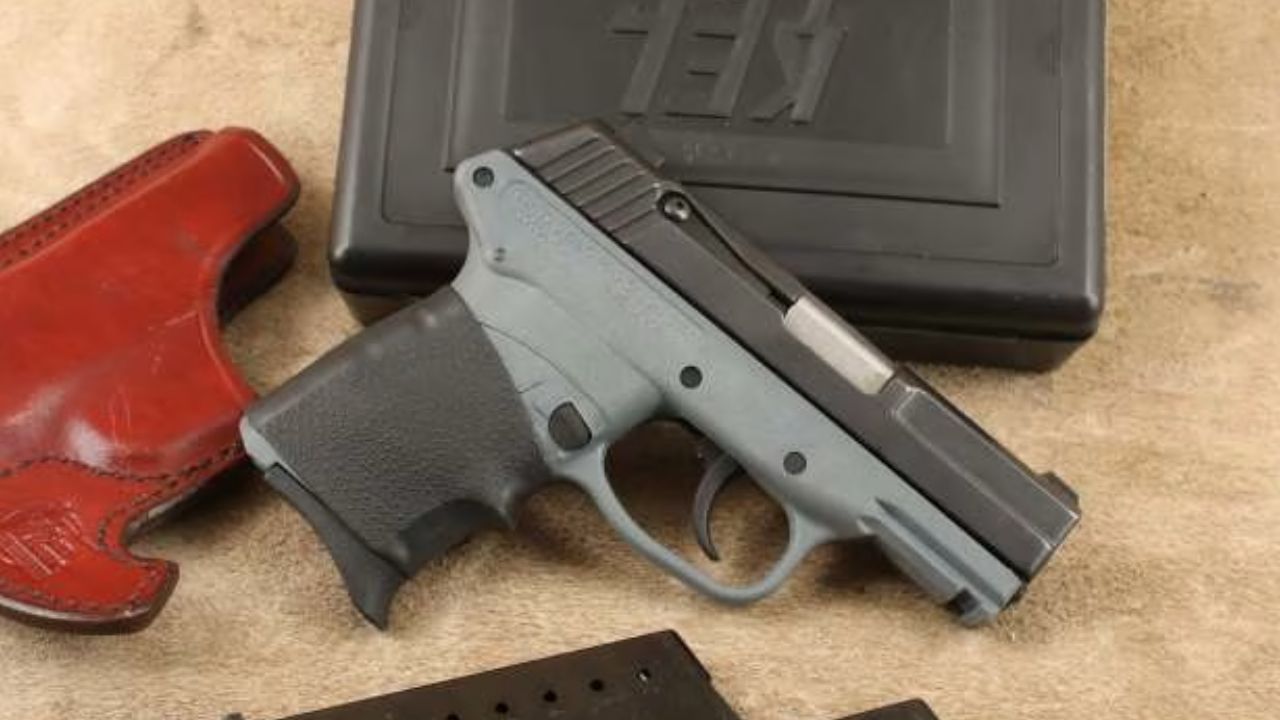
The Kel-Tec PF-9 has been carried by plenty of people because it’s thin, light, and affordable. It also has a reputation for being snappy and less enjoyable to shoot, and that matters more than people admit. A carry gun you hate shooting leads to short practice sessions and longer problem-solving sessions.
The money leak comes in a few forms. You burn ammo trying to get comfortable with recoil and control. You chase holsters, belts, and positioning because a light, thin pistol can shift and print more than expected. If you run into reliability quirks with certain loads, you test more ammo, which costs real money now. Many owners eventually upgrade to something that shoots better, and the PF-9 becomes a stepping stone you paid for twice. The initial price looks good. The long-term cost often tells a different story.
Taurus PT111 Millennium G2

The PT111 Millennium G2 earned popularity because it offered capacity and features at a price that felt like a steal. The gamble is consistency. When you get a good one, it can serve. When you get one that acts up, the costs pile up in testing, parts, and time spent trying to make it feel trustworthy.
The expensive part is the uncertainty cycle. You buy extra magazines, then you buy ammo to “prove it.” You may end up chasing springs or small parts, or sending it in and waiting. If you carry it, you also invest in holsters and belts, and that money doesn’t transfer cleanly when you switch pistols. Many owners eventually move on to a more proven platform, which turns the original “deal” into a down payment on the gun they buy next. A carry gun that forces you to second-guess it is rarely a bargain.
Panzer Arms AR-12

The Panzer Arms AR-12 and similar budget semi-auto shotguns sell on looks and price. They feel like you’re getting a lot of gun for the money. The problem is that semi-auto shotguns can be sensitive to ammo power, break-in, and small parts quality. If the gun only runs on a narrow slice of loads, you pay for it every time you buy shells.
Then the upgrades start. You chase magazines that feed reliably. You chase springs, followers, and tweaks that make the gun cycle with more than one type of ammo. You may pay a smith to sort issues that a better shotgun avoids. Range time turns into a function test, not training. The most expensive “budget shotgun” is the one that makes you buy premium shells to keep it running and then still leaves you wondering if it will cycle when you need it.
Like The Avid Outdoorsman’s content? Be sure to follow us.
Here’s more from us: