Photo credit: Den4is/Shutterstock.com
Some calibers look great on paper. They promise flat trajectories, light recoil, or knockdown power that sounds too good to pass up. But once you actually pull the trigger in a real-world setting—on game, in the field, or at the range—they fall flat. Whether it’s lackluster terminal performance, sketchy accuracy, or just not living up to the hype, these rounds have a way of letting you down when it counts. Here are ten calibers that sound smart, right up until they don’t.
.17 HMR

On varmints and paper, the .17 HMR is a blast. It’s fast, flat, and accurate—right up until wind or brush gets involved. A light crosswind can send that tiny pill way off course, and it doesn’t carry much energy past 100 yards. If you’re shooting prairie dogs on a calm day, it’s fun. But try using it in the woods or for anything tougher than a squirrel, and you’ll wish you brought something with a bit more muscle.
.22 TCM
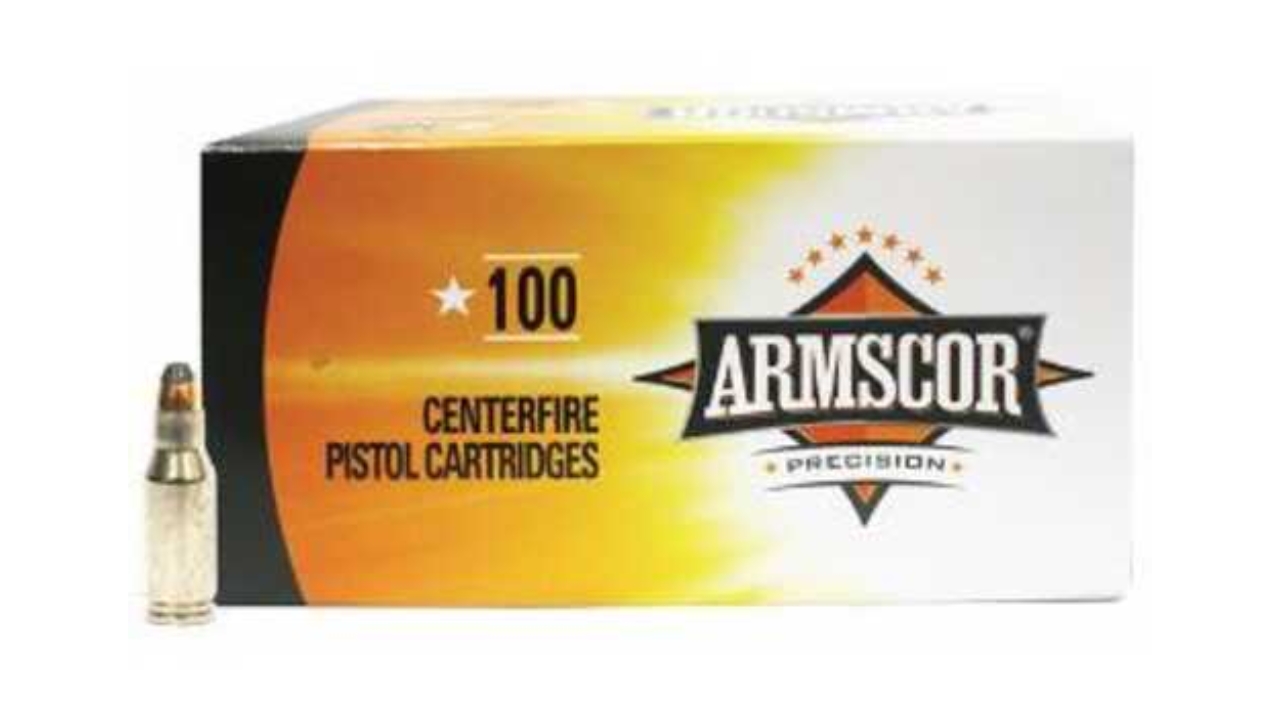
The .22 TCM feels like a clever idea—pistol-sized platform, rifle-like speed. But in real-world use, it’s loud, flashy, and hard to find ammo for. Terminal performance isn’t much better than a hot .22 Magnum, and good luck finding defensive loads. It looks cool and zips along at speed, but once you take the shot, you realize it doesn’t hit as hard as it sounds. It’s more novelty than practical choice for most shooters.
.204 Ruger
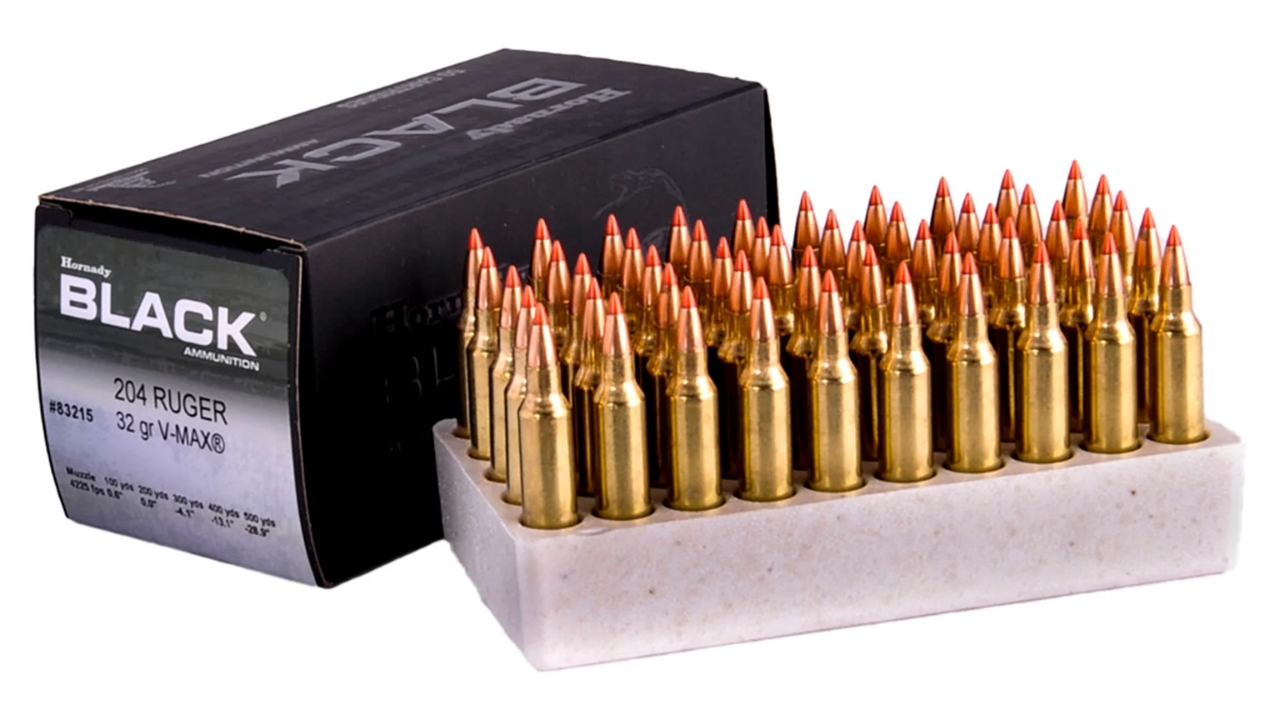
The .204 Ruger has impressive speed and flat trajectory, making it look like a perfect predator round. The problem shows up when shots aren’t perfect. It’s fast but doesn’t hit with much authority on anything larger than a coyote. Hit placement matters a lot, and even then, pass-throughs without much internal damage can happen. It’s a great range round, but for field use—especially on tougher critters—you’ll often wish you grabbed a .223 instead.
5.7x28mm

The 5.7x28mm gets talked up for its low recoil and high capacity, but that doesn’t mean it’s a solid performer across the board. It punches paper fine and can be fun in a pistol or carbine, but real-world terminal effect is questionable unless you’re using very specific loads. Many of the commercial options zip through without doing much damage. It’s not a terrible round, but once you actually shoot something with it, the limitations become clear fast.
.30 Carbine

On paper, the .30 Carbine splits the difference between a rifle and pistol round. But once you start shooting, it feels like it doesn’t do either job all that well. It’s underpowered for deer and doesn’t hit as hard as modern pistol calibers in some defensive loads. The M1 Carbine is fun to shoot, but if you’re relying on it for hunting or defense, you’ll start noticing the round’s lack of stopping power when it matters most.
.25 ACP

The .25 ACP gets brought up as a pocket carry option because it’s tiny and easy to conceal. But the truth is, it’s nearly useless in a real defensive situation. It struggles to penetrate, and most loads barely reach the threshold needed to be effective. It’s better than nothing—but not by much. Once you actually shoot it and look at the results, you’ll probably wish you’d gone with a .380 or even a .22 LR instead.
.300 Blackout Subsonic
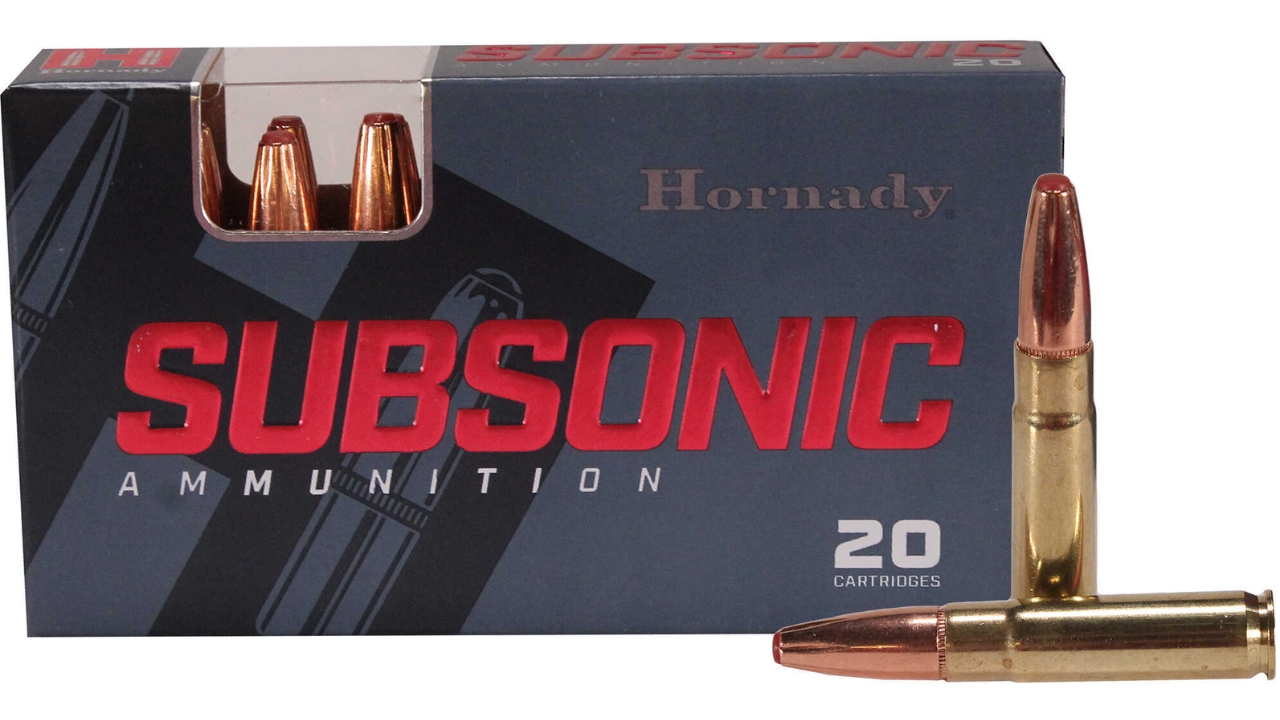
Subsonic .300 Blackout rounds sound great for suppressed use—but that’s where the magic stops. They’re slow, have poor terminal ballistics, and require expanding projectiles to perform at all. A lot of them just punch through without doing much damage. At close range with the right ammo, they work—but step outside that narrow window and you’ll find out fast that the bullet might not get the job done. It’s quiet, sure, but it comes at a price.
.45 GAP
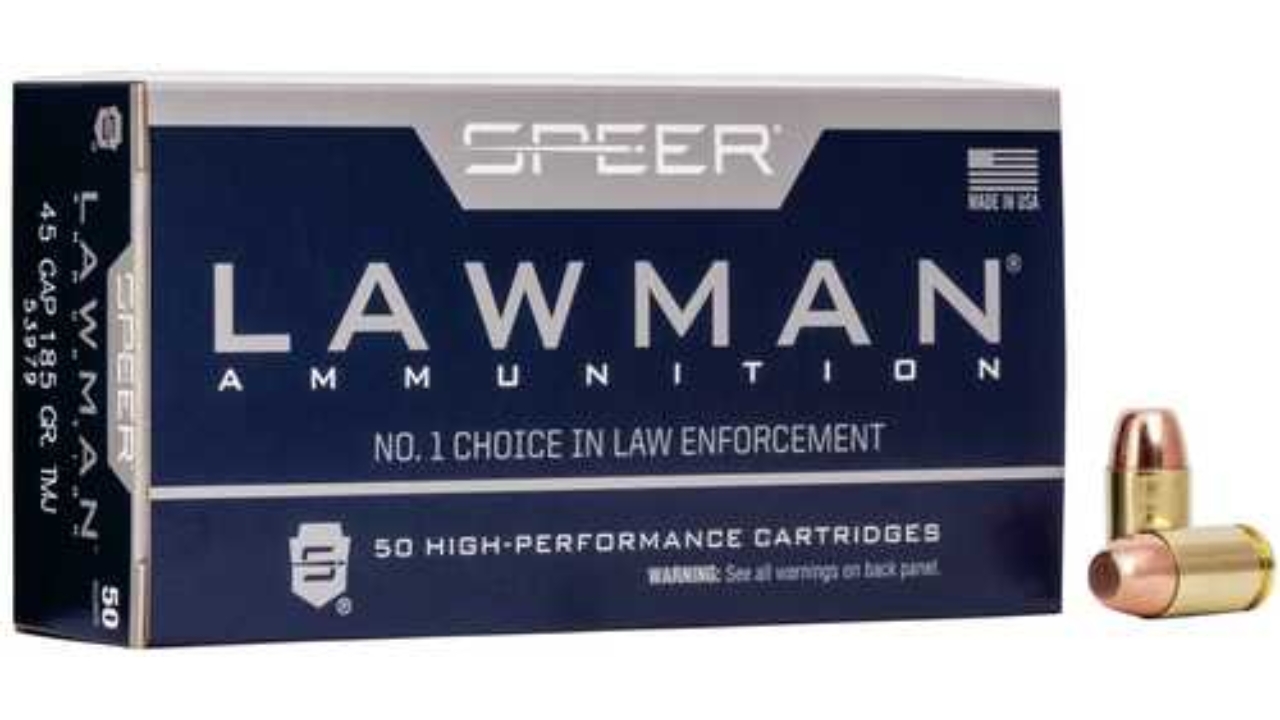
The .45 GAP was supposed to give you .45 ACP power in a 9mm-sized frame. In theory, that’s handy. In practice, it’s hard to find ammo, and performance isn’t significantly better than modern 9mm loads. Once you factor in the cost and the lack of real-world benefit, it starts to feel like a solution to a problem nobody had. Most folks who try it end up ditching it once they realize it doesn’t really outperform anything that’s already common.
.223 WSSM
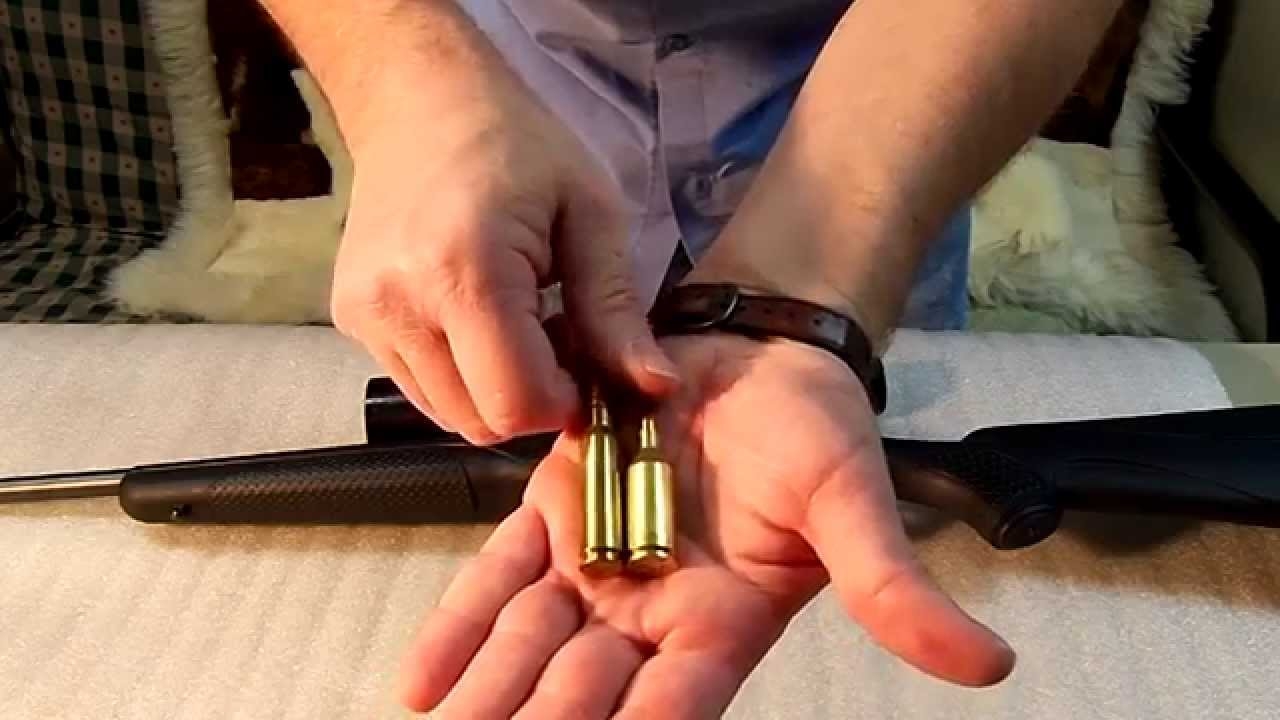
The .223 Winchester Super Short Magnum was designed to scream out of the barrel with serious speed. It does that—but with a price. Barrel life takes a hit, and good luck finding ammo outside of a specialty shop. You’re also dealing with increased recoil and little real gain over standard .223 or .22-250 loads. It might look clever on paper, but once you spend time carrying and shooting it, it starts feeling more like a burden than a benefit.
7.62x39mm in Bolt Guns
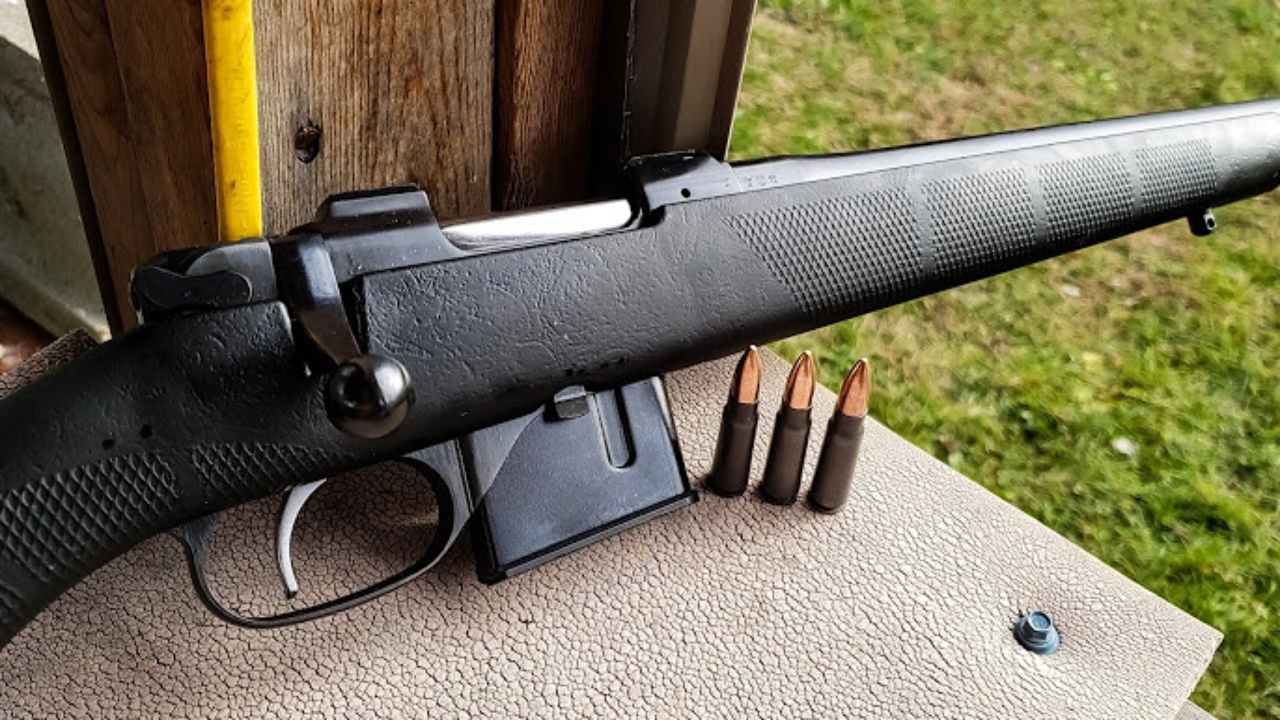
The 7.62×39 is great in an AK—it’s cheap, reliable, and gets the job done inside 200 yards. But drop it into a bolt-action rifle and it quickly feels out of place. Accuracy isn’t always consistent due to ammo quality, and you’re not really gaining anything over a good .30-30 or .300 BLK. Plus, most factory loads are designed with semi-autos in mind. It’s a cool idea on the surface, but once you shoot it from a bolt gun, the performance just feels flat.
*This article was developed with AI-powered tools and has been carefully reviewed by our editors.