Photo credit: CZ9mmUSA/YouTube
Some guns make a strong first impression. Others do not. They feel plain, heavy, awkward, too traditional, or just not especially exciting when you first handle them at the counter. Those are often the guns newer buyers underestimate. They want instant charm, instant speed, instant validation, and they do not always realize that some firearms reveal their value slowly, usually after enough range time to separate real performance from surface-level appeal.
That is where opinions start changing. A gun that once seemed boring starts feeling steady. A platform that looked outdated starts making more sense. A trigger that felt strange at first starts showing why experienced shooters trust it. These are the guns people often dismiss early and only begin to respect after they have shot enough to understand what actually matters.
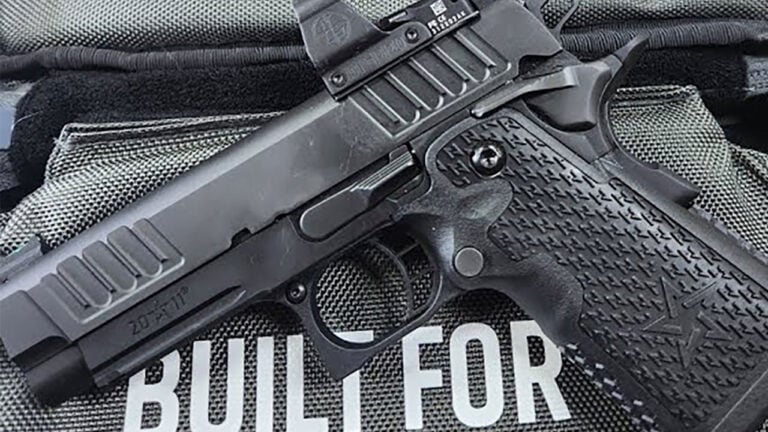
CZ 75 SP-01
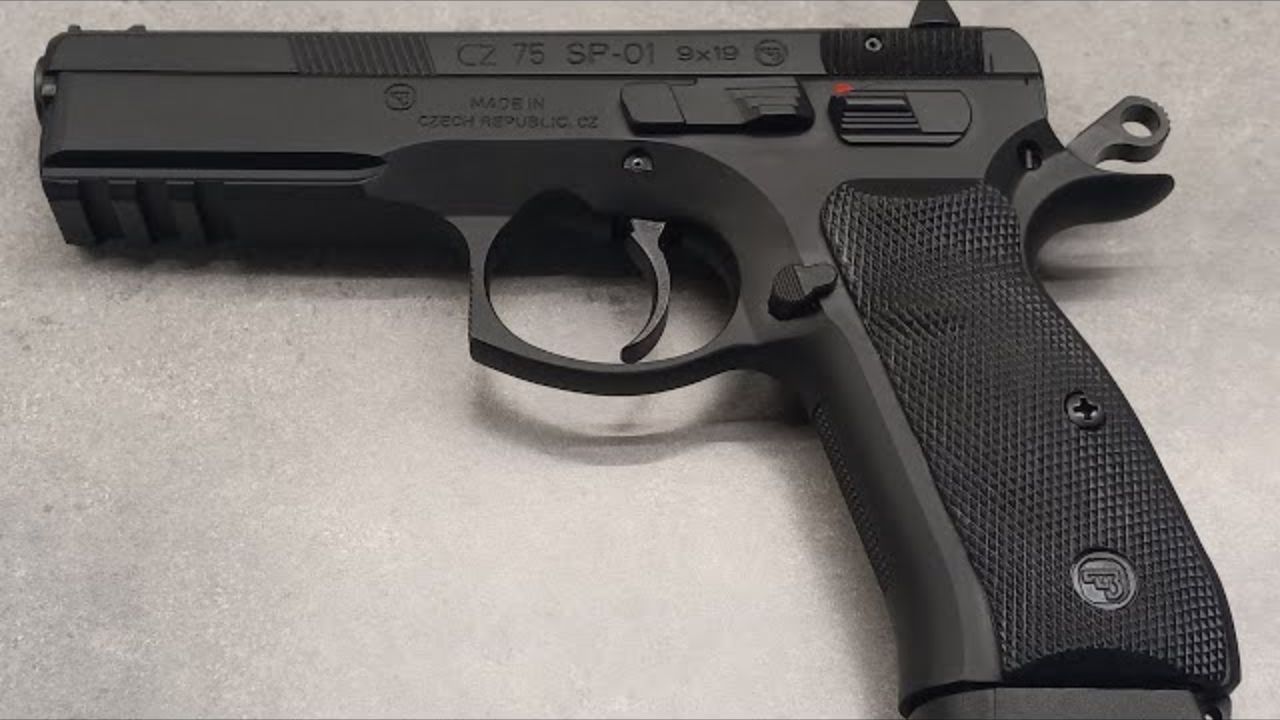
The SP-01 is one of those pistols that can seem a little overbuilt at first. It is heavy for a 9mm, not especially flashy, and easy for newer shooters to dismiss as a steel-frame leftover in a market full of lighter options. On paper, that weight can even look like a downside if all a buyer cares about is specs and what feels modern in the gun case.
Then you shoot it. The recoil settles down, the sights track cleanly, and the pistol starts feeling like it is helping instead of fighting you. That is when people begin to understand why experienced shooters stay loyal to guns like this. The SP-01 does not make its case through excitement. It makes it through control, confidence, and the kind of range performance that gets harder to ignore the longer you spend behind it.
Beretta 92X Performance

A lot of buyers look at the 92X Performance and see a large, heavy pistol that seems like too much gun for too little payoff. The slide profile looks familiar in a way people think they already understand, and the size can make it easy to assume it is just another oversized Beretta trying to live off old reputation. That is usually the opinion before the first real session.
Once the shooting starts, the conversation changes fast. The gun stays flat, returns to target cleanly, and rewards rhythm in a way many lighter pistols do not. The trigger system, weight, and overall balance begin to make sense all at once. It is one of those pistols that teaches a useful lesson: some guns stop looking excessive the moment you realize how much easier they make accurate shooting under pressure.
Ruger GP100

The GP100 rarely wins people over with glamour. It looks sturdy, a little blocky, and more practical than graceful. Buyers who are newer to revolvers sometimes assume it is just a chunky old wheelgun from a category that more modern pistols already left behind. That first impression sticks right up until they spend enough time actually shooting one instead of judging it like a display piece.
That is when the respect starts building. The gun handles magnum loads with real authority, tracks better than many expect, and gives the shooter a sense of durability that cannot be faked. The trigger smooths out with use, the frame weight starts making sense, and the whole revolver begins to feel less like a relic and more like a serious handgun. A GP100 earns admiration the slow way, which usually means it earns the real kind.
Browning Hi-Power

The Hi-Power can feel underwhelming to newer shooters who expect every respected pistol to wow them instantly. It does not always have the out-of-the-box trigger they imagined, and it can seem like a slim old steel gun that people praise mostly because history told them to. That is why plenty of buyers handle one, shrug, and wonder what the fuss was supposed to be about.
Then they shoot it enough to stop thinking in first-impression terms. The way it points, the balance in the hand, and the speed with which it settles into natural shooting rhythm start becoming obvious. It may not beg for attention, but it starts rewarding experience in ways many louder pistols never do. The Hi-Power is a classic example of a gun people only understand after they give it more than one box of ammo and a shallow opinion.
Smith & Wesson Model 686

The 686 often gets underestimated by buyers who think revolvers are mostly for nostalgia, collecting, or casual range fun. A stainless .357 with some weight to it can look like a gun from a different era, especially to people raised on striker-fired pistols and capacity charts. That makes it easy to admire politely without really expecting it to outperform modern expectations in any meaningful way.
That changes after enough trigger time. The balance begins to click, the recoil control starts standing out, and the trigger rewards patience instead of punishing it. Once a shooter learns how to run a good double-action revolver, the 686 stops feeling old and starts feeling exact. It is the kind of handgun that makes newer buyers understand why experienced shooters still value mechanics, discipline, and shootability more than whatever the market is obsessing over this month.
SIG Sauer P210 Target

The P210 Target is easy to dismiss if you are only looking for obvious excitement. It is expensive, traditional-looking, and not built around the usual modern talking points. Plenty of buyers see a single-stack steel 9mm and assume the appeal must be mostly collector-level admiration or nostalgia for older European pistols. That assumption usually survives right up until the gun gets properly used.
After enough rounds, the respect comes naturally. The precision, trigger quality, and overall calmness of the pistol become impossible to ignore. It does not need to look futuristic because it does something many newer guns do not: it makes excellent shooting feel repeatable. The P210 is one of those pistols that teaches people a blunt lesson about craftsmanship. You can shrug at it in the case, but it gets much harder to shrug once you start shooting it well.
Winchester Model 70 Featherweight

A lot of hunters first see the Featherweight as just another old-school rifle with nice lines and a strong reputation. That can make it feel almost too familiar to take seriously, especially for buyers who are used to newer rifles being sold on materials, modularity, and technical edge. The Featherweight does not scream innovation, and because of that, some shooters mistake it for little more than a traditional-looking comfort pick.
Then they carry it, shoot it from real field positions, and start noticing how complete it feels. The balance makes sense, the handling feels natural, and the rifle becomes easier to trust than many newer guns that looked more advanced in the shop. That is when respect sets in. The Featherweight is not impressive because it is loud. It is impressive because experienced hunters know how hard it is to build a rifle that simply feels right this quickly and this consistently.
Colt Gold Cup Trophy

The Gold Cup Trophy is often misunderstood by buyers who think a 1911 either has to be a hard-use defensive gun or a fussy vanity piece. That makes this pistol easy to misread at first glance. Some people assume it is too refined to be practical, while others assume it is living off the 1911 name more than real-world performance. Either way, many buyers underestimate it before ever giving it enough time.
That changes once they actually shoot it with purpose. The trigger starts making sense, the accuracy becomes obvious, and the way the pistol rewards control and concentration starts standing apart from more generic shooting experiences. It is not a gun that flatters laziness, which is exactly why experienced shooters often appreciate it more than casual ones do. The Gold Cup earns respect from people who shoot enough to recognize what a truly shootable pistol feels like.
Marlin 336

The Marlin 336 is easy for newer shooters to dismiss as just a nice old lever gun with more nostalgia than practical value. In a market crowded with bolt guns, detachable magazines, and long-range sales pitches, the 336 can look too simple to be serious. That first impression is especially common among people who have not hunted much thick country or who think every good rifle needs to look technical.
Then they spend time carrying one through real terrain. They feel how quickly it shoulders, how naturally it moves, and how well it fits the kinds of shots many hunters actually get. That is where the respect starts. The 336 is not trying to win a spec-sheet fight. It is trying to be a fast, dependable woods rifle that feels alive in the hands. Shooters often only begin to understand that after they have enough field time to know better.
Walther Q5 Match Steel Frame

At first glance, the Q5 Match Steel Frame can look like one more dressed-up modern pistol aimed at buyers who like premium branding and competition styling. That makes some shooters suspicious right away. They assume the weight and finish are mostly there to sell an image, not to offer a genuinely better shooting experience. That is a hard opinion to break without actual time on the trigger.
Once it gets shot seriously, that opinion usually softens. The steel frame changes how the gun behaves, the tracking starts looking cleaner, and the pistol reveals a level of consistency that is hard to fake with cosmetics alone. The respect comes from what happens during strings of fire, not from what it looked like on the shelf. Guns like this get appreciated properly only after shooters learn to separate appearance from actual performance.
Ruger Blackhawk
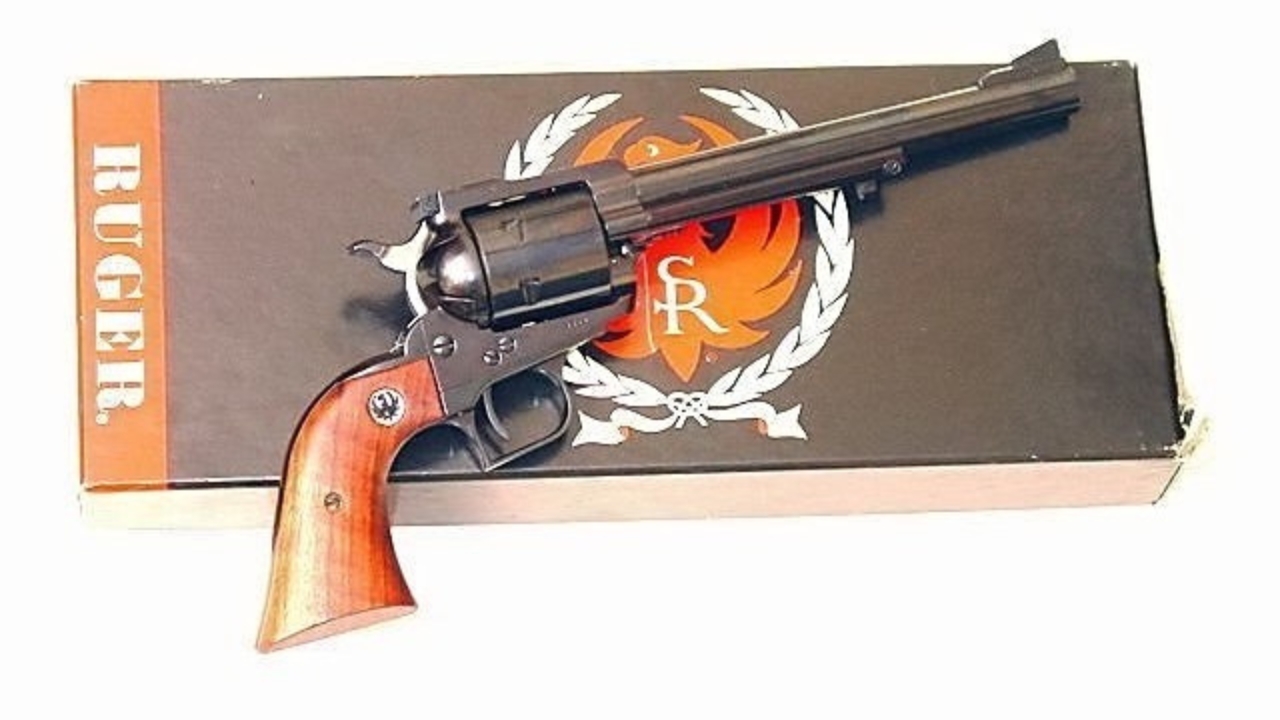
The Blackhawk often gets written off by newer buyers as a cool-looking single-action that is more about western charm than practical value. It seems slower, older, and less relevant than almost anything in the modern semiauto world. That makes it easy to treat like a novelty, especially if the buyer has not yet learned why deliberate shooting can be so revealing and so rewarding.
Then they spend enough time with one to understand the difference between outdated and disciplined. The strength of the platform, the control it offers with serious loads, and the way it forces better shooting habits all start to stand out. The Blackhawk does not beg for approval. It teaches patience. Shooters often only start respecting it after they realize how much it offers once they stop demanding modern convenience from a gun built around something deeper.
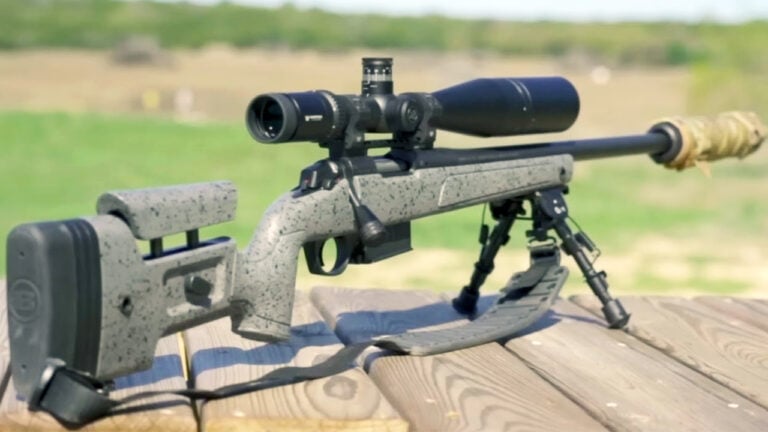
Tikka T3x Hunter
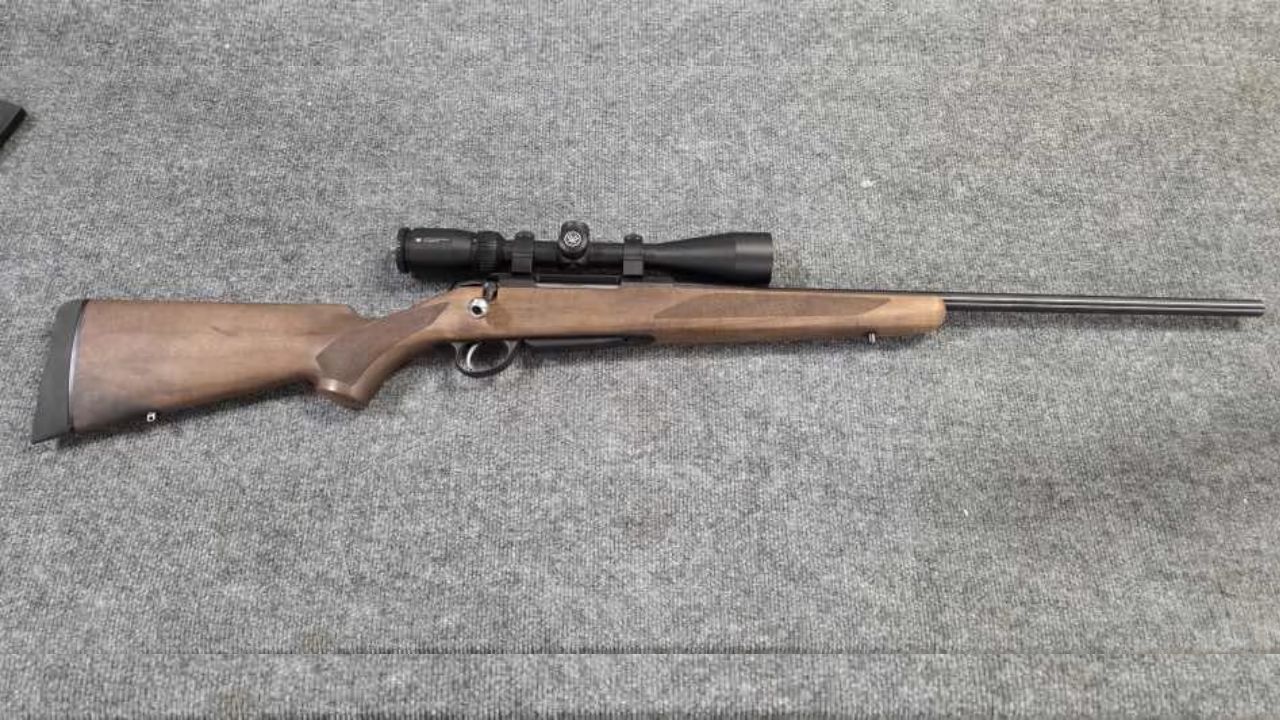
The T3x Hunter can seem almost too plain to impress at first. It does not carry the old prestige of certain legacy rifles, and it does not market itself with the kind of overbuilt attitude some newer hunting guns use to look serious. That makes it easy for buyers to assume it is simply a clean, nice rifle and not much more than that. Then they actually spend time behind one.
That is where the rifle starts making its real case. The action feels smooth without trying too hard, the accuracy shows up without excuses, and the whole package behaves like a hunting rifle designed by people who understood what hunters actually need. The T3x Hunter usually earns deeper respect over time because it does not make a scene. It just keeps doing things correctly, which experienced shooters know is often much rarer than loud branding makes it sound.
Smith & Wesson Model 41
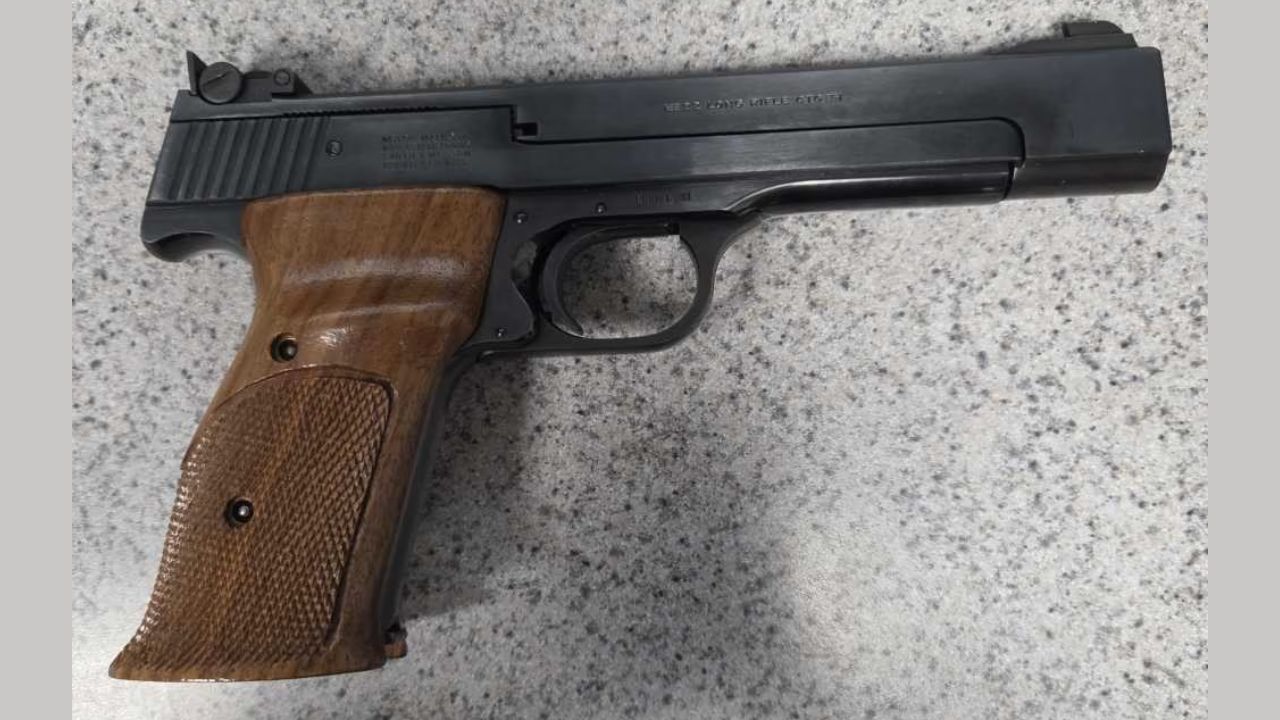
The Model 41 is one of those pistols newer shooters sometimes underestimate because it is “just a rimfire” in their minds. They see a handsome old target pistol and assume the appeal must be mostly tradition, aesthetics, or collector interest. That is a shallow read, but it is a common one, especially among buyers who have not yet learned how much a really good rimfire can reveal about trigger control and shooting discipline.
Once they start using it seriously, the pistol changes their mind for them. The trigger, balance, and precision all come together in a way that makes careless shooting impossible to hide. That is when the respect shows up. The Model 41 is not impressive because it is old or elegant. It is impressive because it still makes many shooters realize how much better a pistol can feel when it was built with real purpose instead of just broad-market appeal.
Ruger No. 1

The Ruger No. 1 is easy to romanticize and just as easy to underestimate. Some buyers treat it like a beautiful hunting rifle that matters more as an object than as a serious field tool. A falling-block single-shot can look like something you admire more than something you rely on, especially in a market that loves to equate capacity with practical value. That assumption usually survives until the rifle gets honestly used.
Then the balance, handling, and simple seriousness of the platform start to show themselves. A No. 1 makes a hunter slow down and get more deliberate, and that can reveal a lot about both the rifle and the shooter. People often begin respecting it only after they realize it is not limiting them nearly as much as their own habits were. That kind of lesson sticks, and so does the rifle.
Heckler & Koch USP 45
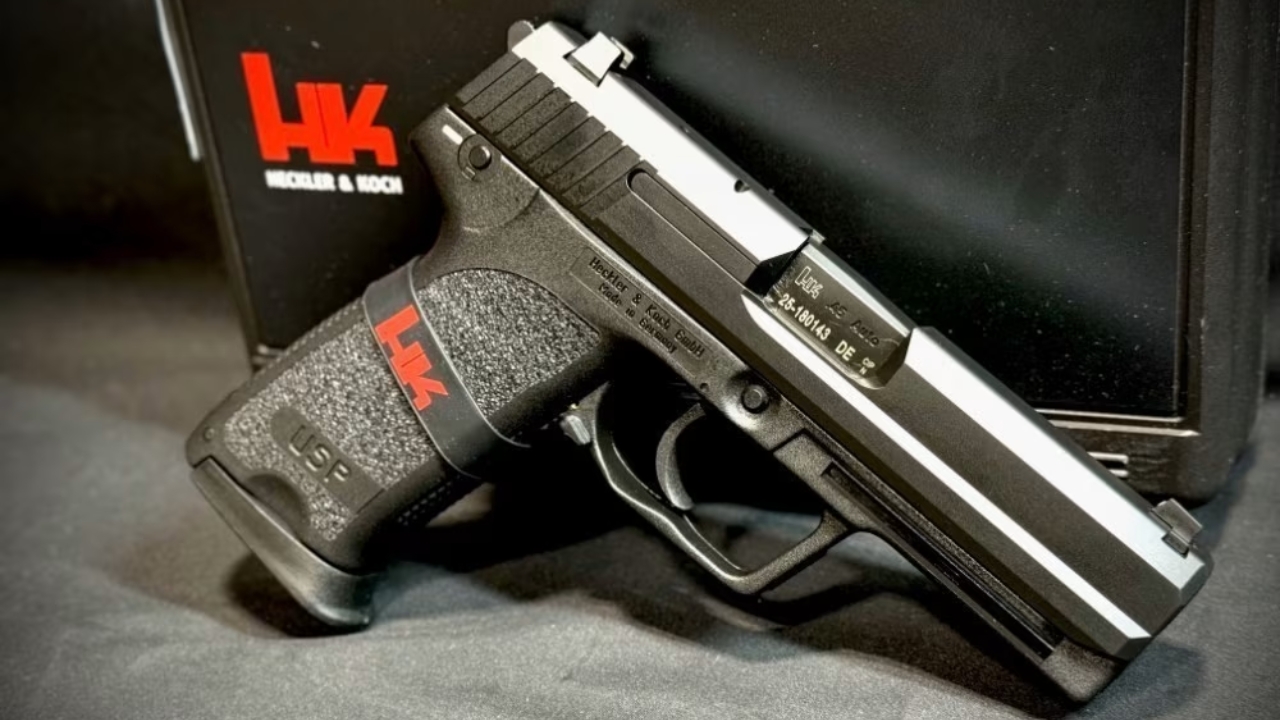
The USP 45 is not a gun that usually wins over newer buyers with elegance. It looks chunky, feels oversized to some hands, and gives off the impression of being more industrial than refined. That leads plenty of people to assume it is an outdated service pistol that stayed relevant mostly because of brand reputation. It does not always make a great first impression next to cleaner-looking modern pistols.
Then enough shooting time changes the whole conversation. The gun starts feeling stable, durable, and unusually trustworthy. The recoil impulse makes more sense, the controls stop feeling awkward, and the pistol’s overbuilt nature starts looking less like a flaw and more like a promise. The USP 45 is a classic example of a gun people only begin to respect once they have shot enough to understand why durability and shootability often matter more than charm.
Savage 99

The Savage 99 can look like a strange middle chapter to shooters who do not know the rifle well. It is not a modern bolt gun, not a typical lever gun, and not always as instantly romantic as some older Winchesters. That makes it easy to misread as an interesting old design that matters more in theory than in real hunting use. Plenty of people underestimate it before carrying one in the field.
Then the handling starts winning them over. The rifle comes up naturally, carries well, and feels faster and smarter than it first looked. Once hunters shoot one enough to understand how practical the design really is, the respect shows up quickly. The Savage 99 has that effect on people. It often takes more than a glance, but once the lesson lands, it tends to stay with them.
Like The Avid Outdoorsman’s content? Subscribe to our newsletter so you never miss an article.
Here’s more from us: