Photo credit: Justin Opinion/YouTube
New guns can get shooters fired up fast. A slick launch video, a few early reviews, and a familiar name on the slide can make a firearm feel like the next obvious buy before anybody has really lived with it.
Then the real world shows up. Triggers feel worse than expected, magazines get picky, ergonomics fall apart under speed, or the gun simply doesn’t do anything better than what shooters already had. These are the newer guns that reminded people that attention doesn’t mean much once the first range trip starts.
Smith & Wesson CSX
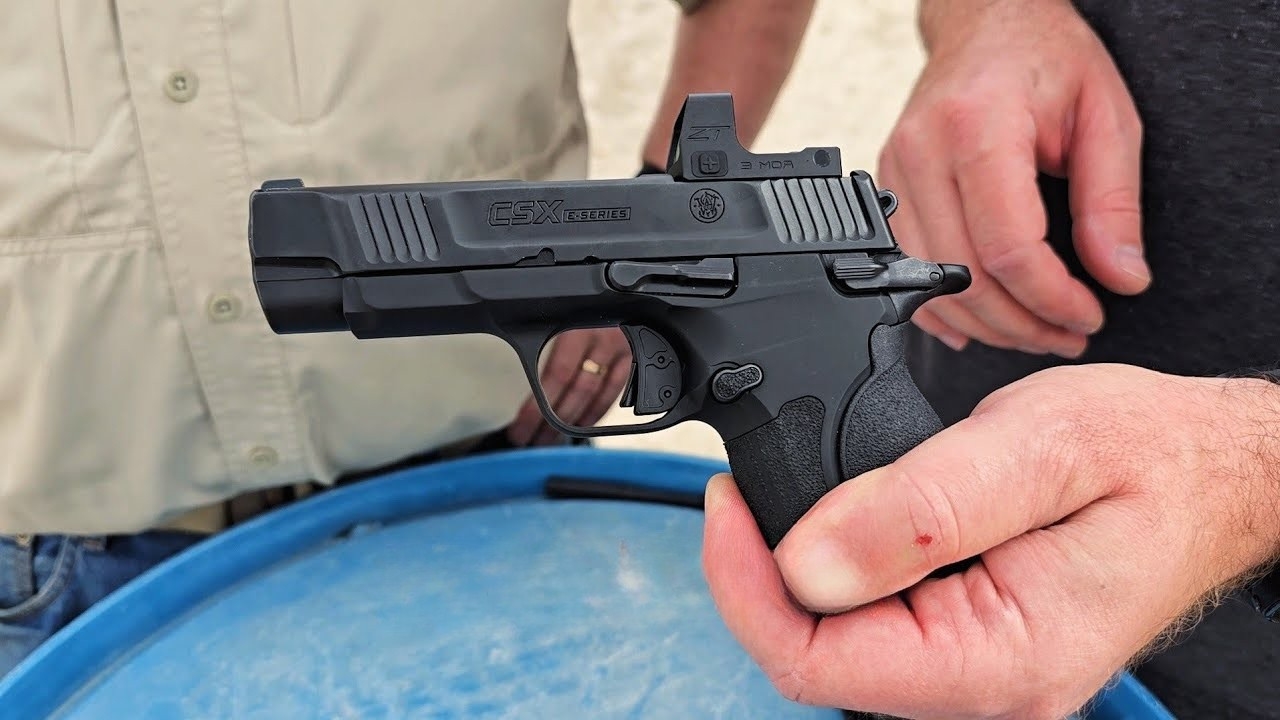
The Smith & Wesson CSX had a lot going for it on paper. It was small, metal-framed, hammer-fired, and carried more rounds than you’d expect from its size. For shooters tired of another polymer striker-fired carry gun, it sounded like something different in the best way.
Then people actually started shooting it, and the trigger became the main conversation. The reset felt odd to a lot of shooters, and the gun never really gave the same confidence as simpler micro-compacts. It wasn’t useless by any stretch, but it proved that a cool spec sheet does not automatically make a carry pistol easy to like.
Springfield Armory SA-35
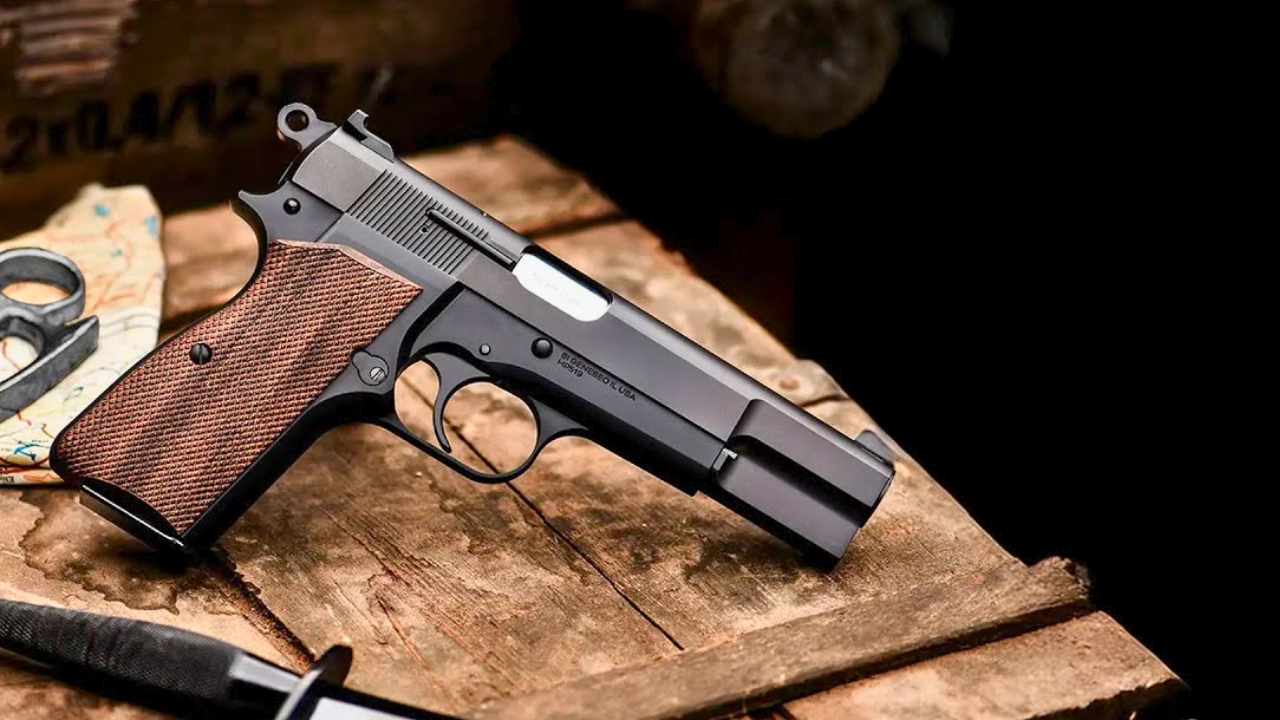
The SA-35 looked like exactly what a lot of Browning Hi-Power fans wanted. It had the classic shape, no magazine disconnect, better sights, and a price that made it easier to justify than chasing an older Belgian pistol. On the surface, it felt like a smart modern revival.
Early reliability complaints hurt that excitement fast. Some owners had extraction issues, feeding problems, or parts concerns that made the gun feel less sorted than it should have been. The idea was strong, and later examples may be better, but the launch reminded buyers that nostalgia only goes so far when a pistol has to run.
FN Reflex
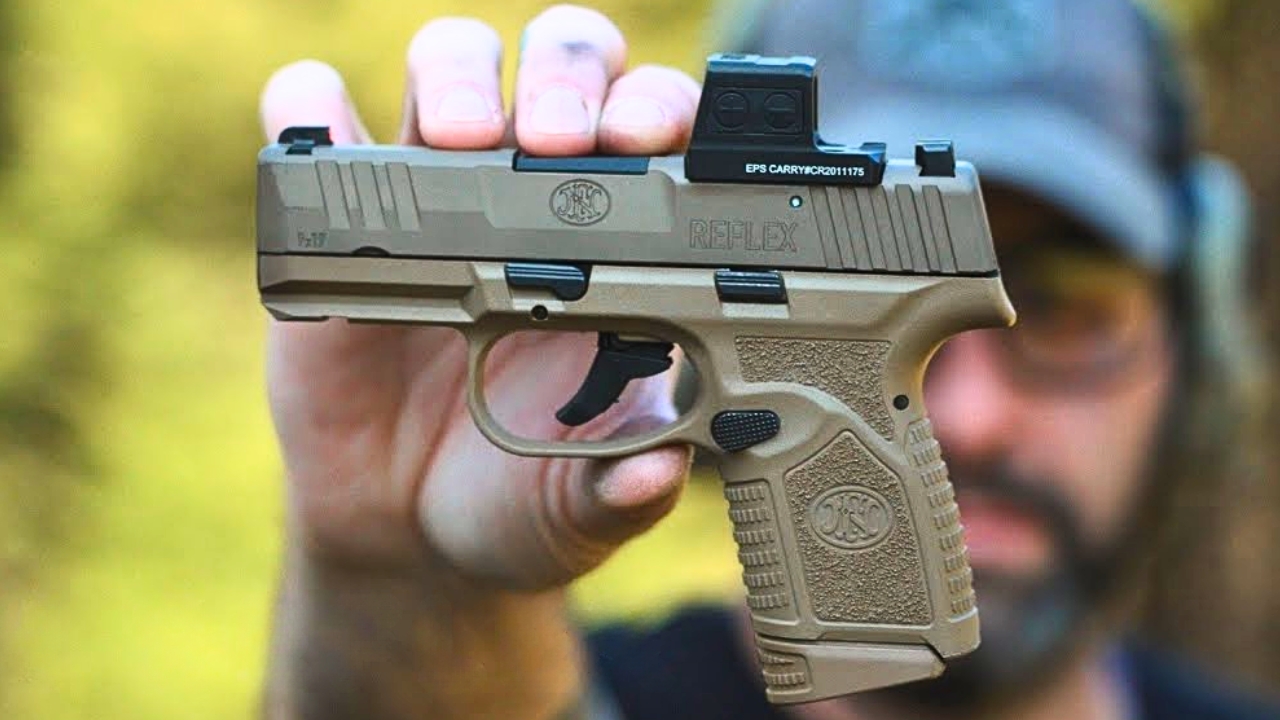
The FN Reflex came in with a strong name behind it and a carry-friendly size that made plenty of people pay attention. It offered good capacity, a small footprint, and a hammer-fired internal system at a time when most micro-compacts felt very similar.
The problem is that it didn’t clearly dominate the guns it was trying to beat. Some shooters liked it right away, but others found the recoil impulse snappy, the trigger feel unusual, or the overall shooting experience less polished than expected. In a crowded micro-compact market, being interesting is not enough. You still have to make people want to carry it over everything else.
Taurus GX4
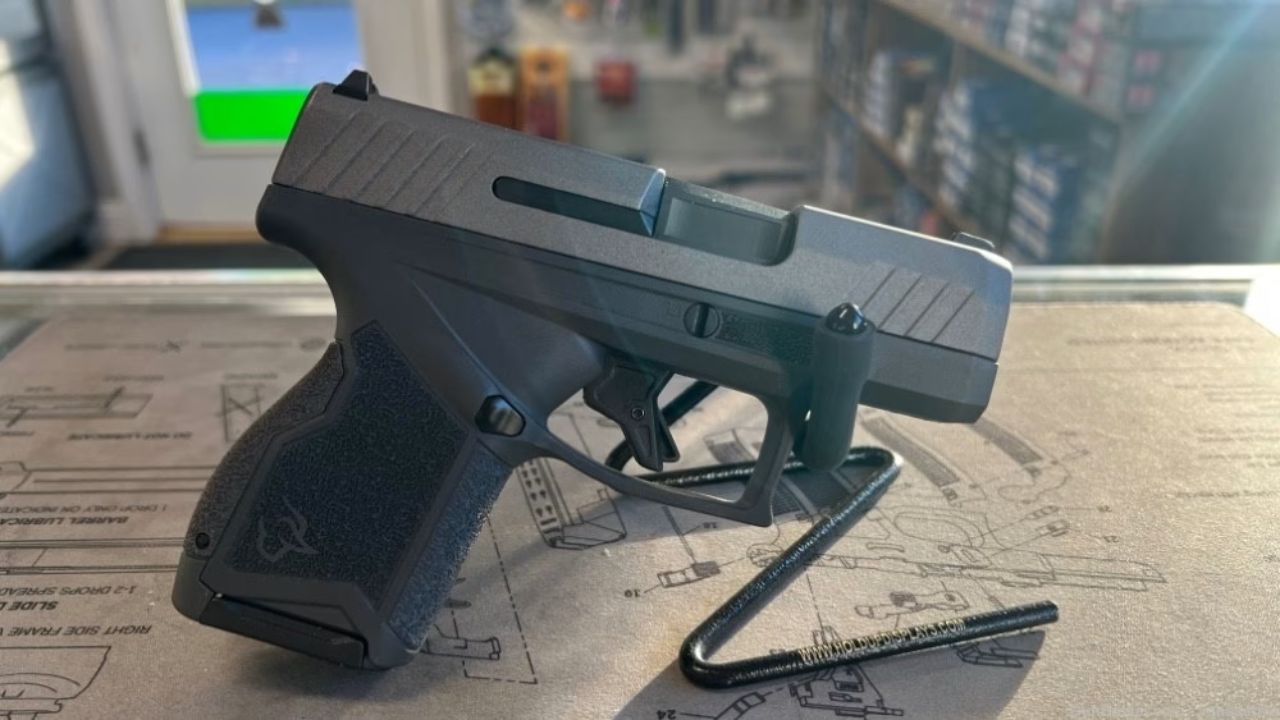
The Taurus GX4 helped change how some shooters looked at Taurus. It was small, affordable, and offered the kind of capacity people expected from a modern carry gun. For the price, it looked like a serious shot at the big names in the micro-compact world.
Still, budget carry guns live or die on trust, not just value. The GX4 had plenty of fans, but recalls and reliability concerns made some buyers hesitate. Even when an individual gun ran fine, the question was hard to shake: would you trust it over a Shield Plus, P365, Hellcat, or Glock 43X when the price difference was not huge?
Ruger Max-9

The Ruger Max-9 arrived right when everyone wanted a small 9mm with more rounds on board. Ruger gave buyers an affordable optics-ready option with familiar controls and a size that made sense for concealed carry. It checked a lot of boxes.
But it never really became the gun people bragged about after buying it. The trigger, finish, and overall feel left some shooters underwhelmed compared to the stronger micro-compacts already on the shelf. It works for plenty of people, but it didn’t make the category move. It mostly proved that meeting the checklist is different from standing out.
Kimber R7 Mako

Kimber did something interesting with the R7 Mako. The enclosed ejection port design, optics-ready setup, and unusual styling made it look like Kimber was trying to break away from the same old compact pistol formula. For a while, it had people curious.
The issue was that curiosity didn’t turn into broad loyalty. Some shooters liked how it handled, but others couldn’t get past the looks, grip shape, price, or the fact that it entered a market already packed with trusted choices. It was different, but different does not always mean better. A carry gun still has to win people over the boring way.
Savage Stance
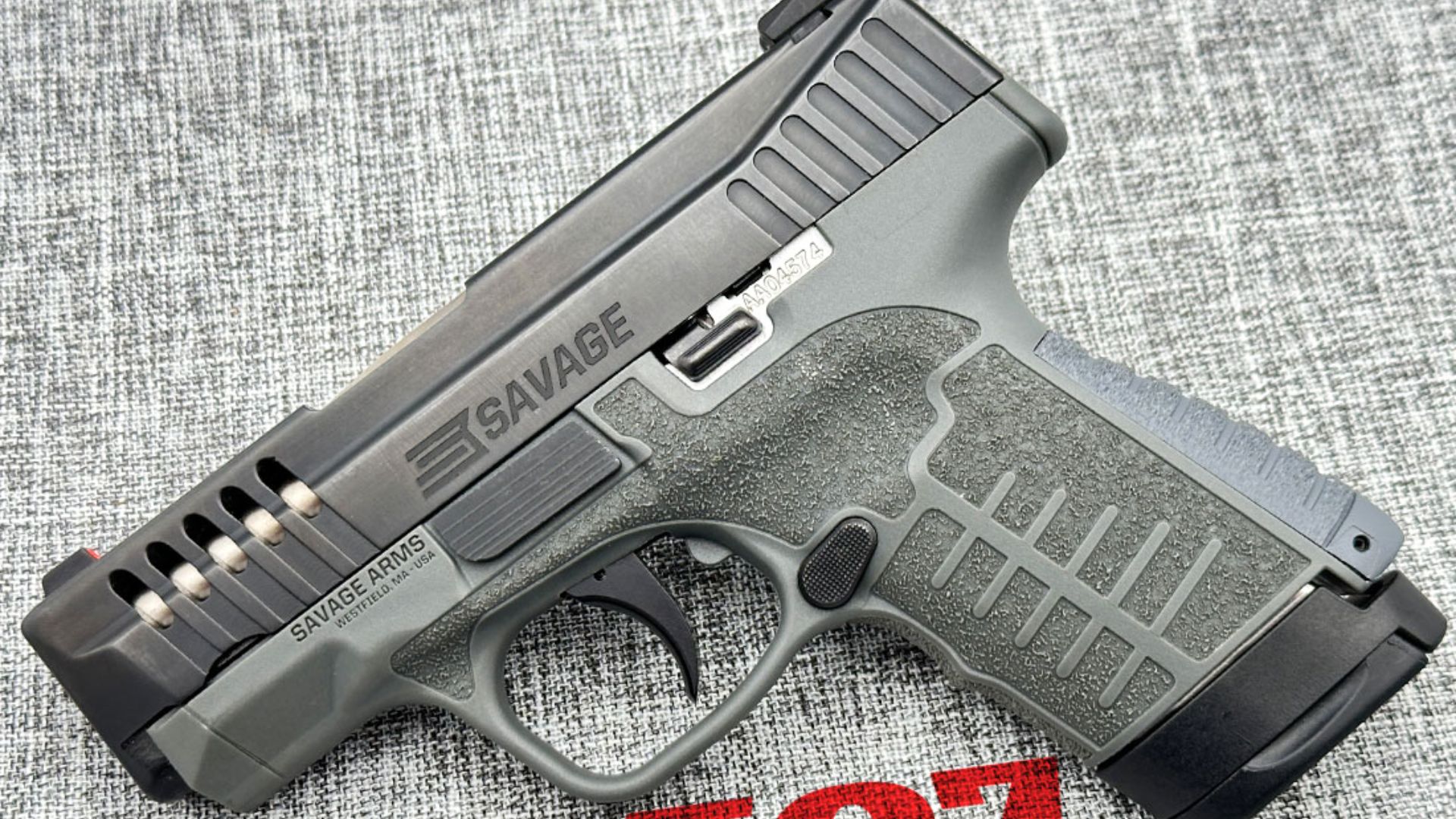
The Savage Stance had the benefit of a respected rifle name entering the defensive pistol market. That alone got attention. People wanted to see if Savage could bring something fresh to compact carry pistols after being known mostly for rifles and shotguns.
What they got felt fairly ordinary. The Stance was usable, but it didn’t give shooters a strong reason to pick it over the proven names already dominating the case. The trigger, ergonomics, and overall feel didn’t create much excitement after the first look. It was not a disaster. It was just another reminder that a famous rollmark does not guarantee a pistol will matter.
Remington R51

The Remington R51 had one of the roughest modern pistol launches people still talk about. It had an interesting operating system, a slim carry profile, and a brand name that carried a lot of history. On paper, it looked like Remington had brought back something clever.
Then the first version hit the real world, and the problems were hard to ignore. Reliability complaints, rough machining, and overall quality issues damaged the pistol almost immediately. Remington tried to correct course with later production, but the trust was already gone for many buyers. Few modern handguns showed the gap between launch excitement and ownership reality that clearly.
Mossberg MC1sc

The Mossberg MC1sc was a big deal because Mossberg was stepping back into the handgun market. That alone made shooters pay attention. A small 9mm carry pistol from a company known for dependable shotguns sounded like it could be a smart everyday option.
The gun itself was not terrible, but it did not take over anything. By the time it arrived, buyers already had a lot of strong compact carry choices. The MC1sc felt safe, reasonable, and mostly forgettable. It needed to do more than simply exist with a trusted name on the slide, and for a lot of shooters, it never quite got there.
SIG Sauer P322

The SIG P322 looked like a fun win at first glance. High capacity, optics-ready features, threaded barrel capability, and a modern feel made it seem like a great rimfire trainer or range pistol. For anyone who already liked SIG controls, it sounded even better.
But rimfire pistols have to be judged by how they run with real-world ammo, not just how good they look online. Some owners had great luck, while others dealt with ammunition sensitivity, feeding problems, or magazine loading quirks. That uneven experience kept it from feeling like the easy home run many expected. With .22 pistols, fun disappears fast when stoppages become the main event.
Colt King Cobra Carry

The Colt King Cobra Carry had serious appeal when it returned. A compact stainless revolver with the Colt name, a smooth profile, and real carry potential sounded like exactly the kind of wheelgun people had been missing.
The issue was expectations. Shooters remembered older Colt revolvers with a certain kind of polish, and the new production guns had to live under that shadow. Some liked them a lot, but others felt the trigger, finish, or price did not match the legend. It was a good example of how hard it is to revive a famous name when buyers are comparing it to memories instead of current competition.
Springfield Armory XD-S Mod.2 OSP

The XD-S Mod.2 OSP gave Springfield fans a slim carry pistol with optic capability, which sounded like a sensible update. It had a familiar feel, a small profile, and enough features to keep it relevant in the modern concealed carry market.
The problem was timing. By the time it was fighting for attention, the micro-compact world had changed fast. Higher-capacity pistols were everywhere, and the XD-S platform started feeling older than it really was. It could still serve as a carry gun, but it didn’t feel like the exciting choice anymore. The market simply moved faster than the update did.
Beretta APX A1 Carry
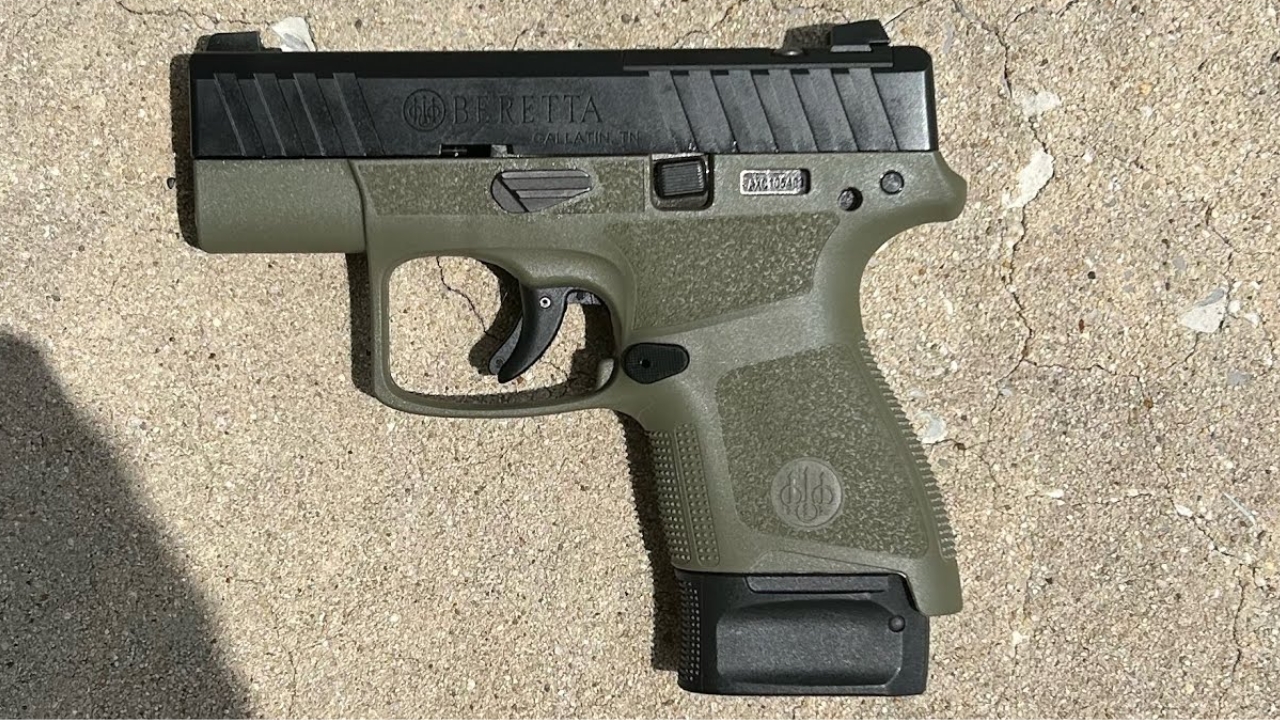
The Beretta APX A1 Carry had the advantage of coming from a major handgun maker with real duty-gun credibility. It was compact, optics-ready, and positioned as a practical concealed carry pistol. For Beretta fans, it looked like a modern option worth considering.
But the little APX never generated the kind of pull that stronger micro-compacts had. Some shooters found the trigger, recoil feel, and overall handling less appealing than expected. It also had to fight against the P365, Shield Plus, Hellcat, and other guns that already had loyal followings. Being modern was not enough. It needed to feel better than the competition, and many buyers did not come away convinced.
SCCY DVG-1

The SCCY DVG-1 was supposed to give budget-minded buyers a striker-fired option with a cleaner feel than the company’s older hammer-fired pistols. It was inexpensive, compact, and aimed directly at people who wanted a defensive handgun without spending much.
The trouble is that low price only helps so much. Shooters still care about trigger quality, reliability, sights, controls, and confidence under stress. The DVG-1 never really shook the budget-gun reputation enough to compete with better-established carry pistols. It might make sense for some buyers, but it proved once again that affordable and trustworthy are not automatically the same thing.
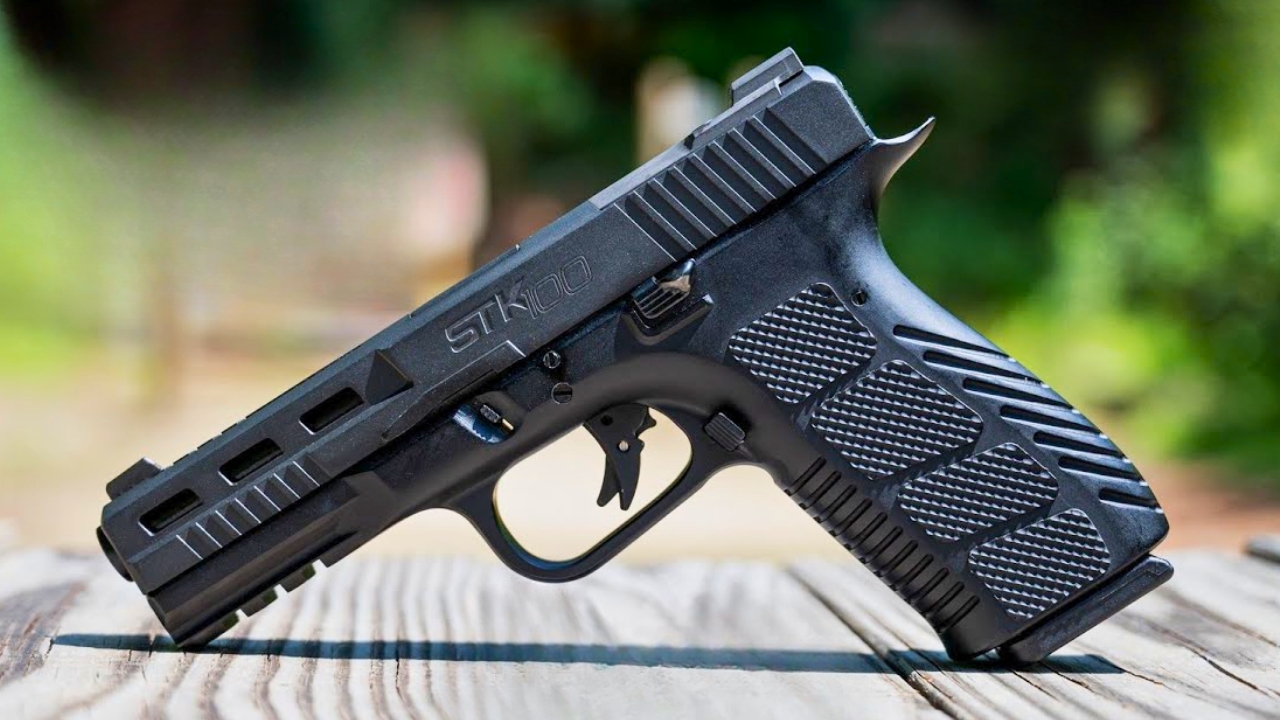
Rock Island Armory STK100
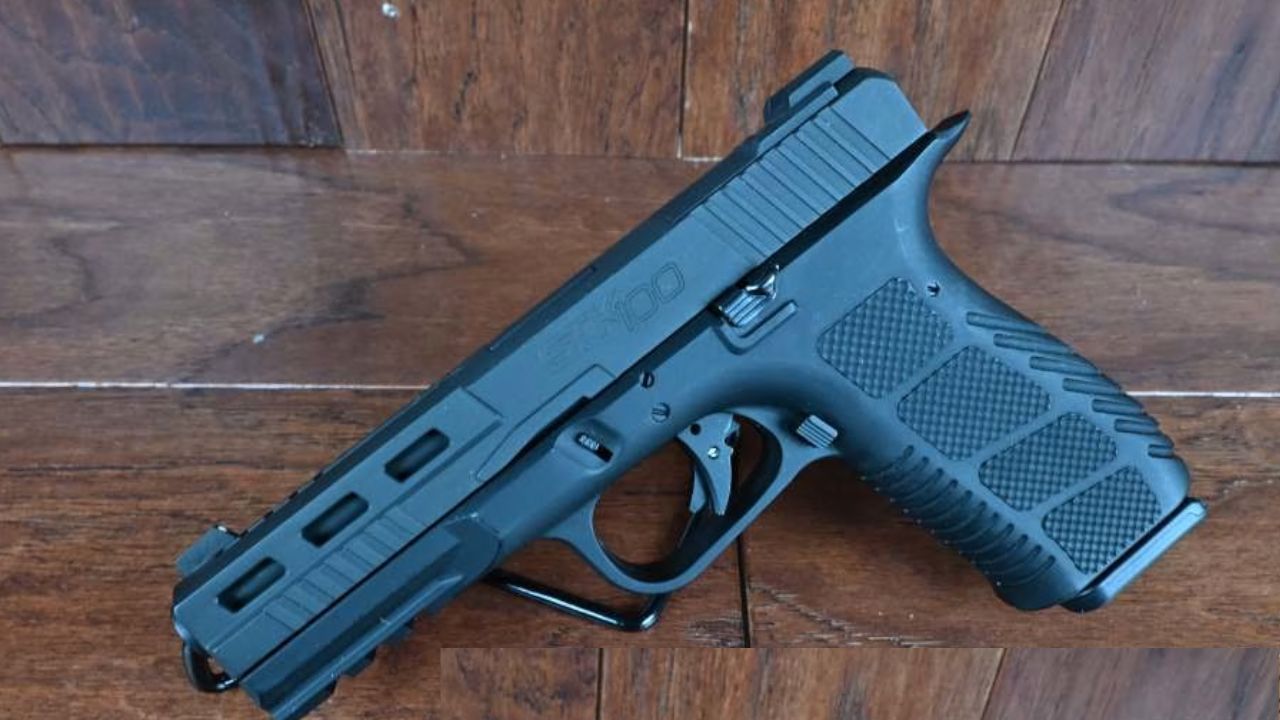
The Rock Island Armory STK100 got attention because it was not just another polymer Glock-style pistol. The aluminum frame, familiar layout, and affordable price made it sound like a practical twist on a proven formula. A metal-framed striker gun at that price was enough to make people look twice.
Once the excitement settled, the question became whether it actually gave shooters anything they could not get elsewhere. The trigger, fit, aftermarket support, and overall refinement did not convince everyone. It was interesting, but it entered a world full of reliable, easy-to-support pistols. A different frame material was not enough to make it a must-buy.
Like The Avid Outdoorsman’s content? Subscribe to our newsletter so you never miss an article.
Here’s more from us: