Photo credit: Tenacious Trilobite/YouTube
Some collector guns never arrive with a parade. They sit in plain sight for years while louder names soak up all the attention, and that is exactly why so many people miss them. They are not always the flashiest pieces in the room. Sometimes they are just well-made, lightly appreciated, and easy to assume will stay affordable a little longer. That kind of thinking usually ends the same way. One day the market wakes up, clean examples start drying up, and the same gun people used to walk past now sits behind a price tag that feels a lot more serious.
That shift happens fast once enough buyers realize they are not looking at a “someday” gun anymore. It may be discontinued, imported in limited numbers, tied to a finished era, or simply better than people gave it credit for at the time. Whatever the reason, the quiet ones can become expensive in a hurry. These are the collector guns that stayed low-key until the market started shouting for them.
Smith & Wesson 3913
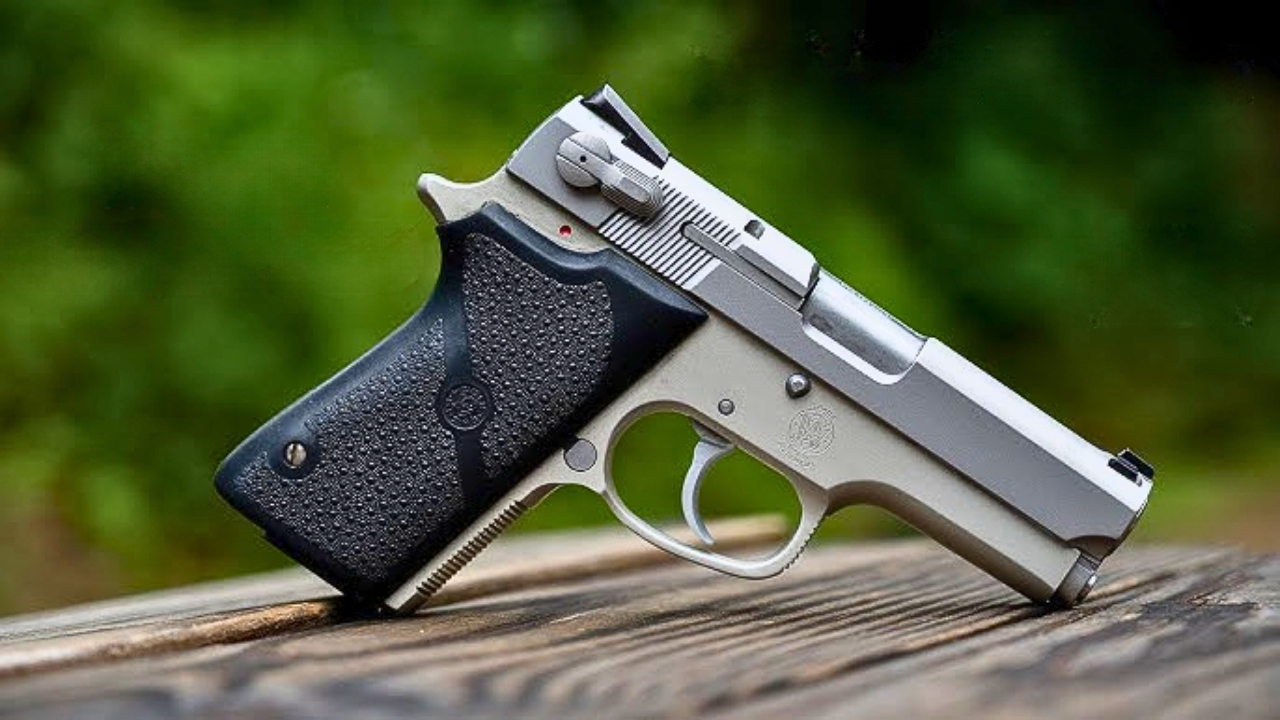
The Smith & Wesson 3913 spent a long time living in that dangerous middle ground where a gun is respected but never treated like a must-buy. It was slim, practical, metal-framed, and built during a period when a lot of shooters still assumed those older Smith autos would keep floating around forever. That made it easy to delay. It did not look exotic, and it did not carry the kind of swagger that makes casual buyers panic early.
Then people started paying closer attention to what it actually was. The 3913 suddenly looked like a smart carry pistol from a chapter of handgun making that was not coming back. Once that clicked, clean examples started moving differently. What had felt like a dependable sleeper became a collector gun with real pull. Plenty of people did not realize it had crossed that line until the prices already had.
Browning Hi-Power
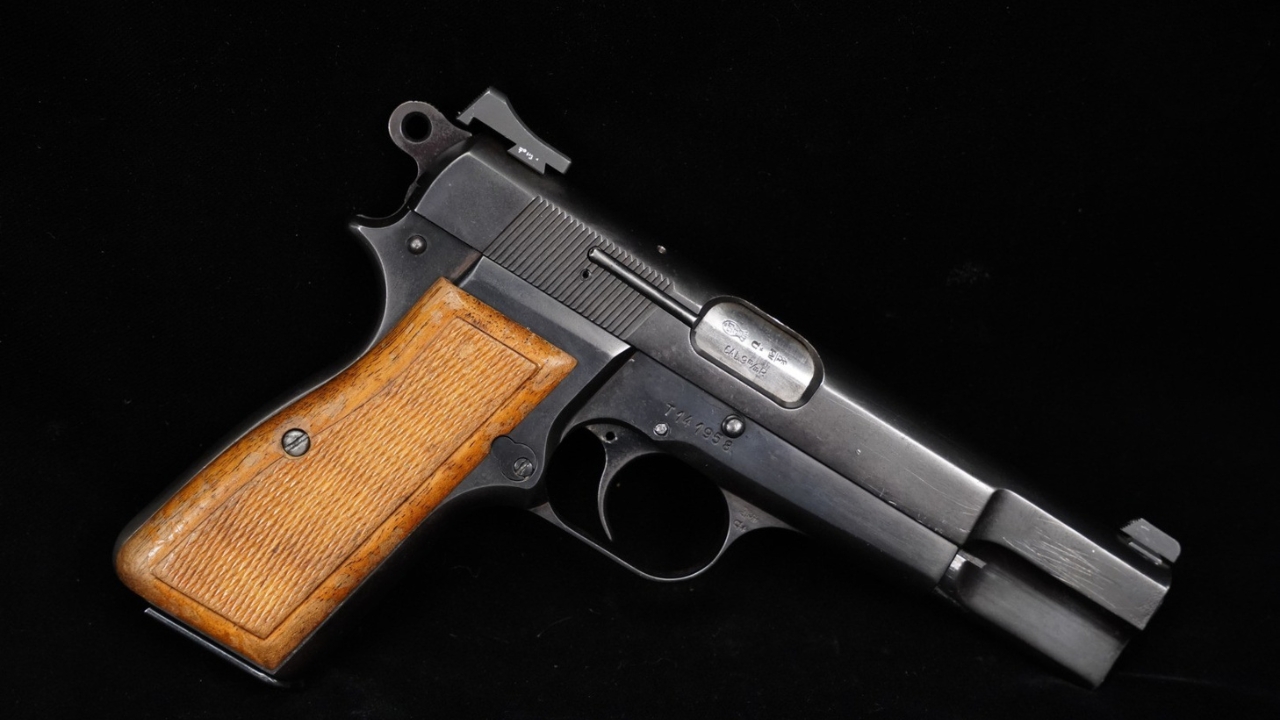
The Browning Hi-Power was always respected, but there was a long stretch where too many buyers confused respect with permanent affordability. It had history, military credibility, and a legendary designer behind it, yet it still sat in that category of classic pistols people figured they could always buy later. There always seemed to be another one somewhere. That illusion lasted longer than it should have.
Once original production stopped and buyers began sorting through Belgian guns, older commercial examples, and cleaner variants with more seriousness, the tone shifted fast. The Hi-Power quit being just a classy old 9mm and became a gun people suddenly felt behind on. That is usually how it happens. A collector piece stays quiet while everyone assumes the supply is deeper than it really is, then the prices start speaking for it.
Colt Woodsman
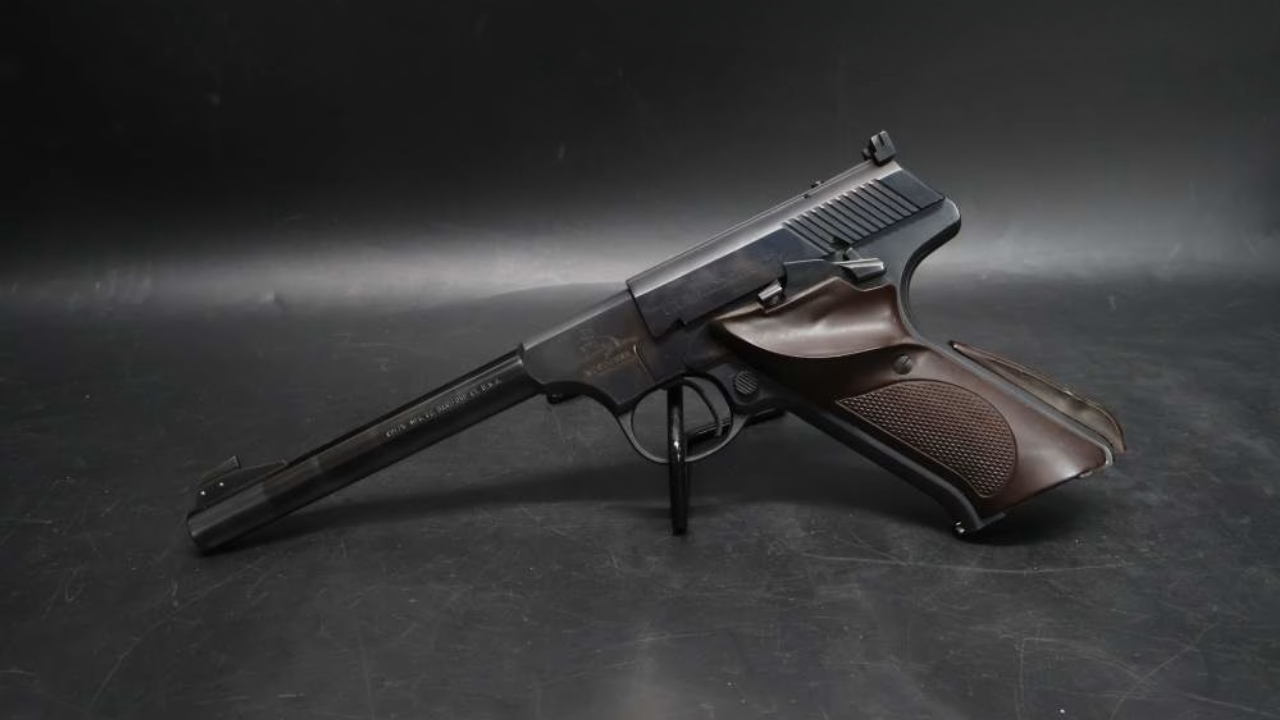
The Colt Woodsman is one of those pistols people used to admire politely without acting like they needed to own one right now. It had elegance, quality, and Colt cachet, but rimfire pistols do not always create urgency in the same way centerfire collectibles do. That let the Woodsman sit quietly in a lot of conversations for years, especially among buyers who thought there would always be another nice one at the next show.
Then the market got sharper. People started appreciating older Colt rimfires for the craftsmanship they represented, and the easy days of finding clean examples without much competition began thinning out. The Woodsman did not need hype to become desirable. It only needed enough buyers to stop taking it for granted. Once that happened, the old “nice little Colt” label gave way to price tags that made people wish they had moved sooner.
Remington 1100 Trap and Skeet grades

For years, a lot of buyers treated nicer Remington 1100 target models like they were just part of the scenery. They were well liked, sure, but also familiar enough that many shooters assumed good Trap and Skeet grade guns would always be around if they ever wanted to step into one. That kind of long visibility makes people lazy. They stop treating quality like a limited resource.
Then the gun world started looking harder at older polished-production shotguns, and the better 1100 variants stopped feeling so casual. Clean wood, solid finishes, and older target configurations suddenly mattered more to buyers than they used to. Once enough people realized these were not just old clay guns but pieces from a better-finished era, prices started rising with more confidence. Quiet collector status turned into loud market reality in a hurry.
SIG Sauer P210

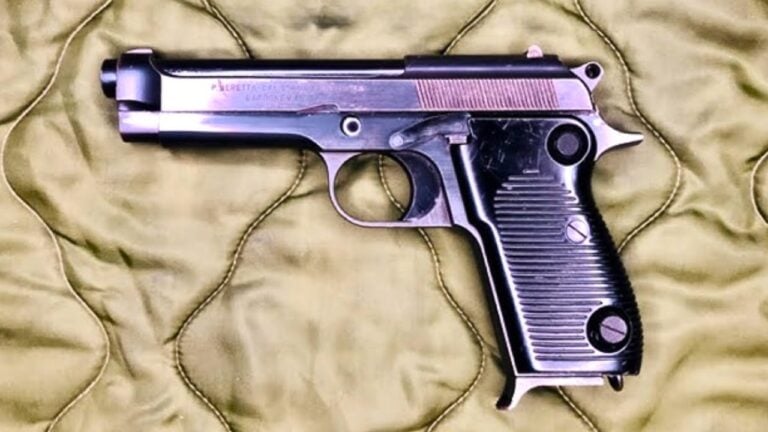
The P210 was never exactly unknown, but there was a time when it still felt like a connoisseur’s pistol more than a mainstream collector obsession. That helped keep it quieter than it should have been for a while. Buyers who knew what it was respected it deeply, but a lot of others saw it as a very nice old SIG they might get around to someday if they decided to chase precision European steel.
That someday got expensive. Once the market began taking older Swiss and German SIG pistols more seriously, the P210 stood out for exactly the reasons it always should have: quality, shootability, and the kind of fit and finish that is hard to fake. It did not need internet hype to get there. It only needed enough buyers to realize those pistols were not sitting around in endless numbers waiting for them.
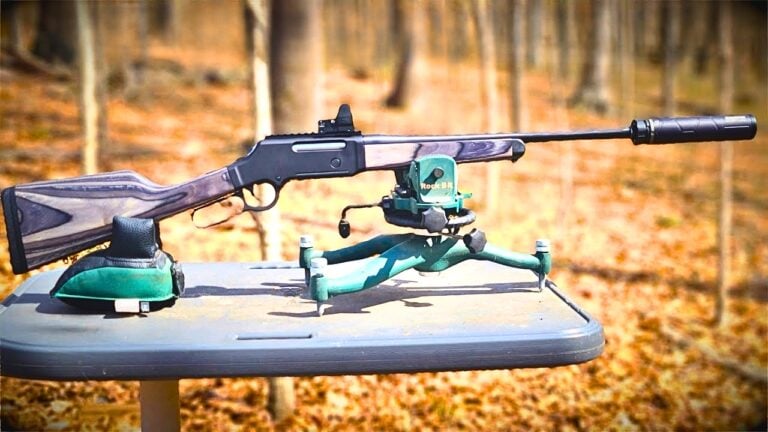
Winchester 9422
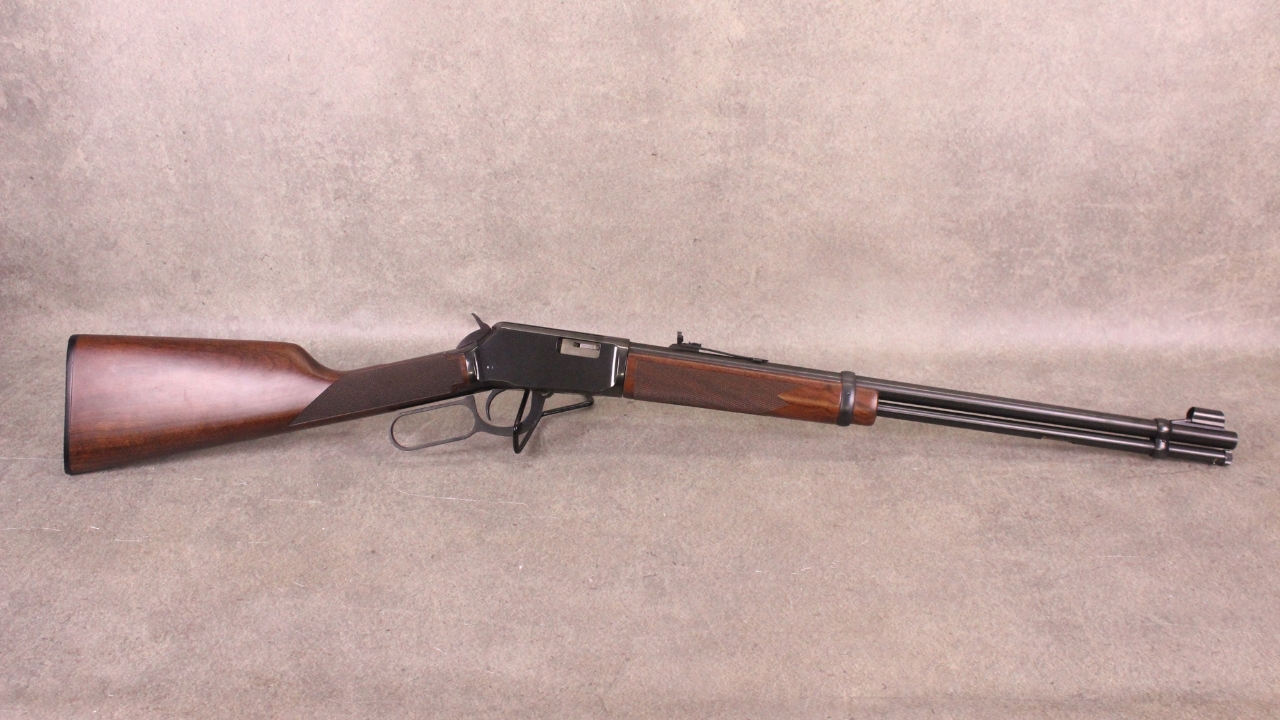
The Winchester 9422 spent years getting treated like a really nice rimfire lever gun without always getting treated like a future collector problem. That is a big difference. Buyers liked them, but a lot of people still felt comfortable waiting because the rifle did not scream urgency. It was a .22 lever gun, after all. Nice to have, easy to admire, probably still around later. That was the mistake.
Then people started actually trying to buy clean ones. The 9422 turned out to be exactly the kind of rifle that gets more expensive once buyers realize it blends usefulness, Winchester appeal, and shrinking availability in one package. It stopped being a pleasant extra and became the rifle people suddenly noticed had been quietly appreciating while they were busy staring at louder centerfire collectibles.
Colt Mustang Pocketlite

The Colt Mustang Pocketlite lived in the shadow of bigger Colt names for a long time, and that helped keep it quieter than it should have been. It was light, compact, and tied to a niche of carry-gun history that many buyers appreciated without prioritizing. Plenty of shooters figured little Colts like this would remain easy side purchases forever. They were more curious about them than urgent.
Then the carry market matured, older Colt automatics started getting more attention, and the Pocketlite stopped feeling like an easy afterthought. Buyers who once saw it as a neat little backup gun started seeing it as part of a finished chapter of Colt production with real collector pull. The pistol itself did not suddenly become more interesting. Buyers just stopped underestimating how little supply it takes to make quiet Colts expensive.
Smith & Wesson Model 39-2
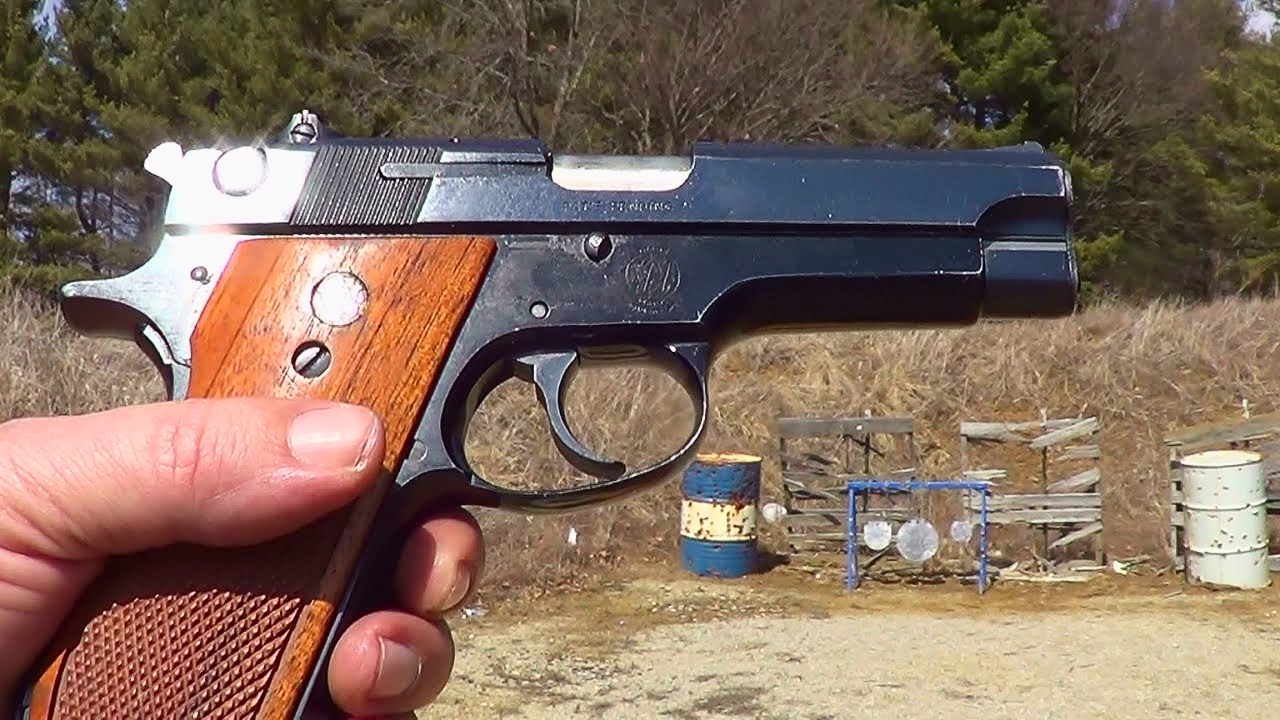
The Model 39-2 was one of those pistols people long treated like a historically interesting service auto without always valuing it like a serious collector piece. It had importance, no question, but it also had a very familiar shape and a reputation that felt more respectable than exciting. That kept it from getting chased the way flashier guns were chased, which is often how sleepers stay sleepers.
Eventually the market caught up to the appeal. Older single-stack Smith autos began looking a lot smarter to buyers who were tired of interchangeable polymer pistols and curious about where American service handguns had been before the modern wave. The 39-2 started benefiting from that reappraisal in a big way. Suddenly it was no longer just an old Smith. It was a clean, early classic, and the price tags started acting accordingly.
FN Browning 1900 and 1910-family pistols
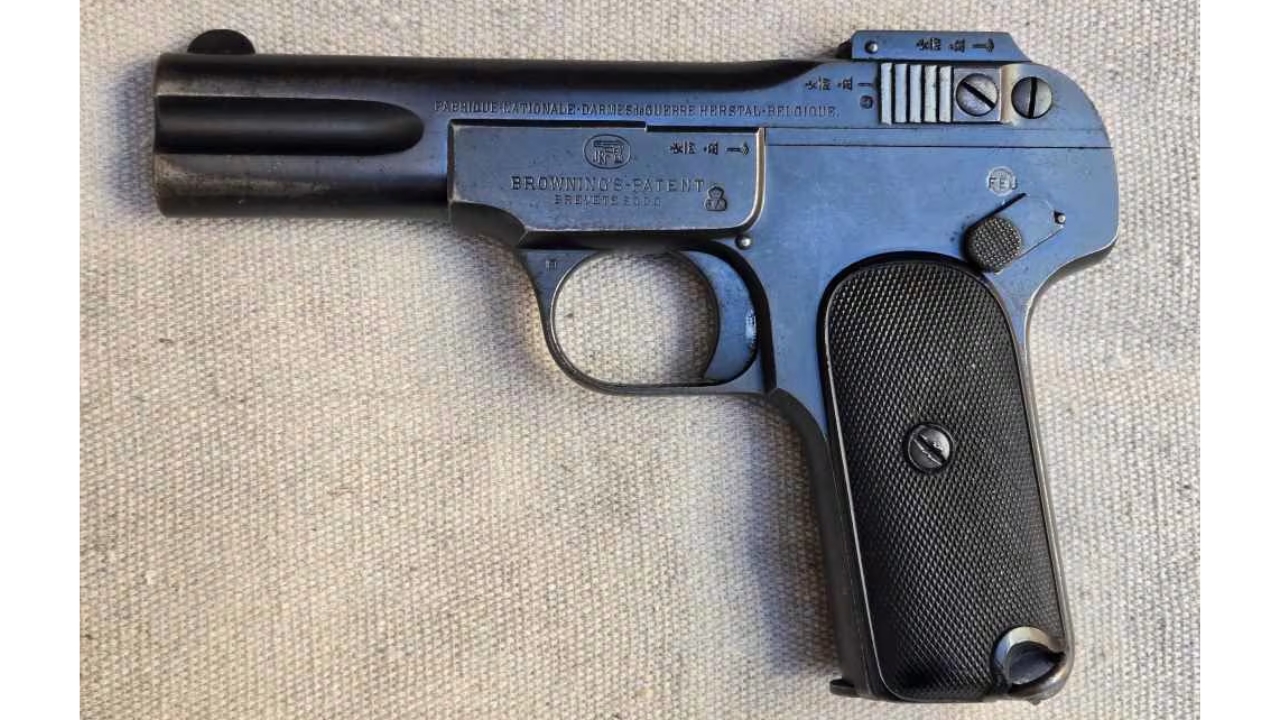
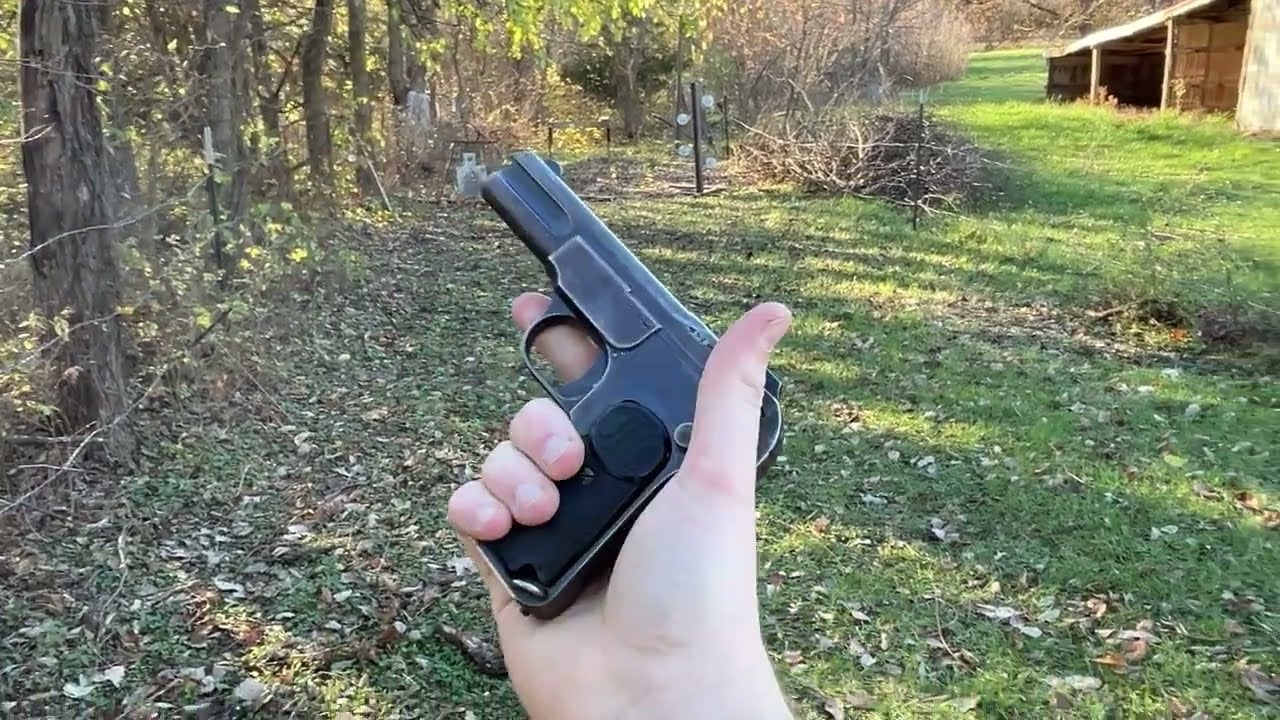
Early FN and Browning pocket pistols spent a long time in that odd space where serious collectors cared, but the broader market often treated them like niche curiosities unless they were in truly exceptional shape. That kept many examples from drawing the kind of noise later military or commercial pistols tended to attract. People recognized the history, but not always with immediate buying urgency.
Then the market sharpened around originality, condition, and early automatic-pistol history. These little Brownings started looking much less like dusty display-case pieces and much more like foundational collector items tied to the birth of modern handgun design. Once buyers began competing harder for clean examples, the quiet period ended. They had always mattered. The market just took its time admitting that in dollar terms.
Ruger Red Label
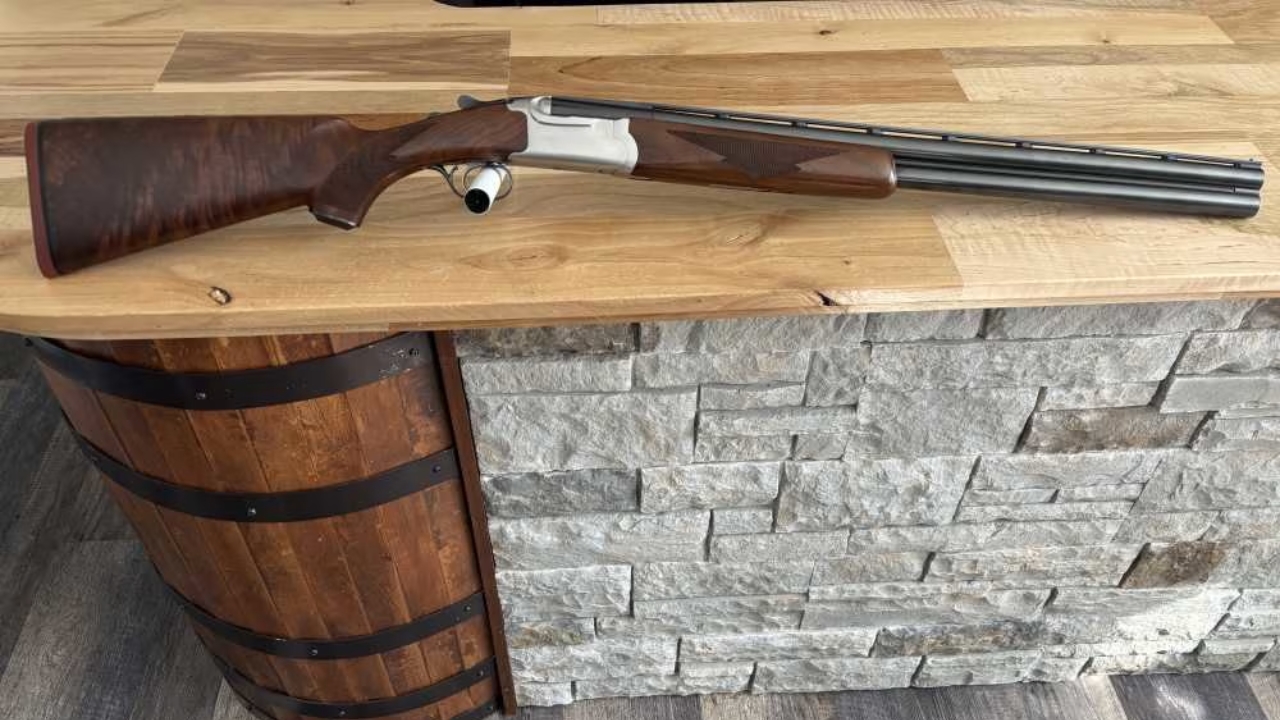
The Ruger Red Label was easy to admire without acting like it would ever be difficult to own. That made it a perfect quiet climber. It had a loyal following and real quality, but it also felt grounded enough that many buyers assumed decent examples would keep circulating. American over-unders do not always get chased with the same urgency as certain European names, and that gave the Red Label a long runway.
Then discontinued production and growing respect for what the gun represented started changing the mood. Clean Red Labels were no longer just useful sporting shotguns. They became examples of a finished American effort that people could not simply replace with a current production equivalent. Once that reality settled in, the market got louder. Buyers who once treated them like casual future purchases suddenly had to bid like they meant it.
CZ 97 B

The CZ 97 B spent years being admired mostly by people already inclined toward big steel pistols and overlooked by everyone else. It was well made, distinctive, and easy to like once you handled one, but it was never the kind of .45 that dominated collector conversation in real time. That helped keep it quiet. Buyers respected it without rushing, which is often the first step toward future regret.
Once it disappeared from regular production and the broader market started appreciating metal-frame handguns a little more seriously again, the 97 B looked different. It stood apart from the endless polymer churn and started attracting the kind of attention it had not always gotten when it was easy to find. That is how a quiet collector piece gets louder. It does not change. The market finally notices it stopped waiting around.
Winchester Model 88

The Winchester Model 88 always had a loyal base, but for years it still felt like the kind of rifle people could appreciate later. It was not the most romantic Winchester to many buyers, which actually worked in its favor for a while. It stayed just quiet enough to avoid the full heat of the collector frenzy while still being too well made and too distinctive to stay undervalued forever.
Eventually buyers began seeing it for what it was: a smart, uncommon-feeling lever-bolt hybrid from a finished era of Winchester production. Clean rifles, desirable chamberings, and original condition started mattering more, and the market stopped treating it like a secondary old deer rifle. Once that shift happened, the price tags began doing what the sales pitch never had. They told buyers clearly that the quiet period was over.
HK P7 PSP
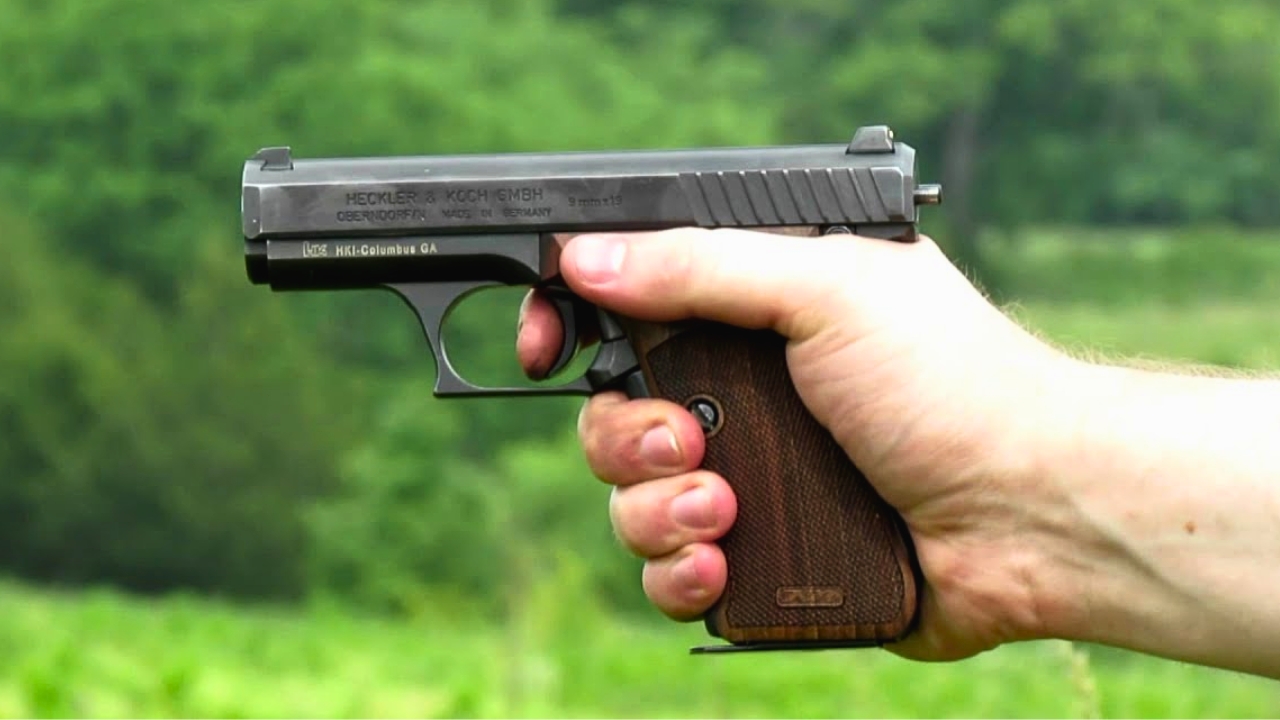
The P7 PSP was always one of those pistols people talked about with fascination, but fascination is not the same thing as market urgency. For a while, it remained just quirky enough to keep some buyers on the fence. They knew it was clever. They knew it was different. They just were not sure they needed one yet. That hesitation helped keep the P7 quieter than its design and quality probably deserved.
Then the easy supply began disappearing, especially for cleaner original examples. Once buyers realized these were not just interesting squeeze-cockers but genuinely desirable pistols from a very specific and finished chapter of HK history, the conversation changed in a hurry. The market did not just warm up to the P7. It grabbed it by the shoulders. Quiet intrigue turned into very loud prices.
Savage 99 in less celebrated variations

The Savage 99 always had collector gravity, but not every variation got equal love right away. That is where a lot of buyers got fooled. They focused on the prettier or more obviously desirable models and treated the plainer 99s like they would always remain the affordable path into the platform. For a while that was true enough to keep people comfortable.
Then even the less celebrated versions started moving upward because the platform itself carried too much history and too much usefulness to stay split forever between “important” and “lesser” examples. Buyers began realizing that a plain 99 was still a real 99, and that realization made prices start rising across the board. A lot of collectors learned a hard lesson there: quiet variants do not stay quiet once platform scarcity takes hold.
Beretta 84FS and 85 series Cheetahs
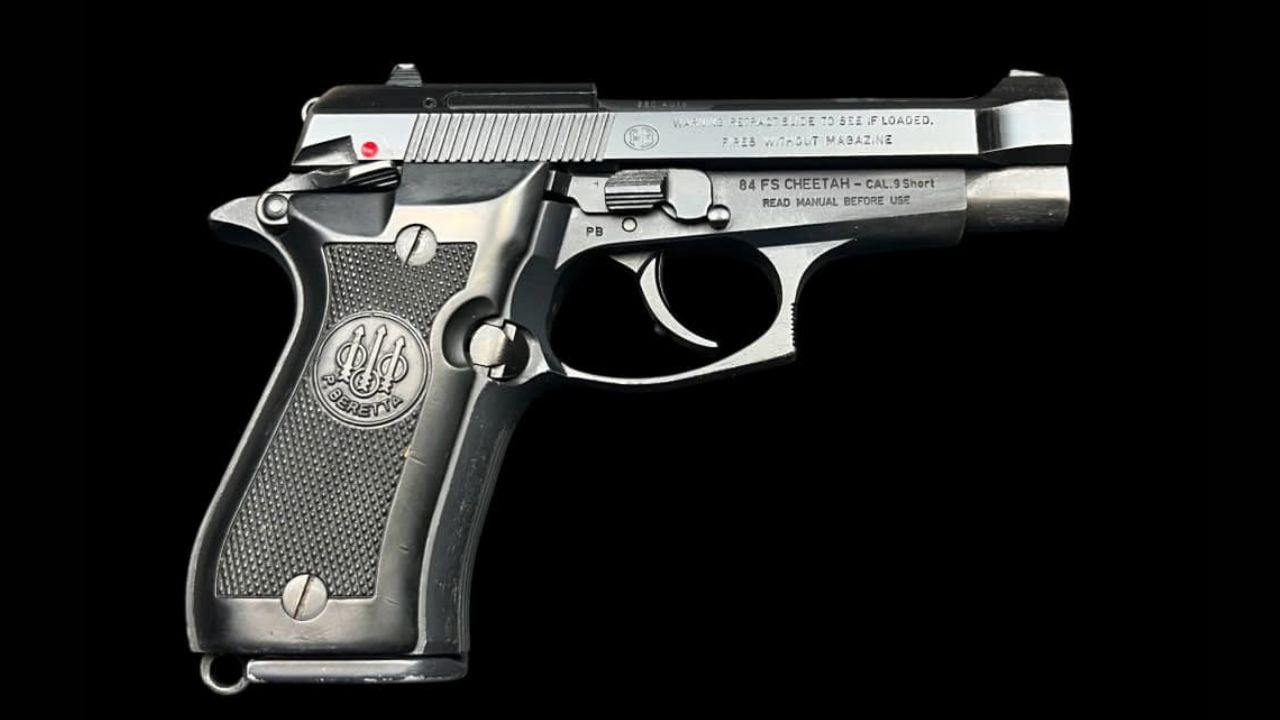
For years, the Beretta Cheetah line felt more beloved than aggressively collected. People enjoyed them, carried them, or admired them as stylish little metal pistols, but many buyers still treated them like something that would always be around if the urge ever struck. That made them easy to underestimate. They had charm, but not enough perceived urgency to scare buyers into action.
Once compact metal pistols started feeling less common and more desirable, the Cheetahs looked a lot smarter. Buyers who once saw them as pleasant side pieces started chasing cleaner 84FS and 85-series guns with much more purpose. They had always had the fit, finish, and personality to support stronger values. The market just took its time catching up. Once it did, those once-quiet Berettas stopped being bargains almost overnight.
Colt Detective Special
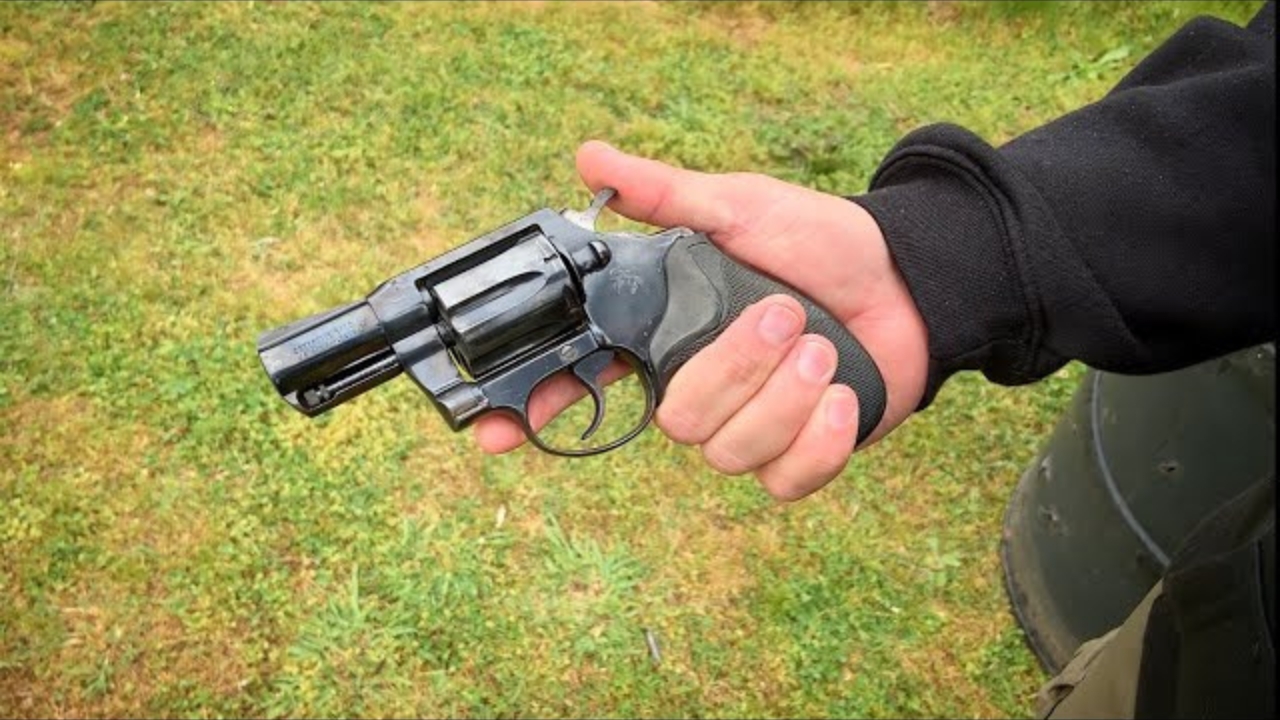
The Colt Detective Special spent so much time as a familiar old snubnose that some buyers forgot how dangerous familiarity can be in a collector market. It had history, real carry pedigree, and the Colt name behind it, but it still felt accessible for long enough that plenty of people assumed nice examples would always be available when they got serious. That assumption has hurt a lot of buyers across a lot of gun categories.
As older Colt revolvers gained momentum and the supply of sharp small-frame guns got tighter, the Detective Special suddenly looked less like an old carry revolver and more like one of the smartest small Colt buys people had delayed too long. That shift did not happen because the gun changed. It happened because buyers finally realized a classic can stay quiet for years right before the prices get loud enough to embarrass them.
Like The Avid Outdoorsman’s content? Subscribe to our newsletter so you never miss an article.
Here’s more from us: