Photo credit: HALL AND SONS/GunBroker
There are some guns people passed on because they thought there would always be another one at the next shop, the next gun show, or the next online listing. That is how it usually starts. A rifle looks common, a pistol seems a little dated, or a shotgun feels too ordinary to get excited about. Then a few years go by, supply tightens, prices jump, and suddenly that once-everywhere gun starts looking a whole lot smarter than it did sitting dusty in the rack.
That is what this list is about. These are the guns people still think about when they remember what used to be easy to find and easy to afford. Some became collectible, some just got hard to replace, and some earned more respect once buyers realized newer options were not automatically better. Either way, these are the guns a lot of people wish they had grabbed when nobody else seemed to care.
Marlin 1895 Guide Gun JM-stamped
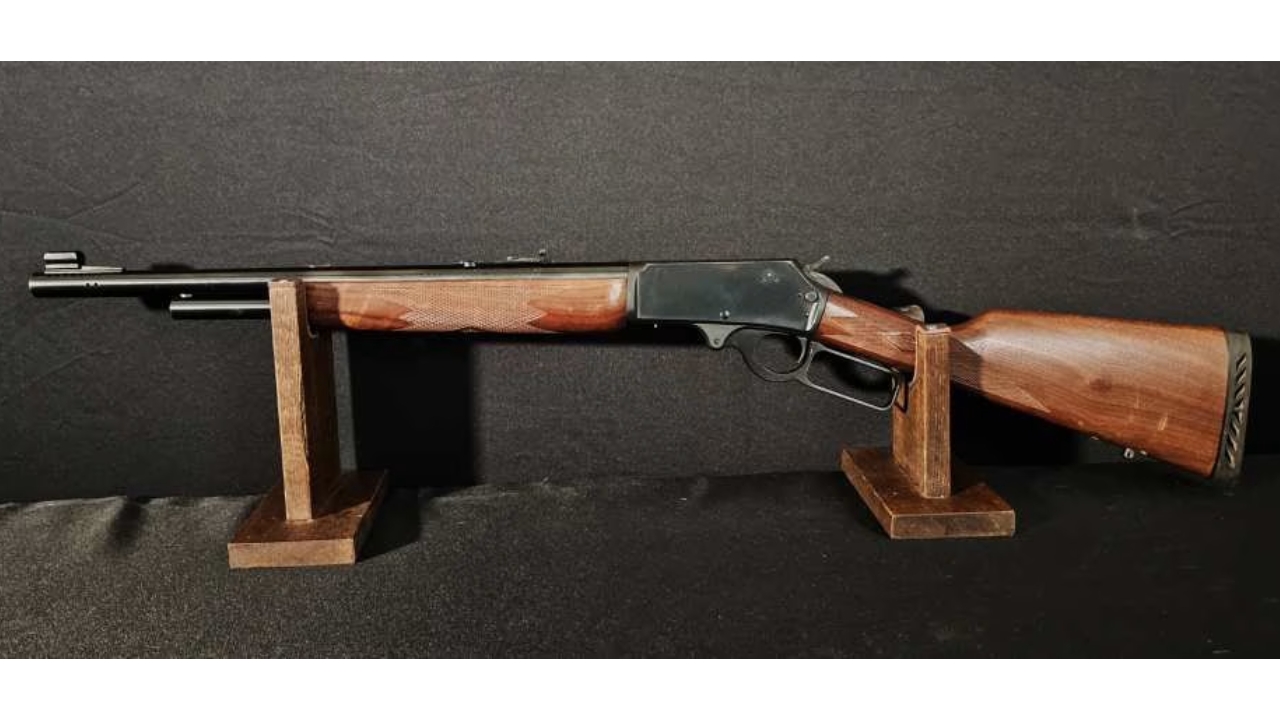
There was a time when JM-stamped Marlin 1895 Guide Guns sat around as practical big-bore lever guns for hunters who wanted a handy thumper and not much more. They were respected, but they were not treated like treasure. A lot of buyers figured they could always come back for one later. That turned out to be a mistake. Once people started chasing older Marlins harder and confidence in certain production eras changed, the older Guide Guns stopped feeling ordinary in a hurry.
Now they carry the kind of reputation that makes people talk about them like they missed a real opportunity. You still see them, but not with the same ease and not with the same casual price tags. The regret is easy to understand. They are compact, capable, and tied to a time when a solid working lever gun did not feel like a semi-collectible purchase.
Colt Python

The Colt Python used to be one of those guns people admired without always buying. It was nice, sure, but it also felt like something you could hold off on until the timing was better or the extra money made more sense. Plenty of shooters figured older Pythons would remain expensive but attainable. Then the market kept climbing, collector talk got louder, and suddenly the revolver many people once viewed as a future purchase became the gun they now wish they had bought two of.
That regret got worse because the Python is not some oddball nobody cared about at the time. People knew it was desirable. They just underestimated how fast nice examples would move into a different price class. A lot of shooters can still picture the exact Python they passed on because it seemed too expensive back when it was actually cheap compared to now.
Winchester Model 94 Trapper
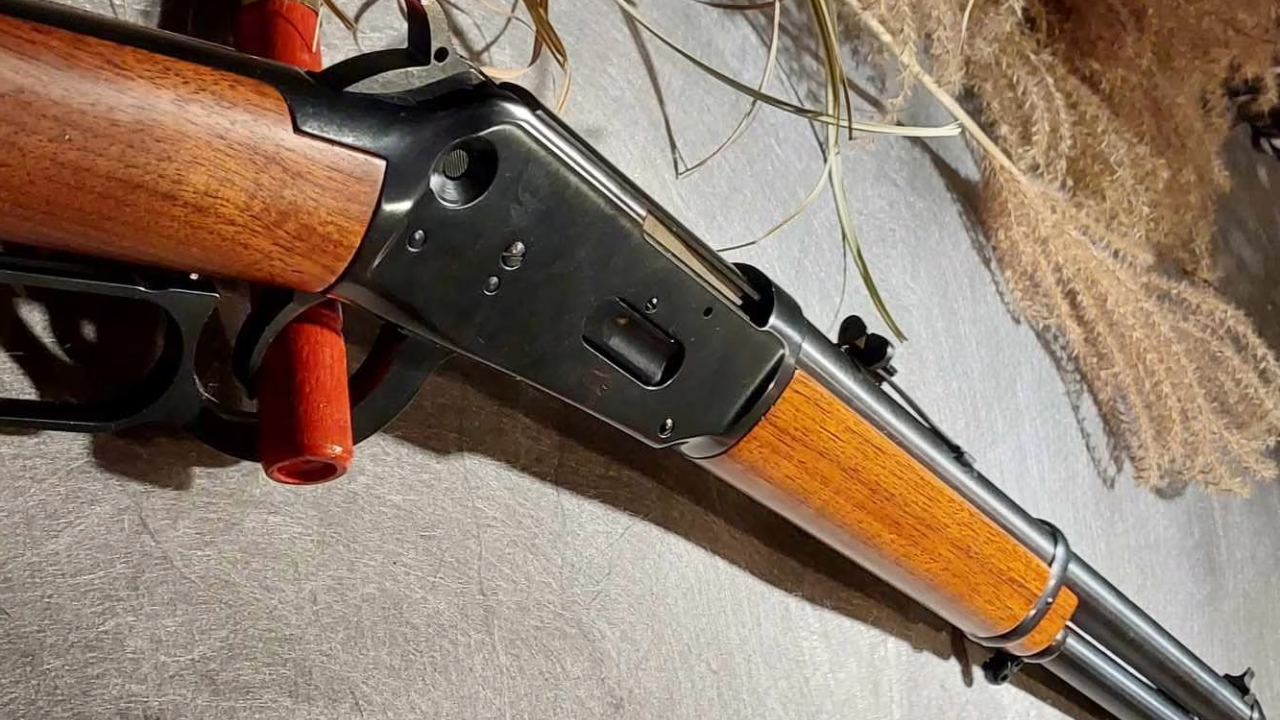
The Winchester Model 94 Trapper was the kind of rifle many buyers treated like a fun side piece rather than something worth prioritizing. It was short, handy, and full of appeal, but not everybody felt urgency around buying one when they were still stacked around shops and shows. That changed once lever guns started heating up again and people realized the compact older Winchesters had a kind of usefulness newer buyers were suddenly desperate to recapture.
Now the Trapper feels like one of those rifles people remember seeing everywhere until one day they did not. It is not just about nostalgia either. The rifle makes sense in the hand, in the truck, and in the woods. That makes the missed chance sting more. It was not just a neat old Winchester. It was a really good rifle that a lot of people assumed would always be easy to find.
Smith & Wesson 586 no-dash

There was a stretch when older Smith & Wesson L-frames, especially early 586 revolvers, were admired by revolver guys but still accessible enough that buyers could afford to be patient. That patience burned a lot of people. The 586 no-dash now has the kind of pull that makes owners hang onto them and buyers pay more than they expected for the privilege of getting one. The clean blued finish and classic lines only make the regret worse.
Part of what stings is that these were not mystery guns. People knew they were good. They just lived in a time when good revolvers had not yet turned into the kind of purchase that needed to be justified like a luxury item. A lot of shooters can remember seeing them in cases and thinking they would circle back. Many never got that second easy shot.
Ruger Old Vaquero

The Ruger Old Vaquero used to be one of those revolvers people bought when they felt like scratching a cowboy-gun itch. It had fans, but it did not always carry urgency. Then time passed, preferences shifted, and more buyers decided they liked the original frame and feel better than what came after. Once that happened, the old guns stopped looking like casual used-rack sixguns and started looking like the version people should have grabbed when the choice was simple.
That kind of market shift creates very specific regret. Buyers remember passing on them because they thought they were too niche, too specialized, or just not pressing enough to buy that day. Now those same revolvers bring more attention and more money because the crowd that understands them has gotten louder. The Old Vaquero was right there the whole time, and that is exactly why people still kick themselves.
Browning Hi-Power Belgian-made

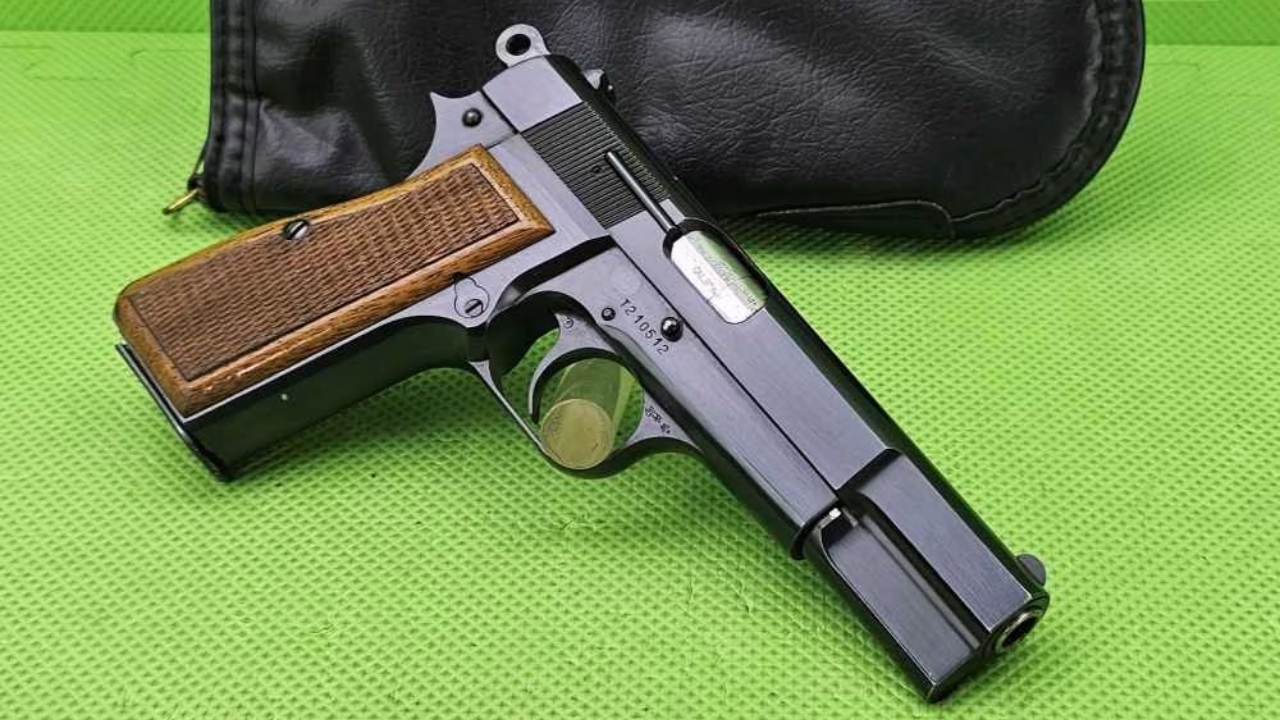
Belgian-made Browning Hi-Powers sat in the sweet spot for years. They were respected, attractive, and full of history, but they were still close enough to normal used-gun territory that many buyers treated them like something they could wait on. That wait got expensive. As production ended and nostalgia for steel-framed service pistols grew, the Hi-Power stopped feeling like a classy old pistol and started feeling like one of those guns people mention with a sigh.
The regret is not just about value. It is about how good these pistols still feel in the hand. Plenty of shooters remember seeing them regularly and assuming they would remain part of the background forever. Now a nice Belgian Hi-Power feels more like a deliberate purchase than an easy pickup. That shift happened slower than some people noticed, then all at once.
Remington 700 BDL from the older walnut-stock years

There was a time when older walnut-stock Remington 700 BDL rifles were so common that many buyers barely noticed them unless the price was especially good. They were just there, lined up in gun racks and used counters as part of the normal hunting-rifle landscape. That is exactly why so many people regret not buying them. Nobody felt urgency because nobody thought the polished blue steel and glossy walnut deer rifle would ever become something people chased this hard.
Now those older BDLs hit different. They represent a version of the American hunting rifle that a lot of buyers feel has thinned out badly. Clean examples bring more interest because they remind people of when mainstream rifles still looked like they mattered. A lot of shooters wish they had bought one simply because it would be hard to find that same mix of familiarity and finish at the same price ever again.
Colt Detective Special

The Colt Detective Special used to show up often enough that buyers who liked snub revolvers could afford to be picky. That was the trap. A lot of people admired them, handled them, and then walked away because another one would be along soon enough. That logic made sense until old Colts got harder to replace, cleaner examples got scarcer in the visible market, and buyers started realizing these were not just quaint little revolvers from another era.
Now the Detective Special feels like one of those guns that had more depth than people gave it credit for when prices were softer. It is small, classic, and tied to a time when a defensive revolver could still have real style to it. That combination ages well. Plenty of shooters still remember passing on one because it felt like a luxury rather than a now-or-never buy.
Winchester 9422

The Winchester 9422 sat in plain sight for years as a really nice rimfire lever gun that people appreciated but did not always rush to buy. That hesitation feels painful now. Once buyers realized how much they liked the quality, handling, and overall feel of these rifles compared to a lot of later rimfire options, the market woke up fast. What used to be a nice .22 lever gun became the kind of rifle people snap up when they find a clean one.
The regret comes from how easy it used to be to overlook. A .22 rarely feels urgent when there are centerfire rifles, carry pistols, and hunting shotguns competing for money. But a well-made .22 lever gun earns its value over time, especially one with Winchester on the barrel and real quality in the hands. That is why so many buyers now wish they had treated the 9422 like a priority.
Smith & Wesson Model 66 no-dash
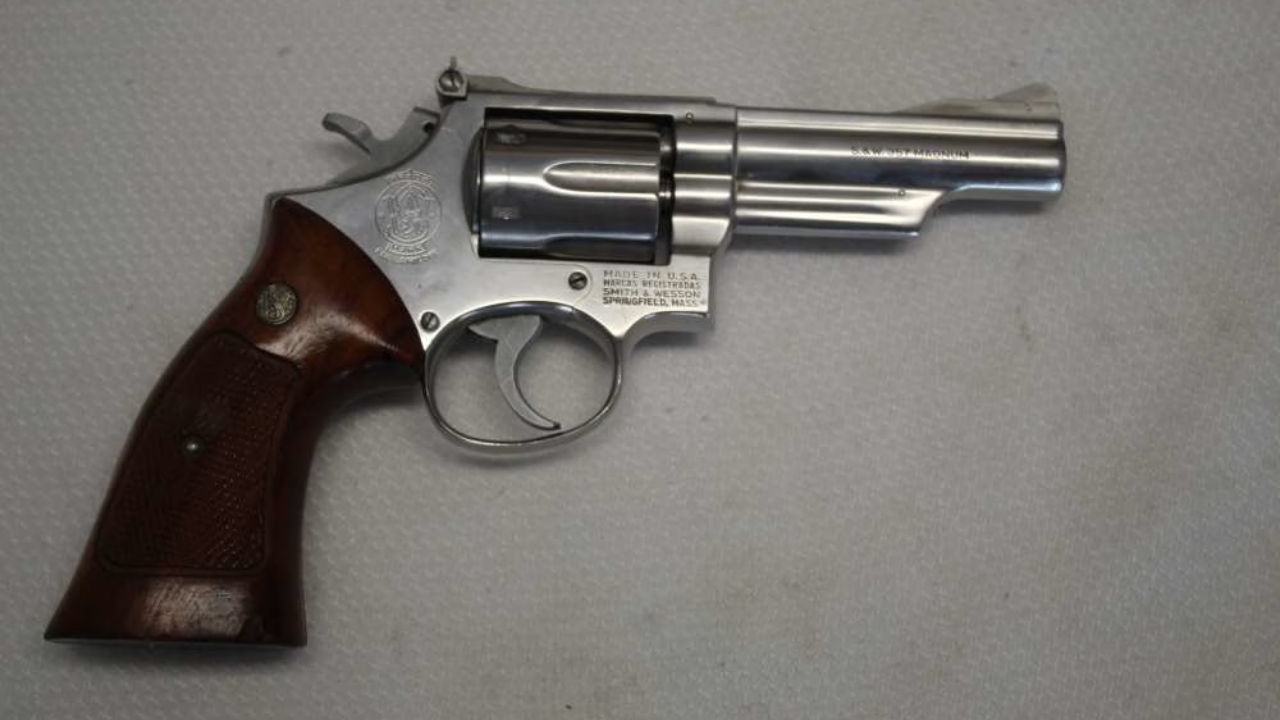
Early stainless K-frame magnums used to feel like they were always around if you looked long enough. The Model 66 no-dash is one of the best examples. Buyers who liked classic Smith revolvers often planned to get one eventually, especially when prices were still reasonable and examples had not yet all been picked over. Eventually got a lot more expensive. The older guns stopped feeling routine and started feeling like the kind of revolver you buy when you find the right one.
That shift hit hard because the Model 66 is not just collectible on paper. It is one of those revolvers that still makes immediate sense when you hold it. Good balance, good looks, and real shootability go a long way. Many shooters who passed on one did not do it because they disliked it. They did it because they assumed the next opportunity would look about the same. It usually did not.
Norinco MAK-90

The MAK-90 was once one of those rifles many buyers treated as the affordable compromise in the broader AK world. It was available, practical, and not especially glamorous next to more hyped imports and pre-ban examples. That made it easy to delay buying one. A lot of people assumed they would always be around in some form and that the price would stay in the territory of a decent working rifle rather than a thing people suddenly got sentimental about.
Now the MAK-90 gets remembered a lot more fondly because it represented an era of easier access and simpler buying decisions. People who skipped them often did so because they wanted something flashier or more traditionally configured. Looking back, many wish they had bought the solid Chinese rifle sitting right in front of them instead of waiting for the perfect AK that never came at the right price.
Beretta 1201FP

The Beretta 1201FP is one of those shotguns that sat just outside the mainstream enough that a lot of buyers never gave it the urgency it deserved. It was fast, light, reliable, and tied to Beretta quality, but it never dominated the way a few bigger-name tactical shotguns did in the public imagination. That is exactly why regret creeps in now. People remember seeing them when they still felt attainable and not realizing how much appreciation they would gain later.
Part of the regret is practical. The 1201FP is not just collectible in a vague sense. It is a genuinely appealing shotgun with a strong reputation among people who have spent real time with one. That makes the missed-buy stories feel sharper. It is easier to forget a gun that only got expensive. It is harder to forget one that also turned out to be exactly as good as the quiet fans said.
Ruger Mini-14 GB
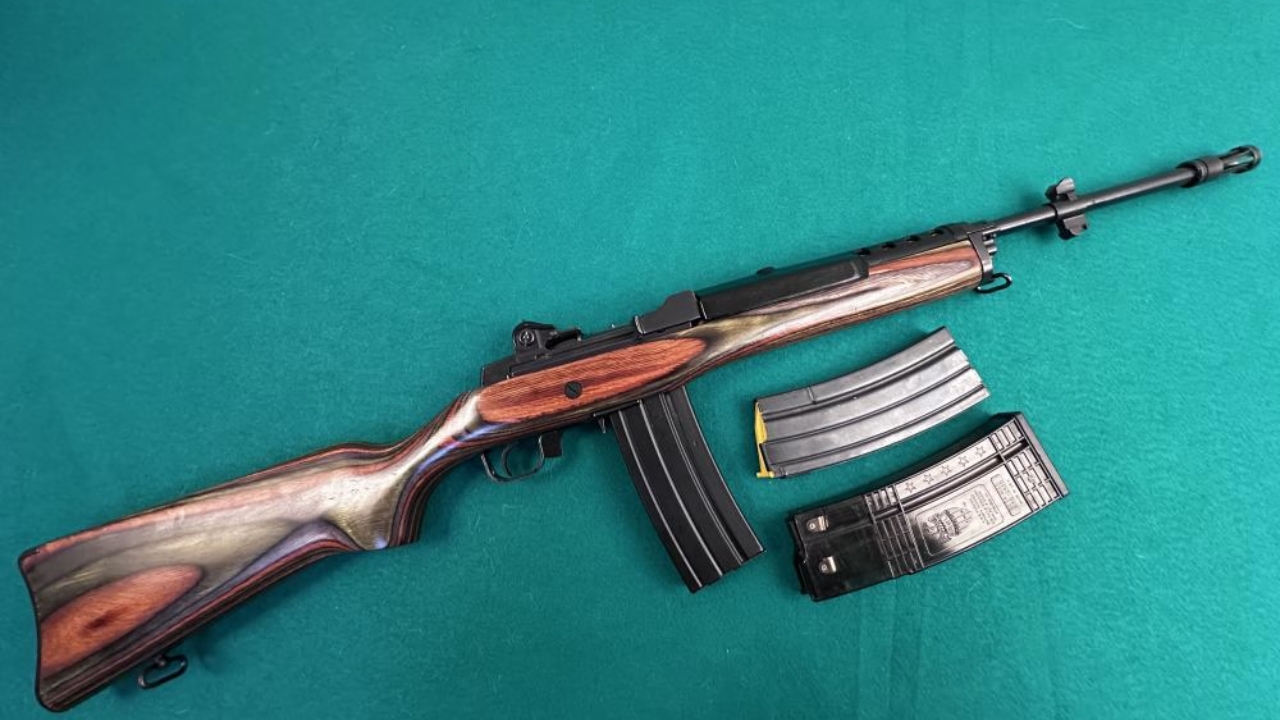
There was a time when the Mini-14 GB and similar older Mini variants got passed over by buyers who saw them as second-choice rifles. If you wanted an AR, you bought an AR. If you wanted something collectible, you looked elsewhere. That thinking left a lot of these rifles sitting in plain view for people who did not realize the combination of Ruger pedigree, factory features, and changing market interest would eventually make them feel a lot less ordinary.
Now the regret has two layers. One is the price, which has climbed enough to make people remember the old days with some irritation. The other is that these rifles represent a very specific moment in American rifle culture, and that kind of identity only gets more appealing over time. Buyers who once shrugged at them now often wish they had taken the simpler deal when it was staring them in the face.
Marlin 39A

The Marlin 39A is one of those rifles many shooters assumed would just always exist in the used market at sensible prices. It was such a familiar name in lever-action .22 circles that buyers often felt no pressure to grab one right away. That turned into a mistake for plenty of people. As older Marlins grew more appreciated and buyers started noticing what these rifles offered in terms of build quality and feel, the 39A moved into a more serious lane.
The regret here is tied to how timeless the rifle seemed. When something feels permanent, people stop treating it like it might disappear from easy reach. The 39A made that mistake easy because it looked like a fixture, not a future want-list gun. Now a clean one brings enough interest that the old casual attitude feels almost foolish in hindsight.
SIG Sauer P228 West German

The West German SIG P228 used to be a gun you bought because you appreciated older SIG quality, not because you thought you were beating the market. That made it easy to postpone. A lot of buyers figured there would always be another one with folded-slide charm and that classic feel. Then the market kept moving, older SIGs built stronger reputations, and the P228 became one of those pistols people started hunting instead of casually browsing.
What makes the regret stick is how complete the gun feels. It is not just old or collectible. It is one of those pistols that still makes sense once you shoot it. That tends to deepen missed-buy memories. People remember passing on one not because it was bad, but because they failed to recognize how much the market would one day value that particular mix of quality, balance, and era-specific appeal.
Colt Woodsman

The Colt Woodsman was easy to underappreciate when more buyers were focused on centerfire handguns, defensive pistols, and bigger-ticket long guns. It was elegant and well-made, but a lot of people treated it like something they would get around to owning later. Later has not been especially kind to the budget. As appreciation for classic Colt rimfires grew, cleaner Woodsmans stopped looking like charming extras and started looking like one of those guns you should have bought when they still felt merely nice.
That regret is different from pure sticker shock. The Woodsman has a style and feel that make it more memorable once you understand what it is. It is one of those firearms that ages upward. Buyers who passed on one often did not realize they were looking at a pistol that would become both harder to replace and easier to admire as the years rolled on.
Like The Avid Outdoorsman’s content? Subscribe to our newsletter so you never miss an article.
Here’s more from us: