Photo credit: Jevgenija ZUK/ShutterStock.com
Polymer pistols changed the game, no doubt. But not all of them were ready for real-world use. Some were slapped together with cheap parts, bad triggers, and designs that didn’t hold up when it actually mattered. These are the guns that should’ve stayed on the shelf—or maybe never left the drawing board. Whether it’s reliability, durability, or poor performance under stress, these plastic-framed pistols never earned their place in the field. If you’re serious about your gear, these are the ones you’re better off skipping.
Taurus Spectrum

The Taurus Spectrum was supposed to be sleek and modern, but it ended up being more frustrating than anything. The trigger is long and vague, and the grip texture looks cool but doesn’t help much in practice.
Add in reports of feeding issues and failure to eject, and you’ve got a pistol that simply can’t be trusted in a real situation. It might look good in a display case, but it’s not something you want to bet your safety on.
Remington RM380
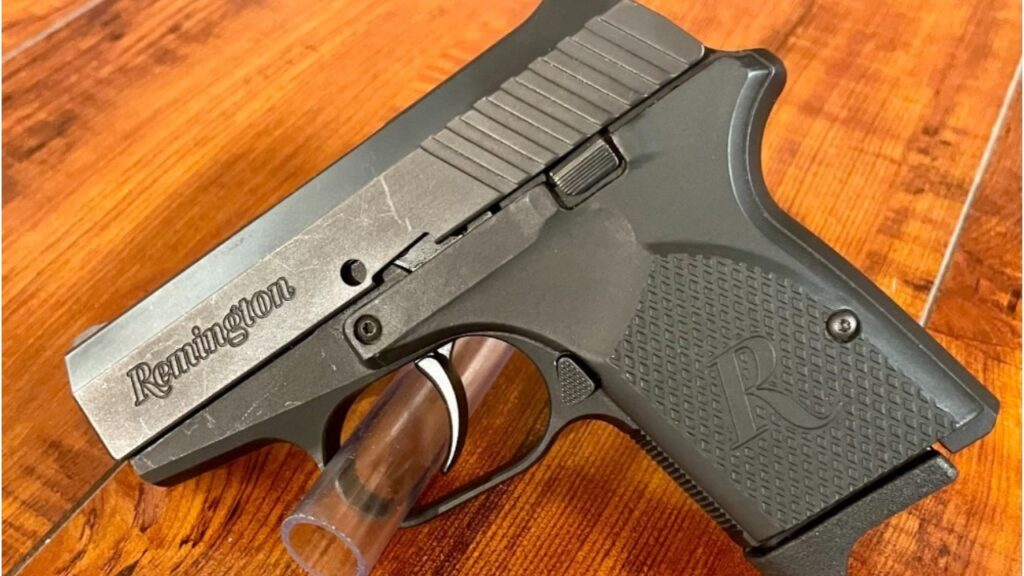
Remington’s attempt at a pocket pistol had potential, but it came up short in a lot of ways. The trigger is heavy and sluggish, and the controls are stiff enough to make basic manipulation a chore.
In the field, that matters. Draw speed, reloads, and follow-up shots all suffer. It’s reliable when it runs, but the shootability is so poor that most folks moved on fast. It’s more of a backup to your backup, not a primary option.
SCCY CPX-2

SCCY pistols have a loyal budget crowd, but the CPX-2 struggles with trigger pull and consistency. The double-action trigger is extremely long and heavy, which makes quick follow-up shots difficult.
It’s not unusable, but in any real-world scenario where speed and control matter, it falls behind. It’s marketed as a carry pistol, but it takes too much work to shoot well—and even then, you’re still dealing with a lot of compromise.
Kel-Tec P11
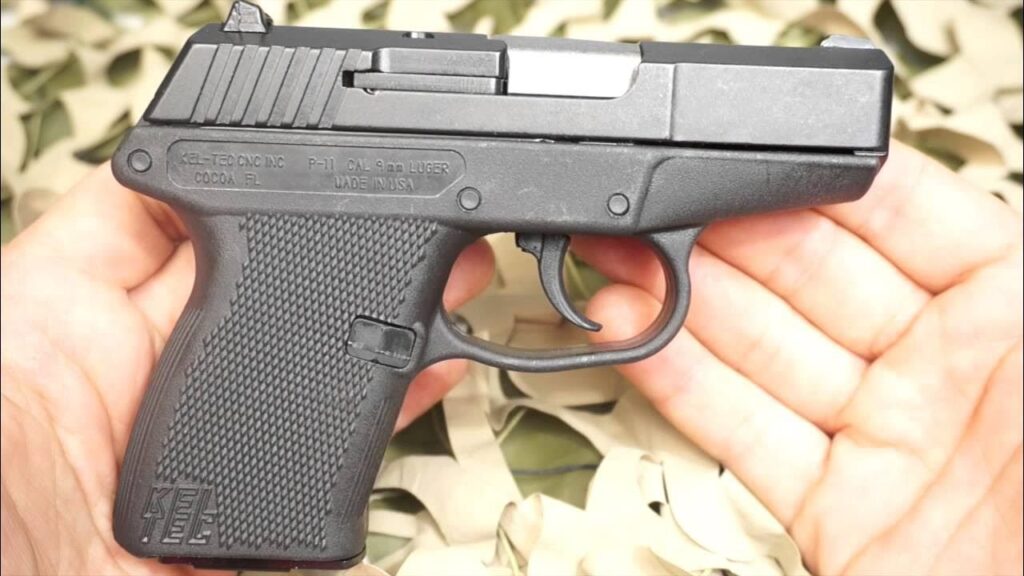
The P11 is lightweight and compact, but the trigger is one of the worst in its class. It’s long, heavy, and has an awkward break that throws off accuracy fast.
It also has a reputation for being uncomfortable to shoot, with sharp recoil and poor ergonomics. As a field or carry gun, it demands more effort than it gives back. It’s one of those guns that sounds great in theory, but not in actual use.
Hi-Point C9

Hi-Point’s known for making affordable guns, but the C9 isn’t built for anything demanding. It’s bulky, top-heavy, and the trigger is mushy at best. Add in a rough safety and awkward magazine release, and it’s just clunky all around.
While it technically works, it’s far from refined. In a serious setting, the weight and function get in the way. It’s not made to hold up to hard use—and it shows the second things start getting dirty or fast-paced.
Walther CCP (Original)
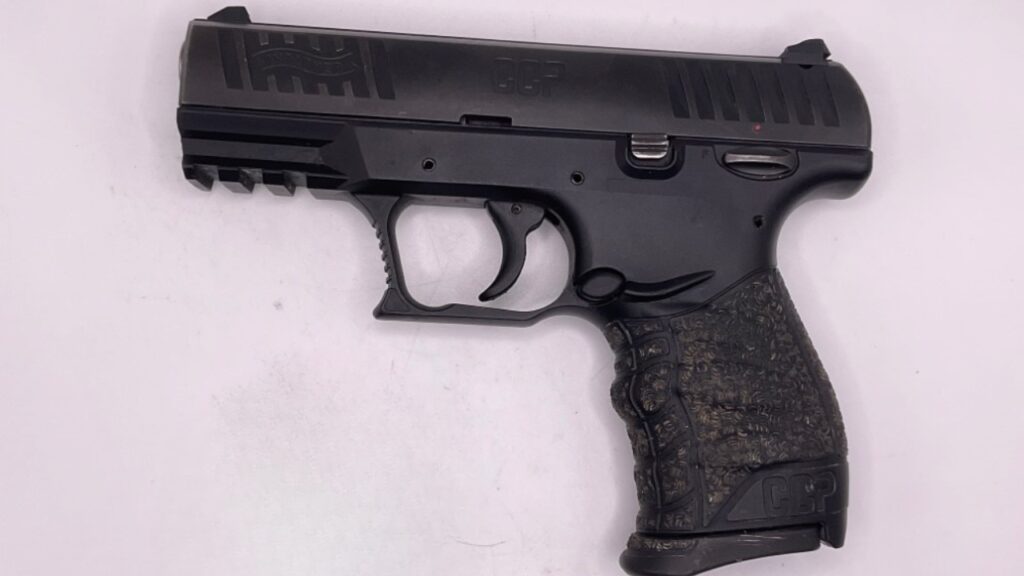
The first-gen CCP had a unique gas-delayed system that made disassembly frustrating and reliability spotty. It needed a special tool just to take apart, and cleaning was way more work than it should’ve been.
Even when it worked, the trigger felt gritty and the reset was weak. For a gun aimed at carry and defense, it was more hassle than it was worth. Walther eventually improved it, but the original model never really belonged in the field.
Cobra Freedom Series
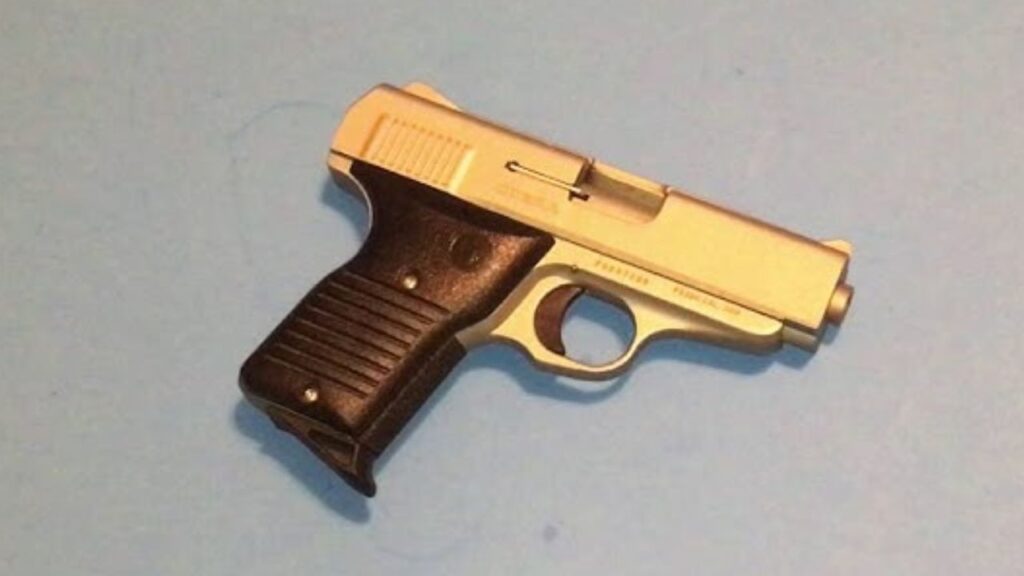
These budget pistols look simple, but they’re plagued with reliability issues and inconsistent quality control. Malfunctions are common, and parts wear faster than they should—especially under repeated use.
There’s also very little support for parts or upgrades, which makes them harder to maintain. These are the kinds of guns that might work on day one and then start falling apart by the weekend. In short, not field-ready by any stretch.
Jimenez JA Nine

The JA Nine might win the award for worst ergonomics. It’s heavy, top-heavy, and awkward to handle. The trigger is unpredictable, and you’re never quite sure what the next round will do.
It’s also been known to suffer from slide cracks and general durability problems. This isn’t a pistol made to last—and definitely not one you’d want to take into any high-stakes situation. It’s cheap for a reason.
Glock 44
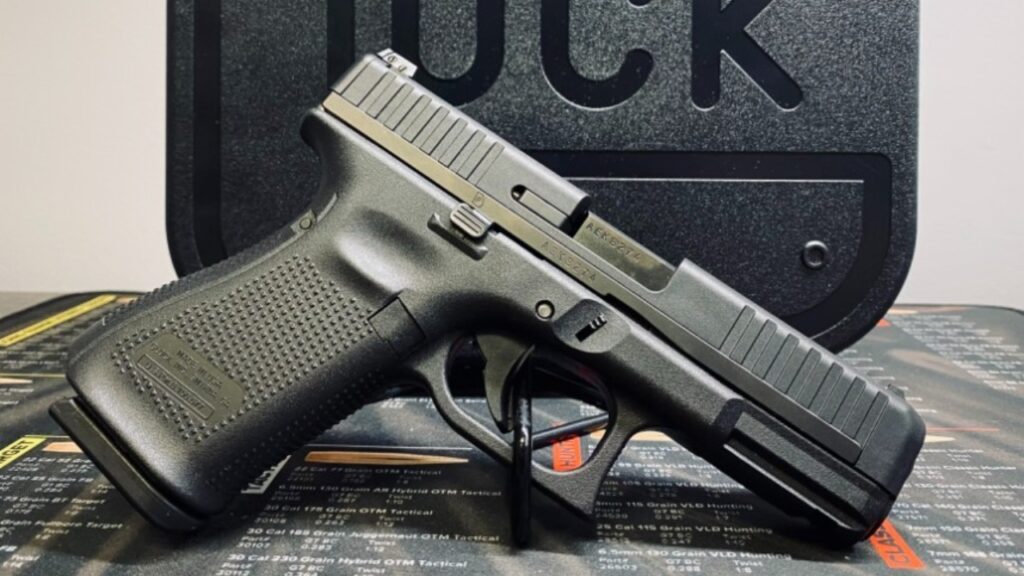
The Glock 44 was overhyped and underdelivered. People expected it to be a solid training option, but it turned out to be finicky with ammo and inconsistent with cycling—even on basic range ammo.
It feels like a toy compared to other Glocks, and the reliability issues make it a non-starter for anything serious. It might be okay for occasional plinking, but it’s not something you can trust out in the field.
Ruger EC9s
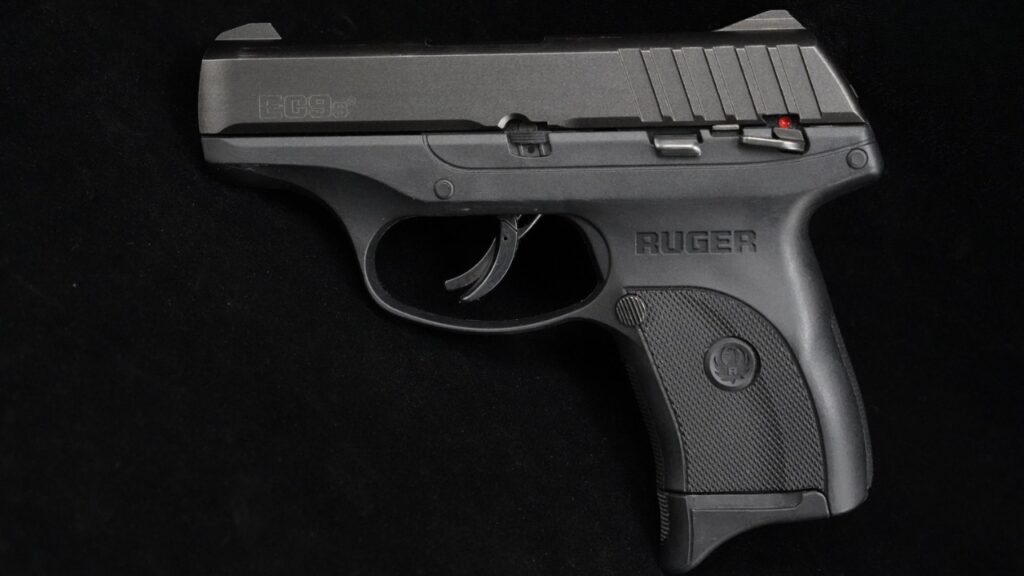
The EC9s is slim and lightweight, but it sacrifices a lot to get there. The trigger is stiff and the sights are fixed, making accuracy harder than it needs to be. Add in a snappy recoil and it’s not a joy to shoot.
You can make it work, but you’ll be working harder than necessary. As a field-ready carry pistol, it’s underwhelming. There are better compact options out there that don’t require this much compromise.
Beretta Pico
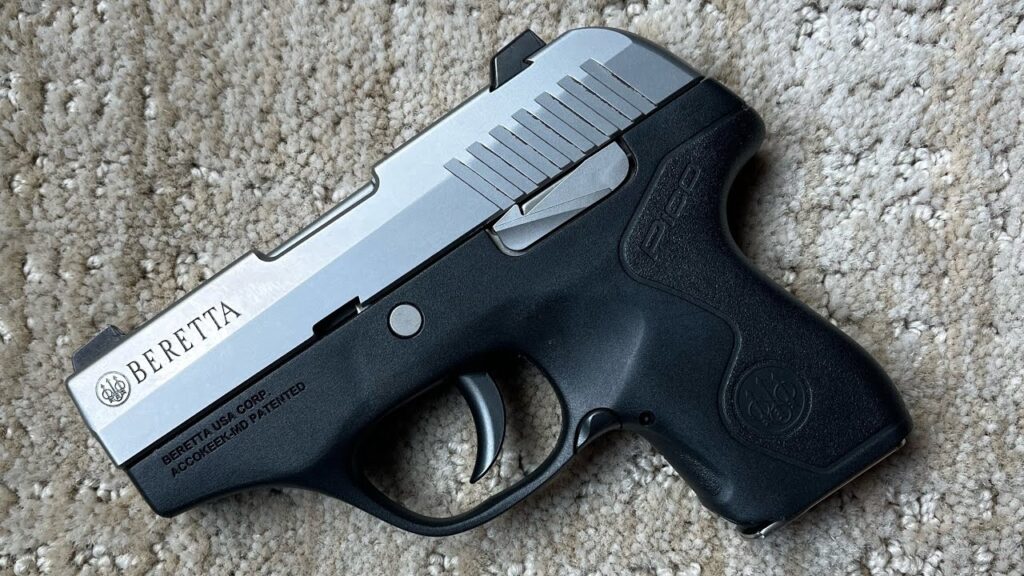
The Pico is tiny and sleek, but it’s got one of the worst triggers in the subcompact category. Add in stiff controls and a tough-to-rack slide, and it’s not exactly beginner friendly—or field friendly.
The recoil feels harsh for such a small caliber, and it’s not fun to train with. That’s a problem when you actually want to stay sharp. It may be concealable, but it doesn’t bring much else to the table.
Phoenix Arms HP22A
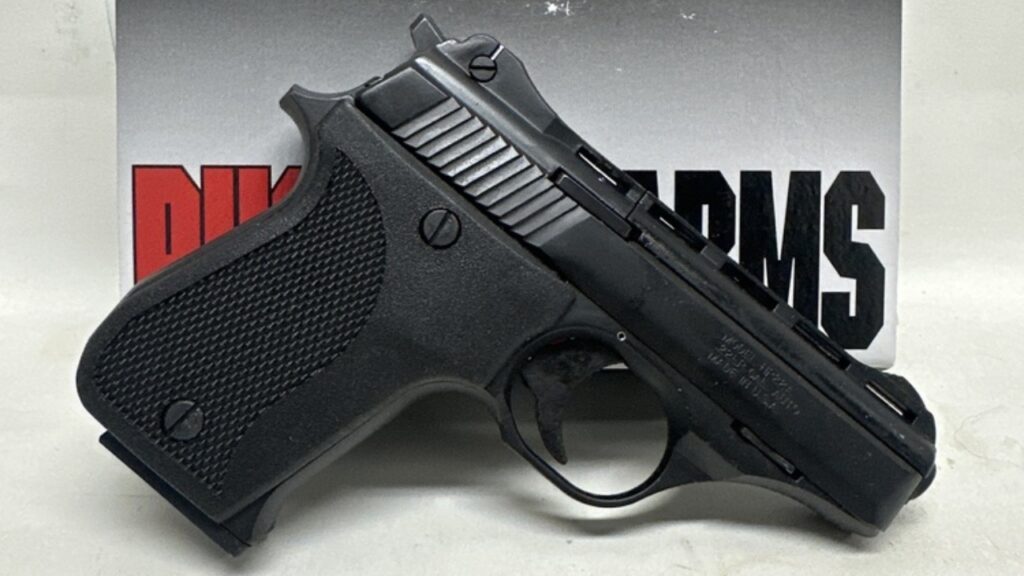
This .22 pistol is more of a plinker than anything else, but some folks try to treat it like a serious carry option—and that’s where it fails. The safety system is overly complicated, and the materials aren’t made to hold up.
It’s not drop-safe, and it’s definitely not made for rugged use. In short: fun for the range, but not something that ever belonged outside of a casual setting.
FMK 9C1
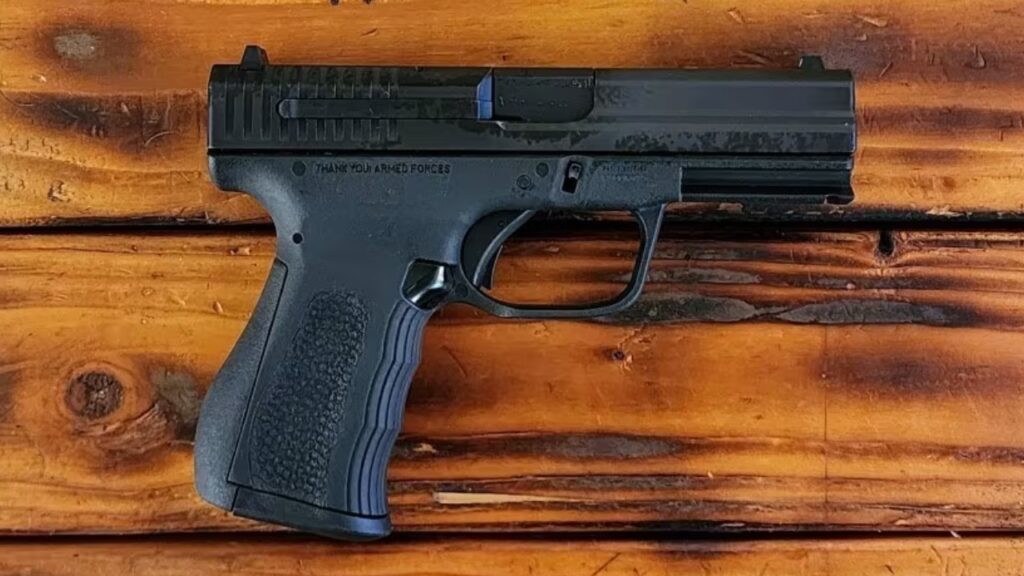
FMK tried to market itself as a patriotic alternative to Glock, but the 9C1 falls short. The trigger is rough, the polymer frame feels cheap, and the slide doesn’t cycle smoothly under pressure.
The controls are stiff and awkward, and some shooters have reported reliability issues after only moderate use. It’s more about branding than performance. When it comes to real-world use, it simply doesn’t measure up.
*This article was developed with AI-powered tools and has been carefully reviewed by our editors.