Photo credit: 1776 or Bust/YouTube
Some guns spend years living in second-place territory. They are the ones buyers like well enough, trust well enough, and keep meaning to pick up someday, but never with any urgency. They get treated like fallback options. Maybe they are not flashy enough, not new enough, or not the first gun people brag about when the conversation turns serious. That makes them easy to delay.
Then the market changes and all that lazy confidence starts looking dumb. Prices jump, supply dries up, imports stop, production ends, or a once-ignored model suddenly gets appreciated for what it always was. The gun people thought they could grab later becomes the gun they should have bought when it was sitting right in front of them. These are the ones that turned backup status into regret.
Smith & Wesson 3913

The 3913 spent a long time being treated like a sensible little carry gun that would always be around for anyone who finally got interested. It never had the loud reputation of bigger service pistols or the modern buzz of polymer carry guns, so a lot of buyers filed it away mentally as something they could circle back to later. That made it easy to admire and easy to postpone.
Then people started realizing how much the gun got right. Slim profile, metal frame, real carry practicality, and a feel that still makes sense today. Once that appreciation kicked in, the market stopped treating it like a forgettable backup. Buyers who once passed over it like it would always be available started looking at the shrinking supply and understanding they had misread the whole thing.
Browning Hi-Power

For years, the Hi-Power was one of those pistols people respected without rushing to own. It was classic, proven, and easy to like, but many buyers treated it like a “someday” gun rather than a “buy it now” gun. There was always a reason to wait. Maybe they wanted something newer, lighter, or cheaper first. Maybe they assumed old Browning steel would always be sitting around somewhere.
That assumption aged badly. Once production changes and collector attention started tightening things up, the Hi-Power quit feeling like an easy future purchase. Suddenly the pistol people treated like a backup classic looked a lot smarter than plenty of trendier buys. Buyers who kept kicking the can down the road learned the usual lesson: something can feel permanent right up until it very clearly is not.
Remington 1100

The Remington 1100 spent decades being the shotgun people respected but did not always prioritize. It was common enough, proven enough, and familiar enough that many buyers treated it like a gun they could always pick up later if they wanted a soft-shooting autoloader. That is the danger of long-term visibility. It makes people sloppy. The 1100 felt too established to ever become something worth chasing.
Then availability got messier, cleaner examples got more attention, and the old confidence around them started fading. People who once treated the 1100 like a fallback field gun suddenly noticed that the nice ones were no longer hanging around the way they used to. A shotgun many buyers treated like a dependable backup began looking like one of the smarter purchases they never got around to making.
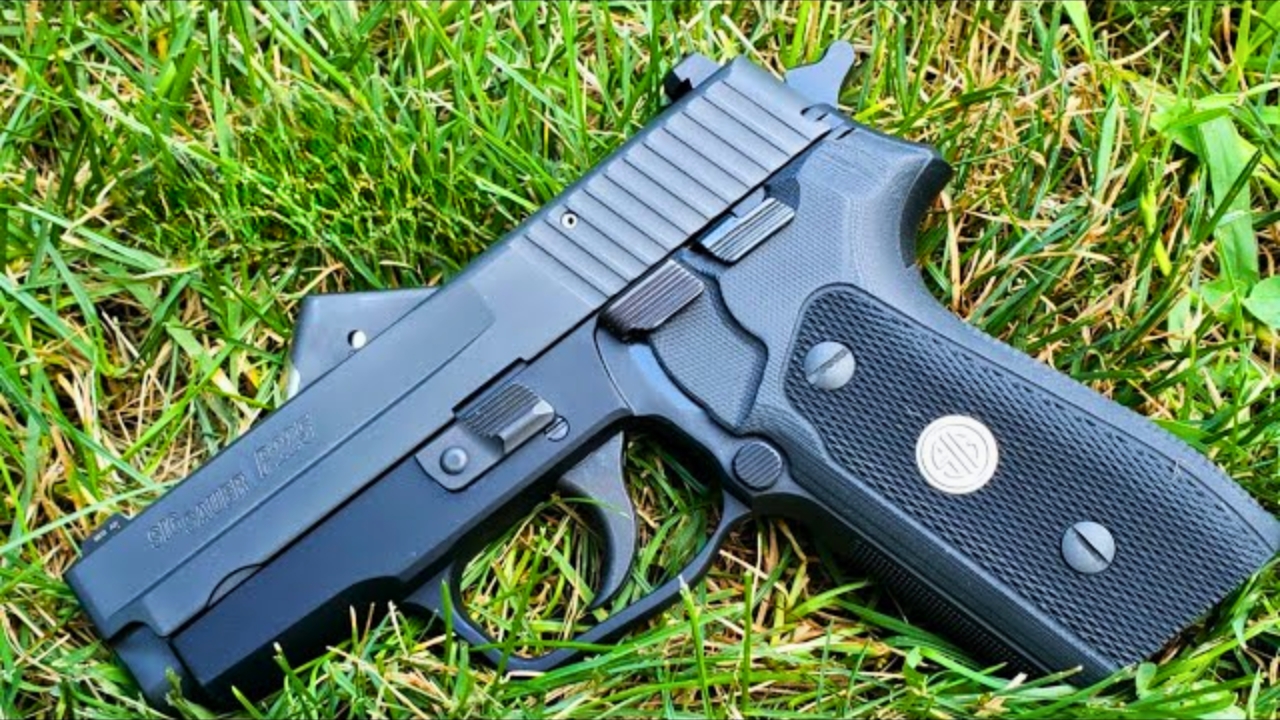
SIG Sauer P239
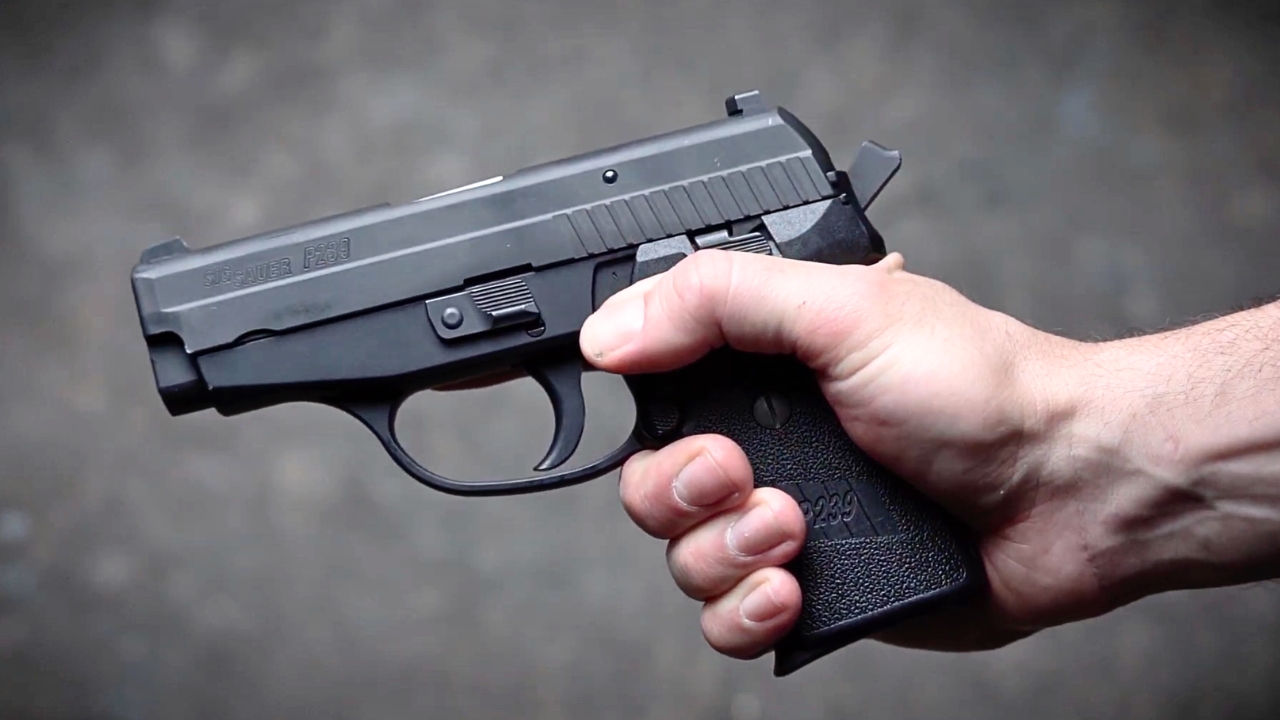
The P239 was easy for buyers to leave on the back burner. It was dependable, easy to shoot, and well made, but it lived in that awkward middle ground where it did not dominate any one conversation. It was not the highest-capacity option, not the smallest carry gun, and not the cheapest route into a SIG. That made it easy to respect without actually buying.
Then the market started looking back at it more fondly than it ever did in the moment. Once production ended and people got tired of disposable-feeling carry trends, the P239 started looking more substantial and more appealing. Buyers who once treated it like the pistol they would grab later found out later had changed. The gun they kept demoting to backup status stopped being an easy afterthought.
Marlin 1895

The Marlin 1895 used to be one of those rifles buyers admired in passing without feeling pressed to act. Big-bore lever guns had their fans, but a lot of people still treated the 1895 like something they could always revisit later if they ever decided they wanted one. It was not always seen as urgent. It was more like a useful classic waiting patiently in the background.
That patience ran out. Production interruptions, brand uncertainty, and a growing appetite for lever guns turned the old backup choice into something much more serious. Suddenly people were sorting by era, hunting better examples, and paying much closer attention than they used to. The 1895 did not become valuable because it changed into a different rifle. It became more valuable because buyers finally stopped assuming it would always be there.
CZ 97 B

The CZ 97 B spent years getting admired with a shrug. People liked it, but plenty of buyers still treated it like the big steel .45 they might grab later after handling more urgent purchases first. It was never the gun most people felt they had to get immediately. Size alone kept it from feeling universal, and that pushed it into backup territory for buyers who were curious but not committed.
Then it disappeared from easy reach and the whole tone changed. Shooters started appreciating the things they once treated as drawbacks. The weight felt more stable, the steel frame felt more appealing, and the pistol’s slower, more deliberate personality started standing out in a market flooded with lighter, thinner options. The 97 B made a lot of people look back and realize the gun they deprioritized was smarter than they thought.
Winchester 9422

The 9422 spent a long time being that nice lever-action rimfire people always meant to buy someday. It had a good reputation, but it often sat behind more exciting centerfire purchases in buyers’ priorities. A lot of shooters treated it like the kind of rifle they could eventually add without much trouble. That is what happens when a gun stays visible long enough. People confuse familiar with permanent.
Then nice ones stopped feeling casual. Prices started climbing, cleaner examples started disappearing faster, and the rimfire lever gun people once treated like a pleasant extra began looking like something they should have taken more seriously. The 9422 is a great example of how backup status can blind buyers. They did not think they were passing on something important. The market taught them otherwise.
Colt Mustang Pocketlite

The Mustang Pocketlite had a long run as the sort of pistol people liked in theory more than they chased in practice. It was easy to appreciate, easy to remember, and easy to push off for later. A lot of buyers treated it like a neat little Colt they could always come back for once they decided they wanted a compact single-action carry gun. That kind of thinking only works until supply stops cooperating.
As small carry guns became a bigger focus and older Colts kept pulling more attention, the Mustang stopped looking like a casual backup choice. Buyers who once figured they could find one whenever they felt like it started noticing that the nicer examples were not sticking around so casually anymore. The gun had not changed. The market did. That is what made a lot of delayed decisions start looking foolish.
Ruger Deerfield Carbine

The Deerfield Carbine never had the kind of image that made people panic-buy. It was useful, a little unusual, and easy to treat like a gun you could always revisit later if you ever decided you wanted a semi-auto deer rifle with a different flavor than the usual options. That made it a classic backup gun in buyers’ minds. Interesting, yes. Urgent, no.
Then time did what it always does. The rifles got scarcer, people started appreciating their niche appeal more clearly, and the assumption of easy availability wore off. Buyers who once treated the Deerfield like a side option started realizing that side options can get awfully hard to replace once they leave regular circulation. The market has a way of punishing people who mistake low hype for low future value.
Beretta 84FS Cheetah

The Beretta 84FS Cheetah lived for years in that comfortable zone where people liked it but rarely treated it as a must-buy. It was stylish, soft-shooting, and full of personality, but a lot of buyers still placed it behind other priorities. It was the kind of pistol they imagined eventually owning, not the one they felt pressure to secure right now. That mindset made it a perfect backup choice.
Once good examples became less routine and interest in classic metal-frame pistols kept building, the Cheetah started looking far less optional. Buyers who once treated it like a fun extra realized the market had stopped agreeing. The charm that used to feel like a side benefit suddenly became the reason people were chasing them. Guns like that make delayed buyers feel foolish because the warning signs were there all along.
Smith & Wesson 4506

The 4506 always had the feel of a heavy-duty service pistol people assumed would be floating around forever. It was large, tough, and respected, but also easy to treat like something you could always pick up later once you got serious about owning an old-school .45. Plenty of buyers kept it in the backup category because it never felt scarce, never felt trendy, and never begged for attention.
Then third-generation Smiths started getting looked at with fresh eyes. Buyers realized those pistols were not just old police trade-in types anymore. They were well-built metal guns from a chapter that was not coming back. The 4506 stopped being the kind of gun people casually intended to buy later and became one more example of a rugged handgun market inertia quietly turned into regret.
Norinco MAK-90

The MAK-90 was exactly the sort of rifle buyers assumed would always show up again. It was practical, durable, and often treated as the AK people bought only if they were not ready to spend more on something flashier. That made it easy to treat like a fallback rifle. Buyers thought of it as the option that would still be there if the first-choice gun fell through.
Then import reality and market memory caught up with that attitude. The rifles people once treated like compromise buys stopped being easy compromise buys. Suddenly buyers were reconsidering the quality, the reliability, and the simple fact that no endless pipeline was coming to refill the racks. A gun once treated like a backup plan started making delayed buyers feel like they had badly misunderstood what was in front of them.
SIG Sauer P225

The P225 spent years as one of those SIGs people respected without feeling pushed to buy immediately. It was slim, classic, and easy to like, but plenty of buyers still viewed it as a second-tier purchase behind higher-capacity options or more current models. It was the sort of pistol people planned to appreciate later, once they got through the supposedly more urgent stuff first.
That “later” mentality did not age well. As older single-stack metal pistols gained more appreciation and clean examples became less casual to find, the P225 started feeling much more important than buyers had treated it. The pistol had always been solid. The market just had to remind people that solid, overlooked guns do not stay cheap and convenient forever. Backup status turned into hindsight in a hurry.
Remington 7600

The 7600 is the kind of hunting rifle people in certain areas almost took for granted. It was familiar, effective, and tied to real deer camp use, but not always the sort of rifle buyers rushed toward when they were dreaming up their next purchase. A lot of shooters treated it like a dependable regional fallback. Not glamorous, not rare, just there when you needed it.
Then that old sense of permanence started slipping. Availability got less predictable, interest held steady, and the rifles that once felt easy to come by stopped looking so automatic. Hunters who had spent years thinking they could always grab one later started noticing they were seeing fewer of them in the same casual way. The market made that backup mindset look foolish because the rifle had never actually promised to wait.
Browning BAR Safari

The BAR Safari felt permanent for so long that many buyers never put much urgency behind owning one. It was established, proven, and familiar enough that people assumed a nice older BAR would always be available down the road. That pushed it into backup territory for a lot of hunters. They liked the rifle, respected the rifle, and still kept buying other things first because the BAR seemed too stable to miss.
Then people started recognizing how many older rifles had already settled into long-term ownership and how few clean examples were just sitting around casually. Once buyers noticed that, the BAR stopped feeling like a patient fallback and started feeling like something they should have prioritized earlier. That is the problem with treating good guns like backups. The market eventually reminds you they never agreed to stay easy forever.
Like The Avid Outdoorsman’s content? Subscribe to our newsletter so you never miss an article.
Here’s more from us: