Photo credit: 1957Shep/YouTube
Some guns do not look like obvious buys at the time. Maybe the price felt a little high, the caliber seemed odd, the model looked outdated, or the buyer figured there would always be another one later. Then the market changed, the gun disappeared, and that “I’ll think about it” decision started hurting.
The worst part is that many of these guns were not rare when people passed on them. They were sitting in used racks, police trade-in cases, pawn shops, and surplus bins waiting for someone to recognize what they were. Now the same guns cost more, show up less, and make people wish they had just bought the thing when they had the chance.
Browning Hi-Power
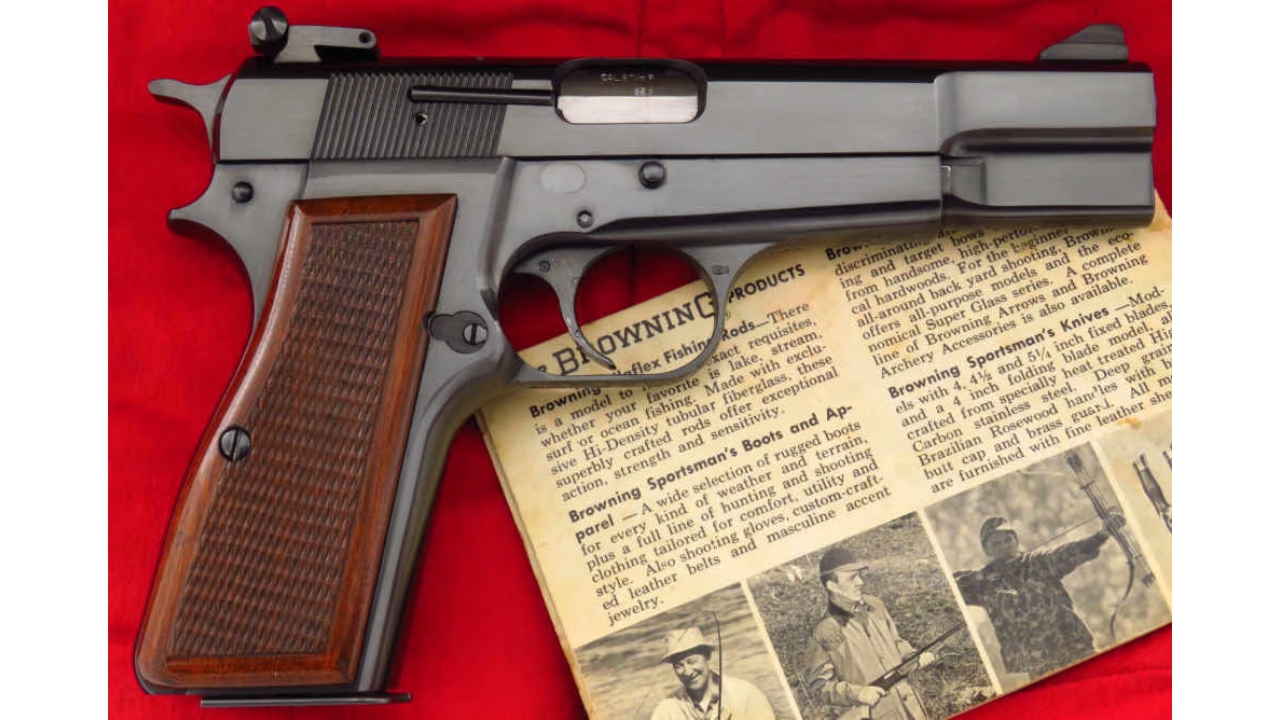
The Browning Hi-Power is one of the easiest guns to regret passing on. For years, shooters saw surplus, commercial, and older used examples at prices that now look almost unbelievable. A lot of people admired them, handled them, and then talked themselves out of buying because they already had a 9mm.
That decision stings now. The Hi-Power has one of the best grip shapes ever put on a service pistol, and clean examples have only become more desirable. It is not as modern as today’s striker-fired pistols, but it has a feel that newer guns rarely match. Anyone who walked away from a good one usually remembers the exact price.
Marlin 1894C
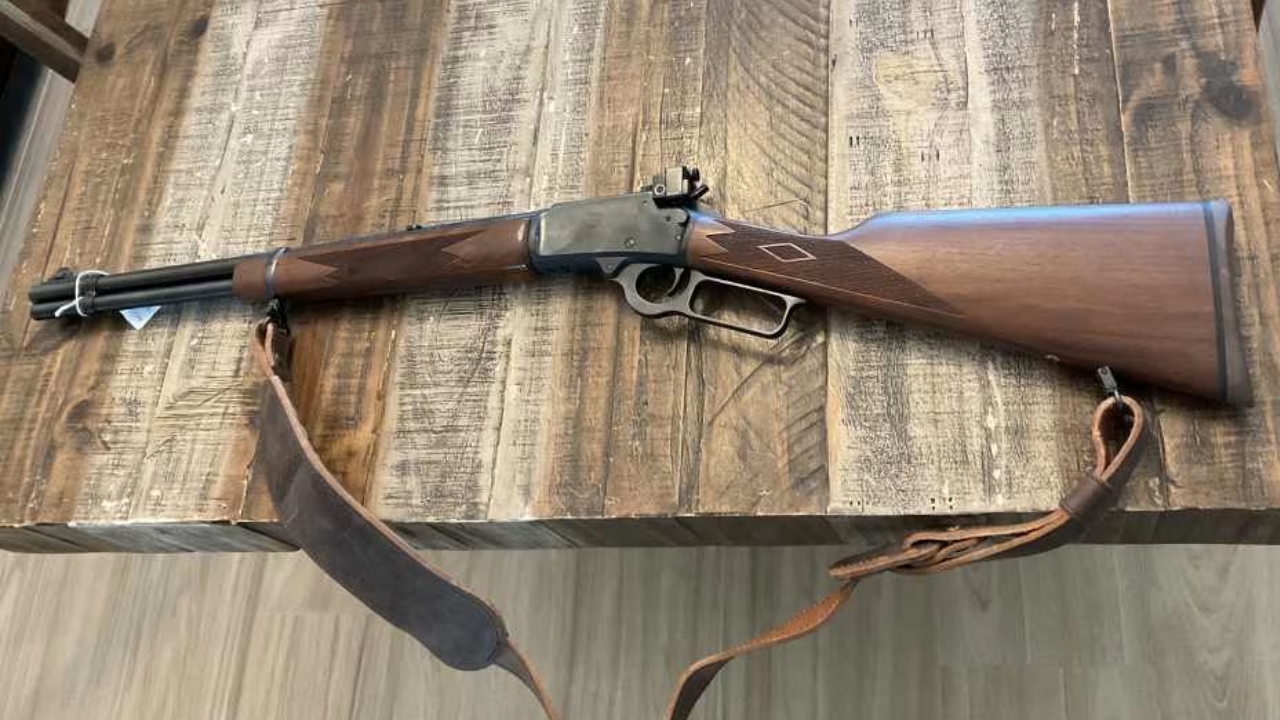
The Marlin 1894C in .357 Magnum was once easy to treat like a fun little lever gun instead of a must-buy. People saw them around, liked the idea, and then decided they did not really need a pistol-caliber carbine. That was a mistake a lot of shooters still think about.
A .357 lever gun is useful in more ways than people expect. It is cheap and mild with .38 Special, strong with full-power .357 loads, and handy enough for woods carry, pests, farm use, and close-range deer where legal. Once good older Marlins started climbing, the people who passed on clean 1894Cs learned that “maybe later” can get expensive.
Colt Python
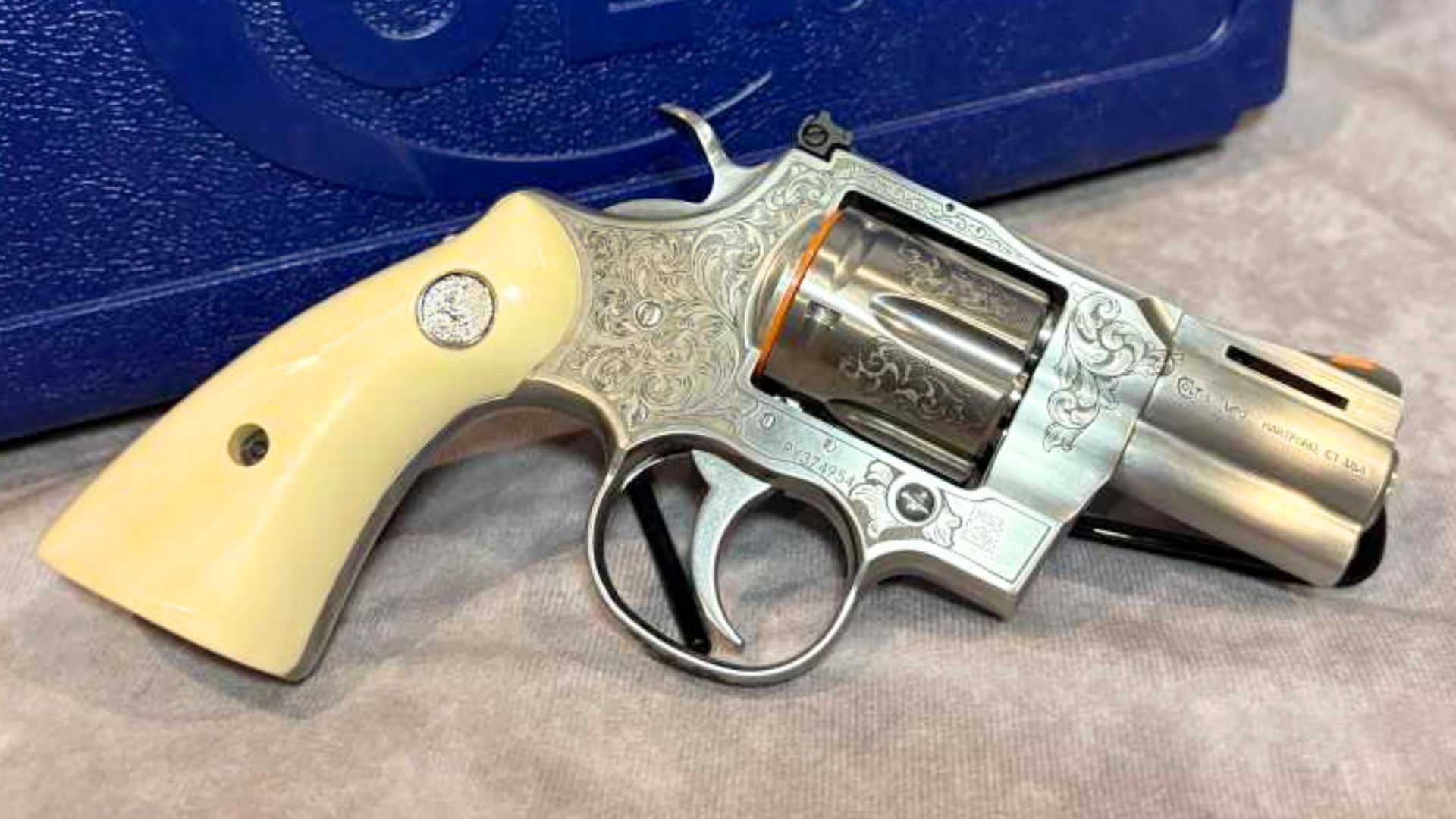
The Colt Python has always been desirable, but there was a time when used examples were still within reach for normal shooters. They were expensive compared with basic revolvers, but not completely insane. Plenty of people handled one, admired the finish, and decided a Smith & Wesson or Ruger would do the same job for less.
That was practical thinking, but it created a lot of regret. The Python became one of the defining collector revolvers, and old examples climbed hard. The smooth action, vent rib, full underlug, and deep blue finish gave it a presence few revolvers can match. Passing on one when prices were sane still bothers people.
Smith & Wesson Model 19

The Smith & Wesson Model 19 used to sit in used cases as a normal K-frame .357. It was respected, but it was not treated like some untouchable collector piece. Shooters could find police trade-ins, carried examples, and clean private-owner guns without hunting forever.
Now good Model 19s get attention fast. The balance, blued finish, size, and classic magnum feel make it one of the most loved Smith revolvers. It is not as brutally strong as a heavy L-frame or Ruger, but that was never the point. People who passed on a nice Model 19 usually wish they had understood how much harder they would be to find later.
Ruger No. 1
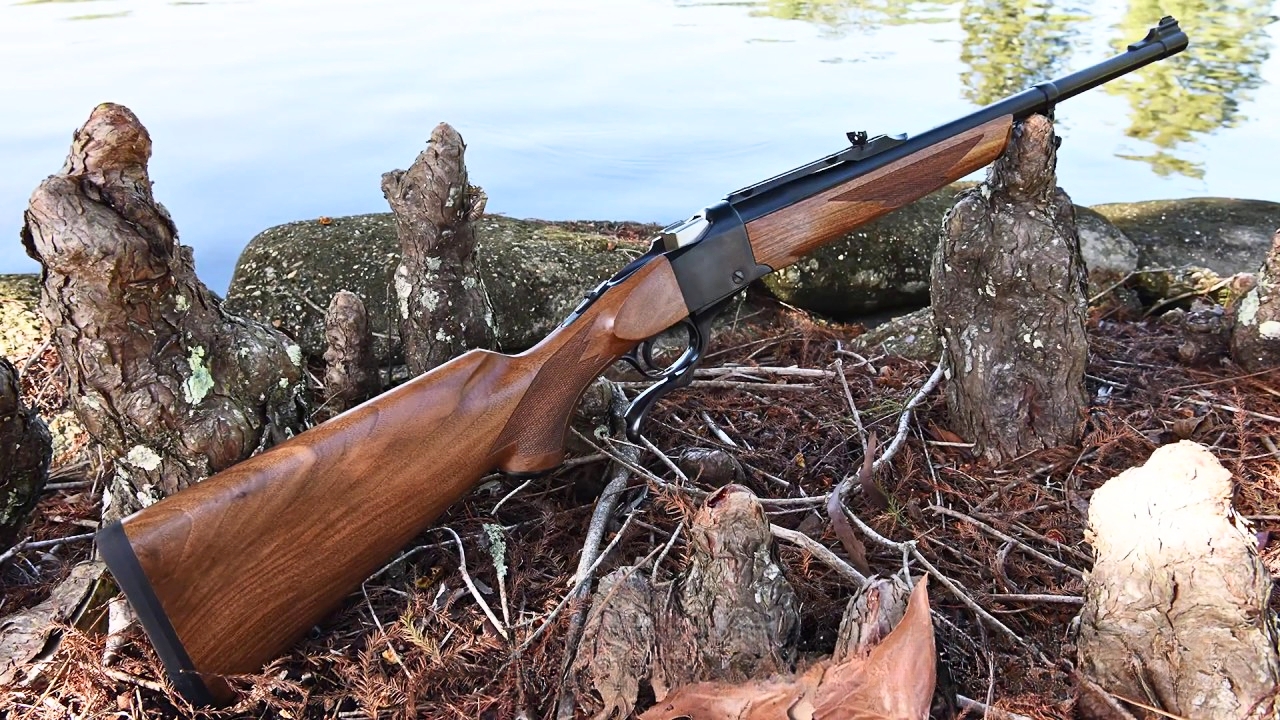
The Ruger No. 1 is exactly the kind of rifle people talk themselves out of buying. It is a single-shot, so practical buyers convince themselves they need a bolt action instead. It often costs more than basic hunting rifles, so buyers tell themselves they will get one someday when the timing is better.
Then they realize the timing never gets better. The falling-block action, short overall length, and classic lines make the No. 1 feel special in a way most factory rifles do not. It is not for everyone, but that is part of the appeal. Hunters who passed on one in a favorite chambering usually regret it for years.
Winchester Model 94
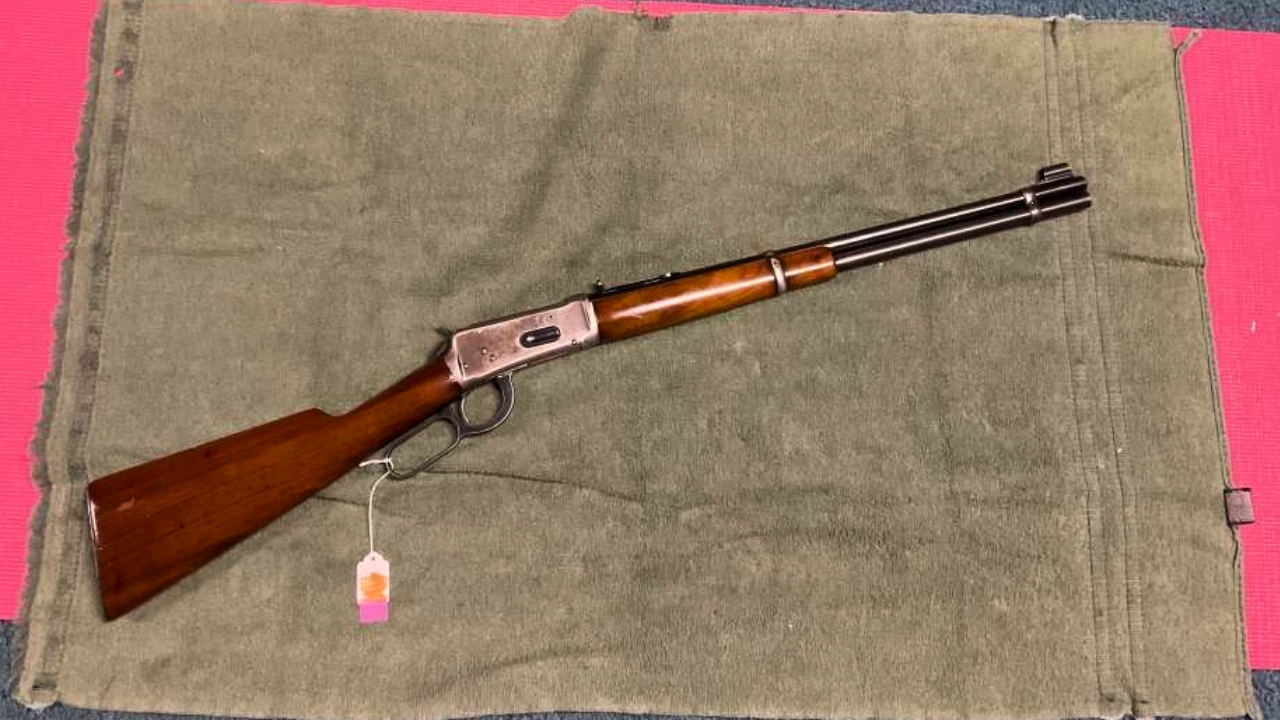
The Winchester Model 94 was so common for so long that people forgot it could ever become something they would miss. Used .30-30 carbines were everywhere, and plenty of shooters passed because they figured another one would always be around. They were not wrong then, but they are not as right now.
Clean older Model 94s are not the casual bargain they used to be. Pre-1964 examples, classic carbines, and honest old deer rifles all have more pull than they once did. The Model 94 is light, quick, and still useful in thick woods. People regret passing on them because they did not realize common guns can become sentimental fast.
Remington 870 Wingmaster

The Remington 870 Wingmaster used to be the pump shotgun people saw everywhere. It was nicer than the Express, but for years many buyers shrugged and bought the cheaper version or moved on to a semi-auto. A slick old Wingmaster did not always feel urgent.
Now the old quality stands out. The polished action, walnut furniture, blued finish, and smooth cycling make older Wingmasters feel better than many modern budget pumps. Hunters and clay shooters who passed on clean used examples often wish they had grabbed one before everyone started appreciating them again. It is one of those guns that got more desirable because newer guns made it look better.
Savage Model 99

The Savage Model 99 is a regret machine for hunters who once walked past them. For years, some people saw them as odd old lever guns that were not Winchesters or Marlins. That caused a lot of good rifles to sit underappreciated in used racks.
Now hunters understand how smart the design was. A lever action with a rotary magazine on many versions, sleek handling, and chamberings like .250-3000 Savage, .300 Savage, .308 Winchester, and .358 Winchester has real appeal. The 99 was ahead of its time, and people who talked themselves out of buying one now get to watch prices remind them.
Swiss K31

The Swiss K31 was one of the great surplus deals that too many shooters overthought. The straight-pull action was unfamiliar, 7.5×55 Swiss was not something every store carried, and some buyers hesitated because it was not a Mauser, Enfield, or Springfield.
That hesitation looks rough now. The K31 is beautifully made, usually accurate, and mechanically fascinating. Once shooters realized how good they were, the cheap surplus days faded. People who passed on clean K31s because the ammo seemed weird usually regret not buying the rifle and solving the ammo problem later.
SKS
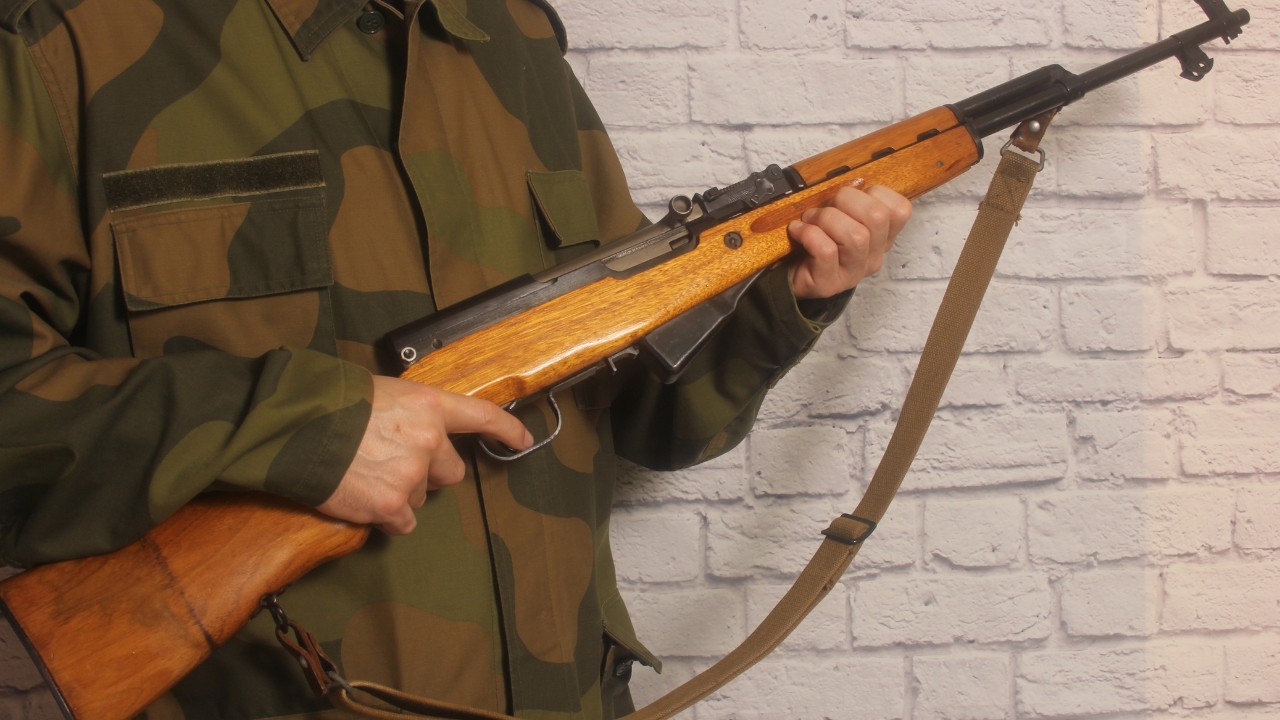
The SKS may be one of the biggest “why didn’t I buy more?” rifles in modern surplus history. There was a time when they were stacked cheap, treated like entry-level semi-autos, and modified without much thought. Plenty of shooters passed because they assumed SKS rifles would always be affordable.
That assumption aged terribly. Russian, Chinese, Yugoslavian, and other SKS variants all became more desirable once the supply dried up and nostalgia kicked in. The rifle is simple, rugged, and fun, with enough Cold War character to make it collectible. Anyone who passed on a clean one at old prices still remembers it.
Remington Nylon 66

The Remington Nylon 66 was easy to dismiss when people saw it as a strange plastic .22. It did not have walnut-stocked charm, and it looked too different for some traditional shooters. For years, plenty of buyers left them behind because they wanted something more normal.
Now that weirdness is part of the appeal. The Nylon 66 is light, reliable, and tied to a lot of childhood shooting memories. Clean examples, especially desirable color variants, are harder to find cheap than they used to be. People regret passing on them because they did not realize the oddball .22 would become beloved.
Smith & Wesson 5906

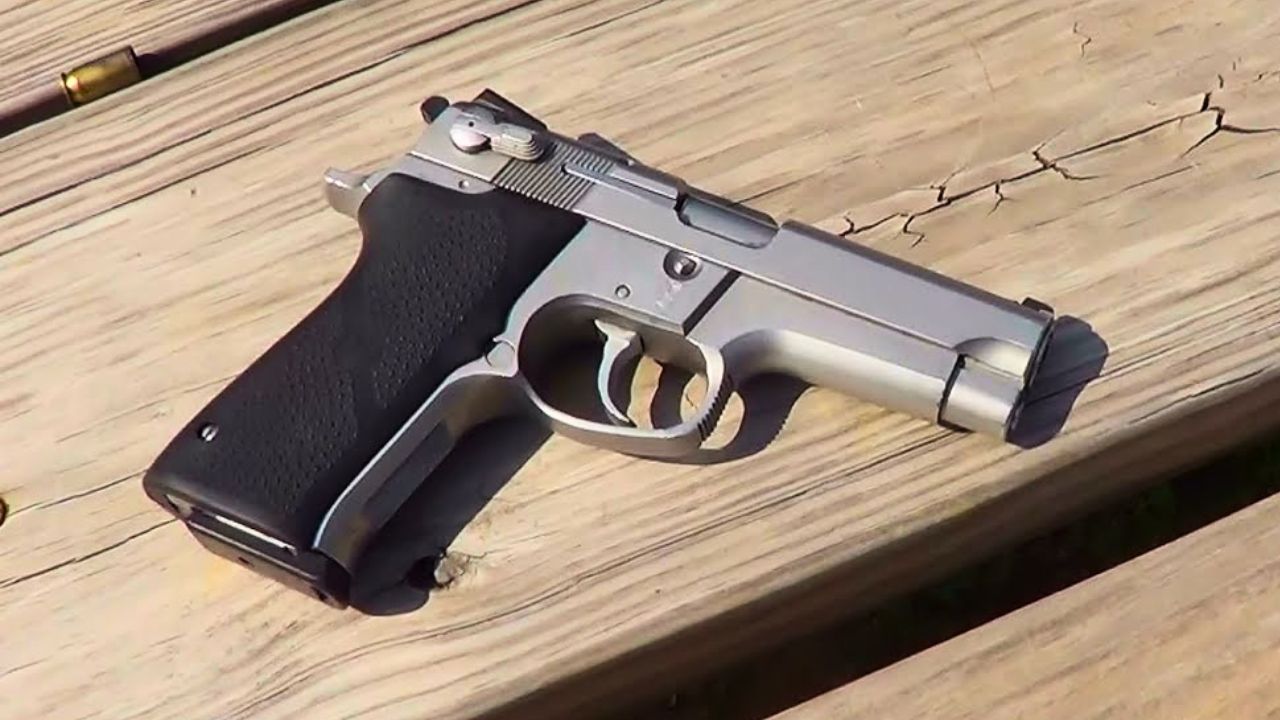
The Smith & Wesson 5906 spent years as a heavy police trade-in that many shooters ignored. Polymer pistols were taking over, and stainless DA/SA service guns looked outdated. Plenty of buyers saw them at good prices and decided they were too heavy, too bulky, or too old-fashioned.
Now that weight and old-school build quality are exactly why people want them. The 5906 feels like a serious service pistol from a different era. It is durable, soft-shooting, and full of character. People who skipped one when they were cheap often wish they had bought it just to have a real third-generation Smith in the safe.
CZ 527 Carbine

The CZ 527 Carbine is one of those rifles people regret not buying because nothing quite replaced it. It was small, handy, and built on a true mini-Mauser-style action with plenty of character. In 7.62x39mm especially, it made a great little woods and utility rifle.
A lot of buyers talked themselves out of it because the chambering seemed odd in a bolt gun or because they figured CZ would keep making them forever. Then the 527 disappeared, and used prices started proving how wrong that assumption was. The little rifle had charm and usefulness, and people miss both.
Winchester Model 88

The Winchester Model 88 was easy to overlook because it did not fit neatly into one category. It was a lever action, but not a traditional tube-fed .30-30. It used a rotating bolt and detachable magazine, which made it more modern than people expected. Some buyers simply did not know what to make of it.
Now that uniqueness is the whole point. Chamberings like .308 Winchester, .243 Winchester, .284 Winchester, and .358 Winchester make the Model 88 a serious hunting rifle with lever-gun handling. People who passed on clean examples because they seemed odd now realize odd can become desirable.
Marlin 39A

The Marlin 39A was once just a really nice lever-action .22. It was respected, but many shooters still talked themselves out of it because cheaper rimfires were everywhere. Spending more on a .22 felt unnecessary at the time.
That thinking created regret. The 39A has classic lines, takedown construction, smooth handling, and a long reputation as one of the best rimfire lever guns ever made. It feels like a real rifle, not a toy. Once people started missing quality .22s made from steel and walnut, clean 39As stopped being easy to ignore.
Colt Detective Special

The Colt Detective Special used to be a common old snubnose revolver. It was neat, but not always treated like a must-have. People saw them in used cases and passed because they wanted lighter carry guns, cheaper Smiths, or newer semi-autos.
Now the Detective Special has a lot more pull. Six shots in a compact revolver, classic Colt lines, and decades of carry history make it feel special. Prices reflect that change. People who walked away from clean examples usually regret not grabbing one before everyone started wanting old Colt snubs again.
Remington Model 7600 Carbine
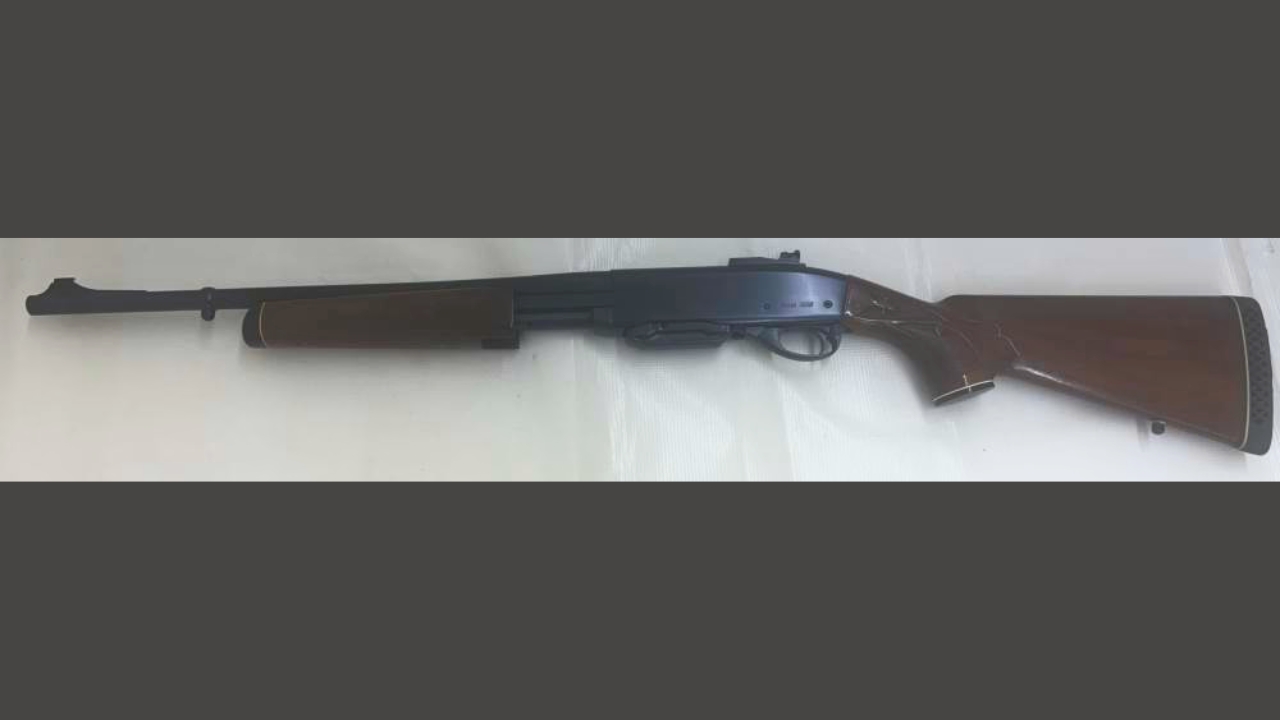
The Remington Model 7600 Carbine is a rifle many hunters did not appreciate until it got harder to find. It looked plain, and pump rifles are not everyone’s thing. Some buyers passed because they already had a bolt gun and did not understand why a pump-action deer rifle mattered.
Woods hunters understood it all along. The 7600 Carbine is fast, handy, and familiar to anyone raised on pump shotguns. In .30-06 Springfield, .308 Winchester, or .35 Whelen, it is a serious deer and bear rifle. People who talked themselves out of one now have to compete with hunters who never stopped wanting them.
Ruger M77 Tang Safety

The Ruger M77 Tang Safety rifles used to be ordinary used bolt guns. They were solid, handsome, and common enough that people did not treat them like prizes. A lot of hunters passed because newer rifles were lighter or because they wanted something with a fancier trigger.
Now older M77s have a lot of appeal. The tang safety is handy, the rifles have classic Ruger toughness, and many came in useful hunting chamberings with good wood and blued steel. They feel like real hunting rifles from a time when factories still cared about that look. Clean examples are exactly the kind of rifles people regret leaving behind.
Beretta 92FS Inox
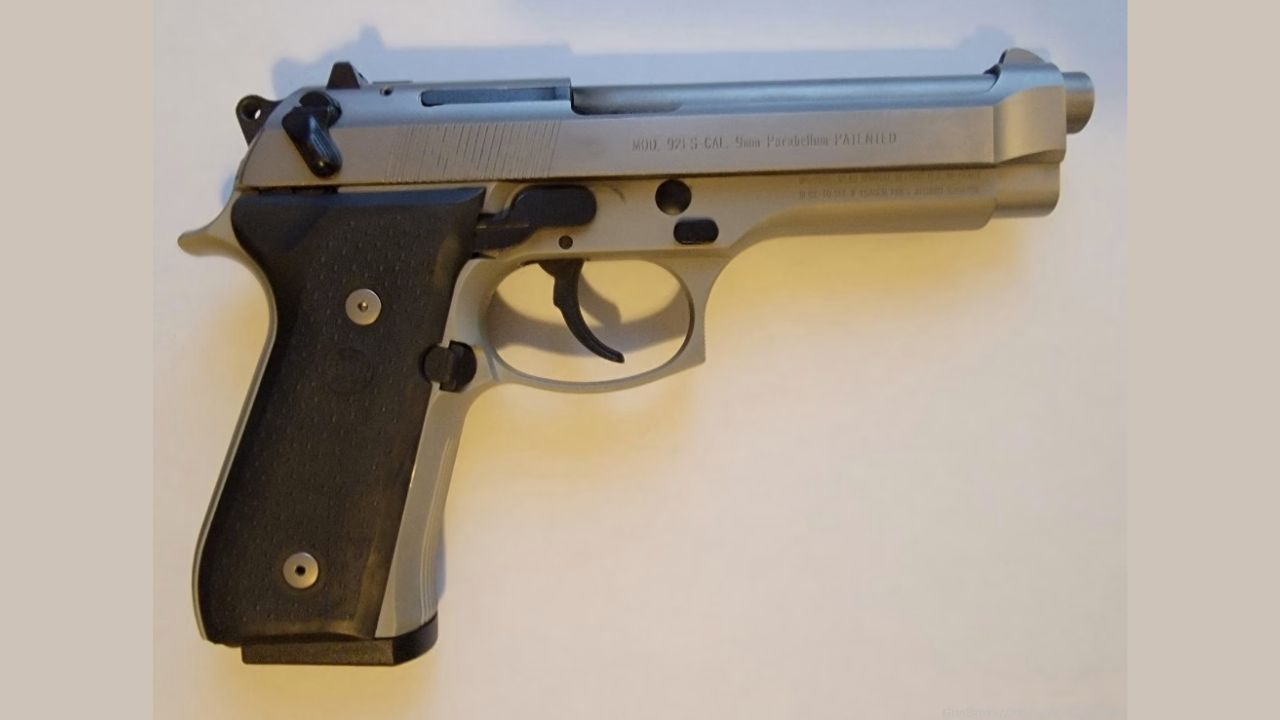
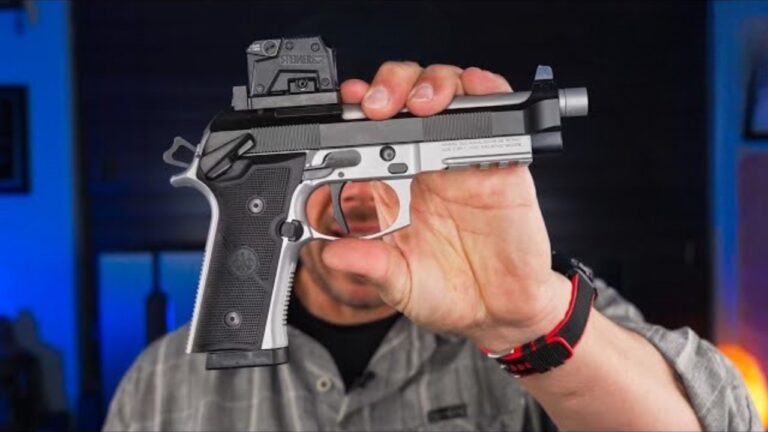
The Beretta 92FS Inox is one of those pistols people often admired but did not buy. The stainless look, open slide, and classic Beretta profile made it stand out, but buyers sometimes talked themselves into a cheaper black 92FS or a more modern polymer pistol instead.
That regret makes sense now. The Inox version has a style that regular duty pistols rarely match, and clean older examples have become especially desirable. It shoots softly, looks sharp, and carries real service-pistol history. Anyone who passed on one at a good price probably still remembers how good it looked in the case.
Heckler & Koch P7

The HK P7 is the ultimate “I should have bought it when I could” handgun for a lot of shooters. It was strange, expensive, and easy to overthink. The squeeze-cocker system, gas-delayed action, and low bore axis made it different enough that some buyers hesitated.
That hesitation became painful. The P7 is now one of the most sought-after modern classic pistols, and clean examples command serious money. It is compact, accurate, beautifully made, and mechanically unique. People who talked themselves out of buying one because it seemed weird now wish they had trusted their gut.
Like The Avid Outdoorsman’s content? Be sure to follow us.
Here’s more from us: