Photo credit: Jordi Mora/Shutterstock.com
A lot of rifles look good on the rack in August but don’t make it through their first cold season in the field. The paint starts chipping, the bolt sticks when frost hits, or the stock swells from moisture until your zero’s a mystery. Some rifles can’t handle a season of real use—snow, mud, and long hunts where gear gets bumped, soaked, and frozen. And when that happens, they don’t stick around long.
You can tell a rifle’s worth by how it behaves after the first full winter. Does it cycle when it’s cold? Hold zero after being slung over a pack for days? Resist rust when you forget to wipe it down one night at camp? The rifles that fail those tests usually end up on the used rack by spring. Here are the ones that have a bad habit of disappearing from hunters’ gun safes after their first taste of real weather.
Remington 710
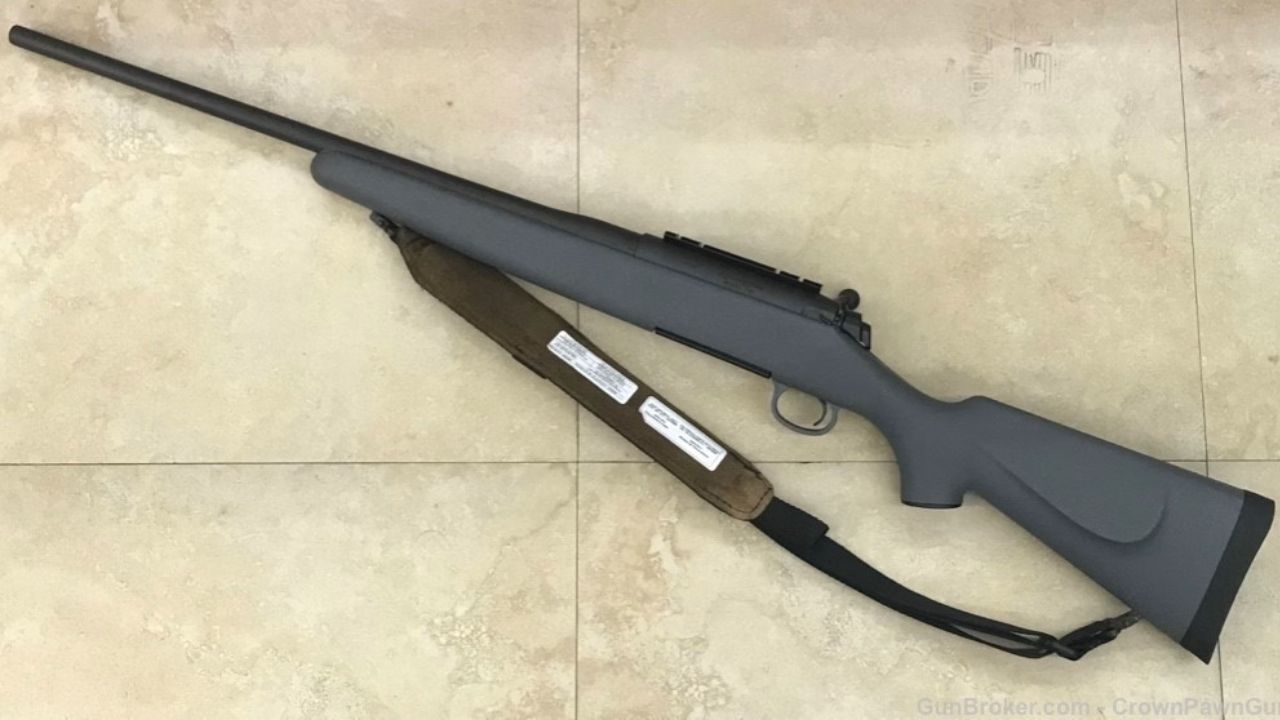
The Remington 710 was marketed as a no-fuss hunting rifle, but winter exposes its weaknesses fast. The plastic bolt shroud and cheap synthetic stock don’t hold up well to cold temperatures. The bolt gets sticky when dirt and frost mix, and the rifle’s accuracy starts to wander as the action shifts in the stock. Add in a factory scope that fogs if you breathe near it, and it’s no surprise most owners move on after one rough season.
In freezing weather, the trigger feels mushy and inconsistent. You’ll start wondering if the rifle’s even worth carrying when it won’t cycle cleanly in sub-zero temps. The rifle’s lightweight appeal fades quickly when you realize it needs babying to work right. Many hunters trade it off by February, choosing something they can trust when their hands are numb and the snow’s blowing sideways.
Savage Axis XP

The Savage Axis XP is one of those rifles that seems fine until winter reminds you how cheap “budget-friendly” can get. The thin plastic stock gets slick and brittle in cold weather, and any flex from a bipod or sling tension throws your zero off. Combine that with a stiff trigger that only gets worse when temperatures drop, and your accuracy starts falling apart right when you need it most.
The included scope is notorious for fogging up or losing zero after a few rough days. Even the bolt can feel gummy in freezing rain, especially if you didn’t degrease it before the season. For a fair-weather shooter, it’s manageable. But for anyone who actually hunts through January snow or wet timber, it becomes a lesson in frustration. By spring, most owners have already upgraded to something sturdier.
Mossberg Patriot Synthetic

The Mossberg Patriot Synthetic looks like a reliable all-weather rifle, but once it’s soaked in sleet or iced over in a blind, you start to see its limits. The synthetic stock feels hollow and transmits every vibration straight into your cheek. The bolt handle can freeze solid if you don’t keep it clean, and the blued steel version shows rust after one wet weekend.
The Patriot shoots well enough at the range, but it doesn’t like being cold. Moisture seeps into every seam, and the cheap scope that comes with combo packages doesn’t survive the temperature swings. The rifle’s balance and feel also change once it’s covered in mud or ice, making offhand shots feel awkward. Hunters who push through bad weather often learn fast that this rifle isn’t built for it—and by the next season, it’s already up for sale.
Ruger American Rifle

The Ruger American has a well-earned reputation for accuracy, but its polymer stock and lightweight construction show their flaws in winter. The stock flexes under cold tension, and you’ll notice your zero shifting between warm vehicles and frozen tree stands. The bolt runs smoothly when clean, but it doesn’t take much frost or grit to make it grind or seize.
For fair-weather hunts, it’s a dependable rifle. But under repeated freeze-thaw cycles, the bedding system loosens, and moisture sneaks under the stock. The trigger guard and magazine latch, both plastic, tend to crack or warp if you’re rough on them in freezing temperatures. Ruger built the American to hit a price point, not to survive a season of blizzards. A lot of hunters who bought one as their “do-it-all” rifle learn by spring that it does most things well—until winter gets mean.
Remington 770

The Remington 770 is infamous for being a rifle most owners don’t keep long, and a cold, wet winter accelerates that decision. The rough bolt feels worse when icy, and the action gets sluggish fast. The factory scope fogs at the worst times, and the stock, already flimsy, creaks audibly when it’s cold. It’s hard to stay confident behind a rifle that feels like it’s coming apart in your hands.
The 770 doesn’t respond well to hard use. It collects moisture under the stock, which can rust the barrel channel, and the trigger gets gritty with any dirt or frozen debris. It’s one of those rifles that looks fine for casual range work but crumbles during real hunting conditions. After one miserable late-season outing, most owners start looking at better options—and by the next fall, the 770’s on consignment somewhere.
Weatherby Vanguard Synthetic
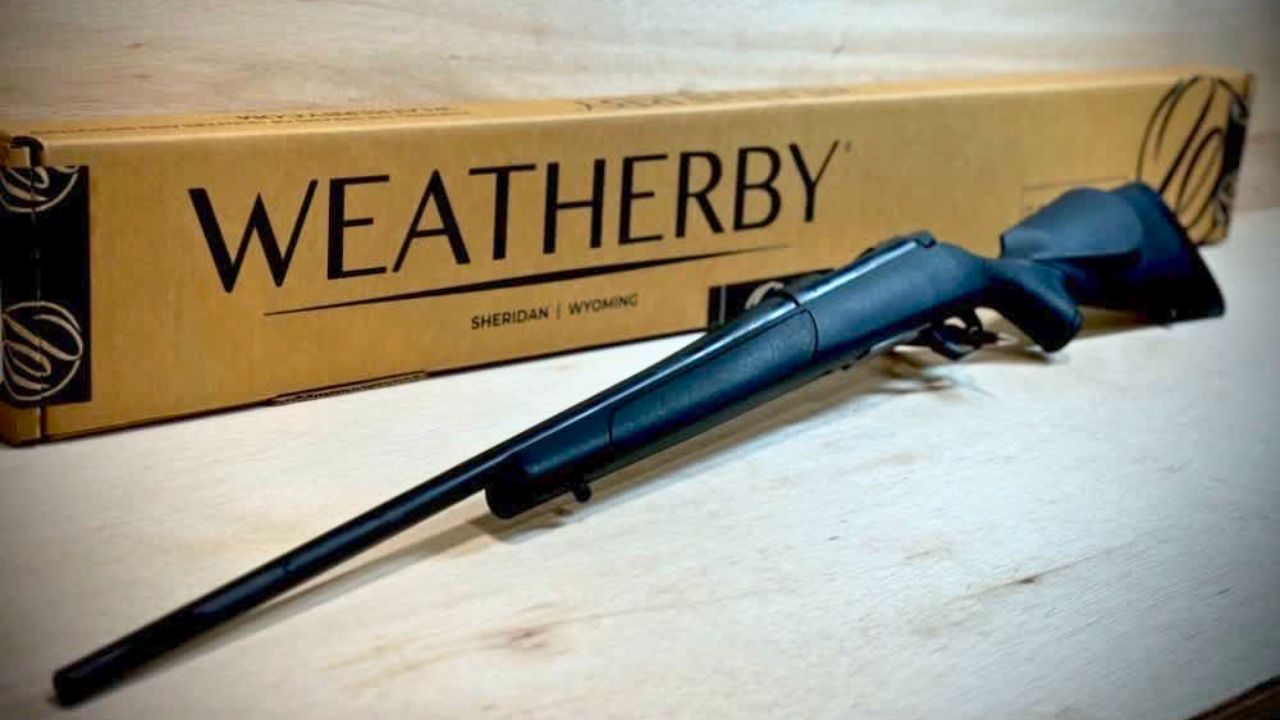
The Weatherby Vanguard Synthetic is accurate and dependable in moderate climates, but once the mercury drops, its flaws show. The cold can stiffen the stock material, causing bedding tension to shift and point of impact to drift. The bolt, though strong, can freeze if water sneaks into the lug recesses and solidifies overnight. Hunters in wet snow country learn that lesson the hard way.
Even with its solid construction, the Vanguard feels heavy and front-biased once you’re bundled in winter gear. That makes it harder to shoulder quickly or handle comfortably on long hikes. The rifle itself holds up structurally, but many hunters grow frustrated with its performance inconsistencies and the effort it takes to maintain. It’s not a bad rifle—but after one icy season, it feels like more work than it’s worth.
Remington Model 700 ADL Package
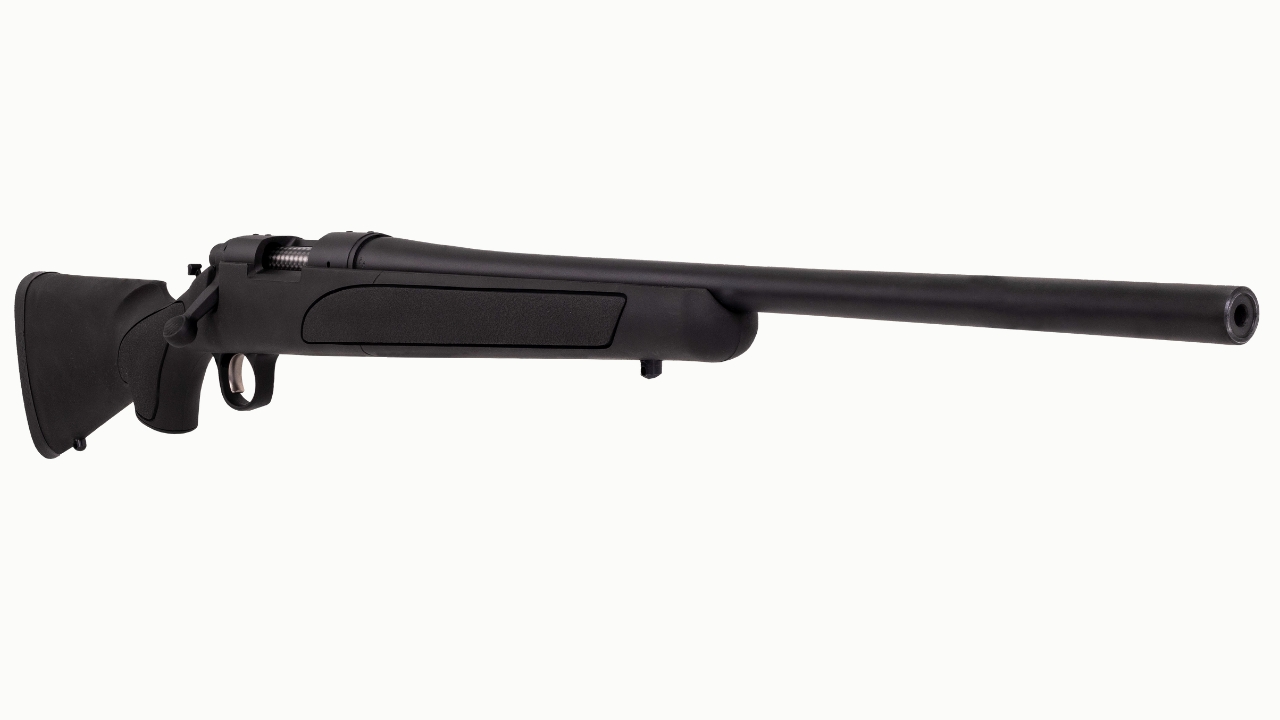
The Remington 700 action is legendary, but the ADL package rifles cut too many corners. The cheap synthetic stock and budget scope can’t handle a hard winter. The stock flexes, the barrel channel collects moisture, and the included optics are rarely sealed against fog. You’ll get a decent zero in the fall and lose it completely by the first cold snap.
The bolt tolerances on newer 700 ADLs aren’t as tight as the classics, and they start showing it when icy wind drives snow into the action. The trigger housing can gum up fast if you don’t clean it religiously. It’s a frustrating experience—having a trusted name on the receiver but performance that doesn’t match it. Hunters often realize they’d rather spend a little more on a model that doesn’t need babying every time the temperature drops.
Winchester XPR

The Winchester XPR looks like a solid budget rifle, but cold weather reveals its weaknesses. The polymer stock gets slippery when wet, and the trigger guard can freeze or crack if you bump it against anything hard. The bolt handle design also tends to collect snow and ice, which locks it up quickly in freezing rain.
Accuracy-wise, the rifle performs well when new, but fluctuating temperatures cause the synthetic stock to warp slightly, shifting your point of impact. The rifle’s smooth action becomes gritty with a bit of frost, and the lightweight build amplifies recoil when you’re wearing bulky winter gear. It’s not unreliable—it’s just not forgiving. Hunters in colder climates often discover by February that the XPR requires more maintenance than they’re willing to give, and by spring, it’s swapped out for something more cold-hardy.
Browning AB3

The Browning AB3 is lightweight and accurate, but it doesn’t fare well once winter moisture sets in. The polymer stock gets slick in gloves, and the matte blued finish rusts faster than you’d expect. Even small amounts of condensation under the bolt handle can freeze it solid, leaving you struggling to cycle a round when it matters most.
The trigger and safety can also stiffen in the cold, and while it’s fixable with thorough cleaning, most hunters don’t want to disassemble their rifle in a snowstorm. The AB3 performs admirably in warm weather, but its reliability fades once the temperature drops into the teens. It’s not uncommon for hunters to give it one season, realize the maintenance headache isn’t worth it, and trade up for something with stainless construction and a sturdier feel.
CVA Cascade
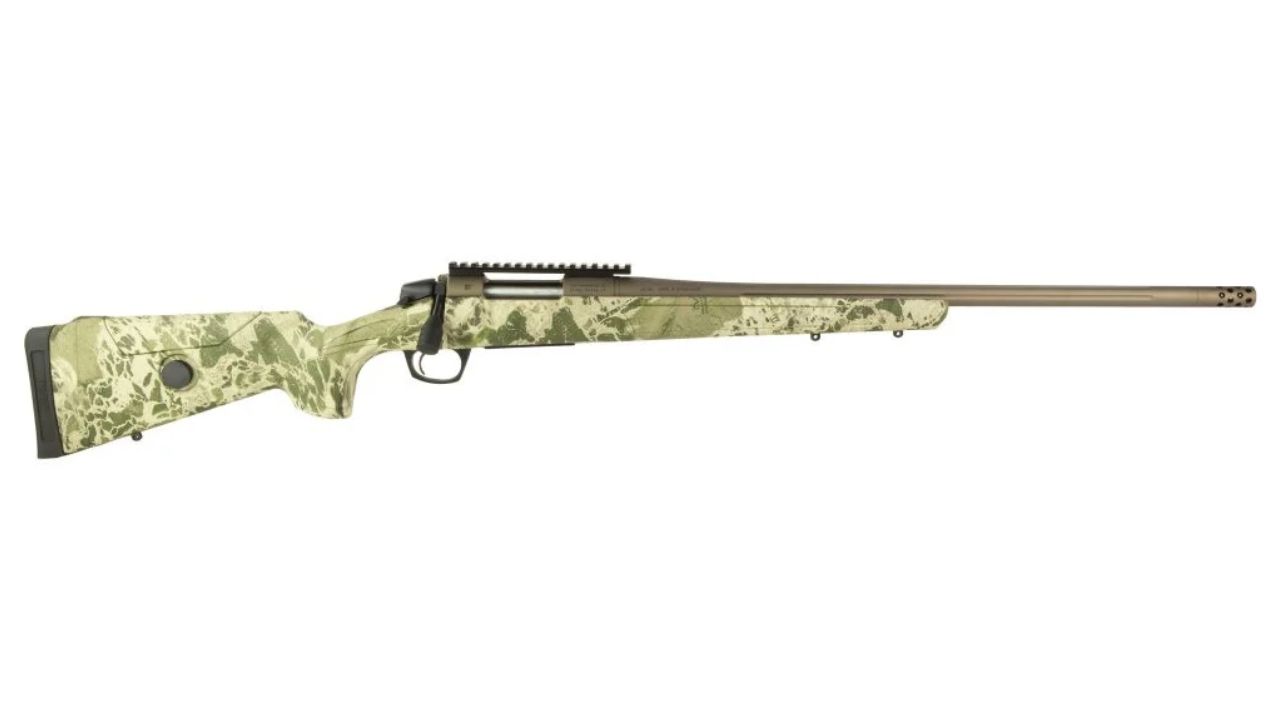
The CVA Cascade entered the market with high expectations, but winter is where it loses many hunters’ trust. Its light frame amplifies recoil when bundled up, and the action isn’t as sealed as it should be for wet conditions. Water or ice in the bolt body can freeze it solid, and the small extractor doesn’t always clear spent brass cleanly when it’s cold.
Accuracy stays decent, but consistency drops after multiple freeze-thaw cycles. The rifle’s finish also shows wear quickly, especially around the barrel crown and bolt handle. CVA’s design works well in mild climates, but real backcountry winter weather exposes its limits. Hunters who bought it for all-season reliability often move on to something with a tougher coating and tighter tolerances after that first frosty year.
Tikka T3 Lite

The Tikka T3 Lite shoots beautifully in most conditions, but when the temperature plummets, its light frame and thin recoil pad make it uncomfortable to shoot. That leads to flinching, which kills accuracy fast. The bolt can also collect frost around the rear shroud if you’re not careful, which makes cycling stiff and unpredictable.
It’s accurate, smooth, and lightweight—sometimes too lightweight. Hunters who use it through deep snow quickly realize it doesn’t balance as well when bundled up or shooting from awkward positions. The rifle’s polymer magazine and trigger guard also get brittle in extreme cold, which can lead to cracking if dropped. It’s a great rifle in most of the country, but in sub-freezing hunts where you’re trudging through slush and ice, it’s the kind that gets traded after one hard season for something heavier and steadier.
Thompson/Center Compass
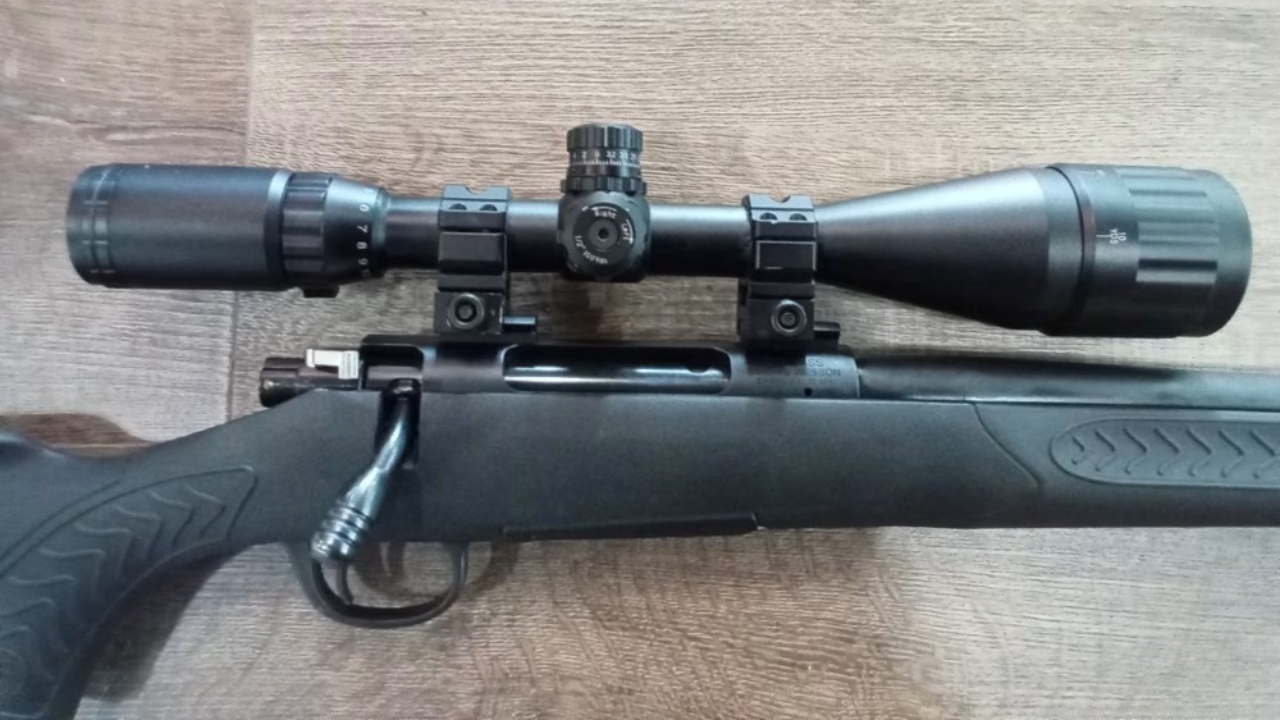
The Thompson/Center Compass was supposed to compete with affordable bolt guns, but its plastic-heavy design doesn’t age well through a tough winter. The stock warps under moisture, and the action collects condensation that freezes in place overnight. Once that happens, the bolt feels glued shut until you warm it up.
Even if you keep it clean, the rifle’s inconsistent trigger and flexible stock make it hard to maintain accuracy in cold weather. The finish scratches easily, exposing bare metal that rusts faster than you’d expect. By the time spring rolls around, most Compass rifles show their first season’s scars—frozen bolts, chipped stocks, and pitted barrels. It’s a rifle that teaches you the value of stainless steel and solid bedding the hard way. Most hunters move it along quickly, preferring something that doesn’t quit when the temperature does.
*This article was developed with AI-powered tools and has been carefully reviewed by our editors.