Photo credit: DeltaArmory LLC/GunBroker
Some guns sat in racks for years because nobody thought they were special. They were old police trade-ins, plain hunting rifles, cheap surplus guns, pawn-shop revolvers, or “just another” rimfire. Then nostalgia kicked in, collectors started paying attention, and suddenly the guns everyone ignored became the ones everyone wanted back.
That is the funny thing about used guns. A model can spend decades being ordinary, then turn into something people regret passing up. These are the guns that used to be easy to find before everyone got sentimental and decided they needed one after all.
Marlin 336

The Marlin 336 used to be the kind of rifle you could find in almost any pawn shop or deer-camp corner. A used .30-30 lever gun was not rare, fancy, or treated like a collector piece. It was just a practical woods rifle that had probably ridden in trucks, sat in closets, and killed deer for years.
Now clean older Marlins get attention fast, especially JM-marked rifles. Hunters and collectors both want them because they represent a kind of lever gun people trust. The 336 was common for so long that shooters forgot common does not mean replaceable. Once people started missing old Marlins, the easy deals dried up.
Winchester Model 94
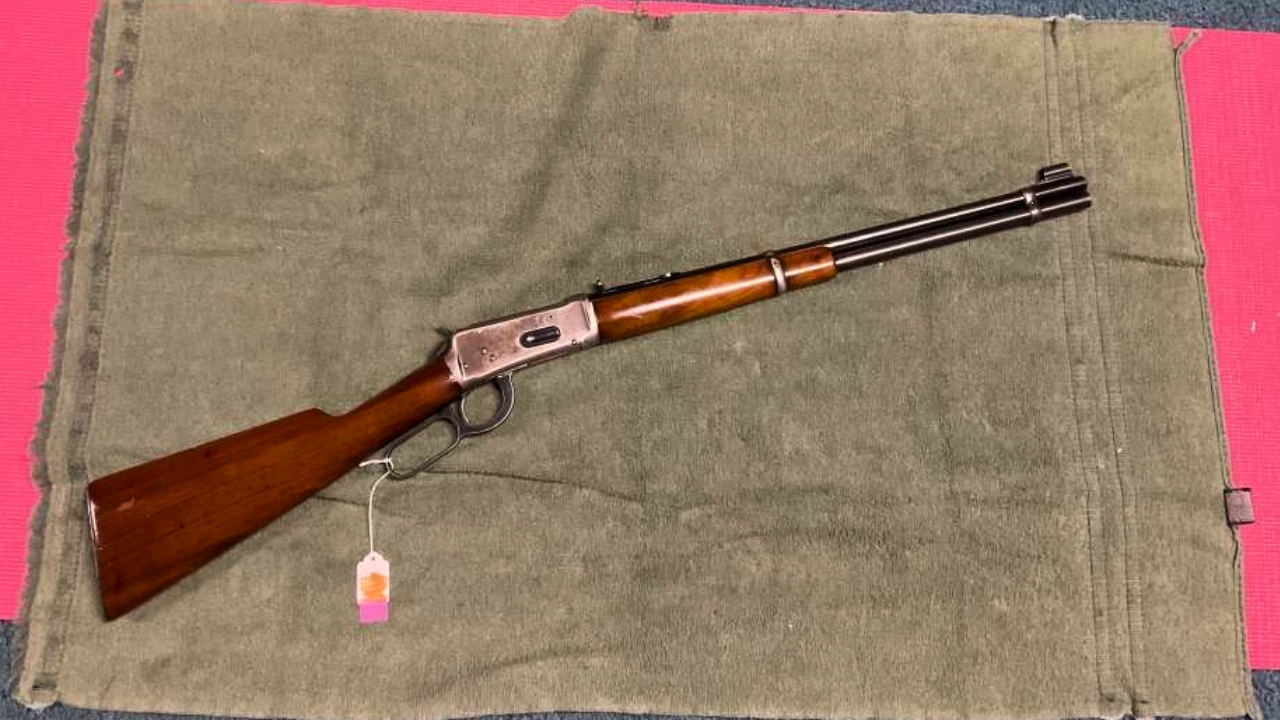
The Winchester Model 94 was once everywhere. Hardware stores, gun shops, pawn shops, family closets, and deer camps were full of them. A used .30-30 Model 94 was about as normal as a hunting rifle could get, and a lot of people walked past them because they assumed there would always be another one.
That attitude changed once clean pre-1964 examples, classic carbines, and older saddle-ring-style rifles started climbing. Even later Model 94s get more attention now because people want the feel of a real Winchester lever gun. The rifle never stopped being useful, but nostalgia made everyone remember it at the same time.
Remington Model 700 BDL

The Remington Model 700 BDL used to be the standard nice deer rifle, not some rare treasure. Plenty of hunters bought them in .243 Winchester, .270 Winchester, .30-06 Springfield, 7mm Remington Magnum, and .308 Winchester. Used racks were full of glossy walnut and black fore-end tips.
Now older BDLs carry a different kind of appeal. People miss the polished look, the better wood, and the feeling that a factory hunting rifle could still have some class. New rifles may be lighter and more weatherproof, but they do not always scratch the same itch. That makes clean BDLs harder to find cheap.
Remington 870 Wingmaster
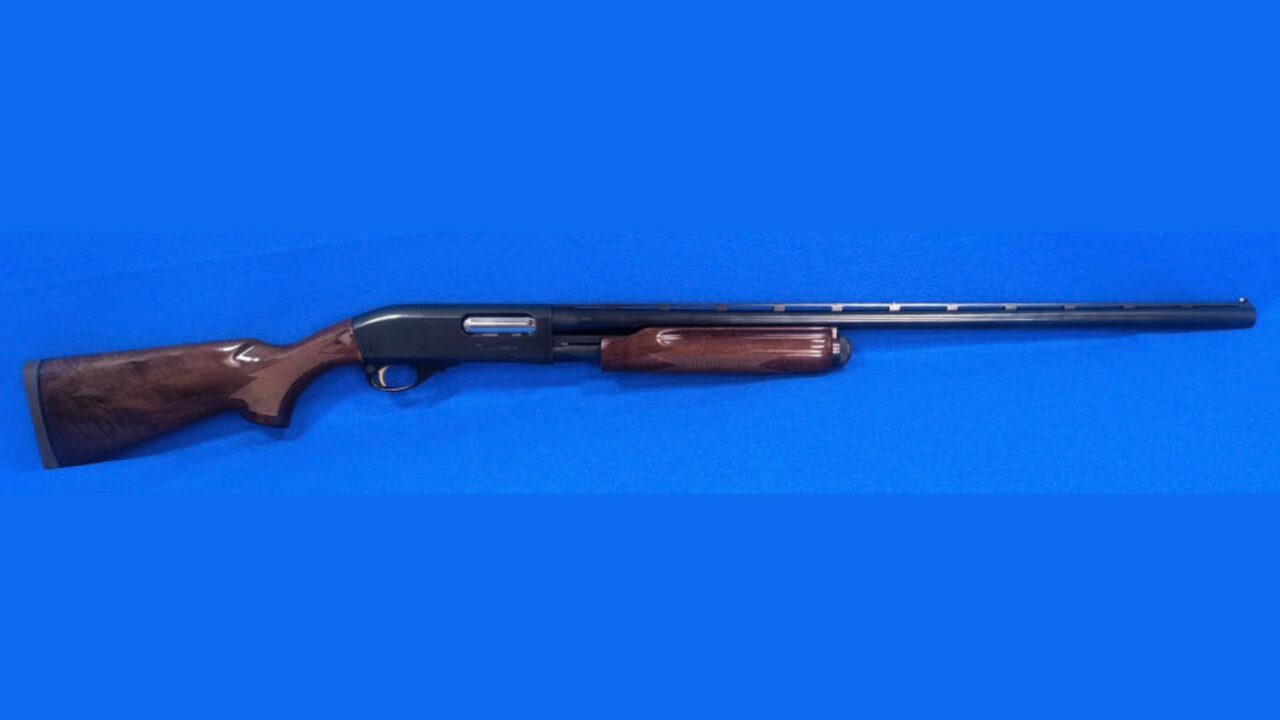
The Remington 870 Wingmaster used to be just the nice version of the pump shotgun everyone already knew. They were everywhere, and plenty of buyers passed them up for cheaper Express models or newer semi-autos. A used Wingmaster with honest wear was not hard to find.
Now people remember how slick they were. The polished action, blued finish, walnut furniture, and old Remington quality make them feel special compared with rougher budget pumps. Hunters, clay shooters, and collectors all started wanting good Wingmasters again. The gun never changed. The way people valued it did.
Mossberg 500A
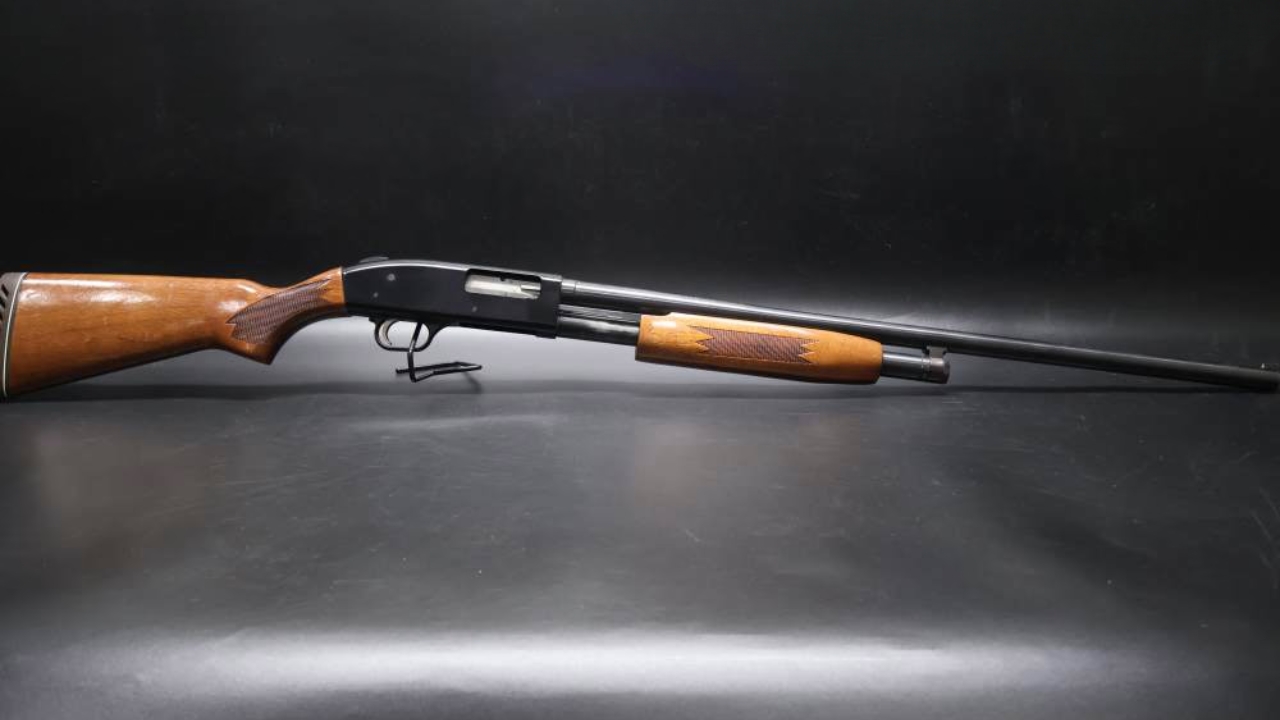
The Mossberg 500A was not always treated like something worth chasing. It was the affordable pump shotgun, the truck gun, the camp shotgun, the one people bought because it worked and did not cost much. Used ones sat around because everyone assumed they were common.
They still are common, but older clean examples have more appeal now than they used to. People appreciate the tang safety, simple design, and long parts support. A well-kept 500A with wood furniture feels more honest than a lot of newer tactical-looking shotguns. It used to be overlooked because it was practical. Now practicality has its own nostalgia.
Ruger 10/22

The Ruger 10/22 might be the ultimate “I should have bought three of them” rifle. For years, used examples were easy to find and not especially exciting. Everyone knew they were good, but they were so common that nobody felt pressure to grab one.
Now older 10/22s, especially clean walnut-stocked carbines and early-production examples, get more attention. Shooters miss the feel of older rimfires and like the idea of owning the same kind of rifle they learned on. The 10/22 is still available, but the older ones have taken on a sentimental value that used to seem impossible.
Marlin Model 60
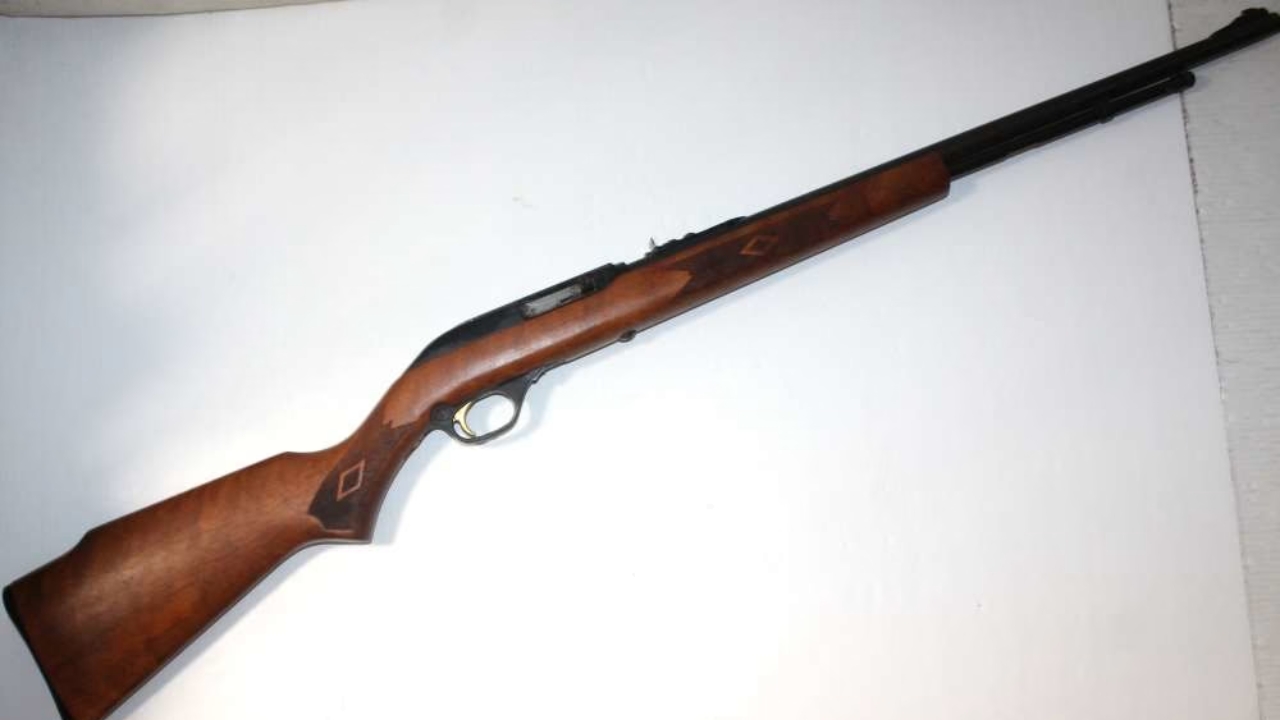
The Marlin Model 60 used to be the affordable tube-fed .22 that seemed to live in every closet in America. It was not rare, flashy, or expensive. It was the squirrel rifle, the backyard plinker, the first gun for a lot of kids, and the rifle nobody thought too hard about.
Now the Model 60 has become one of those guns people search for because it reminds them of learning to shoot. Good older examples are still out there, but they do not sit as long when priced right. A plain .22 with a long tube magazine turned out to mean more to people than anyone expected.
Savage Model 99

The Savage Model 99 used to be easier to find before hunters and collectors fully agreed on how smart it was. For years, it was just an old lever gun that was not a Winchester or Marlin. Plenty of people missed the point.
Now clean Model 99s get snapped up fast, especially in .250-3000 Savage, .300 Savage, .308 Winchester, and .358 Winchester. The rotary magazine, sleek receiver, and ability to use pointed bullets made it ahead of its time. Once everyone got sentimental about clever old hunting rifles, the 99 stopped being a sleeper.
Winchester Model 88

The Winchester Model 88 was once an odd used lever rifle that not everyone understood. It did not look like a Model 94, did not feel like a bolt action, and sat in its own strange category. For a while, that kept prices more reasonable.
Now hunters recognize how unique it was. A lever action with a rotating bolt and detachable box magazine in cartridges like .308 Winchester, .243 Winchester, .284 Winchester, and .358 Winchester is not something modern companies make much anymore. The Model 88 used to be a curiosity. Now it is a rifle people regret passing up.
Remington Nylon 66

The Remington Nylon 66 used to be easy to find because people treated it like a weird plastic .22. It was light, odd-looking, and not nearly as traditional as walnut-stocked rimfires. For a long time, that kept it from being taken as seriously as it should have been.
Now nostalgia has completely changed the conversation. Shooters remember how reliable they were, how light they carried, and how different they felt from everything else. Clean Nylon 66 rifles, especially desirable color variations, can be surprisingly hard to find at old-school prices. The weird plastic rifle became collectible because it worked.
SKS
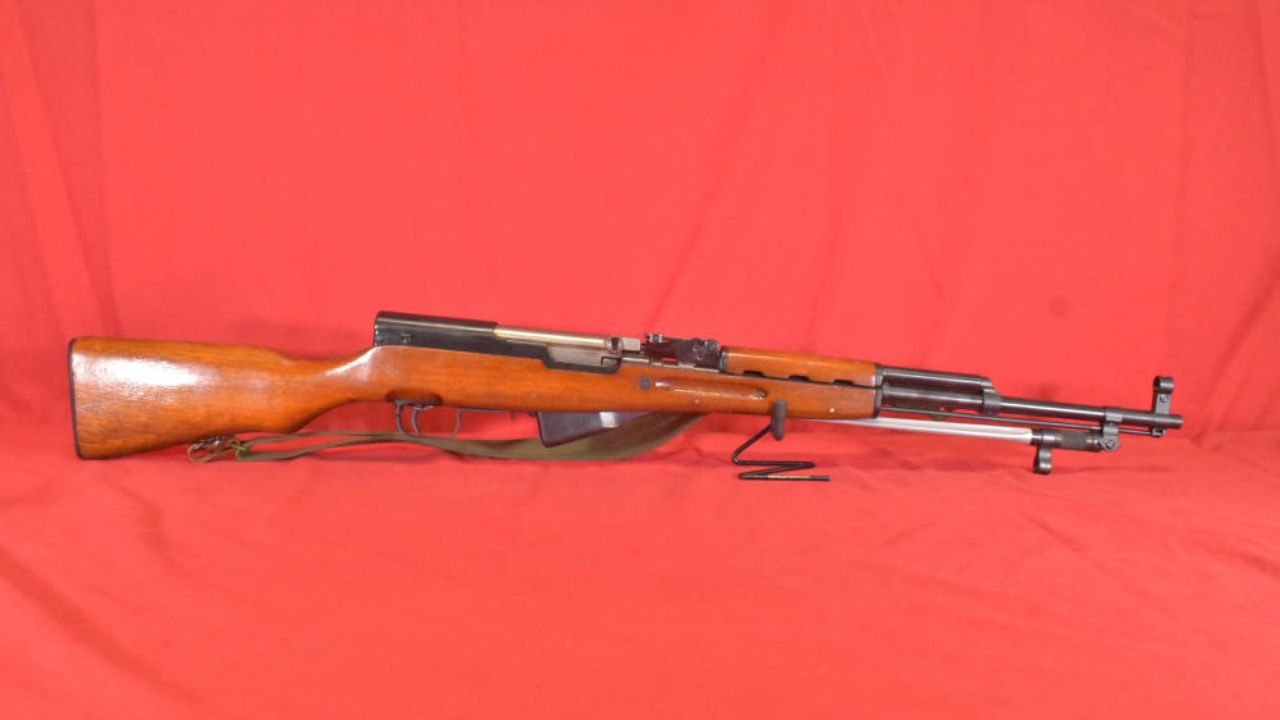
The SKS might be one of the best examples of a gun people ignored until prices made them regret it. There was a time when Chinese, Russian, Yugoslavian, and other SKS rifles were stacked up cheap. They were surplus rifles, not prized collectibles, and a lot of shooters treated them like entry-level semi-autos.
Now those same rifles are viewed with a lot more affection. The wood-and-steel look, simple operation, fixed magazine, and Cold War character all hit differently today. People who passed on crates of affordable SKS rifles now wish they had bought several. Sentiment and scarcity changed the whole market around them.
Mosin-Nagant 91/30
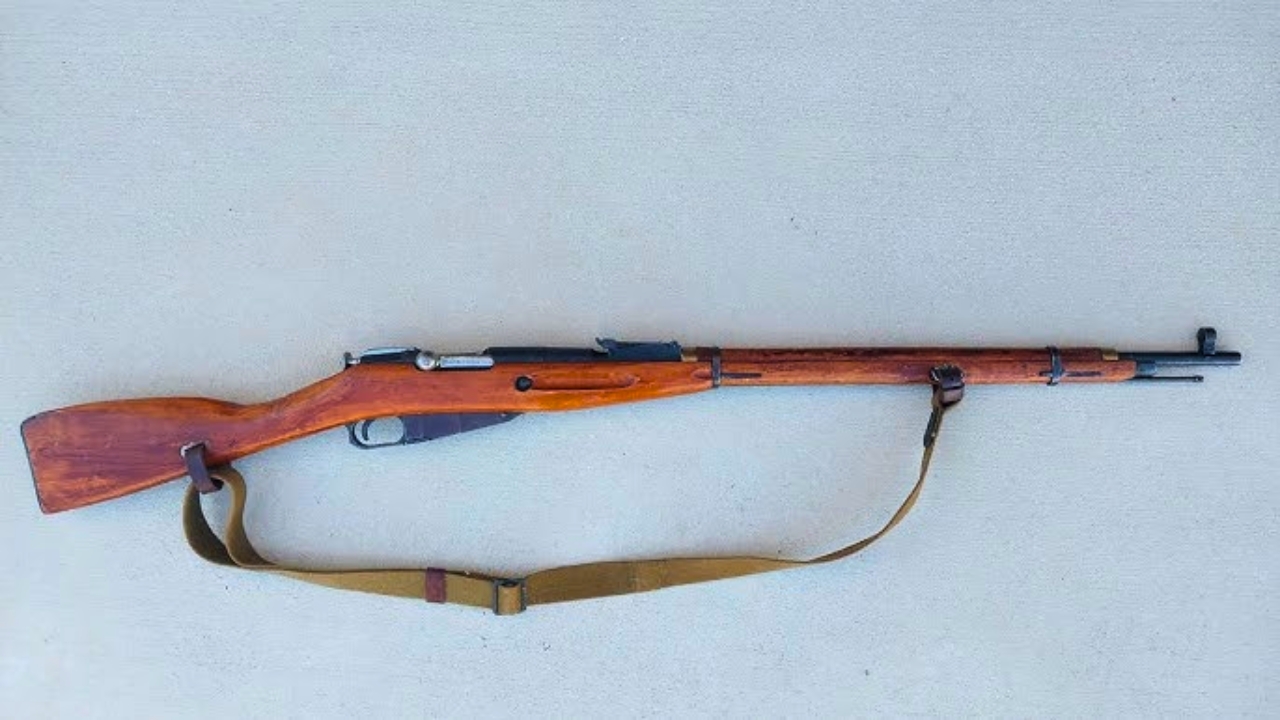
The Mosin-Nagant 91/30 used to be the cheap surplus rifle everyone joked about. They were long, crude, packed in grease, and affordable enough that people bought them just because they could. For a while, they were almost the default first surplus rifle.
Then the crates dried up, and everyone suddenly remembered they were historic military rifles. They are still rough compared with Mausers, Springfields, and Enfields, but that roughness became part of the appeal. A rifle that once felt like a bargain-bin cannon now gets treated like a collectible piece of history.
Lee-Enfield No. 4 Mk I
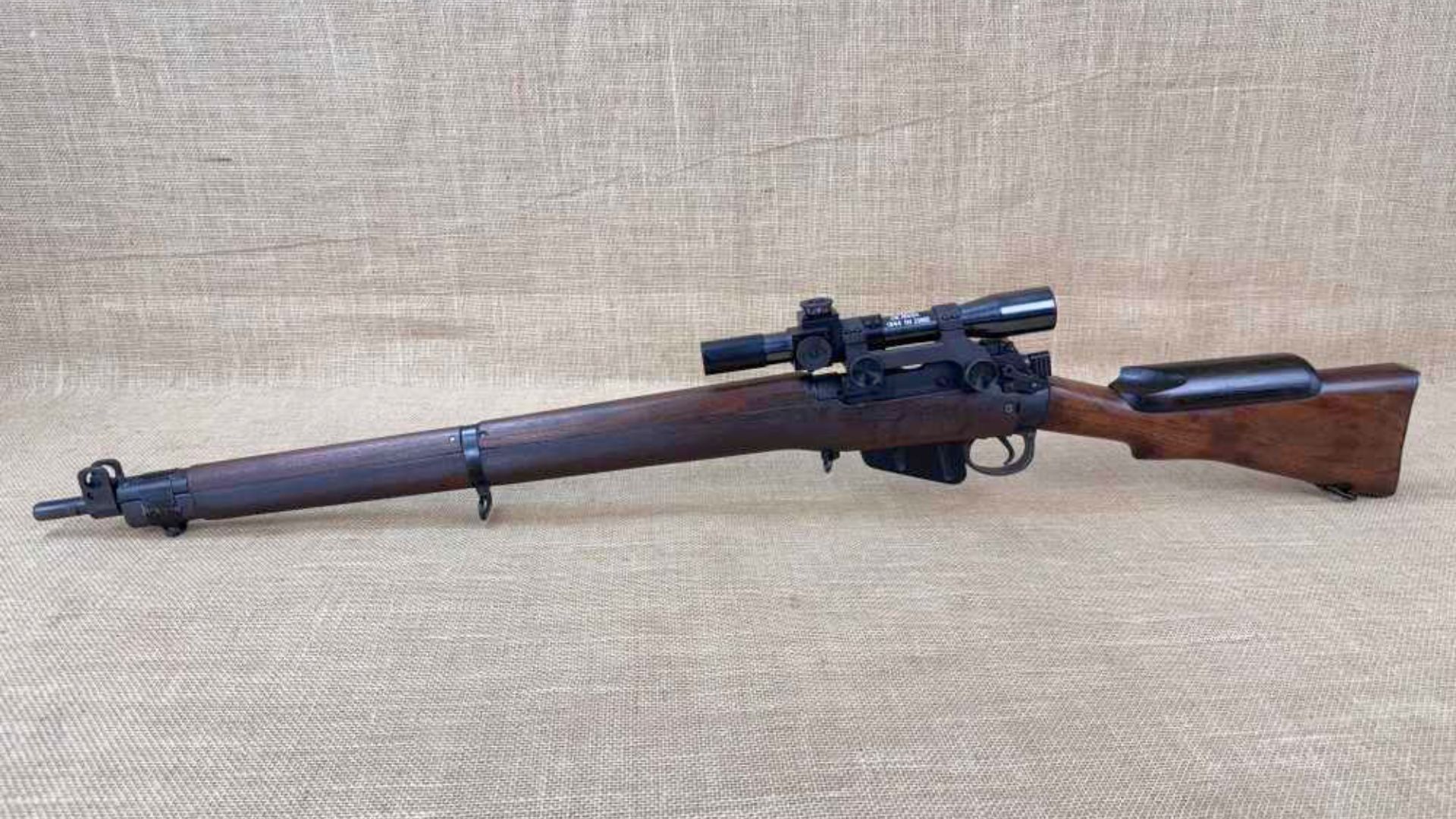
The Lee-Enfield No. 4 Mk I was once a common surplus rifle that shooters could find without much trouble. It had a fast action, 10-round magazine, and real battlefield history, but for years it was just another old military bolt gun sitting in the rack.
Now good Enfields are much harder to ignore. The smooth cock-on-closing action, .303 British chambering, aperture sights, and British Commonwealth history all make them stand out. Once surplus shooters got sentimental about rifles with character, clean No. 4s became a lot harder to find at friendly prices.
Swiss K31

The Swiss K31 used to be one of the great surplus deals. Shooters who knew what they were looking at understood the quality, but plenty of people passed them up because 7.5×55 Swiss was unfamiliar and the rifles looked different from the usual Mauser crowd.
Now the K31’s reputation has caught up with it. The straight-pull action, excellent machining, good triggers, and surprising accuracy made people realize these were not ordinary surplus rifles. Once that became common knowledge, clean examples started disappearing into collections. The K31 went from sleeper to prize.
M1 Carbine
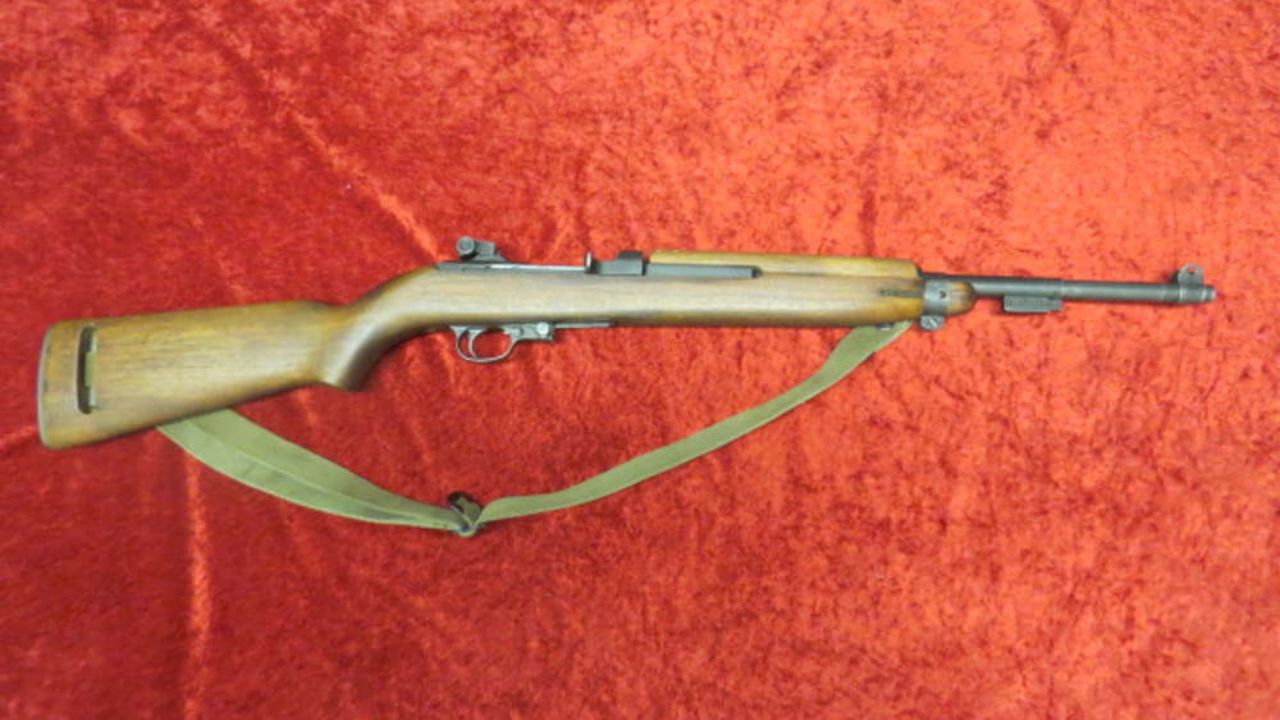
The M1 Carbine used to be easier to find before nostalgia and history caught up with it. For decades, they were viewed as handy little surplus carbines, not always as prized collectibles. Plenty of shooters bought them because they were light, fun, and easy to handle.
Now the M1 Carbine has a much stronger emotional pull. It is tied to World War II history, family stories, old photographs, and a shooting experience that almost everyone enjoys. Original examples and clean commercial-era guns both get attention, but real U.S. military carbines are especially chased. What used to be a fun little rifle has become a serious collector item.
Smith & Wesson Model 10
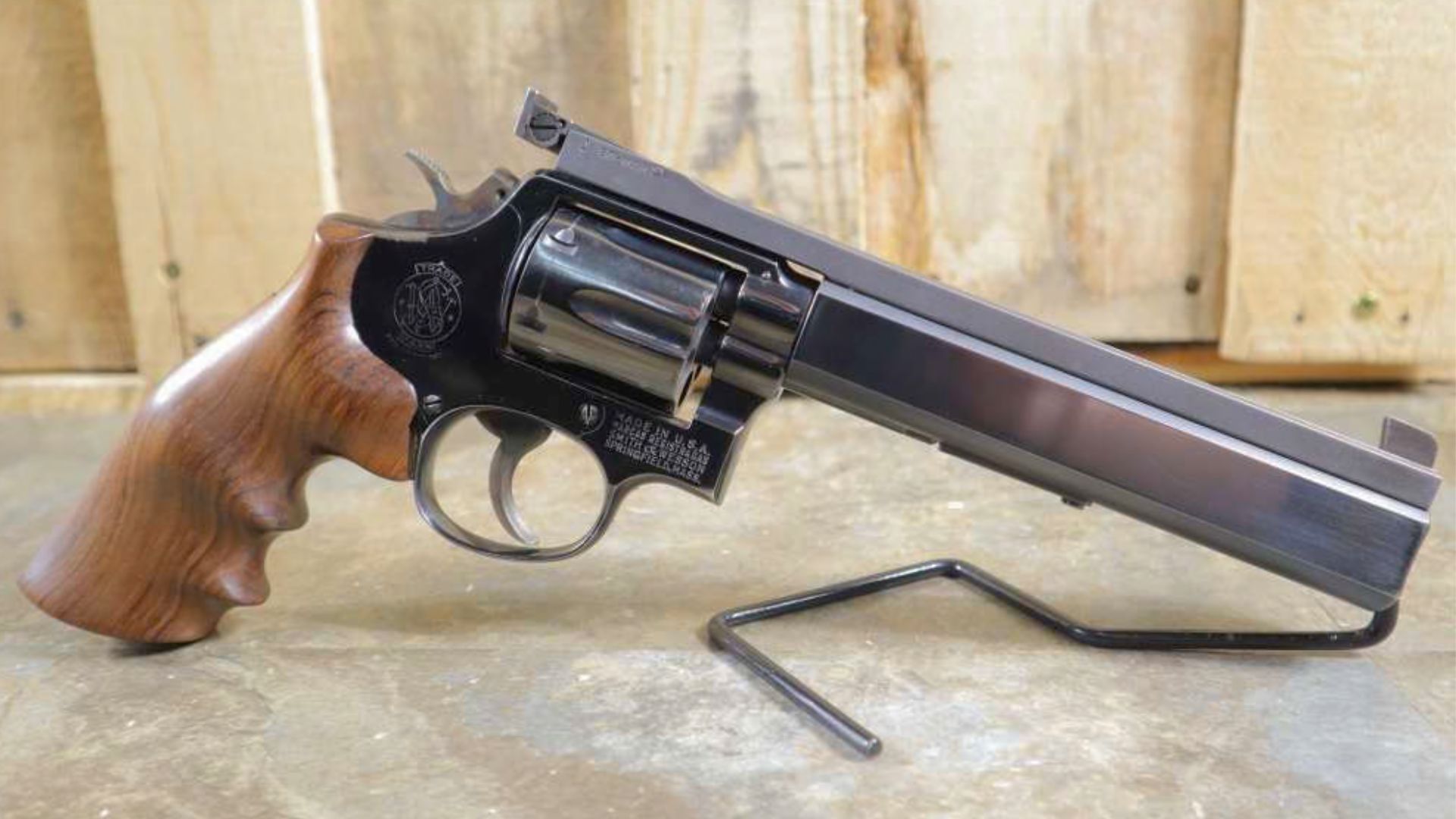
The Smith & Wesson Model 10 used to be the plainest used revolver in the case. Police trade-ins were everywhere, and nobody got too excited about a fixed-sight .38 Special service revolver. They were affordable, simple, and easy to overlook.
Now people appreciate them again. The smooth actions, steel frames, clean lines, and old duty-gun history make them feel special in a market full of polymer pistols. A good Model 10 is still one of the nicest-shooting basic revolvers around. The problem is that everyone else figured that out too.
Smith & Wesson Model 19

The Smith & Wesson Model 19 used to be a common used .357 for people who wanted a K-frame magnum. It was respected, but it was not always priced like a collectible. Plenty of old police and personal-defense guns changed hands for reasonable money.
Now clean Model 19s are harder to find without paying real money. Shooters miss the balance, the blued finish, the manageable size, and the classic .357 feel. It is not as tank-like as a Ruger GP100, but it has a liveliness that people love. Nostalgia turned a once-common magnum into a revolver everyone watches for.
Colt Detective Special
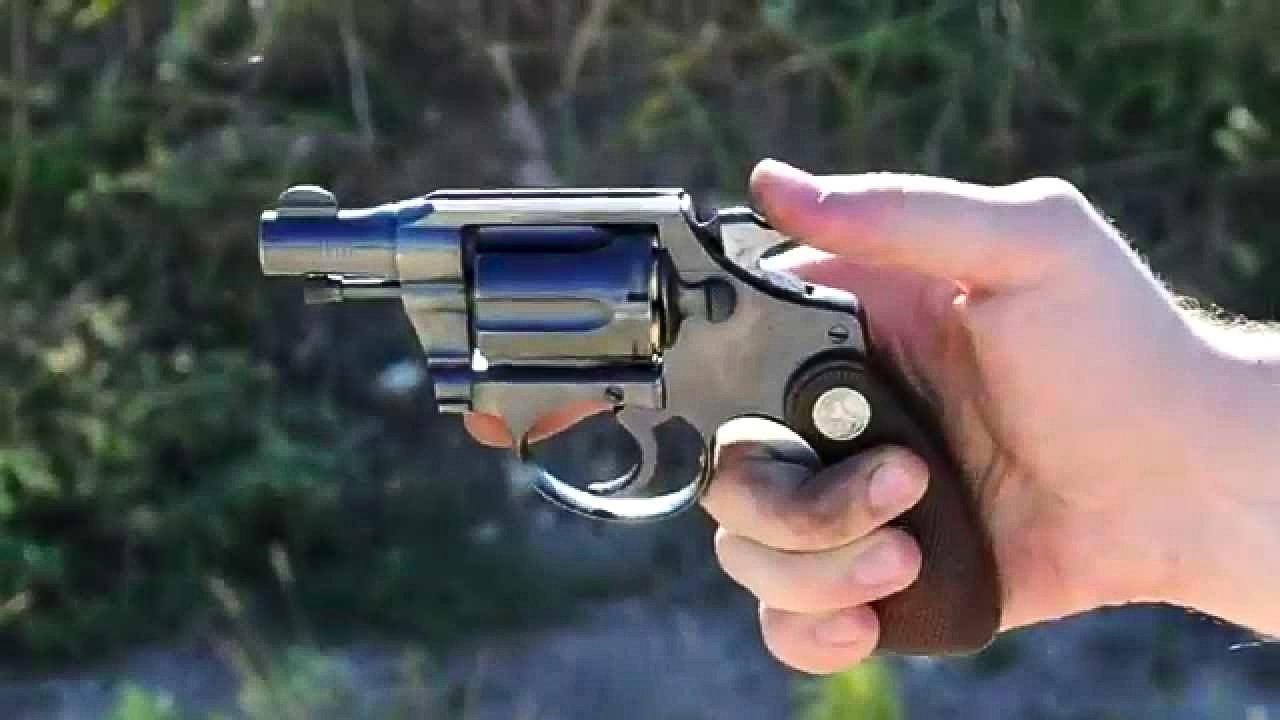
The Colt Detective Special used to be a normal old snubnose. It had six shots, classic Colt lines, and decades of carry history, but for a while, it was just another used revolver. Many shooters wanted newer, lighter, or cheaper options instead.
Now the Detective Special has become much more desirable. People appreciate the extra round compared with five-shot snubs, the Colt name, and the old-school carry-gun look. Clean examples do not sit long, and rough ones still get noticed. It used to be a practical little revolver. Now it is a nostalgia magnet.
Browning Hi-Power
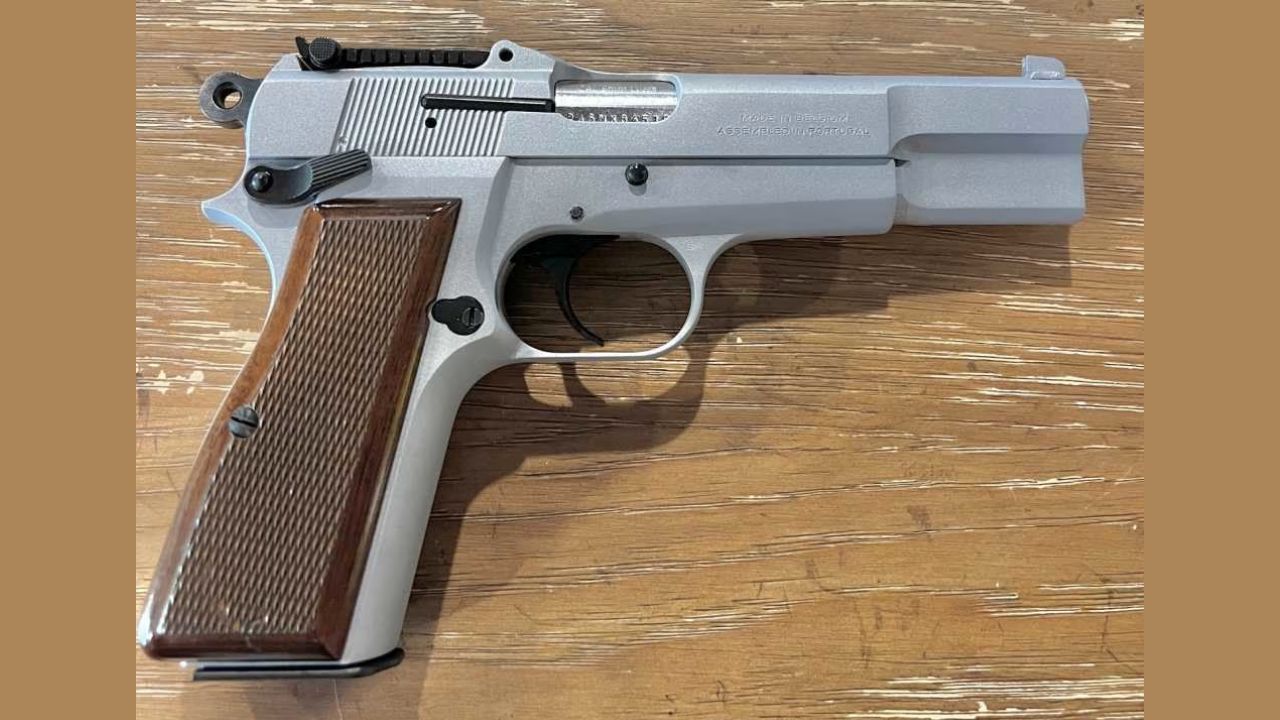
The Browning Hi-Power used to be easier to find before everyone remembered it was one of the great service pistols. For years, surplus and commercial examples were around at prices that now feel painful to think about. It was respected, but it was not always treated like a premium collectible.
Now almost every clean Hi-Power gets attention. The grip shape, all-steel feel, 9mm chambering, and military history keep pulling people back in. Even people who prefer modern pistols understand the appeal once they hold one. The Hi-Power became more desirable once shooters started missing metal-frame service pistols.
Smith & Wesson 5906
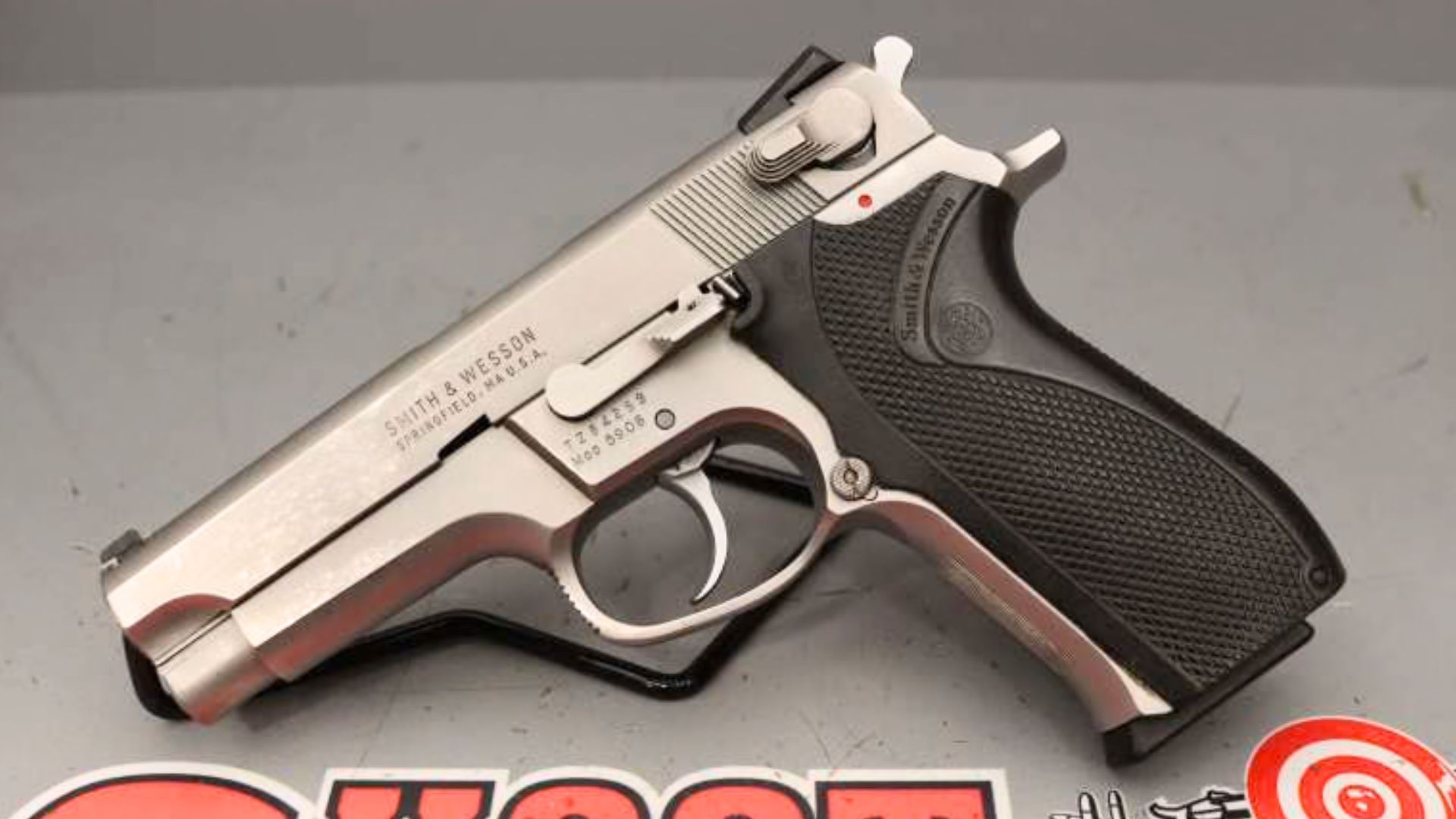
The Smith & Wesson 5906 was once a heavy old police trade-in that many shooters ignored. When polymer pistols took over, stainless third-generation Smith autos looked dated and bulky. That made them affordable for a while.
Now people want them again because they are built like serious service pistols. The weight, DA/SA trigger system, stainless frame, and old law-enforcement history all work in its favor. A clean 5906 feels like a gun from a time when duty pistols were made of metal and meant to last. The cheap trade-in days are mostly gone.
Like The Avid Outdoorsman’s content? Be sure to follow us.
Here’s more from us: