Photo credit: Gigaton's Gunworks/YouTube
Some guns stick around so long that buyers stop treating them like real opportunities. They are familiar, easy to recognize, and tied to everyday use more than collector hype. That makes people lazy. They assume those rifles, pistols, and shotguns will keep showing up in used racks, pawn shops, gun shows, and estate sales in steady numbers forever. A lot of missed buys start with that exact kind of confidence.
Then the market changes and the excuses stop sounding smart. Production dries up, imports end, good-condition examples get tucked away, and the guns people once treated like background inventory suddenly take real effort to find. That is when “I’ll grab one later” turns into “why didn’t I buy one when they were everywhere?” These are the guns plenty of people assumed would always stay reasonably available until the supply stopped acting that way.
Smith & Wesson Model 64

The Smith & Wesson Model 64 spent years feeling like one of those revolvers that would never truly run out. It was a stainless K-frame service wheelgun, and for a long time that meant police trade-ins, used examples, and honest working guns seemed to be floating around all over the place. Buyers liked them, but they rarely treated them like urgent purchases because the whole point was that another one would surely show up.
That easy confidence faded once cleaner guns started drying up and more buyers began appreciating classic service revolvers for what they were. The Model 64 went from “plain old duty Smith” to “good luck finding a nice one without paying attention.” It was never flashy enough to scare people into buying fast, and that is exactly why so many shooters assumed the supply would stay comfortable longer than it actually did.
Ruger P95

The Ruger P95 had a long run as the sort of pistol people expected to remain everywhere forever. It was reliable, affordable, common, and not especially glamorous, which made it easy to treat like a permanent used-case resident. If somebody wanted one, the assumption was simple: wait a while and another will turn up. That is how buyers talk themselves into missing guns that look too ordinary to disappear.
Then the market started looking at older rugged semiautos a little differently. The P95 never became refined, but it did become more appreciated as a tough, honest pistol from a different era of handgun design. Once people realized they were not seeing endless clean examples anymore, the tone changed. The pistol people assumed would always be stacked in decent numbers stopped feeling nearly as easy to replace.
Winchester Model 94 Angle Eject

For a long time, the Angle Eject Model 94 felt like the kind of lever gun you could always find if you just looked around long enough. It was a working rifle, not some unattainable trophy, and that made buyers comfortable. Plenty of hunters and shooters respected them while still assuming there would always be more at the next gun show, the next estate sale, or the next used rack in town.
That assumption got shakier once older Winchesters started staying put in family collections and cleaner examples stopped bouncing around so casually. The Angle Eject versions were once treated like the practical, less romantic side of the Model 94 story. Now a lot of buyers have learned that practical old Winchesters can dry up too. Something does not need to be rare on day one to become annoyingly scarce later.
Beretta 85F
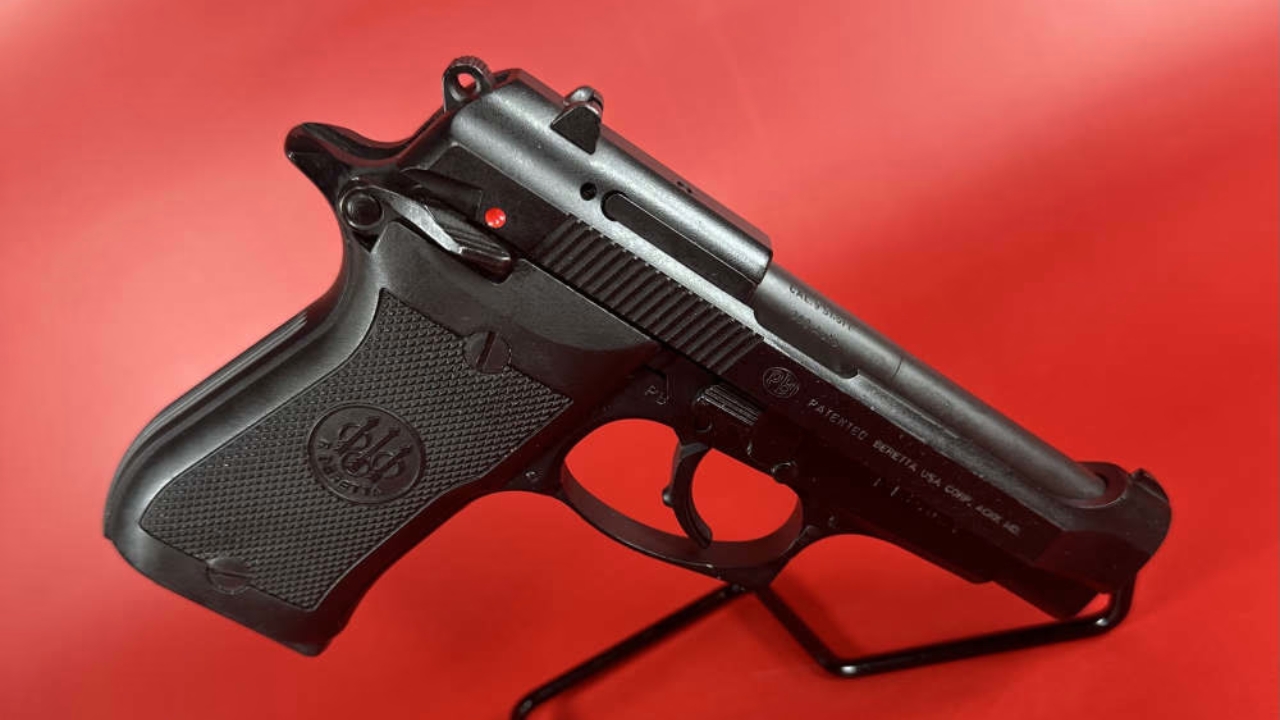
The Beretta 85F lived for years in that comfortable zone where a gun is respected, liked, and still never treated as urgent. It was a neat compact Beretta with real quality and plenty of charm, but many buyers still assumed those little single-stack Cheetahs would always be circulating in decent numbers. There was never much panic attached to them, which is usually the first sign that people are underestimating the future.
Once the easy examples stopped showing up quite so often, buyers began seeing the pistol in a different light. Suddenly that classy little .380 did not feel like a casual afterthought anymore. It felt like part of a disappearing category of compact metal pistols that used to seem permanent. The 85F was never loud about its value, and that quiet reputation is exactly why so many people got caught off guard when availability tightened.
Remington 870 Wingmaster
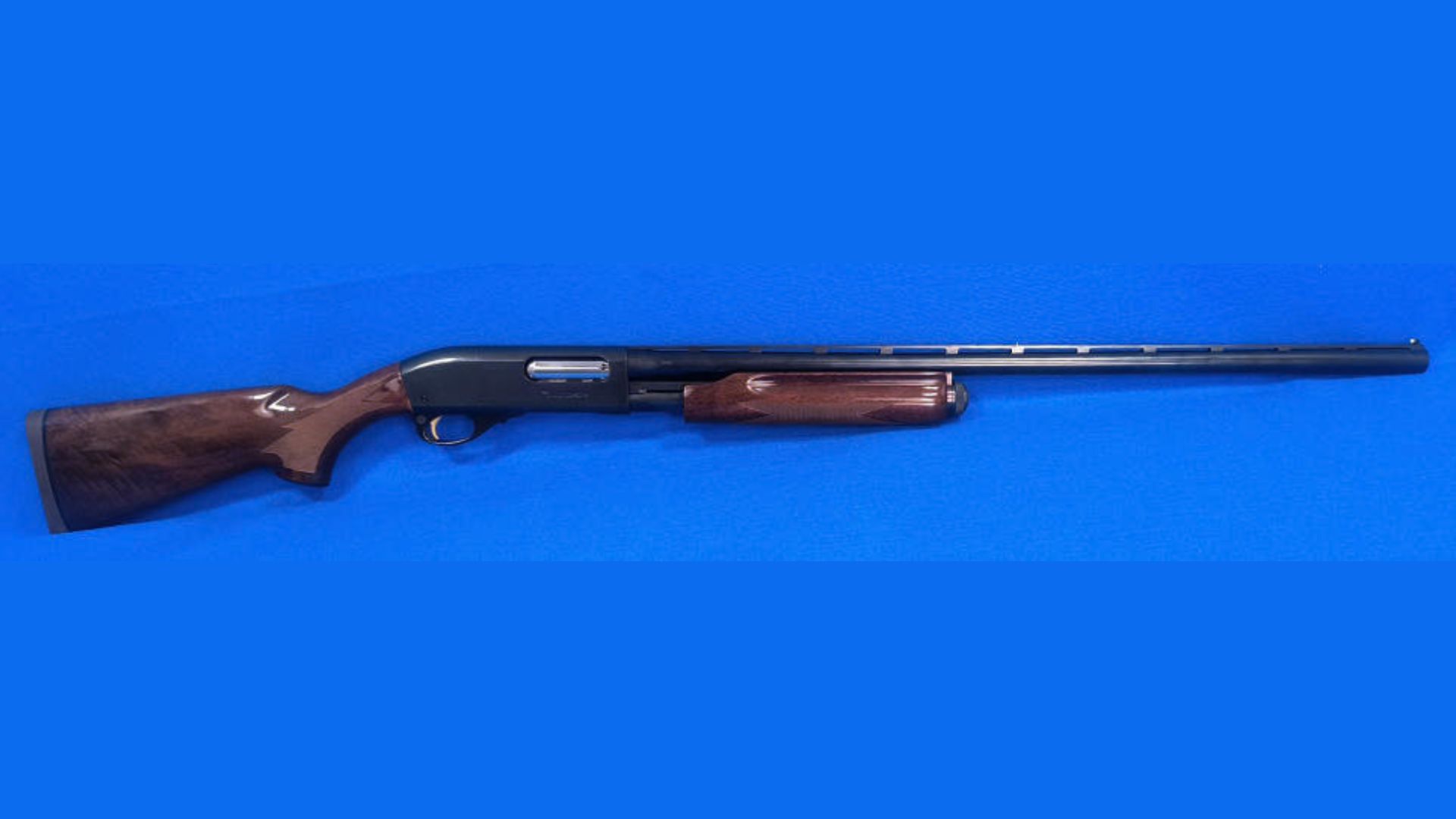
The 870 Wingmaster spent decades being the shotgun version of “there will always be another one.” It was too common, too useful, and too deeply rooted in American hunting life for many buyers to imagine a day when good ones would take real effort to track down. People passed them by because they were familiar. The next one, and the next one after that, always felt like a safe assumption.
That sort of abundance does not last forever, especially when older examples start getting separated from newer production in buyers’ minds. Once shooters began putting more value on older Wingmasters with better finishes and smoother actions, the casual supply started feeling less casual. The shotgun had always been respected, but respect alone is not the same thing as buying when the numbers still feel comfortable.
CZ 75 Compact
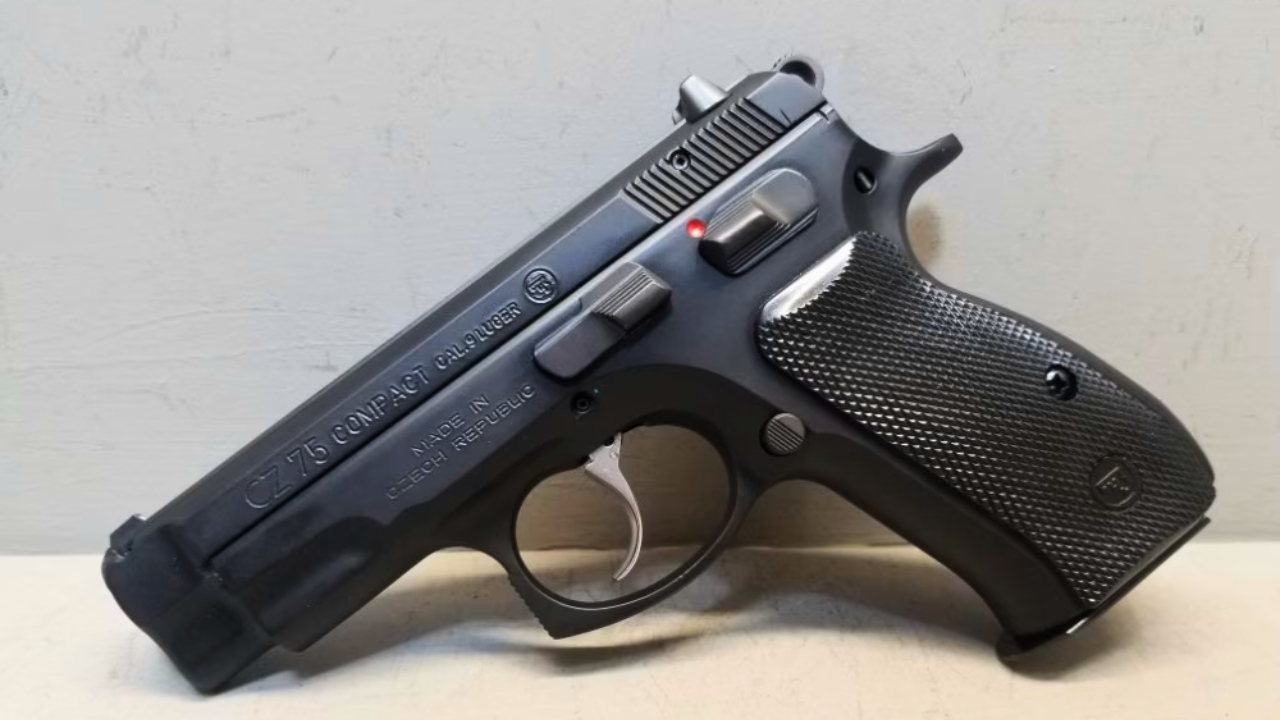
The CZ 75 Compact was one of those pistols people often treated like a dependable side option rather than a must-buy. It had a loyal following, sure, but many buyers still assumed there would always be decent numbers of them in circulation because CZ pistols had a way of staying quietly available without constant hype. That kind of steady visibility makes people wait longer than they should.
Then the usual pattern showed up. Good examples became a little less casual to find, preferences started shifting back toward metal-frame pistols, and buyers who once treated the Compact as a future pickup started seeing fewer of them in the wild. Nothing dramatic had to happen. It just took enough time for a well-liked pistol to move from familiar availability into the much less comfortable territory of “I should’ve bought one when I kept seeing them.”
Marlin 336W

The 336W was easy to take for granted because it sat in that broad category of practical lever guns people assumed would never get truly hard to find. It was not always the Marlin variant that inspired the most bragging, but it was common enough for a long stretch that buyers treated it like an always-later purchase. That is the trap with solid working rifles that stay visible for years.
Then lever-action demand kept climbing, production disruptions changed the whole tone around Marlin rifles, and even the less romantic versions began looking smarter in hindsight. Buyers who once passed over 336W rifles because they seemed too plain suddenly had to work harder to find one at all. It turns out even “regular” Marlins stop feeling regular once the stream of easy replacements starts thinning out.
SIG Sauer P225-A1
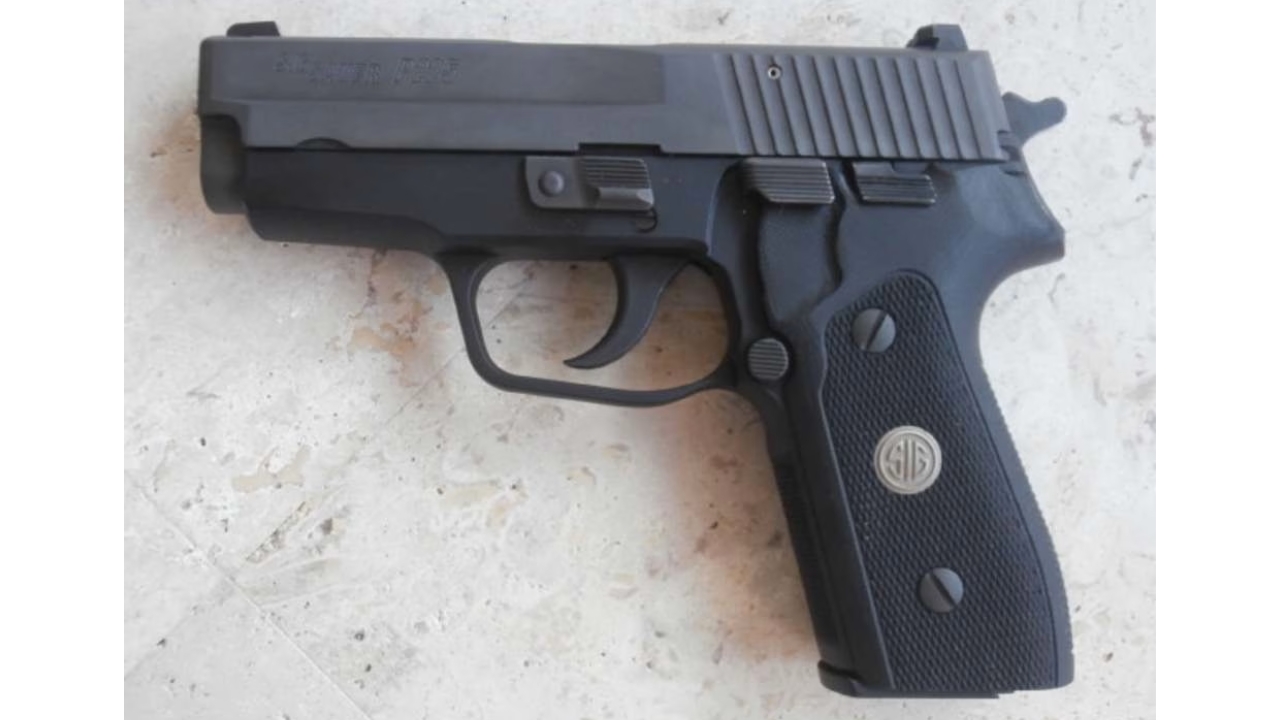
The P225-A1 had that dangerous kind of familiarity that makes people think a gun is less vulnerable than it really is. It was a SIG, it was well known, and it felt like one of those pistols that would stay in decent circulation because the company name alone made it seem too established to drift away. Plenty of buyers kept pushing it off while they chased other pistols that felt more urgent in the moment.
That only works until later becomes less friendly. The P225-A1 never needed huge hype to build appreciation, and once the available examples got thinner, buyers started noticing how quickly a known SIG can stop feeling commonplace. The pistol people treated like a steady second-tier option became much easier to miss once it was no longer turning up in the same comfortable numbers.
Browning BPS Hunter
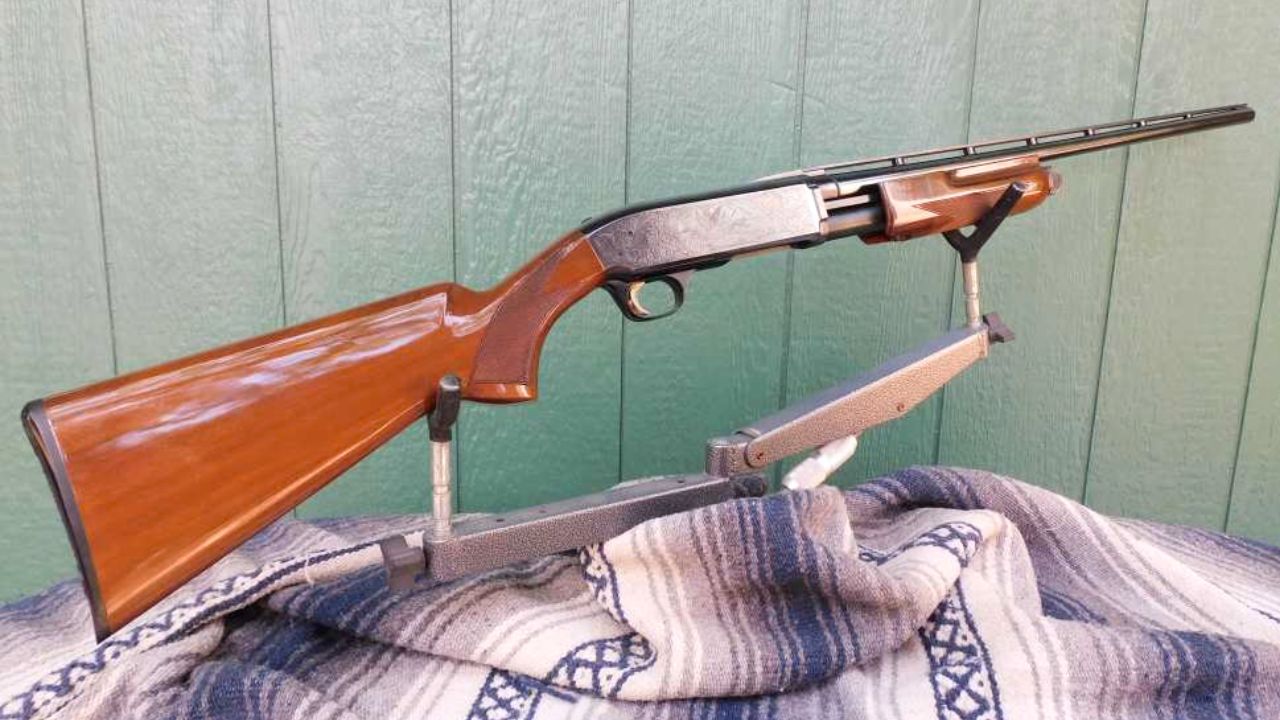
The Browning BPS Hunter always felt like the kind of shotgun there would simply be more of. It had a long reputation as a solid field gun, it sat comfortably in the hunting world, and it never needed a giant collector spotlight to stay relevant. That made it easy for buyers to postpone. If you wanted a bottom-eject Browning pump someday, surely someday would still cooperate.
But dependable hunting shotguns do not stay loose forever, especially when a lot of them settle into long-term ownership and stop rotating through the market. Buyers who once assumed BPS Hunters would always be around in healthy numbers started noticing that nice examples were not quite so casual to find. The shotgun never needed hype to matter. It only needed enough time for people to realize availability is not a permanent feature.
Colt Government Model Series 80
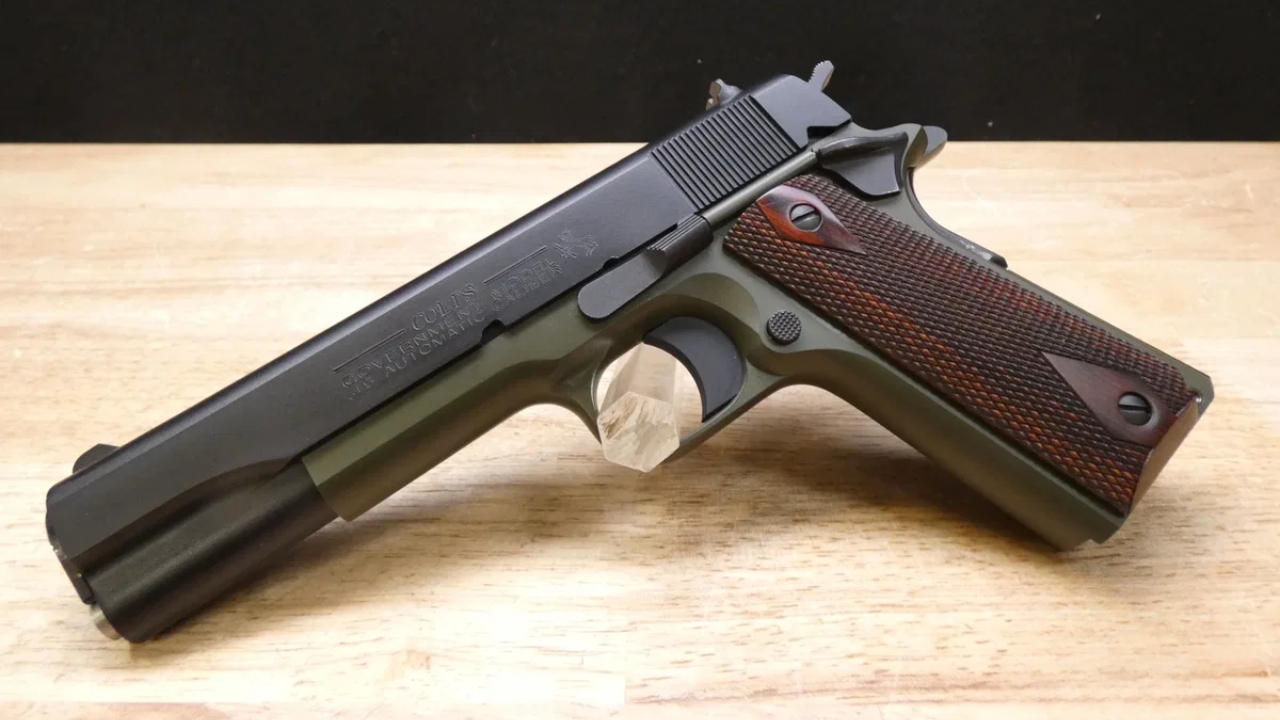
The Series 80 Government Model spent years living in that comfortable Colt zone where buyers respected the name but still did not always feel rushed. For a long stretch, it seemed like there would always be decent numbers of Colt Government Models floating around if a person finally decided to buy one. That kind of faith in long-term availability made plenty of shooters slow-footed about getting serious.
Then the same old lesson showed up again. Colts do not have to become mythical to get harder to find in the condition and price range buyers actually want. Once cleaner examples started getting pulled into collections or held tighter by owners, that old casual confidence started wearing thin. The Government Model people thought would always be available somewhere nearby stopped feeling nearly so guaranteed.
Ruger 10/22 International

The 10/22 International is a good example of a rifle people recognized without truly prioritizing. It had the familiar Ruger platform, the full-length Mannlicher-style stock, and enough personality to be interesting, but many buyers still treated it like the version they could always pick up later. It never seemed like a now-or-never rimfire because 10/22s as a whole felt too permanent to make anybody nervous.
That broad platform familiarity hid the reality that certain versions do not remain easy forever. Once buyers started looking specifically for clean International models, the old confidence began to crack. It is one thing to say a 10/22 will always be around. It is another thing entirely to find the exact variation you kept dismissing as something you could always come back for down the road.
Smith & Wesson 457

The 457 spent years being treated like the sort of compact .45 that would always be sitting quietly in used cases without much drama attached. It was practical, modest, and easy to overlook in favor of higher-profile pistols. That made it easy for buyers to assume the supply would stay steady. Guns like that rarely create urgency, which is exactly why they catch people off guard later.
Once older Smith autos started getting more respect across the board, the 457 benefited from that rising tide. Buyers who once saw it as just another plain third-generation Smith began recognizing that even the lesser-hyped versions were not sticking around in the same numbers. The pistol had always made sense. What changed was the market finally treating that quiet usefulness like something worth holding onto.
Ruger Red Label

The Ruger Red Label was the kind of shotgun buyers admired without acting like it might someday take effort to find. It was American-made, familiar, and visible enough for long enough that a lot of shooters assumed decent examples would always be floating around somewhere. That made it easy to delay. Why prioritize one now if the next one always seems close enough?
Then the reality of discontinued production and private ownership kicked in. Good Red Labels did not have to become unicorns to stop feeling casual. They just had to stop appearing in the same easy rhythm buyers were used to. Once that happened, people who treated them like a steady background option started realizing background options can become a whole lot more stubborn when you actually go out trying to buy one.
Beretta 96FS
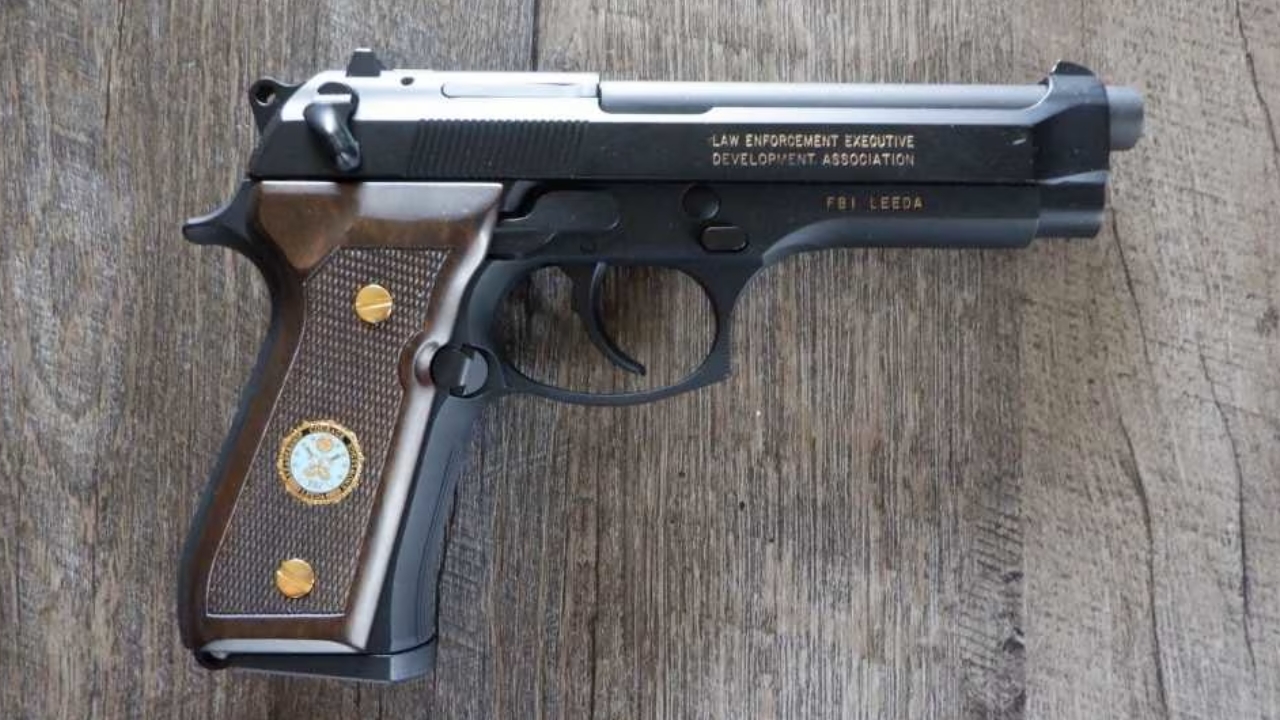
The 96FS sat for years in the shadow of the more talked-about 92 series, and that worked against it in a sneaky way. A lot of buyers assumed that because it was a Beretta full-size service pistol, it would always remain available in decent numbers. It felt too established to become troublesome. That sort of thinking leads directly to missed chances, especially when buyers are busy chasing whatever feels more current.
Then interest in classic full-size metal pistols kept building, and the 96FS stopped feeling like such an easy afterthought. It was no longer just the .40 version people figured they could always find later. It became another example of a once-familiar service pistol that does not stay loose in the market forever once tastes shift and cleaner guns get absorbed by owners who are not selling.
Savage 24

The Savage 24 always had enough oddball charm to get noticed, but it still lived for years in the category of guns people assumed would always be around in workable numbers. Combination guns rarely created the same buying urgency as more conventional rifles and shotguns, so a lot of buyers kept them on the mental back burner. They were interesting, sure, but not usually treated like a closing window.
That attitude changed once people started actually searching for specific Savage 24 variants in decent shape. The gun that once felt like a steady niche option suddenly looked a lot less common than memory suggested. Owners held onto them, the market stopped feeling loose, and buyers who once thought they could casually pick one up later realized later was asking more from them than expected.
Springfield Armory Loaded 1911

The Springfield Loaded 1911 was one of those pistols people kept assuming would remain plentiful because for a long stretch it felt like a standard fixture in the mid-tier 1911 world. It had the brand recognition, the features buyers wanted, and a long enough presence that many people treated it like a permanent shelf item. That made hesitation feel harmless. There would always be another Loaded model somewhere, right?
That kind of thinking gets shakier once production patterns shift and the market starts dividing certain 1911 eras more carefully. Buyers who once took the Loaded for granted began seeing fewer of the exact versions they wanted, especially in clean condition and fair price territory. It never had to become exotic to become less casual. It only had to stop behaving like an endless constant, and that is exactly what catches people off guard.
Like The Avid Outdoorsman’s content? Subscribe to our newsletter so you never miss an article.
Here’s more from us: