Photo credit: Douglassousa/Shutterstock.com
Close quarters is where everything gets honest fast. You’re dealing with bad angles, poor light, fast movement, and the kind of stress that makes fine motor skills disappear. In that world, the “best” handgun caliber isn’t the one with the biggest numbers on a box. It’s the one you can put on target quickly, control through follow-up shots, and keep running in a pistol you actually carry.
Caliber still matters, though. Some rounds give you better capacity, better shootability, better performance through common barriers, or better odds of consistent expansion in defensive loads. Others buy you a bigger hole but ask you to pay in recoil, size, or slower recovery between shots. Below are handgun calibers that tend to give you strong real-world advantages up close, with the tradeoffs spelled out so you can choose with your eyes open.
9mm Luger

9mm is the default defensive handgun caliber for good reasons. You get manageable recoil in pistols that range from tiny carry guns to full-size duty models, and you typically get more capacity than the larger calibers. That matters in close quarters, where problems don’t always come as a single, clean shot.
Modern 9mm defensive loads have a long track record of working when placed well, and the ammo is widely available. The bigger advantage is what 9mm lets you do: shoot faster, recover quicker, and make better hits under pressure. If you can run a pistol hard, 9mm often gives you the most practical performance per ounce and per round.
.45 ACP
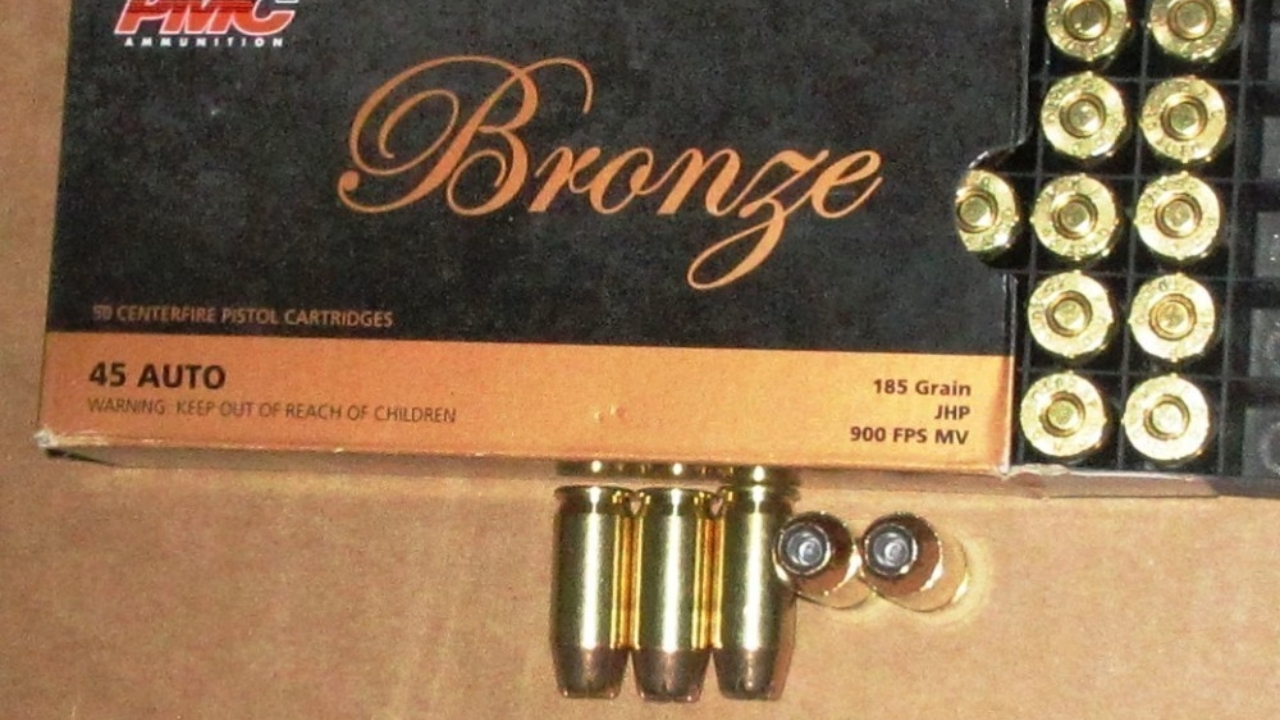
.45 ACP has been putting people in the ground for over a century, and it still earns respect up close. It makes a larger hole, and in many loads it does it with a slower, heavier push that some shooters find easier to manage than snappy, fast-moving recoil.
The tradeoff is size and capacity. Most .45 pistols are larger and heavier, and you give up rounds compared to 9mm in similar platforms. In close quarters, that means you need to be honest about what you shoot best. If .45 is the round that keeps you calm and keeps your hits centered, it remains a serious option—especially in compact-to-full-size pistols that you can control.
.40 S&W

.40 S&W lives in the middle ground: more weight and diameter than 9mm, usually more capacity than .45. When you pick the right pistol, .40 can be a strong close-range performer because it hits hard and tends to run well in duty-size guns built around it.
The downside is recoil character. In many compact pistols, .40 feels sharp and quick, which can slow your follow-up shots if your grip isn’t consistent. It also tends to cost more than 9mm, which matters because your real advantage up close comes from practice. If you can control it and afford to train with it, .40 can still be a very capable defensive round.
.357 SIG

.357 SIG was designed to bring a specific kind of performance: fast, flat, and reliable feeding thanks to its bottleneck case design. In close quarters, its strengths show up in consistent cycling and strong performance from duty-length barrels, especially in pistols built for it.
The tradeoffs are loud blast, sharp recoil, and cost. It’s also harder to find on shelves than 9mm. If you carry .357 SIG, you’re often doing it because you want a round that drives hard and tends to feed like a champ. In the right hands, it’s a serious fight-stopper. You just have to accept you’ll pay more to stay proficient.
.38 Special +P

.38 Special +P is still relevant because a good revolver is still relevant. In close quarters, a quality snub revolver can be carried when other guns get left at home, and it can be fired from awkward positions with less concern about slide interference.
The caliber’s advantage is controllability with the right load, especially in steel-frame or slightly heavier revolvers. The downside is capacity and reload speed, plus the reality that very short barrels don’t always give you ideal performance with every bullet design. .38 +P can still give you a strong close-range option if you choose proven defensive loads and run the revolver enough that it feels like part of your hand.
.357 Magnum

.357 Magnum has real authority, even from short barrels, and it has a long history of decisive performance. In close quarters, that power comes with a cost: blast, flash, and recoil that can be punishing in lightweight snubs. In tight spaces, the concussion alone can rattle you.
Where .357 shines is in a slightly heavier revolver with grips you can hold onto. In that setup, the cartridge becomes more controllable and the gun becomes more shootable. You can also step down to .38 Special for training and keep .357 for carry, which is a practical way to stay sharp. If you can handle it and you actually practice, .357 Magnum remains a heavyweight close-range tool.
.380 ACP

.380 gets dismissed until you remember the main rule of carry guns: the one you carry beats the one you leave at home. .380 lets you carry smaller, lighter pistols that disappear under summer clothes, and that makes it realistic for people who won’t tolerate a bigger gun day after day.
The performance tradeoff is real. .380 has less energy to work with, and results depend heavily on ammo choice and barrel length. Still, in close quarters, good hits with a controllable .380 are far better than misses with a harder-kicking pistol. The best .380 advantage is shootability in tiny platforms. If you can put rounds where they need to go quickly, .380 can be a practical defensive choice.
10mm Auto

10mm is the sledgehammer in this conversation. It brings serious power, and in a service-size pistol it can drive deep and hit hard. In close quarters, it’s the kind of caliber that can solve problems quickly—assuming you can shoot it well.
That’s the catch. Full-power 10mm recoil can be demanding, and the blast and muzzle rise can slow you down compared to 9mm or .45 in similar-sized pistols. Many people end up carrying “FBI-level” 10mm loads, which are milder and more controllable. If you’re honest about your skill and your tolerance, 10mm can be a strong defensive round. It’s not forgiving, and it’s not cheap to train with.
.44 Special

.44 Special is old-school, but it still makes sense in close quarters when carried in a defensive revolver. It throws a large-diameter bullet at moderate speeds, often with a recoil impulse that feels more like a heavy push than the sharp snap you get from hot magnums.
The limitations are obvious: big revolvers, limited capacity, and slower reloads. But .44 Special can be surprisingly controllable in the right gun, and it offers serious bullet size without forcing you into the blast and violence of .44 Magnum. If you like revolvers and you shoot them well, .44 Special can be a close-range hammer that’s easier to live with than people expect.
.32 ACP
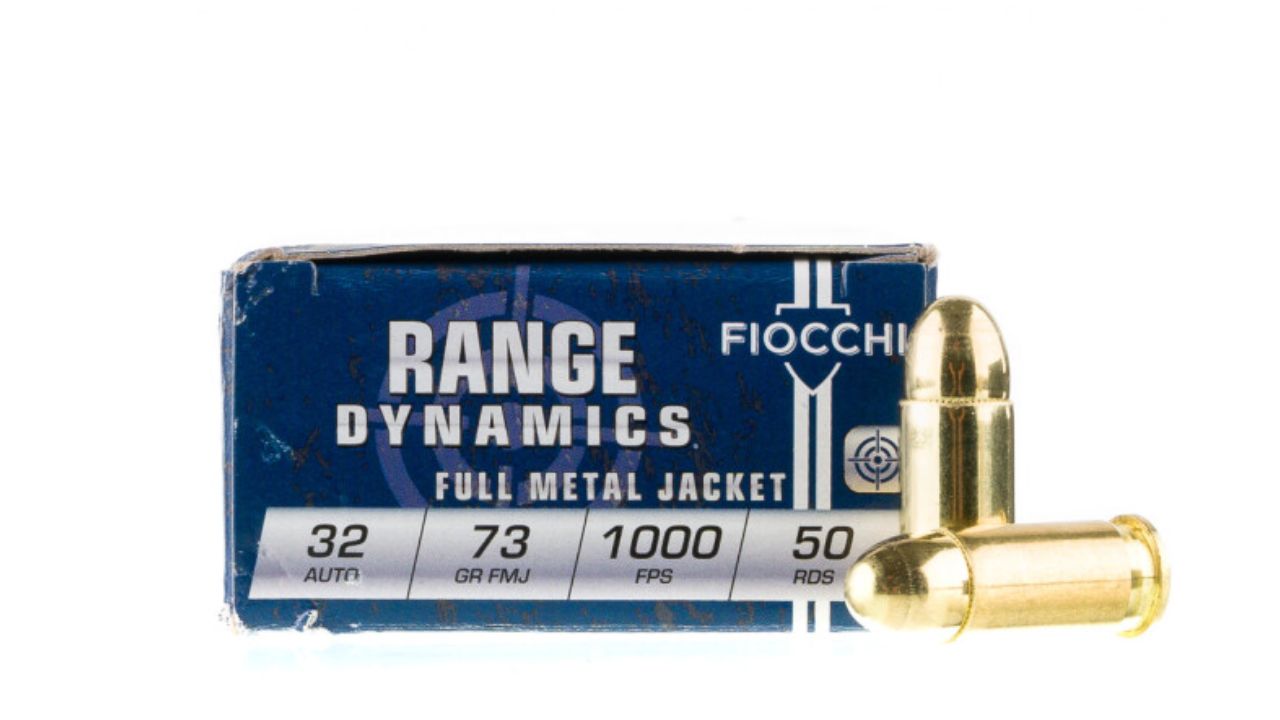
.32 ACP is not a powerhouse, but it has a quiet advantage: it’s often easier to shoot well in very small pistols than the same-size .380. Recoil is lighter, the gun tends to stay flatter, and that can translate into faster, more accurate strings at close distance.
The downside is lower terminal performance compared to the common service calibers, and it’s less common on shelves than it used to be. Still, if your real choice is between carrying a tiny .32 every day or carrying nothing, .32 ACP starts to look more serious. In close quarters, the ability to keep rounds on target quickly matters. A controllable .32 in a reliable pocket pistol can be a realistic defensive tool.
.22 LR
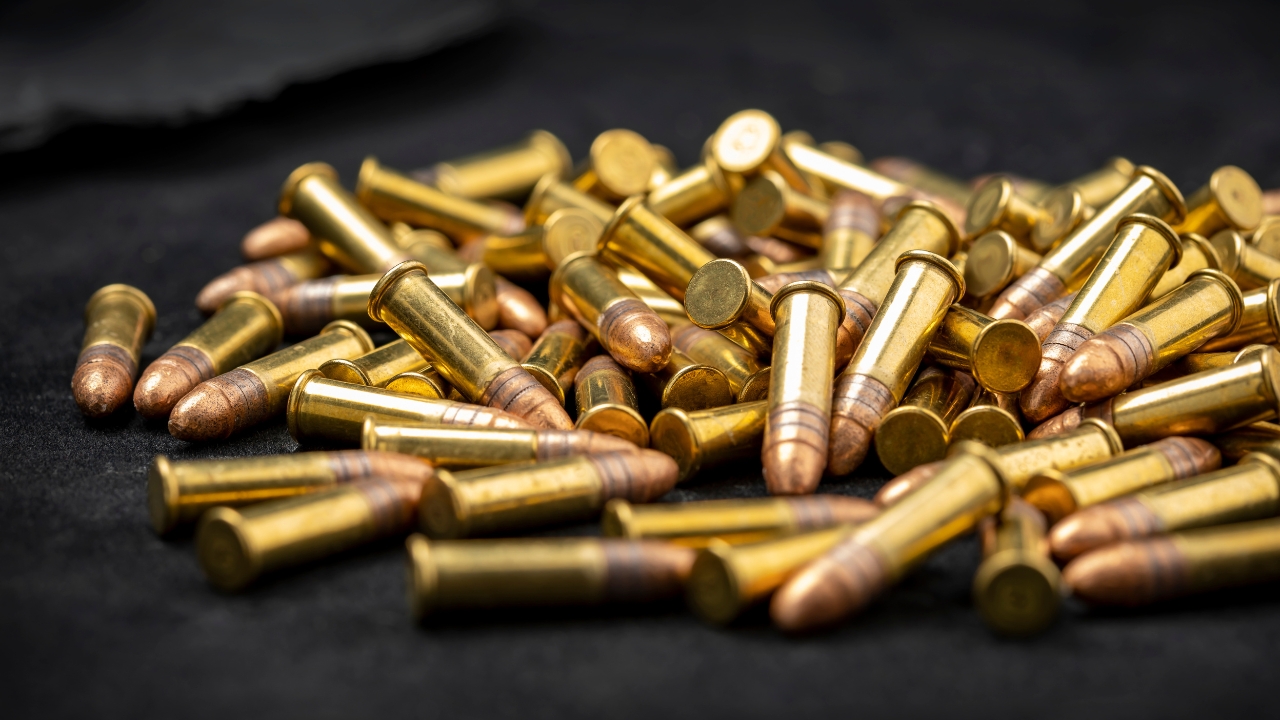
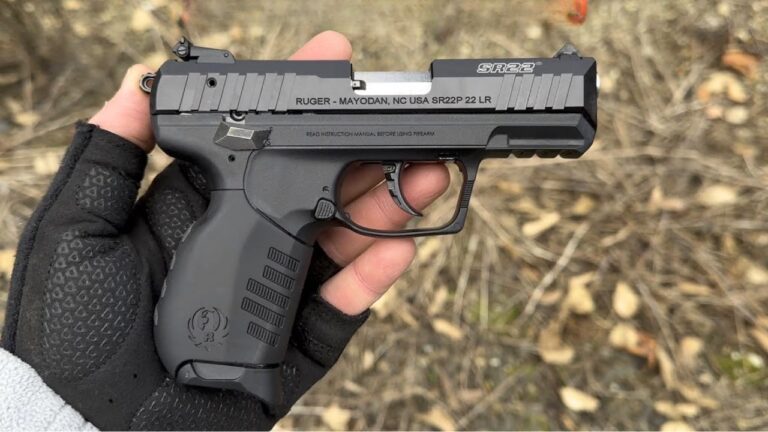
.22 LR is not the round you pick when you have better options. It can struggle with reliability in semi-auto pistols, and it doesn’t deliver the kind of immediate effect you want to rely on in a violent encounter. Those are facts, and they’re worth saying out loud.
It still belongs on the list because people do carry it, especially when recoil sensitivity, hand strength, or medical issues limit other choices. In close quarters, a .22 you can shoot accurately and rapidly is still a gun, and it can still change outcomes. The key is choosing a reliable platform, verifying function with your ammo, and understanding the limitations. It’s a last-ditch caliber, not a confidence caliber.
5.7×28mm
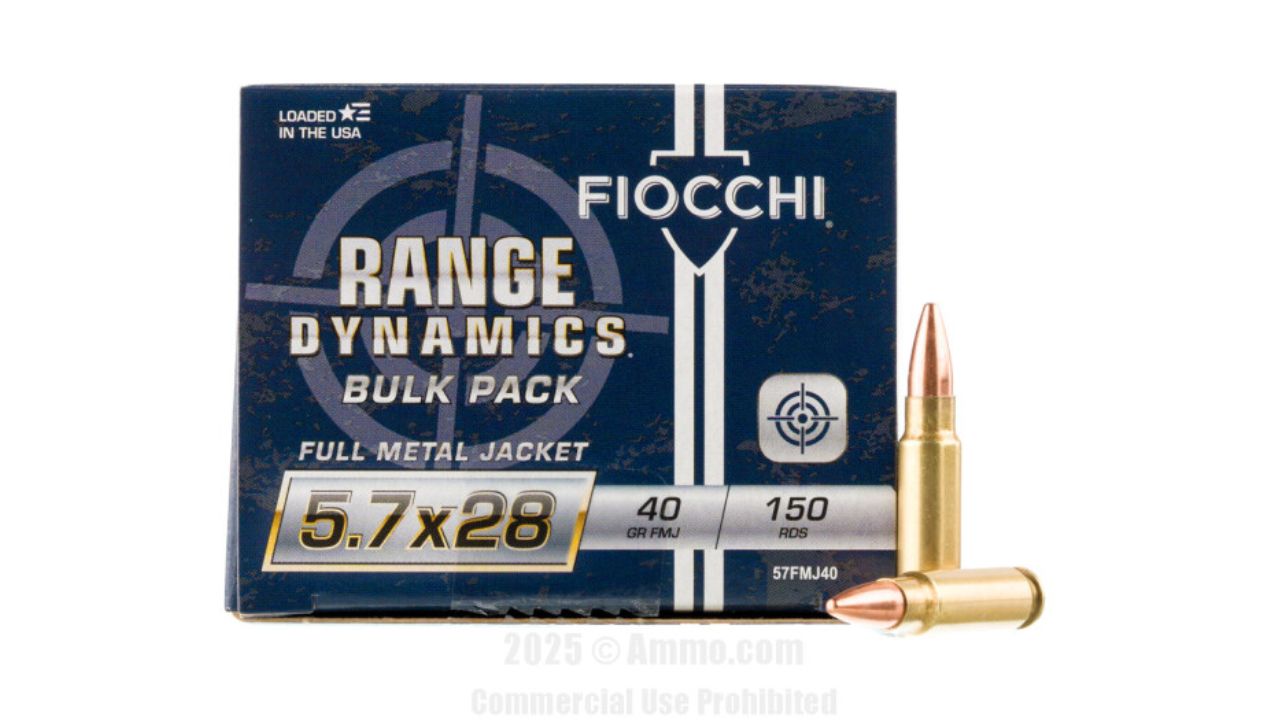
5.7×28mm is a modern, fast cartridge with a different feel than traditional handgun rounds. In many pistols it offers low recoil and high capacity, which can help you keep shots on target and stay in the fight up close. That shootability is the main draw.
The tradeoffs are cost, availability, and the reality that performance depends heavily on specific loads. It’s also not as common in everyday carry circles, so holster and parts ecosystems can be thinner depending on the gun. If you run a 5.7 pistol well, you’ll often notice how quickly you can get back on the sights. In close quarters, that controllability can be a real advantage.
.327 Federal Magnum
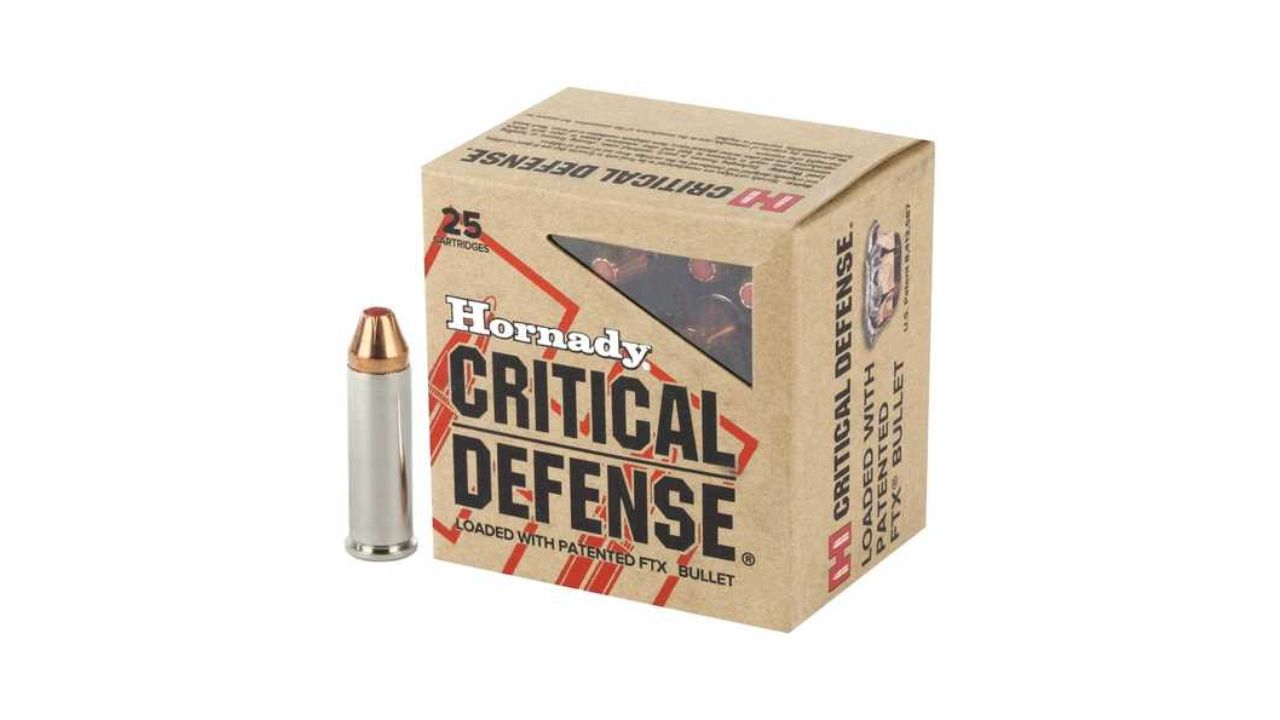
.327 Federal Magnum is a revolver round that deserves more attention than it gets. It can offer real defensive performance with one quiet benefit: in many small-frame revolvers you can carry an extra round compared to .38/.357. In close quarters, one more round in the gun is not nothing.
Recoil and blast can be sharp, especially in lightweight revolvers, and ammo isn’t always easy to find. The upside is flexibility. You can often practice with softer .32 loads and carry .327, which helps you stay comfortable with the gun. If you like revolvers but want more capacity and more speed than .38 offers, .327 Federal can be a smart, practical option.
.30 Super Carry

.30 Super Carry was built around a straightforward idea: give you more capacity in a similar-size pistol while keeping recoil manageable. In close quarters, that can translate into more chances to solve the problem without moving to a larger gun, and it can help smaller-handed shooters get a better grip on the same frame size.
The downside is support. Ammo availability and long-term adoption are still question marks compared to 9mm, and not every shop keeps it stocked. Also, you have to be careful about chasing novelty instead of proven logistics. Still, the concept makes sense: controllable recoil plus extra rounds in the gun. If your pistol choice supports it and you can source ammo reliably, it’s a caliber with real close-range logic.
.45 Colt

.45 Colt can be a close-quarters bruiser in the right revolver. Defensive .45 Colt loads in modern guns can deliver big-bore performance with a recoil impulse that many shooters describe as a heavy shove rather than a snap. It’s a classic cartridge that still hits with authority.
The tradeoffs are gun size and practical carry. Many .45 Colt revolvers are larger, and capacity stays limited. Ammo varies widely, so you have to choose loads intended for defensive use rather than hunting-level pressure. If you’re a revolver person and you shoot a big-frame wheelgun well, .45 Colt can be a serious short-range option. It’s not trendy, but it’s still effective when used within its lane.
Like The Avid Outdoorsman’s content? Subscribe to our newsletter so you never miss an article.
Here’s more from us: