Photo credit: Forest Firearms/YouTube
Some guns look smart right away. Others only reveal it later. They sit on racks without much drama, get passed over for louder names, or seem a little too ordinary to feel urgent. Then the years start doing their work. Prices climb, production ends, imports dry up, or the gun simply proves itself better than people gave it credit for in the first place. That is when the buyers who grabbed one early start looking a lot sharper than everybody else.
A smart buy is not always the prettiest gun or the most talked-about one. Sometimes it is just the gun that stayed useful, stayed dependable, or got a whole lot harder to replace than anyone expected. These are the guns that turned out to be smart buys once time exposed what they really were.
Colt Double Eagle
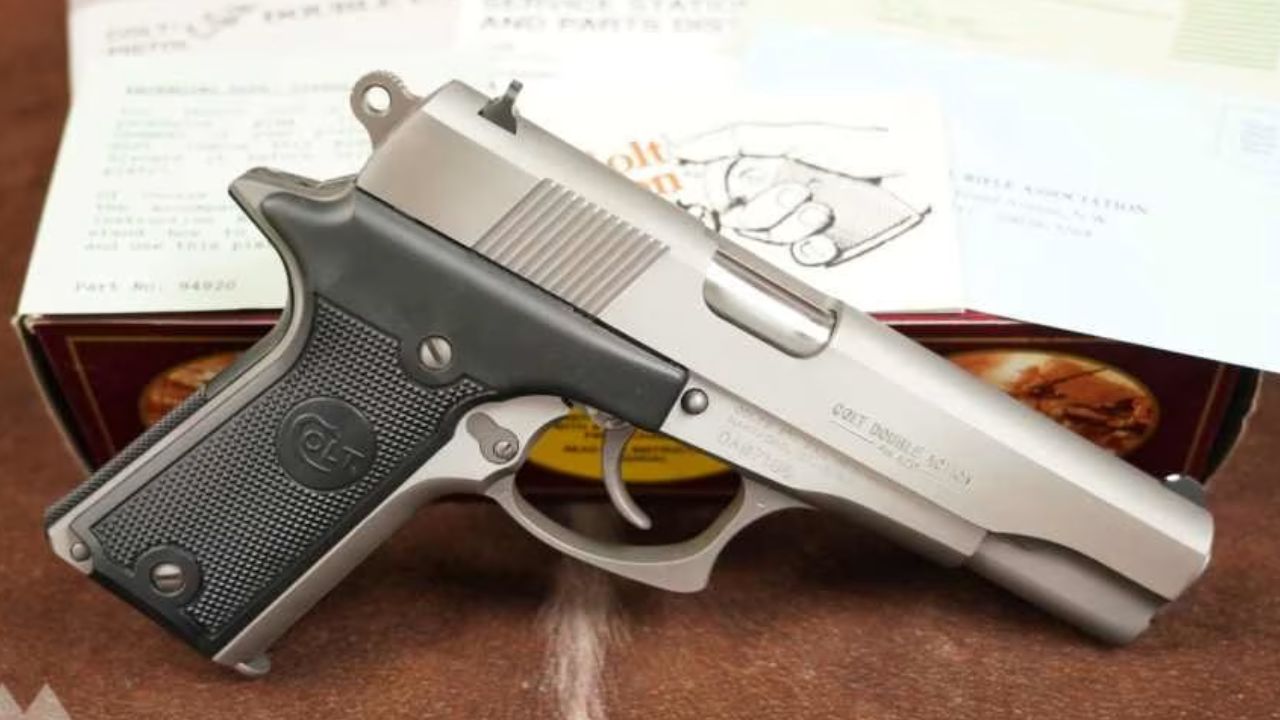
The Double Eagle looked like a weird answer when a lot of buyers first saw it. It had the Colt name, but not the classic single-action format many people actually wanted from a Colt .45. That made it easy to dismiss as an odd detour rather than a pistol worth owning before the market sorted itself out.
That oddness is exactly what helped it later. The Double Eagle now stands out as one of those Colts people should have taken more seriously when it was still just a strange used-gun-case curiosity. It has identity, real Colt appeal, and enough historical weirdness to make buyers who passed on it realize too late that unusual can become desirable in a hurry.
Beretta 87 Cheetah
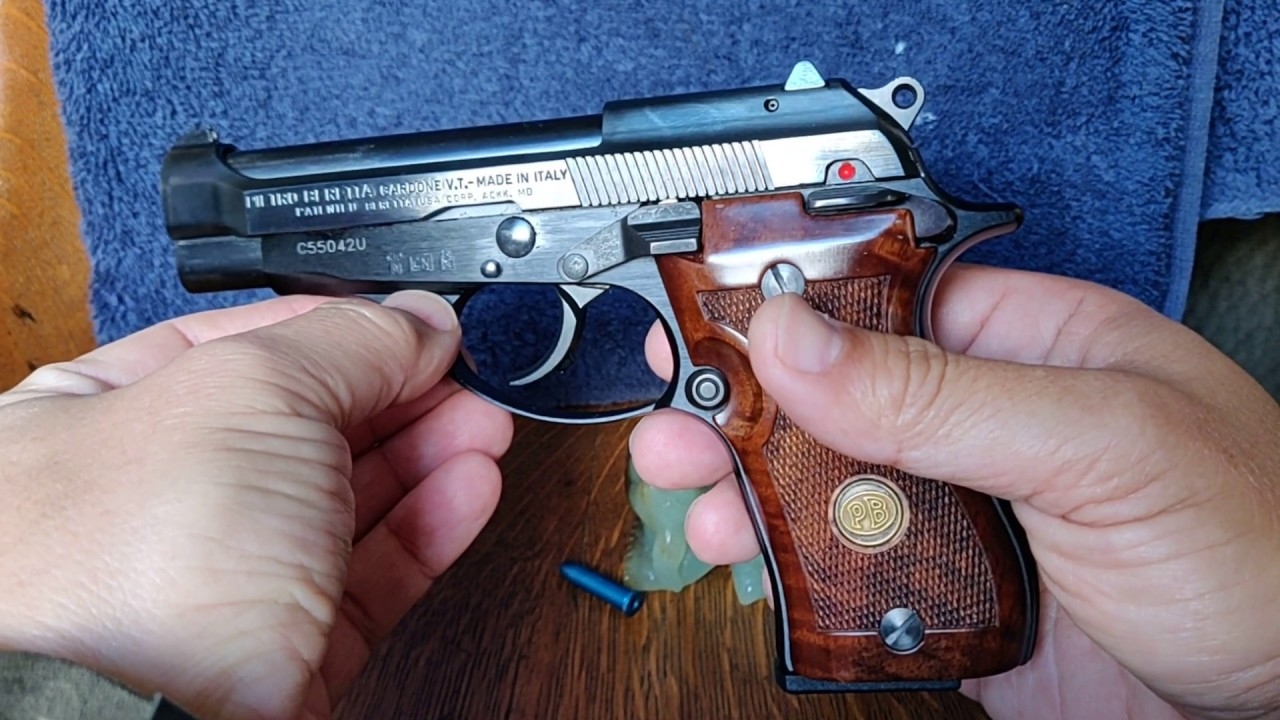
The 87 Cheetah used to feel like one of those pistols people admired without much urgency. It was clearly nice, but because it was a .22 and not exactly cheap, a lot of buyers treated it like the sort of luxury extra they could eventually circle back for after they bought more “important” guns first.
That ended up being a mistake. The 87 looks much smarter now because it combines real Beretta quality with a rimfire format that still feels elegant instead of disposable. Once people started appreciating older all-metal .22 pistols more seriously, this one became the kind of gun buyers wished they had picked up while it still felt optional.
Ruger .44 Carbine

The original Ruger .44 Carbine always had a loyal following, but there was a long stretch where it still felt like a practical oddball more than a must-buy rifle. That made it easy for hunters and shooters to treat it like something they could always add later if they ever decided a semi-auto deer rifle with old-school character sounded fun enough.
Then later got a lot more expensive. Once buyers started waking up to how handy, useful, and distinct those rifles really were, the easy supply stopped feeling easy. It turned out to be a very smart buy because it offered real hunting value, strong identity, and just enough Ruger uniqueness to get much harder to replace than expected.
Smith & Wesson 422
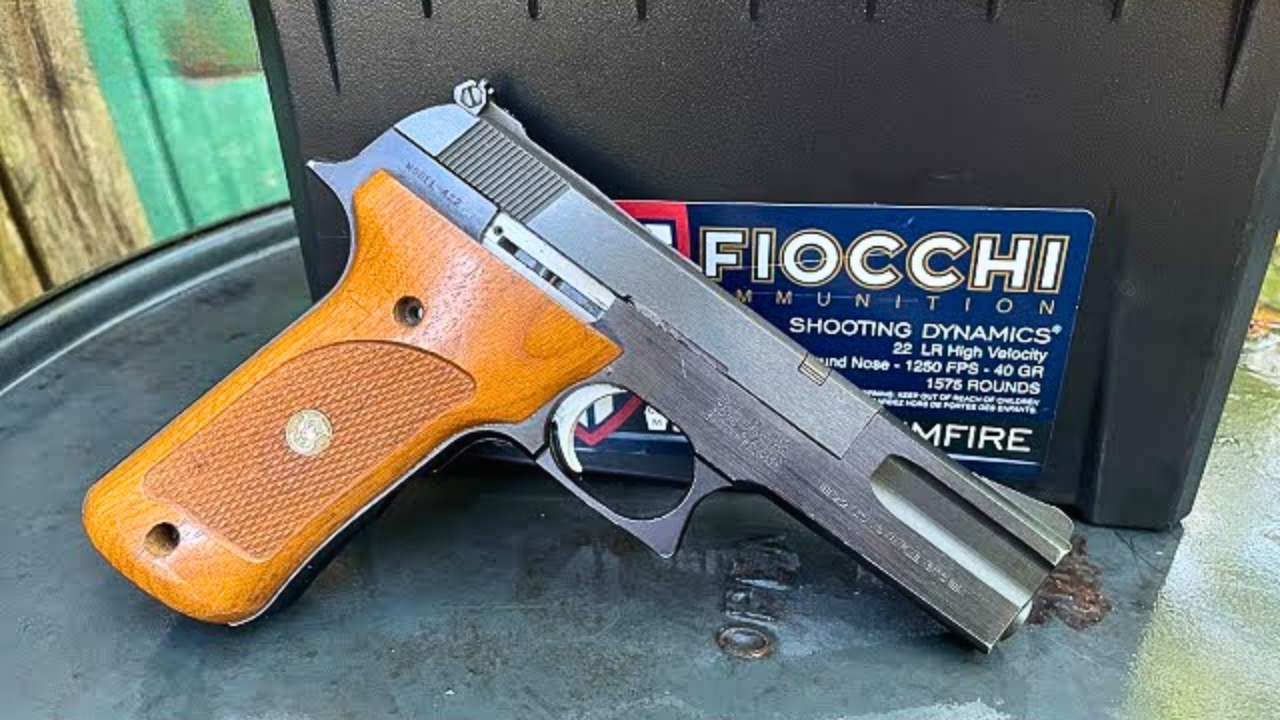
The 422 did not look like a gun people were supposed to chase. It looked like a neat little rimfire from a less glamorous chapter of Smith & Wesson pistol history. That kept a lot of buyers from taking it seriously enough when it was still easy to find and easy to afford.
The smart buyers were the ones who looked past that first impression. The 422 had real shootability, a smart layout, and more long-term appeal than its market position suggested. Once people started realizing how enjoyable and useful these pistols actually were, the old “cheap used .22” logic stopped holding up. That is usually the sign of a smart buy.
Browning A-Bolt Stainless Stalker

For years, the Stainless Stalker looked like the rifle practical hunters bought when they cared more about weather resistance than about romance. That made it easy to respect but also easy to delay. Buyers often treated it like a sensible option that would always be around in one form or another.
That view changed once people started realizing how many rifles that were supposed to replace it never felt as complete. The A-Bolt Stainless Stalker turned out to be a smart buy because it combined real field utility with long-term ownership appeal. Hunters who bought one and kept it ended up with a rifle that stayed useful while getting harder to duplicate.
SIG Sauer P232

The P232 spent years as the pistol people liked in theory. It was slim, attractive, and very easy to admire, but a lot of buyers still treated it like the kind of refined little pistol they could always come back for if the mood struck. That sort of hesitation usually comes back to bite people in the gun market.
It did here too. The P232 turned out to be a smart buy because once compact all-metal pistols started feeling more special again, it had all the right traits already. Good size, good looks, real SIG appeal, and a carry feel that aged better than plenty of louder pistols. Buyers who grabbed one before the tone changed ended up looking smart.
Savage 24
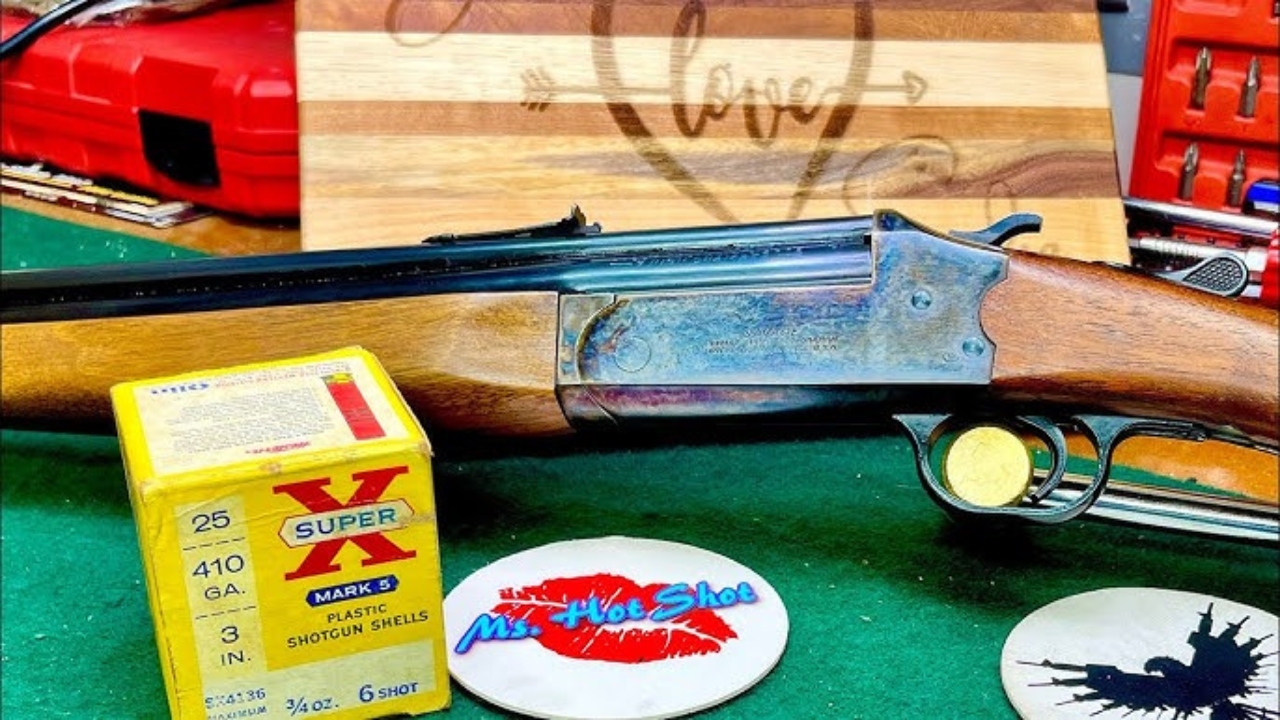
The Savage 24 always looked a little too odd to be urgent. Combination guns tend to do that. They seem practical, but also just niche enough that buyers assume they will always be around if they ever decide one would be useful. That is a very comfortable mistake to make.
The better read would have been to buy one. The 24 turned out to be a smart buy because it had real utility, real character, and exactly the kind of oddball appeal that grows stronger once supply gets thin. Buyers who saw more than just “weird old combo gun” and picked one up early were absolutely ahead of the curve.
Smith & Wesson 945
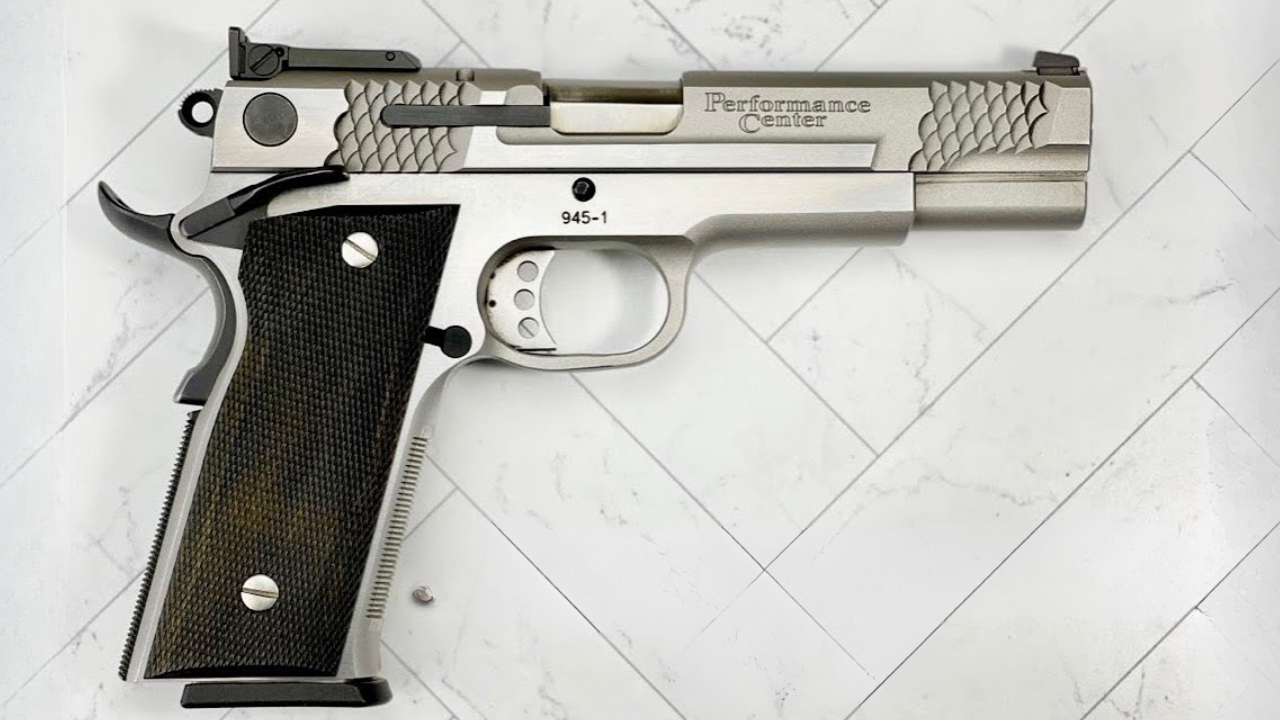
The 945 always looked high quality, but for a long time it still seemed like the kind of premium pistol buyers could admire from a distance and maybe revisit someday. It did not feel like the obvious practical buy, which kept some shooters from moving when nice ones were still priced in a way that felt merely expensive instead of painful.
That delay has aged badly. The 945 turned out to be a smart buy because it had too much quality, too much limited-production appeal, and too much long-term pistol value to stay overlooked forever. People who bought one when it still felt like an indulgent side move now look like they understood the market better than everyone else.
Browning Auto-5 Light Twelve
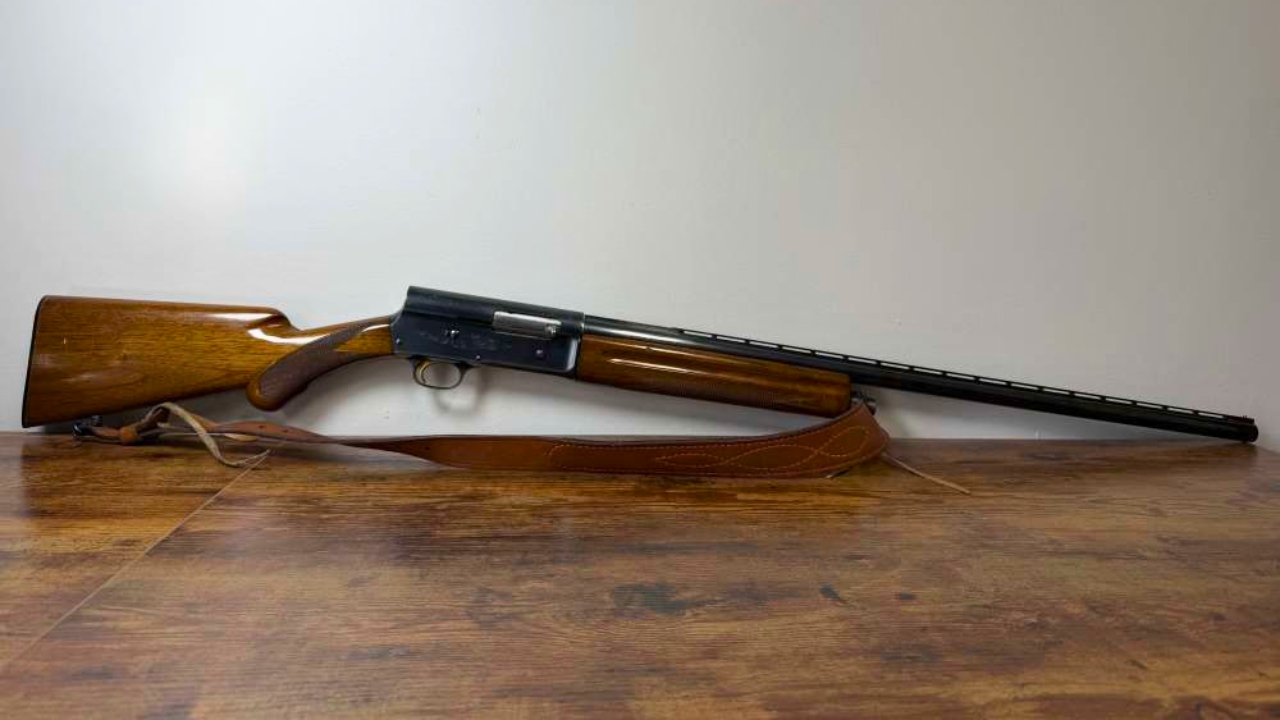
The Light Twelve was around long enough that many buyers simply assumed there would always be another good one. It was respected, sure, but often treated like a dependable old shotgun from a category that had already existed forever. That made people lazy with it.
The smart buyers were the ones who were not lazy. Belgian and older Auto-5s turned out to be the kind of shotguns people miss badly once they start comparing them to more generic-feeling replacements. Great handling, strong identity, and real field usefulness made the Light Twelve a much better buy than many realized at the time.
CZ 452 American
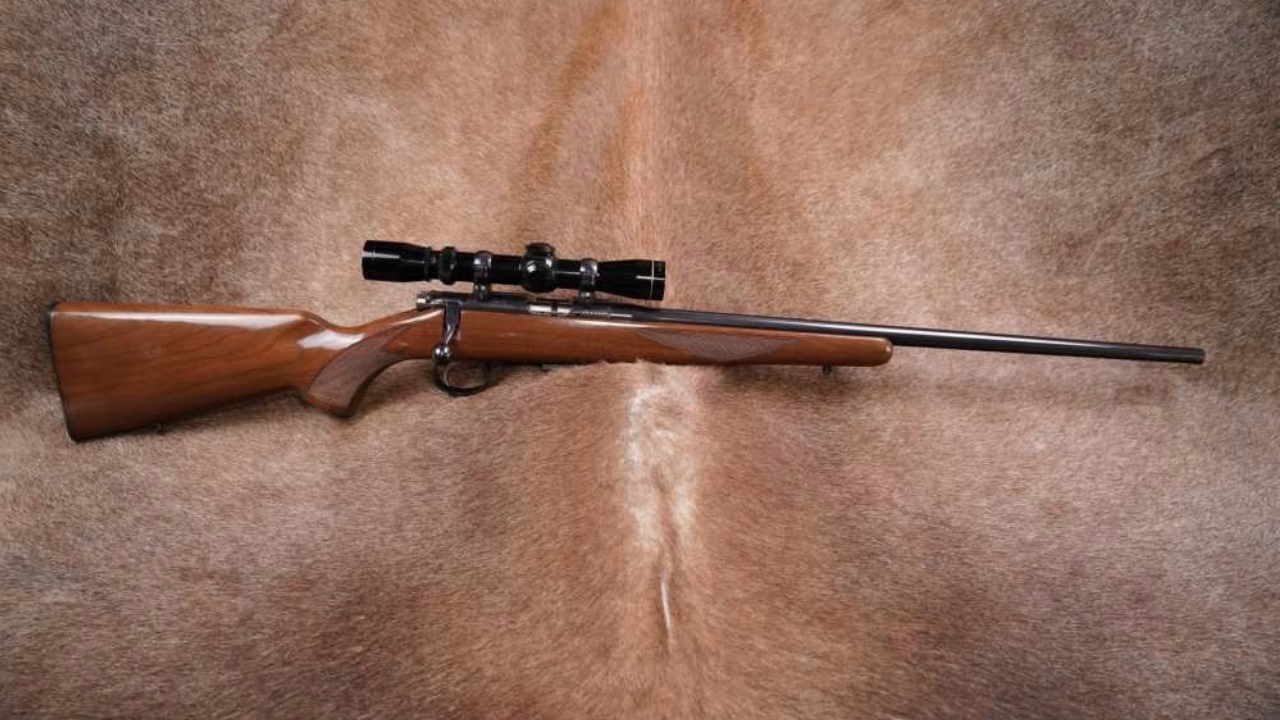
The 452 American looked almost too calm to become a great buy. It was a rimfire bolt gun, nicely made, accurate, and easy to appreciate, but not always the sort of rifle that made buyers feel like they needed to move immediately. That is usually how some of the smartest purchases slip through the cracks.
This one definitely did. The 452 turned out to be a smart buy because it sat right at the intersection of quality, usefulness, and long-term ownership appeal. Once shooters started noticing how hard it was to find rimfires that felt this good without getting weird or expensive, the old CZ started looking like something buyers should have valued sooner.
Ruger Service-Six
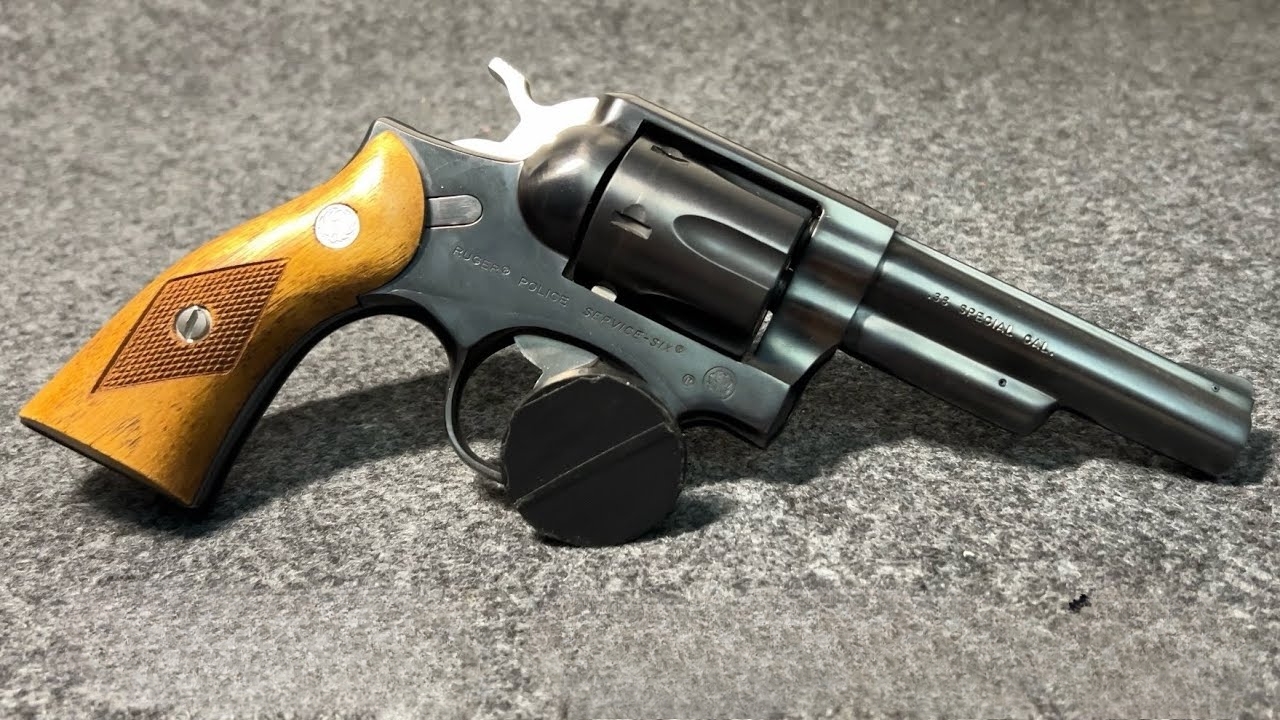
The Service-Six always looked like a revolver that would stay practical and affordable forever. It was tough, useful, and not nearly as glamorous as some of the guns buyers were chasing harder. That made it easy to pass over if someone figured they could always come back later for a no-nonsense Ruger wheelgun.
That was not the smartest assumption. The Service-Six turned out to be a smart buy because time was always going to help it. Old Ruger toughness, real shooting value, and a much stronger following than many buyers realized eventually started pulling the prices and attention upward. People who bought them when they still felt like plain working guns did well.
Thompson/Center Contender
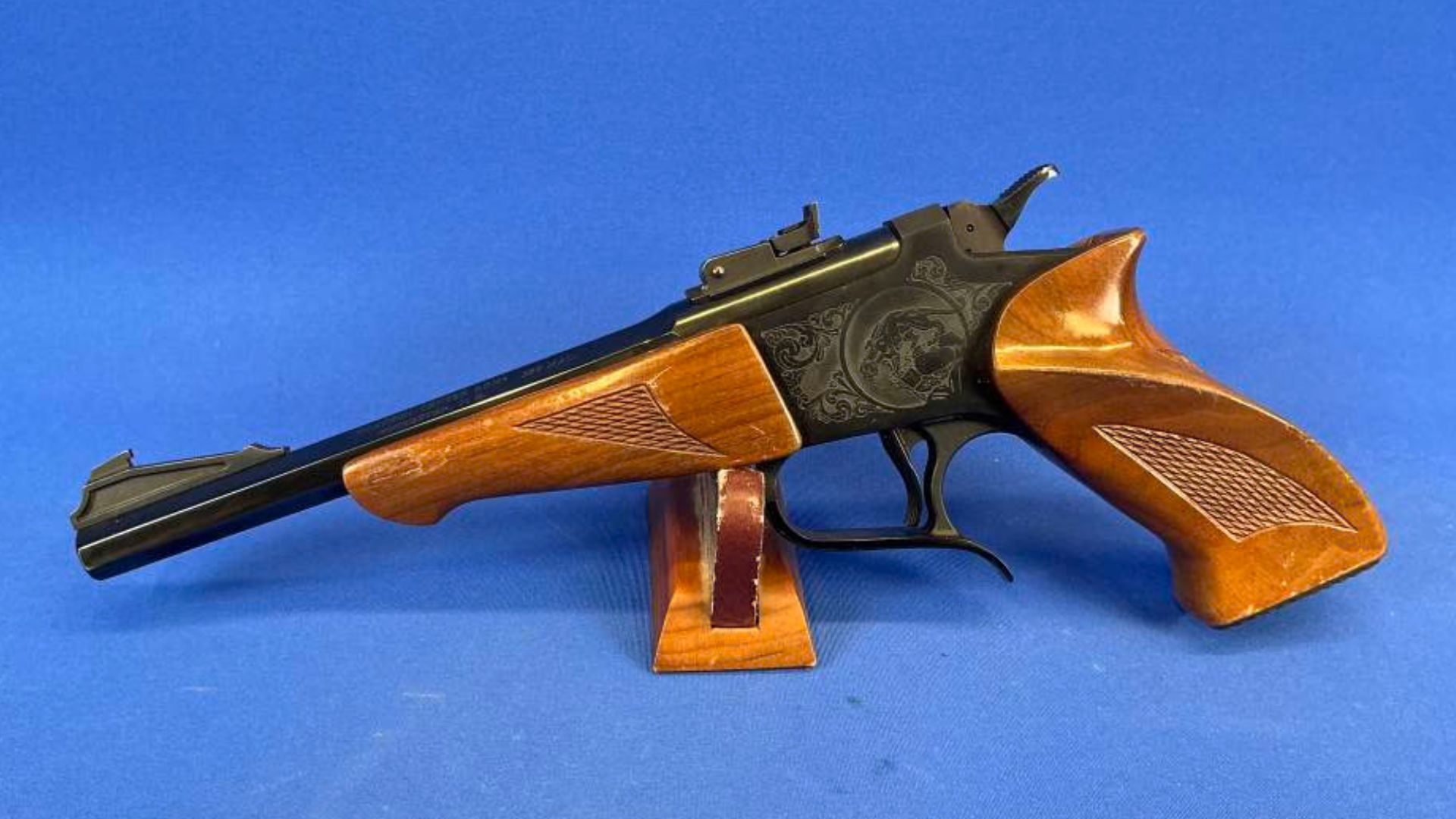
The Contender looked like a system many shooters would “get into someday.” That usually means they never buy one when it is easy, because they assume the barrels, frames, and useful combinations will always be available when they finally feel like diving in. Plenty of people made exactly that mistake.
The smart buyers were the ones who did not wait. The Contender turned out to be a smart buy because it offered real flexibility, real accuracy, and a kind of platform appeal that only gets stronger once the supply of desirable pieces gets thinner. Buyers who picked one up before everything turned into a scavenger hunt made a much better move than they probably realized at the time.
Browning SA-22
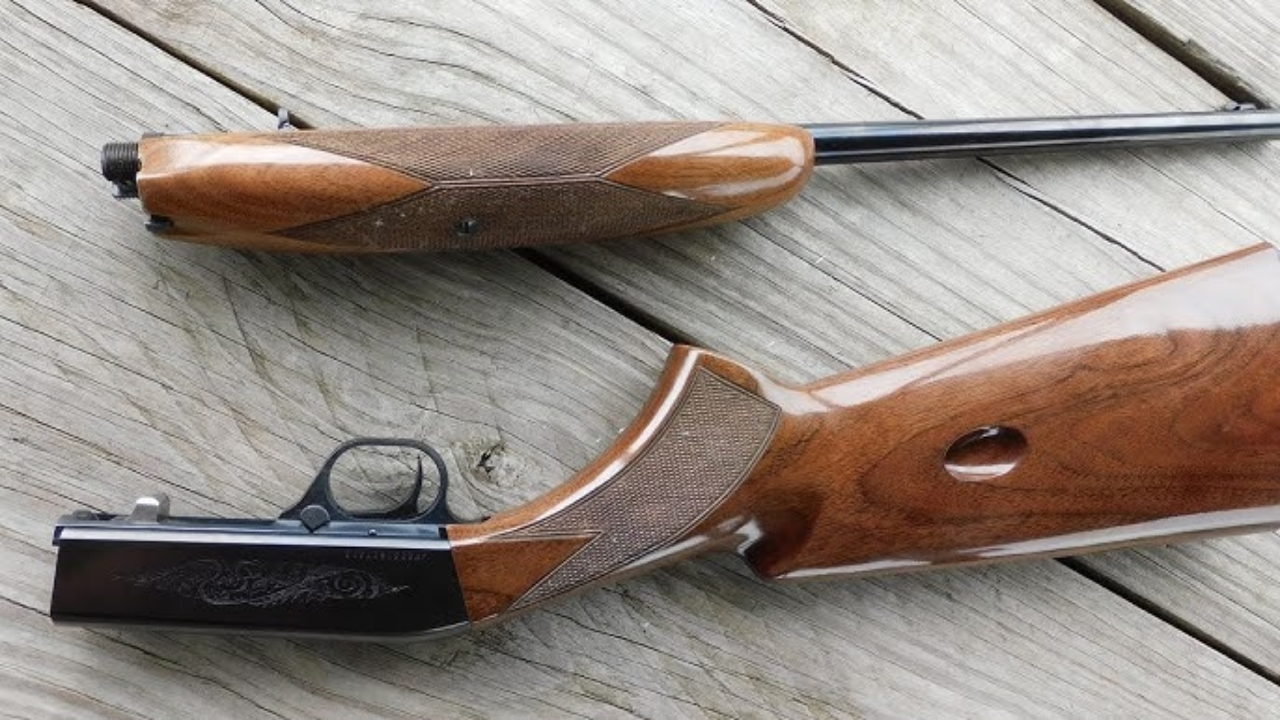
The SA-22 looked too charming to feel urgent. It was a takedown rimfire with real Browning appeal, but because it sat in the .22 lane, a lot of buyers treated it like something they could always come back for after they handled the more serious purchases first. That is usually how good rimfires get undervalued.
That changed over time, and the buyers who moved earlier got rewarded. The SA-22 turned out to be a smart buy because it had quality, portability, and lasting appeal in a package that never stopped being enjoyable. It is exactly the kind of gun that looks more intelligent the farther the market drifts from old-school craftsmanship.
Colt Trooper Mk III
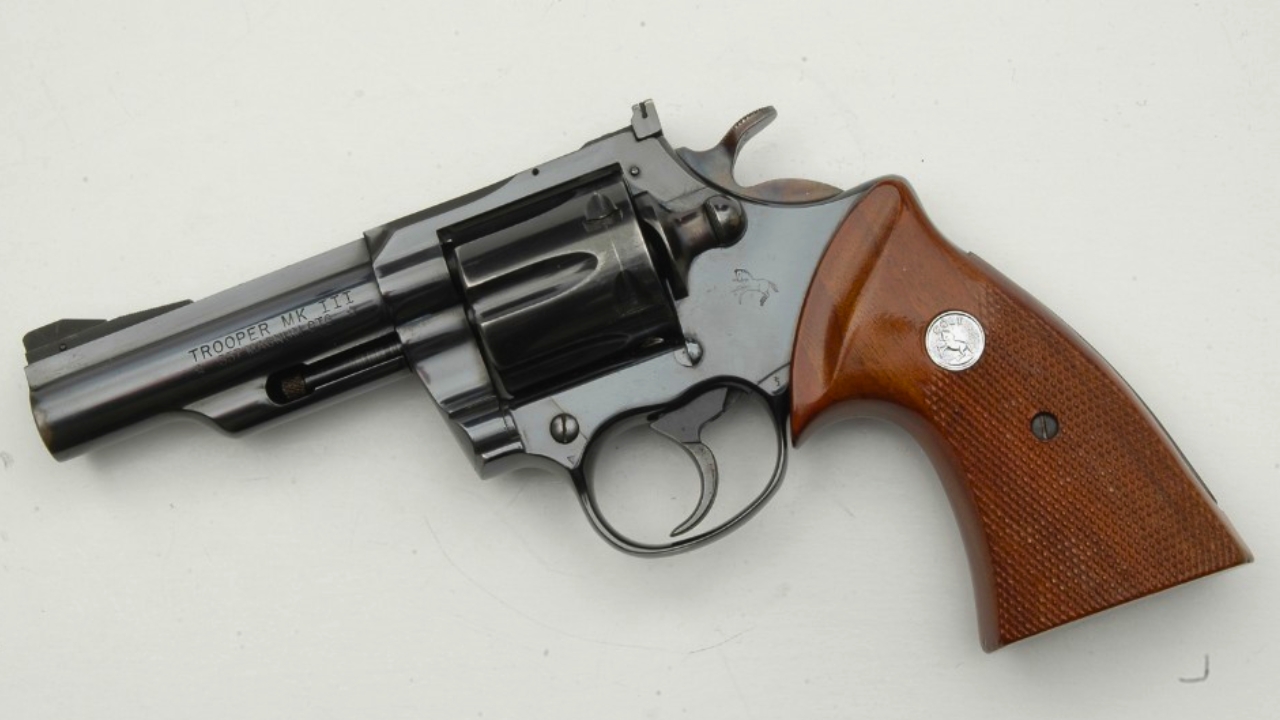
The Trooper Mk III was not the Colt people usually bragged about first, which made it easier to buy and easier to ignore. It had all the signs of a practical old double-action revolver with real value, but because it lacked the heat of the Python and some of the older Colt mystique, many buyers passed on it without much thought.
That ended up being a mistake. The Trooper Mk III turned out to be a smart buy because it carried the Colt name, real shooting value, and enough long-term respect to outgrow the “second-tier Colt” label many once put on it. It was a better move than the market originally gave it credit for.
Interarms Mark X
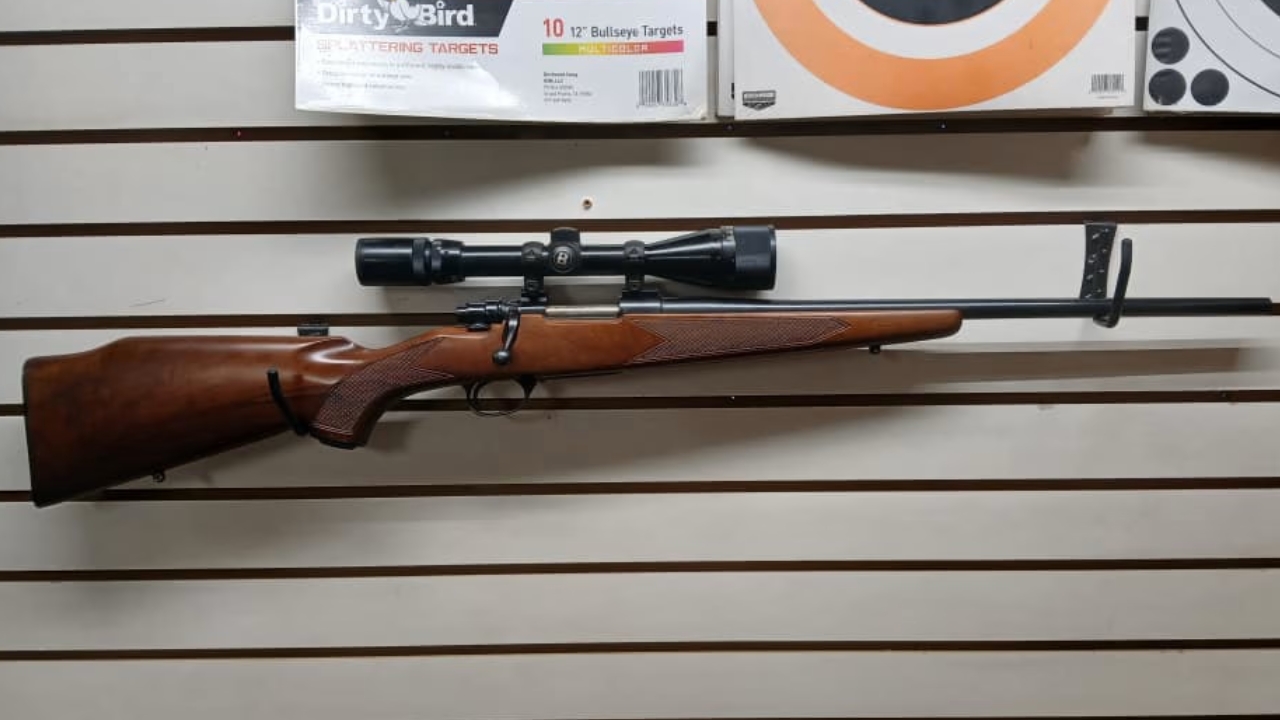
The Mark X looked too plain to become especially interesting to a lot of buyers. It was a Mauser-based sporting rifle with real field value, but plain rifles rarely create urgency when there are prettier or more fashionable options standing nearby. That kept prices and attention calmer than they probably should have been.
The smart buyers were the ones who saw the value in strong actions and honest hunting rifles before the market got more serious about them. The Mark X turned out to be a smart buy because it combined practical usefulness with the kind of long-term rifle appeal that grows once buyers get tired of guns that feel cheaper or more temporary.
Beretta 81BB

The 81BB is exactly the kind of pistol that looked more optional than it really was. It had style, quality, and great range manners, but because of the chambering and the compact all-metal format, a lot of buyers treated it like a neat curiosity they could safely put off until later.
That later is why it became a smart buy. Once compact metal pistols started feeling more special and less replaceable, the 81BB was already sitting there with all the right traits. The buyers who moved before the wider market got interested ended up with one of the better little Berettas before everyone else noticed.
Like The Avid Outdoorsman’s content? Be sure to follow us.
Here’s more from us: