Photo credit: Gun Talk Media/YouTube
When hunters swap rifles before deer season even gets rolling, it’s usually for the same handful of reasons. Some rifles look good at the counter but fall apart once you actually start shooting them. Others never group well enough to build confidence, and a few carry quirks that make them more frustrating than useful. By mid-summer, these rifles start piling up on used racks because hunters don’t want to walk into opening day with gear they already know isn’t trustworthy.
A rifle doesn’t have to be terrible to get traded away early — it just has to give you enough doubt that you no longer want to burn tags with it. These are the rifles hunters commonly move along long before they ever see a tree stand or ground blind.
Remington 770

You’ll spot used Remington 770s on nearly every rack from August onward because hunters realize quickly that the rifle can’t maintain consistent performance. The action feels rough almost immediately, and groups rarely tighten enough to inspire confidence past moderate distances. When you’re spending money on tags and fuel, you don’t want your rifle feeling unpredictable.
The magazines are another weak point. They flex easily and feed inconsistently, which creates a cycle of jams and bolt drag that only gets worse under real use. Most hunters ditch the rifle once they realize the frustrations aren’t going away with practice.
Mossberg Patriot

The Mossberg Patriot looks appealing at the counter thanks to its weight, finish, and price, but many hunters find out during pre-season shooting that it’s harder to keep dialed in than expected. The lightweight stock flexes enough to affect accuracy, especially when using bipods or shooting off bags. Once you see erratic groups, it’s tough to stick with it.
Feeding can also be hit-or-miss across different calibers. Some magazines present rounds cleanly, while others require slow, careful cycling. In the real world, hunters don’t want a rifle that demands perfect technique every single time.
Savage Axis

The Savage Axis is a common “first rifle,” but a lot of them get traded after the owner starts comparing accuracy with other rifles in the same budget class. The thin barrel heats up quickly, which pushes groups apart after only a few rounds. If you’re trying to confirm zero or shoot from different field positions, that inconsistency becomes more obvious.
The factory trigger isn’t helping anything either. It tends to feel long and heavy, and while upgrades exist, most hunters decide they’d rather move on than invest more money into a rifle they aren’t attached to.
Ruger American Go Wild Edition
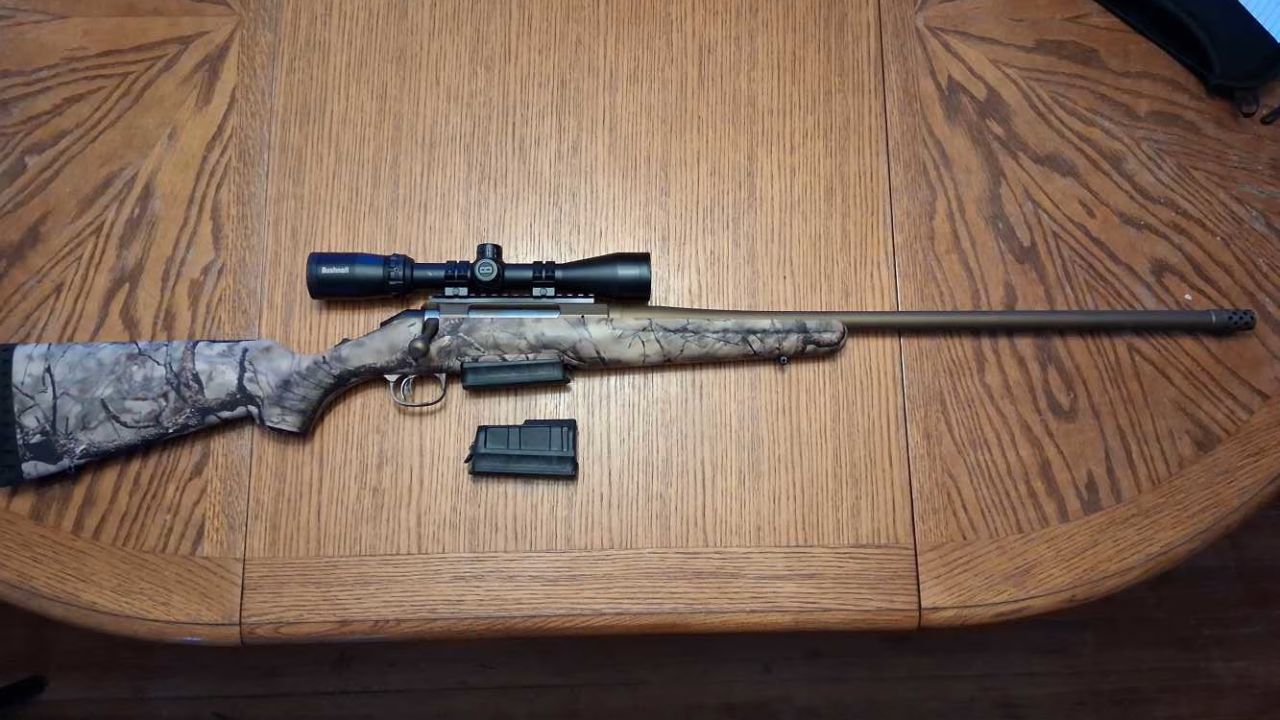
While the Ruger American series performs well overall, the Go Wild variant shows accuracy swings depending on the ammo and barrel temperature. Hunters often find that it groups well one day and then wanders the next, which creates doubt during the weeks leading up to season. Once confidence goes, loyalty usually follows.
The lightweight build also produces more recoil impulse than some hunters expect. That sharper feel can lead to flinching during zeroing sessions, prompting owners to trade it off for a heavier rifle that settles better.
Winchester XPR Compact
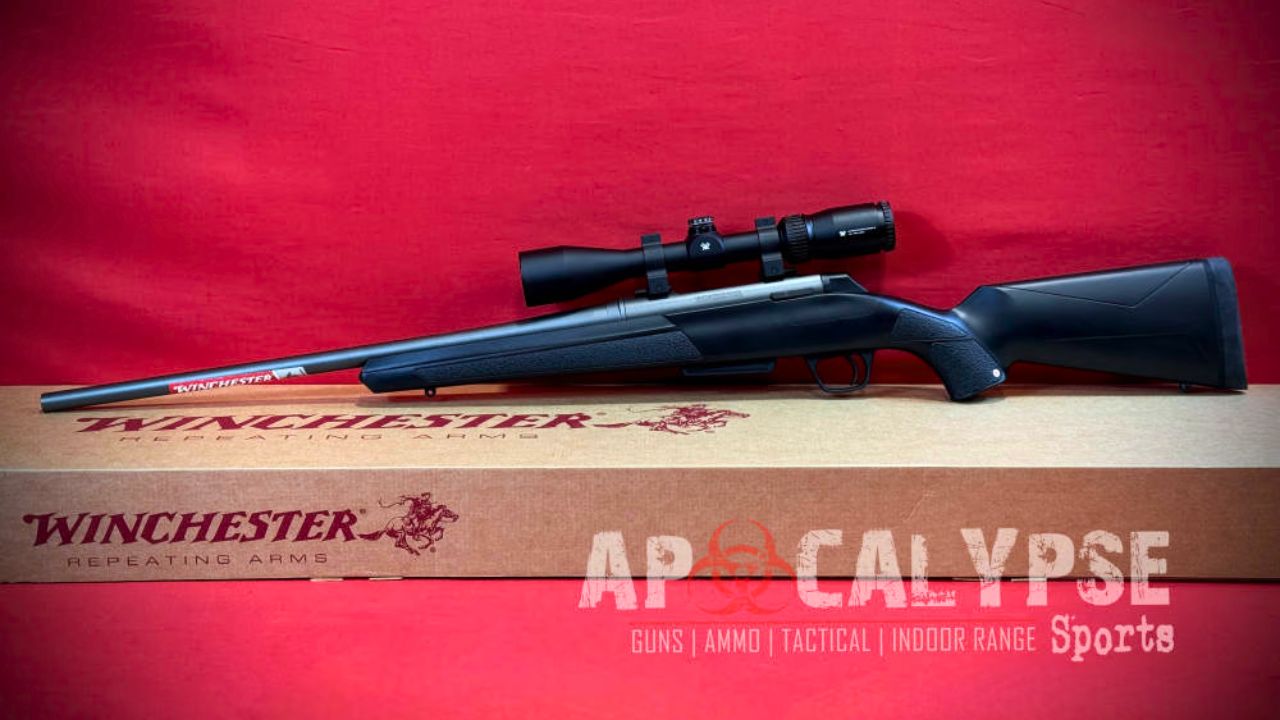
The Winchester XPR Compact gains attention for its size, but that shorter platform makes the rifle harder to control for some shooters. Recoil becomes snappy with mid-sized calibers, throwing off follow-through and creating inconsistent groups. After a few trips to the range, hunters often get tired of fighting the rifle instead of trusting it.
The detachable magazine occasionally has fit issues as well. A magazine that doesn’t seat perfectly is a dealbreaker for anyone preparing for a high-stakes shot, so many hunters move on to something with a more dependable design.
Thompson/Center Compass II
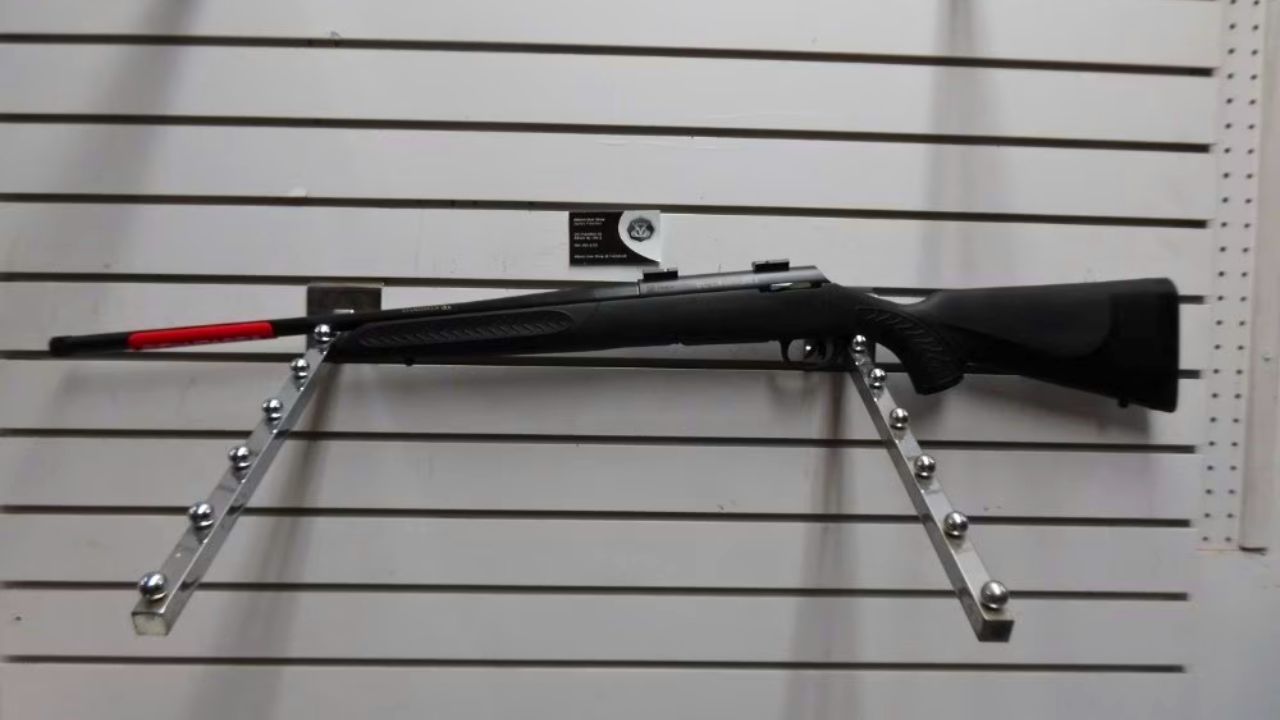
The Compass II launched with strong marketing, but in real use, many hunters run into inconsistent triggers and bedding that shifts as the stock ages. Over time, that leads to flyers that can’t be explained by wind or shooter error. When a rifle refuses to repeat under controlled conditions, it’s hard to justify keeping it into deer season.
Another common complaint is the bolt lift. It can feel sticky, especially after extended shooting sessions. Hunters dislike anything that interrupts smooth cycling, and that alone pushes many Compass II rifles into the used rack.
Marlin XS7
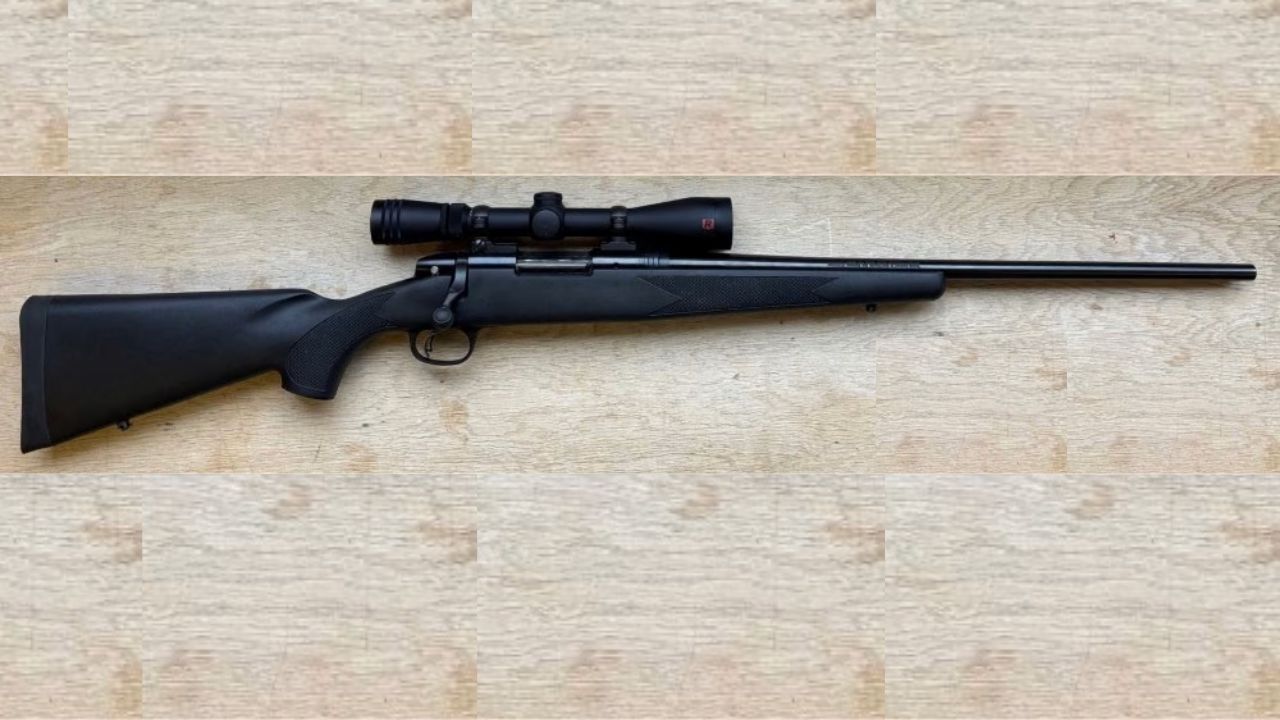
The Marlin XS7 was well-liked early, but as these rifles age, the accuracy and feeding reliability begin to slide. Hunters often describe groups slowly opening over the course of a summer, even with quality ammo. When you’re prepping for deer season, the last thing you want is uncertainty creeping into every shot.
Feeding problems also show up more frequently as the magazine wears. Rounds may nose-dive or catch before entering the chamber, which causes unnecessary frustration during practice. With newer rifles available at similar prices, many hunters decide to trade the XS7 before the season starts.
Browning AB3

The Browning AB3 offers attractive styling and a strong reputation behind its brand name, but many hunters find that the rifle doesn’t meet expectations in the field. The stock design feels hollow and can transmit recoil in a way that encourages flinching during longer sessions. The result is erratic shooting from a platform that should perform better.
The bolt isn’t as smooth as hunters anticipate either. Cycling can feel abrupt or gritty depending on the rifle, which leads to frustration when practicing quick follow-ups. By late summer, a lot of AB3 owners decide to trade them for smoother-running options.
Remington 783

The Remington 783 is marketed as an upgraded alternative to earlier budget rifles, but hunters often discover accuracy inconsistencies when switching ammunition. The rifle can shoot a great group one day and struggle the next, depending heavily on ammo type. That unpredictability becomes tiring as deer season approaches.
Magazine lips are another weak point. They sometimes present rounds too low, creating feeding hesitation that disrupts your shooting rhythm. Many hunters, unsure how the rifle will behave on opening morning, decide to swap it for something more dependable.
Ruger American Ranch (7.62×39)

While the Ranch rifles in other calibers perform nicely, the 7.62×39 version can be finicky with feeding. The cartridge shape doesn’t always harmonize with the rotary magazine, leading to rounds stalling on the feed ramp. Hunters looking for a reliable, low-recoil deer rifle sometimes give up on it after these early frustrations.
Accuracy can be inconsistent as well, especially with steel-case ammo. Hunters wanting predictable performance end up trading the ranch version for something chambered in a more traditional hunting caliber.
Savage 110 Engage Hunter Package
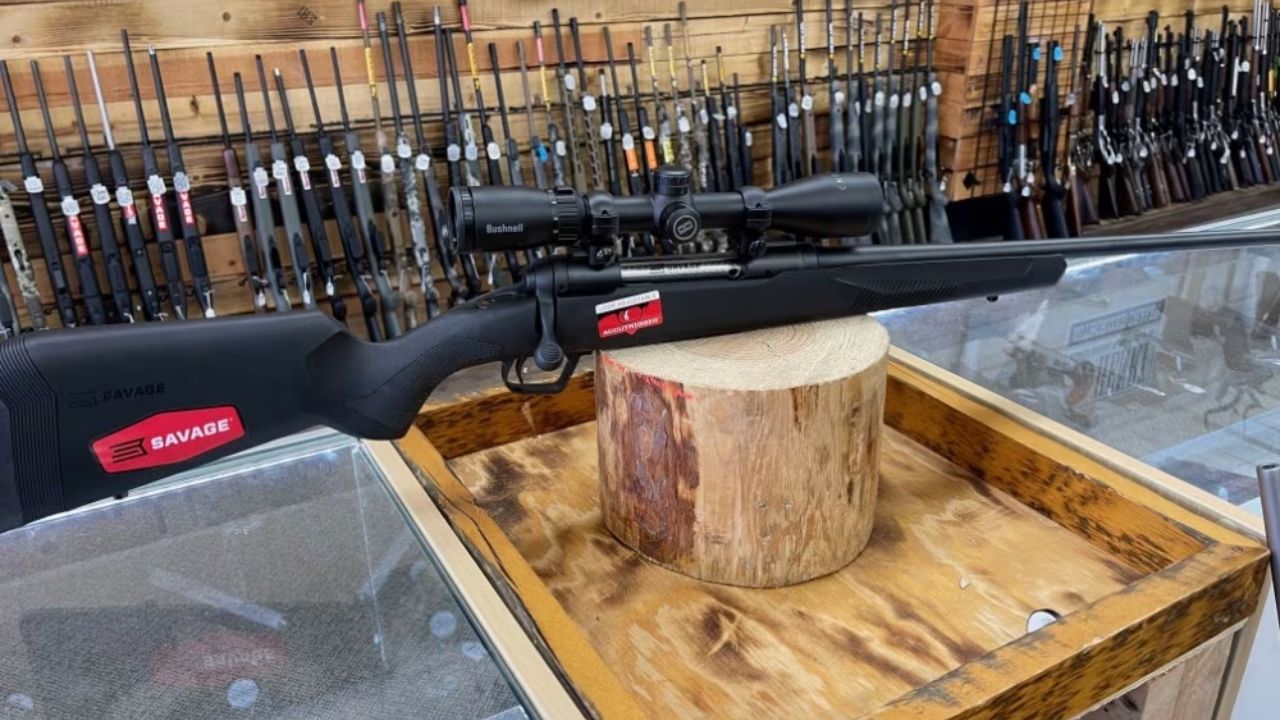
Many Savage rifles are solid performers, but the factory packages often cut corners with optics and bedding. The Engage Hunter version arrives ready to shoot, but the included scope and rings rarely hold zero through recoil or travel. Hunters end up chasing their point of impact around all summer.
The synthetic stock also introduces flex that affects accuracy as the barrel warms. Once you spend more time tightening screws and re-zeroing than actually practicing, it’s tempting to trade the rifle for something more stable.
Mossberg 4×4

The Mossberg 4×4 has an unusual stock design that doesn’t work well for every shooter. The feel is somewhat awkward, especially offhand, and many hunters struggle to maintain consistent cheek weld. When comfort is lacking, confidence usually follows.
The rifle also shows inconsistent accuracy depending on the barrel type and caliber. Hunters expecting a dependable performer often realize early that they’d rather trade the rifle than continue troubleshooting it through the summer.
Weatherby Vanguard Synthetic

The standard Weatherby Vanguard is a reliable rifle, but the basic synthetic model leaves some hunters wanting more control and balance. The stock can feel slick or awkward with gloves, leading to poor stability in field positions. When that lack of comfort translates to wide groups at the range, the rifle gets traded.
Additionally, the trigger on some rifles comes from the factory heavier than expected. Hunters who don’t want to tinker with adjustments often move on to a rifle that feels better out of the box.
Remington 710

The Remington 710 is widely known for long-term durability issues. The action feels loose even when new, and accuracy tends to fade as the rifle ages. Hunters who pick one up on impulse often discover these limitations quickly during pre-season shooting and choose to let it go before the season begins.
Extraction problems are another notorious weak point. Stuck cases can derail an entire shooting session, and the unpredictability becomes too much for hunters who value consistency. Most never make it to the woods.
Like The Avid Outdoorsman’s content? Subscribe to our newsletter so you never miss an article.
Here’s more from us: