
Photo credit: By NS777 – Own work, CC BY 4.0, /Wikimedia Commons
Some firearms prove themselves after the first mag. Others make you regret bringing them to the range at all. Poor triggers, reliability problems, and awkward handling are enough to push a gun straight to the trade pile after one trip. You don’t have to burn through hundreds of rounds to know when something isn’t worth trusting. If a gun can’t run right, doesn’t shoot straight, or feels like a fight to operate, you won’t keep it around. Here are the ones that have burned their chances with me fast.
Taurus Curve

The Taurus Curve was marketed as a pocket-friendly carry gun with a unique, curved frame. The concept was interesting, but the execution left a lot to be desired. The built-in sights are hard to pick up quickly, and the long trigger pull makes accurate shooting a chore. The grip angle feels unnatural, and the reliability isn’t anything to brag about. If you’re carrying a defensive pistol, you want confidence with every shot—and the Curve doesn’t give it. One range trip was enough to know it wasn’t sticking around.
Remington R51
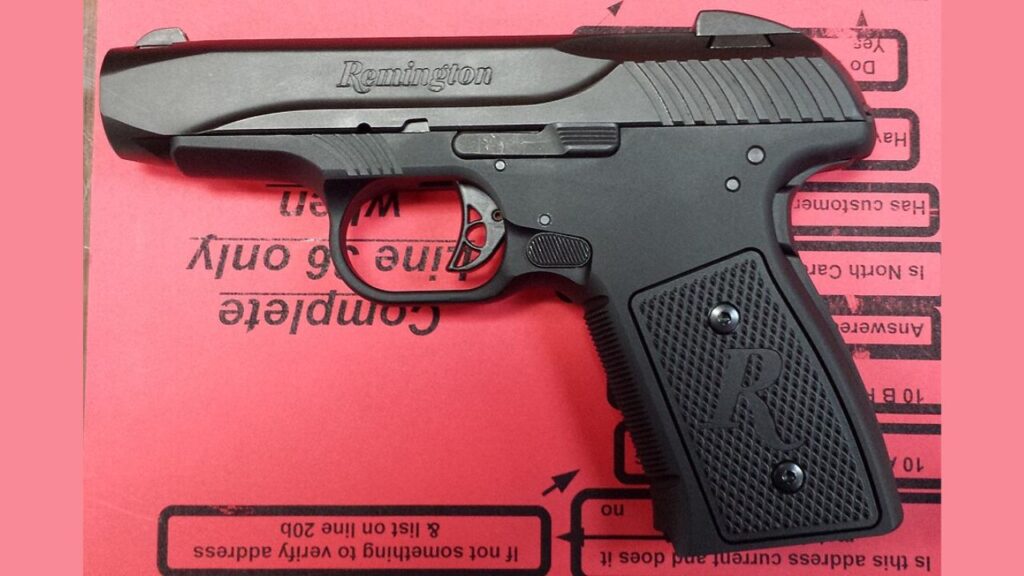
The Remington R51’s relaunch promised improvements over its troubled first run, but the problems lingered. Cycling issues, stiff recoil springs, and an awkward grip made it frustrating to shoot. Disassembly and reassembly aren’t as straightforward as they should be, adding to the annoyance. While the gun’s slim profile seemed promising for carry, the inconsistent performance didn’t inspire trust. A defensive pistol should work every time you pull the trigger—this one couldn’t prove it. After one session, it was clear it wouldn’t earn a spot in the rotation.
KelTec PF-9

The KelTec PF-9 is one of the slimmest 9mm pistols you’ll find, but it comes with trade-offs. The recoil is sharp for such a small frame, and the trigger is long and heavy. The gun feels light in a way that borders on cheap, and the shooting experience isn’t enjoyable enough to put in the practice time it deserves. While it’s easy to conceal, it doesn’t inspire confidence in your ability to shoot it well under stress. One trip was enough to move on.
SCCY CPX-2

The SCCY CPX-2 offers a low price and lifetime warranty, but neither makes up for its heavy double-action trigger. Follow-up shots feel slow, and the lightweight frame adds to the snappiness of each round. The sights are basic, and the grip texture isn’t aggressive enough to keep the gun firmly planted during rapid fire. For the money, it’s tempting—but a carry gun needs to run clean and shoot well. This one didn’t convince me it could, so it didn’t last past the first range day.
Jimenez Arms JA Nine

The Jimenez Arms JA Nine comes in cheap, but you can tell why once you start running it. The trigger is gritty, the finish feels low quality, and the gun is bulkier than it needs to be for its capacity. Reliability is hit or miss, especially when you push it past a couple of magazines in a row. While it might go bang most of the time, “most” isn’t good enough for anything serious. After one range trip, it was clear it wasn’t worth the safe space.
Beretta Pico

The Beretta Pico is small, slim, and snag-free, but the downsides show up quick. The slide is stiff, the controls are tiny, and the trigger is heavy for its size. Shooting it feels more like work than practice, and accuracy suffers when you’re fighting the trigger the whole time. While it hides well in a pocket or waistband, there are other guns in its class that shoot much smoother. After one session, I knew it wasn’t something I’d ever trust for real-world use.
Hi-Point C9
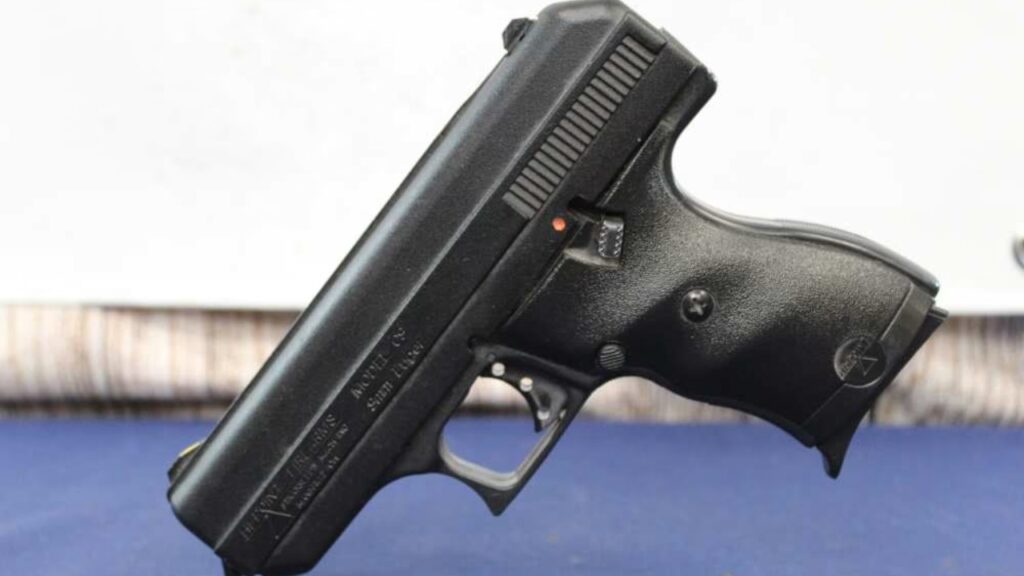
The Hi-Point C9 has its fans, but for me, the weight-to-capacity ratio and clunky feel were deal-breakers. The blowback design makes recoil feel harsher than expected, and the bulky slide slows down follow-up shots. While it can run reliably when well-maintained, the shooting experience isn’t enjoyable enough to make it worth keeping. When a gun feels more like a chore to use than a tool you trust, it’s time to let it go. That decision came fast after the first trip.
Remington RP9
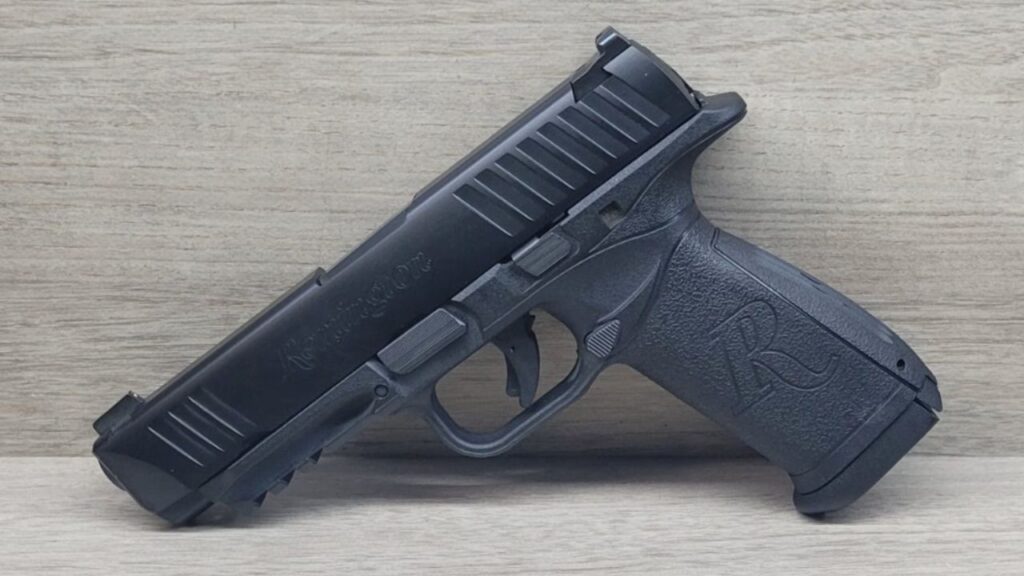
The Remington RP9 was billed as a budget-friendly full-size 9mm, but it missed the mark in too many areas. The grip is oversized for many shooters, and the trigger has an odd, spongy break. Reliability issues popped up early in testing, and there’s almost no aftermarket support to improve it. When you’re looking for a full-size pistol, there are too many proven options to settle for one that struggles out of the gate. After one range trip, I was ready to move it along.
Ruger LC9
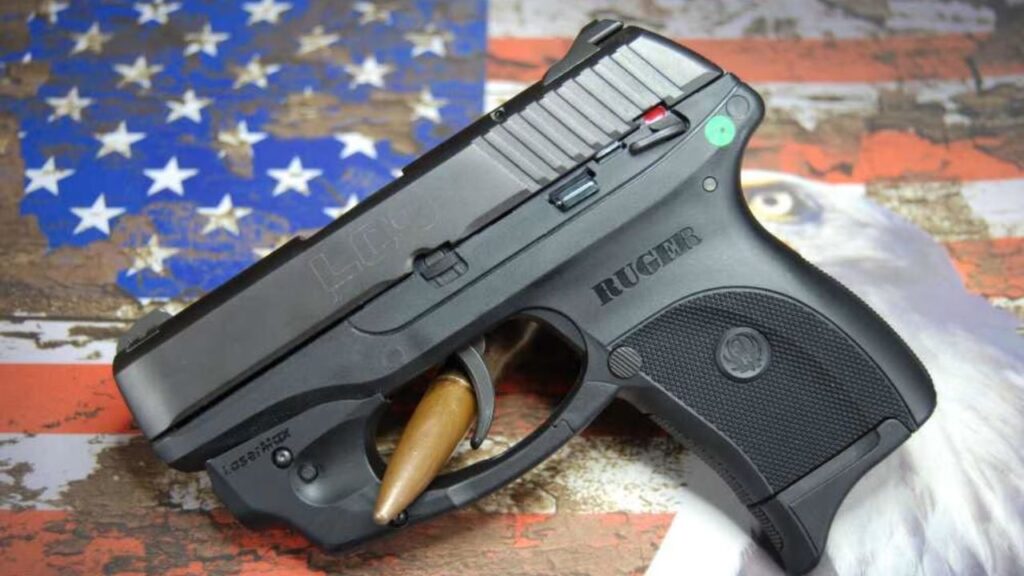
The Ruger LC9 is small and reliable, but the trigger is long and heavy enough to throw off accuracy. The sights are minimal, which doesn’t help precision shooting at longer distances. While it’s easy to carry all day, it’s not a gun you’ll want to spend much time practicing with—and that’s a problem for a defensive pistol. A carry gun needs to be something you shoot well and often, and the LC9 didn’t meet that bar. It was gone after the first run.
Phoenix Arms HP22A
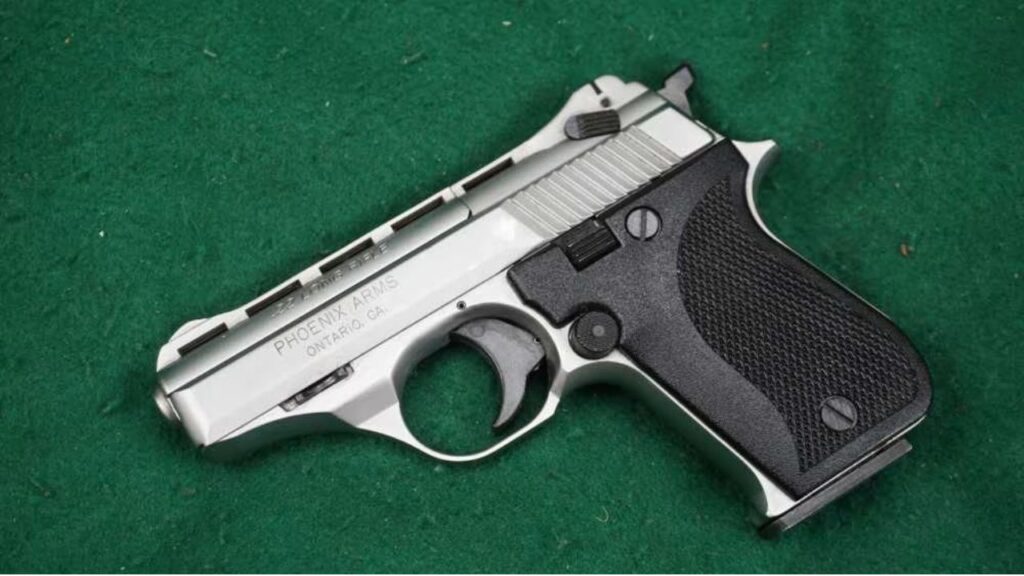
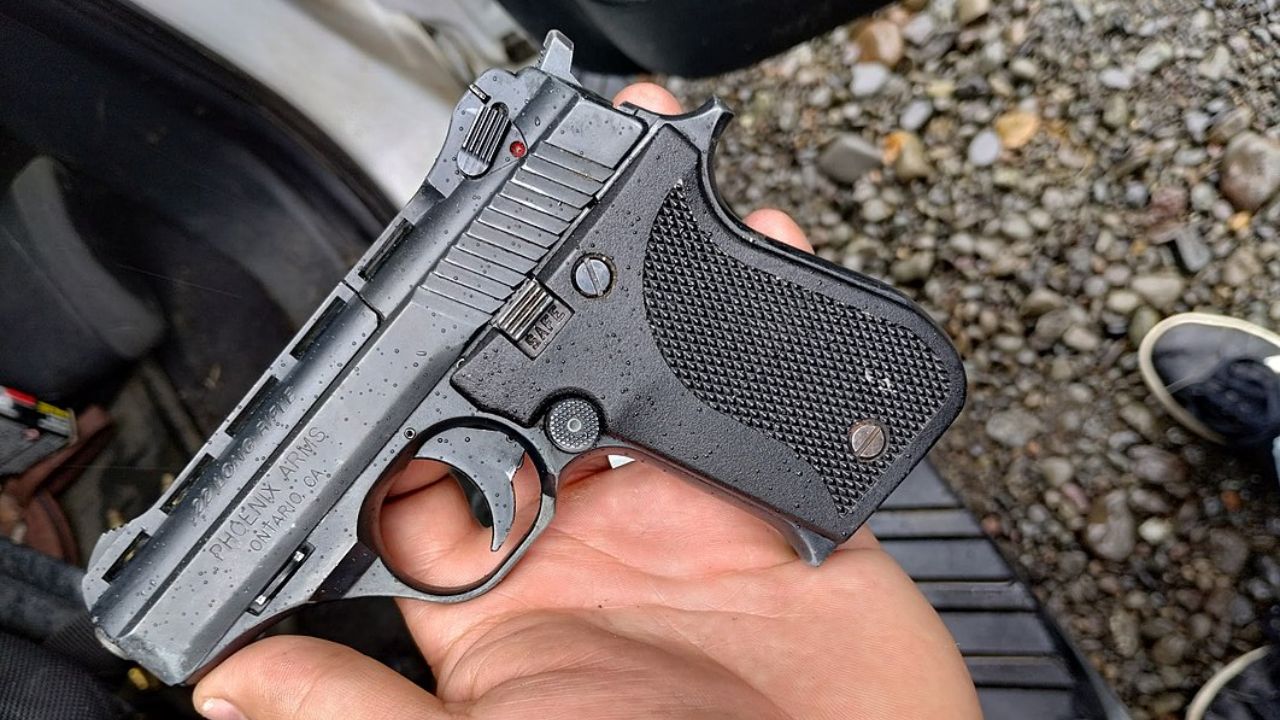
The Phoenix Arms HP22A is a small .22 pistol that’s inexpensive and easy to find, but the quality control leaves a lot to be desired. Feeding issues, finicky ammo preferences, and fragile parts show up fast. The safety design is overly complicated, making operation slower than it should be. While it might be fine as a low-cost plinker, it’s not something I’d trust for anything more serious. After one range session, it was clear it belonged back on the counter, not in my safe.
*This article was developed with AI-powered tools and has been carefully reviewed by our editors.


