
There’s a big difference between shooting a rifle occasionally and running one through structured training. Once you start focusing on recoil management, transitions, follow-through, and repeated strings on the clock, certain rifles show their weak spots immediately. Lightweight hunting stocks flex, thin barrels wander, and actions that seemed “good enough” suddenly feel like they’re dragging through gravel.
As your skill grows, you stop blaming yourself for inconsistencies and start recognizing when a gun is limiting your progress. Below are rifles shooters commonly leave behind once they’ve put in the kind of practice that exposes where a platform falls apart.
Stevens 200
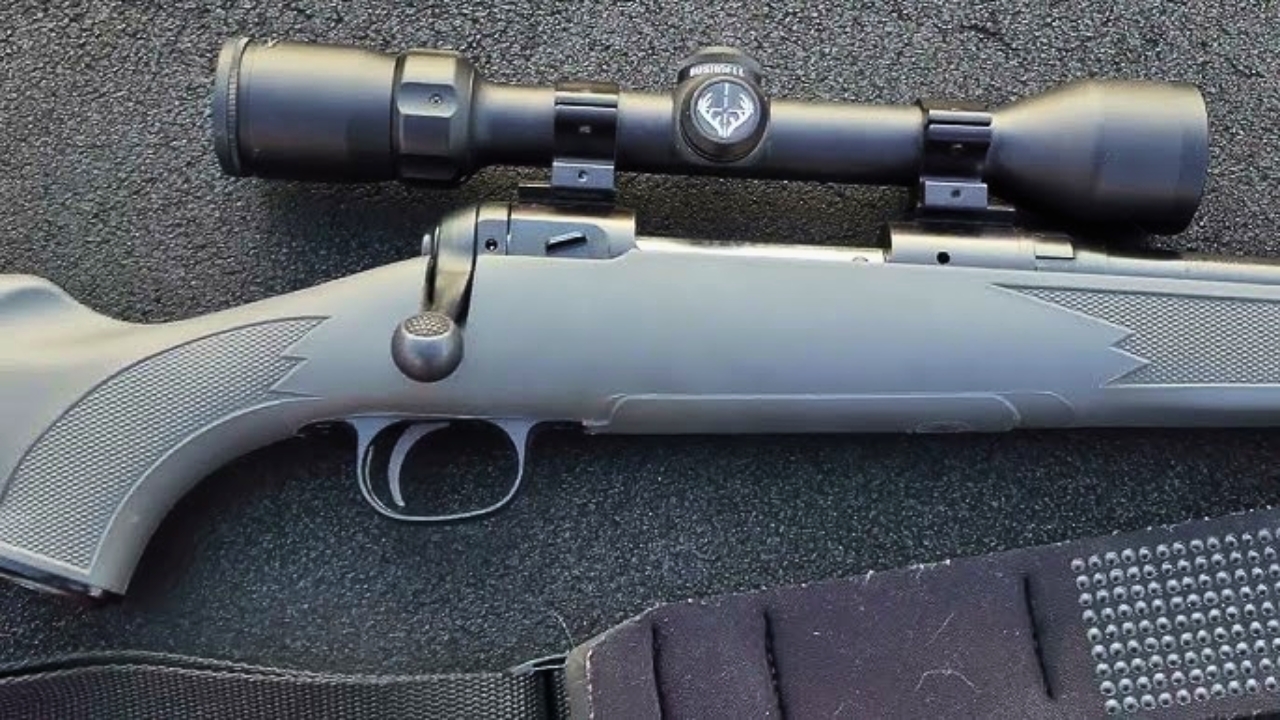
The Stevens 200 was a budget-friendly option built on the old Savage 110 pattern, but long training days expose its shortcomings quickly. The factory stock feels soft under any real pressure, especially when shooting off a bipod or barricade. The non-adjustable trigger also limits refinement, making precise follow-up shots tougher than they should be.
Shooters move on once they feel how much smoother a modern trigger and stiffened stock can make their groups. The Stevens 200 works for casual use, but under structured training the rifle shows its age faster than most expect.
Marlin XS7

The Marlin XS7 earned praise for accuracy at its price, but the rifle’s lightweight build and limited aftermarket support hold it back during real training. The fore-end flexes enough to shift point of impact, and the barrel warms quickly during repeated strings.
Once you start practicing positional shooting, the stock geometry feels awkward, making transitions clumsy. Shooters eventually outgrow the XS7 because it doesn’t provide the stability or consistency needed to reinforce progressing fundamentals.
H&R Handi-Rifle

The Handi-Rifle is fun and reliable in its own way, but as soon as you begin serious training, its single-shot design becomes restrictive. Every break in action interrupts rhythm, and learning recoil management or follow-through becomes far more challenging when you’re loading one round at a time.
While it’s a great teaching tool for beginners, it simply can’t support the volume or pacing needed to sharpen advanced skills. Shooters who train seriously move to repeaters that allow for consistent reps and smoother performance tracking.
CZ 527 Carbine

The CZ 527 is beloved by many, but its lightweight barrel and narrow fore-end make sustained training tough. The barrel heats quickly, and accuracy begins to drift after only a few shot strings. The magazine release and feeding geometry also require a very specific technique, which slows down drills.
Once you’ve worked with rifles that handle heat and transitions more efficiently, the 527 starts to feel limiting. It’s a charming rifle, but not one that keeps up during real practice sessions.
Ruger M77/44

The M77/44 makes sense for close-range hunting, but its design doesn’t lend itself to structured training. The slow bolt throw, heavy trigger, and limited accuracy range combine to make precision drills frustrating. The short barrel heats quickly, and groups tend to open after minimal shooting.
Shooters who move into more capable carbines realize how much those limitations impact their progress. The M77/44 remains practical for thick woods but often gets left behind once training becomes a priority.
Thompson/Center Dimension
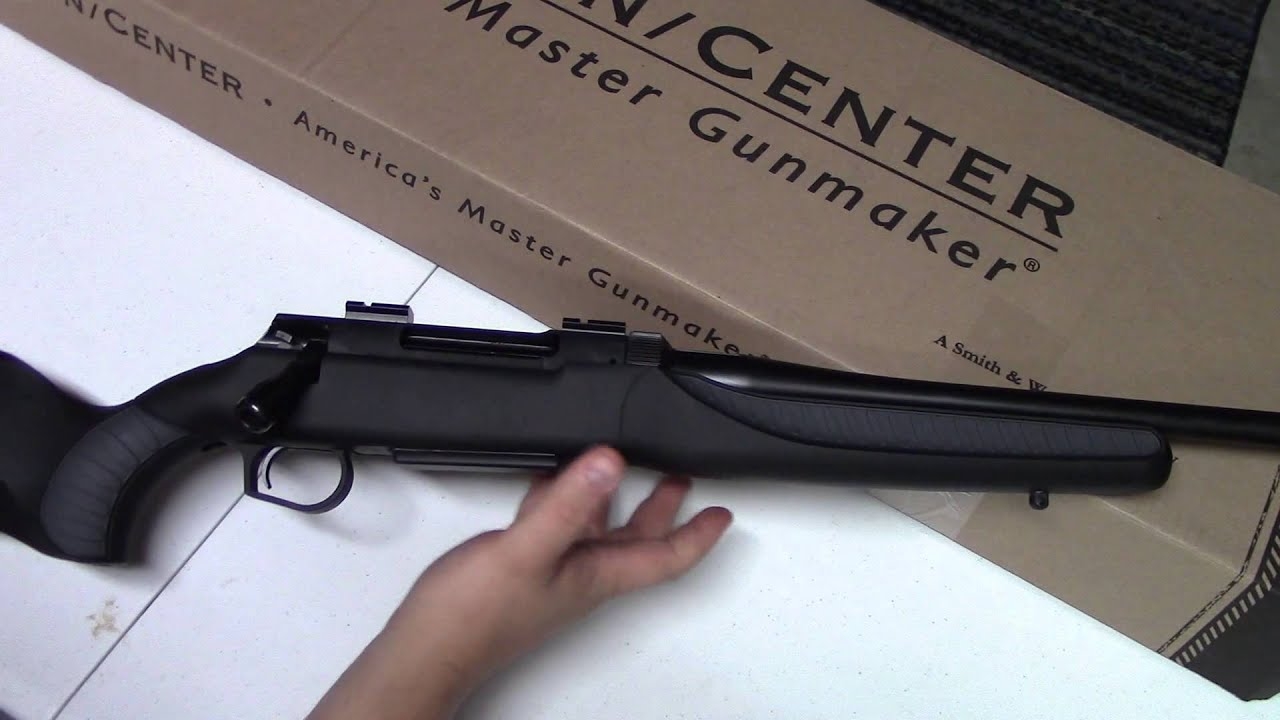
The T/C Dimension offered a modular barrel-swapping system, but that same system introduces variables that show up immediately during serious practice. The action-to-barrel interface can shift slightly under stress, leading to point-of-impact inconsistencies.
When you start training for repeatable accuracy, that unpredictability becomes a problem. Shooters eventually gravitate toward fixed-barrel rifles where consistency is built into the design. The Dimension’s concept was interesting, but it doesn’t hold up when precision matters.
Remington 788

Early 788s were accurate, but many surviving rifles show wear that becomes obvious during high-volume training. Bolt lift stiffens, extraction weakens, and stocks loosen under repeated recoil. Some rifles also experience lug setback after decades of use, which affects consistency.
Shooters who train regularly usually move on from older 788s because maintaining precision becomes more work than it’s worth. They’re great rifles in good condition, but heavy use exposes their age quickly.
Savage 340

The Savage 340 was inexpensive and practical, but the rear-locking bolt and thin stock make consistent accuracy difficult when you’re running drills. The barrel isn’t free-floated, and pressure changes show up immediately during transitions.
The rifle feels fine during slow bench work, but not during actual training. Shooters outgrow it quickly because its mechanical design doesn’t support the stability modern training demands.
Ruger Mini-Thirty (older production)

Older Mini-Thirty rifles suffer from wandering accuracy as the barrel warms, and their triggers make controlled precision work difficult. During structured training, you notice your groups drifting left or right depending on heat and pressure on the handguard.
Once shooters try rifles with heavier barrels or better harmonics, they realize how much time they spent chasing impacts with the Mini-Thirty. It’s a fun carbine, but not one that builds precision skills well.
Tikka T3 Lite (extended strings)

The Tikka T3 Lite is smooth but ultralight, and extended training reveals how unforgiving that weight reduction can be. The thin barrel heats fast, and the light stock amplifies recoil during positional shooting.
Shooters who push themselves realize the rifle makes it harder to maintain control during transitions. The T3 Lite remains a fantastic hunting rifle, but once training becomes more demanding, many switch to heavier Tikka variants for improved consistency.
Rossi R92 (pistol-caliber versions)

The Rossi R92 runs reasonably well, but its lever geometry and inconsistent feeding with certain bullet shapes create challenges during high-volume training. Cycling speed amplifies those issues, leading to occasional hang-ups or double feeds.
As you move into more advanced practice, you want smoother, more predictable operation. Many shooters move to higher-quality lever guns because the R92’s inconsistencies show up quickly under stress.
Remington 7400

The Remington 7400 semi-auto rifles develop reliability problems when exposed to heavy shooting schedules. Carbon buildup affects cycling, and extraction weakens as the action heats. The stock design also makes recoil management less stable during drills.
Shooters pursuing consistent performance often find themselves clearing malfunctions more than shooting. Once you train with a modern semi-auto or a reliable bolt gun, the 7400’s shortcomings become impossible to ignore.
Savage 110 Predator (light-barrel editions)

The Predator series shoots well cold, but the lighter-barrel versions lose accuracy quickly once training volume increases. The barrel heats unevenly, and point-of-impact shifts show up sooner than expected. The stock is also sensitive to front pressure, affecting repeatability.
Shooters outgrow it because real training exposes how often they must manage heat and stock pressure. It’s still a solid hunting rifle, but not ideal for building advanced skills.
Ruger Gunsite Scout (early synthetic models)

Early synthetic-stocked Gunsite Scouts flex more than many shooters realize. The rifle feels lively, but that same liveliness becomes a liability during structured drills, especially when using slings or shooting off barricades.
As the barrel heats, accuracy begins to drift, which makes maintaining tight groups difficult. Many shooters eventually move to heavier-barrel rifles for better consistency during extended sessions.
Howa 1500 Lightweight

The Lightweight model saves weight, but real training highlights how quickly the barrel heats and how much recoil the trimmed stock sends into your shoulder. Both factors combine to make follow-up shots harder to control.
Shooters looking to improve typically migrate toward standard-barrel Howas, which maintain accuracy better under stress and feel more settled during positional transitions.
Like The Avid Outdoorsman’s content? Be sure to follow us.
Here’s more from us:


