Photo credit: Flia Rua/YouTube
Some rifles come close to being great but fall short until you fix the weak spots the factory left behind. Maybe the trigger holds you back, maybe the stock twists under pressure, or maybe the feeding system needs tuning before you trust it. Once you’ve shot a rifle that’s built right from the start, you notice quickly which platforms need help before they’re truly usable. These rifles aren’t lost causes—they simply need aftermarket support before they rise to their potential.
Remington 742 Woodsmaster

The Remington 742 was popular for decades, but its design is notorious for wear on the locking lugs and rails. Once the rifle sees a moderate round count, feeding and extraction problems show up fast. The factory magazines also create inconsistent cycling, making the rifle feel unpredictable during any kind of sustained shooting.
Most owners replace magazines, install upgraded extractors, and tune the action to keep it running. Without those improvements, the Woodsmaster develops reliability problems that can be hard to fix once they start. It’s a classic rifle, but one that nearly always needs aftermarket help to stay functional.
Ruger Mini-14 (early 180-series rifles)

The early 180-series Mini-14 rifles earned a loyal following, but accuracy was never their strength. Thin barrels produced significant point-of-impact wandering once the rifle warmed up, and the factory sights lacked precision for meaningful group work. Many shooters also upgrade the gas system to tame the rifle’s harsh cycling.
Barrel stabilizers, improved sights, and updated gas bushings transform the Mini-14 into a much more usable carbine. Without those changes, the early rifles feel limited and unpredictable during focused shooting sessions.
Winchester Model 70 Post-’64 Push-Feed (budget variants)
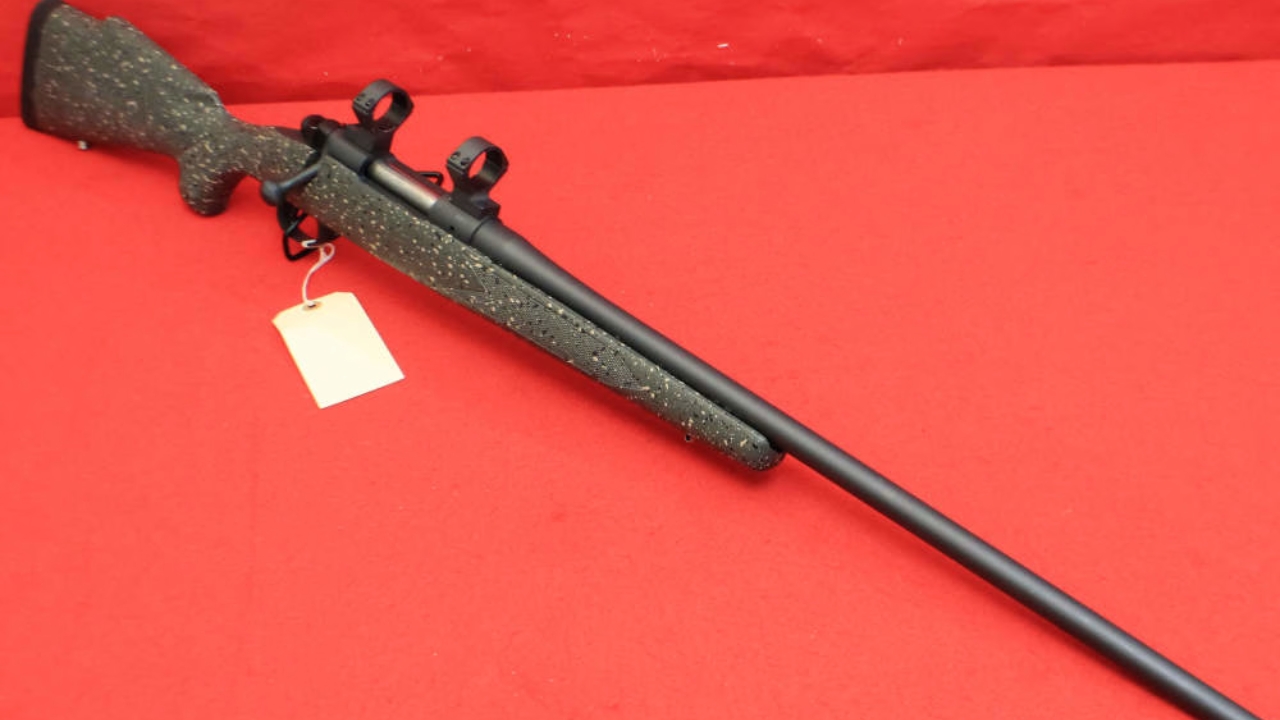
Some budget-tier push-feed Model 70 rifles left the factory with heavy triggers, poorly bedded stocks, and barrels that didn’t group well until floated. The action itself is solid, but accuracy problems show up quickly when the rifle heats or when the stock flexes.
A bedding job, trigger upgrade, and barrel floating make a dramatic difference. Once tuned, the rifle performs well. In stock form, many shooters struggle to get consistent results, leading them to upgrade early in ownership.
CZ 550 Safari Magnum

The CZ 550 Safari Magnum is a beloved dangerous-game rifle, but most shooters replace the factory sights immediately because they’re difficult to use under stress. The triggers on many rifles also require tuning, and the stocks sometimes need bedding to withstand recoil.
Once upgraded, the rifle becomes a trusted workhorse. But the heavy recoil, tall front sight, and loose bedding often require attention before the rifle feels ready for field use. It’s a strong platform—just one that rarely stays factory original for long.
Marlin 444S (early models)

Early Marlin 444S rifles came with slow-twist barrels optimized for lighter bullets, limiting performance with heavier modern loads. Accuracy issues show up quickly when using popular 265- and 300-grain bullets. Many owners also replace the sights and add improved recoil pads for better control.
Aftermarket barrels and sight upgrades bring the rifle up to modern expectations. Without them, the platform feels finicky and limited. Once modified, the 444S becomes the hard-hitting brush rifle it was meant to be.
Remington 721

The Remington 721 action is strong, but many rifles suffer from worn triggers, poor bedding, and stocks that swell with humidity. The factory safety also feels dated compared to modern designs. Most owners rebuild the trigger system and replace the stock entirely.
Once upgraded, the 721 can shoot extremely well. But straight from the factory—especially decades later—these rifles almost always require aftermarket attention before they’re truly dependable.
Weatherby Vanguard Series 1

The early Vanguard rifles shoot well but often include heavy triggers and stocks that feel too flexible for precision work. During sustained shooting, the fore-end pressure changes enough to shift groups. Many shooters bed the stock or replace it outright.
Trigger upgrades and better stocks allow the Vanguard to perform at the level the action is capable of. Without those improvements, the rifle feels inconsistent during serious range work.
Rossi RS22

The RS22 is affordable and surprisingly accurate, but the factory sights are crude and the magazines occasionally fail to feed depending on rimfire ammunition type. Many shooters also replace the trigger to get better control during longer sessions.
Aftermarket sights and trigger kits turn the rifle into a dependable plinker. In stock form, it feels like it’s holding itself back. The upgrades aren’t expensive, but they’re almost always needed.
Henry Single Shot Rifle
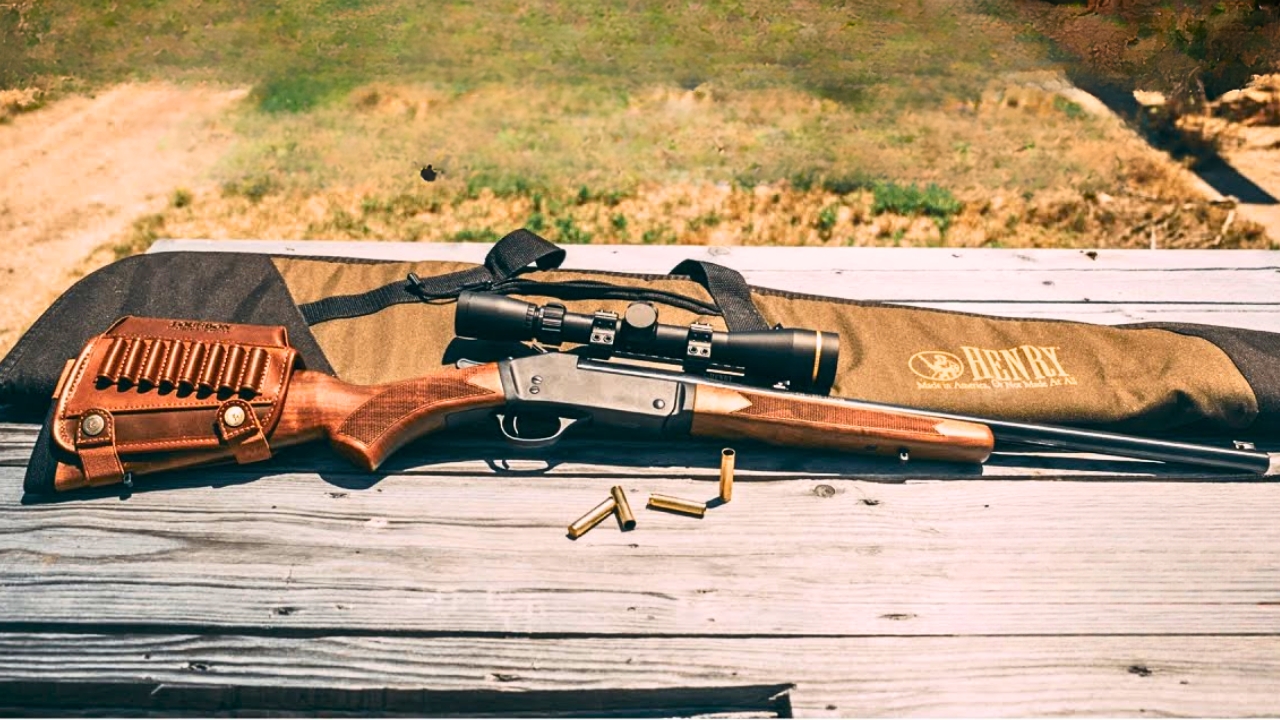
Henry’s Single Shot rifles are rugged, but they ship with triggers that are often heavier than ideal and stocks that benefit from bedding. The break-action design also gains consistency when shooters polish certain internal surfaces.
Once tuned, the rifles shoot well and remain dependable. Out of the box, the heavy trigger and pressure-sensitive stock can make accuracy harder to achieve than it should be. Most shooters modify them early.
Ruger American Predator

The Predator shoots well for its price, but the original green stocks were flexible enough to touch the barrel under light pressure. Many shooters bed the stock or replace it with stiffer aftermarket options. Some also upgrade the bolt shroud and magazine system.
With a stiff stock and better magazine fitment, the Predator becomes far more capable. Without those changes, it leaves too much performance on the table for anyone training seriously.
Norinco JW-15

The JW-15 is a functional rimfire rifle modeled after older European designs, but the triggers vary drastically between rifles, and the stocks often warp with humidity. Magazines also require tuning to feed properly.
Aftermarket triggers, bedding, and magazine adjustments turn it into a respectable bolt-action .22. But straight from the factory, it needs hands-on attention to become truly usable.
Remington 7420 Carbine

This lesser-known semi-auto .30-06 often suffers from feeding issues tied to worn magazine lips and inconsistent gas regulation. Shooters frequently replace the magazines, polish the chamber, and tune the gas system before the rifle runs reliably.
Once updated, the rifle becomes much more dependable. Out of the box—even when new—it was known for cycling issues that required aftermarket intervention.
Browning BAR Mark II Lightweight Stalker

The lightweight design makes the rifle handy, but the stock’s fore-end pressure varies with sling tension, affecting accuracy. Many shooters bed the fore-end or install tensioning systems to stabilize point-of-impact.
With upgrades, the rifle is smooth and reliable. Without them, accuracy can drift whenever the rifle is rested differently. It’s a situation where a small amount of aftermarket work makes a major improvement.
Winchester 670

The 670 was a value version of the Model 70, but the factory sights, stock, and trigger were stripped-down. The stocks often need bedding, and many shooters install new triggers to tighten groups.
Once improved, the rifle shoots well. But in factory trim, it feels incomplete, and shooters usually invest in upgrades before taking it seriously.
Marlin MR7
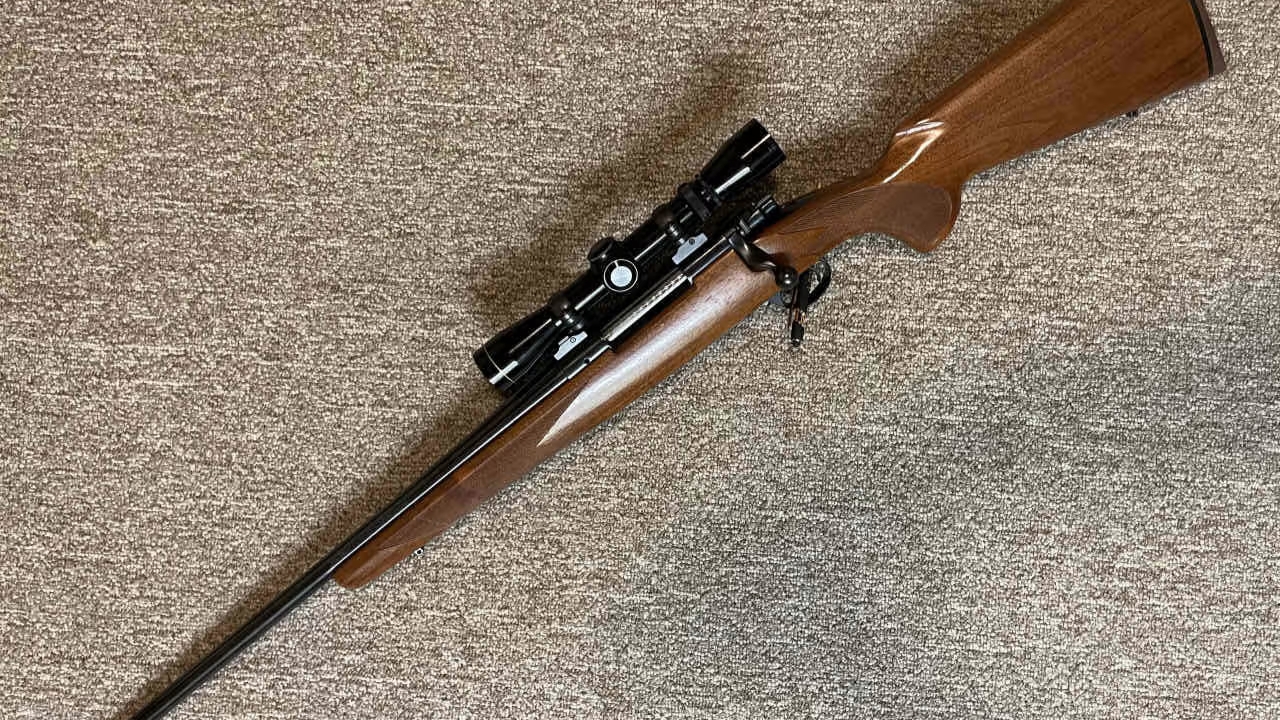
The MR7 had a short production run, and while the action is solid, the triggers were often heavy and the stocks lacked the stability needed for consistent accuracy. Most owners immediately replaced both.
With aftermarket parts, the MR7 becomes capable, but without them, it feels dated and unrefined. It’s a rifle that simply needs tuning before it reaches its potential.
Like The Avid Outdoorsman’s content? Subscribe to our newsletter so you never miss an article.
Here’s more from us: