Photo credit: BoomStick Tactical/YouTube
Handgun reliability has come a long way in the past two decades. Better metallurgy, tighter tolerances, improved magazines, and smarter recoil systems mean many older designs simply can’t keep pace with what newer pistols deliver straight out of the box. When you spend time training with modern handguns that run cleanly across different ammo types and environmental conditions, it becomes obvious how far the bar has been raised.
Some pistols that once looked viable now reveal issues with feeding, extraction, durability, or general consistency. These aren’t bad guns for what they were in their era—they’re simply behind the standard today, especially for people who train seriously or rely on a sidearm for defensive use.
Smith & Wesson Sigma Series
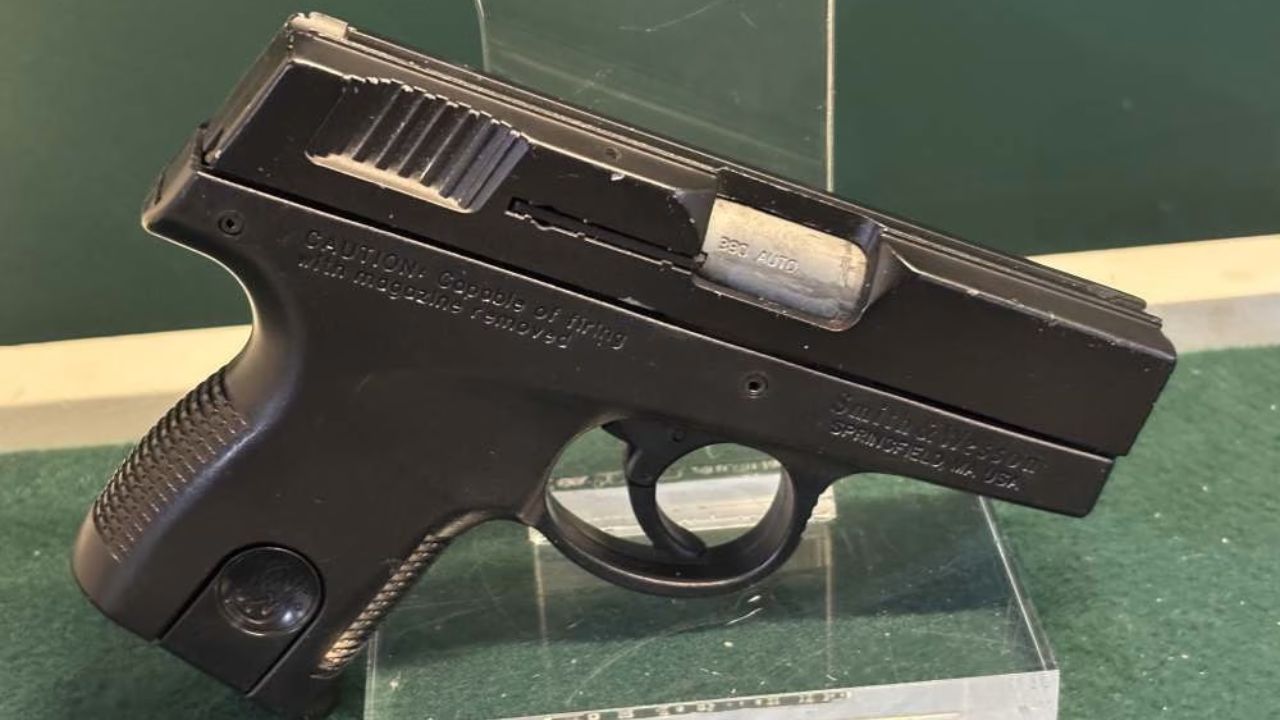
The Sigma series was affordable, but its long, heavy trigger and uneven reliability made it tough to run well under stress. Feed issues weren’t uncommon, especially with budget ammunition, and the early magazine design didn’t help. Once you start training with modern pistols that digest everything you feed them, the Sigma’s limitations stand out even more.
Shooters who transition to an M&P or any other modern striker-fired handgun immediately notice the difference. The Sigma runs adequately for casual use, but it can’t meet current performance expectations for high-round-count reliability or smooth, predictable operation.
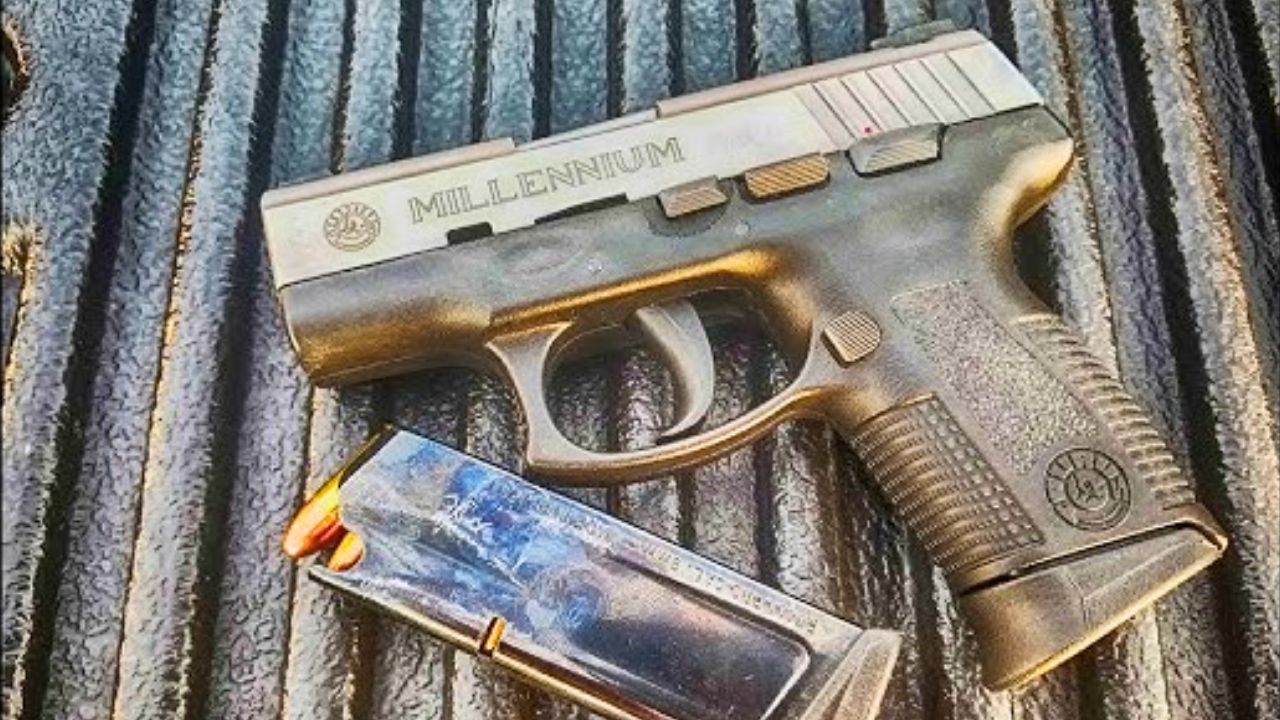
Taurus PT-111 Millennium (pre-G2 models)
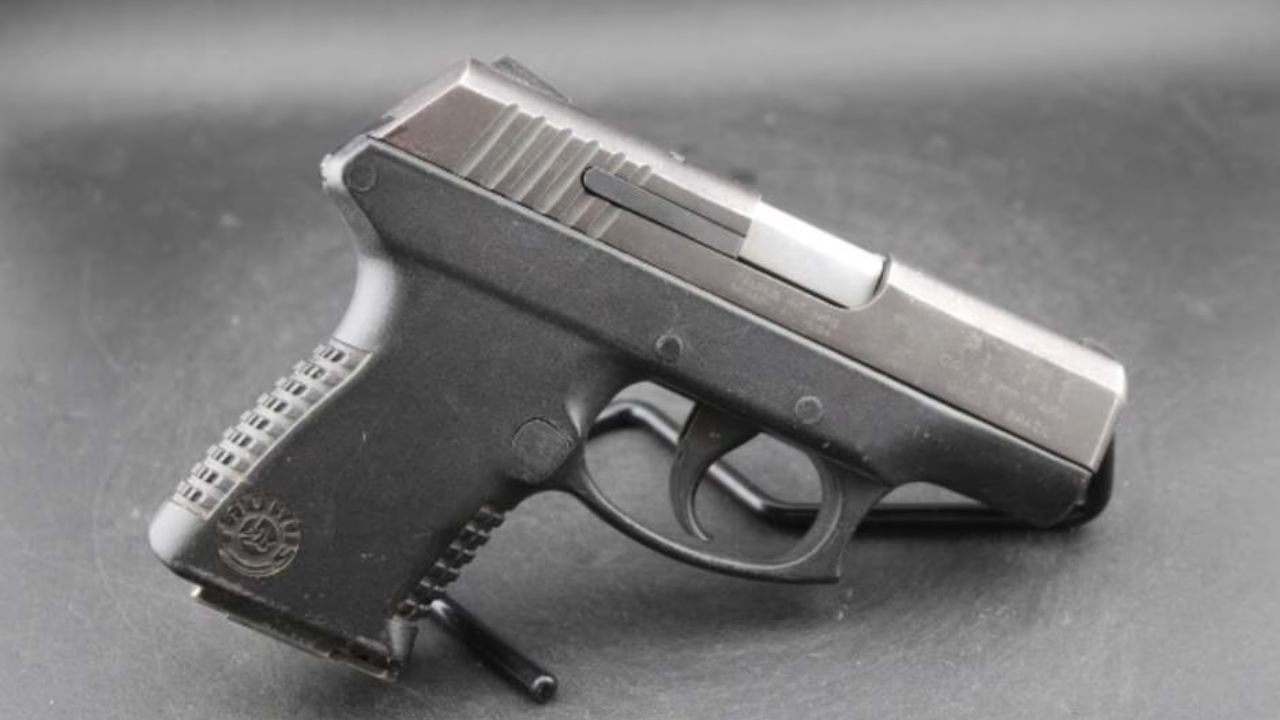
Before the G2 series tightened things up, the original PT-111 Millennium pistols struggled with cracks in the frame, inconsistent feeding, and safety-related recalls. The design never handled extended shooting well, and extraction problems showed up once round counts increased.
If you’ve ever run a G2c or any newer compact pistol next to the original Millennium, the gap in reliability is obvious. The early version falls short of today’s expectations for durability and consistent cycling, and most shooters quickly upgrade to something more trustworthy.
KelTec PF-9
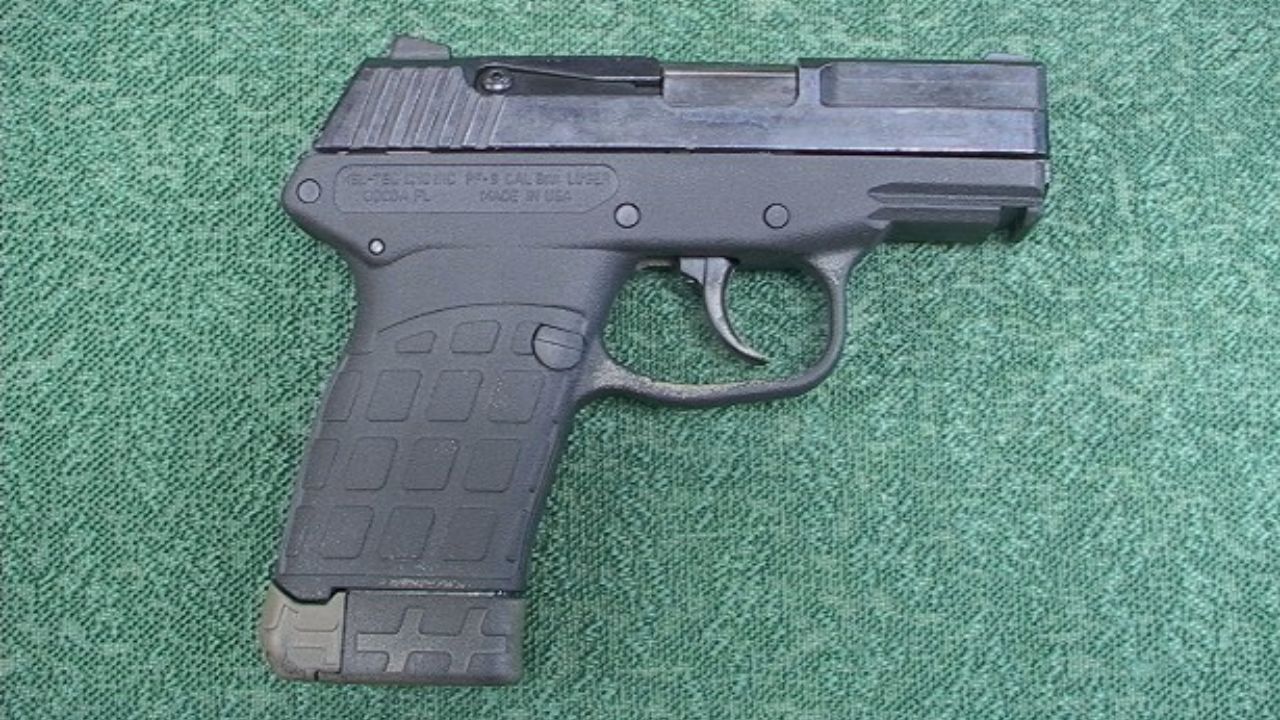
The PF-9 was one of the lightest 9mm carry pistols when it launched, but that low weight came with real trade-offs. The gun is snappy, the recoil springs wear quickly, and many owners experience feeding issues when the gun is dirty. The long trigger also makes rapid strings difficult.
Modern micro-compacts like the P365 or Hellcat run circles around it in both reliability and shootability. The PF-9 can still function as a deep-concealment option, but it’s nowhere near current standards for consistency under regular training.
Remington R51 (second-gen included)

The R51 had a rocky launch, but even the updated models struggled with consistent feeding and extraction. The hesitation-lock system worked in theory but proved finicky with various ammo types. Many shooters also reported cycling failures once the gun warmed up.
Next to modern compact pistols that run flawlessly straight from the box, the R51 feels unpredictable. Even shooters who wanted to love the design often retired it early because it simply couldn’t meet the reliability expectations of a primary carry handgun.
Kimber Solo

The Solo required premium ammunition with specific pressure profiles to function reliably. While accuracy was respectable, the strict ammo requirements created real limitations for defensive use. Many owners found the gun unreliable with common range ammunition, leading to frequent stoppages during practice.
Today’s micro-compacts are far less picky and far more durable. When you compare a Solo to any newer compact 9mm, it becomes clear how far reliability has advanced—and why the Solo fell behind quickly.
SIG Sauer P238 (high-volume use)
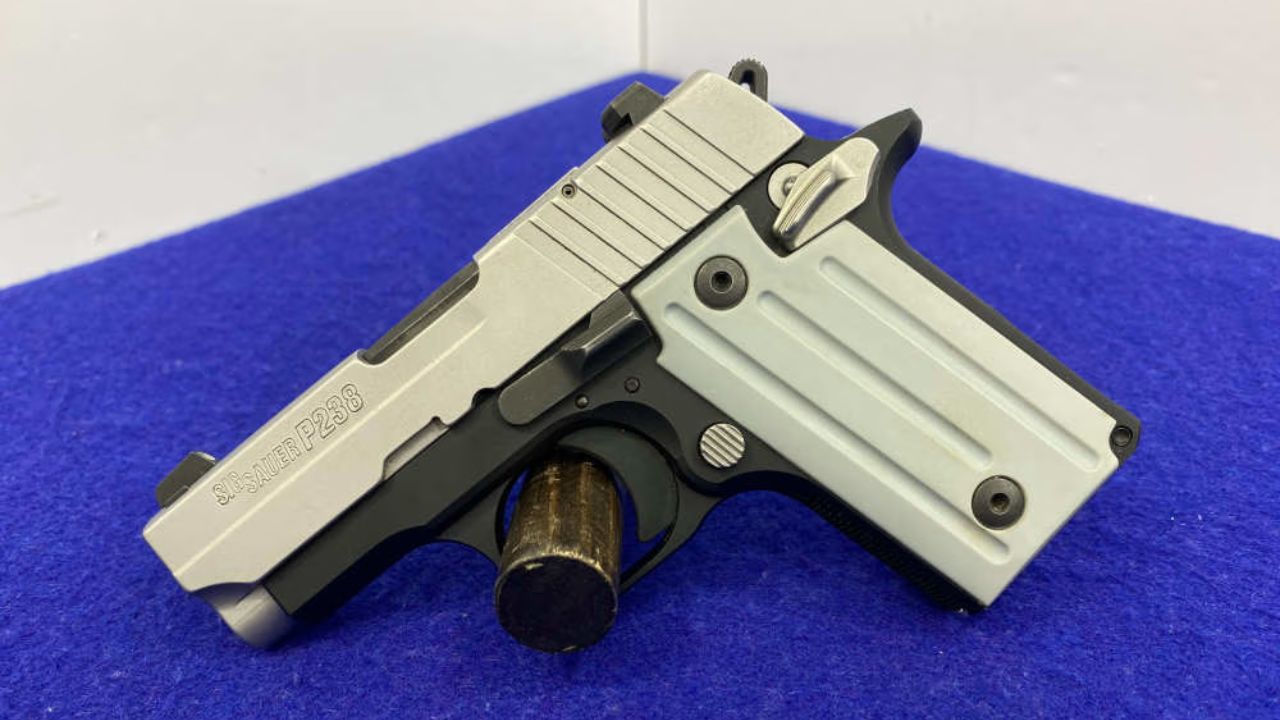
The P238 can run well for light use, but when subjected to serious training cycles, issues start appearing. Its small 1911-style design is sensitive to limp-wristing, magazine wear shows up early, and dirty conditions can bring on failures to feed.
Shooters who practice daily or weekly often find the platform too finicky for long-term defensive use. It’s pleasant to shoot, but compared to modern micro-compacts designed for high round counts, it struggles to keep pace.
Beretta Nano

The Nano was built with clean lines for easy carry, but its reliability record is mixed. Many early models had trouble extracting spent cases, especially with certain bullet profiles. The lack of an external slide stop also made malfunction clearance slower during training.
Modern Beretta APX variants overshadow the Nano in reliability and performance. Once you run something newer from Beretta—or any modern striker pistol—you see how limited the Nano feels under real-world training demands.
Walther CCP (original, non-M2 version)

The first-generation CCP used a gas-delayed blowback system that produced excessive heat and was prone to stoppages when dirty. Disassembly was also notoriously difficult, discouraging proper cleaning, which only increased reliability issues over time.
Walther corrected many shortcomings in the M2 version, but the original CCP remains behind modern expectations. High-volume shooters quickly discovered its shortcomings and moved on to pistols that handle stress and dirt far better.
Taurus PT-709 Slim
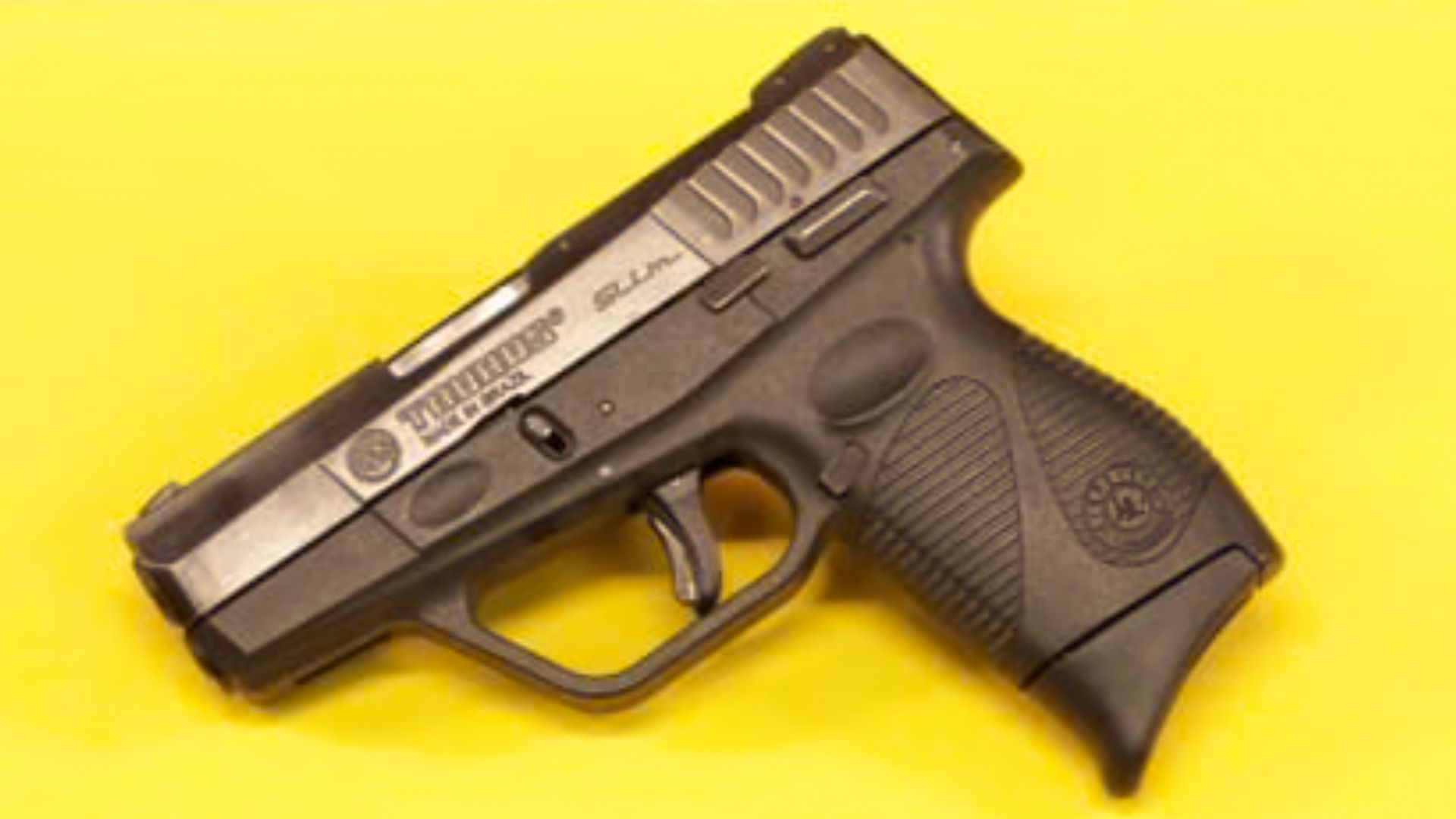
The PT-709 Slim was compact and affordable, but reliability wasn’t consistent across samples. Some guns fed well, while others showed persistent failures to extract or light primer strikes. The trigger design also proved unpredictable during rapid drills.
Compared to today’s compact 9mm field, the 709 feels dated and erratic. Most shooters who tried training regularly with it eventually replaced it with a pistol that offered more stable performance and better long-term durability.
SCCY CPX-1

SCCY improved its pistols over time, but the early CPX-1 models with the manual safety were prone to accidental engagement during firing, causing abrupt stoppages. The long, heavy trigger made accurate follow-up shots difficult, and extraction issues showed up with certain ammunition.
The CPX-2 resolved some problems, but the CPX-1 remains behind current reliability norms. Shooters who train heavily often move past it quickly in favor of guns that can hold up to realistic defensive practice.
Zastava EZ9
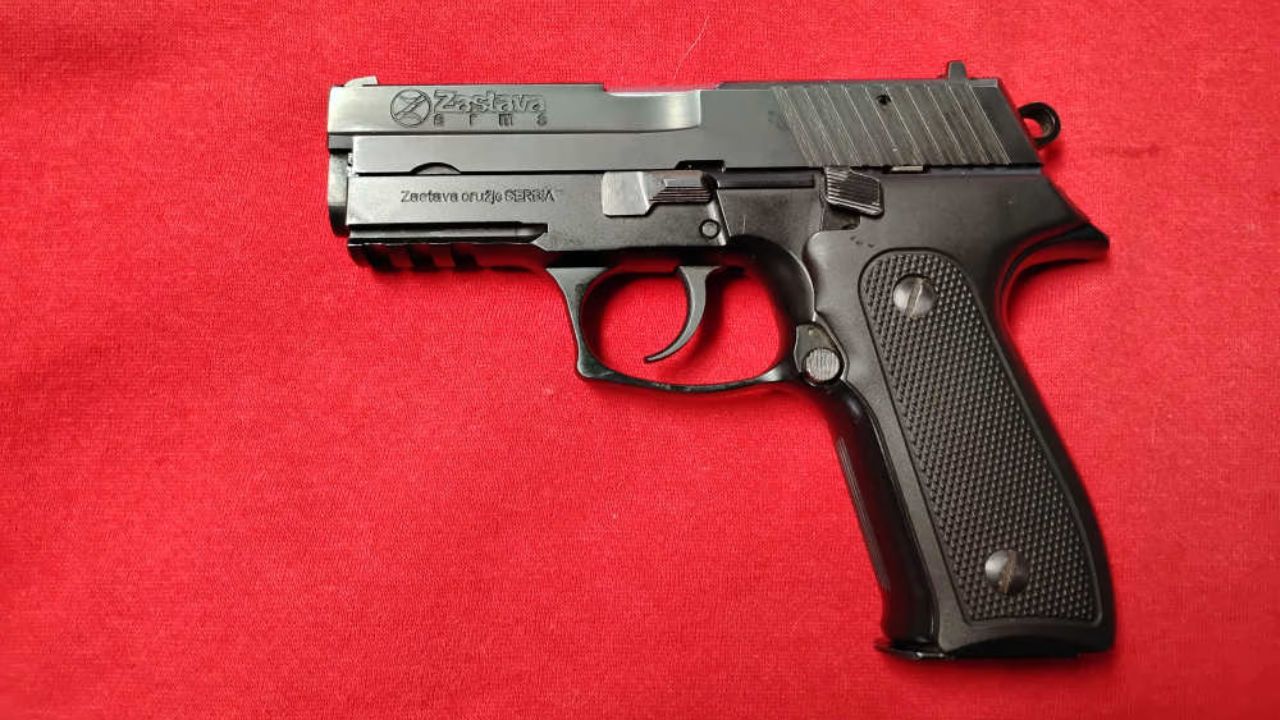
The EZ9 is rugged in appearance but has a reputation for spotty reliability with hollow points and occasional extraction issues. The heavier DA trigger makes early shots inconsistent, and the gun doesn’t cycle as smoothly as modern duty pistols.
When you spend time with more refined DA/SA guns or modern striker pistols, the EZ9’s rough edges become clear. It can run well with specific ammunition, but it doesn’t match current standards for reliability across varied conditions.
Hi-Point C9

Hi-Point pistols can function in controlled environments, but their blowback-operated design and heavy slides make them sensitive to grip variations and certain ammunition. Malfunctions become more frequent during extended training sessions, especially once fouling builds.
Compared to modern striker-fired guns engineered for thousands of rounds without issue, the C9 falls well short. Many owners eventually upgrade once they experience a pistol with smoother cycling and more predictable reliability.
Charter Arms Pitbull (9mm variant)
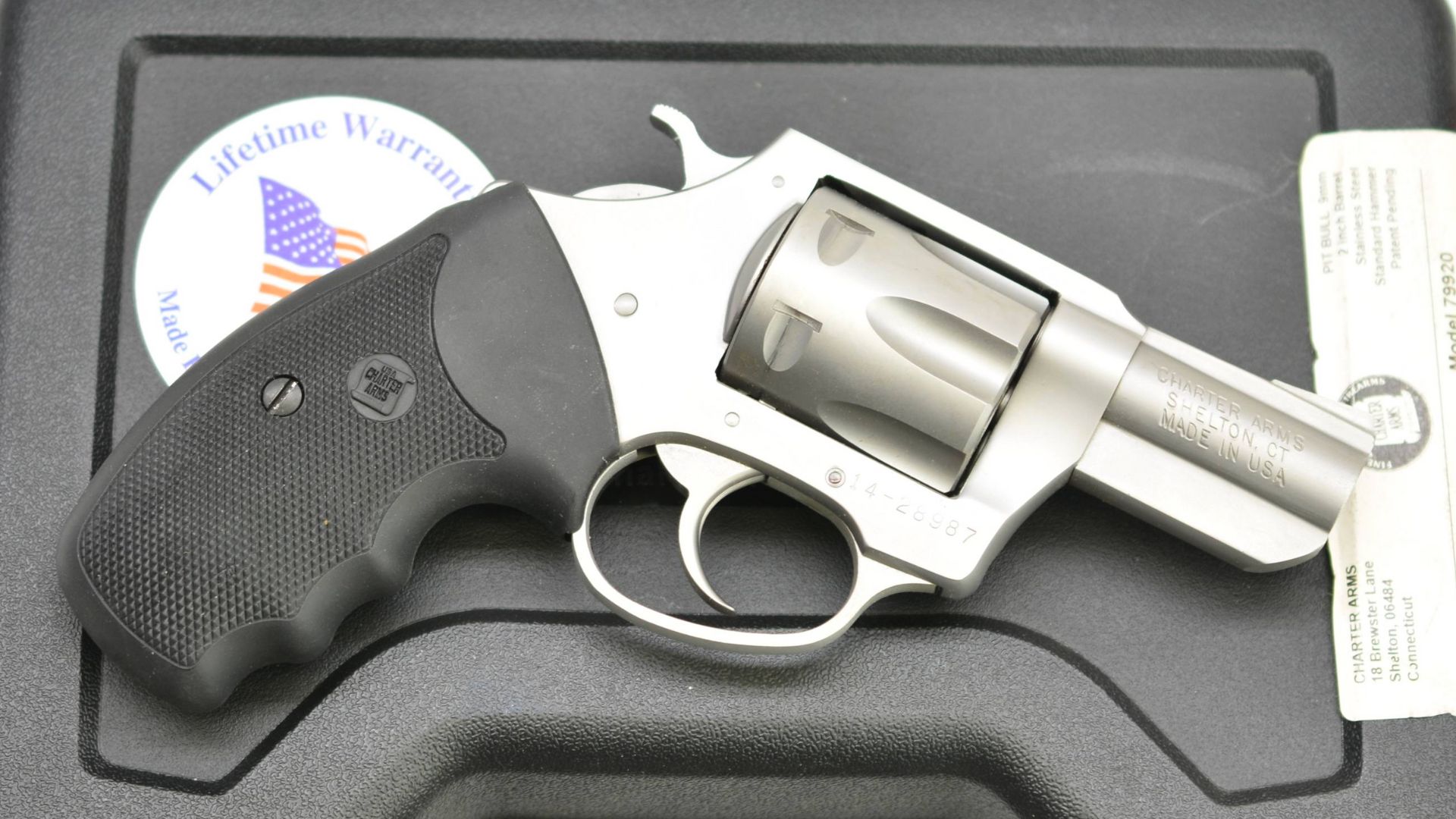
The Pitbull’s extraction system for rimless cartridges is clever but not always consistent. Some shooters report sticky extraction, cylinder binding, and sensitivity to different case coatings during longer shooting sessions.
While it can be workable for low-volume shooters, those who practice often see the problems quickly. Modern revolvers built around traditional calibers handle high-round-count use much more reliably, leaving the Pitbull behind.
Colt Mustang Pocketlite (original production)
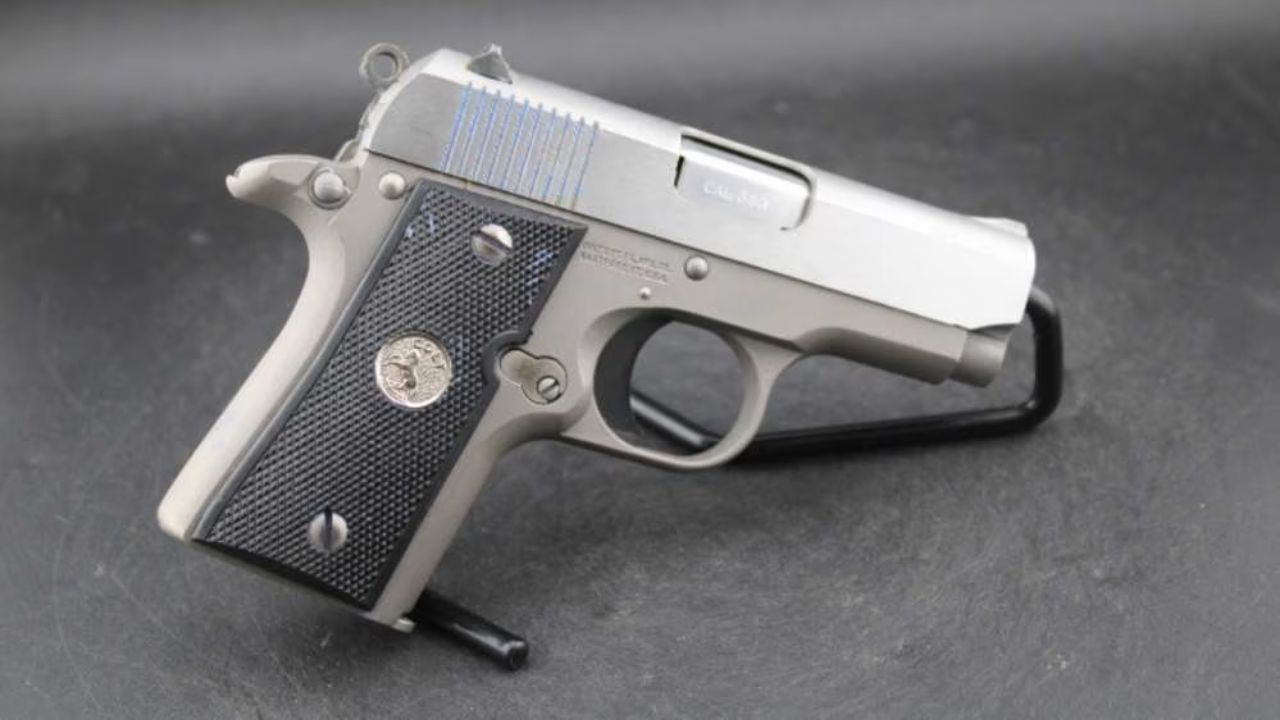
The Mustang Pocketlite is lightweight and compact, but reliability varies widely among older examples. Feeding issues with hollow points are common, and the small controls make it tough to run efficiently during drills.
Modern micro .380 pistols offer stronger springs, better materials, and cleaner cycling. Once you train with those, the Pocketlite’s limitations become hard to ignore.
AMT Backup

The AMT Backup was a product of its time, and while it offered deep concealment, it’s known for harsh recoil, tough triggers, and frequent feed issues. The gun also struggled with durability under regular shooting, making it a poor match for modern training routines.
When you compare it to today’s reliably engineered pocket pistols, the Backup feels crude and inconsistent. Most shooters retire it quickly after experiencing something more stable and predictable.
Like The Avid Outdoorsman’s content? Subscribe to our newsletter so you never miss an article.
Here’s more from us: