Photo credit: 69isleros/GunBroker
Some guns look good on paper until you spend time trying to keep them running. Extra levers, odd lockups, fragile components, and design quirks all add places where things can fail. When you’re used to rifles and pistols that run clean even under pressure, these problem-prone guns stand out fast. You notice parts loosening, cartridges hanging up, or actions that feel like they were never meant for real work.
This isn’t about nostalgia or collectability. It’s about firearms that introduce more to worry about than they solve. Once you’ve trained with dependable platforms, you can spot the ones that carry more failure points than useful features.
Remington R51

The R51 brought a unique hesitation-lock system back into production, but the design proved far too sensitive to ammunition and fouling. Once the gun warmed up, failures to extract and feed became common. Even the updated version struggled with consistent cycling, especially when you pushed past a few magazines.
During regular training, those issues come up quickly. The controls feel fine in dry fire, but the gun’s internals don’t tolerate grit or varied loads. Many shooters set the R51 aside after trying to keep it running for more than a few sessions because it creates more headaches than confidence.
SIG Mosquito

The SIG Mosquito sounds appealing as a training pistol, but its downsized action and stiff springs rely on narrow ammunition options. If you’re not feeding it hot .22 LR loads, you’re likely dealing with failures to feed, weak ejection, or outright stalling. Even well-kept models are known to become finicky with slight fouling.
Once you compare it to modern rimfire trainers that cycle anything, the Mosquito’s shortcomings become clear. It looks like a scaled-down duty pistol, but the construction and internal design introduce far too many points where reliability breaks down.
KelTec PMR-30
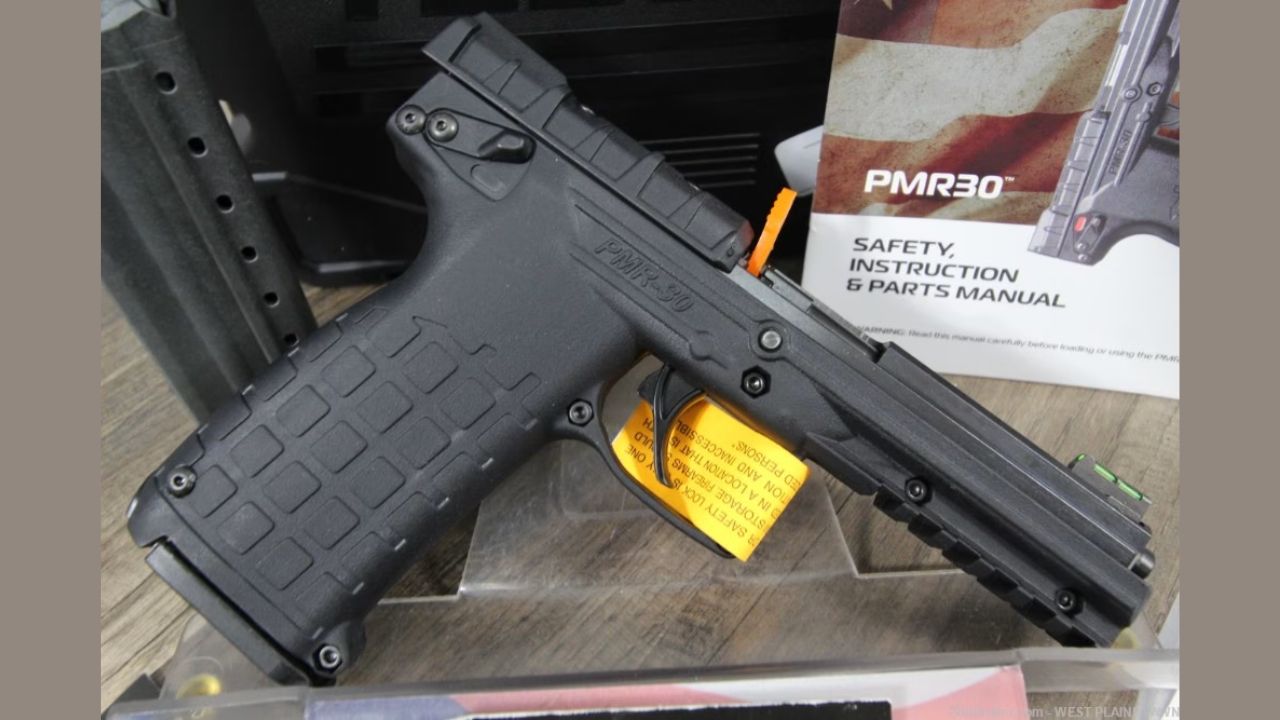
The PMR-30’s lightweight design and high capacity are tempting, but the pistol’s operation relies heavily on clean chambers and consistent ammunition. The .22 WMR cartridge adds pressure swings that the PMR doesn’t always absorb well, leading to misfires or failures to fully chamber. Heat buildup also affects reliability during longer strings.
Because the magazine is unusually flexible, loading inconsistencies can create additional problems. People enjoy the PMR-30 for recreational use, but it’s not a gun you count on. Its design offers plenty of features but even more places where things can stop working.
Taurus PT-22

The PT-22 has a simple tip-up barrel system, yet it struggles with reliable cycling due to its sensitivity to rim thickness, lubrication, and fouling. The tiny slide and minimal mass leave little room for error. Failures to feed are common when using bulk ammunition, and extraction can suffer once the chamber gets dirty.
For casual plinking, the pistol is fine, but it doesn’t tolerate long sessions or varied ammo. When you’re used to modern compact pistols that run for hundreds of rounds without complaint, the PT-22 feels like it trades dependability for novelty.
Winchester Model 190
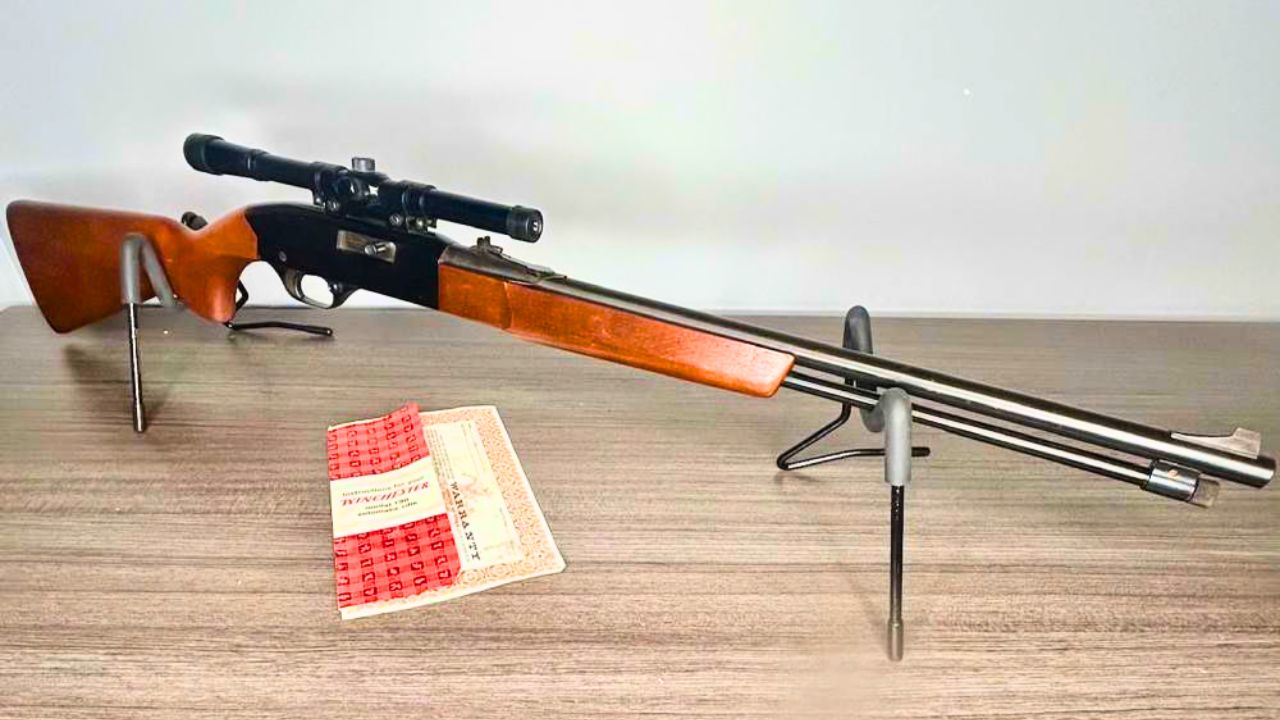
The Model 190 was a popular .22 LR rifle, but its blowback mechanism and small internal parts tend to gum up quickly. The action cycles aggressively, which accelerates wear on key components. Misfeeds become more common as the rifle ages, especially if the buffer deteriorates.
Cleaning helps, but it doesn’t solve the underlying design limitations. Any rifle that requires constant attention to keep functioning is difficult to trust. Many shooters retire the Model 190 once they’ve experienced modern rimfires that stay accurate and reliable through heavy use.
Remington 597 (.22 LR, early magazines)
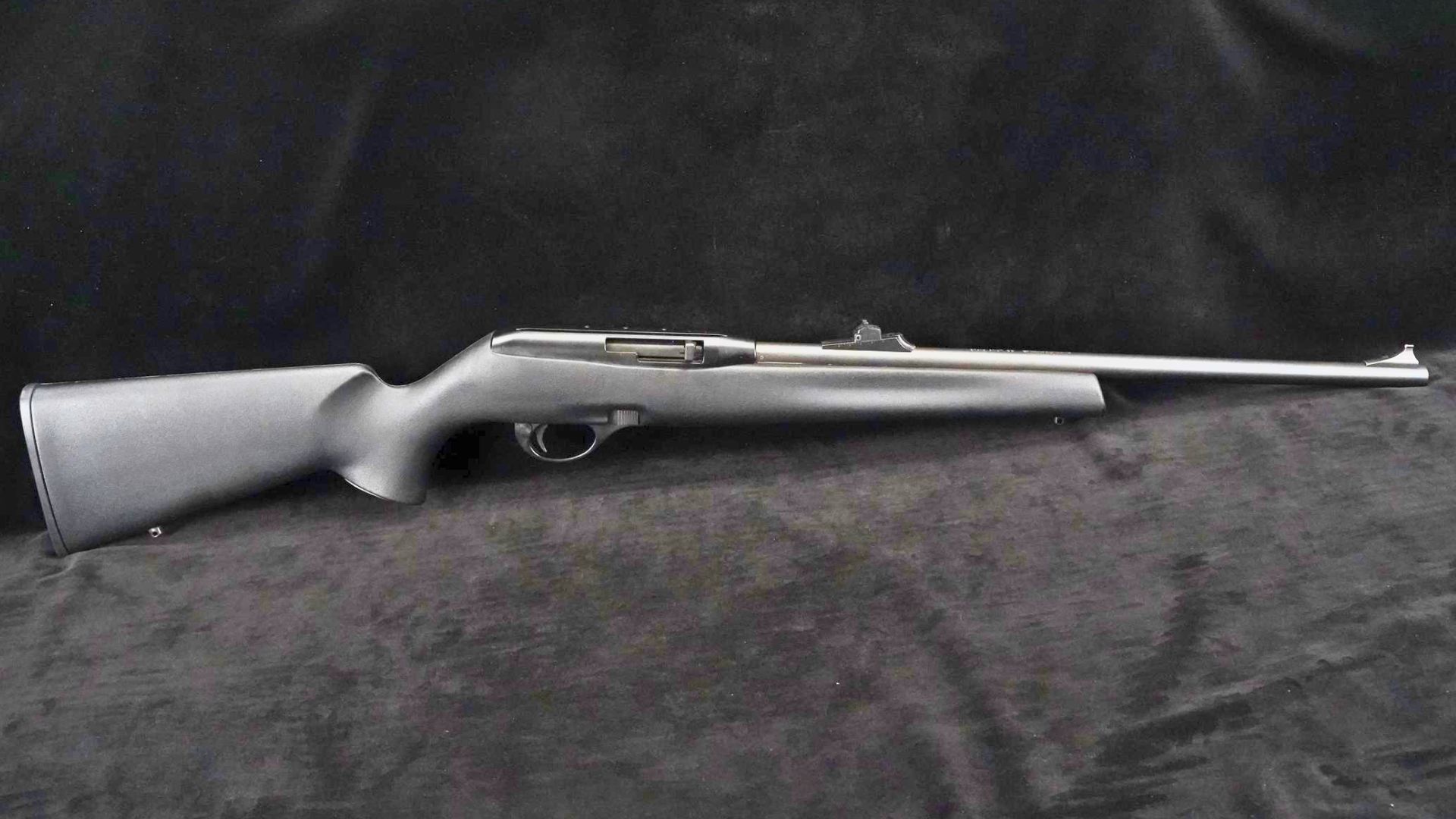
The Remington 597 had potential, but early magazines created a long list of reliability complaints. The staggered feed lips wore out quickly, leading to nose-dives and double feeds. Even with improved mags, the rifle’s bolt system didn’t always stay consistent under fouling.
During long practice sessions, the 597 struggles to keep pace with rifles that handle bulk ammo without issue. Once shooters try something like a Ruger 10/22 or a CZ rimfire, the 597’s tendency to choke becomes hard to overlook.
AMT Hardballer

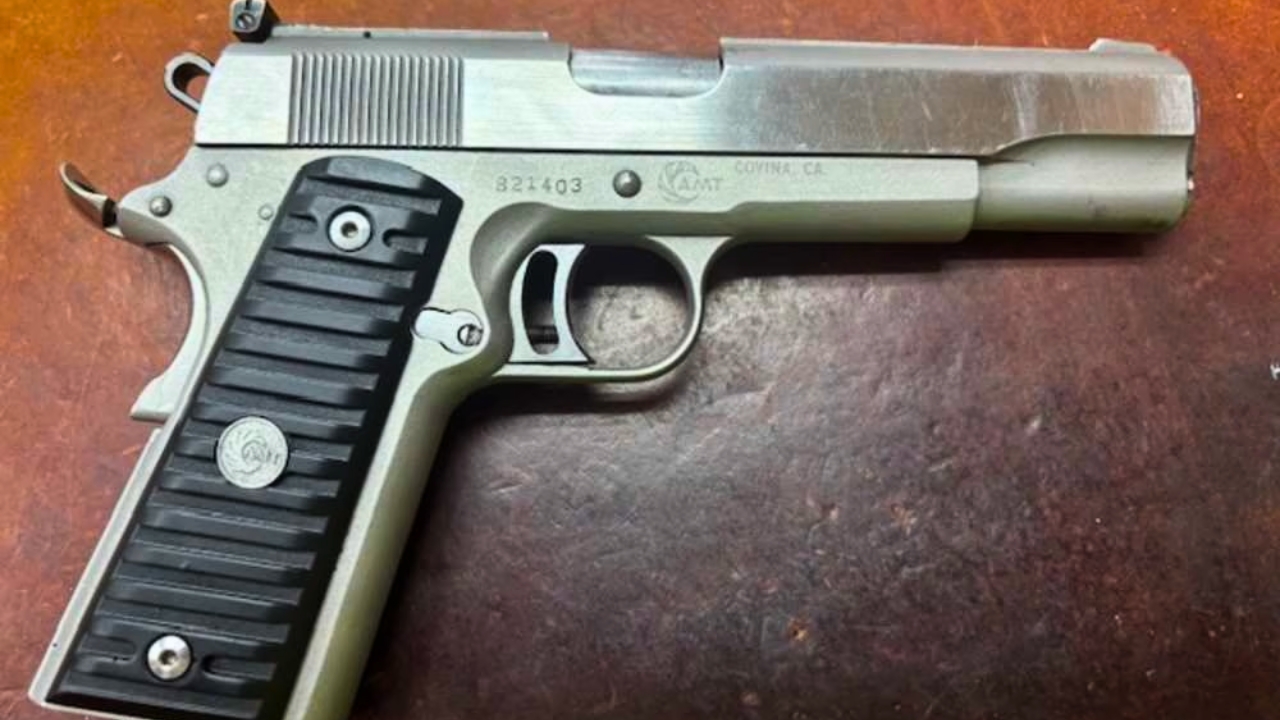
The AMT Hardballer brought stainless-steel construction to a familiar 1911 pattern, but rough machining and inconsistent fitting caused reliability issues. Failures to feed were common, especially with hollow points, and the slide-to-frame fit often felt gritty even when lubricated.
Under extended shooting, parts wear accelerated and tolerance stacking showed itself in the form of malfunctions. Shooters who appreciate 1911s typically move to more refined builds after dealing with the Hardballer’s unpredictable performance.
Jennings J-22

The J-22 is ultra-compact, but its zinc-alloy construction and minimal mass introduce serious durability concerns. The small slide struggles to cycle reliably, especially once the pistol gets warm or dirty. Misfires and failures to extract are frequent, and the firing pins have a history of breaking under regular use.
Anyone training regularly quickly realizes it can’t keep up with modern pocket pistols. The design is simple, but every wear point becomes a potential failure point the moment you start shooting in meaningful quantities.
Walther P22 (early production)

The early Walther P22 models were extremely sensitive to ammunition and magazine condition. Feed issues appeared often, and the slide could begin peening at the rear from repeated impact. The gun’s lightweight polymer construction and unusual slide geometry also contributed to inconsistent cycling.
Later revisions improved many flaws, but the first versions remain unreliable for high-volume use. When compared to updated rimfire platforms, the early P22 feels like a pistol with more weak spots than strengths.
Rossi Circuit Judge
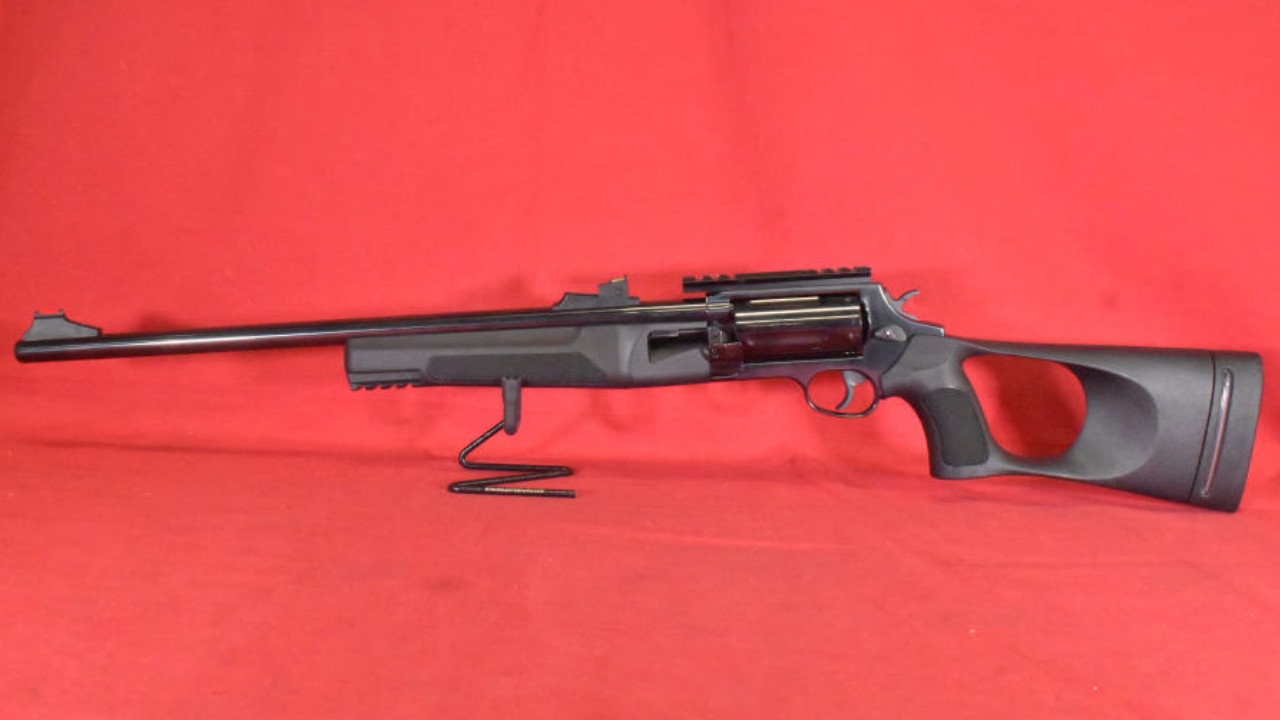
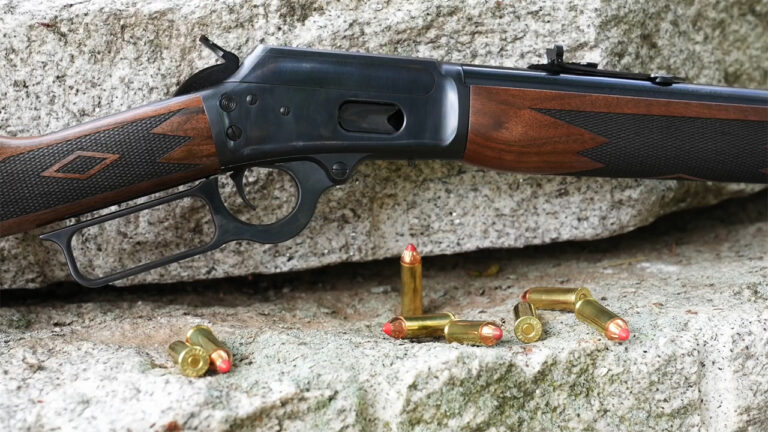
A revolving-rifle design raises inherent concerns, especially with cylinder gap blast and heat. The Circuit Judge compounds those issues with a lightweight stock and limited durability under heavy use. Fouling builds at the forcing cone rapidly, and the transfer bar system can become inconsistent as residue collects.
As a novelty, it’s interesting. But once you run it repeatedly, you start seeing why the design never gained serious traction. There are simply too many areas where function can drop off.
Cobray M11/9 (commercial variants)

Commercial M11/9 pistols often suffer from feeding problems tied to magazine geometry and inconsistent manufacturing. The heavy bolt and rapid cyclic rate also contribute to malfunctions when tolerances aren’t perfect. Many models require aftermarket parts to run reliably.
Shooters who train seriously soon realize the design was not refined for consistent semi-automatic use. Without modification, it presents more reliability challenges than most people want to deal with.
Iver Johnson TP-22
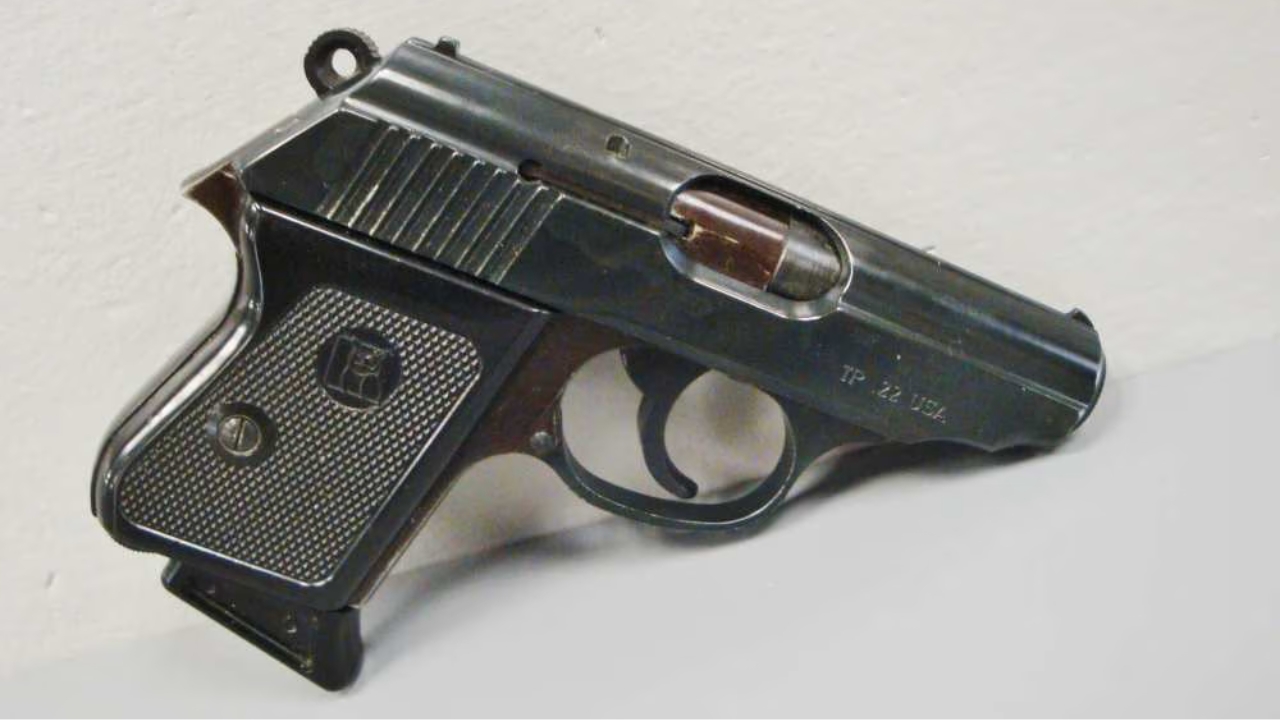
The TP-22 is lightweight and compact, but the build quality varies widely. Weak springs, soft metal parts, and loose tolerances lead to feed issues once the gun has even moderate wear. Rimfire pistols already operate close to the edge, and the TP-22 gives itself very little room for error.
When you train regularly, the problems accumulate. Many shooters eventually move on to sturdier rimfire pistols that can handle real use without constant tinkering.
Taurus Judge (short-barrel models)

Short-barrel Judge models struggle to stabilize .45 Colt loads and often produce erratic patterns with .410 shells. The mix of calibers results in compromises in cylinder length, forcing cone geometry, and barrel performance. The design also generates significant fouling, which can bind the action over time.
While the Judge has a strong following, its mechanical compromises introduce multiple failure points compared to dedicated defensive pistols. Shooters with consistent training routines often replace it with more predictable platforms.
Kimber Solo Carry

The Solo Carry was known for needing premium ammunition to function consistently. Standard-pressure or bulk ammunition frequently caused failures to feed or return to battery. Its tight tolerances felt great in hand but left little margin for real-world conditions or extended training.
Most shooters found themselves troubleshooting more than shooting. Modern micro-compacts run across a wider range of loads, making the Solo feel like it prioritizes design elements that don’t translate to dependable function.
Remington RP9

The RP9 attempted to bring an affordable, full-size polymer pistol to market, but inconsistent QC plagued the platform. Extractors varied in performance, some guns had poor magazine retention, and the trigger geometry led to unpredictable resets during rapid fire.
High round counts exposed weaknesses quickly, and many shooters reported malfunctions even with premium ammunition. Once you’ve used a modern pistol with consistent machining and reliable parts, the RP9 feels like it carries more potential problems than practical features.
Like The Avid Outdoorsman’s content? Subscribe to our newsletter so you never miss an article.
Here’s more from us: