Photo credit: Kay Dubz/YouTube
Every firearm eventually needs maintenance. Carbon hardens, grit works into moving parts, and old lubricant can become thick enough to slow an action. Even a famously dependable gun can fail when the chamber, magazine, or firing-pin channel is neglected long enough.
Some designs still give careless owners far more breathing room than others. They use simple operating systems, durable finishes, oversized extractors, loose duty-style clearances, or gas systems that keep fouling away from critical components. These 20 guns are not maintenance-free, but they are far less likely to demand cleaning after every range trip.
Glock 19 Gen 3

The Glock 19 Gen 3 built much of its reputation on functioning without constant attention. Its striker-fired system uses relatively few components, while the polymer frame avoids the corrosion problems that affect neglected steel-framed handguns.
The pistol can accumulate a surprising amount of carbon around the barrel hood, locking surfaces, and slide rails before reliability changes noticeably. Magazines and ammunition still matter, and the firing-pin channel should not be filled with oil. For owners who wipe down a gun occasionally but rarely perform a detailed cleaning, the Glock 19 remains one of the safest choices.
Glock 21 Gen 4

The Glock 21 applies the same straightforward design to the .45 ACP cartridge. Its large slide, generous internal dimensions, and relatively mild operating pressure give fouling more room to accumulate without immediately slowing the pistol.
The thick grip does not suit every shooter, but it provides plenty of control and houses a durable double-stack magazine. A dirty extractor or damaged magazine can still cause trouble. Under ordinary neglect, the Glock 21 generally keeps running longer than tightly fitted .45-caliber pistols that depend on careful lubrication.
Heckler & Koch USP 9

The USP was developed around hard use rather than minimum size or low manufacturing cost. Its oversized slide, strong recoil system, polymer frame, and substantial internal parts give it a reputation for tolerating abuse.
The pistol remains dependable when dry, dusty, or heavily fouled, although no owner should intentionally test those limits with a defensive gun. The double-action trigger feels dated beside modern striker-fired systems, and the grip is bulky. Those compromises become easier to accept when the gun continues functioning through conditions that stop more refined pistols.
Heckler & Koch HK45

The HK45 combines a polymer frame with a large .45 ACP slide and HK’s recoil-reduction system. It was designed as a serious service pistol, and the operating system leaves more room for contamination than a tightly fitted competition handgun.
Its feed geometry works well with a broad range of defensive ammunition, and the external hammer gives the shooter a visible indication of the pistol’s condition. The HK45 is not compact or inexpensive. It makes sense for owners who value durability and do not want a handgun that becomes temperamental after several dirty range sessions.
SIG Sauer P229

The P229 was built around duty cartridges and police use. Its milled stainless slide, strong locking system, and alloy frame create a pistol that can tolerate substantial firing before demanding a detailed cleaning.
The exposed frame rails need lubrication, but they are easy to reach during a basic field strip. Carbon buildup around the breech face and extractor usually appears long before it becomes enough to stop the pistol. A neglected recoil spring or worn magazine can still create failures, but the core P229 design is considerably less delicate than many owners assume.
Beretta PX4 Storm Full Size
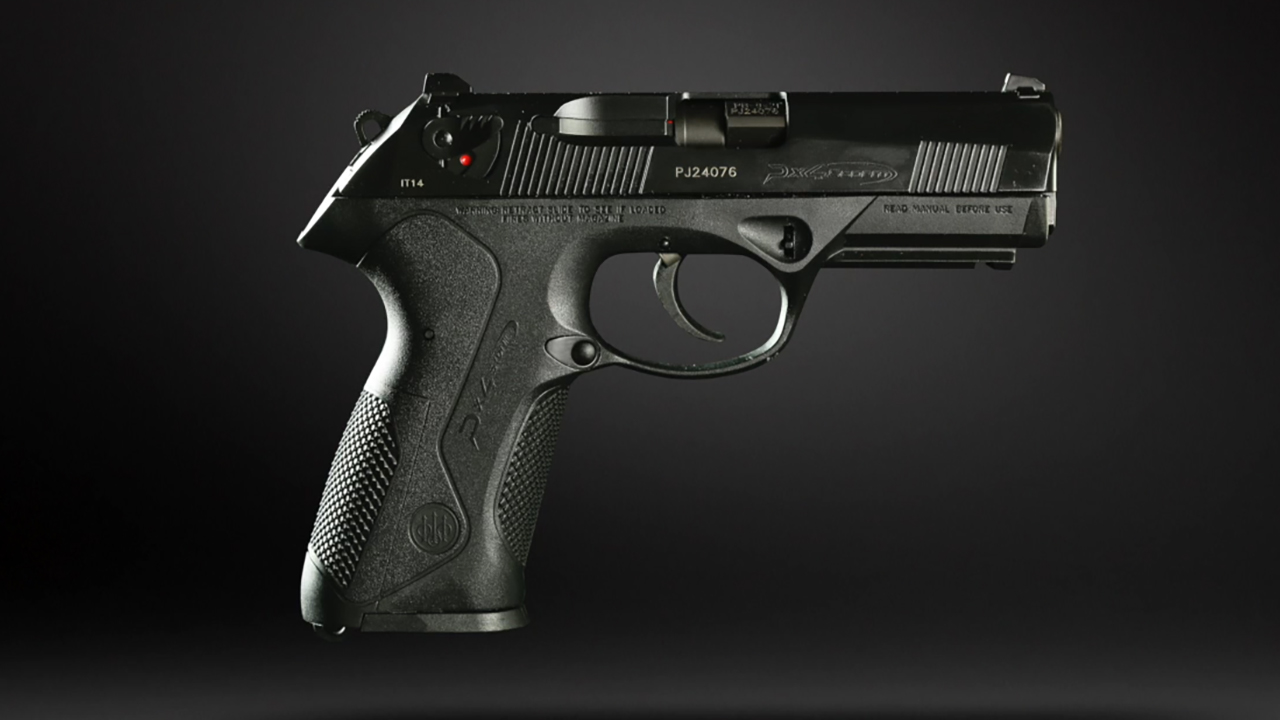
The PX4 Storm uses a rotating-barrel system that distributes movement differently from the common tilting-barrel design. Its full-size slide and polymer frame provide enough operating mass to continue cycling as residue collects.
The rotating surfaces still benefit from proper lubrication, but the pistol does not require precision-match cleanliness. Its enclosed action and broad feed path help it tolerate ordinary range neglect. The PX4 may look dated, yet it remains one of the better choices for someone who wants a hammer-fired pistol without a demanding maintenance routine.
FNX-9

The FNX-9 was designed as a durable duty pistol with a polymer frame, exposed hammer, ambidextrous controls, and traditional double-action operation. Its large controls and service-size internals were built around reliability rather than concealability.
The pistol can handle extended shooting with little more than fresh lubrication on the rails. Dirt and carbon have enough room to exist without binding the action quickly. It never became as popular as Glock or the M&P, but its rugged construction makes it a strong option for owners who are not obsessive about cleaning.
Ruger P95

The Ruger P95 looks and feels like a handgun built during an era when manufacturers solved problems by adding more material. Its polymer frame, chunky slide, and loose duty-style fit make it unusually tolerant of grime.
The trigger is ordinary, the grip is bulky, and the pistol lacks modern optics support. Those weaknesses do not matter much when the goal is simple function. Used P95s often look neglected externally while continuing to feed and fire with little complaint. It is difficult to make elegant, but equally difficult to make fragile.
Smith & Wesson 5906

The 5906 is a heavy stainless-steel duty pistol from Smith & Wesson’s third-generation semiautomatic line. It was built for police agencies that expected guns to survive constant carry, rough handling, and inconsistent maintenance.
Its weight helps the slide cycle with authority, while the feed system and magazines were thoroughly proven during years of service. The double-action controls are more complicated than a modern striker-fired pistol, but the action itself is extremely durable. A used 5906 may look worn and dirty while remaining mechanically dependable.
CZ 75 SP-01

The SP-01 is heavier and more complex than a polymer duty gun, but its full-length frame rails and substantial steel construction give it excellent long-term durability. The extra slide and frame mass help the pistol continue cycling even when fouling begins adding resistance.
It still needs lubrication because the slide rides inside the frame. A completely dry SP-01 can become sluggish before a loosely fitted Glock would. Owners who occasionally add oil but rarely scrub every surface generally find that the pistol keeps running through long sessions without difficulty.
Steyr AUG A3 M1

The AUG uses a short-stroke gas piston and sealed receiver design that keep much of the fouling away from the trigger mechanism and critical internal components. Its bolt and piston assembly are easily removed when the owner finally decides to clean it.
The bullpup layout feels unfamiliar, and the trigger is not refined. Mechanically, the rifle is built around military service and harsh conditions. It can fire substantial round counts before carbon buildup becomes a serious concern. The piston still needs occasional attention, but the AUG is far less demanding than rifles that vent hot gas directly into the receiver.
IWI Galil ACE Gen II
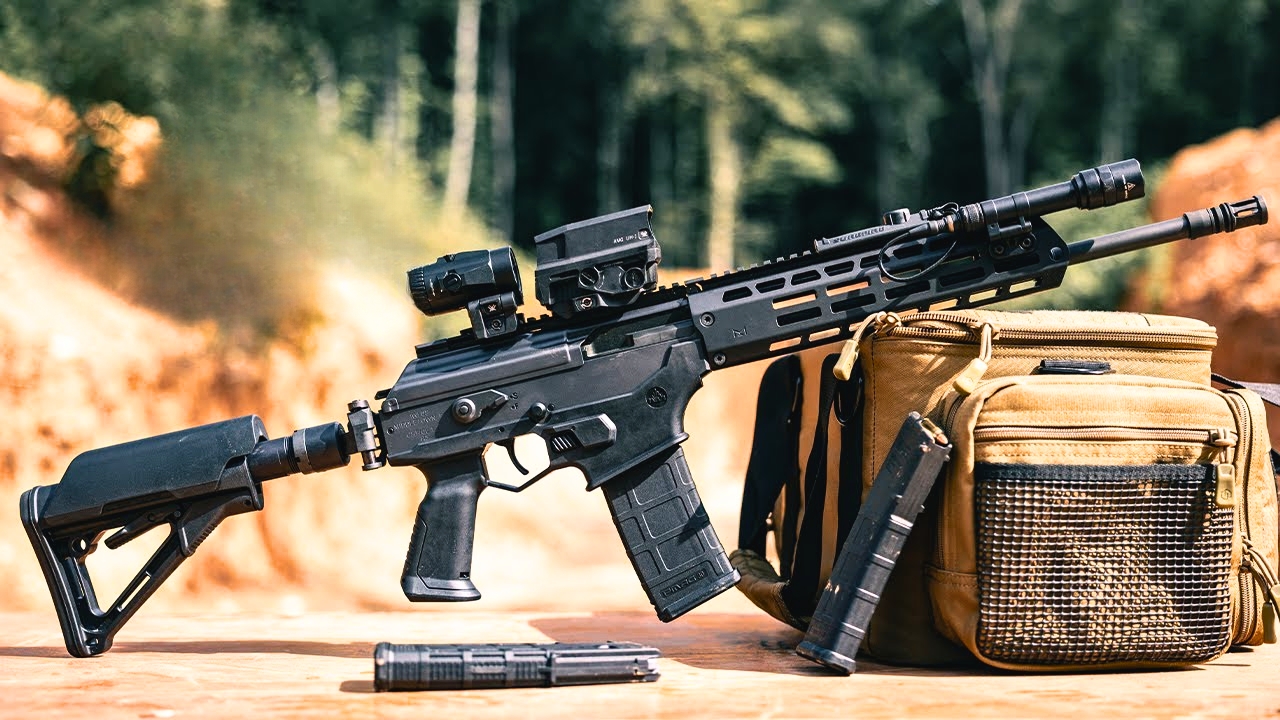
The Galil ACE takes the long-stroke piston and rotating-bolt system associated with the AK family and adds better controls, rails, and modern furniture. Its heavy carrier and generous internal clearances give debris less opportunity to stop the action.
The rifle is heavier than many AR-pattern carbines, but that mass contributes to its durable feel. Dust, carbon, and dried lubricant can accumulate without immediately causing short-strokes or failures to lock. Owners should still inspect the bore and gas system, especially after corrosive ammunition, but the ACE tolerates casual maintenance extremely well.
Zastava ZPAP M70
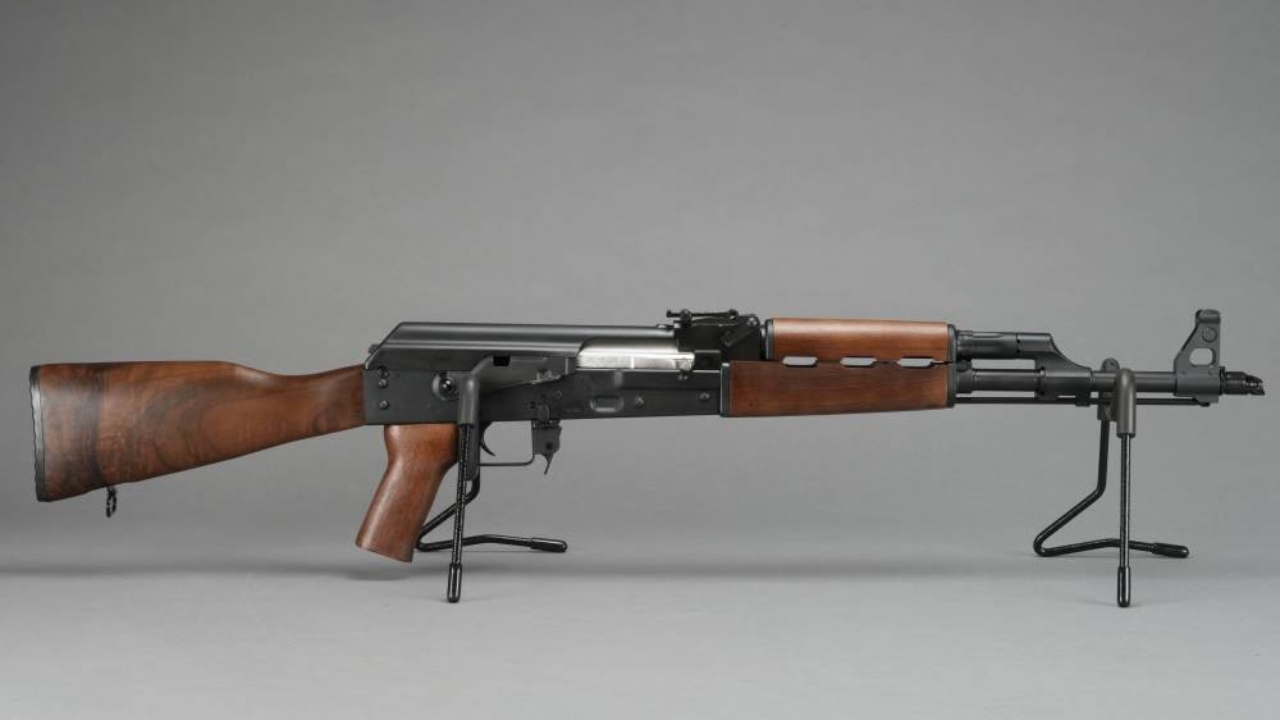
The ZPAP M70 uses a heavy receiver, bulged trunnion, long-stroke piston, and substantial bolt carrier. Those features give the rifle more weight than a basic AKM while also making it feel unusually durable.
Its action does not depend on tight receiver fit or delicate gas components. Carbon deposits around the piston generally look worse than they actually are. The rifle still needs protection from rust, and imported magazines vary in quality. Mechanically, the ZPAP is built for owners who may remember cleaning only after several trips.
Robinson Armament XCR-L

The XCR-L uses a long-stroke gas piston, adjustable gas system, and monolithic upper receiver. Its operating parts are large and straightforward, allowing the rifle to continue functioning as fouling accumulates.
The adjustable gas setting gives the owner room to compensate for ammunition, suppressors, or a dirty action. That does not mean turning the gas higher should replace maintenance forever. It does give the XCR-L more operating margin than rifles tuned closely around minimal recoil.
Ruger Mini Thirty

The Mini Thirty uses a fixed-piston gas system and Garand-style rotating bolt. Its action cycles with enough force to tolerate ordinary carbon and field debris without requiring frequent detailed cleaning.
Accuracy and magazine quality have generated more complaints than the operating system itself. With dependable magazines, the rifle generally functions well even when the action looks dirty. It is not the most modular 7.62x39mm rifle available, but it is less demanding than many owners expect from a traditional-looking semiautomatic.
Benelli M2 Field

The Benelli M2’s inertia-driven action keeps combustion gases out of the receiver. That gives it a major advantage for hunters who fire dirty shotshells and rarely take the shotgun apart during a season.
Residue still builds around the chamber, bolt head, and magazine system, but the action generally remains cleaner than a gas-operated semiautomatic. The shotgun needs enough recoil energy to function, so extremely light loads can still cause problems. With appropriate ammunition, the M2 is one of the better semiautomatics for owners who prefer occasional wipe-downs to frequent gas-system cleaning.
Browning Maxus II

The Maxus II is gas operated, but its piston system is designed to manage fouling and continue functioning through high-volume hunting and clay use. The action directs gas into components that are relatively easy to access during a basic cleaning.
Gas shotguns will eventually become sluggish when ignored, and the Maxus is no exception. It simply provides a larger window before that happens than many older systems. Waterfowl hunters who fire dirty magnum loads often appreciate that the shotgun can finish a season before demanding a serious teardown.
Beretta A400 Xtreme Plus

The A400 Xtreme Plus was designed around hard waterfowl use, where mud, cold weather, moisture, and dirty 3½-inch shells are normal. Its gas system cycles a broad range of loads and uses substantial operating components.
The shotgun’s coatings and synthetic furniture help protect it when an owner leaves proper maintenance until the end of a trip. Carbon eventually builds around the piston and magazine tube, but the A400 generally continues cycling for long periods. It is expensive, but part of that price buys tolerance for owners who do not clean a shotgun after every hunt.
Mossberg 930 JM Pro
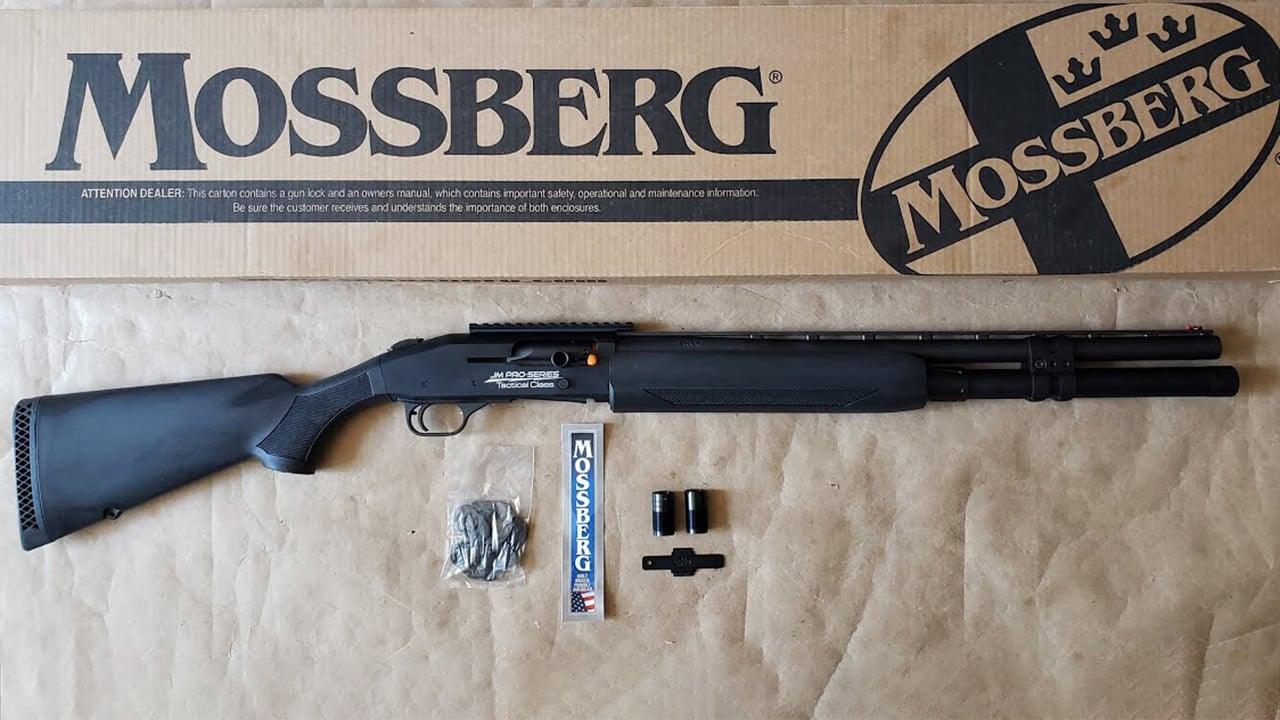
The 930 JM Pro was built for competition shooters who wanted higher capacity and faster controls without premium shotgun pricing. Its gas system can run through substantial round counts when properly set up.
The shotgun is not completely indifferent to fouling. The piston, magazine tube, and spacer system eventually require cleaning, particularly with low-quality shells. Compared with more delicate sporting semiautomatics, however, it gives owners enough operating margin to finish a match or several practice sessions before maintenance becomes urgent.
Henry Big Boy X Model
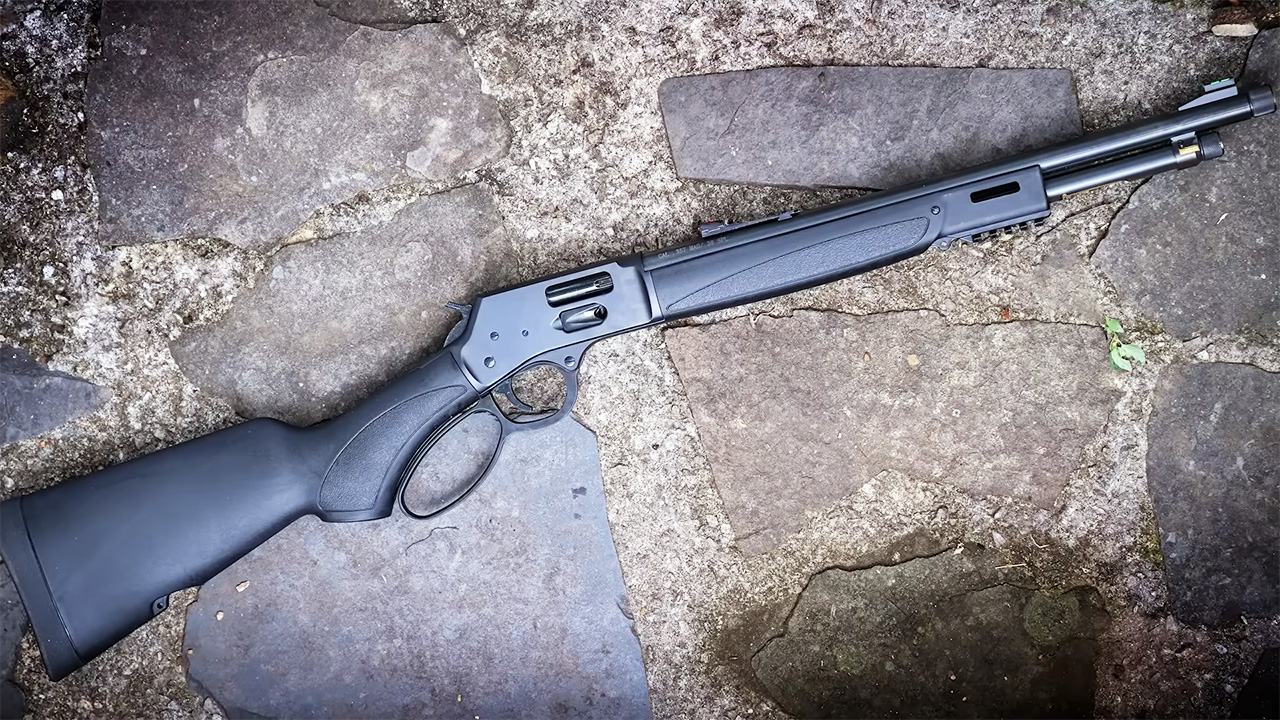
The Big Boy X uses a manually operated lever action, tubular magazine, and strong steel locking system. It does not depend on gas pressure, recoil springs, or detachable magazines to cycle the next cartridge.
Powder residue can build around the bolt and carrier, while unburned granules may work into the action. The large lever still gives the shooter considerable mechanical advantage. The rifle needs occasional lubrication and rust protection, but ordinary fouling rarely stops it quickly. For owners who want a centerfire rifle that does not punish skipped cleanings, a lever action remains difficult to beat.
Like The Avid Outdoorsman’s content? Subscribe to our newsletter so you never miss an article.
Here’s more from us: