

Photo credit: Down In The Bottoms with Marc Smith/YouTube
Some rifles wear a price tag that makes you expect tight clusters and repeatable precision. But once you get them on a bench, the shine fades. You start seeing wandering groups, inconsistent cold-bore shots, or barrels that heat up faster than they should for what you paid.
Plenty of high-end rifles deliver the accuracy their cost promises, but a surprising number don’t. Whether it’s poor bedding, questionable barrels, or designs that value weight savings over stable shooting, these rifles leave shooters frustrated. You’ve probably owned one yourself — the kind you wanted to love but couldn’t trust past the first magazine.
Remington Model 700 Sendero SF II
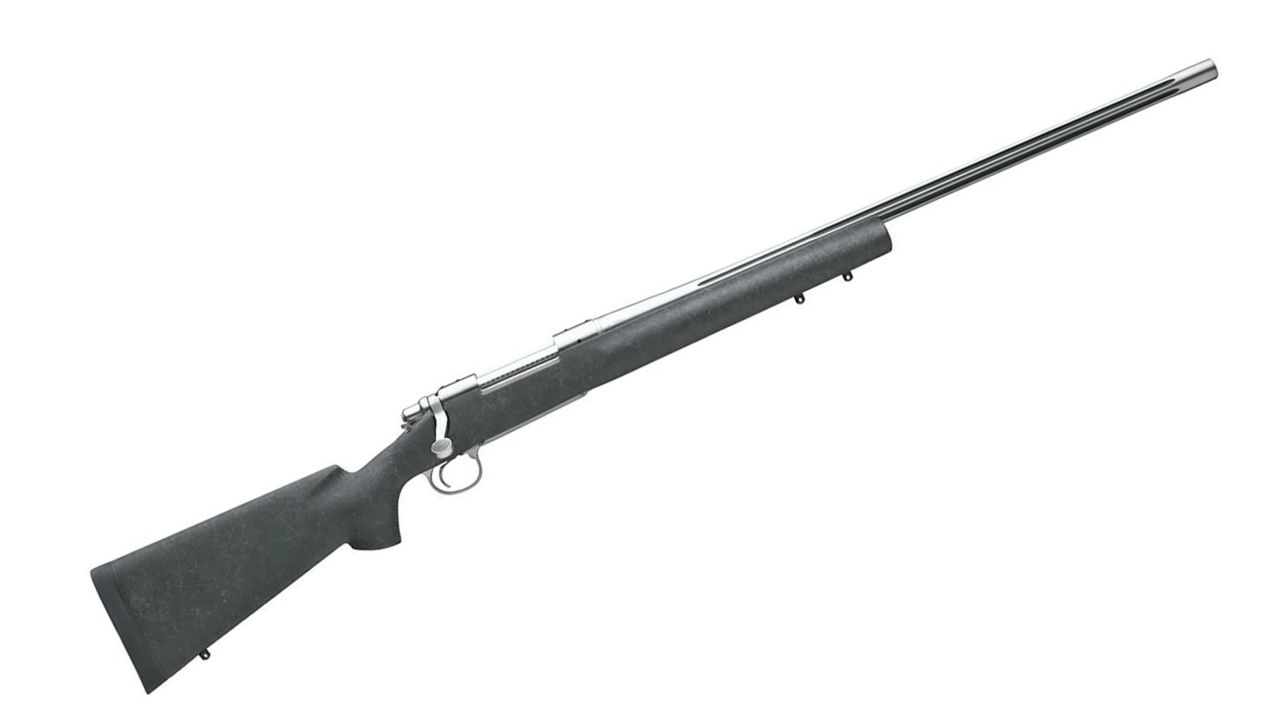
The Sendero has a loyal following, and there are rifles in the lineup that shoot well, but accuracy varies more than it should at its price. Some rifles stack shots reliably, while others show erratic cold-bore behavior or groups that open up as soon as the barrel heats.
A lot of this comes down to inconsistent factory barrels and stock fit. When you’re paying this kind of money, you expect predictable results. Instead, you get a rifle that might shoot lights-out or might leave you scratching your head after every range trip, wondering why a cheaper rifle outshoots it.
Kimber Montana
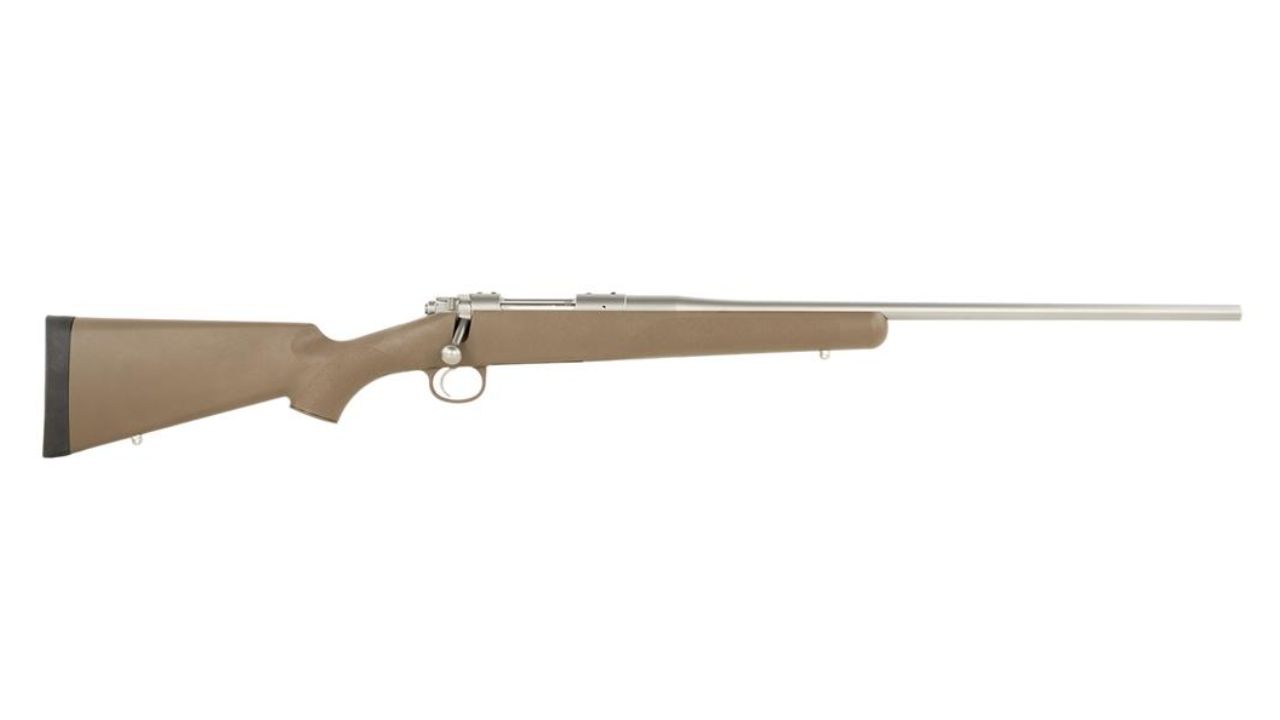
The Montana looks great on paper—lightweight, controlled-round feed, and premium materials. But its ultralight design makes it tricky to shoot well, even from a solid rest. The barrels vary wildly in how they handle heat, and many shooters report groups opening up fast.
For the cost, you expect a rifle that delivers accuracy without needing constant technique adjustments. Instead, the Montana punishes small form flaws, turning a simple sight-in into a drawn-out chore. It’s a mountain rifle you want to like, but its price doesn’t always match the performance you actually see on paper.
Ruger No. 1 Standard Models
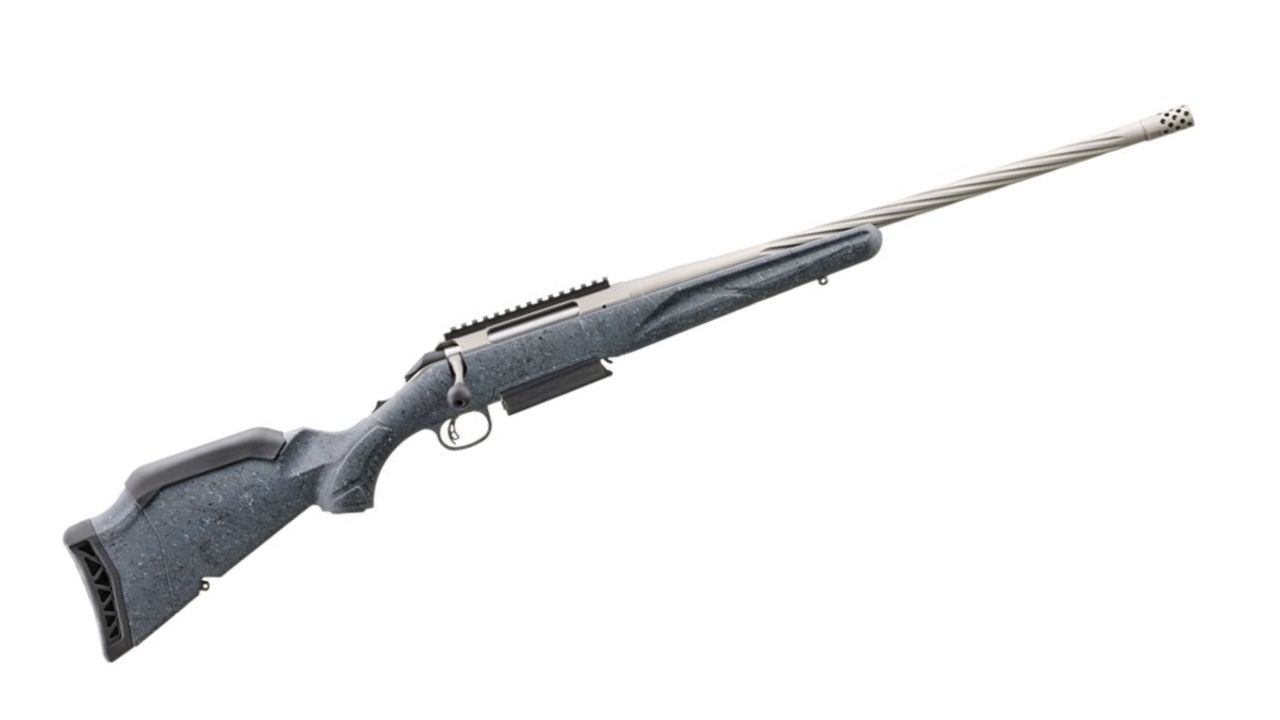
The Ruger No. 1 is a classic, and many shooters buy it for nostalgia or the single-shot appeal. But accuracy has always been hit or miss, especially on standard-weight models. Barrel harmonics are unpredictable, and some rifles refuse to group well without major tinkering.
You’re paying a premium for the action and craftsmanship, yet you sometimes get accuracy that feels more like an entry-level carbine. Some No. 1s shoot great, but too many require load development or aftermarket work to get there. For the expense, that inconsistency turns people off quickly.
Christensen Arms Ridgeline
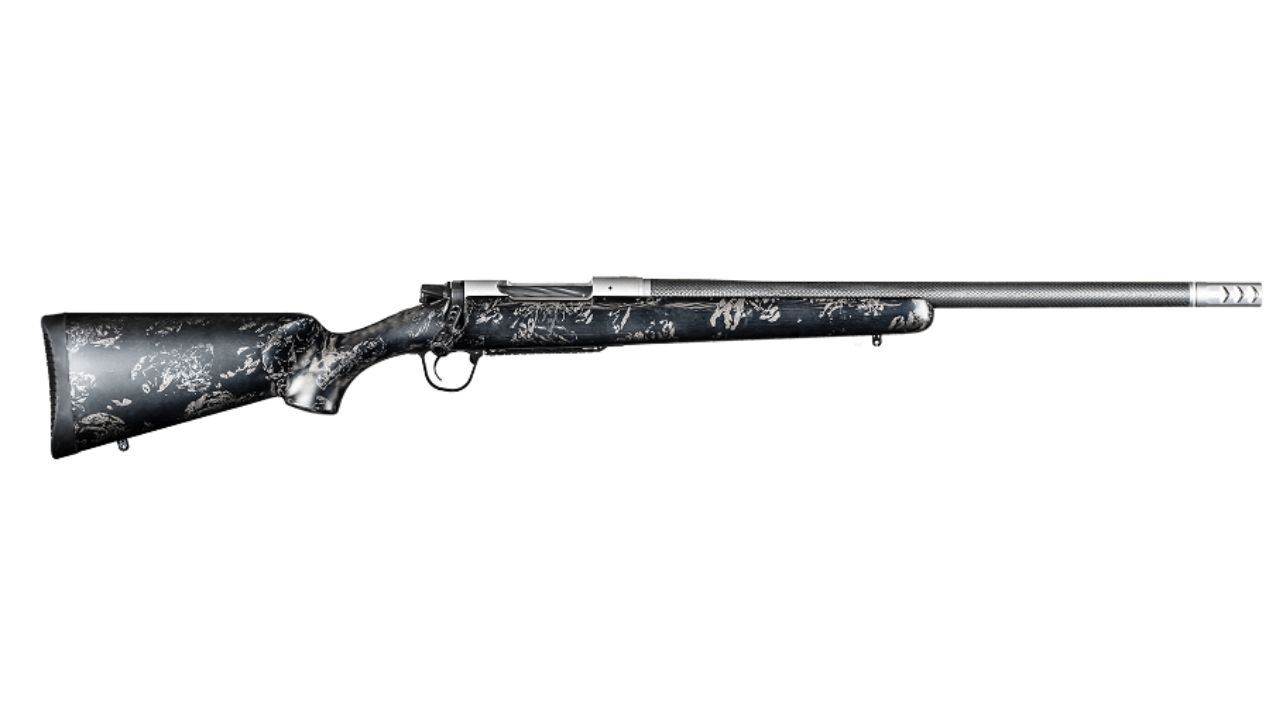
Carbon-wrapped barrels are appealing, but the Ridgeline still has a reputation for being inconsistent across rifles. Some shoot sub-MOA with ease, while others show wandering groups or fliers you can’t pin on technique.
The lightweight design doesn’t help stability, and the rifles can be sensitive to how they’re held. At the price point, shooters expect predictable precision, not a rifle that demands constant fine-tuning to keep groups tight. When it shoots well, it’s excellent—but too many owners report needing far more work than the cost should require.
Winchester Model 70 Super Grade
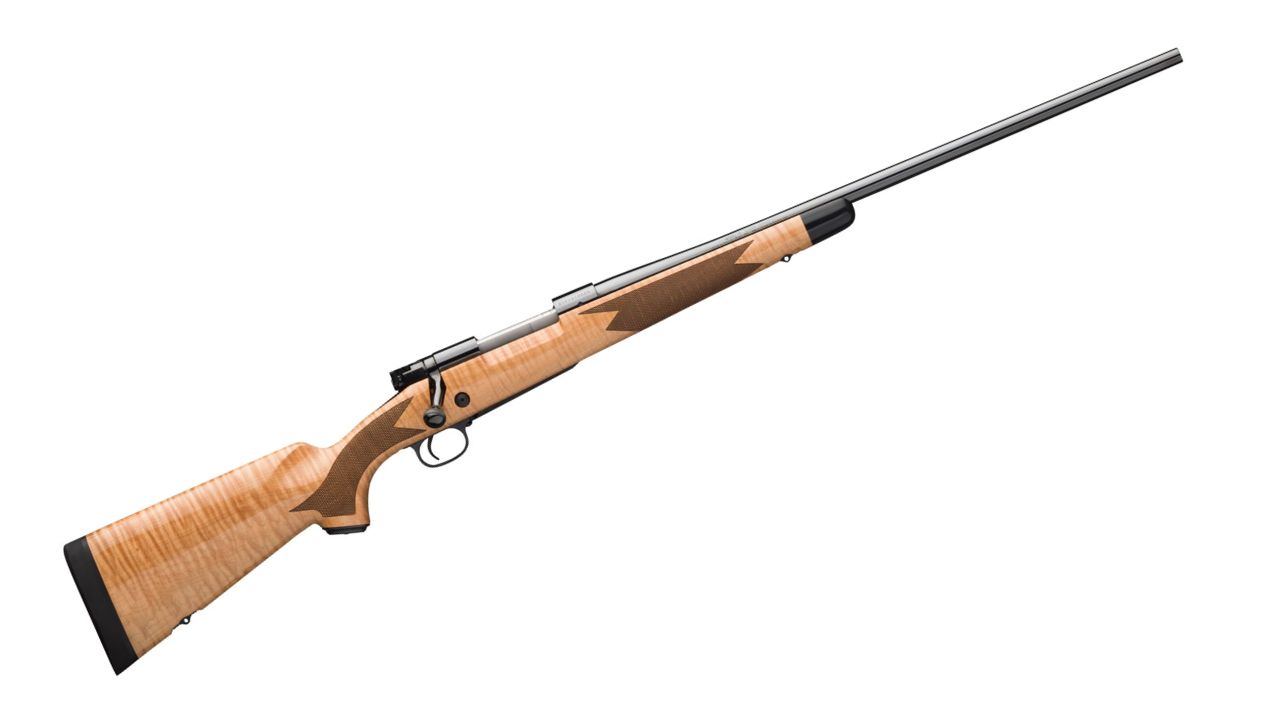
The Super Grade is gorgeous, and that’s part of the problem—you’re paying heavily for the finish and wood, not for a guaranteed tack-driver. Some rifles shoot fine, but others show mediocre grouping that doesn’t match the price tag.
The action is smooth and proven, but accuracy varies depending on barrel quality and bedding. A rifle this expensive should give you confidence out of the box. Instead, you often get a beautiful hunting tool that performs no better on paper than rifles costing hundreds less.
Browning X-Bolt Hells Canyon Long Range
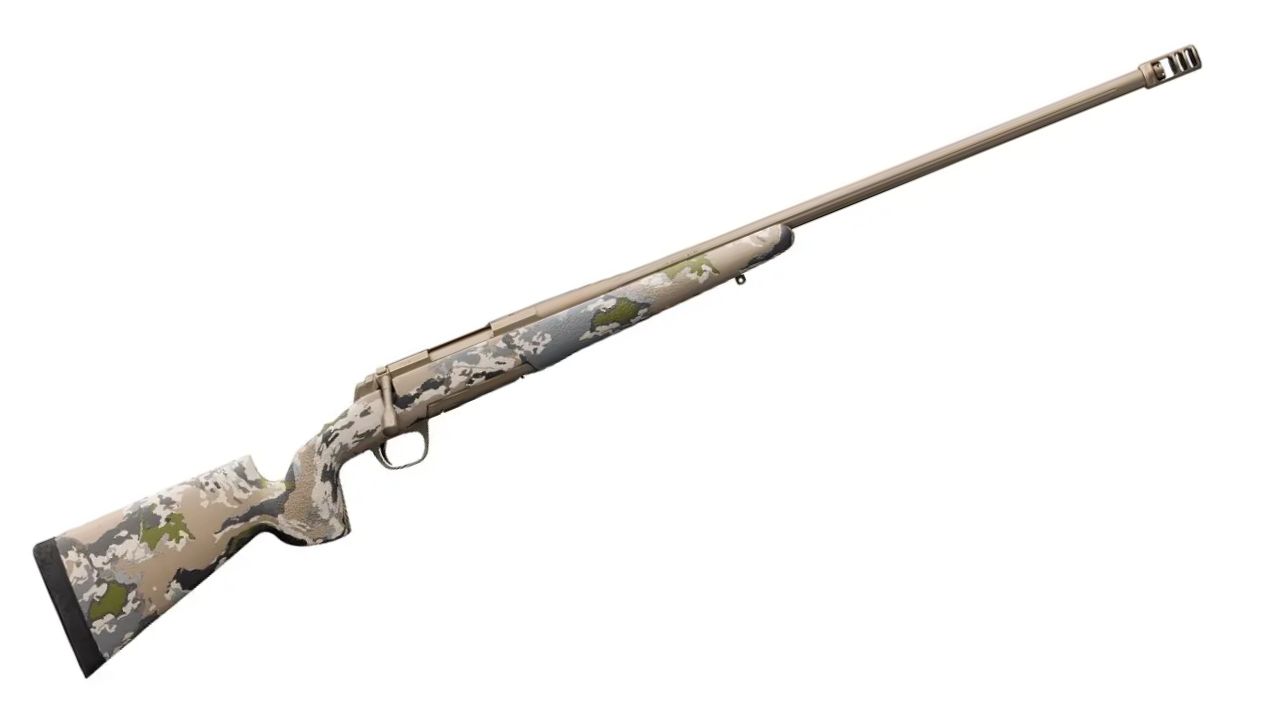
The Hells Canyon line looks like a long-range rifle, but many shooters find the accuracy doesn’t quite match the cost. The barrels are decent, but the factory stocks and bedding can introduce inconsistencies, especially as barrels heat.
The rifle handles well and has plenty of nice features, but for the price you expect precision that holds together over extended strings. Instead, some rifles only deliver their best performance with slower, careful shooting. That’s not what most buyers expect after spending this kind of money.
Sako 85 Hunter

Sako makes excellent rifles, but the 85 Hunter sometimes fails to deliver groups that justify its premium price. Lightweight barrels heat quickly, and thin forends don’t always offer the stability you need for repeatable precision.
Many shooters appreciate the smooth bolt and clean trigger, but the accuracy can feel average considering the cost. When a rifle competes in the premium class, “average” won’t cut it. You’re paying for consistency, and not every 85 Hunter lives up to that expectation.
Weatherby Mark V Backcountry
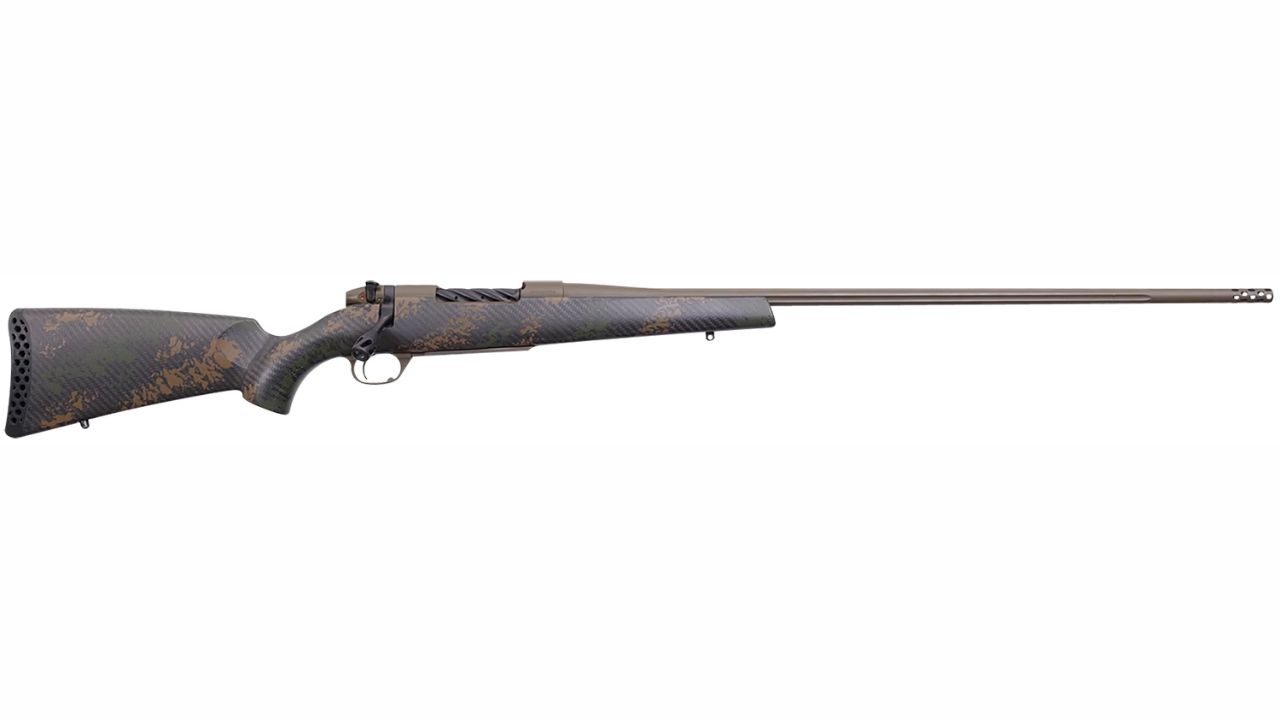
The Backcountry is built for weight savings, and that’s exactly what hurts its accuracy. Thin barrels, light stocks, and snappy recoil create a rifle that’s tough to shoot consistently, even for experienced shooters.
You get Weatherby quality, but accuracy varies based on how steady you can hold such a lightweight rifle. For the money, many shooters hope for something that shoots tight without demanding perfect technique. Instead, it becomes a rifle you fight to steady, especially in rough field positions.
Kimber Ascent
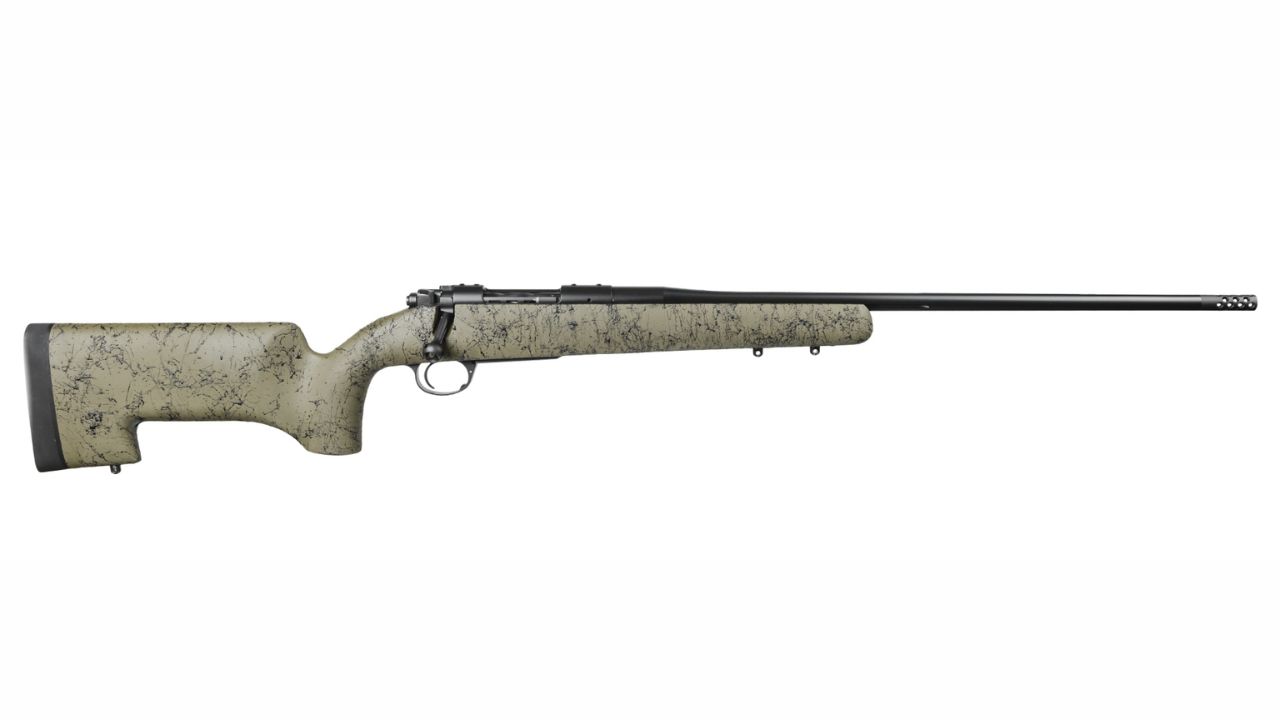
Like other Kimber ultralights, the Ascent values weight reduction above everything else. That sounds appealing until you try to shoot tight groups with it. The barrel heats up fast, and small variations in grip or shoulder pressure shift your point of impact.
At this price, most shooters expect a forgiving rifle. The Ascent is anything but. It can shoot well, but only if you maintain perfect follow-through and keep your strings slow, which isn’t what many buyers have in mind when they drop this kind of cash.
Steyr Scout
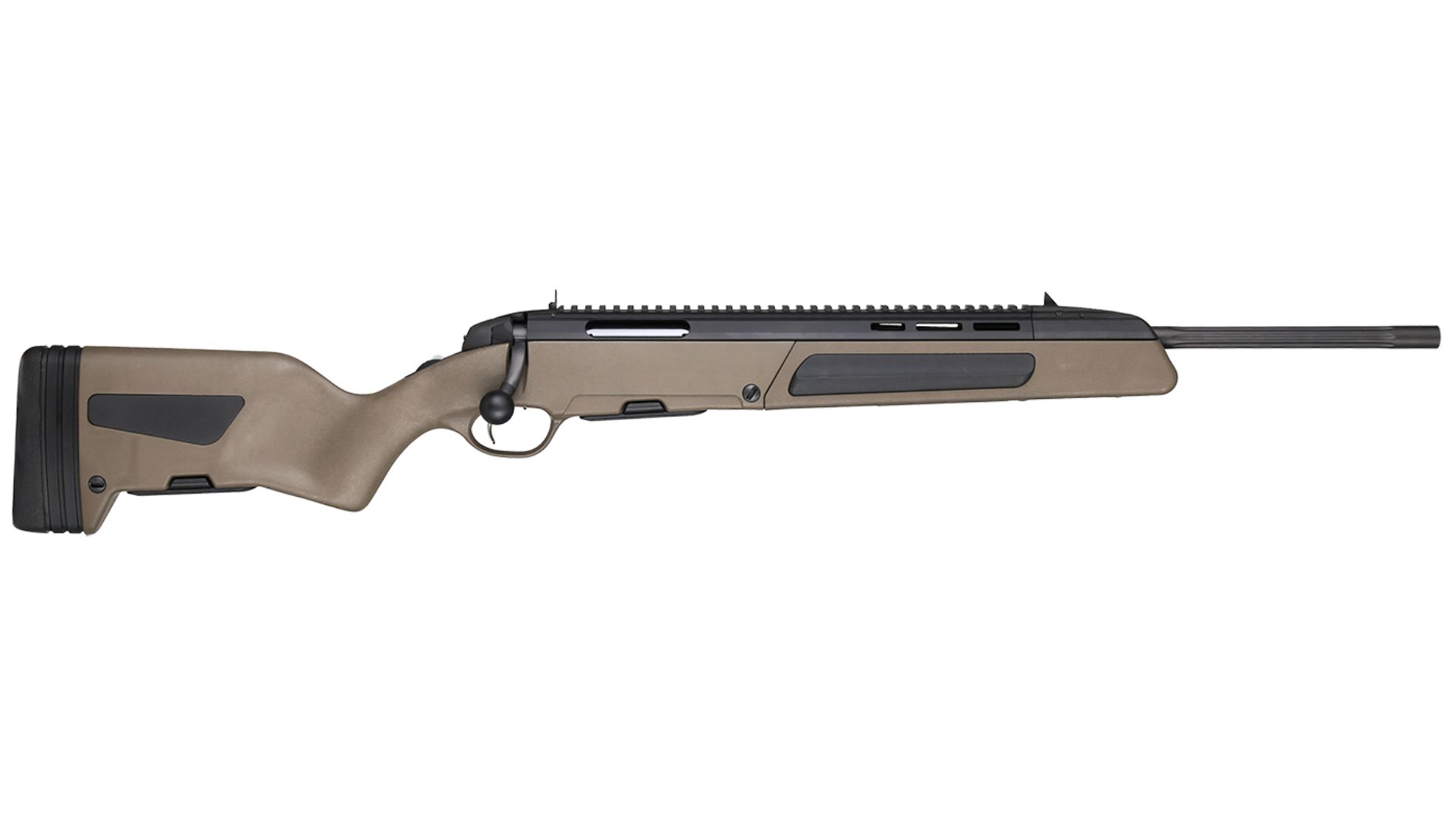
The Steyr Scout brings cool features and a reputation for rugged design, but accuracy has never been its strongest trait. Lightweight barrels and the forward-mounted optic system both play a role in how sensitive the rifle can be on the bench.
The rifle handles brilliantly and carries well, but many shooters are disappointed once they start grouping it. For the cost, you hope for excellent precision. Instead, you get a great field rifle that doesn’t always impress when it comes to pinpoint accuracy.
CZ 557 American

The CZ 557 is well-built and smooth, but accuracy varies from rifle to rifle more than many expect at this price. The triggers and barrels are decent, yet groups often fall into “good enough” territory instead of the tighter results shooters anticipate.
The rifle is comfortable and reliable, but if you’re paying for premium performance, you want tighter clusters. Many shooters end up comparing the 557 to rifles that cost less and seeing similar accuracy, which is never a confidence booster.
Remington 700 CDL SF
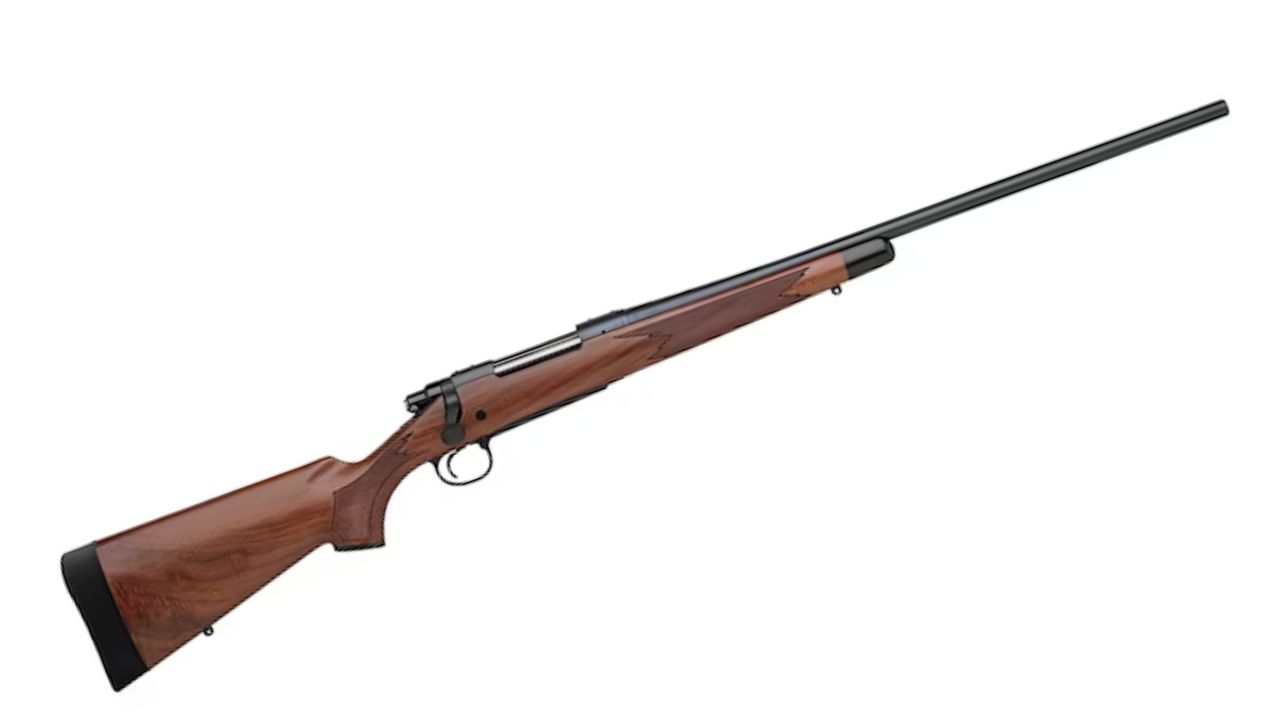
The CDL SF looks like a high-end hunting rifle, but accuracy can be disappointing. Some rifles shoot well, but others suffer from inconsistent barrel quality or bedding issues that cause unpredictable groups.
It’s a rifle that sells on appearance and heritage, yet doesn’t always deliver the precision modern shooters expect for the price. You can fix it with aftermarket work, but that’s not something you should have to do at this cost.
Tikka T3x Superlite (Certain Chamberings)
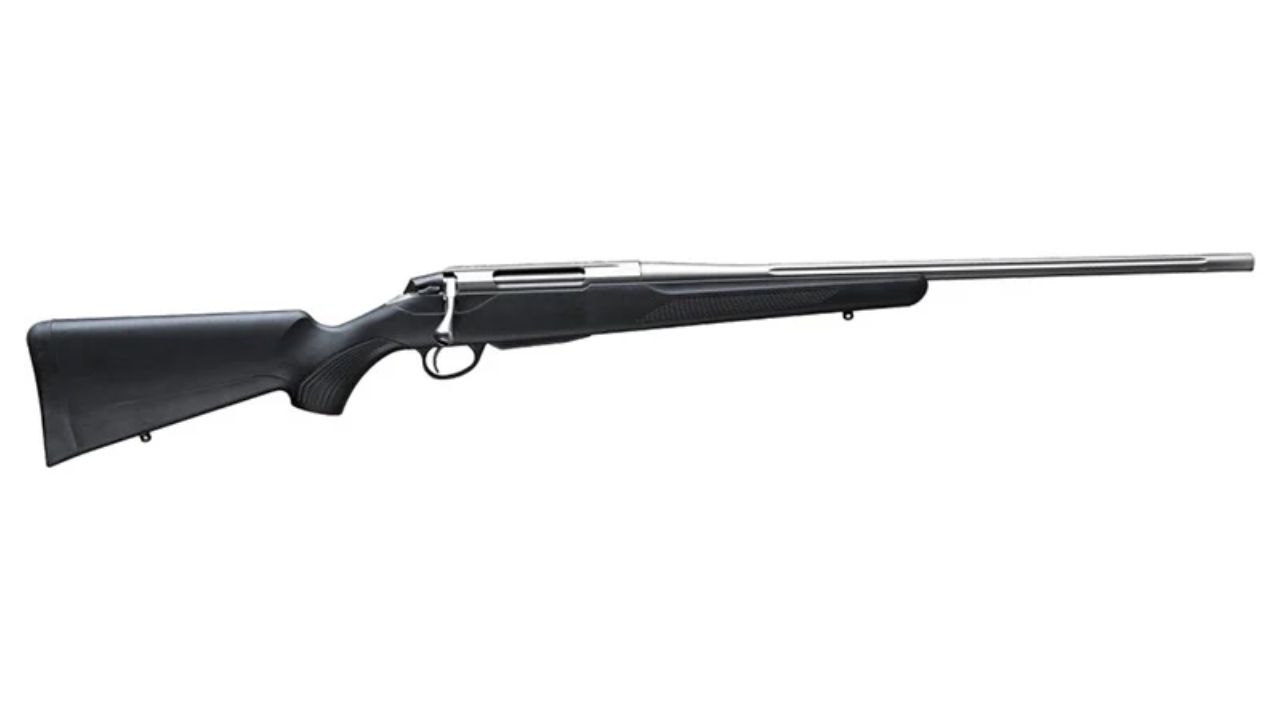
Tikka rifles are normally outstanding, but the Superlite models in hard-recoiling chamberings can be tough to shoot accurately. The extremely light barrel and stock combo don’t give you much to work with, especially when recoil disrupts follow-through.
You still get Tikka smoothness, but precision becomes harder to extract, and many shooters are surprised to see average groups from a rifle with such a strong reputation. It’s not a bad rifle—it’s a rifle that doesn’t always justify its price in the accuracy department.
Savage 110 Ultralite
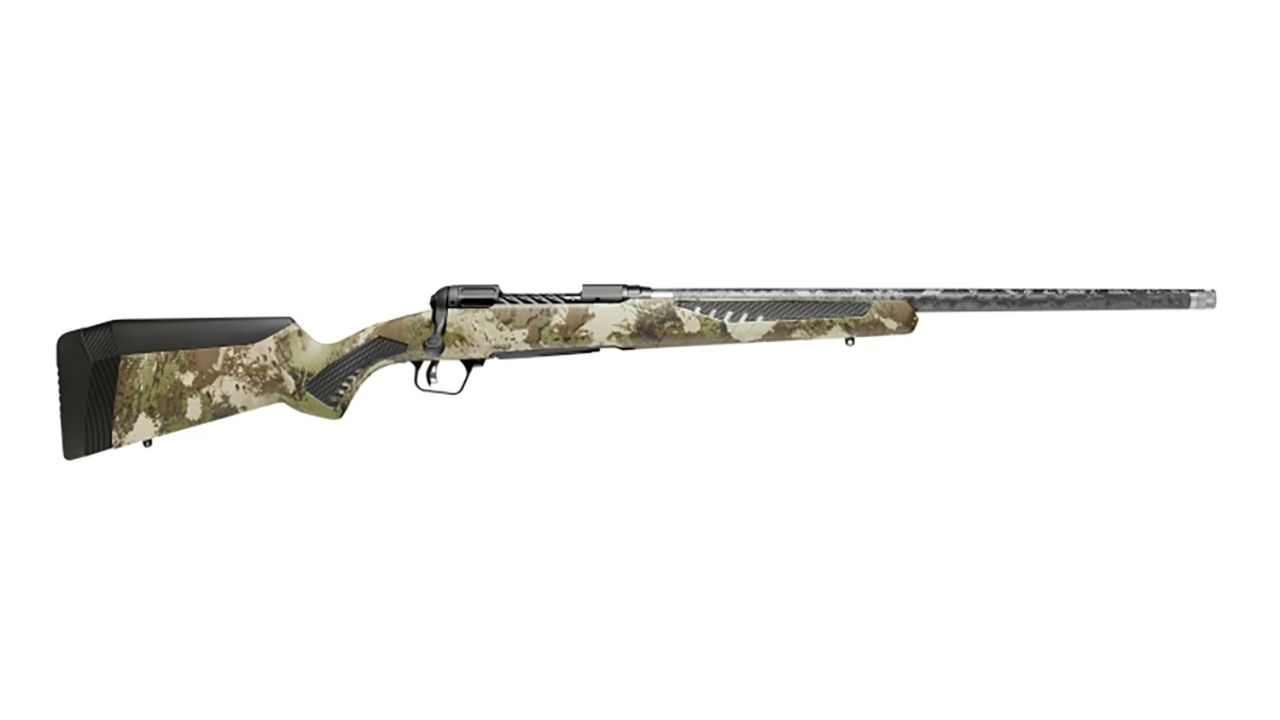
The 110 Ultralite uses a carbon-wrapped barrel, and while some rifles shoot incredibly well, others show frustrating inconsistency. Accuracy often changes once the barrel warms up, and different ammo types produce unpredictable results.
You’re paying for weight reduction and advanced materials, but that doesn’t guarantee precision. Many shooters find themselves chasing groups or adjusting technique far more than they expected after dropping serious money.
Browning BLR Lightweight
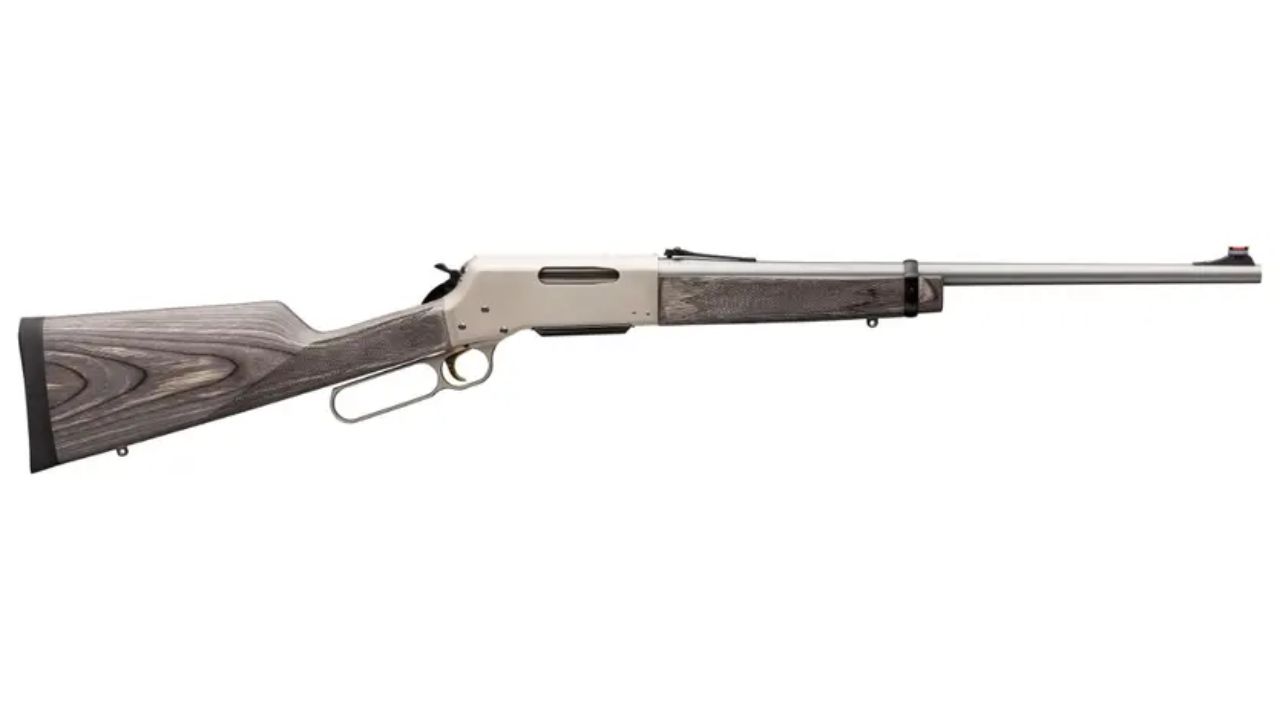
The BLR is a handy lever gun, but its accuracy often falls short of what you’d expect at its price. The design isn’t as inherently stable as a bolt gun, and some rifles show wide temperature-driven point-of-impact shifts.
For a lever gun, it’s perfectly serviceable. For a rifle that often costs as much as premium bolt actions, its accuracy leaves you wanting more. You get a great-handling rifle, but not one that consistently prints tight groups on paper.
Like The Avid Outdoorsman’s content? Be sure to follow us.
Here’s more from us:


