Photo credit: New World Ordnance/YouTube
Field stripping shouldn’t feel like a chore. When it does, it usually means the design has awkward steps, tight tolerances that bind when dirty, tiny parts that want to disappear, or a takedown process that’s just more work than it needs to be. Some guns are worth it. Some make you put off cleaning until it starts affecting reliability, which is a bad cycle. These are the platforms that commonly make people groan when it’s time to break them down.
Ruger Mark III (mag disconnect + takedown procedure)

If you’ve ever owned a Mark III, you already know. When it’s clean and you remember the ritual, it’s manageable. When it’s dirty or you haven’t done it in a while, it turns into a frustrating little puzzle—mainspring housing, magazine disconnect behavior, and the whole “hold it at this angle” nonsense. That’s why so many people either stick with it out of stubbornness or upgrade to a Mark IV. The Mark III isn’t a bad pistol. It just makes cleaning feel like homework. And because rimfires get filthy, you’re doing that homework a lot if you actually shoot it. A gun that makes you dread field stripping is a gun you clean less, and the Mark III has been guilty of that in a lot of households.
Ruger Mark II (less weird than Mark III, still a chore)

The Mark II is simpler than the Mark III in some ways, but it can still be a pain if you don’t have the process down. The mainspring housing and the way the gun goes together can fight you when it’s dirty. Some people can do it blindfolded. Most people can’t. The problem is rimfire encourages high round counts, and high round counts mean frequent cleaning if you want consistent function. If every cleaning session feels like a battle, you start putting it off. That’s how you end up with a pistol that “randomly started malfunctioning” when the truth is you just didn’t want to deal with it. The Mark II is a classic, but it absolutely belongs on the dread-list for normal shooters who don’t enjoy mechanical puzzles.
Browning Buck Mark (top strap screws and sight alignment hassle)

Buck Marks are great shooters, but the takedown process can be annoying because you’re dealing with screws and a top assembly that holds the sight rail. If you don’t keep track of screw torque and thread locker, you can end up with screws that loosen or sights that shift after reassembly. That creates a double dread: not only do you have to field strip it, you also feel like you might mess up your sight setup every time. People who shoot Buck Marks a lot learn how to manage it. People who just want “pop two pins and clean” find it irritating. It’s not impossible—it’s just more steps and more opportunities for small mistakes than a lot of shooters want in a .22 pistol they bought to be simple and fun.
Walther P22 (small parts + dirty rimfire reality)

The P22 can be fun, but it’s also a rimfire pistol that tends to get dirty fast, and it can feel fiddly to break down and clean thoroughly. You’re dealing with a small slide, small springs, and a gun that’s more sensitive to fouling and ammo than people expect. The dread comes from knowing you have to keep it reasonably clean if you want it to run, but the process isn’t as pleasant as it should be. Some owners end up in a cycle: the gun starts hiccuping, they dread taking it apart, they clean it late, and then they wonder why rimfire pistols have a reputation. A pistol that makes you avoid cleaning becomes a pistol you don’t trust, and that’s exactly what the P22 can turn into for casual owners.
SIG Mosquito (dirty + ammo sensitive + cleaning burden)

The Mosquito is another rimfire that makes people dread field stripping because it often needs cleaning and ammo selection to behave, and it’s not the kind of gun you can ignore. If you shoot it a lot in one session, it will tell you when it’s getting dirty. Then you have to break it down and deal with the usual rimfire mess—powder residue, waxy fouling, and grit. When a gun is already picky, the pressure to clean it feels higher. That’s where dread comes from. It’s not just the steps of disassembly; it’s the knowledge that if you half-clean it, you’re going to pay for it next range trip. Owners who like Mosquitos typically treat them like “keep it clean, keep it lubed, feed it what it likes.” Owners who don’t want that relationship dread cleaning and end up moving on.
CZ 52 (weird controls and not exactly intuitive)

The CZ 52 is a cool surplus pistol with quirks. Field stripping isn’t the worst on earth, but it’s not what I’d call intuitive for the average shooter who grew up on modern pistols. Controls feel odd, parts feel old-school, and you’re often dealing with stiff springs and parts that don’t move smoothly unless the gun is in good shape. That adds mental friction: you feel like you’re fighting the gun, and nobody wants to fight their gun after a long day. Surplus guns are fun, but a lot of them carry this “dread” factor because you’re never fully sure whether you’re doing it right or whether you’re about to launch a part across the room. That’s why they get shot less than people think once the novelty wears off.
Steyr M9-A1 (takedown that isn’t everyone’s favorite)

Steyrs are underrated shooters, but their takedown style can feel awkward if you’re used to Glock/M&P simplicity. The process isn’t impossible, but it’s just different enough that it creates hesitation and annoyance for some owners, especially when the gun is dirty and you’re tired. If you don’t do it often, you end up re-learning it each time, and that’s what dread really is: “I don’t feel like figuring this out again.” Steyrs can be fantastic pistols. But a fantastic pistol that you avoid cleaning becomes a pistol you don’t shoot. If the takedown process isn’t second nature, it becomes a reason the gun stays in the safe more than it should.
Beretta 21A Bobcat (tiny parts, tiny springs, messy blowback)

Tiny pistols are often fiddly, and the Bobcat has the extra fun of being a blowback .22/.25 style platform that gets dirty and can be annoying to clean thoroughly. You’re working with small parts and small surfaces, and because it’s small, access is tighter. The dread comes from the fact that it’s a gun you carry or keep around because it’s convenient—but it’s not a gun you enjoy maintaining. If you shoot it a lot, you’ll be cleaning it more than you want. If you don’t clean it, you’ll deal with malfunctions. That push-pull is why tiny blowback guns often become “I don’t feel like dealing with it today” guns. They’re not necessarily unreliable by design—they’re just less forgiving and more annoying to service.
Kel-Tec P-11 (roughness + unpleasant maintenance vibe)
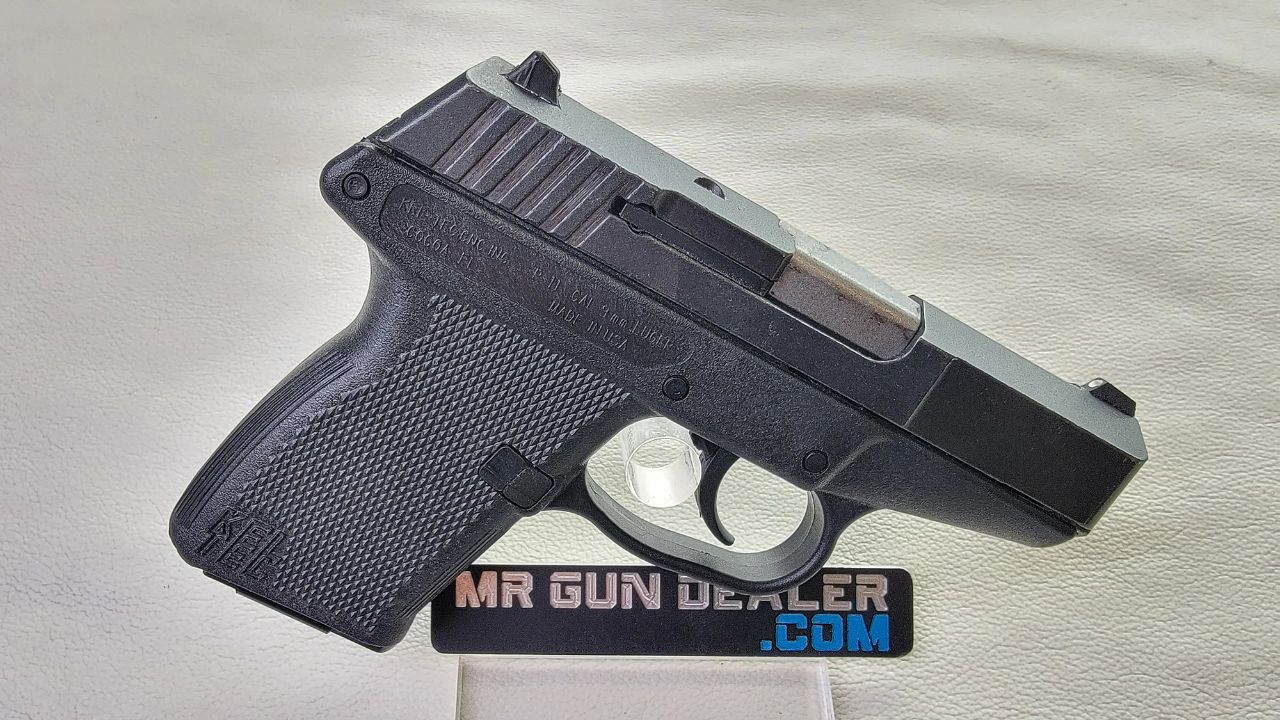
Kel-Tecs can be functional tools, but a lot of owners dread dealing with them because everything feels a bit rough compared to more refined guns. The takedown process itself may not be complex, but it can feel unpleasant: stiff parts, awkward fitment, and the general sense that you’re working on a utilitarian tool that doesn’t want to cooperate. That vibe matters. If a gun feels like a chore to handle, it becomes a chore to clean. The P-11 era guns especially can feel like “it works, but it’s not enjoyable,” and that carries over into maintenance. People who love them tend to love them for the role. People who dread them tend to dread them because the whole experience—from shooting to cleaning—feels like compromise.
FN Five-seveN (not hard, but different and easy to overthink)

The Five-seveN isn’t the worst gun to field strip, but it’s different enough that some owners overthink it, especially because it’s an expensive, unusual pistol. That psychological factor creates dread: people don’t want to mess it up or scratch something or lose a part. The gun also tends to attract owners who don’t field strip guns often, because it’s more of a niche buy, and those owners can be hesitant about the process. So you end up with a pistol that gets shot occasionally and cleaned cautiously, which feels like a chore. It’s not that the design is a disaster—it’s that it’s unfamiliar, and unfamiliar combined with “this was expensive” makes people avoid the maintenance more than they should.
Like The Avid Outdoorsman’s content? Be sure to follow us.
Here’s more from us: