
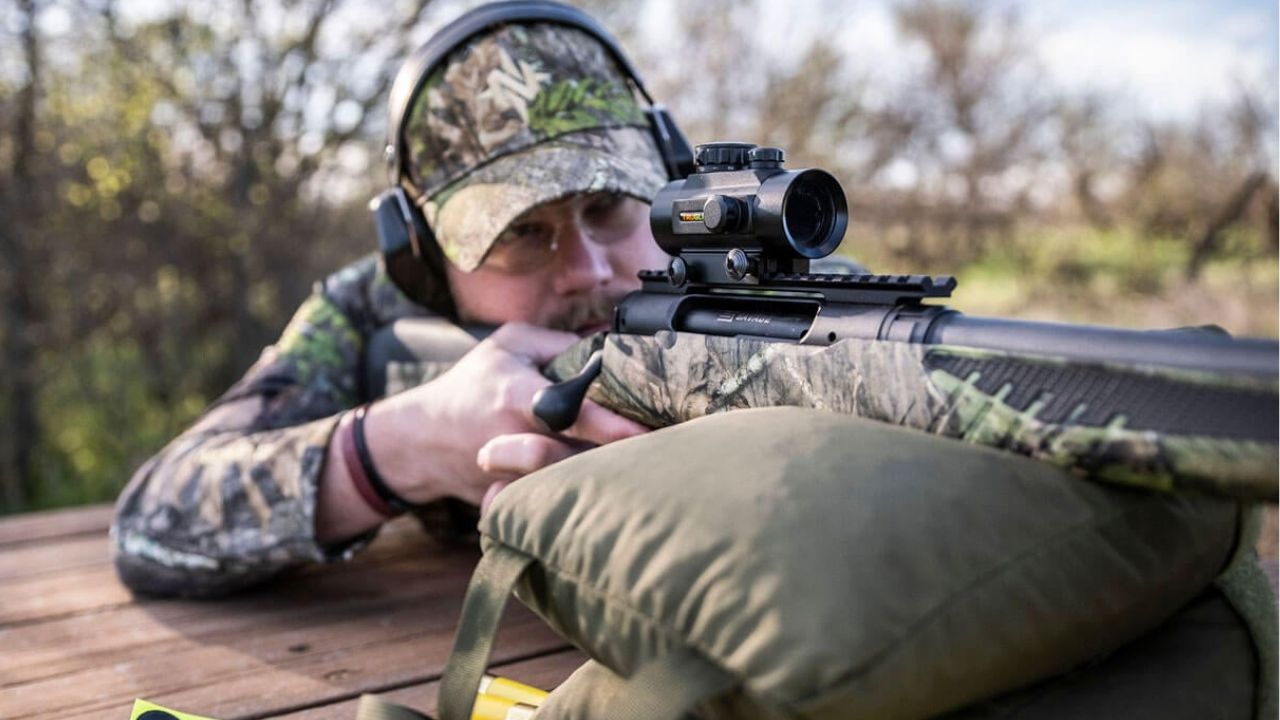
Photo credit: Savage Arms
Some calibers look great on a target board. They make tight clusters, stay flat at normal practice distances, and feel easy to control. But paper doesn’t fight back, and it doesn’t bring bone, hide, or angle into the equation. That’s where certain rounds fall apart.
A handful of cartridges can make you feel confident at the bench yet leave you shaking your head in the field. They don’t carry the weight, energy, or bullet design needed to reach the vitals on tougher game. If you’ve been around long enough, you’ve seen them fail in ways a clean target will never reveal.
.22 Long Rifle for Medium Game
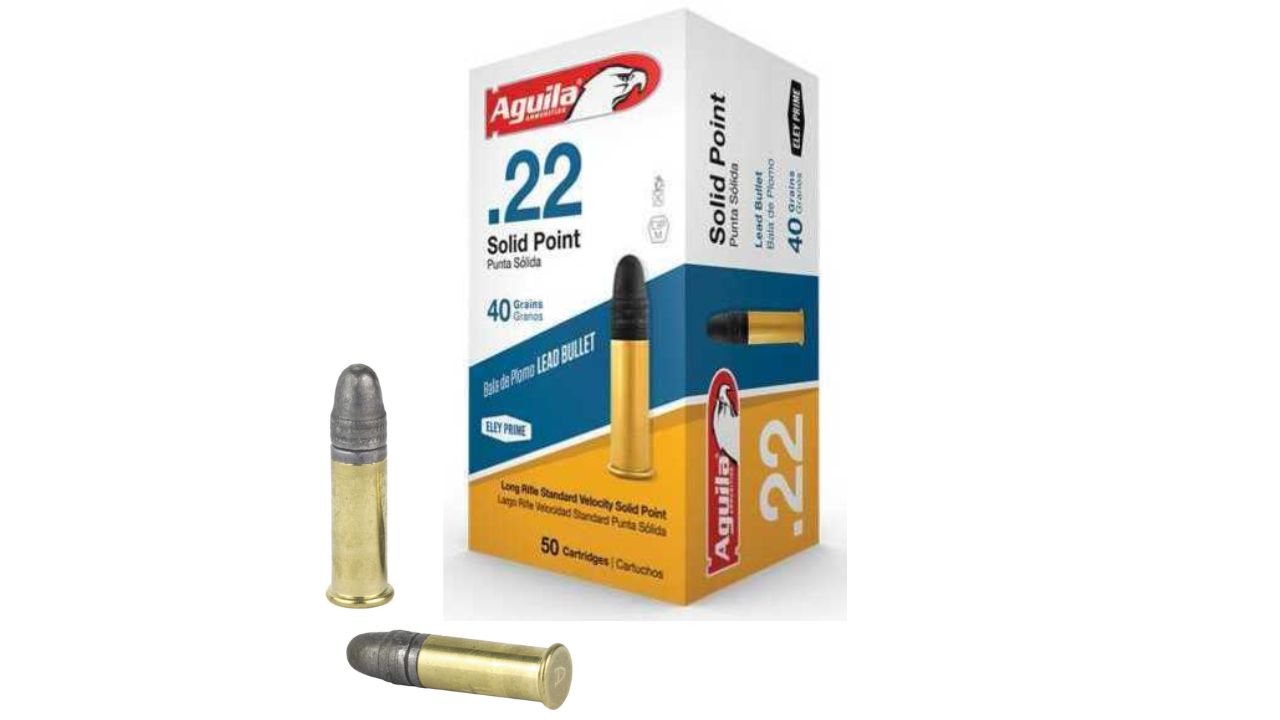
The .22 LR is fantastic for paper and small critters, but when hunters stretch it into deer territory, the cartridge’s limits show instantly. It lacks the energy needed to punch through heavier bone or reach the vitals from imperfect angles. Even premium ammo won’t change that fundamental issue.
Sure, it groups well and feels easy to shoot, but that doesn’t make it a responsible choice for bigger animals. You’re dealing with shallow penetration, inconsistent expansion, and a round that loses steam quickly. It’s simply not built for clean, ethical kills on anything larger than small game.
.17 HMR on Anything Bigger Than Varmints
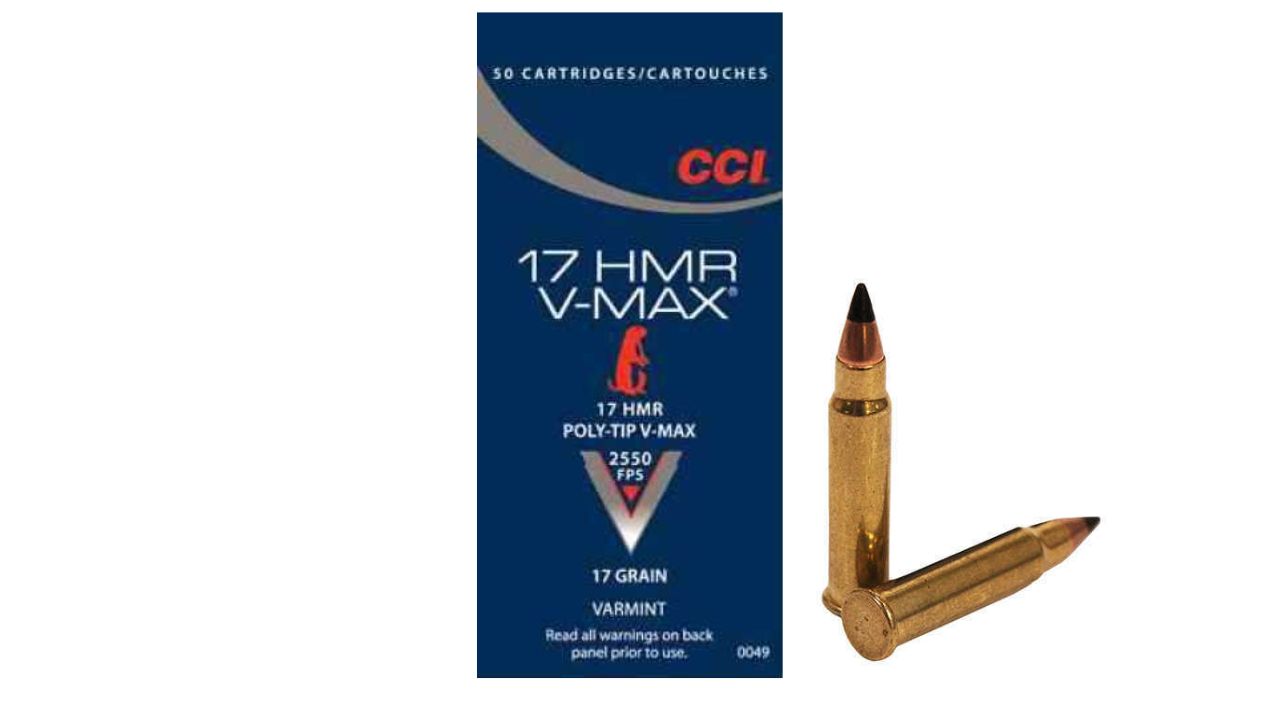
The .17 HMR is fun, fast, and incredibly flat on paper. It makes you feel like you’re holding a laser at 100 yards. But once you try to take it beyond varmints, it loses credibility fast. The tiny bullet fragments quickly and lacks the mass to reach the vitals on sturdier animals.
It shines on prairie dogs and ground squirrels, yet it’s wildly underpowered for fox, coyote, or anything with a tougher frame. A clean shot on cardboard means nothing when the bullet breaks apart before doing real damage inside a living animal.
.22 WMR for Deer

The .22 WMR sits in a strange middle ground. It feels stronger than .22 LR and performs nicely on paper, but that upgrade doesn’t magically make it deer-capable. Energy drops fast, penetration is shallow, and the bullet construction isn’t meant for tough tissue.
Plenty of target shooters praise how well it groups, but grouping isn’t the issue. The problem is that it won’t reliably break through shoulder or deliver a wide wound channel. When the margin for error is tight, the .22 WMR simply doesn’t give you the performance you need for deer-sized game.
.25 ACP
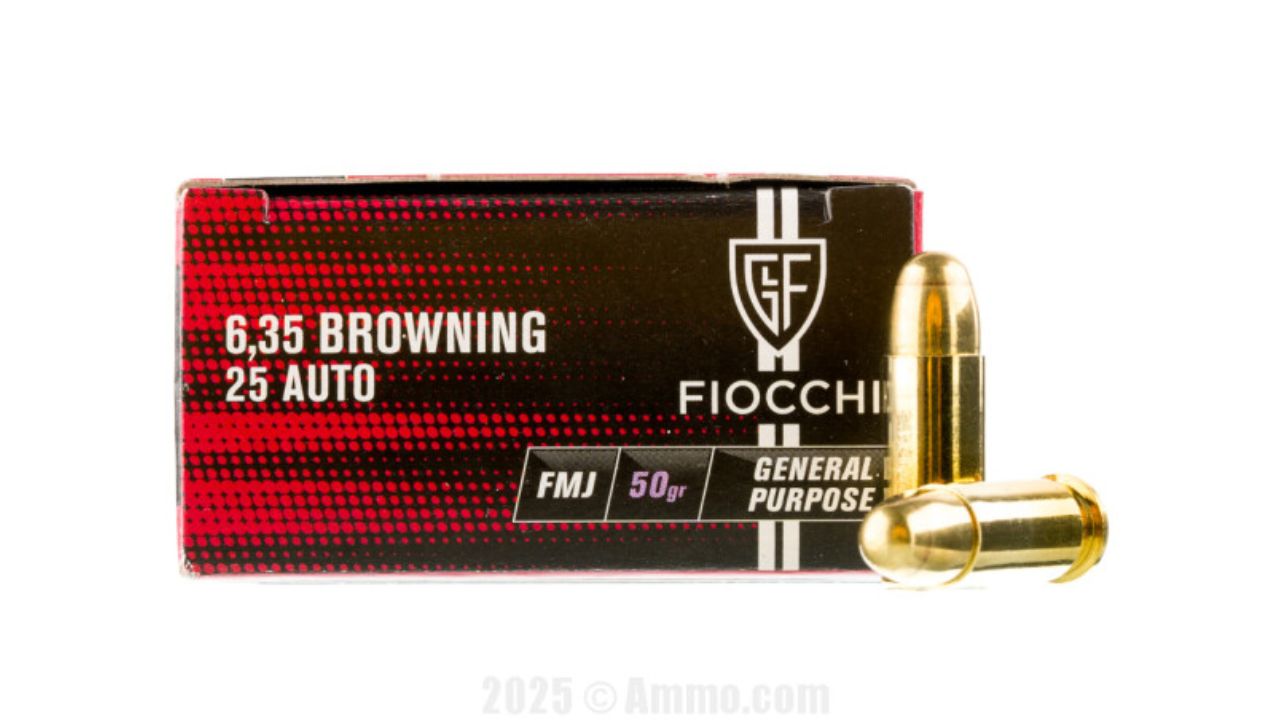
The .25 ACP can punch perfect little holes in paper all day long. Its mild recoil and clean traces make you feel dialed in. But those same characteristics make it ineffective on game. It lacks both velocity and bullet weight, and the rounds rarely penetrate far enough to reach vital organs.
Some folks convince themselves that accuracy makes up for power, but it doesn’t. Even with perfect placement, the round behaves more like a sharp poke than meaningful impact. On any game animal, it’s a recipe for wounded, unrecovered animals and frustration.
.32 ACP

The .32 ACP is smooth and soft-shooting, and that translates well on the range. Targets show tight clusters, and the recoil never pulls you off. But animals aren’t paper, and the round simply can’t drive deep enough through real tissue.
Penetration is weak, expansion is inconsistent, and bone often stops it altogether. It’s a classic example of a cartridge that looks better on the bench than in the field. It doesn’t have what it needs to take down game cleanly, even with steady hands.
.410 Slugs From Lightweight Youth Guns

On paper, .410 slugs look decent. They fly straight at short distances and punch a nice hole. But in real hunts, especially with lightweight youth guns, the limitations stack up quickly. The low payload and small diameter limit penetration, and hitting bone sends them off track.
Kids often place shots well, yet the cartridge doesn’t have the horsepower to finish the job reliably. It’s a frustrating round because it feels accurate on the bench, but accuracy means little when penetration is inconsistent and energy is lacking.
.30 Carbine for Deer

The .30 Carbine is fun to shoot, controllable, and surprisingly accurate on the range. But its soft-shooting character comes at a cost: low energy and shallow penetration. It was never intended to perform like a true hunting cartridge.
On deer-sized game, it struggles as soon as shots aren’t perfect. The bullet doesn’t hold up well to shoulder impacts or steep angles. Plenty of shooters love how it prints on paper, but that performance doesn’t translate reliably to the field.
5.7x28mm
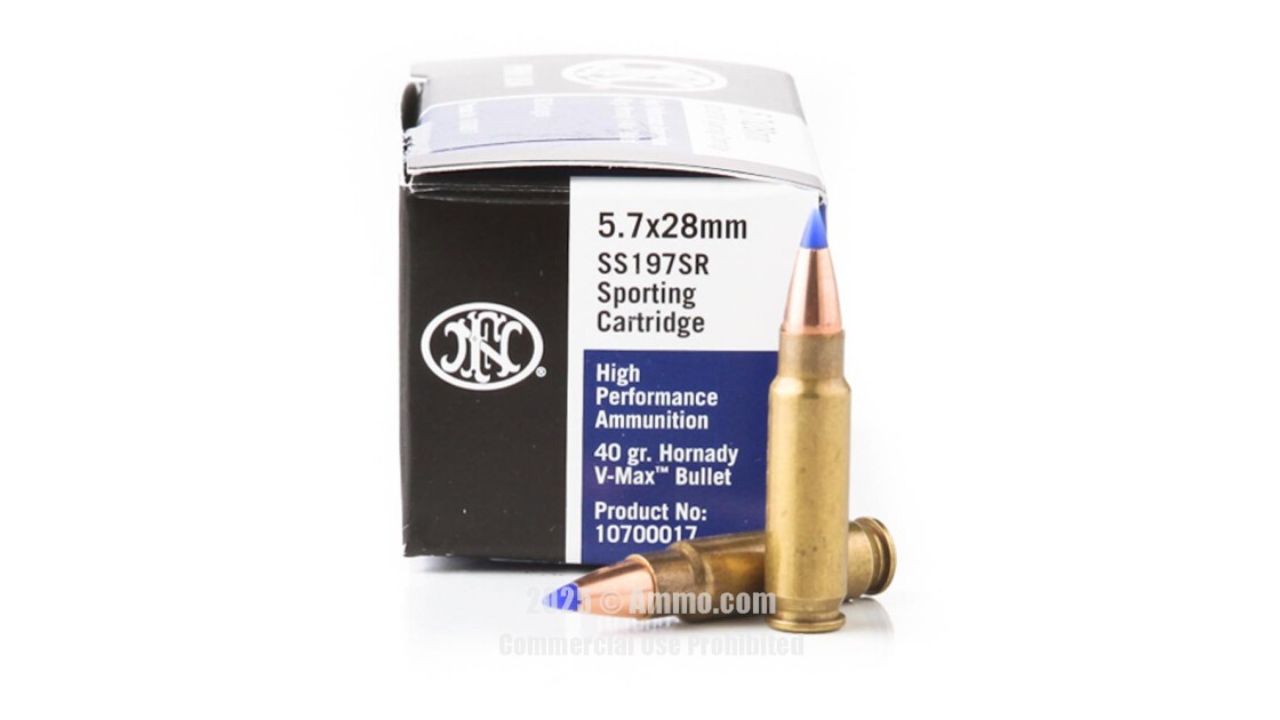
The 5.7x28mm lives in a world where velocity is everything, and on paper that works. It makes neat little groups and shoots flatter than many handgun rounds. But hunting demands more than speed.
The lightweight bullets tend to tumble, fragment, or fail to penetrate meaningfully on game animals. When bone or thick muscle is involved, the round behaves unpredictably. It’s fun and accurate on targets, but when it comes to clean kills, it runs out of steam too quickly.
.223 Remington With Lightweight Varmint Bullets

The .223 can absolutely take deer with the right bullet, but many hunters still rely on lightweight varmint loads because they look great on paper. Those thin-jacketed bullets explode quickly and rarely reach the vitals when the shot hits bone.
At the bench, they print tight groups and feel impressive. In the field, they create shallow wounds and poor penetration. It’s not the cartridge that’s the issue—it’s choosing bullets designed for prairie dogs and expecting them to work on deer-sized animals.
.44 Special From Snub-Nosed Revolvers

The .44 Special looks great on paper with its calm recoil and clean groups. But when fired from snub-nosed revolvers, velocity drops significantly. That kills penetration and makes expansion unreliable.
Game animals demand energy and bullet construction that holds together, and the snub-nose setup strips the round of both. You may shoot well with it at the range, but the terminal performance simply isn’t there for ethical hunting beyond very small game.
.32-20 With Light Cowboy Loads
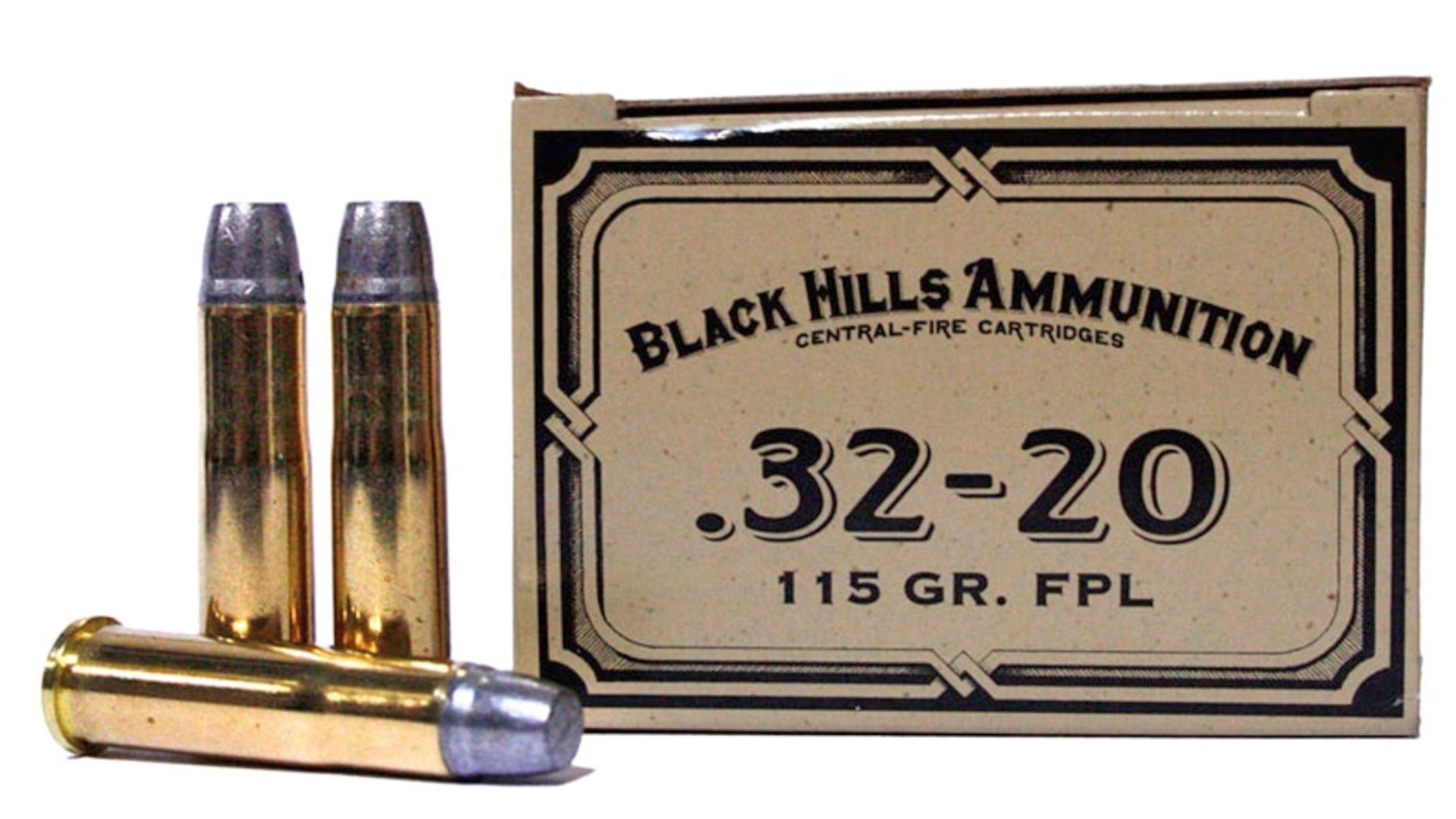
The .32-20 was once a useful field round, but modern cowboy-action loads are watered down for comfort and safety. They shoot beautifully on paper—soft, straight, and predictable—but the low velocities make them ineffective on real game.
If you’re shooting steel, they’re perfect. If you’re hunting anything tougher than a rabbit, they fall apart fast. The bullet doesn’t have the push needed to reach vitals or make a meaningful wound channel.
.38 Special Lead Round Nose
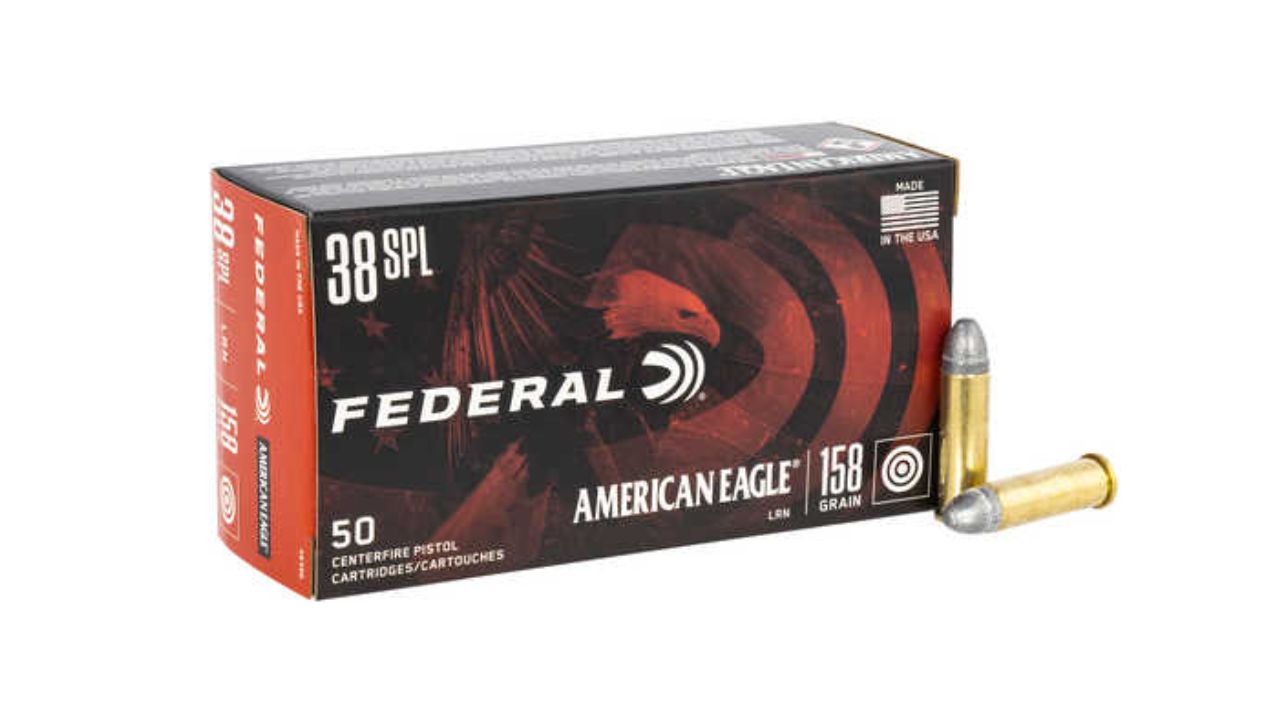
The old-school lead round nose prints smooth, predictable clusters on the range. But on animals, it performs poorly. It slips through tissue without expanding, barely affecting vital organs unless placement is perfect.
Many shooters grew up using it for practice and assume its accuracy means capability, but the wound profile tells a different story. It simply doesn’t do enough damage to be dependable on game of any size.
9mm With FMJ
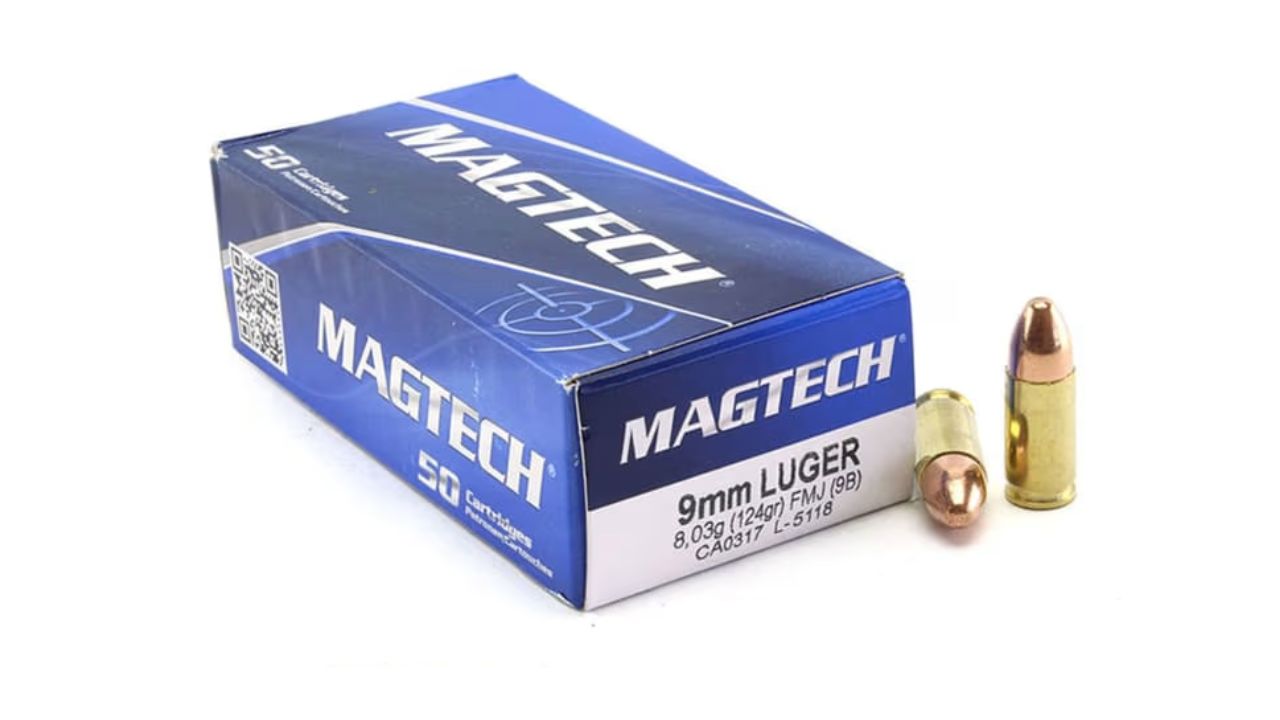
9mm FMJ punches paper well and stays incredibly consistent on the bench. But that stability is exactly why it fails on game animals—it doesn’t expand, cut, or transfer meaningful energy. It drills straight through and leaves narrow, ineffective wounds.
While the round is great for training, it’s not suited for hunting. Game animals move, angle, and bring tougher tissue into the mix. FMJ isn’t built for that challenge.
.45 ACP FMJ

The .45 FMJ has a reputation for making large holes in paper, and it performs smoothly during slow practice. But on real animals, those big, slow-moving bullets fail to penetrate deeply and don’t expand.
They’re stable to shoot and fun to work with, but they don’t create the trauma needed for clean kills. Even though the holes look impressive on cardboard, they’re misleading when it comes to field performance.
.218 Bee
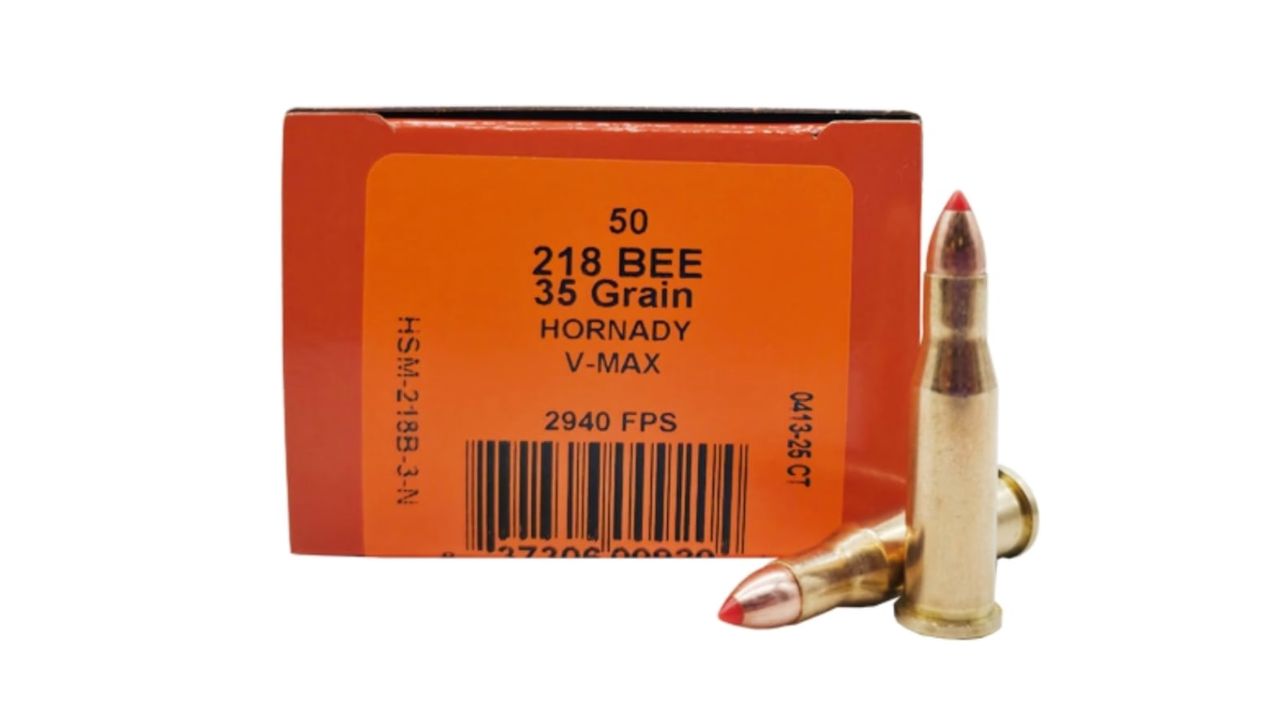
The .218 Bee is charming on the bench. It shoots tight groups and feels great behind the trigger. But hunters who try to stretch it beyond varmints learn quickly that the bullet design isn’t suited for bigger game.
It lacks weight, penetration, and structural integrity. On animals with thicker hide or bone, it underperforms badly. It’s a round that shines on paper but folds under field expectations.
Like The Avid Outdoorsman’s content? Subscribe to our newsletter so you never miss an article.
Here’s more from us:


