Photo credit: TRG Forum/YouTube
Walk into enough gun shops and you start noticing a pattern. There’s always a little row of firearms that seem to hang around longer than they should, even when the price tag gets a fresh orange sticker. They aren’t necessarily junk, either. Most of the time they’re just misunderstood, a little too niche, a little too “yesterday’s trend,” or they require a buyer who knows exactly what they’re looking at.
Dealers mark these down because floor space matters and inventory has to turn. But the funny part is how fast those same “dead” guns disappear the moment the right buyer shows up—usually somebody who has owned one before, hunts a certain way, reloads a certain cartridge, or is tired of chasing whatever the internet is excited about this week.
1. Ruger Mini-14 Ranch Rifle
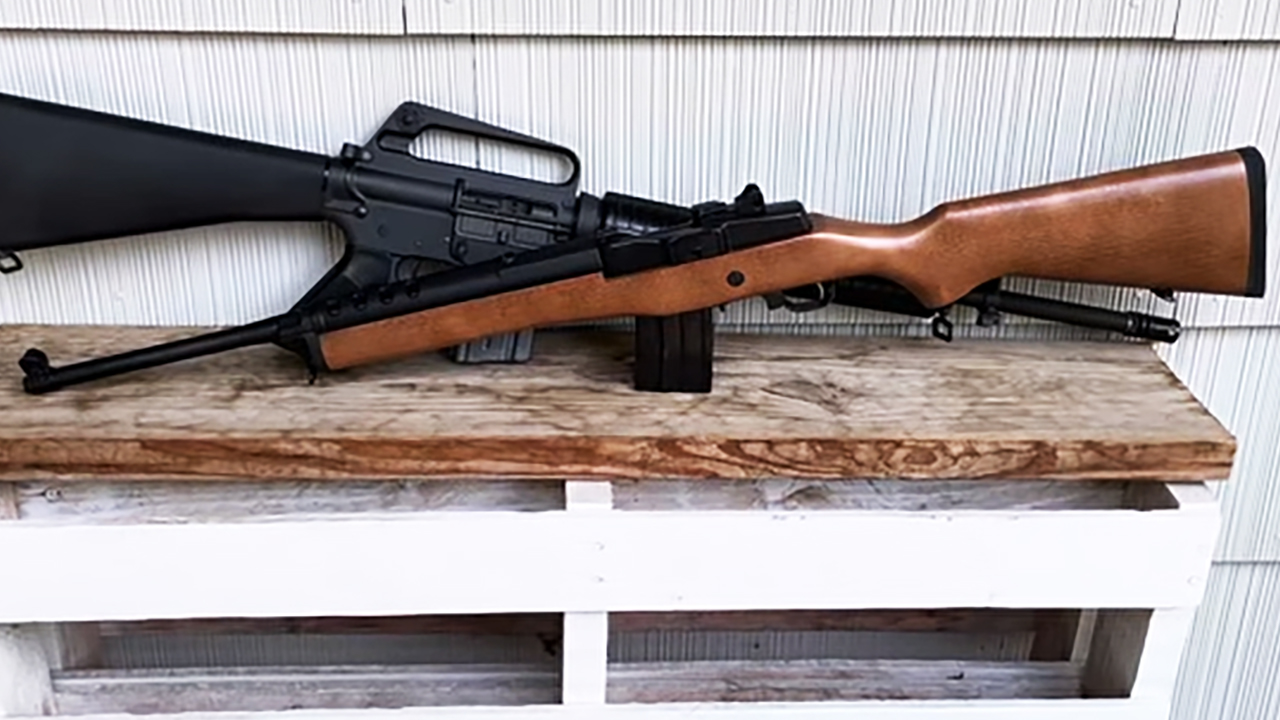
The Mini-14 gets stuck in limbo because it isn’t an AR, and it isn’t “classic” like an M1A, so it winds up being the rifle nobody’s buddies are talking about. A lot of buyers shoulder it, look at the price, then wander back over to the wall of ARs where mags and parts are cheap and plentiful. The older ones also have a reputation for being a little wandering on accuracy when they heat up, which doesn’t help.
But put a Mini-14 in the hands of somebody who wants a simple, rugged .223 that carries like a light hunting rifle and points fast, and it sells right now. Ranchers like them. Folks who hunt coyotes from a truck like them. It’s also a “leave it alone” rifle. No endless accessory spiral. Just a handy semi-auto that runs when kept reasonably clean, and that’s the whole appeal.
2. Remington 7400 Woodsmaster

These semi-auto deer rifles sit because the average buyer has heard the horror stories: finicky feeding, worn rails, and the “it jams when it’s cold” talk. And to be fair, neglected 7400s can be a headache. A used one on the rack with a mystery history makes folks nervous, especially when a new budget bolt gun is sitting right there.
Still, a clean 7400 in .30-06 or .308 can be exactly what a woods hunter wants. Fast follow-up shots on running deer are real in thick timber, and the 7400 shoulders like a familiar old bird gun. The right buyer is usually the guy who grew up watching his dad drop whitetails with one, or someone who already knows to keep the action clean and not run hot handloads. When that person sees a fair price, it doesn’t make it to the weekend.
3. Savage Model 99
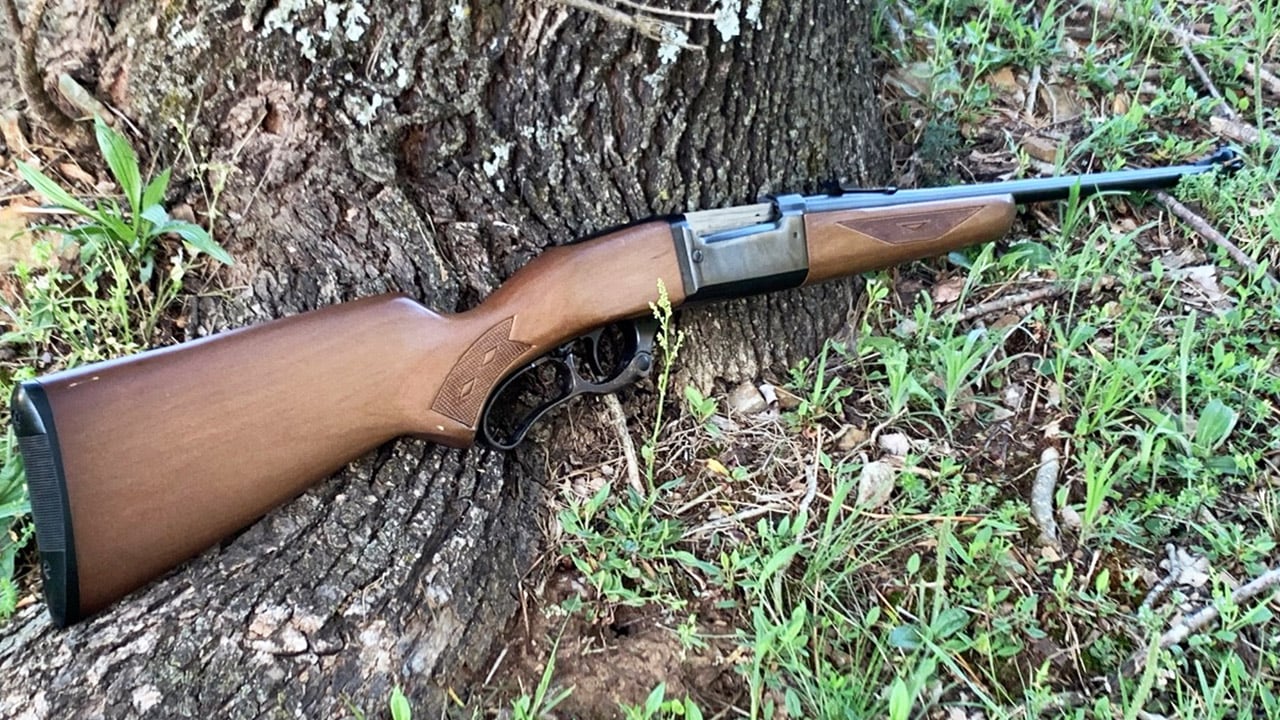
The Savage 99 gets discounted because it confuses modern shoppers. It’s a lever gun, but it doesn’t look like the cowboy rifles everyone recognizes. Some have rotary magazines, oddball calibers, and a whole bunch of variations that make pricing tricky. If the tag is too high, it sits. If it’s too low, the dealer wonders what they missed.
The “right buyer” is a hunter who appreciates what it is: a lever rifle that can handle spitzer bullets and still carry like a dream in the deer woods. They balance well, they have real history, and they are flat-out cool without trying. The other reason they move fast is that good ones aren’t getting more common. When a clean 99 shows up in .300 Savage or .308, somebody who knows will grab it and not look back.
4. Winchester Model 70 (post-64 push-feed)
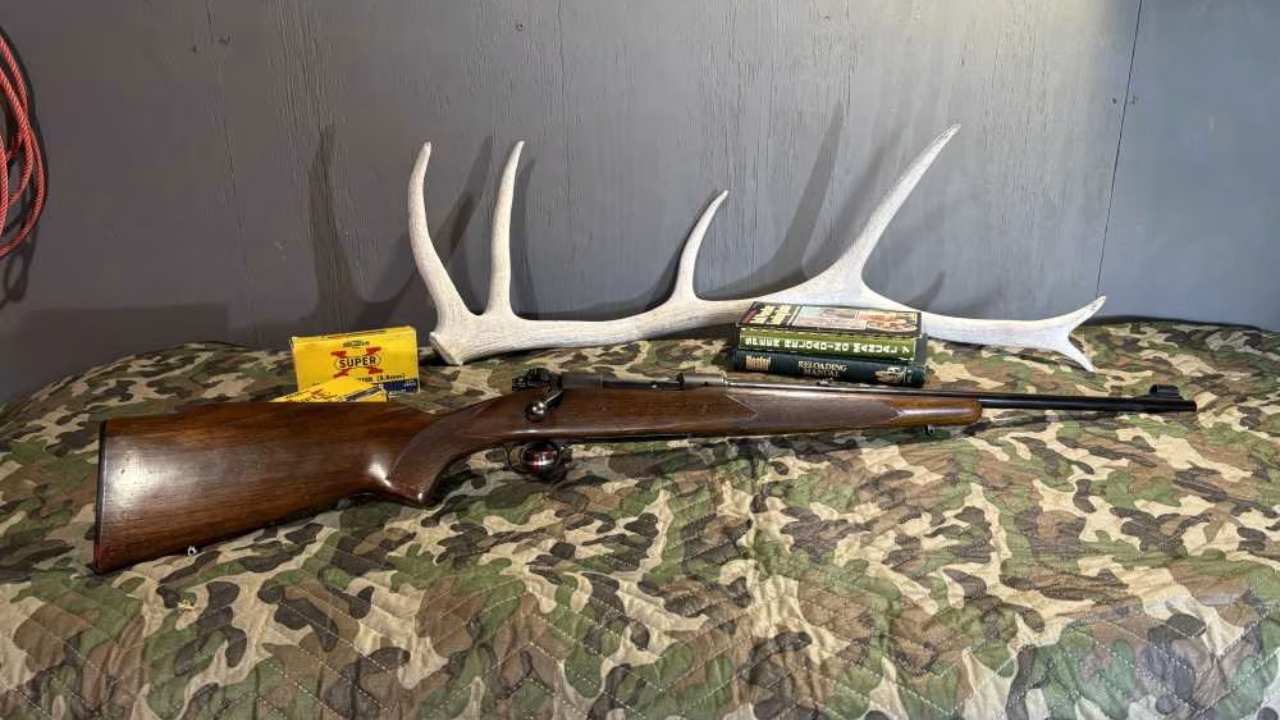
Everybody says they want a Model 70, until it’s a push-feed from the era that internet arguments love to dunk on. Dealers get stuck with them because the words “pre-64” have turned into a magic spell, and anything else gets treated like it’s second-tier. That’s a shame, because a lot of those rifles are solid, accurate hunting tools with good barrels and classic lines.
When a practical hunter walks in—somebody who cares about how the rifle carries and shoots more than collector chatter—these sell. A push-feed Model 70 in .270 or .30-06 with a decent stock and a smooth bolt is still a real-deal elk and deer rifle. It’s also a platform with lots of support for triggers, bases, and stocks. If you want a “real rifle” without paying collector tax, this is where the deals live.
5. Browning BAR (Safari / Mk II)
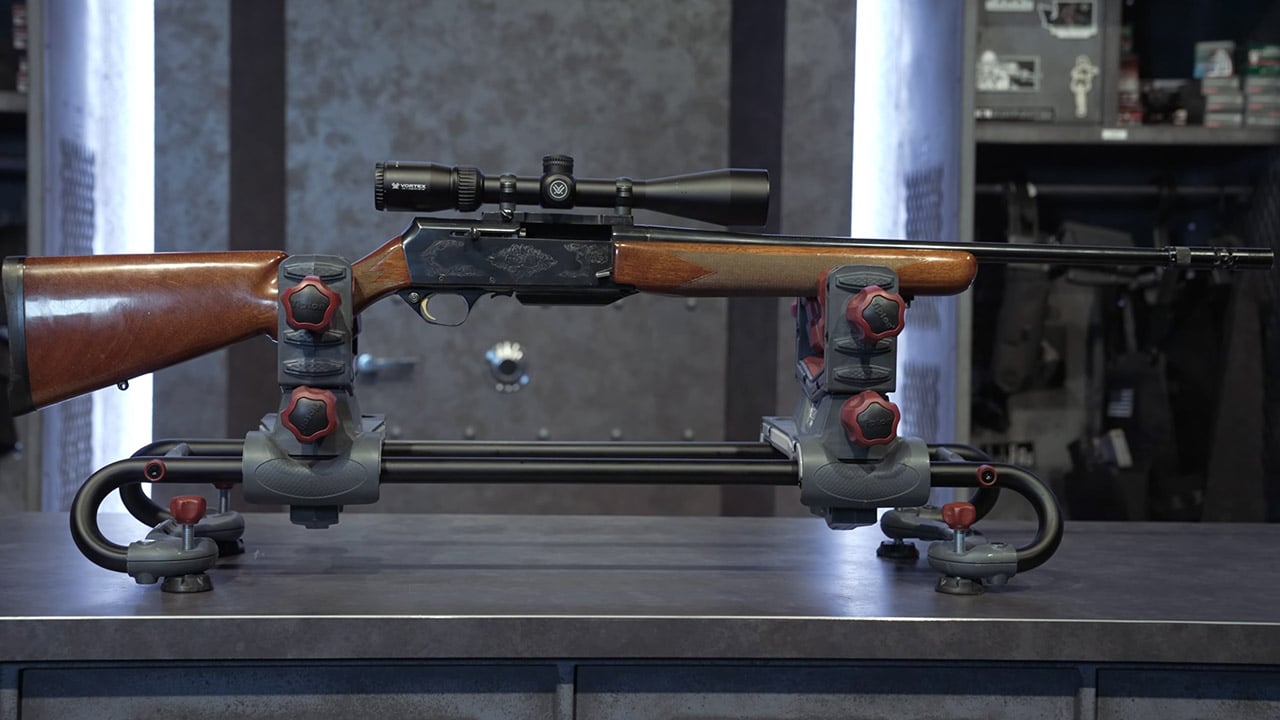
The BAR is the kind of rifle that gets tagged down because it’s expensive new, heavy in the hands, and not trendy. It’s also one of those guns that buyers handle for ten seconds and decide it’s “too much,” especially if they came in thinking they wanted a light mountain rifle. Then it sits, because the guy looking for a semi-auto hunting rifle is a smaller crowd than it used to be.
But the guy who knows what a BAR does will buy it quick. They shoot soft for the caliber, they’re easy to run well from field positions, and they can be very accurate with the right load. In thick cover, or when you might need a fast second shot on a big-bodied buck, a BAR makes sense. The right buyer is also the guy who doesn’t mind carrying a little weight if it means the rifle stays steady when it’s time to press the trigger.
6. Ruger No. 1

Single-shots don’t move fast in a world where everyone is chasing magazine capacity, and the Ruger No. 1 is no exception. It’s not cheap, it’s not “tactical,” and it asks something of the shooter. A lot of shoppers look at one, admire it, and then buy something else that feels more practical on paper.
Then a certain kind of hunter walks in—the one who likes trim rifles, appreciates walnut and blue, and doesn’t mind making the first shot count. The No. 1 carries like a dream because it’s short for the barrel length, and it has a way of turning a regular deer hunt into something that feels a little more intentional. Some folks also chase specific chamberings in the No. 1, and if a dealer marks one down, that buyer pounces. Ask me how I know.
7. Marlin 1895 (older JM-stamped)
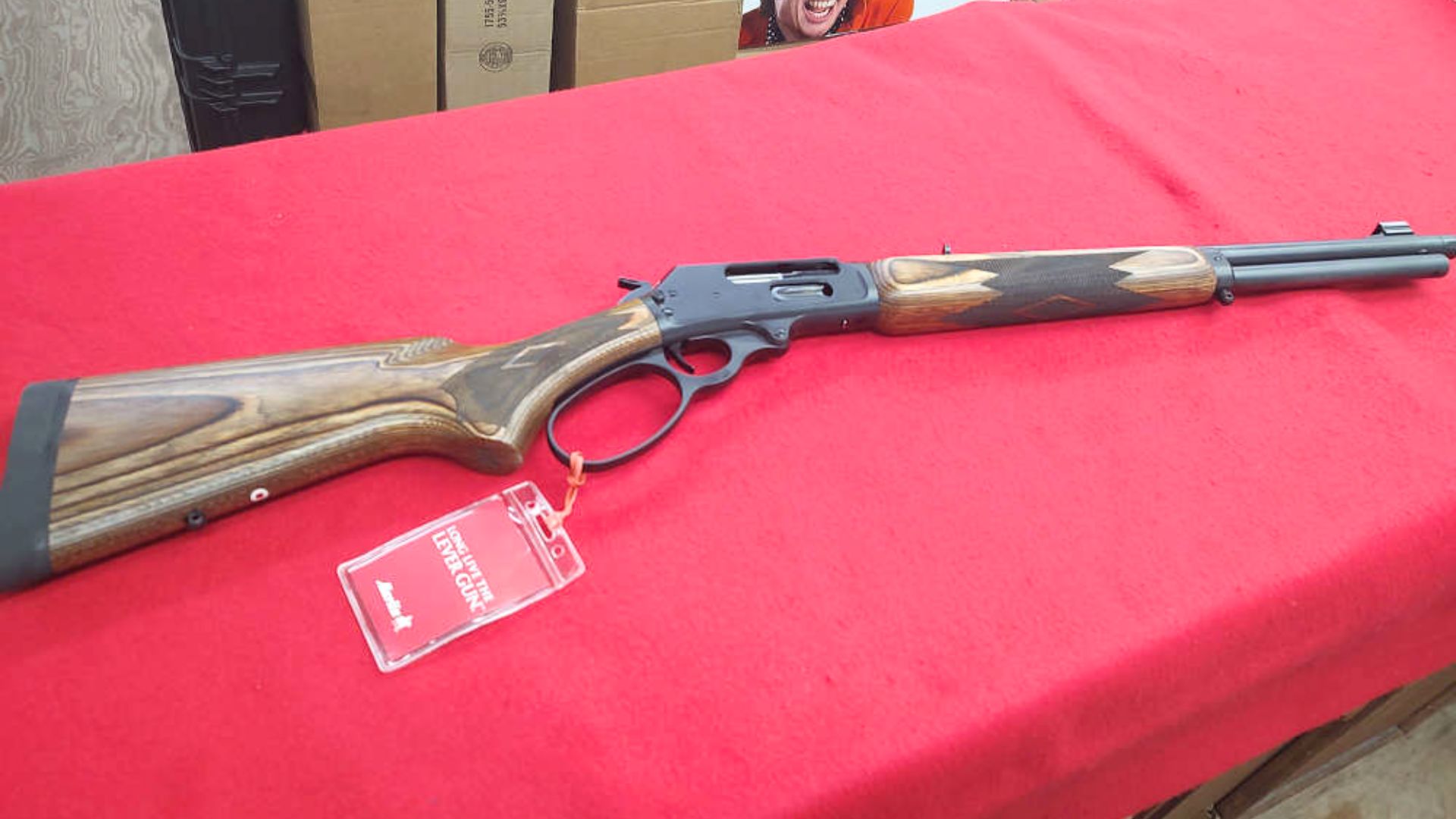
These can sit when the tag is high and the dealer is trying to price it like a collector piece, or when it’s a beat-up .45-70 that looks like it lived behind a truck seat for twenty years. New buyers see recoil stories online and decide they don’t want a shoulder thumper. Others worry about finding ammo, especially if they don’t reload.
But put a fair price on an older JM gun and a lever-gun person will find it fast. .45-70 is still a legit “close and heavy” cartridge for bear country, thick swamps, and big hogs, and the rifle itself just feels right in the hands. A lot of hunters also want one as a keep-forever gun, not a rotating safe item. When the right buyer sees “JM” and good wood, the decision is usually already made.
8. Mossberg 930 (used)
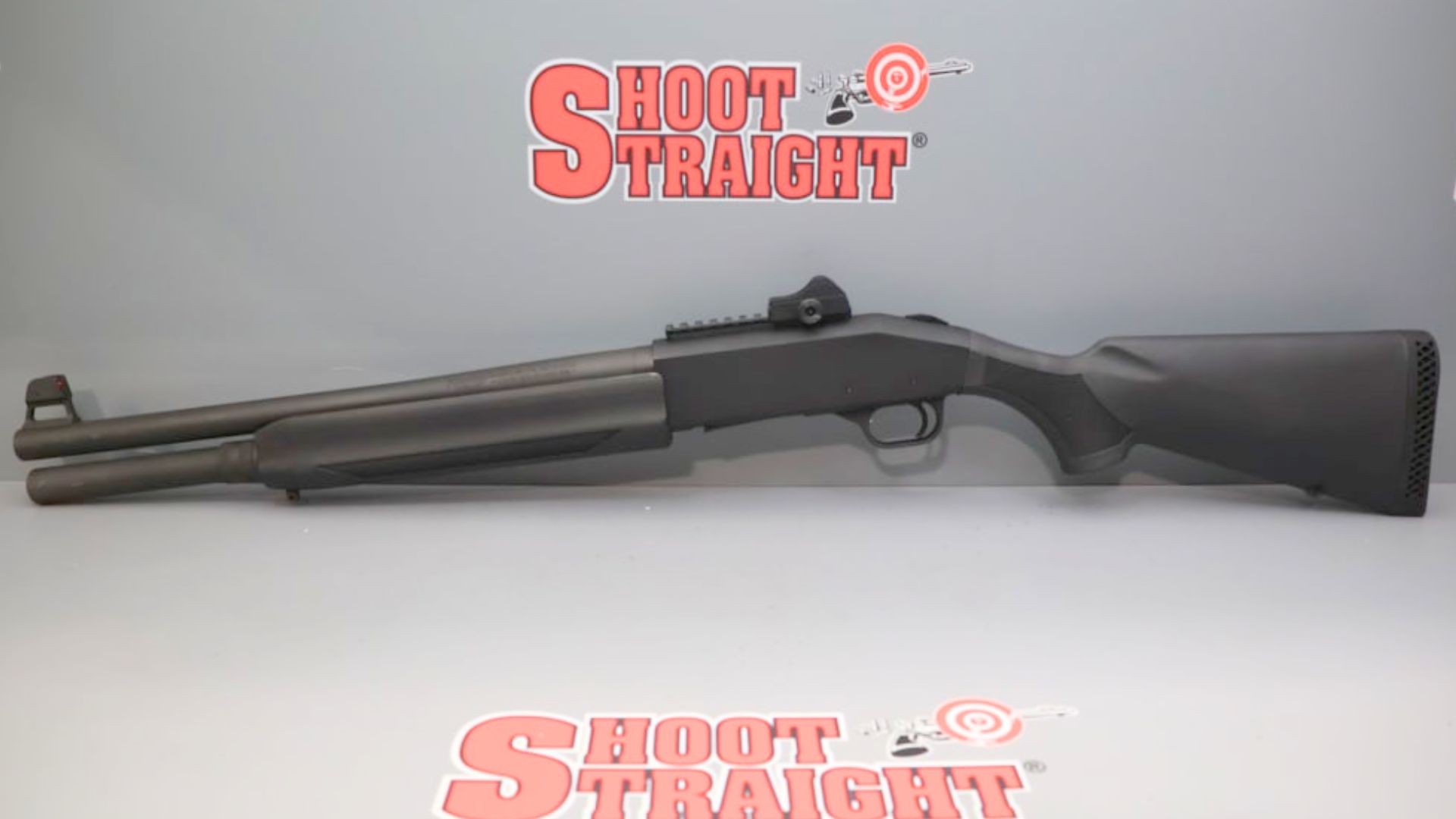
The used semi-auto shotgun rack is where 930s often linger. They don’t have the same halo as the big Italian names, and the internet can be rough on them if someone had a bad experience with cheap shells or poor cleaning habits. When a buyer is already nervous about used semi-autos, a 930 can get passed over.
Still, the 930 is a lot of shotgun for the money, especially for someone who wants a do-it-all 12 gauge for waterfowl, turkey, and the occasional range day. The right buyer knows to check function, look for obvious abuse, and plan on keeping it reasonably clean. If it fits you and it runs, it’s hard to argue with the value. When a dealer marks one down, it becomes the kind of buy that lets a working guy get into a semi-auto without taking out a loan.
9. Remington Model 1100
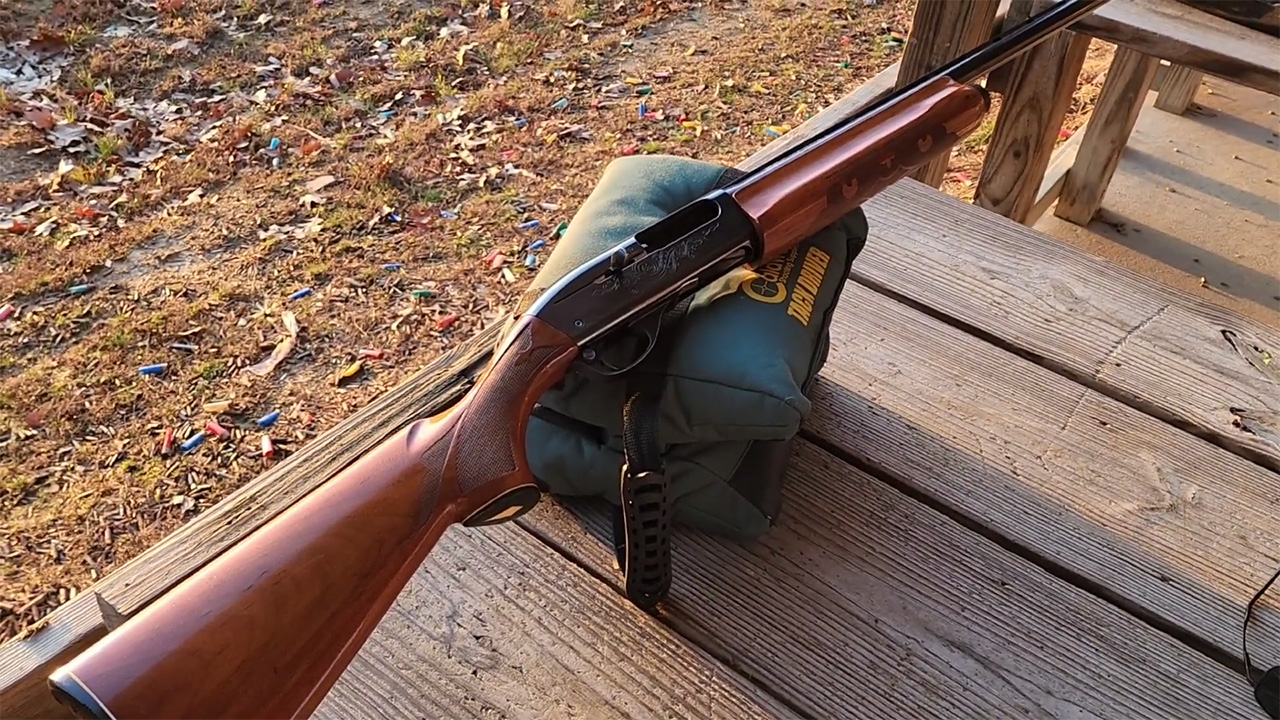
The 1100 is a classic that can still get “stuck” because it’s old-school. Younger buyers want rails, optics cuts, and lightweight everything. Some folks also hear “O-ring” and get spooked like it’s some complicated thing, when it’s really just basic maintenance. Add in the fact that older wood can look rough, and a lot of 1100s get ignored.
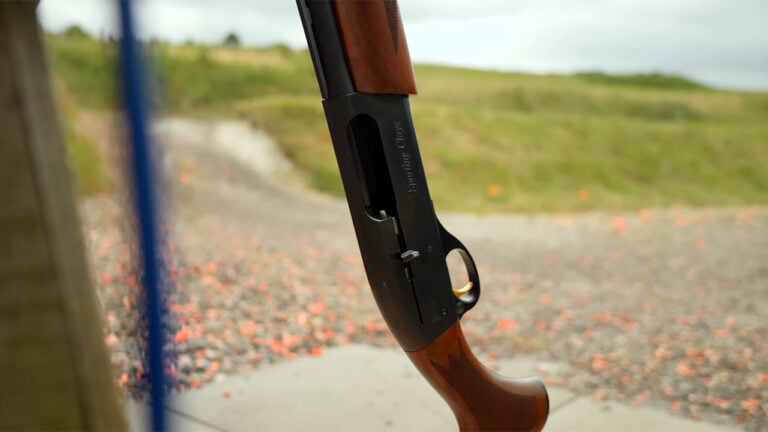
Then a bird hunter walks in and shoulders it, and you can see the wheels turning. The 1100 has a smooth recoil impulse and a swing that just works on flushing birds and crossing clays. Parts are still around, and there’s a whole knowledge base for keeping them running. A clean 1100 in 12 gauge with a good vent rib doesn’t stay on the rack long when it’s priced right. It’s not flashy. It’s useful, and that’s why it sells.
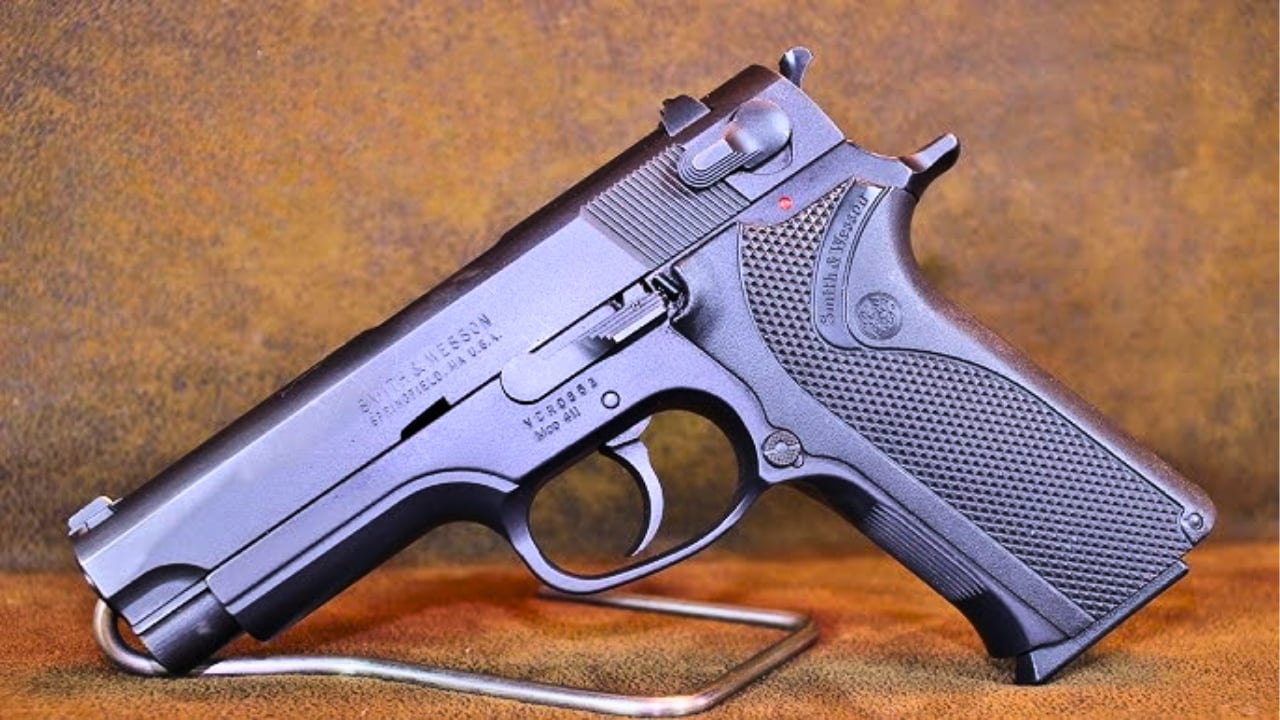
10. Smith & Wesson Model 410
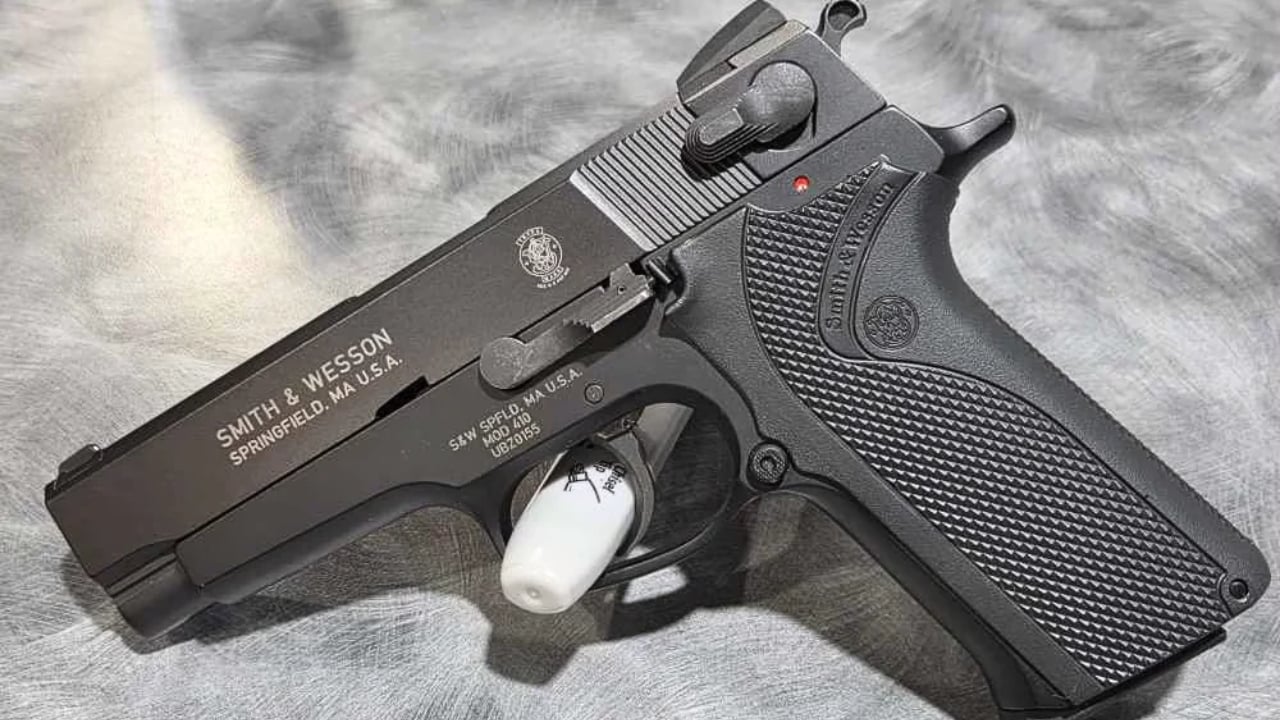
The .40 S&W market has cooled off hard, and guns like the Model 410 (the old all-steel third-gen) get tagged down because most buyers are chasing 9mm. They’re also heavier than the polymer pistols folks carry today, and they don’t have the “cool factor” of a 1911 or a revolver. So they sit there looking like yesterday’s duty belt.
Here’s the thing: those old S&W autos can be incredibly well-made, and the triggers—once you learn them—are excellent. The right buyer is usually someone who carried one, qualifies with DA/SA, and wants a reliable, soft-shooting .40 for the range or nightstand. Magazines aren’t as universal as Glock mags, but they’re out there. When a dealer drops the price enough to make you forget the caliber debate, somebody scoops it up as a “built like a tank” shooter.
11. Beretta PX4 Storm
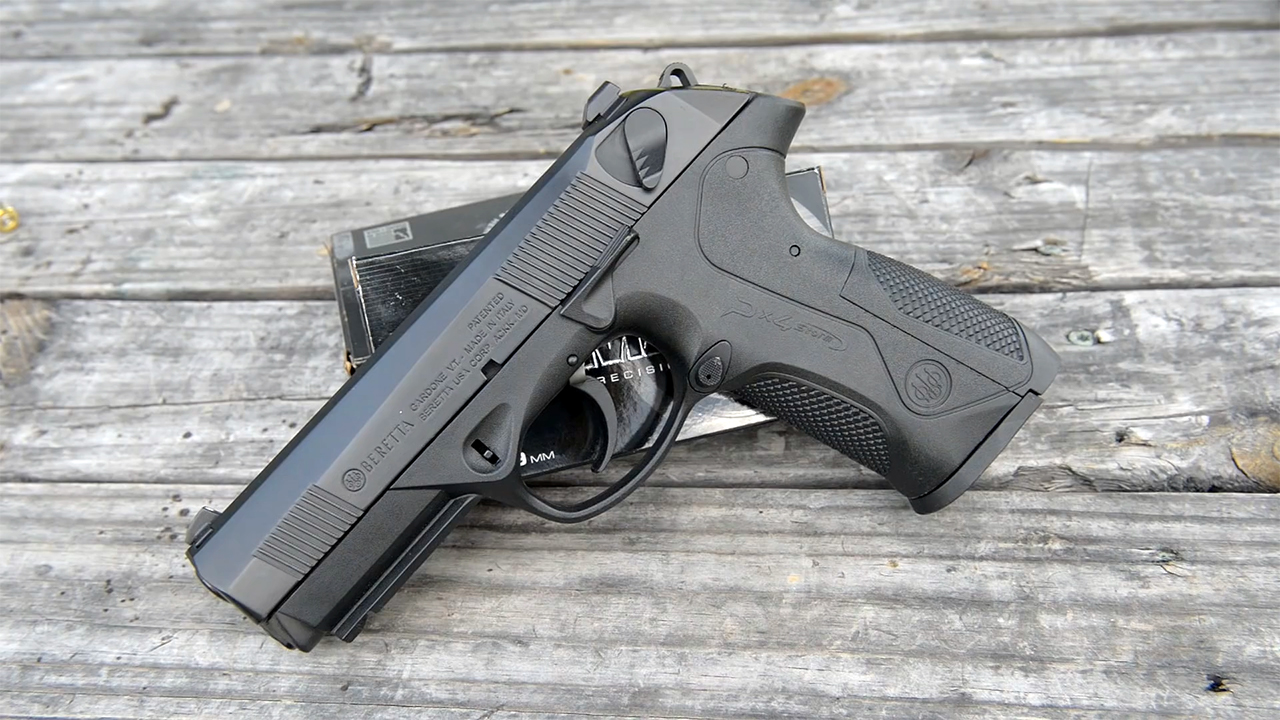
The PX4 is one of those pistols that suffers from looking different. The styling turns some buyers off, and the rotating barrel design sounds “weird” to anyone who only trusts what they already know. Dealers discount them because they don’t get handled as much as Glocks, M&Ps, and P320s, and a gun that isn’t getting picked up isn’t getting sold.
But the PX4 has a loyal following for a reason. They can shoot very flat, they’re comfortable in the hand, and the DA/SA versions make a lot of sense for folks who like a hammer gun for carry or home defense. The right buyer often comes in specifically looking for one, usually after shooting a friend’s and realizing the recoil feel is different in a good way. When one is priced under the more common options, it’s suddenly not “weird,” it’s smart.
12. HK P30

The P30 sits because it’s not cheap, and it’s not new-hotness. A lot of buyers see the price tag and decide they can get two polymer striker guns for the same money. Then they dry-fire it and don’t immediately understand the trigger, especially on the common variants. That’s usually when it goes back in the case.
Then the right buyer steps up—somebody who values ergonomics and durability and doesn’t mind training. The P30 fits a ton of hands thanks to the grip panels and backstraps, and it carries well for a duty-size pistol. It’s also a gun that tends to keep running even when treated like a tool. Magazines aren’t bargain-bin cheap, but they’re available. If a dealer marks down a P30, the person who has been waiting for a “reasonable HK price” will end that wait immediately.
13. Springfield Armory XD-M (original series)
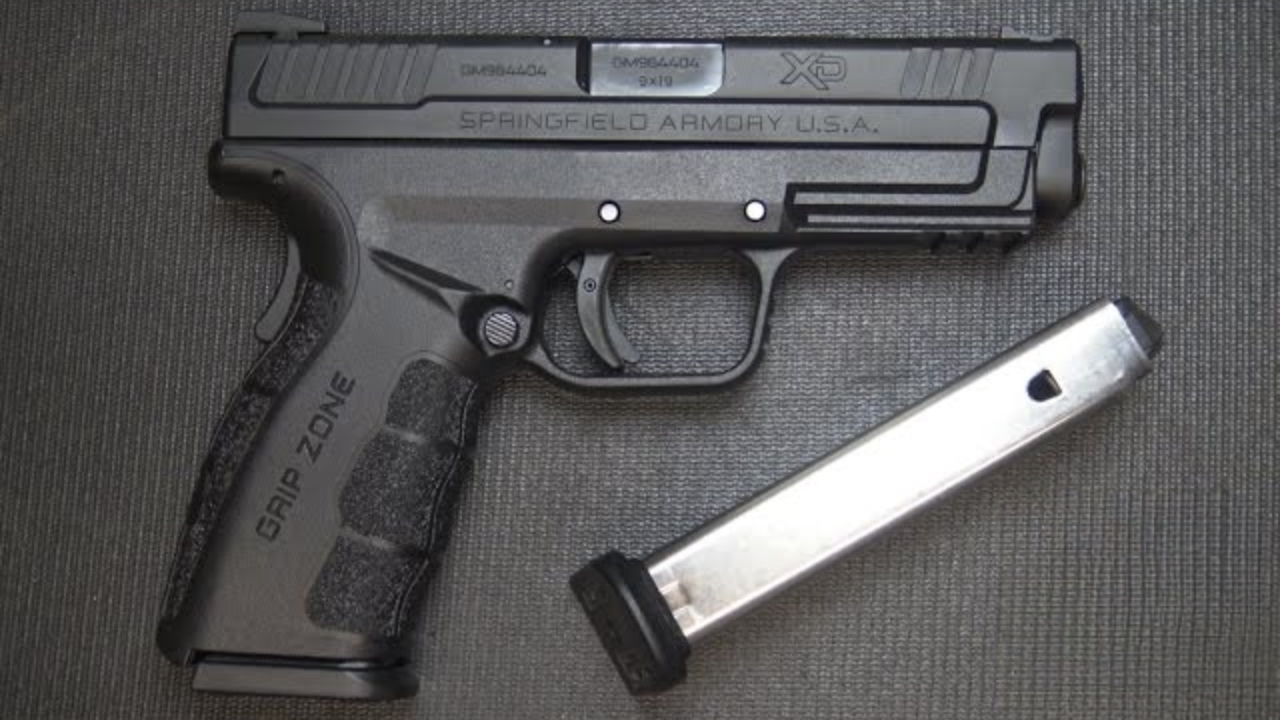
The XD-M line gets hit with “yesterday’s striker-fired pistol” syndrome. Trends move, and a lot of shooters chase whatever has the newest trigger, newest optics mounting system, or the biggest aftermarket. The XD-M also has a vocal group of detractors online, and whether you think that’s fair or not, it affects what moves quickly in a shop.
Still, the XD-M can be a very shootable pistol with good capacity and a grip that a lot of hands like. The right buyer is often someone who already owns XD magazines, has a holster drawer that fits, or simply shoots the platform well. A marked-down XD-M can be a strong “range and nightstand” pick, especially if it comes with extra mags. It’s not the gun that wins internet arguments. It’s the gun that runs fine for a lot of owners who actually put rounds through it.
14. Ruger Security-Six
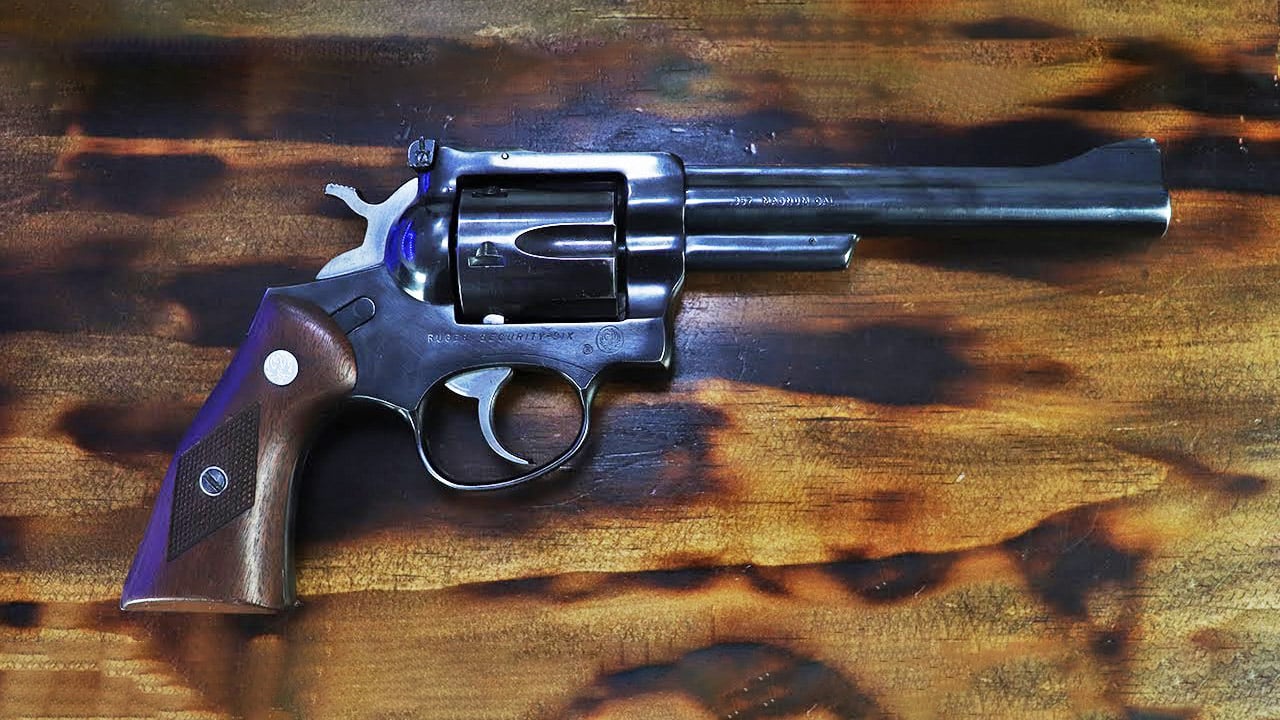
Used revolvers can be weird in a shop. They either sell instantly or collect dust, and the Security-Six tends to be in the dust category when buyers only recognize “GP100” and “686.” A Security-Six might have honest holster wear, a thin grip that feels small compared to modern rubber grips, and a double-action pull that needs some dry-fire time.
The right buyer knows they’re strong, practical .357s that were built for service use, and they’re often priced better than the more famous names. For a woods sidearm, a truck gun that doesn’t need babying, or a simple revolver to keep around the property, the Security-Six makes a lot of sense. Parts and grips are still out there, and they carry easier than some of the heavier framed options. When a clean one shows up with tight lockup, it doesn’t stay lonely for long.
15. Colt King Cobra (older model)
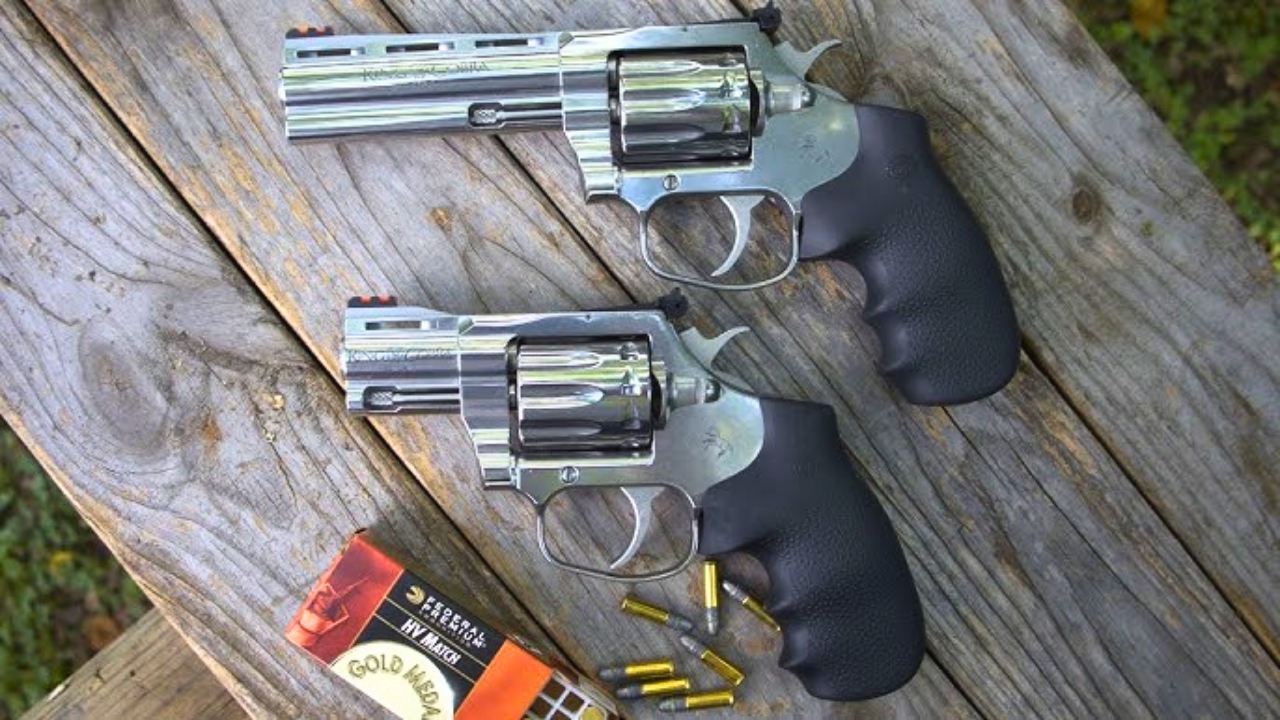
Older Colts confuse pricing, and that’s why they sit. Dealers worry about overpricing and getting laughed at, or underpricing and leaving money on the table. Buyers worry about parts and the old “Colt action” mystique. If it’s not a Python, some folks don’t know what to do with it, and they just move on.
A shooter who appreciates Colt revolvers will spot a King Cobra and start checking the details: timing, lockup, general condition. The older King Cobras can be excellent .357 revolvers with a feel you don’t get from everything made today. They also hit that sweet spot of being “nice” without feeling like a safe queen you’re afraid to scratch. If one gets marked down because it isn’t the famous model, the right buyer treats it like found money and gets it out the door fast.
16. CZ 75B
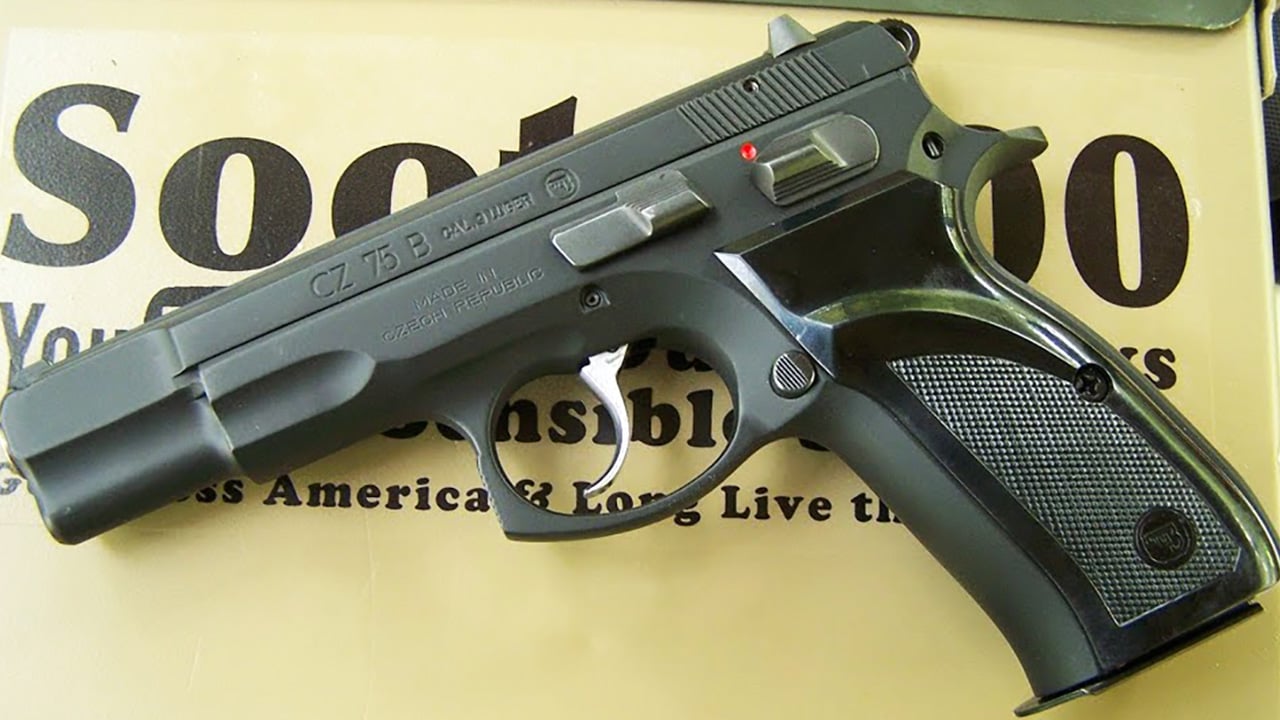
The CZ 75B can be a slow mover simply because it isn’t pushed as hard behind the counter. It’s not an American household name, and new shooters often default to what their buddies carry. It’s also an all-steel (or at least heavier) pistol compared to the polymer crowd, and weight alone makes some people assume it’s “outdated.”
Then someone with taste in shooters picks it up and smiles. The CZ points naturally for a lot of folks, the recoil impulse is soft, and the accuracy is usually there. It’s one of those pistols that makes you look better than you are on a good day. Magazines are available, and there’s plenty of support if you want sights or grips. A dealer can mark down a 75B and still not keep it long, because once a buyer has handled one, it’s hard to forget how right it feels.
17. Ruger SP101 (2.25-inch)
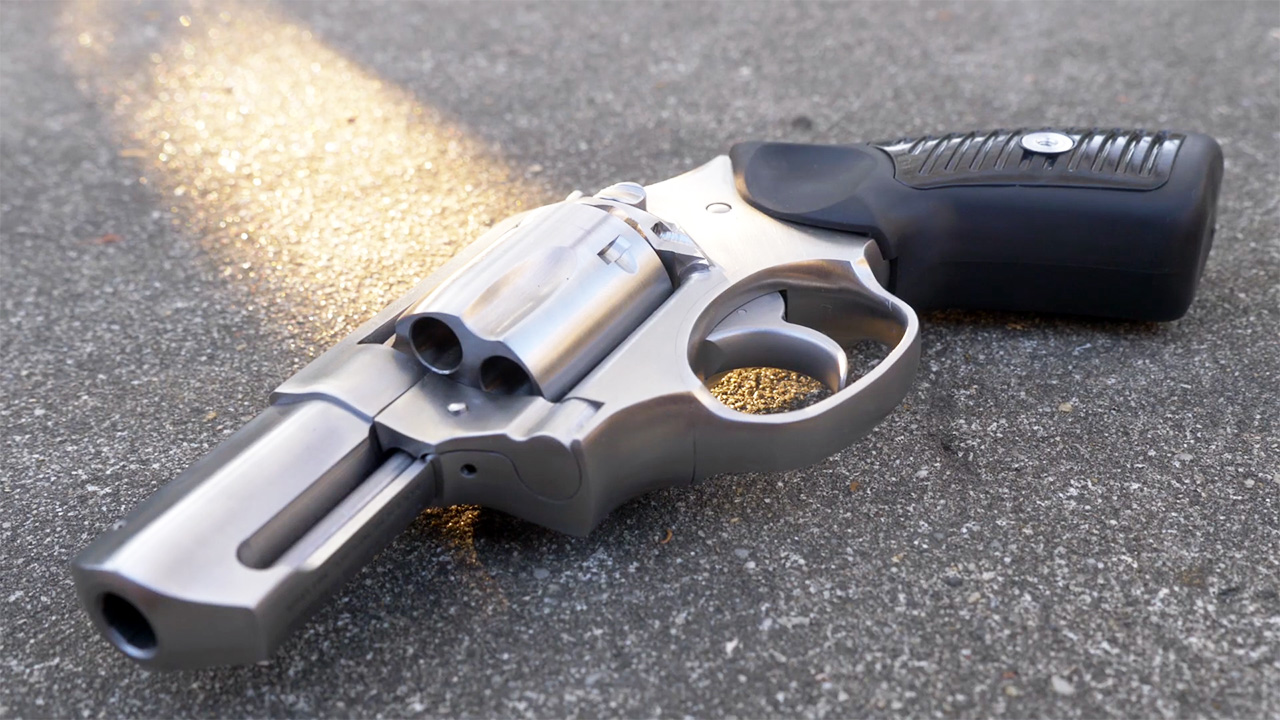
Small revolvers get overlooked because micro 9mms stole the spotlight. An SP101 also feels heavy for its size, and that surprises people when they pick it up. Then they look at the capacity and think, “Why would I carry this when a small semi-auto holds twice as much?” So it sits there with a markdown tag while everyone argues online.
But the SP101 has a role, and it’s a real one. It’s durable, it handles .357 better than the featherweight snubs, and it’s simple for a lot of outdoors situations where you want something that can ride in a coat pocket or on a belt while you’re splitting wood, checking fence, or walking a riverbank. The right buyer is usually someone who’s done the “tiny gun” thing and decided they want shootability back. When they see a used SP101 at a fair price, they quit thinking and start paperwork.
18. Glock 20 (10mm Auto)
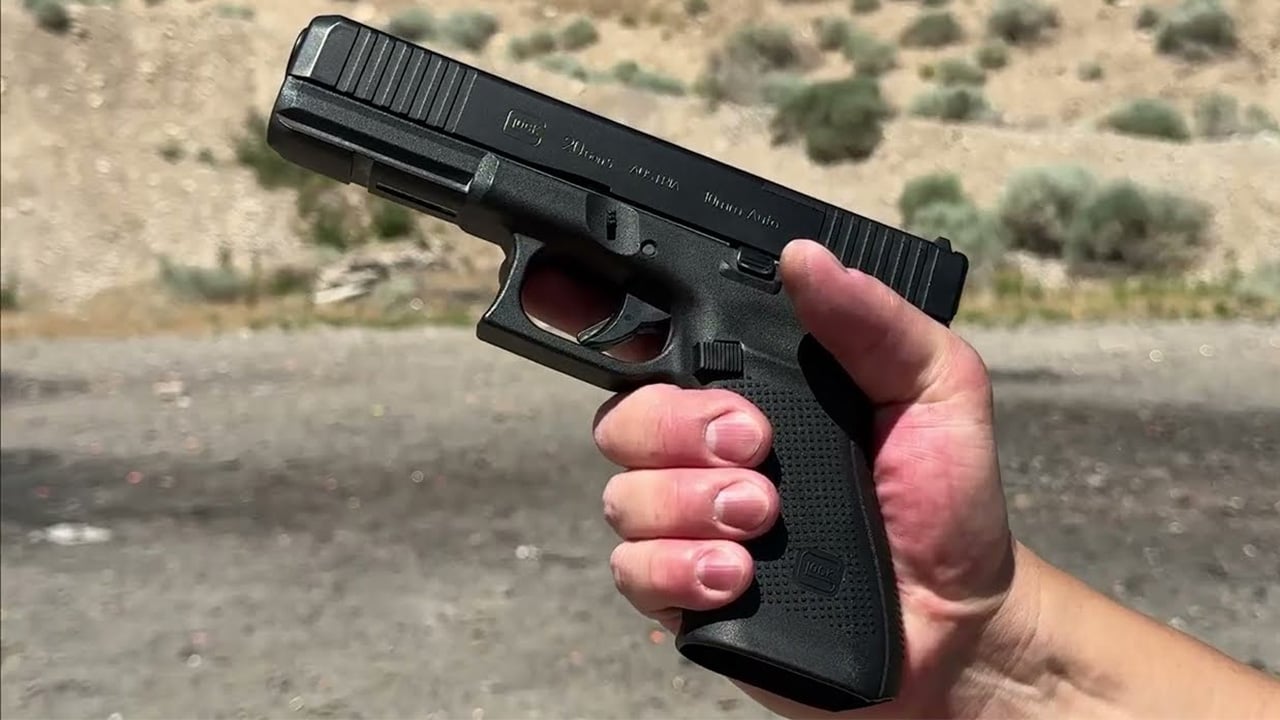
10mm pistols don’t move fast everywhere because not everyone wants to feed 10mm. Ammo can be pricier, and a lot of casual shooters don’t want the extra blast and recoil. The Glock 20 also has a grip that feels like a brick to some hands. Dealers mark them down because a full-size 10mm is a very specific itch.
Then a bear-country hunter, hiker, or hog guy walks in and starts looking for a sidearm that actually has some muscle. The Glock 20 isn’t fancy, but it’s a proven platform with common parts, common magazines, and a reputation for working when it’s dirty and you’re tired. The right buyer is usually already carrying it in their head as a solution, and they’re just waiting for the price to make sense. When that happens, it’s gone before the next shipment hits the back door.
19. SIG Sauer P239
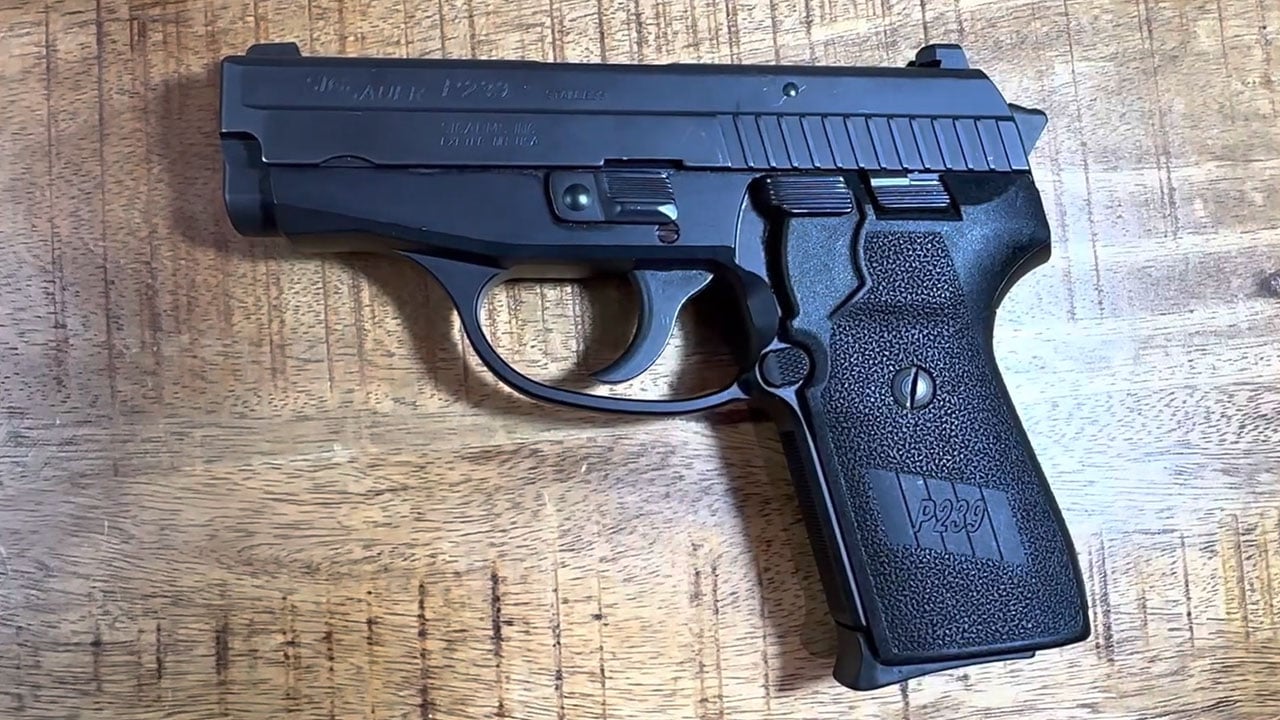
The P239 sits because it’s a single-stack from the era before everyone demanded double-stack compacts. It’s heavier than modern slim 9mms, and it doesn’t give you the capacity-to-weight ratio people shop for today. A dealer can tag it down twice and it still gets passed over by shoppers who are looking for the newest thing with an optics-ready slide.
But for the right buyer, the P239 is one of the better “real guns that carry” options ever made. It has a solid feel, it conceals well, and it shoots like a bigger pistol than it is. The DA/SA trigger system isn’t everyone’s favorite, but those who train with it tend to trust it. The guy who used to carry one for work and misses it will buy it on sight. There’s nothing trendy about that purchase. It’s pure confidence.
20. Remington Model 7
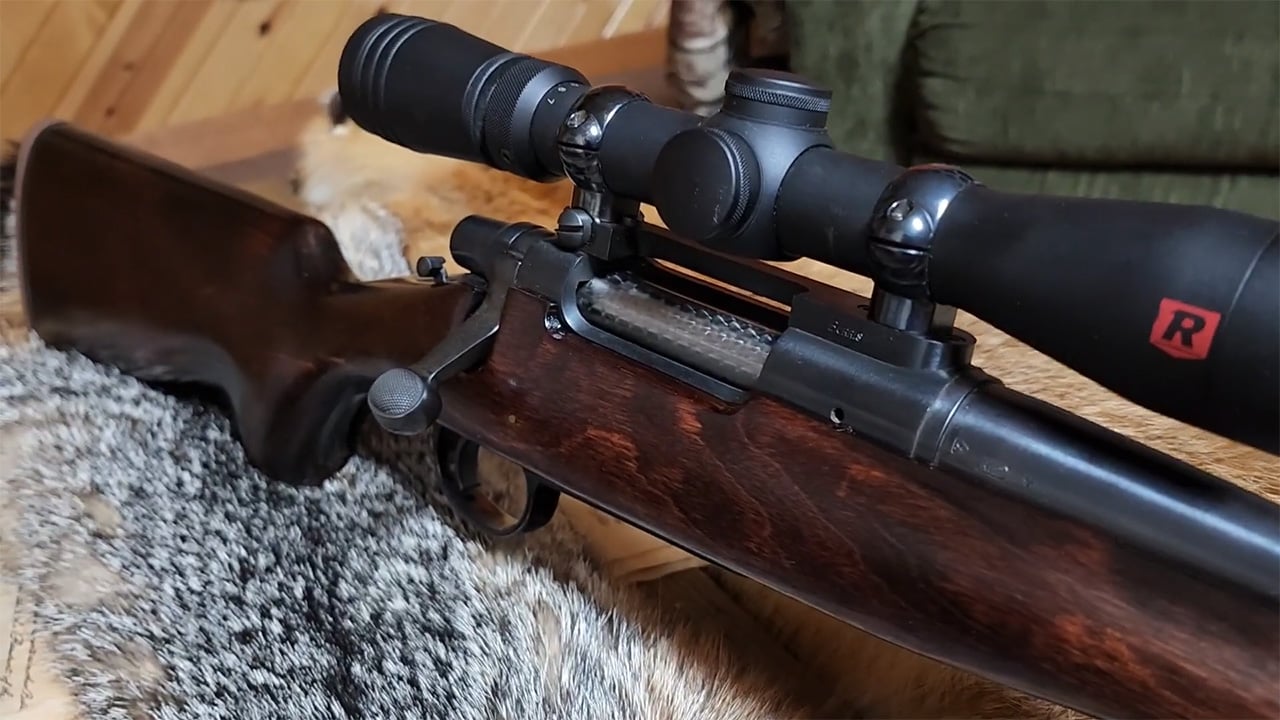
Short-action bolt guns like the Model 7 can be slow sellers because buyers compare them to cheaper package rifles and wonder why the little Remington costs more. If it’s used, the condition matters a lot, and a scratched-up stock can make a good rifle look like a problem. It also doesn’t have the “new chassis rifle” vibe, so it gets ignored by the crowd that lives on bipods.
Then a hunter who actually carries a rifle all day picks it up and remembers what handy feels like. A Model 7 in .308, 7mm-08, or .243 is a legitimate walking-around deer rifle, and it’s especially nice in thick country where you’re stepping over deadfall and sliding through brush. They point quick, they don’t drag you down, and they fit in a truck without getting banged up. When one is priced right, the buyer who hunts hard doesn’t hesitate.
If you’re the kind of person who likes finding value where other shoppers don’t bother looking, those markdown racks are worth a slow lap. Just don’t confuse “discounted” with “bad.” Sometimes it’s just a gun that needs a buyer with a specific job in mind. Handle it, check the basics, think about ammo and mags before you fall in love, and be honest about how you’ll actually use it. When the fit is right, the deal doesn’t last long.
Like The Avid Outdoorsman’s content? Subscribe to our newsletter so you never miss an article.
Here’s more from us: