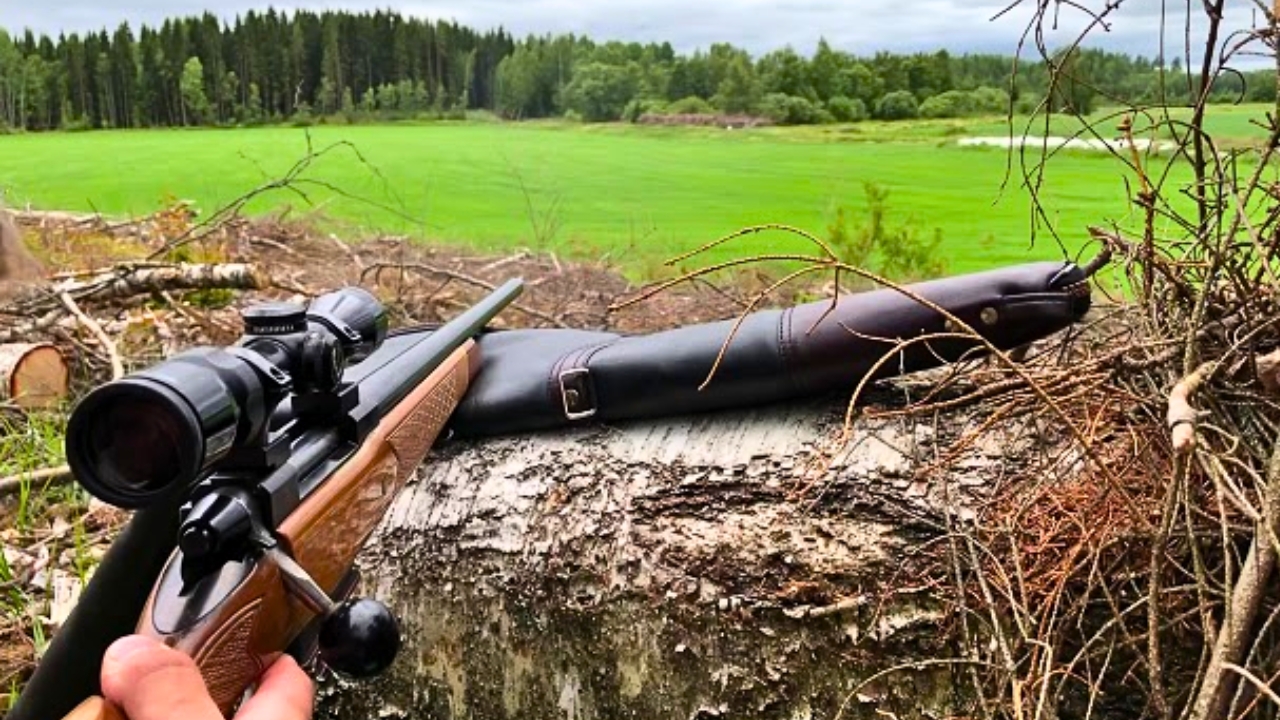
Photo credit: Juha Immonen/YouTube
A lot of modern budget rifles can shoot well. Some of them shoot very well. But plenty of older hunting rifles were built in a time when manufacturers still cared deeply about barrel quality, receiver fit, and walnut-stocked rifles that had to earn a reputation one camp at a time. They weren’t trying to win internet arguments. They were trying to put three shots close together and keep doing it for decades.
That’s why some of these older rifles still embarrass newer bargain builds. They may lack detachable mags, threaded muzzles, and molded plastic everything, but many of them have better barrels, steadier actions, and a kind of repeatable honesty that shows up on paper fast. If you find a clean one that hasn’t been abused, you can end up with a hunting rifle that still shoots tighter than rifles built fifty years later on a tighter budget and a looser standard.
Winchester Model 70 pre-64

A good pre-64 Model 70 still has a way of making newer rifles feel cheap in a hurry. The action is smooth, the steel is first-rate, and many of those rifles were fitted with barrels that simply shoot. When you find one that has been cared for and not “gunsmithed” into a mess, it can print groups that make modern budget rifles look like guesswork.
What makes it hold up is consistency. The controlled-round-feed design gets most of the attention, but the real story is how solid the whole rifle feels when you settle in behind it. The stock fit, the balance, and the way the action locks up all help you shoot it well. Plenty of them still deliver practical hunting accuracy that goes well beyond what most deer hunters actually need, and many will still flat-out outshoot today’s cheaper plastic-stocked rifles.
Remington 721

The Remington 721 does not get the same love as the 700, but it should. This rifle was built before Remington polished the idea into the 700, and a lot of 721s still shoot extremely well with plain hunting ammo. The barrels were often excellent, and the action is stronger and stiffer than many people give it credit for.
You also see a lot of 721s that have simply held zero and kept working for decades. That matters. A rifle that stays stable year after year tends to build confidence, and confidence shows up in group size. The styling is plain compared to newer rifles, but if you’re judging by holes in paper instead of shelf appeal, the 721 still holds its own. In many cases, it does more than that. It flat-out outruns a lot of modern bargain rifles.
Remington 722

The 722 is the short-action companion to the 721, and it earned a quiet reputation as one of the better-shooting factory rifles of its era. A lot of these rifles were chambered in cartridges that naturally lend themselves to accuracy, and the rifles themselves often had the barrel quality to take advantage of it.
The 722 also has a reputation for shooting above its pay grade because it was built around a simple, rigid action and a practical, no-drama setup. There’s nothing flashy here. That’s part of the point. You mount a decent scope, find a load it likes, and a good 722 will often group tighter than a lot of modern budget rifles that feel cheaper in every meaningful way. For a rifle this old, that says a lot.
Remington 700 BDL
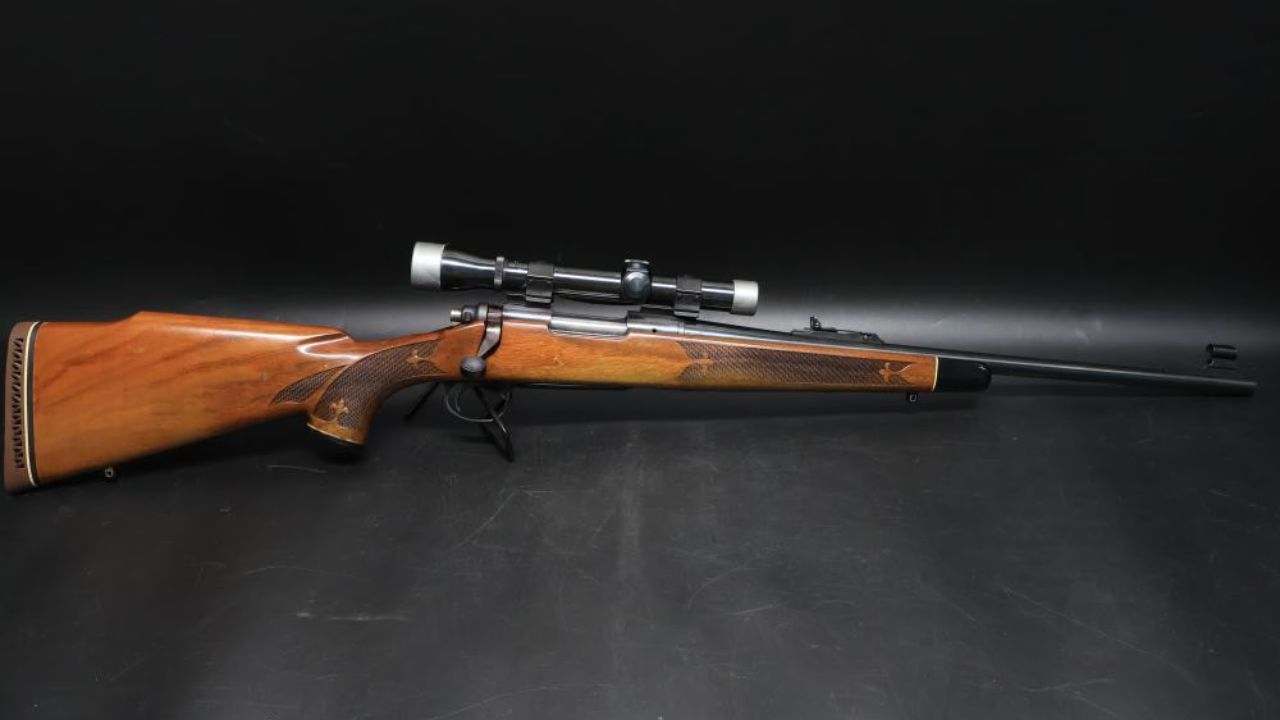
Early Remington 700 BDL rifles built their reputation honestly. The action was smooth, the trigger could be very workable when properly adjusted, and the barrels in many of those older rifles were simply better than what you often see on today’s low-cost rifles. That’s a big reason the 700 became the standard so many others were measured against.
A clean older BDL can still be a shock if you’ve only been around newer budget rifles. The rifle feels planted, the lockup feels repeatable, and the accuracy can be far better than people expect from a “plain old hunting rifle.” You don’t need a chassis, a brake, or a pile of aftermarket parts to see it. You need a sound example, good mounts, and decent ammunition. Then you start understanding why older hunters kept them so long.
Ruger M77 tang safety

The tang-safety Ruger M77 has a loyal following because many of them are still honest hunting rifles in the best sense. They feed well, carry well, and a good one will shoot tighter than people expect from a rifle that gets remembered more for field toughness than benchrest bragging rights.
The reason they still beat modern budget builds is that they often feel more solid as a complete rifle. The action has substance, the stock fit is usually better than the cheapest modern options, and they hold together in the field without feeling flimsy. Not every M77 is a laser, but a good tang-safety rifle with the right load can absolutely outrun many modern entry-level rifles. And it will probably feel better in your hands while doing it.
Savage 110

The Savage 110 has been quietly outshooting prettier rifles for a long time. Long before “budget accuracy” became a marketing phrase, the 110 had already built a reputation for barrels that shot and actions that delivered more precision than the price suggested. That reputation didn’t come out of thin air.
Older 110s especially have a way of surprising people who judge rifles by finish and styling. They may not be the smoothest actions in the safe, but many of them shoot with a kind of repeatable consistency that makes newer bargain rifles feel disposable. The lockup is solid, the barrels often do their part, and the rifles respond well to handloads and common factory ammo alike. If your standard is group size, the 110 has been punching above its class for decades.
Remington 788

The Remington 788 has become almost legendary among rifle people for one reason: a lot of them shoot. The rear-locking action looks odd compared to more famous designs, and the rifle was never the “prestige” option, but plenty of 788s developed a reputation for accuracy that newer budget rifles still struggle to match.
Part of the appeal is how little pretense there was. The 788 was built as a more affordable rifle, yet many examples produced groups that embarrassed rifles costing more. That memory has stuck around because it was real. You still find hunters hanging onto them for exactly that reason. They may not be fancy, and parts support is not what it once was, but in raw “does this rifle put shots close together?” terms, the 788 still has a well-earned reputation.
Sako L61R Finnbear

The Sako L61R Finnbear is one of those rifles that reminds you what old-world quality felt like in a factory hunting rifle. The machining, barrel quality, and overall fit were taken seriously, and the result was a rifle that often shot as well as it looked. Sometimes better.
A good Finnbear in a practical hunting chambering can still outshoot modern budget rifles without trying very hard. The action feels smooth and precise, the barrels were widely respected, and the stock design makes it easy to shoot well from field positions. This is not a rifle that relies on gimmicks. It relies on quality steel, quality barrel work, and a platform that was built to last. When you shoot one, you understand why people still hunt down clean examples.
Sako L579 Forester

The L579 Forester has the same family traits that made older Sakos so respected: excellent barrels, slick actions, and the kind of fit that makes a rifle feel right before you ever fire a round. In practical medium cartridges, these rifles have long held a reputation for accuracy that was never inflated.
What sets the Forester apart is how complete the package feels. It is not only that the rifle can shoot tight groups. It is that the whole rifle helps you deliver them. The action cycles cleanly, the stock shape works, and the barrel quality is there to reward good fundamentals. A lot of modern budget builds can be made to shoot. A good Forester often starts there. That’s a different experience, and it’s why these rifles still command respect.
Husqvarna 1640

The Husqvarna 1640 is a rifle more hunters should know about. These Swedish-built rifles often came with very good barrels and clean workmanship, and many of them still shoot far better than their age suggests. They were built as practical hunting rifles, not as disposable price-point pieces.
You can feel the difference in the way the action runs and the way the rifle settles into a shooting position. A clean 1640 often has the kind of steadiness and barrel quality that makes groups shrink with ordinary hunting loads. They are not common on every rack, and they are not loaded down with modern features, but in pure “old rifle versus new budget rifle” terms, a good Husqvarna can still be a rude awakening for someone who thinks age automatically means inferior performance.
FN Mauser Sporter
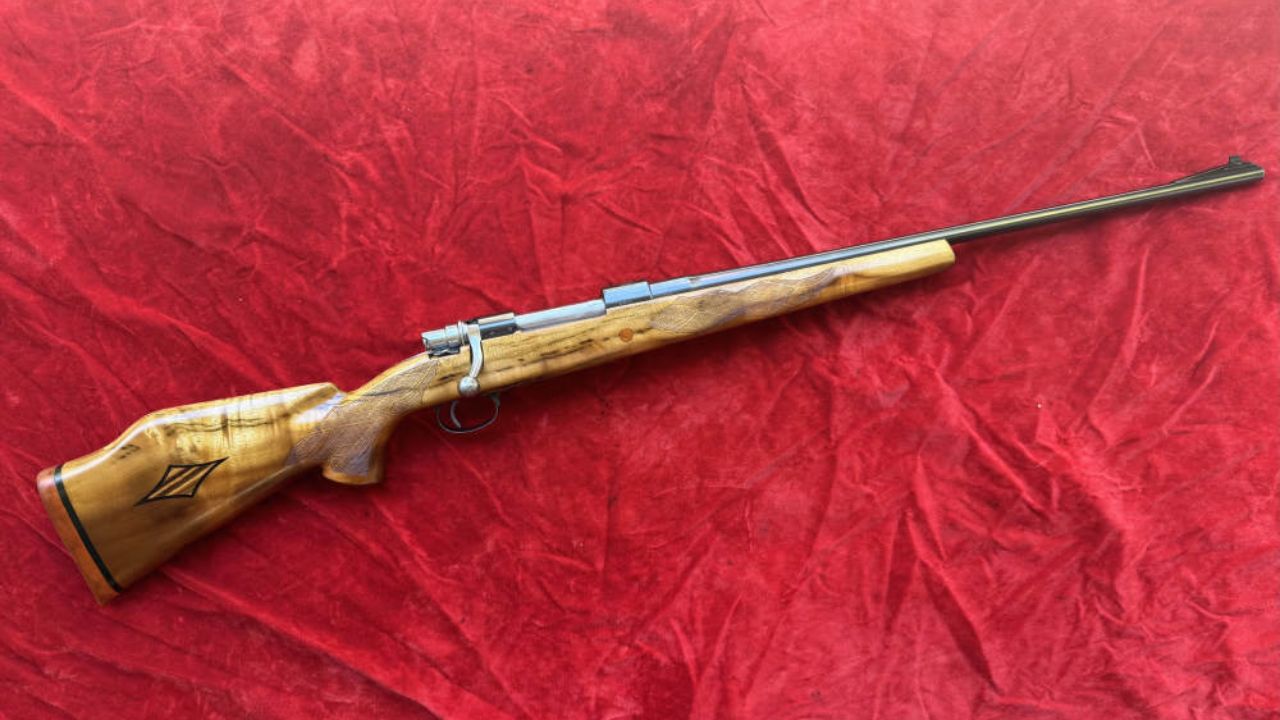
A good FN Mauser sporter is a reminder that many older sporting rifles were built on excellent actions and then fitted with barrels that actually deserved them. These rifles were often turned into serious hunting tools, and the better examples still shoot with a level of authority that modern bargain rifles do not always reach.
The real value here is how stable and trustworthy the platform feels. The action design is proven, the feeding is generally excellent, and the rifle often carries that “solid steel and walnut” character that helps it shoot consistently from field positions. You are not getting detachable mags or molded stocks. You are getting a serious hunting rifle built around a strong action and, often, a barrel that can still make tiny, honest groups if you feed it what it likes.
Weatherby Mark V

Older Weatherby Mark V rifles were built to a high standard, and while people often focus on the magnum branding, the real story is that many of these rifles were simply well made. The actions are strong, the barrels were usually good, and the rifles often shot with a consistency that made them feel worth the extra money.
That still matters today. A clean older Mark V can often outshoot cheaper modern rifles because the barrel and action quality are there from the start. Even when chambered in standard cartridges, they tend to carry that same quality feel. The rifle settles well, the lockup feels solid, and a good example can shoot groups that make “budget precision” sound like a slogan. There is a reason people still chase older Mark Vs when they find one that has not been abused.
Tikka M65
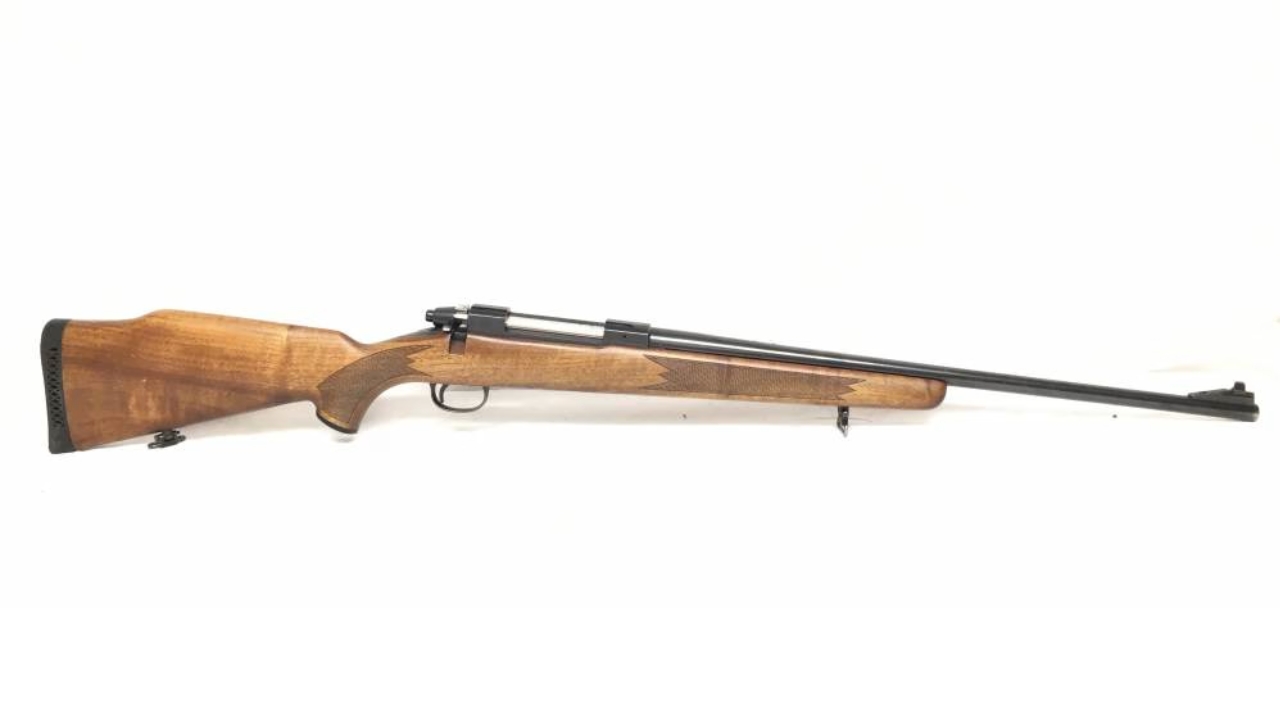
Before the T3x built Tikka’s modern reputation, rifles like the M65 were already showing what the company could do. The M65 has the same basic strengths that make Tikkas popular now: smooth action travel, good barrels, and a practical layout that makes the rifle easy to shoot well without much drama.
A good M65 can still be a nasty surprise for a modern budget rifle. The barrel quality is often there, the action feels more refined than many cheap rifles sold today, and the overall fit tends to make the rifle feel like a serious hunting tool instead of a price-point compromise. You are not buying one for trend appeal. You are buying one because a lot of them still put bullets very close together with a lot less fuss than newer rifles wearing much cheaper bones.
Browning A-Bolt

The original Browning A-Bolt may not feel ancient, but it is old enough now to prove a point: some “older” hunting rifles still shoot extremely well and keep doing it. The short bolt lift, strong lockup, and generally solid barrel quality helped these rifles earn a loyal following for accuracy and smooth handling.
A clean early A-Bolt can still outperform many current low-cost rifles because it feels like a more complete rifle. The action cycles cleanly, the trigger is workable, and the barrels in many of them were quite good. It is not unusual to find an older A-Bolt that simply shoots better than it should for a factory hunting rifle. Compared to a flimsy modern budget build, it can feel like stepping up into a different class entirely.
CZ 550

The CZ 550 is one of those rifles that developed a loyal following because it combined a serious controlled-feed action with barrels that often shot very well. It was built like a real hunting rifle, not a stripped-down price point special, and many examples still prove that every season.
What makes the 550 stand out is that it gives you old-school substance with practical accuracy. The action has weight and integrity, the stock design generally works in the field, and the barrels often reward careful load selection with groups that put modern bargain rifles on the defensive. A clean CZ 550 does not feel flimsy, rushed, or disposable. It feels like the kind of rifle you buy, hunt with, and keep. That matters, and it still shows on paper.
Winchester Model 88

The Winchester Model 88 is not the first rifle people mention in accuracy conversations, but it should be in this one. For a lever-action hunting rifle, the 88 often shoots remarkably well, and many examples still group better than modern budget bolt rifles people bought expecting guaranteed accuracy.
Part of that comes from the design. It handles more like a rifleman’s lever gun than an old-style tube-magazine brush gun, and when you get a clean example with good glass, it can be a very steady shooter. The 88 is also a reminder that “old” does not mean crude. A well-kept one can still surprise you badly if you assume a cheap modern bolt gun automatically owns the accuracy advantage. Sometimes it does. Sometimes it absolutely does not.
Like The Avid Outdoorsman’s content? Subscribe to our newsletter so you never miss an article.
Here’s more from us: