Photo credit: The Shotgun Scientists/YouTube
Hunters and target shooters are rediscovering a shotgun bore that many had written off as a relic. After decades in the shadow of 12 and 20 gauge, the 16 gauge is quietly returning to gun racks, ammo shelves, and clay ranges, driven by a mix of nostalgia, better engineering, and changing tastes in the field. I see that revival intersecting with a broader shift in caliber culture, where shooters are rethinking recoil, efficiency, and what they actually need from a firearm.
That context matters, because the 16 gauge is not coming back in isolation. It is riding the same wave that has lifted straight walled rifle cartridges, new 7 mm designs, and even military driven 6.8 mm rounds, all of which are reshaping how people talk about performance. To understand why this particular bore is having a moment again, it helps to look at how it stacks up against dominant calibers, how manufacturers are responding, and what the latest ammunition trends reveal about where the market is headed.
Why the 16 gauge is the “unexpected” comeback kid
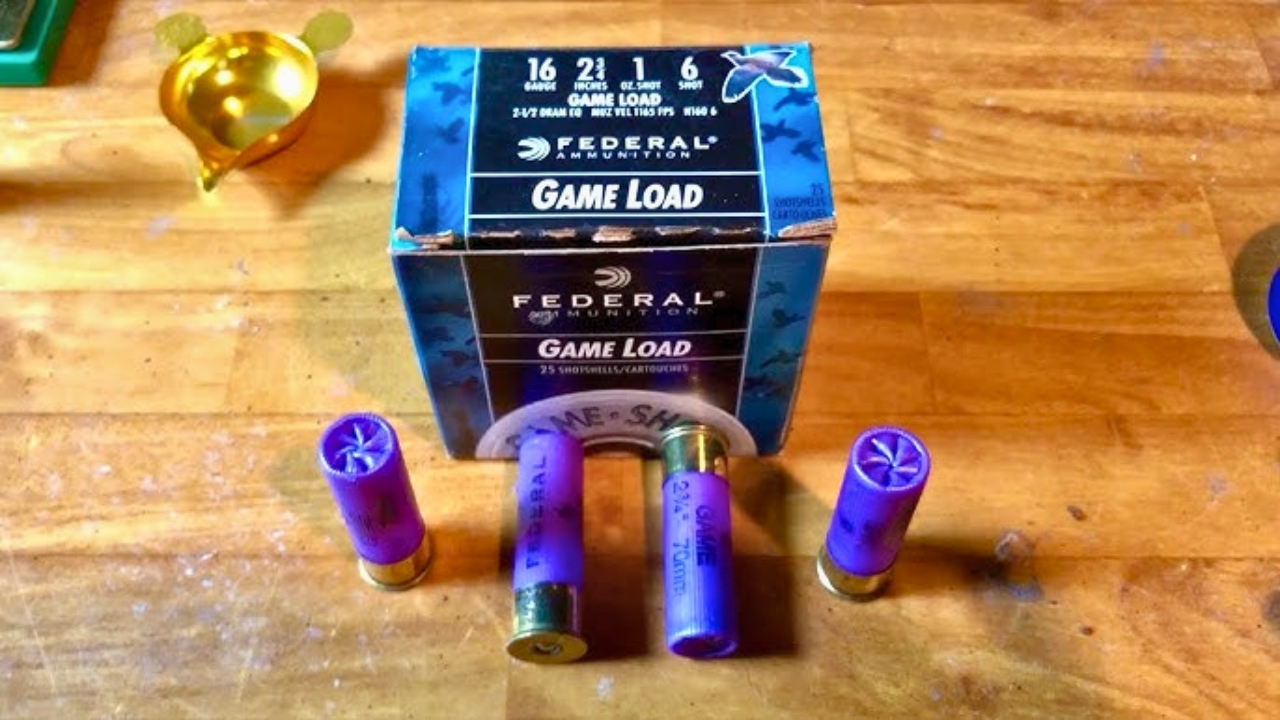
The 16 gauge earned its underdog status the hard way. For years it was squeezed between the versatility of the 12 gauge and the lighter recoil of the 20, which meant fewer new guns, fewer loads, and a slow drift toward obscurity. That is exactly why its resurgence feels unexpected to many shooters who grew up thinking of it as something only grandparents kept in the safe, not a serious option for modern upland or clay work.
Yet the core appeal never really went away. The 16 gauge offers a sweet spot of pattern density and manageable recoil that upland hunters have quietly praised for generations, and that balance is now drawing in a younger crowd that wants effective performance without the punishment of heavy 12 gauge loads. Reporting on the bore’s renewed popularity notes that the 16 gauge is again being celebrated as a practical field tool for bird hunters, with writers pointing out that its comeback is “good news for upland bird hunters” who value a nimble gun that still hits hard enough on pheasants and grouse, a sentiment captured in coverage of how the 16 gauge is making its way back into the mainstream.
From “Sweet Sixteen” nostalgia to modern field guns
Part of the 16 gauge’s charm is emotional. Many hunters associate it with classic semi autos and pumps that defined mid century bird hunting, and that nostalgia is powerful. One widely shared story describes how One of the author’s hunting partners finally had to retire a beloved Browning Sweet 16, also known as the A5 Sweet Sixteen, after shooting thousands of ducks and quail with it. Stories like that remind shooters that this bore once dominated duck blinds and quail fields, long before steel shot rules and marketing budgets shifted attention elsewhere.
Manufacturers have started to lean into that heritage while updating the platform. New over unders and lightweight semi autos in 16 gauge are being built with modern materials, better stock geometry, and choke systems that handle today’s non toxic loads more efficiently than older fixed choke guns. That blend of old and new lets a hunter carry something that feels like a classic but patterns like a contemporary design, which is a big part of why I see the 16 gauge’s revival as more than a passing fad.
How the 16 gauge fits into the broader caliber shake up
The 16 gauge’s return is happening alongside a much larger recalibration of what shooters want from their cartridges. On the rifle side, long established magnums still dominate big game conversations, with the 300 Winchester Magnum still praised as a top choice for hunters who can handle the recoil and cost of ammunition. That cartridge remains a benchmark for reach and power, especially for Western big game, and its continued popularity shows that raw performance still matters.
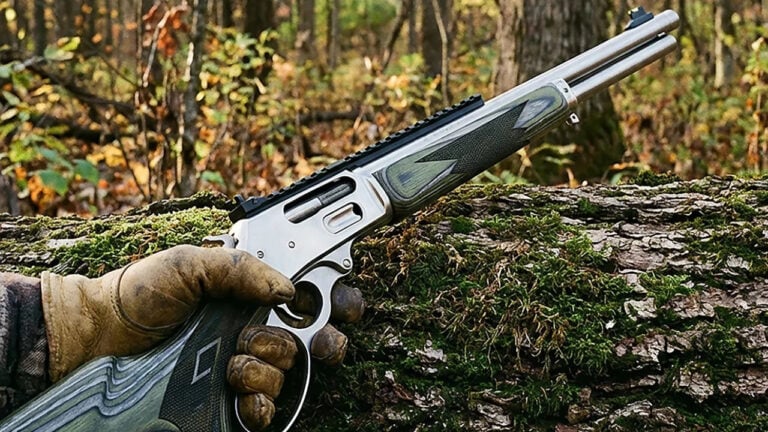
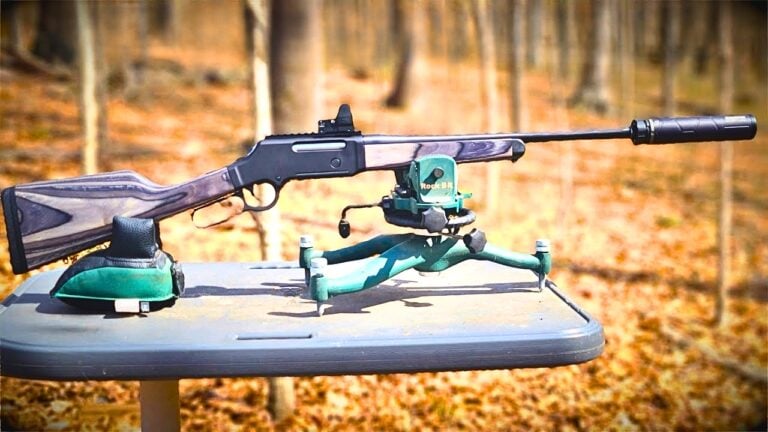
At the same time, there is a clear appetite for more efficient, specialized rounds that do not always chase maximum velocity. Straight walled cartridges like the 444 M and With Marlin Model 1895 in .444 Marlin are seeing renewed interest as states open more deer seasons to straight walled rifles, and as hunters look for simple, effective options that pair well with lever guns. The 16 gauge fits that same ethos on the shotgun side, offering enough payload for real world hunting without the excess of the heaviest 12 gauge magnums.
New 7 mm designs show how innovation and tradition collide
While the 16 gauge is a comeback story, some of the most interesting rifle developments are brand new. Federal Ammunition has pushed into this space with its 7 mm Backcountry load, a cartridge designed to give mountain and Western hunters a flatter shooting, lighter recoiling option that still carries authority at distance. In parallel, Savage has committed to the concept by announcing that eight new rifles will be chambered for this round, a move described as Simultaneous with Federal Ammunition unveiling the 7 mm Backcountry and Savage confirming that multiple models will support it.
That kind of coordinated launch shows how ammunition and rifle makers can shape demand together, much as classic 16 gauge guns once did for their bore. On social platforms, technical breakdowns of the 7 mm Backcountry and its case design have highlighted how companies are chasing lighter rifles that still manage pressure and barrel life, with Eric Miller of Federal explaining how the Backcountry and its Peak Alloy case technology aim to deliver that balance. I see a parallel here with the 16 gauge: both appeal to shooters who want enough performance to hunt hard country without carrying more recoil and weight than they actually need.
Military calibers and the 6.8 mm ripple effect
Another force reshaping caliber conversations is the military’s shift away from legacy small arms rounds. The Army has begun fielding the M7 and M250, both of which fire a new 6.8 mm caliber round as replacements for the M4 and M249 in the close combat force. That change is part of the Next Generation Squad Weapon program, which aims to give soldiers more reach and armor defeating capability than the older 5.56 and 7.62 systems could reliably provide, a shift that has been detailed in coverage of how the Army is updating its Squad weapons.
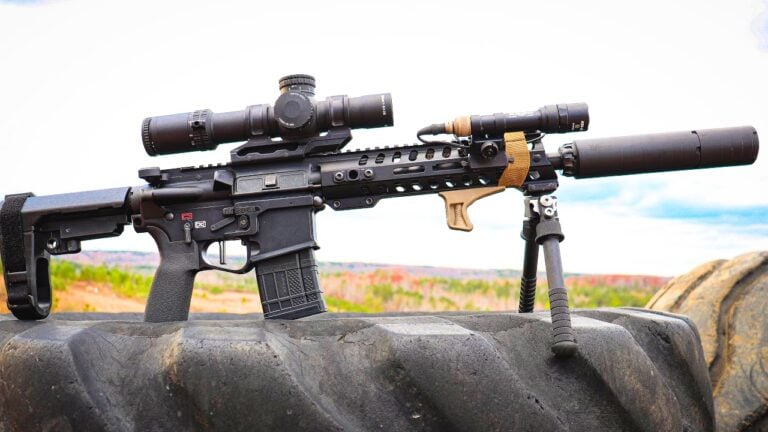
The new service rifle itself, now designated the M7, incorporates a suppressor system that has been refined as the program matures. Reporting on the platform notes that The SLX suppressor was shortened and paired with a new lightweight thermal shield to delay the visible heat signature under sustained fire. Civilian shooters pay close attention to these developments, because military adoption of a 6.8 mm round and associated hardware often spurs commercial interest in similar bore sizes, as seen in discussions of 6.8 Western and other mid bore hunting rounds that are already being debated in enthusiast forums.
Enthusiast debates: which “new” rounds will actually last
Within the hunting and precision communities, there is a constant argument over which modern cartridges will stick and which will fade. On one active forum thread, shooters categorize several rounds as “Niche (will continue to have reasonably common & available factory loadings)” and list 27 and 28 Nosler (trending down), 6.8 West and others as examples that may survive in smaller but stable markets. That kind of grassroots assessment often proves more accurate than marketing hype, because it reflects what people are actually buying and shooting.
Those same conversations often circle back to older calibers that have quietly endured, such as the 16 gauge or classic straight walled lever gun rounds. When I read those debates, I see a pattern: cartridges that offer a clear use case, manageable recoil, and reliable factory support tend to survive, even if they never dominate sales charts. The 16 gauge fits that profile, which is why I think its current momentum has a better chance of lasting than some of the flashier new introductions.
Ammunition and reloading trends that favor “middle ground” calibers
Retail data and shop floor anecdotes suggest that shooters are gravitating toward practical, shootable calibers rather than chasing extremes. In one industry survey, an ammunition executive was asked, What recent trends had surprised him, and he pointed to the enduring strength of 10 mm pistol sales as an example of a cartridge that is not new but has surged in popularity. That same appetite for versatile, do it all rounds is visible in the way hunters are buying mid bore rifle cartridges and mid weight shotgun loads.
For reloaders, the 16 gauge presents both a challenge and an opportunity. Component availability has historically lagged behind 12 and 20 gauge, but as more shooters dust off old guns or buy new ones, demand for hulls, wads, and data is climbing. I hear from handloaders who appreciate the ability to tailor 16 gauge loads for everything from light clay targets to heavy pheasant work, which mirrors how rifle reloaders tune cartridges like 7 mm Backcountry or 6.8 Western for specific hunts. That flexibility is a big part of why middle ground calibers are thriving in today’s market.
SHOT Show rifles and the hardware that shapes caliber demand
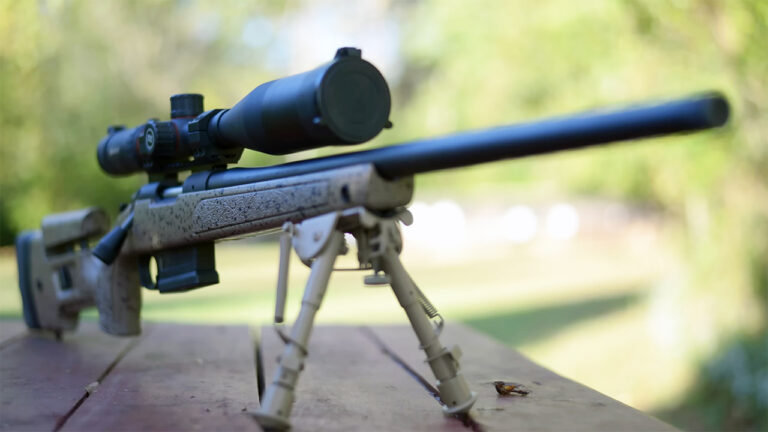
New rifle introductions at major trade events often determine which cartridges gain traction. Coverage of The Hottest New Hunting Rifles from SHOT Show 2025, for example, highlights how manufacturers are refreshing bolt actions with better stocks, threaded muzzles, and accessory ready forends. Those features make it easier for hunters to adopt suppressors, bipods, and modern optics, which in turn encourages them to experiment with new calibers that benefit from those upgrades.
Shotguns do not always get the same spotlight at these events, but when a major brand rolls out a new 16 gauge over under or semi auto with modern ergonomics, it sends a signal that the bore is worth supporting. I have watched that pattern play out before with 28 gauge and .410, which saw spikes in interest after high profile launches. If the current wave of 16 gauge enthusiasm continues, I expect to see more manufacturers slotting it into their flagship lines, just as rifle makers have done with emerging cartridges like 7 mm Backcountry.
What the 16 gauge comeback says about the future of calibers
When I step back from the details, the 16 gauge revival looks like part of a broader correction in how shooters think about “enough gun.” For years, marketing pushed bigger, faster, and flatter, from heavy 12 gauge magnums to ultra magnum rifle rounds. Now, with more data, better bullets, and a deeper understanding of recoil management, hunters and target shooters are gravitating toward options that balance performance with shootability, whether that is a 16 gauge upland gun, a 7 mm Backcountry mountain rifle, or a straight walled lever gun in .444 Marlin.
Even military shifts, like the move from 5.56 and 7.62 to a 6.8 mm service round, and popular media discussions such as the video titled Why the Military Ditched 5.56 and 7.62 for a Caliber That Changes Everything, feed into civilian curiosity about what truly effective ballistics look like. In that environment, the 16 gauge’s blend of history, practicality, and renewed manufacturer support makes its resurgence feel less like a surprise and more like a long overdue correction, one that hints at a future where “just right” calibers finally get their due.
Like The Avid Outdoorsman’s content? Subscribe to our newsletter so you never miss an article.
Here’s more from us: