Photo credit: The Gunfather/YouTube
Some guns looked expensive for the moment they were in. You could stand at the counter, handle one, appreciate what it was, and still walk away thinking the tag was a little too ambitious. A lot of buyers did exactly that. They figured the market would cool off, another one would show up, or the same money could go toward something more practical. At the time, that logic felt reasonable.
Now a lot of those old prices look almost friendly. Some of these guns got dragged upward by collector demand. Some became harder to find once production stopped or imports dried up. Others simply aged into a kind of respect buyers were too slow to give them when they were still easy to get. These are the guns that once felt overpriced and now look cheap by comparison.
HK P9S
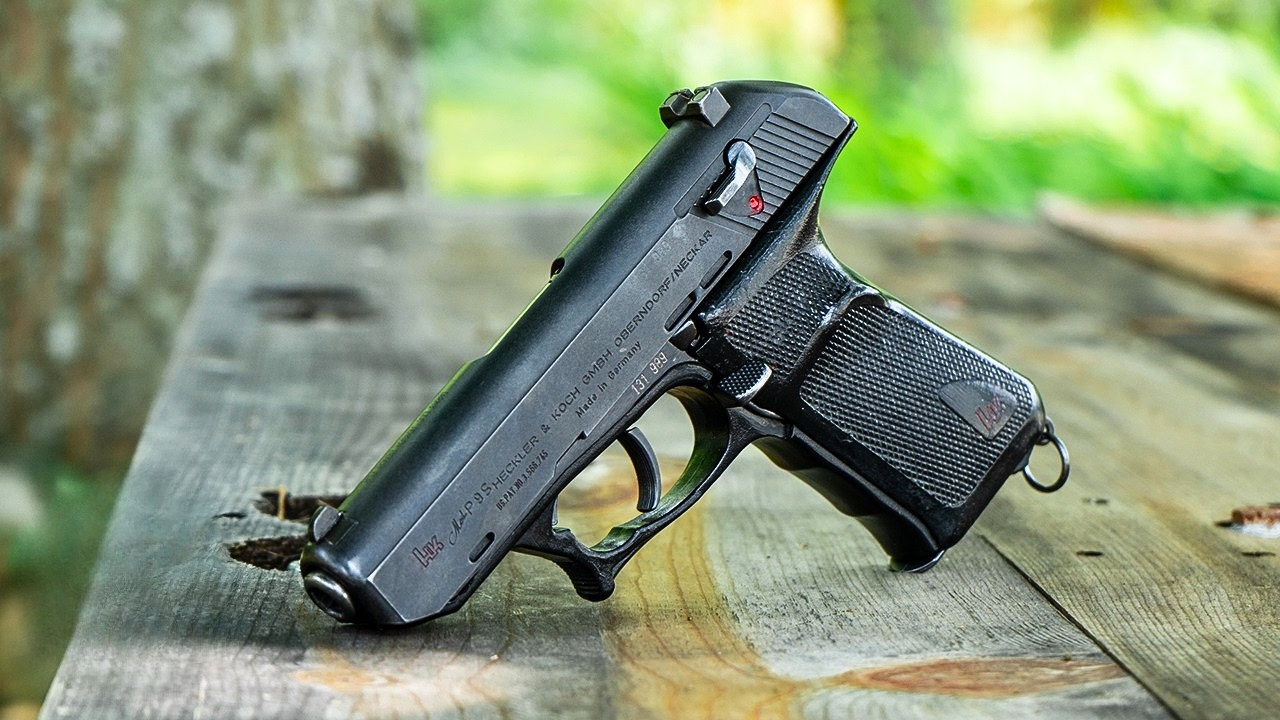
The P9S always carried the kind of price that made buyers stop and ask whether they really needed something that refined and that different. It was clearly well made, clearly interesting, and clearly not priced for the casual shopper. A lot of people admired it as a smart, high-quality HK and still decided the money felt too strong for a pistol that sat a little outside the mainstream.
That hesitation looks rough now. The P9S has become exactly the kind of older HK people wish they had taken more seriously when the numbers were still merely uncomfortable instead of painful. Once buyers started appreciating its quality, rarity, and overall place in HK history, the older prices stopped looking high. They started looking like missed opportunities.
Browning Medalist
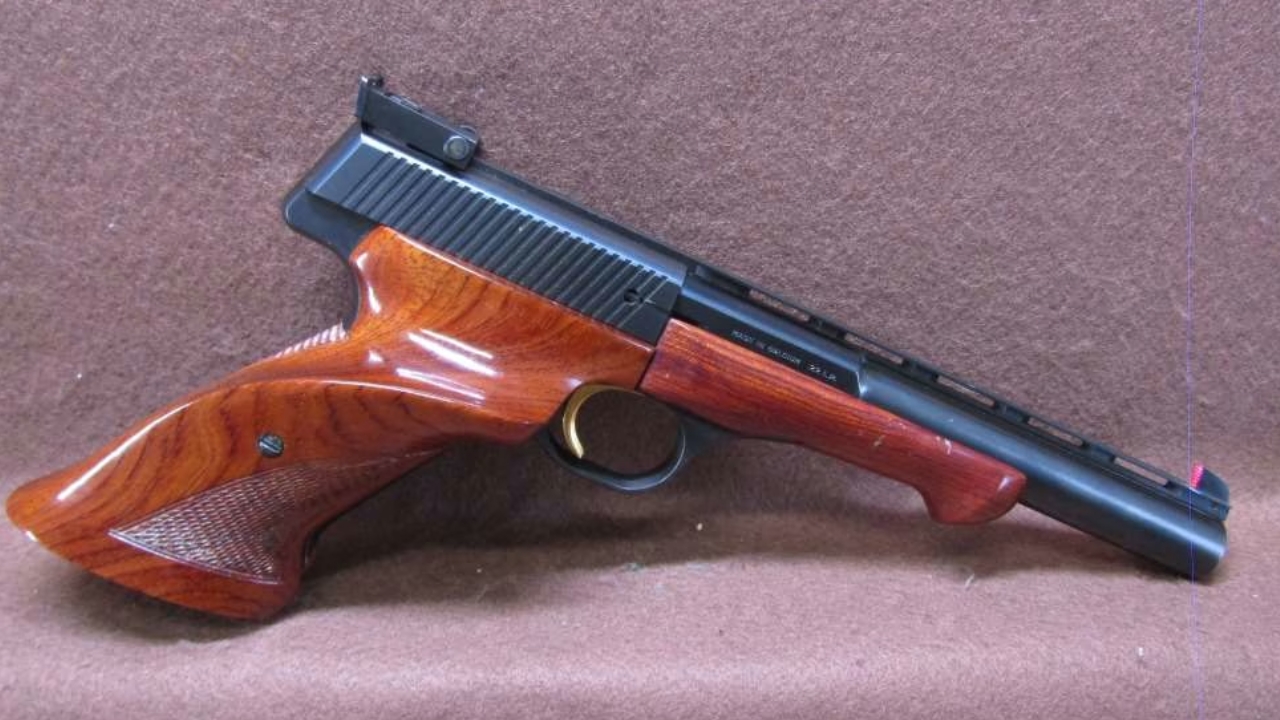
The Browning Medalist once struck a lot of shooters as a very expensive way to own a .22 pistol, even a beautiful one. It had finish, presentation, and real class, but there were plenty of cheaper rimfires that would still punch paper and knock over cans. For years, that made it easy for buyers to respect the Medalist and still talk themselves out of paying what felt like premium money for a target .22.
Now that old premium looks mild. The Medalist sits in the kind of polished, older Browning territory that has only become harder to buy without a serious wallet hit. Once collectors and serious rimfire people tightened up the market, the old sticker shock lost its edge. What once felt like too much money for a fancy .22 now feels like the kind of price people would rush to pay.
Benelli B76
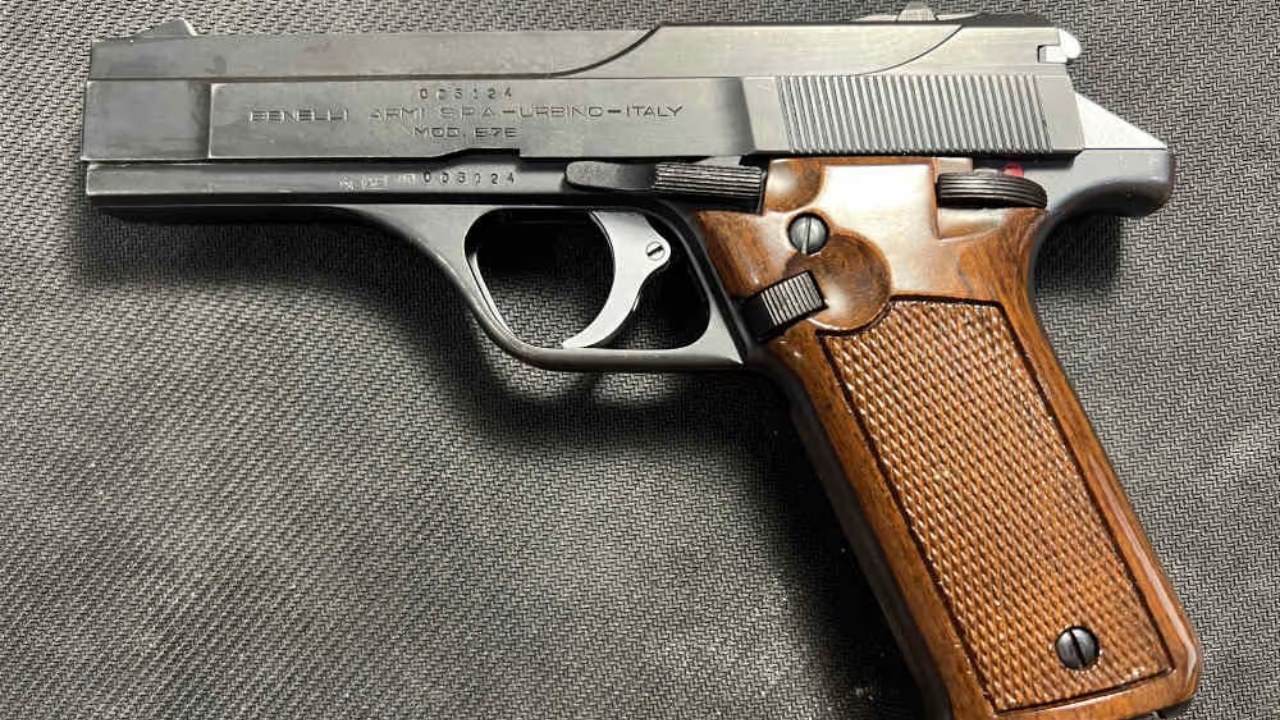
The B76 was always a little too different to feel like a safe purchase for many buyers. It had the Benelli name and a cool factor of its own, but it also looked like the kind of pistol you bought because you appreciated unusual engineering more than ordinary practicality. That made the price feel steeper than some buyers wanted to swallow, especially when more familiar pistols sat nearby for less.
Time has been kinder to it than the old gun-counter opinions were. The B76 now looks like one of those distinctive European pistols buyers should have grabbed when it was merely expensive instead of hard to justify at current levels. The older tags felt ambitious then. Today, they look like the market briefly gave people a break.
Colt New Frontier
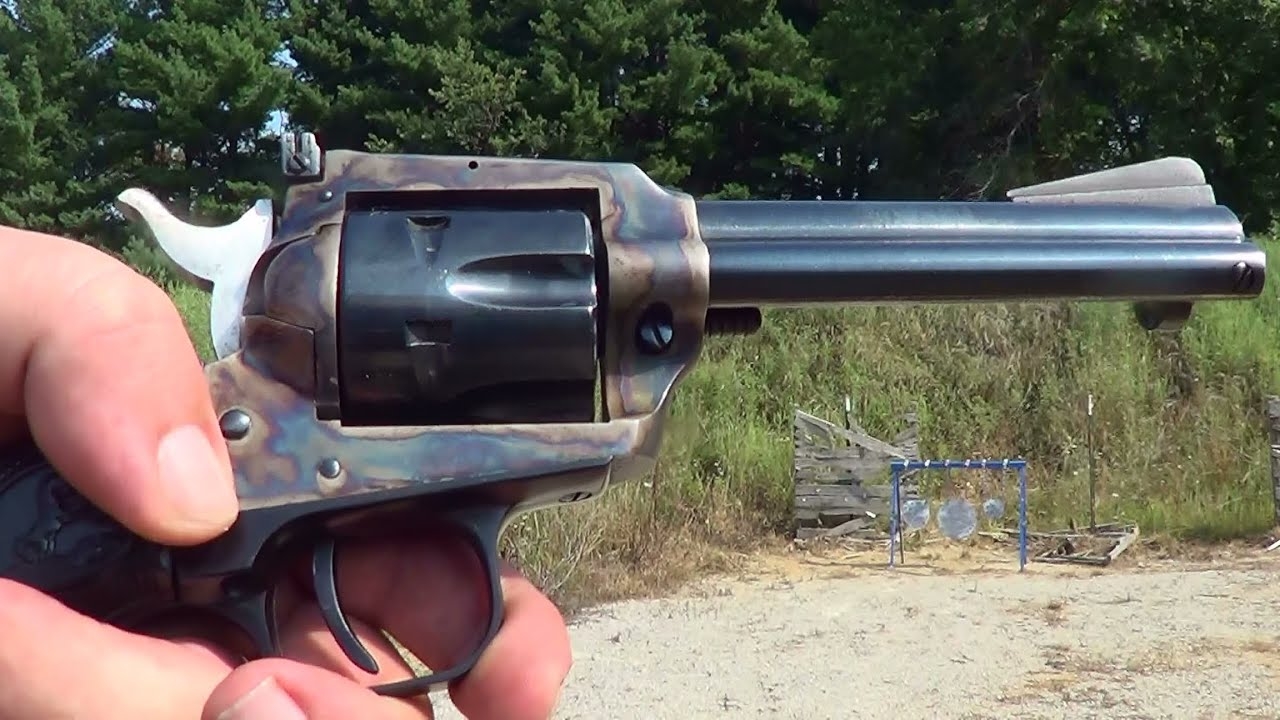
There was a time when a Colt New Frontier looked like a lot of money for a single-action revolver that many shooters treated as more style than necessity. It had clear appeal, but plenty of buyers still stared at the price and decided they could live without the extra polish, the adjustable sights, and the Colt name premium. Back then, paying up for one could feel like buying more romance than function.
That old math has changed. The New Frontier now sits in a much different place, where Colt cachet, condition, and demand make the earlier prices seem far more reasonable than they felt at the time. Buyers once thought they were avoiding an overpriced revolver. In hindsight, many of them were walking away from one of the softer prices they were ever going to see on a desirable Colt wheelgun.
Weatherby Mark V Deluxe

The Mark V Deluxe always had enough walnut and polish to make practical hunters nervous about the price. It looked expensive because it was expensive, and a lot of buyers decided they could get the same hunting done with a much plainer rifle for a lot less money. For years, that made the Deluxe model feel like a rifle you admired from across the counter rather than actually bought.
Now it reads differently. Fine Weatherby rifles from the period buyers once grumbled about have become the kind of guns that make those old prices look surprisingly fair. The Mark V Deluxe never stopped being a serious hunting rifle, but the market eventually caught up with the idea that rifles with that much finish, name recognition, and long-term appeal were not actually overpriced. They were simply early.
Walther P5
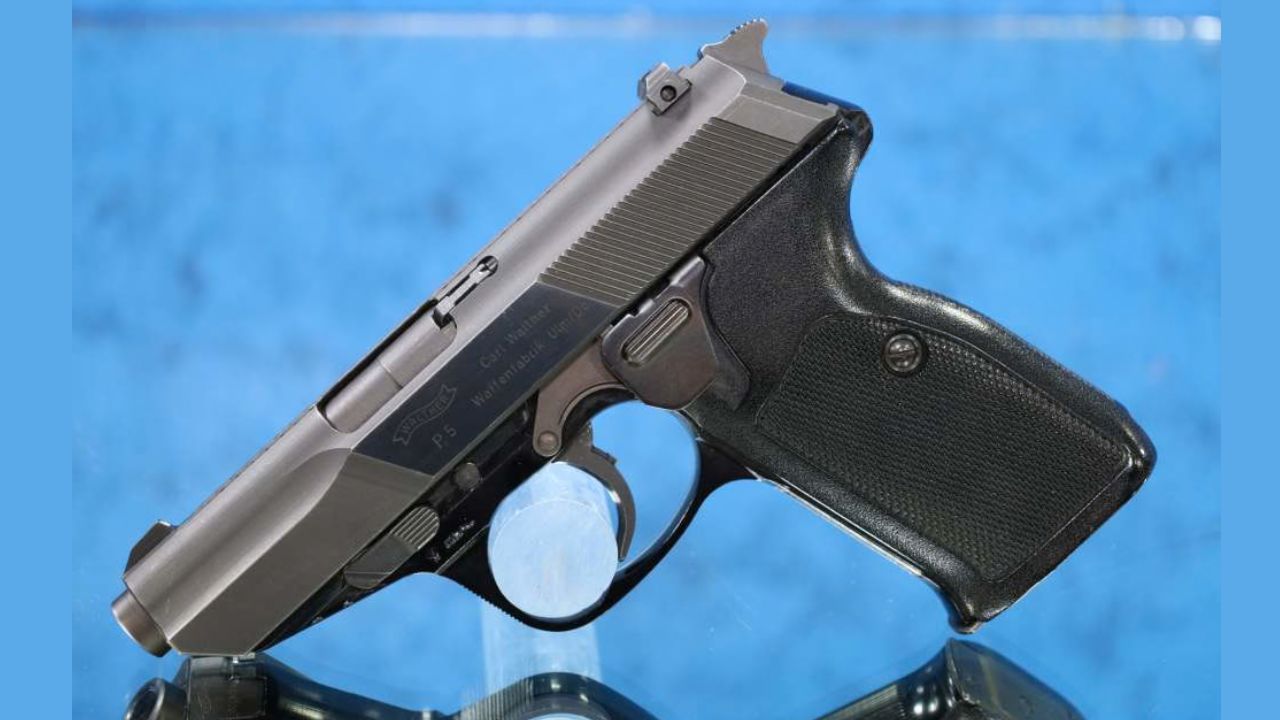
The Walther P5 used to feel like the sort of pistol that asked too much money for being slightly off the main road. It had pedigree and quality, but it was never the easy, obvious buy for shooters who wanted the most common answer. That made it simple to appreciate and just as simple to leave behind when the tag felt a little too proud.
Those old tags look much friendlier now. The P5 has become one of those older Walthers people wish they had taken more seriously when it was still merely a pricey classic instead of a harder-to-find, higher-dollar one. Once supply and condition started mattering more, the former sticker shock softened in a hurry.
Browning Auto-5 Light Twelve Belgian-made

A Belgian-made Light Twelve used to look expensive to plenty of hunters who thought of a shotgun as a field tool first and an object of craftsmanship second. They respected the gun, sure, but many still decided the premium was too much when cheaper pumps and autoloaders could still fill the game bag. At the time, that seemed like sensible restraint.
Now that restraint feels less clever. Belgian Auto-5s have become exactly the kind of shotgun buyers wish they had bought when they still had the luxury of hesitating. The older prices that once felt inflated now look like a bargain for a classic autoloader with that much history, quality, and long-term appeal.
Smith & Wesson 41
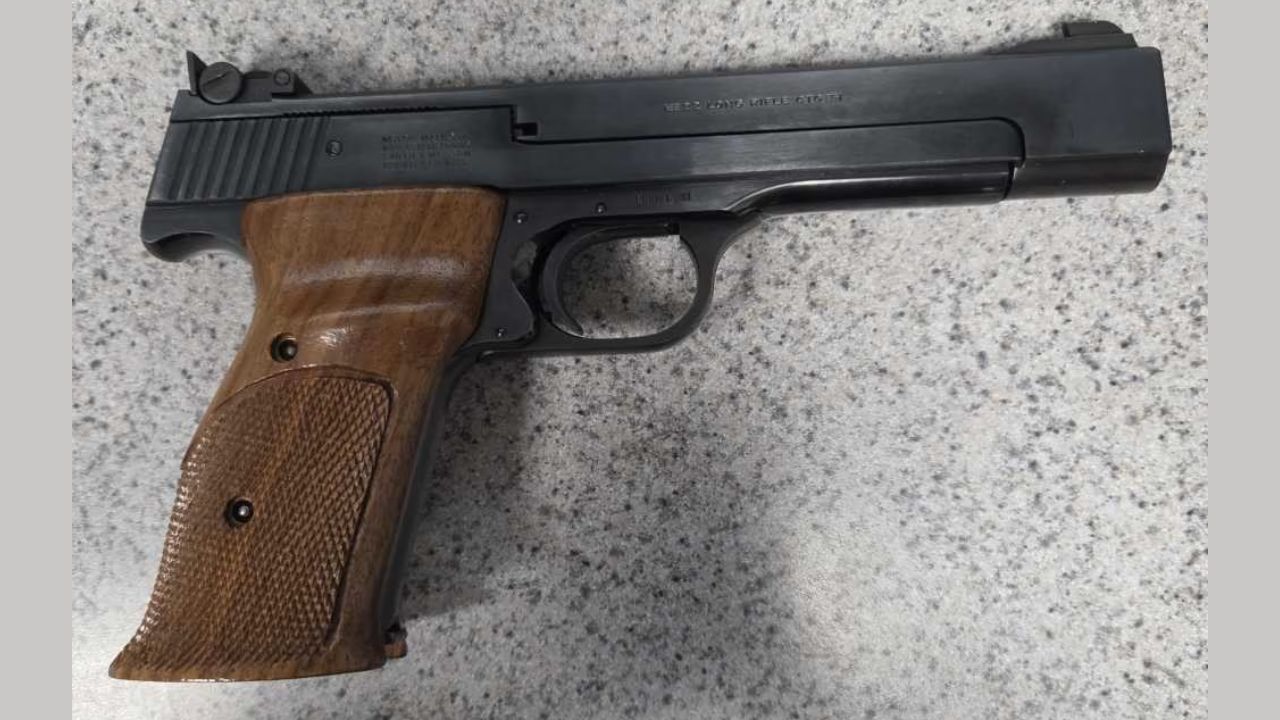
The Model 41 has always been a serious rimfire, but that seriousness came with a price that pushed a lot of casual buyers away. Plenty of shooters loved the way it felt and shot, then stepped back because they could not quite convince themselves that a .22 pistol deserved that kind of money. For years, it sat in that dangerous space where admiration was high but urgency was low.
That low urgency did not age well. The 41 now looks like one of those pistols that was expensive only until the rest of the market started catching up. Buyers once saw a costly rimfire target pistol. What they were really seeing was a long-term quality gun whose price had not yet become as painful as it would later.
Sako Forester L579

The Forester used to feel expensive because Sakos in general tended to carry a price that made some hunters flinch. They were clearly good rifles, but many buyers still talked themselves toward something more ordinary because the difference in cost felt hard to justify for a working hunting rifle. That was especially true when the rifle market still offered a lot of good utility guns at friendlier numbers.
Today, the old Forester prices look downright civilized. Once buyers started appreciating older Sakos for their handling, finish, and overall quality, the market moved fast. What once seemed like a premium too far now feels like the sort of price hunters would gladly pay if they could step back into that moment and buy one clean.
SIG Sauer P225
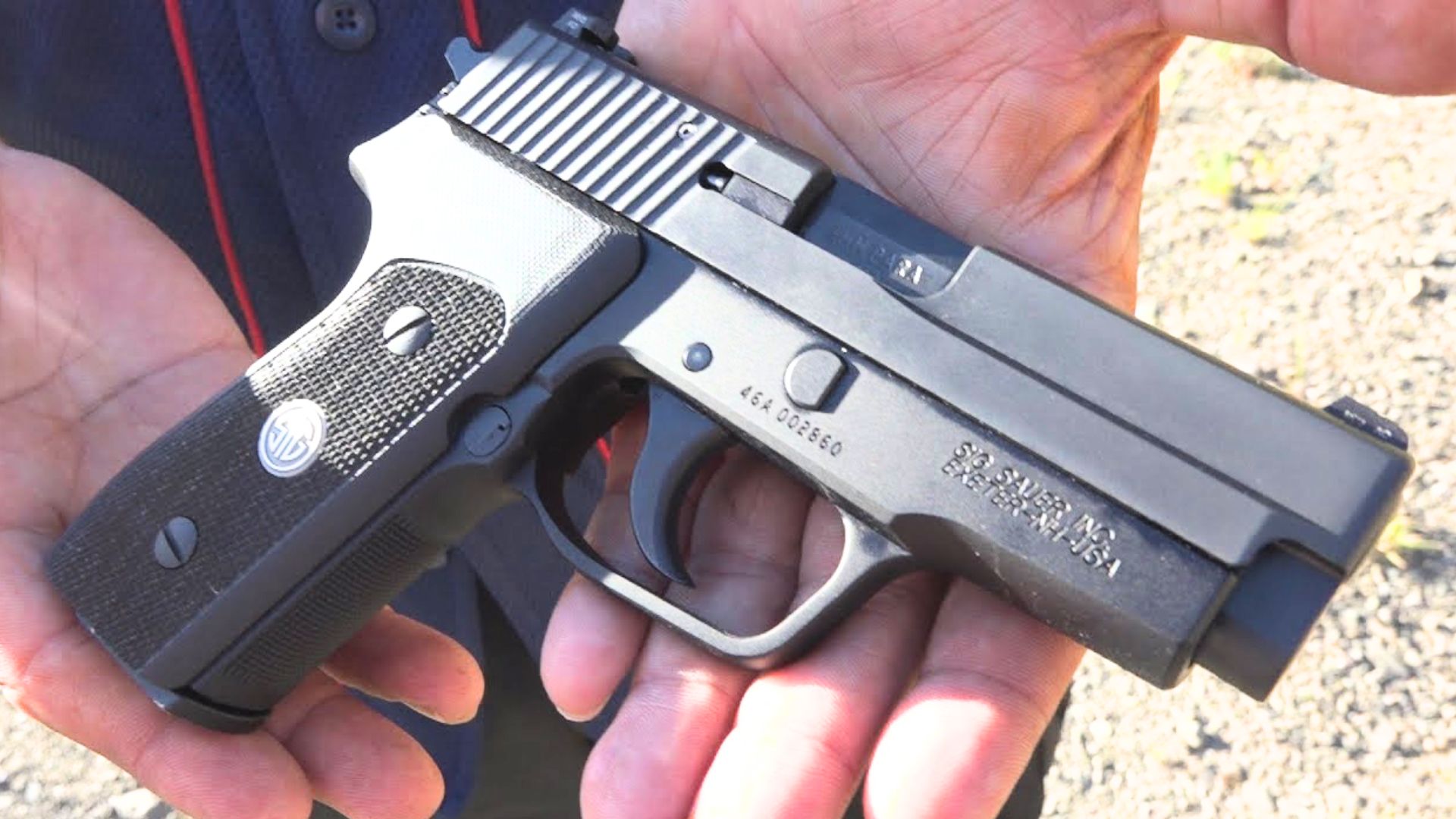
The P225 used to live in that frustrating spot where it was clearly a nice pistol but still seemed a little too expensive for what some buyers saw as a simple single-stack service gun. A lot of shooters respected it, but they also believed there would always be another good older SIG to buy later if they changed their minds. That belief made it easier to walk away.
Later got more expensive. The P225 now lands in the exact category that has become painful for collectors and shooters alike: older classic SIGs with real quality and a shrinking pool of good examples. The prices that once made people hesitate now look a lot more like bargains than overreach.
Winchester 101 Pigeon Grade

A 101 Pigeon Grade always felt like a serious purchase. Even buyers who liked over-unders sometimes looked at the tag and decided the extra finish and nicer grade were simply more than they needed for birds or clays. It was easy to appreciate, but a lot harder for some people to justify when plenty of field-worthy shotguns cost less.
That old hesitation has not aged gracefully. Once better-grade Japanese Winchesters started drawing more attention, the earlier prices began looking much more attractive in hindsight. What once felt like a proud number on a polished shotgun now feels like the kind of price people would love to stumble across again.
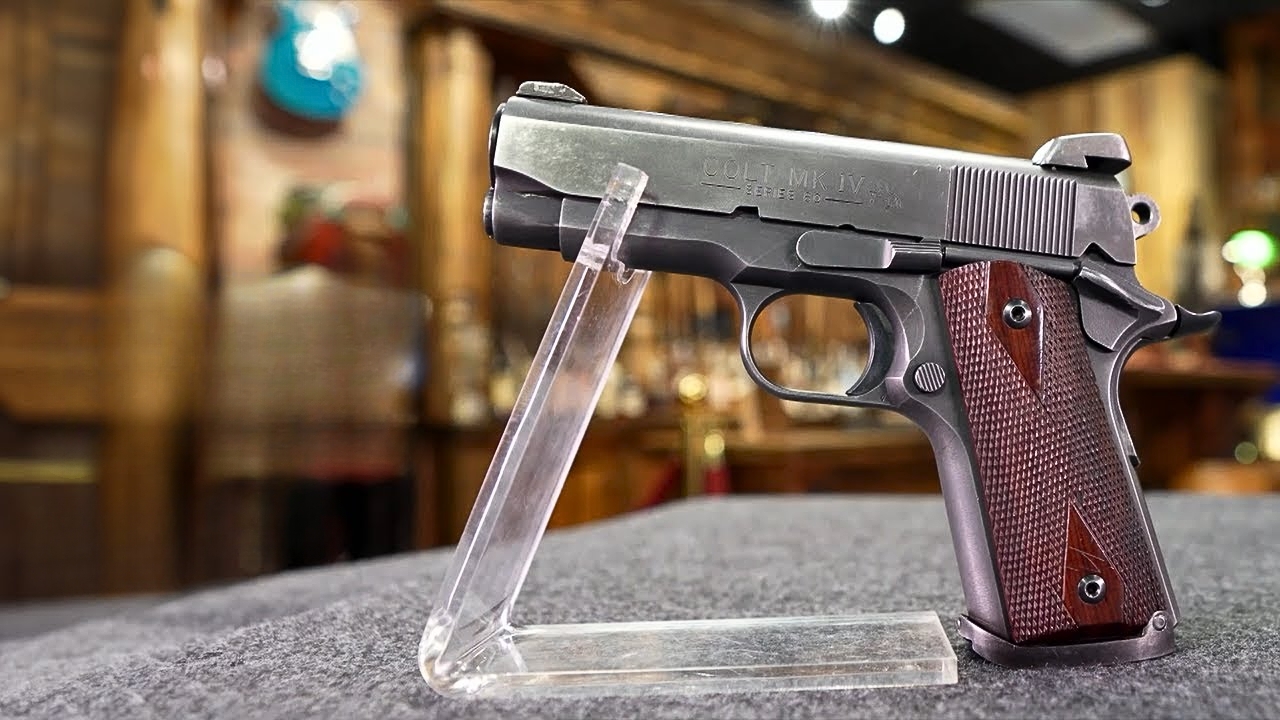
Colt Officer’s ACP
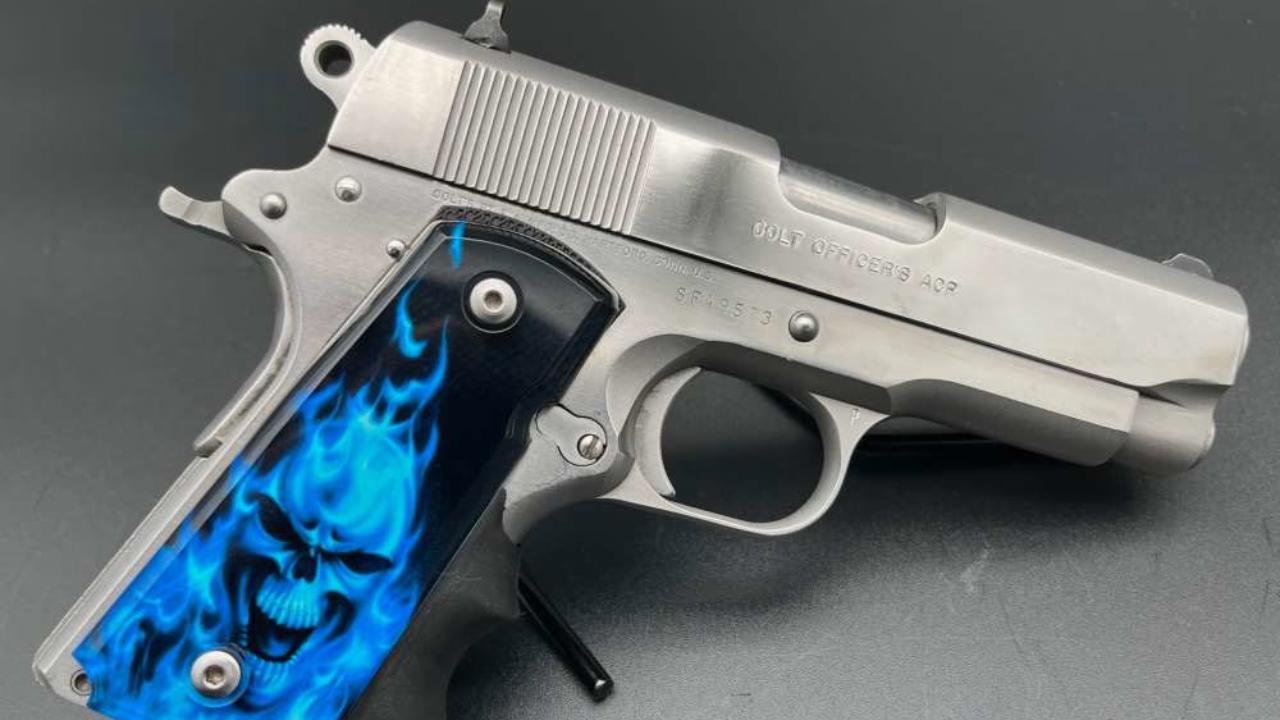
The Officer’s ACP used to strike some buyers as an expensive way to get less gun. Shorter barrel, smaller grip, higher price than some thought a compact 1911 deserved, and enough platform tradeoffs to make people second-guess the whole idea. Plenty of shooters liked the concept and still decided the money felt too steep for a cut-down Colt.
Now those old numbers do not look so steep. Early Colt compact 1911s, especially clean ones, have become much easier to appreciate once the market started valuing older Colts more aggressively. Buyers who once thought they were smart to pass on an overpriced compact now often find themselves staring at much higher prices for the same basic gun.
Anschutz Model 54 Match rifles
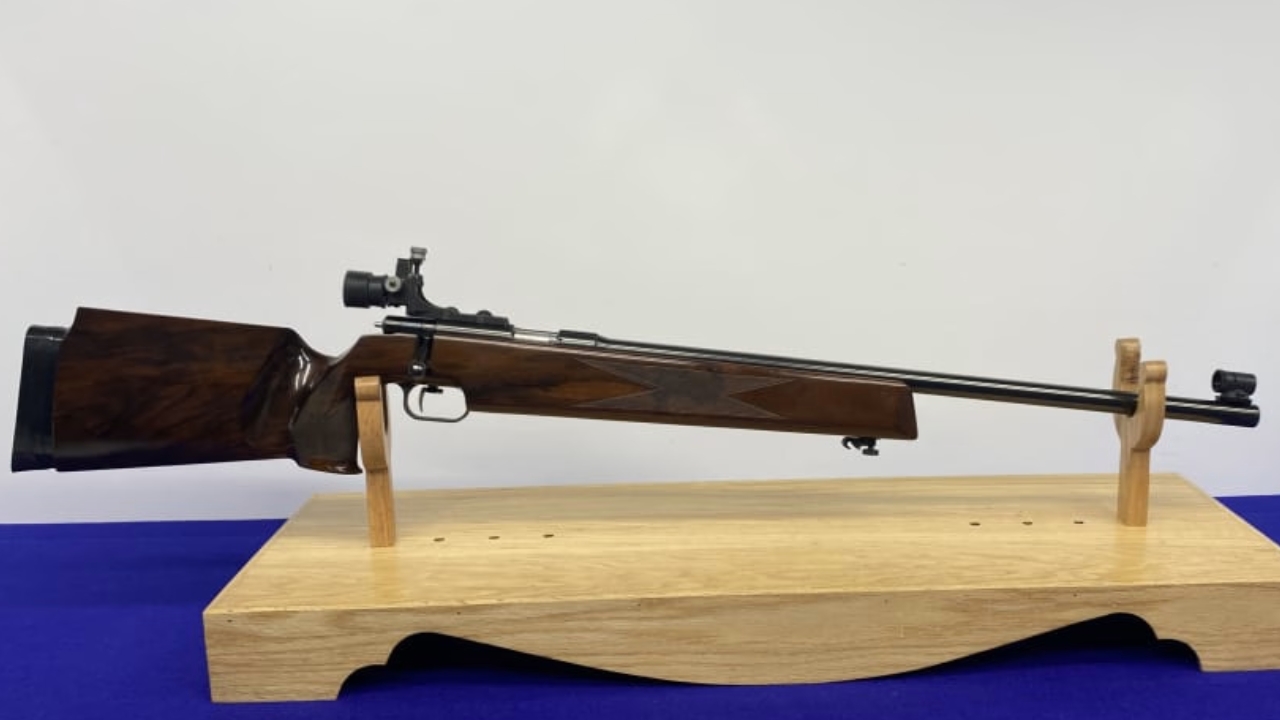
Anschutz match rifles have always had a way of making people wince at the tag. To many casual buyers, they looked like a lot of money for a rimfire, even if everyone knew they were serious rifles. That gap between respect and willingness to pay kept a lot of people from buying when they still had the chance to get into one at numbers that now seem almost gentle.
The market has made that old discomfort look small. A strong Anschutz on a Model 54 action now feels like exactly the sort of rimfire people should have paid for before premium target guns became even more expensive and more obviously worth it. The rifles did not suddenly become good. Buyers were simply slow to admit how good they already were.
Beretta 81BB

The 81BB once felt like a lot of money for a .32 ACP pistol in a market that often treated .32s like second-string carry guns. It was nicely made, easy to like, and still easy to leave behind because buyers could not always justify the price for a caliber they did not fully respect. At the time, that felt like practical thinking.
Now that practical thinking looks a little thin. Older Beretta Cheetah-series guns have earned far more appreciation, and the 81BB especially benefits from the current affection for quality all-metal pistols with real character. The tags that once felt a bit high now look cheap next to what buyers are willing to pay for a clean example.
Browning B-92
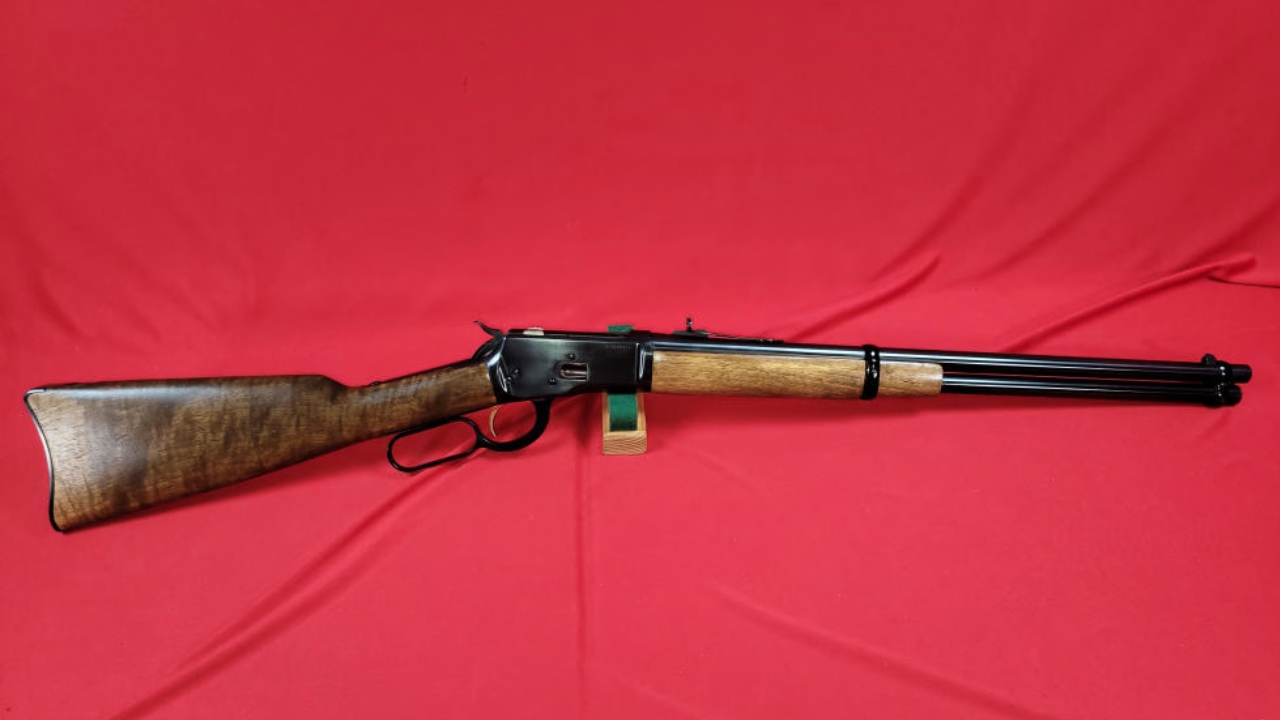
The B-92 used to feel pricey for a lever gun that many buyers saw as a niche, slightly upscale version of a familiar idea. It had quality and good looks, but a lot of shoppers still decided the money was too strong for a pistol-caliber lever rifle when other fun guns were sitting there for less. It was easier to admire than to rush after.
That seems shortsighted now. The B-92 has become exactly the kind of lever rifle buyers wish they had taken more seriously when it was merely expensive instead of scarce and desirable. Once quality pistol-caliber levers got hotter and older Brownings gained more respect, the old numbers stopped looking high and started looking lucky.
Ruger Red Label
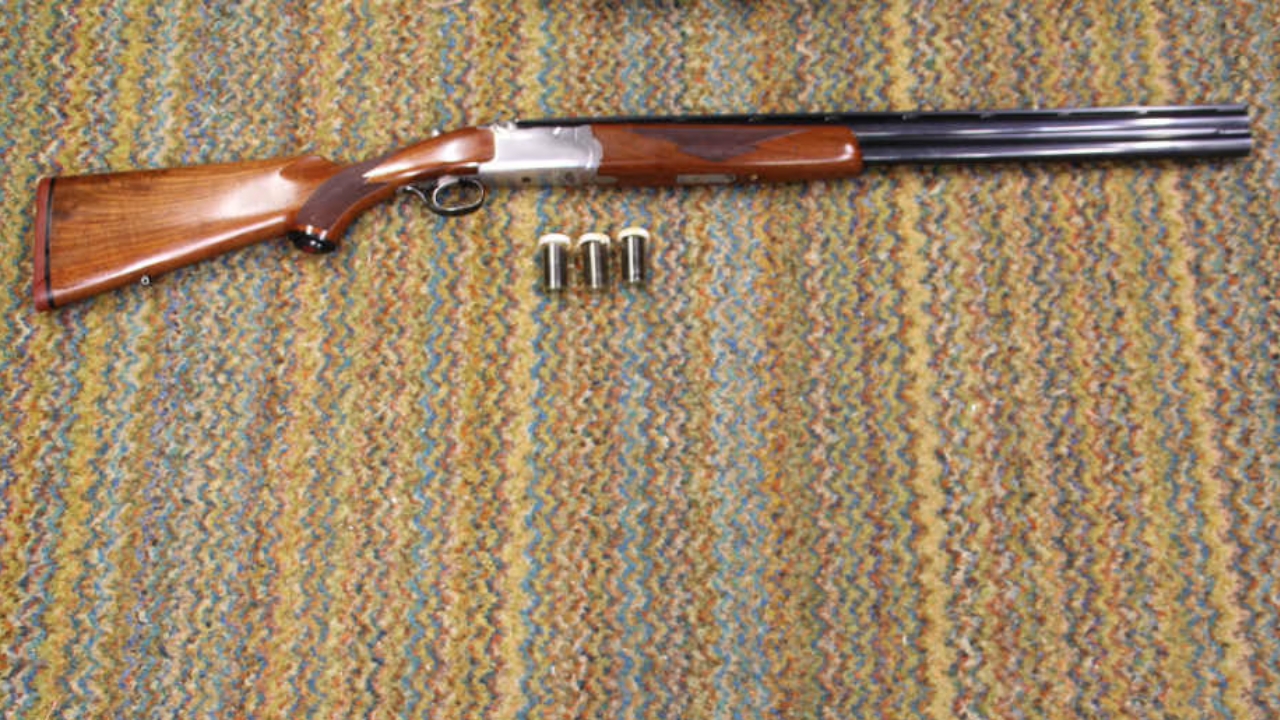
The Red Label caught plenty of grief for being expensive when it was around, especially from hunters who compared it to cheaper field guns and decided the jump was not worth it. It was respected, but respect alone does not always close a sale when the price feels a little too stiff. Many buyers convinced themselves they would come back later if they ever really wanted one.
That later often came with a worse surprise. The Red Label now sits in a much different light, with buyers looking back at American-made over-unders and realizing those older prices were not nearly as harsh as they seemed. What once felt like an overpriced shotgun now often looks like one of the better values people talked themselves out of.
Like The Avid Outdoorsman’s content? Subscribe to our newsletter so you never miss an article.
Here’s more from us: