Photo credit: William Altimari/YouTube
Some firearms get expensive because they are rare, beautifully made, historically important, or genuinely better than the guns around them. That kind of price jump makes sense. Collectors chase quality, history, and scarcity, and the market usually has a reason when the gun actually earned it.
Then there are the other ones. These are the firearms that got expensive because of panic buying, discontinued production, internet attention, import drama, brand loyalty, movie fame, or plain old nostalgia. Some are good guns. Some are just okay. But the price tags climbed faster than the actual value ever did.
Colt Python
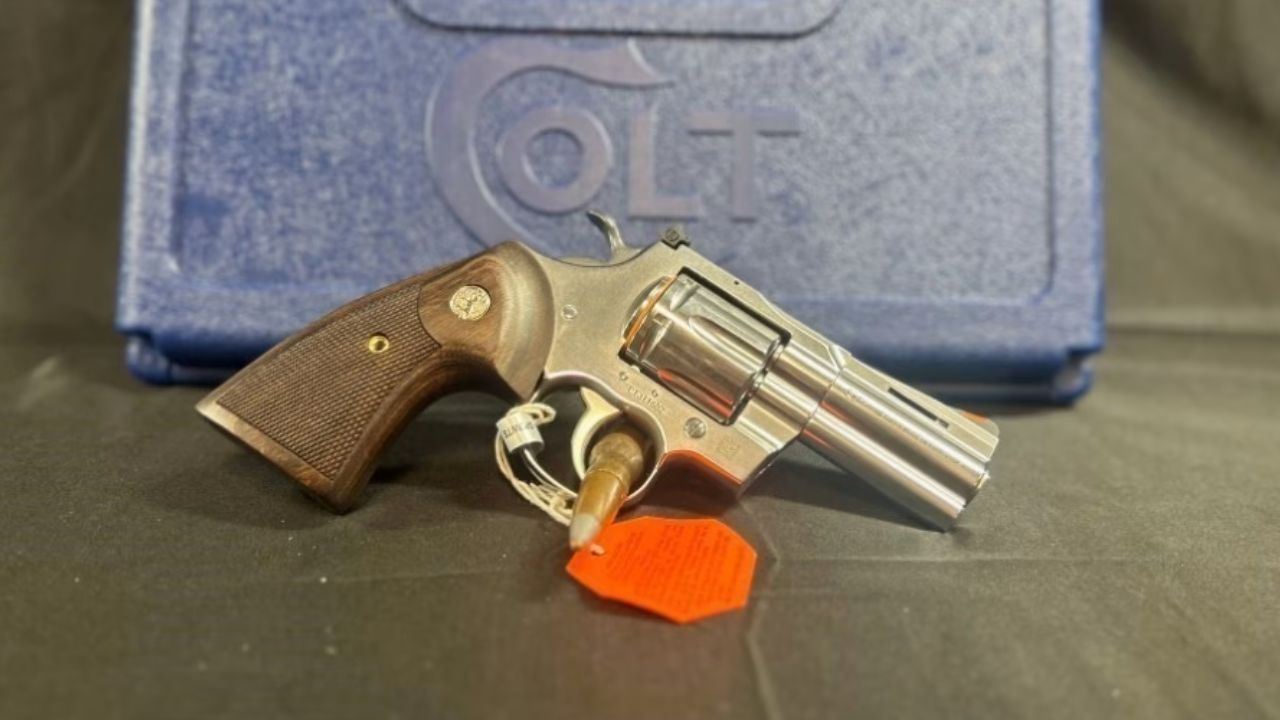
The old Colt Python became expensive partly because it is a beautifully fitted revolver, but the modern price climb went way beyond simple quality. Once collectors, investors, and casual gun buyers all decided the Python was the revolver to own, prices got wild fast.
The problem is that a lot of buyers stopped judging them like working guns. They started treating every Python like a museum piece, even rough examples with wear, timing concerns, or questionable history. The Python deserves respect, but plenty of the price today comes from legend, not the actual condition of the gun in front of you.
Norinco AK Rifles
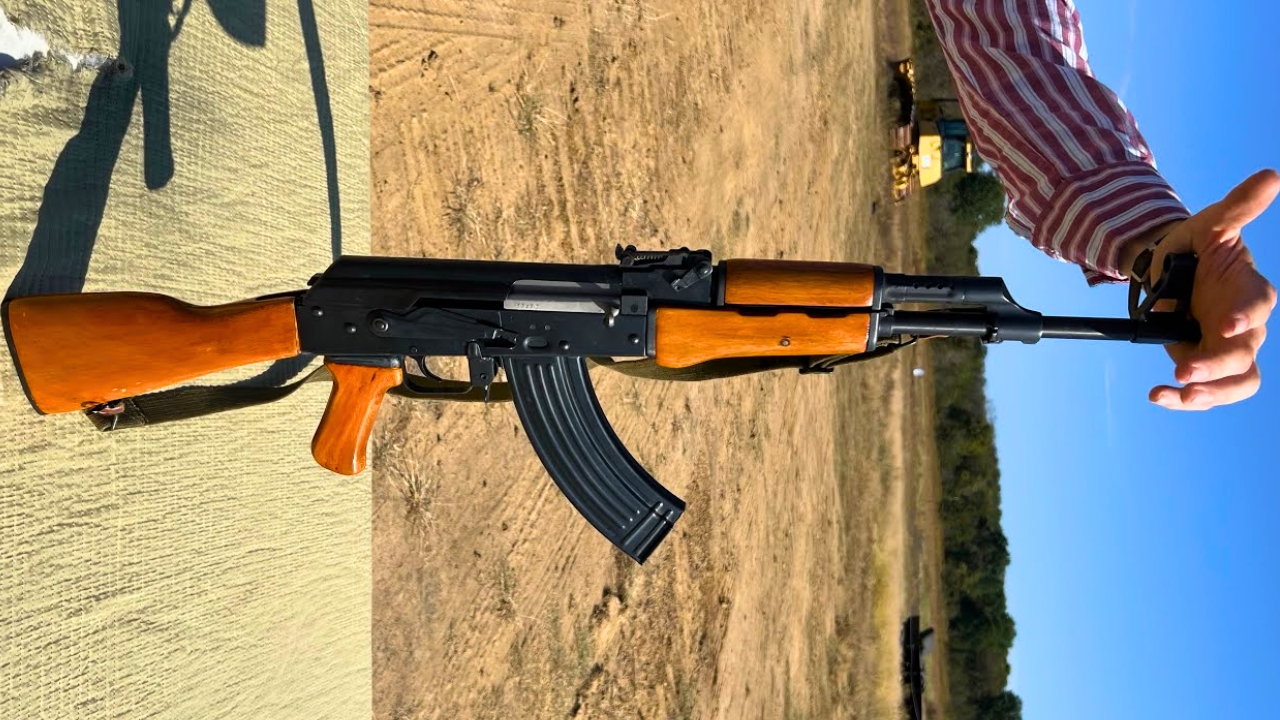
Norinco AK rifles were once treated like common imports. Plenty of shooters bought them because they were cheap, tough, and available. They were not seen as exotic collector pieces back when they were stacked in shops at normal working-gun prices.
Then import restrictions and time changed everything. Now some buyers talk about them like they were handcrafted treasures. They are durable rifles, but a lot of the price comes from the fact that you cannot easily replace them anymore. Scarcity did the heavy lifting, and the rifles became expensive mostly because the supply door closed.
Marlin 336 JM-Stamped Rifles
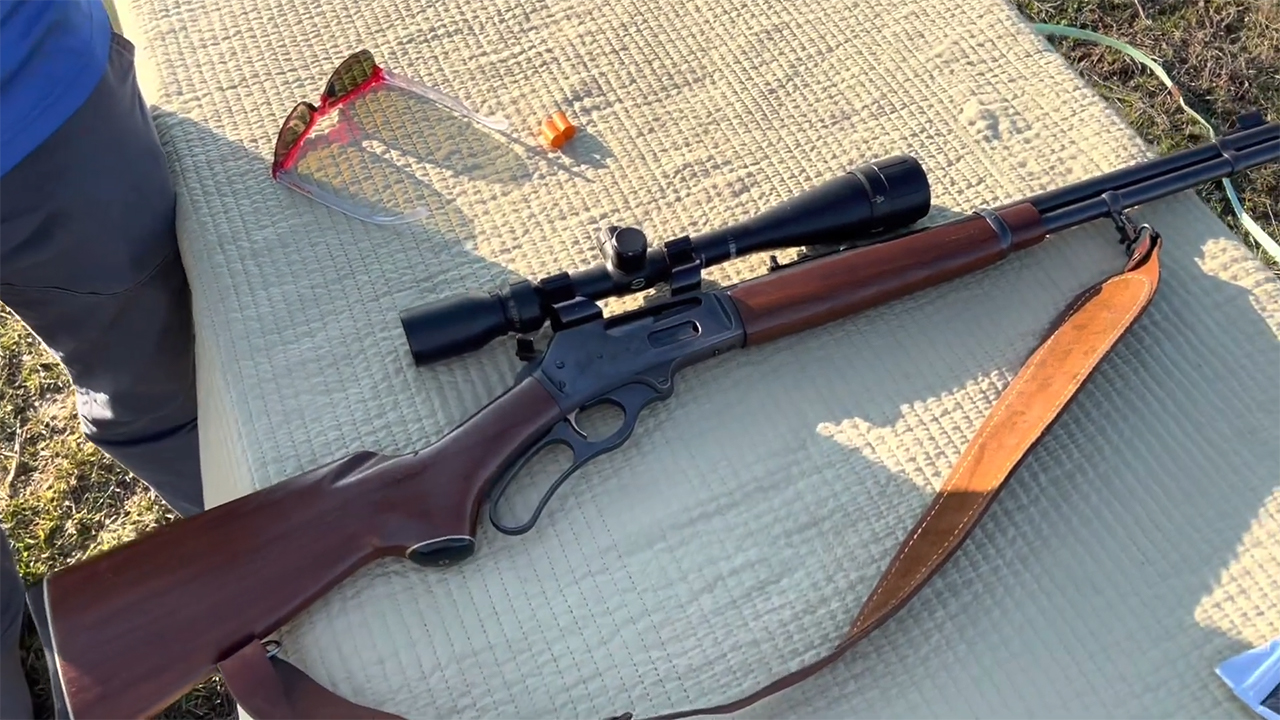
Older JM-stamped Marlin 336 rifles got expensive because shooters lost confidence in later production and started chasing the older guns hard. The JM stamp became a quick way for buyers to feel like they were getting the “real” Marlin.
That made sense to a point, but then prices started climbing on ordinary deer rifles that had spent decades riding in trucks and leaning in closets. A clean old 336 is a great woods rifle, but not every JM-stamped gun is special. A lot of the premium comes from fear of newer production, nostalgia, and internet shorthand.
Remington 870 Wingmaster
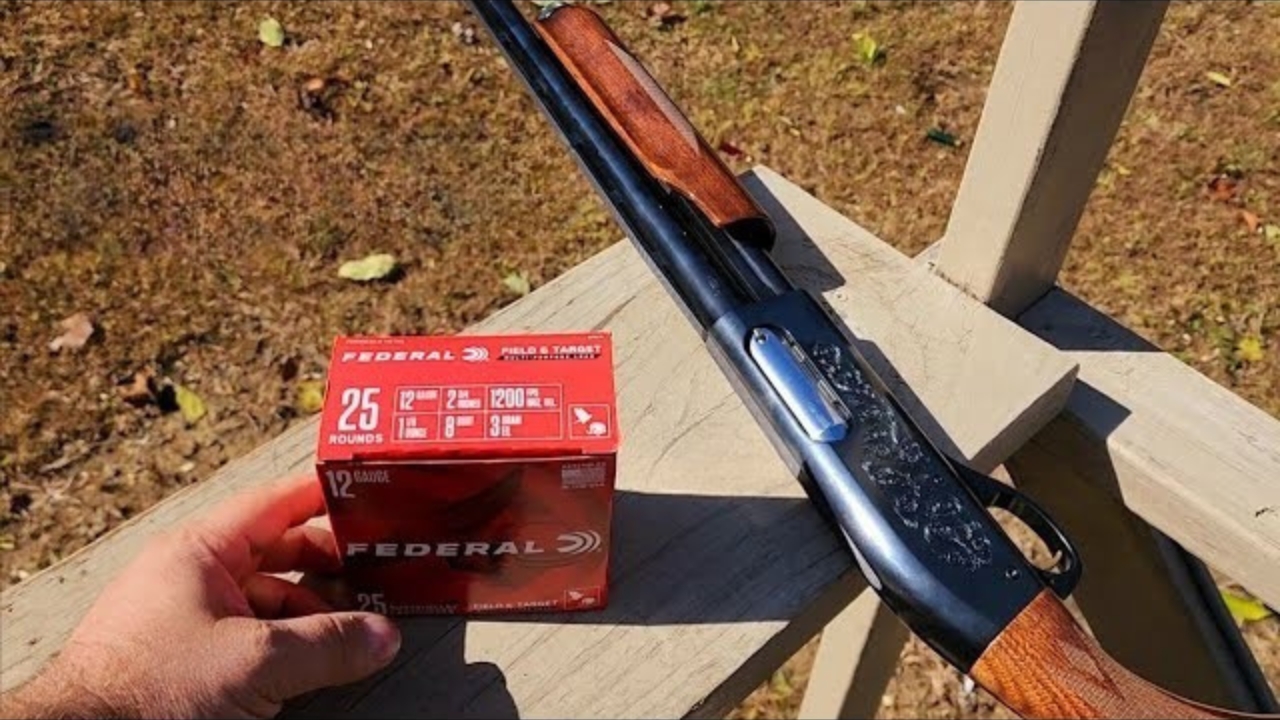
The Remington 870 Wingmaster earned its reputation honestly, but prices on clean older examples climbed because people started treating every polished 870 like a lost treasure. Some of that came from frustration with later budget models and rougher modern production.
A nice Wingmaster is smooth, handsome, and useful. Still, it was also one of the most common pump shotguns in America. The price jump on basic field guns can feel strange when you remember these were everyday bird guns for regular hunters. The market turned common quality into collector fever.
Winchester Model 94
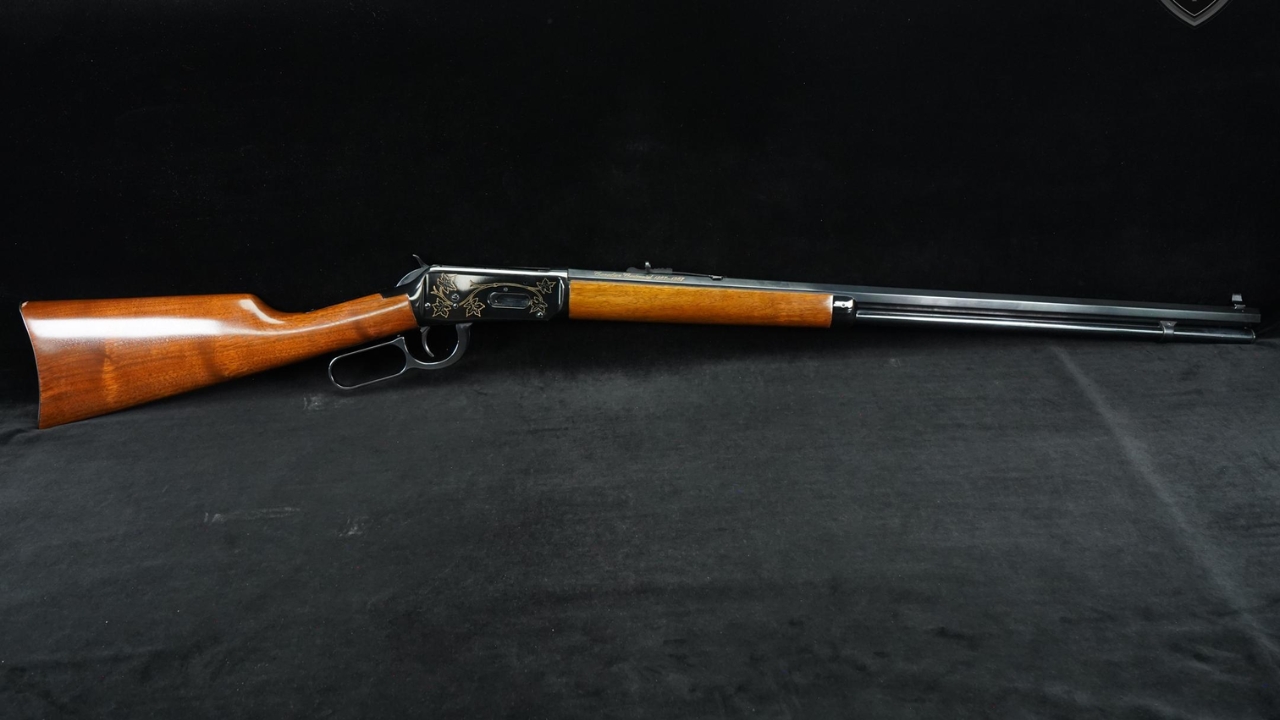
The Winchester Model 94 has real history behind it, but many examples became expensive because buyers chase the name more than the specific rifle. The words “pre-64” alone can make people lose their minds, even when the individual gun is worn hard or chambered in a less desirable setup.
It is a great lever gun, but the high prices are not always tied to performance. A lot of hunters want one because it reminds them of deer camp, family gun racks, and old Western images. That emotion is powerful, and sellers know it. Nostalgia can add hundreds of dollars before condition even gets discussed.
SKS Rifles

The SKS might be the clearest example of a rifle that became expensive for strange reasons. For years, they were cheap surplus guns. Shooters bought them by the crate, beat them up, modified them badly, and treated them like budget range rifles.
Now clean examples bring prices that would have sounded ridiculous years ago. The SKS is reliable and fun, but it did not become a precision rifle or a refined collector gun overnight. It got expensive because the cheap surplus days ended, memories got warmer, and new shooters heard stories about what they used to cost.
Mosin-Nagant 91/30
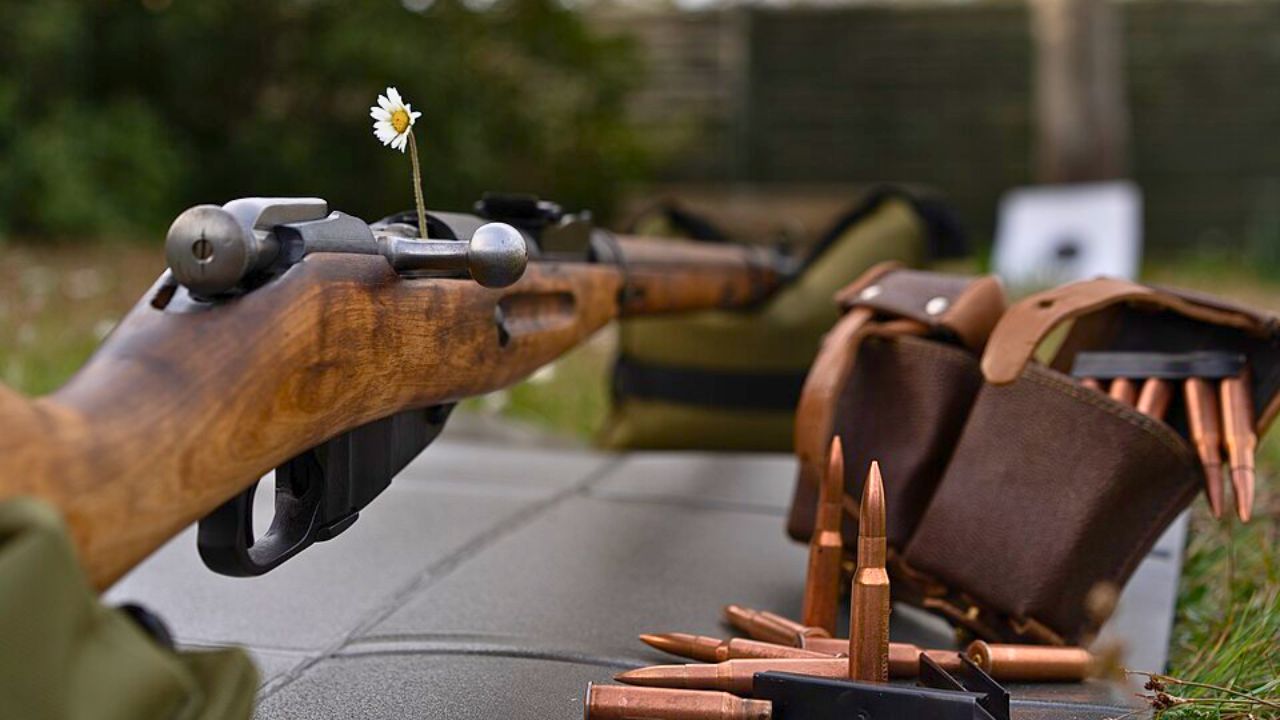
The Mosin-Nagant 91/30 used to be the definition of a cheap surplus rifle. You bought one because it was inexpensive, rugged, and came with history. Nobody pretended it had a slick action or fine trigger. It was a long, rough military rifle that kicked hard and smelled like cosmoline.
Then the market dried up, and prices followed. Now some sellers act like every Mosin is a rare artifact. The truth is more complicated. Some variants are collectible, but many common 91/30 rifles became expensive mostly because the old supply vanished and people miss the cheap-rifle era.
Colt AR-15 SP1

The Colt SP1 has historical value because it represents the early civilian AR-15 market. That matters. But prices also climbed because “Colt” and “pre-ban” became magic words for buyers who wanted a certain kind of bragging right.
The SP1 is light, interesting, and collectible, but it is not better than modern ARs in most practical ways. Many new rifles have better triggers, rails, barrels, optics mounting, and parts support. The SP1 became expensive because of era, markings, and collector emotion more than field performance.
IMI Uzi Carbines
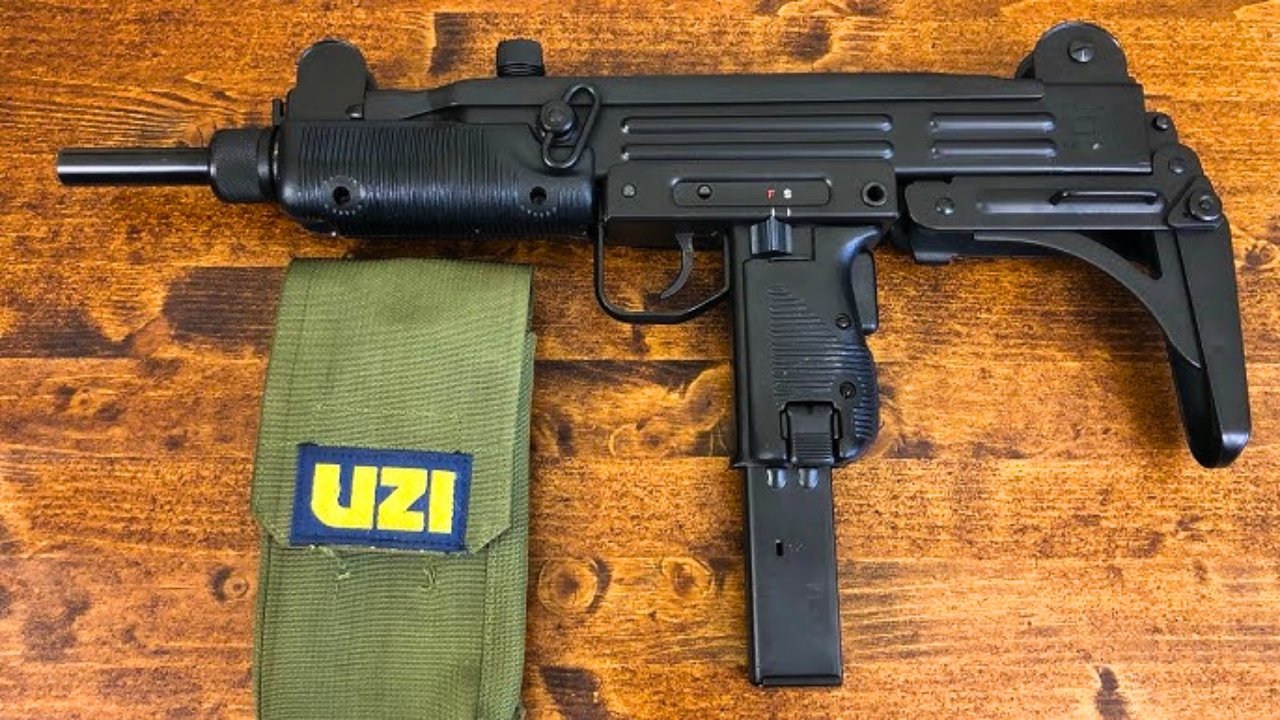
The semi-auto Uzi carbine became expensive because people love the look, the history, and the pop-culture image. It has that square, unmistakable profile that grabs attention immediately. Even people who do not know much about firearms recognize it.
As a shooter, though, the civilian carbine is heavy, awkward by modern standards, and not especially practical compared with newer pistol-caliber carbines. The price is carried by import status, nostalgia, and the Uzi name. It is cool, but cool is doing a lot more work than performance here.
HK P7

The HK P7 is a fascinating pistol, and it has engineering that still feels different today. The squeeze-cocker system, low bore axis, and compact shape give it a personality few handguns can match. That part is real.
The price problem came when collectors started chasing them harder than shooters did. Suddenly, ordinary used P7s became high-dollar pistols people were afraid to carry or train with. The gun is excellent, but it is also heat-sensitive under longer strings and expensive to service. A lot of today’s price comes from rarity and HK worship.
Browning Hi-Power
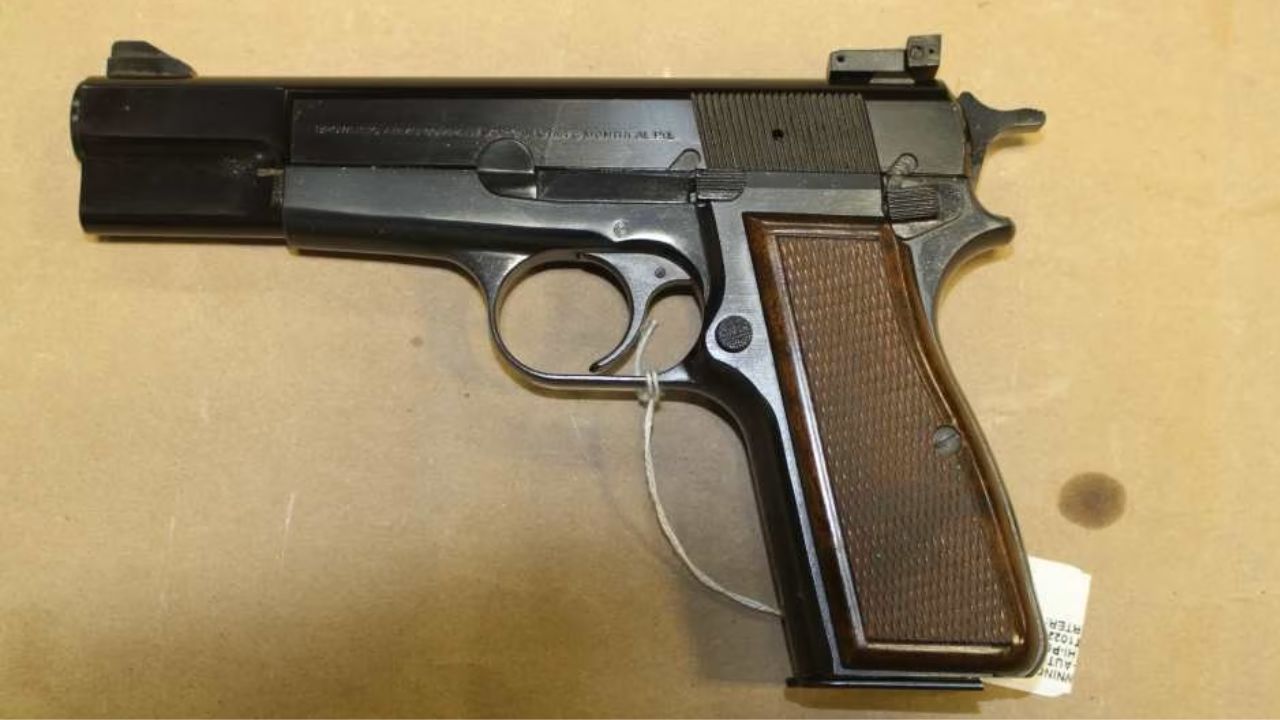
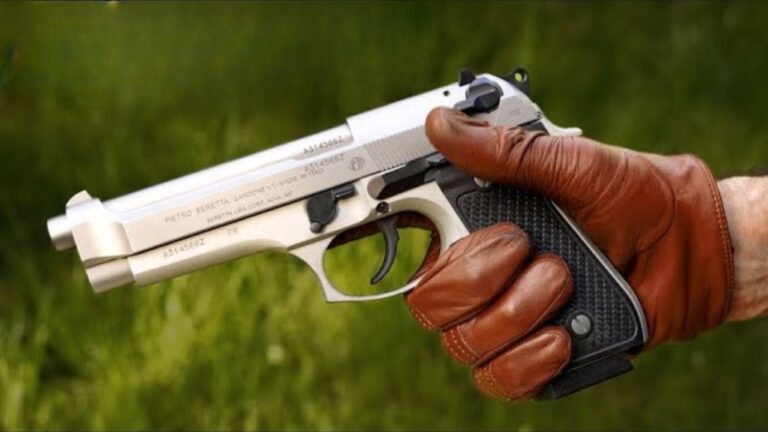
The Browning Hi-Power was once a respected but attainable classic. It had military history, great lines, and a grip shape that made a lot of shooters understand why people loved it. Then discontinued production and renewed interest pushed prices up hard.
The Hi-Power is still a wonderful pistol, but some prices are carried more by romance than practicality. The small sights, magazine disconnect on many examples, and older safety design can feel dated compared with modern carry guns. It became expensive because people finally noticed it after the easy-buying days were gone.
Ruger No. 1

The Ruger No. 1 became expensive because it appeals to hunters who like the idea of a classy single-shot rifle as much as the actual use of one. It is strong, elegant, and chambered in plenty of interesting rounds, but it is not the easiest rifle for every hunter to shoot well.
Prices climbed because production slowed, certain chamberings became scarce, and collectors started chasing specific runs. A good No. 1 is special, but not always because it outshoots a basic bolt gun. A lot of the money is tied to romance, rarity, and the kind of hunting image people want to own.
Benelli M4

The Benelli M4 is a serious shotgun, but its price has also been helped by reputation overload. Military use, online praise, and the Benelli name made it one of those guns people want even if their actual needs do not come close to requiring it.
It is reliable and well-built, but plenty of owners pay a premium for the idea of having “the” tactical shotgun. Aftermarket parts, import rules, and limited configurations only add more cost. The M4 did not become expensive for completely fake reasons, but the hype around it pushes the price far past what many shooters actually need.
Bren Ten
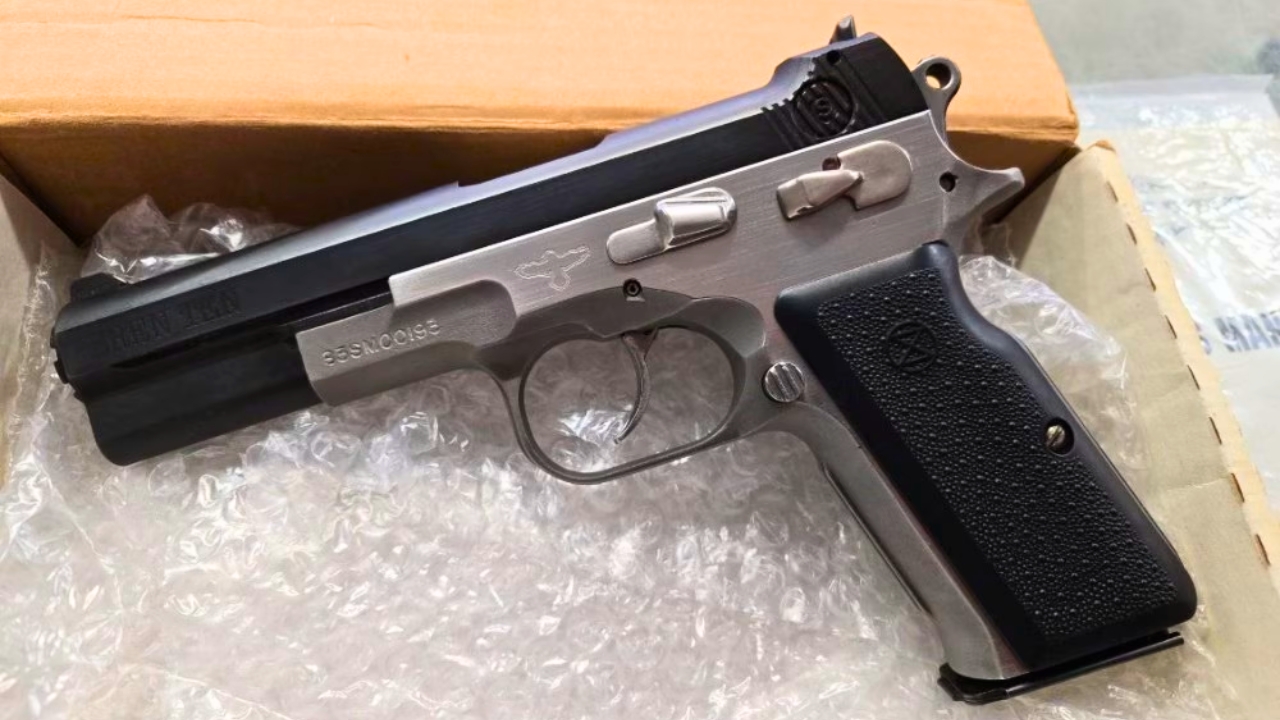
The Bren Ten became expensive because of a mix of scarcity, 10mm history, and television fame. It had a rocky production life, magazine issues, and enough drama to make collectors interested long after regular shooters moved on.
That is what makes its price so strange. The Bren Ten is important, but not because it was a flawless handgun everyone should copy. It became valuable because it represents an idea, a moment, and a cartridge story that got bigger over time. Collectors chase the legend more than the practical pistol.
Smith & Wesson Model 19

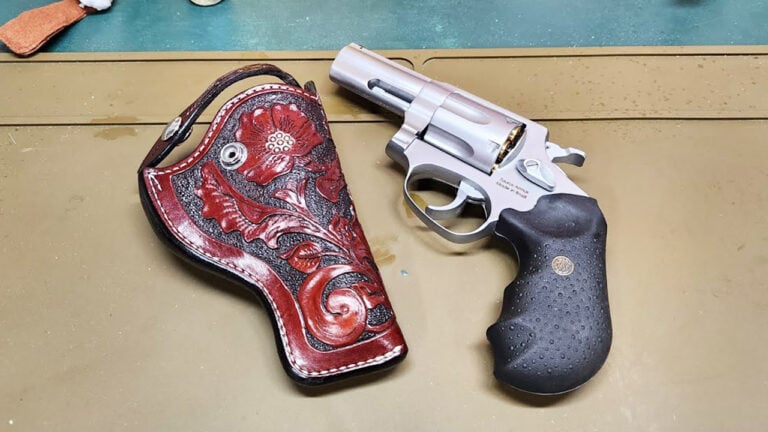
The Smith & Wesson Model 19 is one of the best-feeling .357 revolvers ever made, but prices rose hard once shooters started looking backward at classic K-frames. The blueing, balance, and old-school craftsmanship made people miss what used to be common.
The issue is that not every Model 19 should be priced like a perfect collector gun. Some were carried hard, shot with plenty of magnums, or show timing and forcing cone wear. A good one is absolutely worth owning, but the rising prices often come from nostalgia for classic Smiths more than careful inspection of the individual revolver.
Like The Avid Outdoorsman’s content? Subscribe to our newsletter so you never miss an article.
Here’s more from us: